Author: Patricia

  • San Juan de la Rambla Guide: Charco de La Laja, Historic Streets and North Coast

    San Juan de la Rambla Guide: Charco de La Laja, Historic Streets and North Coast

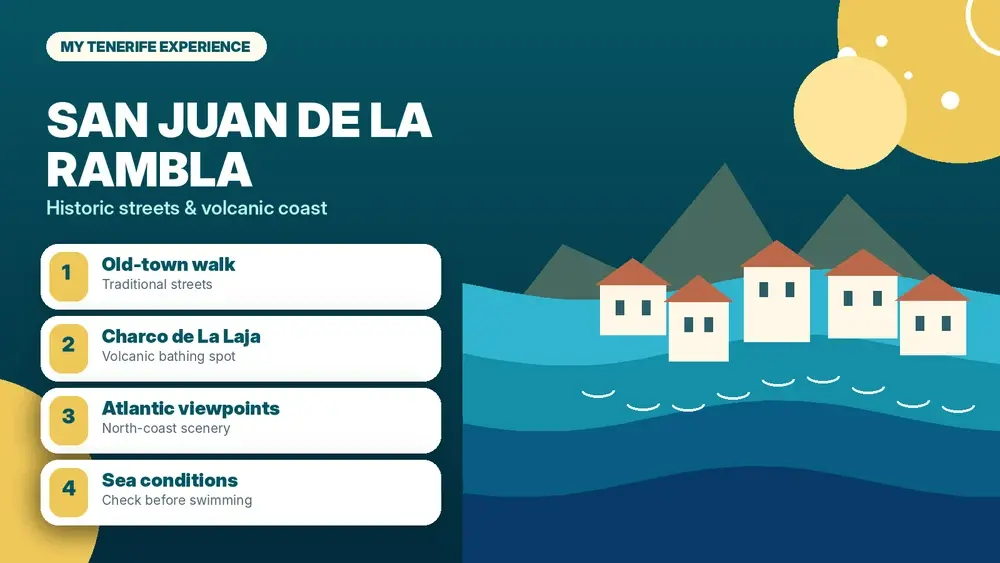
    San Juan de la Rambla is one of those north-Tenerife places that makes sense precisely because it is not a large attraction. The municipality combines a small historic centre, steep green slopes, Atlantic viewpoints and one of the island’s best-known volcanic bathing spots, Charco de La Laja. Official Tenerife tourism describes La Laja as a lava-formed natural pool with generally clear, calm water when sea conditions allow, while also warning that swell can become strong. That balance is exactly how I approach the area: beautiful, local and rewarding, but not a place where I ignore the Atlantic. I would include San Juan de la Rambla on a north-coast day with Los Realejos, La Guancha, Icod or Garachico rather than crossing the island solely for one swim.

    The historic centre

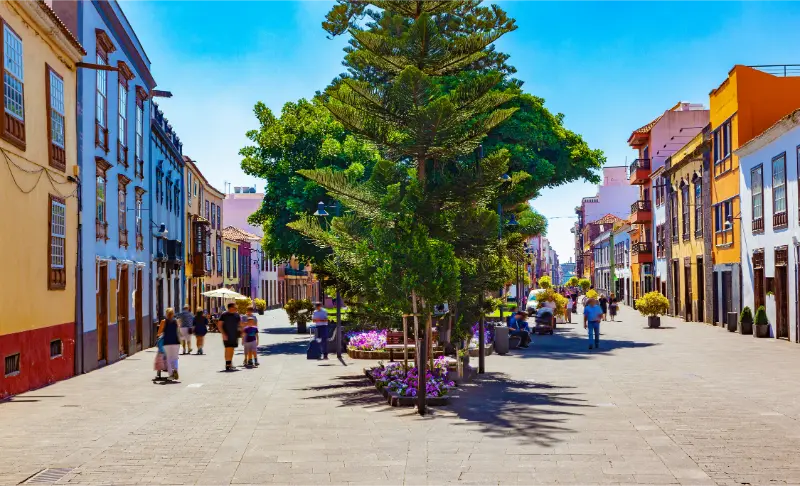
    The old centre is compact, and that is part of its charm. Traditional houses, small streets and ocean views create a slower atmosphere than Puerto de la Cruz. Official tourism highlights historic properties and religious buildings as part of the municipality’s character.

    I park carefully, walk rather than drive between nearby streets and accept that opening hours for small churches or cultural sites may be limited. The value is the ensemble, not a single must-see interior.

    Charco de La Laja

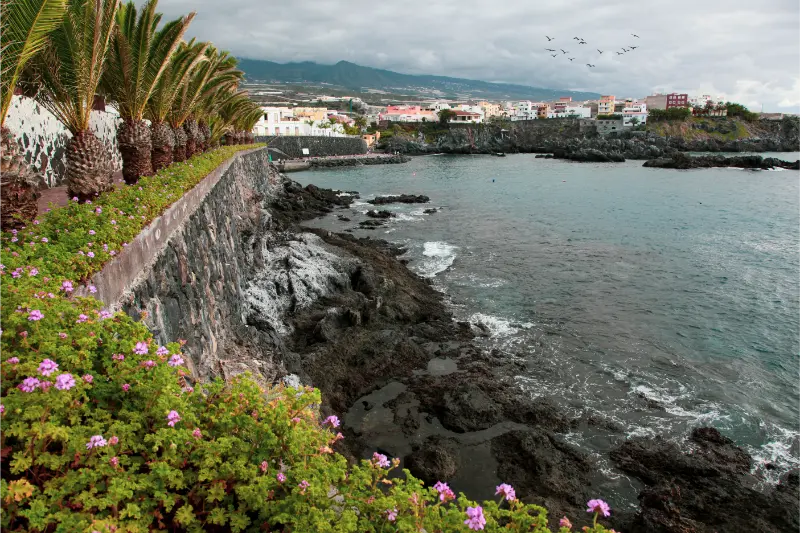
    Charco de La Laja is the place most visitors recognise. Lava created a protected-looking basin on the coast, reached by a path and steps. On a calm day the water can look almost swimming-pool smooth; on a rough day waves can change the situation completely.

    I check conditions at the site, respect closures and do not interpret other people swimming as proof that conditions are safe for me. My natural pools guide explains the same rule across Tenerife’s charcos.

    Las Aguas and the coast

    The coastal hamlet of Las Aguas is another reason to slow down. It gives access to sea views and restaurants in a setting that feels embedded in the north coast rather than built around tourism. I like it for lunch after the historic centre.

    This is a good place to try local fish or Canarian dishes without needing a formal food itinerary. My food guide provides the background.

    Walking and viewpoints

    The municipality is steep, so even short walks can involve gradients. I prefer coastal and village strolls unless I have researched a specific hiking route. After rain, stone and shaded surfaces can be slippery.

    For a larger walking day I continue to Los Realejos or choose a dedicated trail rather than improvising on rural roads.

    Weather on the north coast

    San Juan de la Rambla is greener and often cloudier than the south. That does not mean constant rain; it means more variable cloud, humidity and a different quality of light. I keep a flexible schedule and sometimes visit when the south is too hot.

    Swimming conditions depend more on swell than air temperature. A warm sunny day can still produce unsafe waves at a natural pool.

    How to get there

    By car, the north motorway and connecting roads make San Juan de la Rambla straightforward to add to a north-coast itinerary, though parking in small centres can be limited. Official tourism places Tenerife North Airport roughly 40 km away and Tenerife South considerably farther.

    Buses connect the municipality with other northern towns, but I check current TITSA times for the exact stop. For a multi-village day, a car is more flexible.

    Where to stay

    This is not where I would send a first-time visitor seeking resort services. It suits rural stays, repeat visitors, couples who want quiet and travellers comfortable driving to beaches and attractions.

    If the atmosphere appeals, compare San Juan de la Rambla accommodation with Puerto de la Cruz or Icod before deciding. A beautiful rural property can also be isolated after dark.

    How I combine San Juan de la Rambla with nearby places

    My favourite logical combinations are Icod plus San Juan de la Rambla, or Los Realejos plus San Juan de la Rambla. Garachico can be added if I start early, but I do not try to swim in every natural pool along the coast.

    Use my Icod guide and Garachico guide to build a route based on two or three strong stops rather than six rushed ones.

    My final planning advice

    I think San Juan de la Rambla is best treated as a place to experience rather than consume. A walk, one swim if conditions are right, lunch and a few quiet streets can be enough. That is exactly why it adds variety to a Tenerife trip dominated by big attractions.

    If you are staying in the south, I would include it only as part of a broader north-coast day. If you are based in Puerto de la Cruz, La Orotava or Icod, it becomes an easy half-day excursion that can be adjusted around weather.

    A north-coast half day

    From Puerto de la Cruz I can make San Juan de la Rambla a relaxed half day: historic centre, La Laja if the sea is calm, then lunch in Las Aguas. That leaves the afternoon free for Icod, Garachico or a return to the hotel. I prefer this rhythm to trying to collect every charco between Los Realejos and Buenavista.

    For a north-coast half day, I keep the decision flexible. I compare live conditions with the rest of the day, leave margin for slower roads or parking, and choose the version that keeps San Juan de la Rambla guide comfortable rather than ambitious. Tenerife can change quickly between coast, forest and high ground.

    Photography without taking risks

    La Laja is photogenic because of the contrast between black lava, white water and the village above. I take photos from established paths and platforms. Wet lava is not a tripod platform, and waves do not respect the edge that looks dry in a previous photograph.

    This is one part of San Juan de la Rambla guide that I do not lock in too early. Around photography without taking risks, current weather, access and the energy of the group matter more than the plan I wrote at home. I leave enough time to change direction without turning the day into a rush.

    When I skip the natural pool

    If waves are breaking over the outer lava or local authorities close access, I do not wait for a gap and jump in. I turn the visit into a photography and lunch stop. The north coast offers enough alternatives that missing one swim is never a ruined day.

    Before relying on when i skip the natural pool, I recheck anything time-sensitive and keep a nearby alternative. A closure, weather change or full car park should change one stop, not the whole day. For San Juan de la Rambla guide, that small amount of redundancy makes independent travel much calmer.

    Parking and steep streets

    The municipality is compact but not flat. I park where permitted and walk the last part, accepting the gradient. If mobility is limited, I study the exact access to the viewpoint or restaurant rather than assuming a village centre is step-free.

    I verify parking and steep streets close to the visit rather than assuming an older timetable or review is still correct. If conditions are different, I switch to the backup I already chose. This keeps San Juan de la Rambla guide practical without filling the itinerary with unnecessary contingency stops.

    Lunch in Las Aguas

    I like placing lunch after the pool because it removes any rush to reach the water at a particular time. Fresh fish and Canarian dishes fit the setting, and a slower meal gives me time to reassess weather before continuing along the north coast.

    The final check for lunch in las aguas happens on the day: weather, access, transport and any local notice. I would rather adapt early than spend an hour trying to rescue a plan that no longer works. That flexibility is especially useful when organising San Juan de la Rambla guide.

    A rainy-day alternative

    If the coast is wet or rough, I shift the emphasis to Icod, La Orotava or a museum in Puerto de la Cruz. North-coast weather often changes over short distances, so I keep the car itinerary flexible rather than cancelling the entire day.

    For a rainy-day alternative, I save one realistic alternative in the same area and avoid crossing the island just to replace a missed stop. That way San Juan de la Rambla guide stays geographically sensible even when Tenerife’s weather or access conditions change.

    Final planning check for San Juan de la Rambla guide

    Before I lock in this part of the trip, I compare the plan with the next day as well. A late finish, long drive or tiring activity can affect what follows. I prefer to leave a little unused time in the schedule, especially when San Juan de la Rambla guide is combined with mountain roads, swimming, hiking or a restaurant reservation. That margin is what lets me stop at an unexpected viewpoint, wait out a shower or simply stay longer somewhere I like without feeling that the itinerary is falling apart.

  • Best Day Trips from Costa Adeje: Teide, Masca, Anaga, La Gomera and More

    Best Day Trips from Costa Adeje: Teide, Masca, Anaga, La Gomera and More

    Costa Adeje is a comfortable base, but I would never spend an entire Tenerife trip only on its seafront. The island’s strongest experiences are scattered across the highlands, north coast, Anaga and Teno. The good news is that many work as day trips if I group places logically and accept that mountain roads are slower than the map suggests.

    This guide starts from the assumptions in my Costa Adeje guide. I focus on realistic day trips rather than “see the whole island in a day” routes. Some excursions are easiest with a rental car, others make more sense as organised tours or by ferry.

    Teide National Park: the essential first day trip

    Mount Teide is the day trip I would prioritise on a first visit. From Costa Adeje the drive climbs through Vilaflor or another mountain route into a landscape of lava, caldera walls and high-altitude viewpoints. Even without the cable car, the national park is extraordinary.

    I leave early, bring warm layers and check both road and weather conditions. If I plan to hike regulated high-mountain trails, I also verify permits on Tenerife ON. A cable-car reservation should have enough margin for the drive, because mountain traffic and viewpoint stops can easily slow me down.

    Masca and Teno: dramatic roads and mountain villages

    Masca is a beautiful excursion, but I separate “visiting the village” from “hiking the gorge.” The gorge is regulated and requires advance planning. A simple road trip can combine Santiago del Teide, Masca viewpoints and parts of Teno.

    Masca Village Tenerife

    The road is winding, and parking/access rules around Masca matter. I avoid creating a day that depends on finding a spontaneous parking space. For nervous drivers, an organised excursion can be more relaxing.

    Los Gigantes and whale watching

    Los Gigantes is an easy day trip from Costa Adeje and works especially well with a responsible whale-watching trip. The cliffs are impressive from land but even more dramatic from the water.

    I book the boat as the fixed anchor and keep the rest of the day flexible. A late-afternoon return to Costa Adeje is simple, or I stay for sunset around Puerto Santiago. This is one of the least tiring day trips on the list.

    La Laguna and Anaga: the best culture-and-nature combination

    The combination of La Laguna and Anaga gives the strongest contrast with Costa Adeje. I start in the UNESCO-listed historic centre, then drive into laurel forest and mountain viewpoints.

    I do not try to add Taganana, Benijo, every mirador and a long hike to the same day unless I start very early. Anaga roads are slow. A better plan is one short forest walk, two or three viewpoints and either Taganana or the La Laguna centre as the main second focus.

    Illustrated guide: Best Day Trips from Costa Adeje, with practical visitor tips
    Illustrated guide: Best Day Trips from Costa Adeje.

    Garachico, Icod and the northwest

    A classic northwest day combines Garachico with Icod de los Vinos. Icod brings the Drago Milenario and historic centre; Garachico adds volcanic history and natural pools. If time remains, I continue toward Buenavista rather than adding distant La Orotava.

    This route involves a longer motorway drive from Costa Adeje, but it is straightforward compared with Anaga mountain roads. I leave swimming in Garachico dependent on sea conditions and keep a walking alternative ready.

    La Orotava and Puerto de la Cruz

    La Orotava and Puerto de la Cruz fit naturally together. I spend the morning among La Orotava’s historic streets and gardens, then descend to the coast for lunch, Lago Martiánez, the seafront or Playa Jardín.

    This is a gentler day than a long mountain hike and works well when the south is hot. North-coast weather can be cloudier, so I pack a light layer and treat that contrast as part of the experience rather than a problem.

    Santa Cruz and Las Teresitas

    For shopping, architecture and an urban day, I go to Santa Cruz. After the market, Auditorio area and city centre, I continue to Las Teresitas for a swim or sunset.

    This trip works well by car or public transport. It also makes sense for travellers who do not want mountain driving. If Carnival is taking place, normal traffic and transport arrangements change considerably, so I plan around the event rather than treating it as a regular city day.

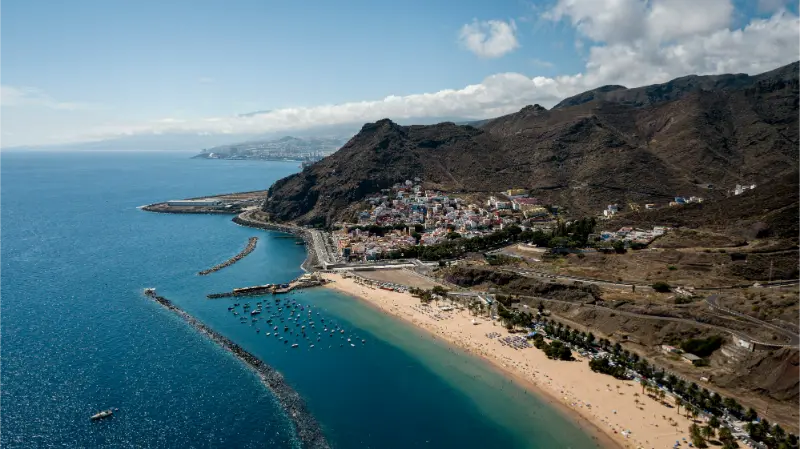
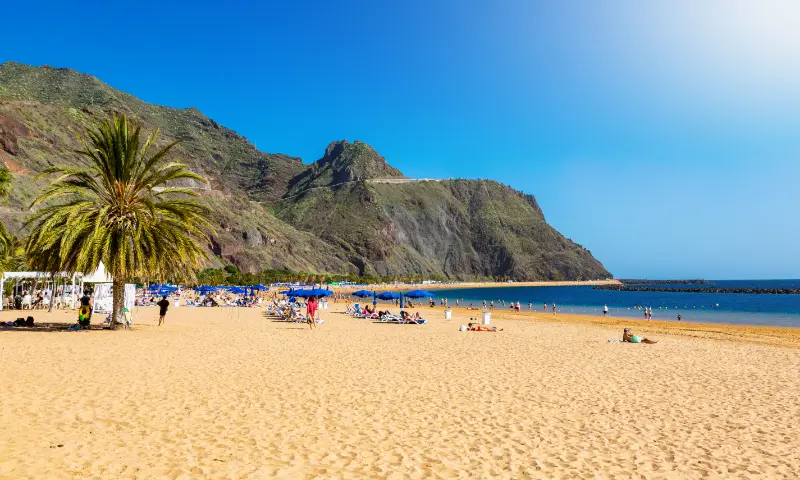
    The crescent of Las Teresitas and its breakwater below the Anaga mountains

    La Gomera: the island-to-island day trip

    Ferries from Los Cristianos make La Gomera possible as a long day trip. The attraction is not simply “another island”; Garajonay National Park, deep ravines and San Sebastián create a landscape and cultural history distinct from Tenerife.

    Because ferry times are fixed, I prefer an organised island tour or a very carefully planned rental-car day. I never book the last ferry connection as if delays were impossible. For a relaxed trip, one night on La Gomera is better than trying to see everything in a few hours.

    El Médano and the south-east coast

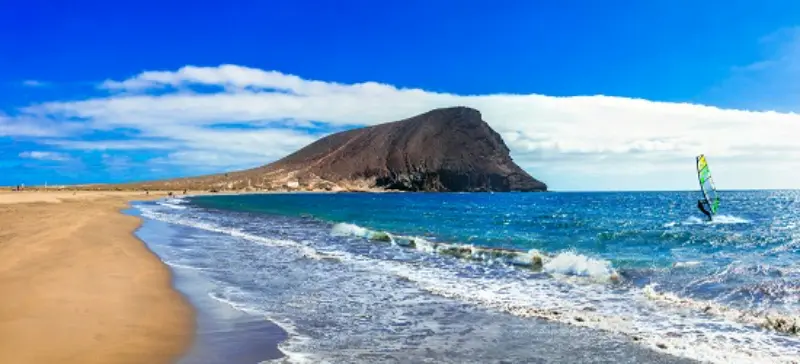
    For an easy half-day or low-stress day trip, El Médano offers a completely different south-coast atmosphere. The town has cafés, windsurfing culture and access to the Montaña Roja landscape and La Tejita beach.

    I choose it when I want less driving and more time outdoors. Wind is part of the local character, so beach conditions may be breezier than Costa Adeje. That is good for watersports and less ideal for a calm sunbathing day.

    Which day trips work without a car?

    Los Gigantes, Santa Cruz, La Laguna, El Médano and Puerto de la Cruz are all possible using public transport, though journey times vary. Teide is more complicated without a car and often easier as an organised excursion. My Tenerife without a car guide explains the basics.

    I compare the real door-to-door time, not just the distance. A tour can be better value than multiple buses when it includes remote viewpoints; public transport is better when I want a city day with no fixed programme.

    Masca Mountain Valley Tenerife

    How many day trips would I do in one week?

    On a seven-night Costa Adeje stay, I usually plan three substantial excursions and leave the other days for beaches, local walks and flexible plans. Teide, one north/northwest day and one Anaga or La Gomera day create plenty of variety.

    Doing a full-day road trip every day defeats the reason for staying in Costa Adeje. I like using the resort comfort as a recovery base, not merely a place to sleep between twelve-hour drives.

    Renting a car for day trips

    A rental car gives the most freedom for Teide, Teno and the northwest. My Tenerife by car guide covers mountain-road habits, parking and route planning. I book a vehicle only for the days I genuinely need it if the rest of the holiday is resort-based.

    Fuel distances are modest, but driving hours add up. I avoid planning Teide, Masca and Anaga on consecutive days if I am the only driver. A rest day by the beach makes the next excursion more enjoyable.

    Organised tours: when they make sense

    Tours are particularly useful for Teide without a car, a first visit to Masca, and La Gomera when I want transport logistics handled. They also let everyone in the group enjoy mountain scenery instead of one person concentrating on hairpin bends.

    Masca Valley Panoramic View Tenerife

    I read the itinerary carefully. Some “island tours” spend most of the day in a bus and only minutes at each stop. I prefer fewer stops with meaningful time over a long list of place names.

    Practical planning notes

    Before I build a day around best day trips from Costa Adeje, I check opening or access conditions, the weather in the exact part of the island, transport for the return journey and how much walking the day really involves. Tenerife rewards flexible planning because coast, mountain and urban conditions can differ sharply. I keep one alternative nearby instead of replacing a cancelled plan with a long drive to the opposite side of the island.

    I also leave more time for meals and parking than a map suggests. Historic centres, beach promenades and mountain trailheads all become slower at popular times. An itinerary with some empty space usually produces better travel experiences than one that requires every transfer to work perfectly. When official restrictions or warning signs conflict with my original plan, I change the plan rather than looking for a workaround.

    For accommodation, I pay attention to the real route from the property to the places I expect to use every day. Tenerife has steep streets, large resort zones and rural roads where a short straight-line distance can hide a significant climb or an inconvenient walk. Reading the map at neighbourhood level is one of the simplest ways to avoid a poor base.

    Final thoughts

    Costa Adeje is one of Tenerife’s easiest bases precisely because so much of the island is reachable from it. The key is choosing a few day trips that are genuinely different rather than repeating similar coastal stops.

    For a first trip I would choose Teide, a north or northwest route, and either Anaga or La Gomera. That combination shows volcanic highland, historic Tenerife and a completely different landscape without turning the holiday into a race.

  • Santa Cruz de Tenerife Carnival Guide: Parades, Street Nights and Practical Tips

    Santa Cruz de Tenerife Carnival Guide: Parades, Street Nights and Practical Tips

    The Carnival of Santa Cruz de Tenerife is not a single parade. It is a sequence of galas, competitions, street celebrations, daytime events and traditions that build over several weeks and then spill into the centre of Santa Cruz. The first time I looked at the programme, the number of event names was confusing. Once I understood the rhythm, planning became much easier.

    I treat Carnival as a city experience, not simply a party. It makes sense to combine it with my Santa Cruz de Tenerife guide and, if time allows, a day in La Laguna. Exact dates and event times change every year, so I always check the official Tenerife Carnival information before booking transport or tickets.

    Understanding the Carnival calendar

    The official programme begins well before the biggest street nights. Murgas, comparsas, rondallas and other groups compete and perform during the build-up. The Queen Election Gala is one of the major indoor spectacles, followed by the opening parade that brings the celebration decisively into the streets. After that, the city centre becomes the main stage.

    For a short trip, I decide whether I want the grand spectacle, the street atmosphere or the more family-friendly daytime events. Trying to see everything usually creates more stress than enjoyment. A visitor who loves costumes and choreography may prioritise the gala and parade, while someone who wants the famous street experience should focus on the core Carnival weekend and the following nights.

    The Queen Gala: spectacle rather than street party

    The Gala de Elección de la Reina is the glamorous, theatrical side of Carnival. The elaborate costumes are enormous constructions designed for presentation on stage, and the event has a completely different feel from the free-flowing street nights. Tickets are normally required, and demand can be high.

    I would choose the gala if I wanted to see the craftsmanship and scale of Carnival in a controlled setting. It is not the best choice for someone who only has one evening and mainly wants to dance in the street. If the gala matters to you, watch the official sales announcements rather than relying on third-party resale information.

    The opening parade and the first big street night

    The Cabalgata Anunciadora is one of the moments when the event becomes immediately understandable to a visitor: groups, costumes, music and floats move through Santa Cruz and the city shifts from preparation to celebration. It is visually rich and a good first Carnival event if you have never attended before.

    After the parade, the street atmosphere continues into the night. I wear comfortable shoes and clothes I do not mind standing in for hours. Distances that look short on a map can take much longer because streets are busy and some routes are diverted. I avoid making a tight dinner reservation on the opposite side of the centre.

    Street Carnival: why a costume matters

    The street nights are the part many visitors imagine when they hear “Tenerife Carnival.” Music stages, bars, food stands and crowds fill central Santa Cruz. Wearing a costume is part of the social language of the event. It does not need to be elaborate; even a simple, comfortable idea helps you feel involved rather than like a spectator standing outside the celebration.

    I prioritise practicality. A clever costume that is impossible to walk in becomes a burden after an hour. I avoid expensive accessories that I would be upset to lose, carry only what I need and keep my phone and wallet secure. Carnival is festive, but the same common-sense precautions I use at any huge public event still apply.

    Daytime Carnival and families

    Carnival is not only for late-night crowds. Daytime events create a different atmosphere and are much easier for families or travellers who do not want to stay out until the early morning. Streets can still be busy and colourful, but the rhythm is less demanding.

    If travelling with children, I choose one or two daytime events rather than trying to reproduce an adult Carnival schedule. I plan regular food and rest breaks, agree on a meeting point with older children and avoid the densest late-night areas. My general family planning tips are in the Tenerife with kids guide.

    The Burial of the Sardine and closing traditions

    One of Carnival’s most distinctive traditions is the Burial of the Sardine, a deliberately theatrical mock funeral that mixes humour, exaggeration and spectacle. It is a reminder that Carnival has its own language and rituals, not just a sequence of concerts.

    Later events and the piñata weekend extend the celebration before the season finally winds down. For visitors, the useful lesson is that there is no single “Carnival night.” Depending on arrival dates, you can experience very different versions of the festival. I choose dates based on the event I most want to see, then build the rest of the trip around it.

    Where to stay during Carnival

    If Carnival is the main reason for the trip, I prefer staying in or close to central Santa Cruz. It reduces the need to solve late-night transport after streets have been closed or routes modified. You can compare accommodation in Santa Cruz and then check the walking route to the central event area before booking.

    La Laguna can also be a good base if accommodation in Santa Cruz is limited, but I would confirm late transport options for the specific night. Staying far in the south can work for a day visit, yet it is much less convenient if your goal is the street carnival after midnight.

    Transport and road closures

    Carnival changes normal traffic patterns. Roads close, bus stops move and taxi demand rises. I do not assume that a route used on a normal Tuesday will operate exactly the same way during a major street night. TITSA and the local authorities publish special arrangements closer to the event.

    If I am staying elsewhere on the island, I check public transport before deciding to drive. Parking at the edge of the city and continuing on foot can be more sensible than attempting to reach the centre. My broader Tenerife without a car guide explains the island’s normal public-transport system.

    Casa del Carnaval: useful even outside Carnival season

    If my travel dates do not match the festival, I still like the idea of visiting the Casa del Carnaval. The museum space in Santa Cruz presents costumes, posters and audiovisual material that explain the history and creative work behind the celebration.

    It is also useful before the festival because it gives context to the groups, queens and visual traditions. A traveller who understands a little of the culture behind Carnival usually gets more from the street experience than someone who arrives expecting only a generic party.

    My first-timer strategy

    For a first visit I would choose three anchors: one major parade or gala, one street night and one daytime session. That gives a balanced picture without exhausting the trip. I would leave the morning after the street night deliberately slow, with no Teide sunrise drive or demanding hike scheduled.

    I also book accommodation early, pack a light costume, carry a small power bank and keep a screenshot of my hotel address. Most importantly, I follow the current official programme. Carnival is a living annual event, so old schedules are useful for understanding the pattern but not for planning exact times.

    What to pack for Carnival

    My Carnival day bag is deliberately small: phone, power bank, ID, payment card, a little cash, water and a light layer. I avoid a large backpack in dense crowds. If rain is possible, a compact waterproof layer is more useful than an umbrella, which becomes awkward among thousands of people.

    Performer in a multicoloured feathered carnival costume

    For footwear I choose trainers I can stand and dance in for hours. New shoes, high heels and fragile costume pieces turn into problems quickly. The best costume is one I can still enjoy after midnight.

    Respecting the city and residents

    Carnival takes over central Santa Cruz, but people still live and work there. I use bins, avoid blocking doorways and treat public spaces as part of a city rather than a temporary festival site. The event is famous because local groups invest an enormous amount of work in it throughout the year.

    I also avoid assuming that every costumed person is there to pose for tourists. Asking before taking a close portrait is basic courtesy and usually leads to a better interaction anyway.

    Practical planning notes

    Before I build a day around Santa Cruz de Tenerife Carnival guide, I check opening or access conditions, the weather in the exact part of the island, transport for the return journey and how much walking the day really involves. Tenerife rewards flexible planning because coast, mountain and urban conditions can differ sharply. I keep one alternative nearby instead of replacing a cancelled plan with a long drive to the opposite side of the island.

    I also leave more time for meals and parking than a map suggests. Historic centres, beach promenades and mountain trailheads all become slower at popular times. An itinerary with some empty space usually produces better travel experiences than one that requires every transfer to work perfectly. When official restrictions or warning signs conflict with my original plan, I change the plan rather than looking for a workaround.

    For accommodation, I pay attention to the real route from the property to the places I expect to use every day. Tenerife has steep streets, large resort zones and rural roads where a short straight-line distance can hide a significant climb or an inconvenient walk. Reading the map at neighbourhood level is one of the simplest ways to avoid a poor base.

    Final thoughts

    Santa Cruz Carnival is easiest to enjoy when I stop thinking of it as one giant event and instead choose the parts that match my travel style. The gala offers spectacle, the parade offers colour, the street nights offer participation and the daytime programme makes the festival accessible to a much wider range of visitors.

    With accommodation and transport sorted in advance, the rest can be spontaneous. I leave space to wander, watch a comparsa pass, find a square full of music and experience the city at its most extroverted.

  • Best Family Beaches in Tenerife: Calm Water, Facilities and Practical Tips

    Best Family Beaches in Tenerife: Calm Water, Facilities and Practical Tips

    A good family beach in Tenerife is not simply the prettiest beach on a map. When I travel with children, I care more about the combination of manageable water, easy access, toilets or nearby cafés, room for a stroller, shade options, and a simple escape plan if the wind or waves suddenly change. Tenerife has spectacular wild beaches, but some of the most photogenic ones are not the places I would choose for a relaxed day with small children.

    This guide focuses on beaches that make family logistics easier. It complements my broader Tenerife with kids guide and best beaches in Tenerife guide. Conditions are never guaranteed on an Atlantic island, so I still check the sea, flags and lifeguard instructions when I arrive. A beach that feels gentle in the morning can be less comfortable later in the day.

    What I look for in a family beach

    My first filter is water entry. Sheltered bays, breakwaters and gradual shorelines are usually easier with younger children than exposed surf beaches. The second filter is practical: parking, bus access, a promenade, toilets, showers, food and somewhere to buy water. None of these details sound exciting when planning a holiday, but they are exactly what turns a beach visit into an easy half-day rather than a logistical exercise.

    I also separate “good for paddling” from “safe without supervision.” No Atlantic beach is a substitute for close adult attention. I keep children within reach near the shoreline, respect warning flags and avoid rock pools or breakwaters when swell is pushing water over them. Tenerife offers many developed beaches with lifeguard services, but I still treat the ocean as the final authority.

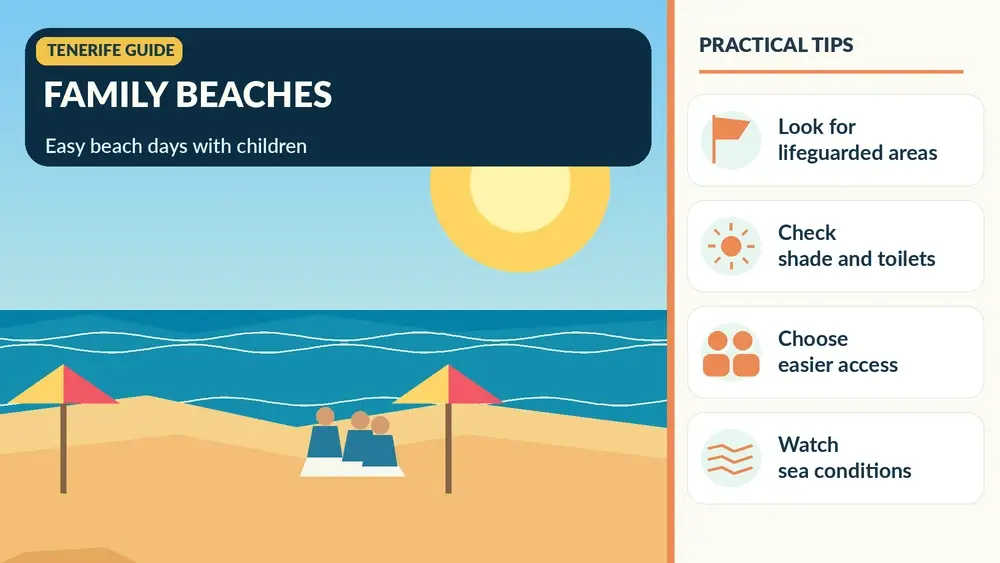
    Illustrated guide: Best Family Beaches in Tenerife, with practical visitor tips
    Illustrated guide: Best Family Beaches in Tenerife.

    Las Teresitas: my easiest north-east family beach

    Las Teresitas is one of the beaches I recommend most often to families staying around Santa Cruz or La Laguna. The long strip of pale sand and the offshore protection usually create a calmer feel than many exposed beaches on the north coast. The beach is spacious enough for children to play, and its length makes it easier to find a comfortable section even when the central area is busy.

    The practical side is strong too: there is road access, parking, bus service from Santa Cruz and food options around the beach and San Andrés. I like arriving earlier in the day, especially on weekends. The mountain backdrop gives Las Teresitas much more character than a generic resort beach, while the easy setup keeps the day simple.

    Las Vistas: the convenient choice in Los Cristianos

    For families based in the south, Las Vistas is hard to beat for convenience. It sits between Los Cristianos and Playa de las Américas, with a long pedestrian promenade, restaurants, shops and easy links to the wider resort area. I cover the neighbourhood in more detail in my Los Cristianos guide.

    Las Vistas is especially useful when one family member wants the beach while another wants cafés, shopping or a walk. You are not committed to an isolated beach day. The broad sandy area also gives children room to play away from the waterline. In peak periods, I prefer walking or using public transport rather than circling for the closest parking space.

    Playa De Las Teresitas Sandy Beach Tenerife

    La Pinta: small, sheltered and close to Puerto Colón

    Playa de La Pinta, beside Puerto Colón in Costa Adeje, is a smaller beach that works well when I want a contained setting rather than a huge stretch of sand. The bay is sheltered by harbour infrastructure, and the surrounding promenade is packed with restaurants and services. That makes snacks, toilets and a quick change of plan easy.

    The location also lets a family combine beach time with a gentle harbour walk or a boat excursion on another day. My Costa Adeje guide explains the wider area. Because watersports and harbour activity are nearby, I still keep an eye on designated swimming areas and on the daily sea conditions.

    El Camisón: a useful middle ground in Playa de las Américas

    El Camisón is the beach I often suggest to families who want to stay near the energy of Playa de las Américas without choosing the most exposed surf sections. It is backed by the promenade and has plenty of cafés and restaurants within a short walk.

    The beach is relatively compact, which can be useful with children because the walk from towel to water is not endless. As elsewhere, I pay attention to flags and conditions. If the family wants a quieter atmosphere, I would compare El Camisón with Las Vistas rather than assume one is always better; they are close enough to try both during the same holiday.

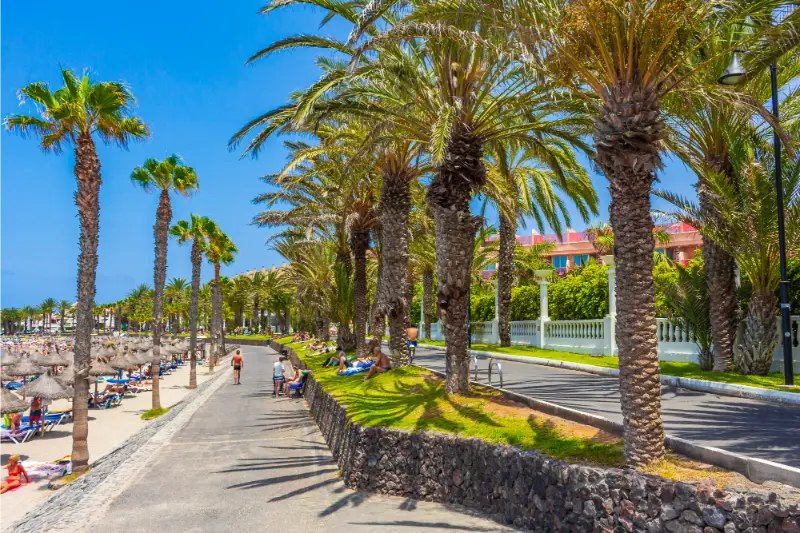
    Palm-lined promenade beside Playa del Camisón

    Playa del Duque: polished, comfortable and easy to pair with lunch

    Playa del Duque is one of the most polished beach environments in Costa Adeje. The promenade is attractive, there are restaurants and higher-end hotels nearby, and access is straightforward. For a family that values comfort over a wild setting, it is an easy option.

    I would not choose it because it is “safer” in an absolute sense; sea conditions still matter. I choose it because the infrastructure makes the whole day easier. It can also work well with grandparents or mixed-age groups, where not everyone wants to spend hours in the sand. A beachfront lunch or promenade walk gives the day more flexibility.

    Playa de Fañabé and Torviscas: good for a classic resort day

    Fañabé and the adjacent Torviscas area are practical choices for families who want a traditional resort beach day. The seafront is lively, accommodation is plentiful and almost every basic service is nearby. These beaches are particularly convenient if you are staying in Costa Adeje without a car.

    The trade-off is that they can feel busy and commercial. I see that as an advantage for some families and a disadvantage for others. If I want quiet scenery, I go elsewhere. If I want a beach where lunch, ice cream, a pharmacy and the walk back to the hotel are all easy, this part of the south performs very well.

    Exploring Tenerife With Kids

    Playa de San Juan and Alcalá: a slower family atmosphere

    Families who prefer a smaller coastal-town rhythm should look at Playa San Juan and Alcalá. These places feel less dominated by large resort infrastructure than Costa Adeje, while still offering promenades, swimming areas and restaurants.

    I like them for families that enjoy a morning swim followed by a long lunch and an evening walk rather than a schedule of attractions. The coastline is volcanic and some entries are rockier than a classic sandy beach, so I choose the exact bathing area according to the children’s ages and current sea conditions.

    Beaches I admire but would not pick first with small children

    Benijo is one of Tenerife’s most dramatic beaches, but it is exposed to Atlantic swell and involves steps. El Bollullo and El Socorro can also have strong waves. I visit places like these for scenery, photography or experienced swimming only when conditions are appropriate, not because a “best beaches” list tells me they are unmissable.

    The same applies to natural pools. They can be wonderful, but ocean swell can make them dangerous even when the pool itself looks protected. For younger children I prefer developed pools or beaches with lifeguards and simple access. My rule is to match the place to the family rather than force the family to match the place.

    How I plan a family beach day

    I pack sun protection, hats, more water than I think we need, simple snacks, a dry layer and a small first-aid kit. Dark volcanic sand can become surprisingly hot, so beach shoes are useful even on days when the air temperature feels mild. I also bring a lightweight towel or cover that can create shade over a stroller for short periods without blocking ventilation.

    Timing matters. An early beach session followed by lunch often works better than arriving at midday and trying to keep everyone comfortable through the hottest hours. If the forecast is windy in El Médano or rough on the north coast, I choose a more sheltered beach rather than treating the original plan as fixed.

    Choosing a base for a family beach holiday

    If beach convenience is the priority, I compare Costa Adeje, Los Cristianos and Puerto de la Cruz rather than choosing Tenerife as one undifferentiated destination. Costa Adeje has the widest resort infrastructure; Los Cristianos has a walkable harbour-and-beach setup; the north offers greener scenery but more variable Atlantic conditions.

    Accommodation location matters more than hotel star rating when travelling with children. I check the real walking route to the beach, slopes, road crossings and supermarket access. Families can compare family accommodation across Tenerife and then verify the neighbourhood before committing.

    Beach safety details I never skip

    I teach children that a green flag is not permission to run into the sea without an adult. I identify the lifeguard point, agree where our towels are, and avoid inflatables that can drift in wind. After swimming, I rinse salt and reapply sunscreen rather than assuming morning protection will last all day.

    On black-sand beaches I test the surface with my own feet before letting a child walk barefoot. On rocky entries, simple water shoes can prevent cuts. These small habits matter more to me than finding the beach with the most impressive social-media photo.

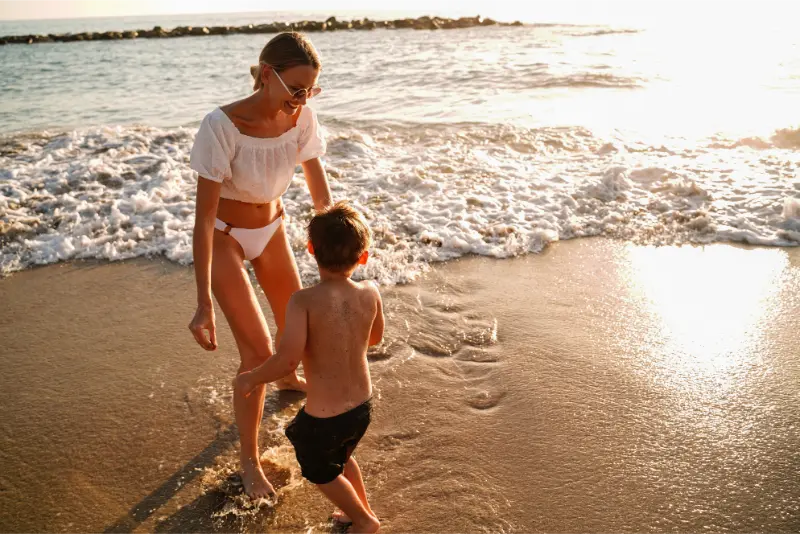
    Mother And Child On A Tenerife Beach

    Final thoughts

    Tenerife gives families far more choice than one “best” beach. Las Teresitas is my favourite easy option near the capital, Las Vistas works brilliantly around Los Cristianos, and Costa Adeje offers several beaches where services are almost effortless.

    The important part is matching beach style to the day: sheltered and serviced when everyone needs an easy outing, wilder scenery when children are older and conditions are suitable. That flexibility is one of the reasons Tenerife works so well for family trips.

  • Taganana Tenerife Guide: Anaga Village, Beaches, Hikes and Practical Tips

    Taganana Tenerife Guide: Anaga Village, Beaches, Hikes and Practical Tips

    Taganana is the Anaga village that makes me slow down the most. Reaching it means crossing a mountain landscape of laurel forest and deep ravines before the road drops toward a remote-looking Atlantic coast. The village itself is small and lived-in; nearby beaches such as Roque de las Bodegas, Almáciga and Benijo give the day its dramatic seascape.

    I do not visit Taganana as if it were an attraction with a ticket gate. People live here, roads are narrow and parking is limited. I come for the landscape, traditional settlement, food and a sense of how isolated Anaga communities were before modern roads. Respecting that scale is essential to enjoying the place.

    Why Taganana feels different

    Tenerife’s official tourism information describes Taganana as one of Anaga’s traditional settlements and highlights its nearby beaches, including Roque de las Bodegas, Almáciga and Benijo. The official Taganana page is useful before the drive.

    The change begins before I arrive. Roads pass through cloud forest and then open onto steep cultivated slopes and ravines. I allow generous travel time because this is a mountain journey, not a quick coastal transfer from Santa Cruz.

    Walking through the village

    I explore Taganana on foot without expecting a long list of monuments. Traditional houses, small lanes, terraces and the church area create the character. The village’s history is connected with agriculture, wine and the difficulty of transport through Anaga.

    I keep noise down, avoid blocking doorways and remember that a picturesque lane may be someone’s access to home. Photography is fine from public space, but I do not treat private courtyards as open exhibits.

    Roque de las Bodegas

    Roque de las Bodegas is the easiest of the nearby coastal stops for combining ocean views with restaurants. The road runs close to the shore and the beach has a more accessible feel than Benijo. I often choose it for lunch after walking in the village.

    The sea can still be rough. I assess waves and flags rather than assuming the presence of restaurants and parking makes the beach sheltered. On a strong-swell day, I enjoy the coast from land.

    Almáciga

    Almáciga is a dark volcanic beach below Anaga’s steep slopes and is well known for surf. The official page warns that waves are often strong and describes the beach as a surf location. My Tenerife surf guide explains why I do not treat a surfer-filled beach as automatically safe for casual swimming.

    I like stopping here to watch the ocean, but parking is limited. I never leave the car where it narrows the road or blocks residents. If the area is crowded, I continue rather than circling repeatedly.

    Benijo

    Benijo is the most dramatic beach in the area, with black sand and views toward the Roques de Anaga. My detailed Playa de Benijo guide covers the stair access and strong-wave precautions.

    I arrive with enough daylight for the return climb and drive. Sunset can be beautiful, but the mountain road back is not the place to be tired, rushed or distracted. If I am unfamiliar with Anaga roads, I prefer an earlier visit.

    Las Vueltas de Taganana trail

    The historic Las Vueltas route once served as an important connection between Taganana and the highlands. Tenerife’s official trail description lists a 4.5-kilometre route of roughly 2 hours 30 minutes and medium difficulty, descending through laurel forest and traditional paths toward the village. I consult the official Las Vueltas page and current trail status before walking.

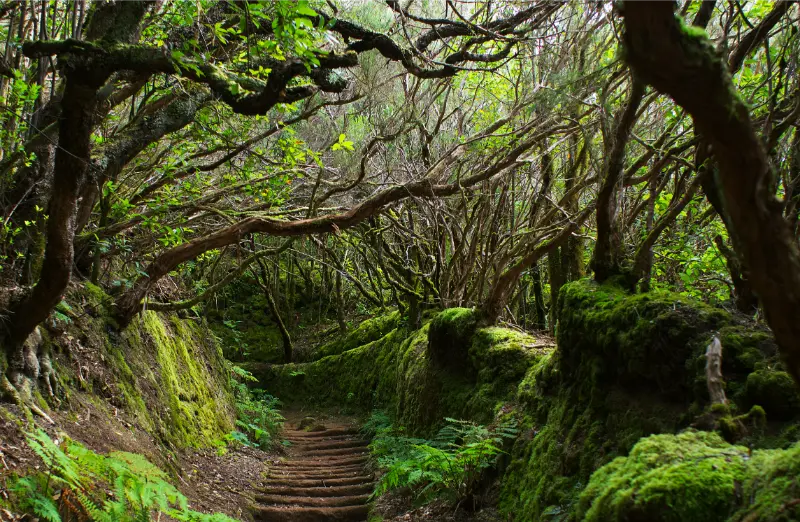
    Anaga Laurel Forest Path Tenerife

    This is not a casual add-on after a full beach day. I plan footwear, transport between trail endpoints and weather carefully. Wet stone can be slippery, and cloud in the upper forest may be very different from sunshine on the coast.

    PR-TF 8 Afur–Taganana–Afur

    For experienced hikers, the official PR-TF 8 description lists a demanding circular route of about 14.3 kilometres, around seven hours and substantial accumulated ascent and descent. It connects Afur, the Tamadite area, Taganana and the forest. I check current trail status before considering it.

    I would not recommend this as a spontaneous holiday walk. Seven hours in steep terrain requires fitness, water, food, daylight and a stable forecast. If I mainly want Taganana, a shorter walk plus village time is often the better travel experience.

    Food in Taganana

    The coast is known for simple fish restaurants, while the village and surrounding Anaga area also connect with traditional wine and agricultural products. I eat where it fits the day rather than driving back to the city for a famous restaurant.

    My food guide explains Canarian basics. In a small community, I am especially patient when service is slower; the point of the visit is not resort efficiency.

    Driving to Taganana

    The roads through Anaga are narrow, winding and scenic. I use my Tenerife driving guide as a reminder to keep speeds low, use legal parking and avoid stopping on blind bends. I also check fuel before entering the massif rather than expecting a station in every village.

    If I am uncomfortable with mountain roads, I do not force a rental-car day simply because the route is famous. Public transport or an organised excursion can make the visit more relaxing.

    Visiting by bus

    Taganana is served by TITSA, and buses are a realistic way to reach the village without driving. Schedules are less frequent than urban routes, so I check the current timetable and know my return option before leaving Santa Cruz or La Laguna. My no-car guide covers the practical side of using TITSA.

    A bus also changes the day positively: I can look out at the mountains instead of concentrating on bends and parking. The trade-off is that hopping between all three beaches becomes less flexible, so I choose priorities.

    Taganana and Anaga in one day

    I combine Taganana with one or two Anaga viewpoints or a short laurel-forest walk. My Anaga Rural Park guide explains the broader geography. I do not attempt every major trail, viewpoint and beach in a single day.

    Anaga Laurel Forest Tenerife

    A realistic plan could be forest walk in the morning, Taganana for lunch and one coastal beach afterward. That gives the landscape time to change naturally as I descend from cloud forest to the Atlantic.

    When to go

    I prefer a weekday morning outside the busiest holiday periods, but weather matters more than calendar. Anaga can be cloudy or wet even when the south is sunny. That is normal. I bring a light waterproof layer and do not cancel simply because the high forest is misty.

    Strong rain, wind or official warnings are different. I follow closures and do not enter ravines or exposed trails during unsafe conditions. The coast can also be rough independently of the mountain weather.

    Where to stay

    Most visitors see Taganana as a day trip, but rural accommodation can suit hikers or travellers who specifically want Anaga evenings and early mornings. Services are limited compared with a resort, so I check food options, parking and transport before booking. I compare accommodation in Anaga and northeast Tenerife rather than assuming every property is close to Taganana itself.

    For a first Tenerife trip, La Laguna or Santa Cruz is usually the easier base. Staying inside Anaga makes more sense when the rural setting is the purpose of the trip.

    My ideal Taganana day

    I leave early, stop at one high Anaga viewpoint, take a short forest walk, descend to Taganana, have lunch near the coast and choose either Roque de las Bodegas, Almáciga or Benijo depending on sea conditions and parking. Then I return before I am tired.

    Anaga Laurel Forest Trail Tenerife

    The most important choice is what to leave out. Anaga feels remote because the roads and terrain demand time. A day with fewer stops creates a stronger sense of place than a list of ten photo pins.

    Frequently asked questions

    Is Taganana worth visiting?

    Yes, especially if you enjoy mountain scenery, traditional villages, dark-sand beaches and a slower rural atmosphere.

    Can I drive to Taganana?

    Yes, but the Anaga roads are winding and parking near the coast is limited. I drive slowly and use legal spaces only.

    Can I reach Taganana by bus?

    Yes. TITSA serves the village, but I check the current timetable because frequencies are more limited than in the city.

    Which Taganana beach is best?

    Benijo is the most dramatic, Almáciga is known for surf and Roque de las Bodegas is often the easiest for combining the coast with restaurants. Sea conditions can change the best choice.

    How long do I need?

    A full day is ideal if I want to include an Anaga forest stop, village time, lunch and one beach without rushing.

    Respecting Anaga communities

    I buy lunch or coffee locally when it fits the day, take litter away and avoid parking across gates or agricultural access. In small settlements, a single badly parked car can affect residents far more than it would in a resort car park. I also keep music and drone activity under control; quiet is part of the value of the place.

    If a road, path or parking area is closed, I do not search for an unofficial bypass. Protected landscapes and rural communities function best when visitors accept that access sometimes changes.

  • Playa San Juan and Alcalá Guide: A Quieter Side of Southwest Tenerife

    Playa San Juan and Alcalá Guide: A Quieter Side of Southwest Tenerife

    Playa San Juan and Alcalá are two southwest Tenerife places I recommend when someone likes the climate of the south but not the intensity of the biggest resorts. They sit on the Guía de Isora coast, west of Costa Adeje, with fishing-harbour roots, black volcanic shoreline, long promenades and sunset views toward La Gomera.

    Neither is a “secret village.” Both have tourism, apartments and hotels. What they offer is a calmer scale: I can walk to dinner, swim from an urban beach when conditions are good and spend the evening by the sea without the same nightlife density as Playa de las Américas. They work as a day trip, but they can also be smart bases for a slower holiday.

    Playa San Juan: the practical beach town

    Tenerife’s official tourism page describes Playa San Juan as a sheltered black-sand and pebble beach beside the fishing harbour, protected by the breakwater and equipped with showers, parking, lifeguard services, accessible facilities and nearby restaurants. I check the official Playa San Juan beach page for current services.

    The protection from wind and waves makes it more approachable than many exposed north-coast beaches, though I still follow flags and local advice. The town’s scale is the main attraction for me: the beach, harbour, cafés and promenade sit close enough to create an easy day on foot.

    The Playa San Juan promenade

    The official tourism site notes a seafront walk of almost two kilometres, with cafés, restaurants and a historic lime kiln near the water. I use the promenade for an unstructured late afternoon: walk, stop for coffee, watch boats and stay for sunset.

    Illustrated guide: Playa San Juan and Alcalá, with practical visitor tips
    Illustrated guide: Playa San Juan and Alcalá.

    This is not a place where I need a detailed sightseeing checklist. The pleasure is the everyday coastal rhythm. I bring a light layer after sunset in winter because the breeze can feel cooler once the sun drops.

    Alcalá: village atmosphere and sunsets

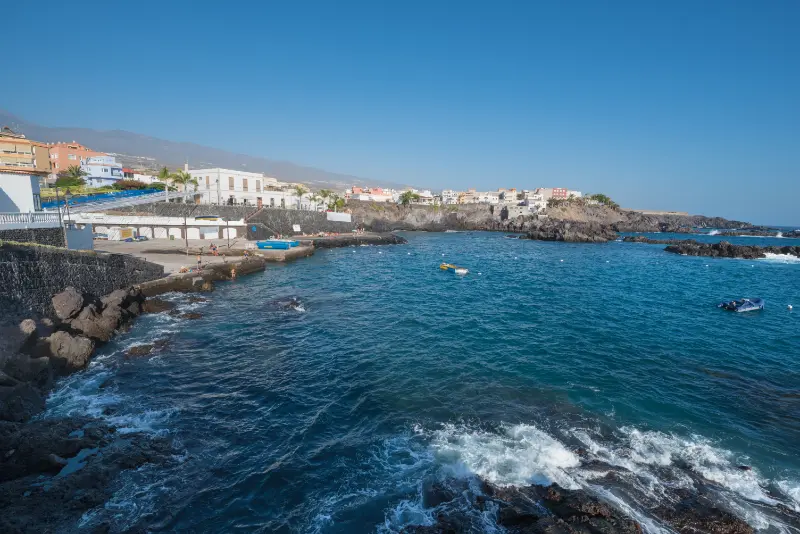
    Alcalá lies a short distance north and has a small fishing harbour, volcanic beach and attractive seafront. The official page describes a small urban beach of dark sand and gravel with restaurants around it. I like Alcalá most around late afternoon when the light faces La Gomera.

    The centre feels compact and walkable. I explore the square, waterfront and side streets rather than trying to turn it into a museum visit. It is a good place for travellers who enjoy watching local life as much as visiting attractions.

    La Jaquita and the Alcalá coastal walk

    The Alcalá–La Jaquita promenade includes small dark-sand beaches, natural pools, landscaped areas and space for walking or cycling. The official promenade page explains the seafront layout.

    I enjoy walking this stretch without needing to swim at every cove. Sea conditions can affect natural bathing areas, so I treat the pools as optional rather than guaranteed. The path itself is enough reason to come.

    Alcala Seafront Tenerife

    Playa de La Jaquita

    The official beach information describes La Jaquita as a roughly 700-metre coastal front divided into small black-sand bathing areas with adapted facilities, showers, changing rooms and a children’s area. This makes it one of the more practical volcanic-coast options for travellers who want services.

    I still check which section is open and best for the day because coastal maintenance and sea conditions can affect individual areas. I use water shoes if the entry looks stony and keep children close around lava edges.

    Where to eat

    Both Playa San Juan and Alcalá are good for fish, seafood and simple Canarian meals. I prefer restaurants that fit naturally into the harbour or promenade day rather than driving away for a famous name. My Tenerife food guide helps with dishes and ordering.

    At seafood restaurants I ask what is fresh and whether prices are per portion or by weight. For sunset dinner, I reserve if the restaurant is small or the date is busy, especially on weekends and holidays.

    Sunset toward La Gomera

    One reason I choose this coast is the west-facing horizon. On clear evenings La Gomera can sit sharply across the water, and the sky often changes long after the sun reaches the horizon. I stay for the afterglow rather than leaving immediately after sunset.

    I do not need a cliff-top Instagram spot. The normal seafront gives a safer and more relaxed view, with cafés and lighting nearby for the walk back.

    How the area compares with Costa Adeje

    Costa Adeje has more large resorts, polished beaches, shopping and excursion infrastructure. Playa San Juan and Alcalá feel smaller and less nightlife-focused. I choose Costa Adeje for maximum convenience and these Guía de Isora towns for a slower coastal routine.

    The trade-off is fewer attractions within walking distance. If I want Siam Park, nightlife and constant tour departures, I will travel more from Playa San Juan. If I want morning coffee, a swim and sunset on foot, that quieter scale is the advantage.

    How the area compares with Los Gigantes

    Los Gigantes is more dramatic visually because of the cliffs and has a strong boat-trip identity. Playa San Juan and Alcalá are gentler, flatter-feeling coastal bases with longer everyday promenades.

    I can visit all three in one west-coast day, but I prefer not to rush. A good plan is Los Gigantes in the morning and Alcalá at sunset, or Playa San Juan for lunch followed by a boat trip elsewhere.

    Alcala Tenerife Coastal Village

    Getting there by car

    The TF-1 makes the southwest coast easier to reach than it once was, and local roads connect the coastal settlements. Parking can still be limited around the oldest waterfront areas. My driving guide covers general road and parking habits.

    I save the exact accommodation or car-park pin because “Alcalá” or “Playa San Juan” can bring navigation into tight central streets. I would rather park slightly outside the core and walk.

    Getting there without a car

    TITSA buses serve the southwest corridor, making both towns realistic without a car, especially for travellers who plan a slow stay rather than daily remote hikes. My no-car Tenerife guide explains how I use the network and ten+ travelcards.

    I check late-evening return times before committing to sunset if I am staying elsewhere. The atmosphere is relaxed enough that waiting for a bus is not a problem, but missing the last convenient connection can turn a cheap day trip into an expensive taxi ride.

    Where to stay

    Playa San Juan suits travellers who want a slightly larger local centre with a sheltered beach and promenade. Alcalá suits those who prioritise village atmosphere, sunset and access to La Jaquita. I compare accommodation in Playa San Juan, Alcalá and Guía de Isora and pay attention to whether a listing is genuinely walkable to the sea.

    Large resort properties exist around this coast too, so I read the map rather than assuming every “Alcalá” hotel sits in the old village. The experience changes significantly when the property is isolated behind a long resort entrance.

    My ideal day

    I start with a swim or coffee in Playa San Juan, walk the promenade and have lunch by the harbour. In the afternoon I move to Alcalá, walk toward La Jaquita and stay for sunset. If I am based nearby, I split that into two separate slow days instead.

    I do not add Teide or Anaga to this plan. The point of the Guía de Isora coast is a day that requires very little performance: ocean, food, walking and light.

    Playa San Juan Tenerife With Traditional Boats

    Frequently asked questions

    Which is better, Playa San Juan or Alcalá?

    Playa San Juan has a more practical sheltered beach and longer town promenade; Alcalá feels smaller and is excellent for sunset and the La Jaquita coastal walk.

    Are the beaches black sand?

    Yes, the coast is volcanic and includes dark sand, gravel and pebble sections.

    Can I stay here without a car?

    Yes, especially for a relaxed coastal holiday. Buses connect the southwest, though a car is more useful for remote mountain trips.

    Is this area quieter than Costa Adeje?

    Generally yes. There are hotels and tourism, but nightlife and large-resort density are lower in the village centres.

    Can I see La Gomera from the coast?

    On clear days, La Gomera is visible across the water and is particularly attractive around sunset.

    Who will enjoy this coast most

    I recommend Playa San Juan and Alcalá to couples, repeat Tenerife visitors, families who prefer a quieter evening, and travellers who want to walk to the sea without living inside a nightlife district. I would choose somewhere else for a first trip focused mainly on clubs, large shopping centres or a packed schedule of major attractions.

    For remote hiking, a car is still useful. For everyday coastal life, however, the ability to walk for coffee, groceries, dinner and sunset makes these towns much more practical than their small size suggests.

    I would also consider them for a split stay: a few nights here after a busier Costa Adeje stay can change the pace without requiring a move to the far north. The west-coast location still keeps Los Gigantes, whale-watching departures and Teide approaches within reasonable reach, while evenings remain noticeably calmer.

  • Bajamar and Punta del Hidalgo Guide: Natural Pools and Tenerife’s Northeast Coast

    Bajamar and Punta del Hidalgo Guide: Natural Pools and Tenerife’s Northeast Coast

    Bajamar and Punta del Hidalgo are where I go when I want a Tenerife coast day built around ocean swimming, walking and seafood rather than a sandy beach. Both sit on the northeast edge of San Cristóbal de La Laguna municipality, with Anaga rising behind them and the Atlantic directly in front. The coast feels open, local and much less resort-like than the southwest.

    The headline attractions are the seawater pools, but I like the whole rhythm: a morning swim if conditions allow, a long promenade walk, lunch with a view and then an Anaga or La Laguna stop on the way back. I always keep the ocean in charge. A natural pool can be closed or unsafe when swell is strong, and no itinerary is worth ignoring that.

    Bajamar: easy-access seawater pools

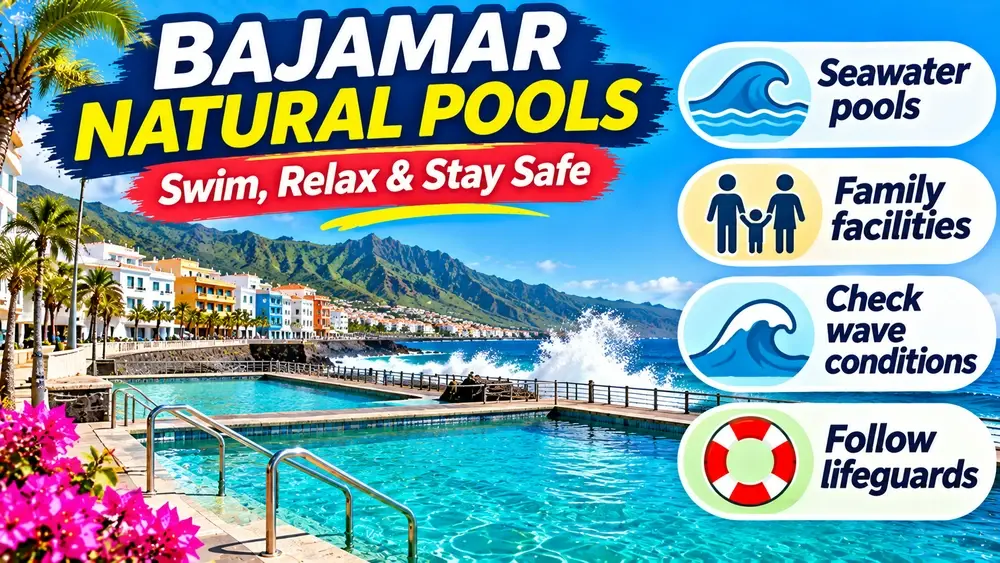
    Bajamar is known for developed ocean pools protected from much of the open sea. The area has changing rooms, places to sit and a seafront setting that makes it practical for families and travellers who prefer infrastructure. My broader natural pools guide compares Bajamar with other volcanic bathing areas around the island.

    I arrive earlier on sunny weekends because local residents use these pools too. I do not treat them as a private resort facility; I keep belongings compact, avoid occupying extra space and follow any posted closure or safety instructions.

    Punta del Hidalgo pools

    Tenerife’s official tourism page describes Punta del Hidalgo’s seawater pools as Blue Flag bathing facilities with surveillance, showers and adapted access for people with reduced mobility. The official Punta del Hidalgo page is worth checking before the day.

    The setting is more open and dramatic than an inland swimming pool, with mountains and ocean framing the water. Even in a protected pool, spray and surge can increase during rough seas, so I listen to lifeguards and never cross barriers.

    The coastal walk between sea and mountains

    One of the best reasons to visit is simply walking beside the Atlantic. The road and promenade sections around Punta del Hidalgo reveal the abrupt meeting of Anaga and the sea, and the light changes constantly as cloud moves across the mountains.

    I bring sun protection even when the hills are cloudy. Coastal wind can make the temperature feel mild while UV remains strong. For a longer walk, I carry water because cafés may be spaced farther apart than in a southern resort promenade.

    Swimming versus watching the ocean

    I decide whether to swim only after I arrive. If flags, lifeguards or closures indicate poor conditions, I switch to walking and lunch. The northeast is beautiful precisely because it is exposed to the Atlantic; that exposure can produce rough days.

    This approach removes disappointment. A trip to Bajamar and Punta del Hidalgo is still worthwhile for scenery, food and atmosphere even without entering the water. I prefer that mindset to taking risks simply because I brought a swimsuit.

    Where to eat

    Fresh fish and simple Canarian dishes fit this coast perfectly. I look for daily fish, grilled options, potatoes with mojo and local desserts rather than searching for elaborate fine dining. Punta del Hidalgo in particular has a strong association with seafood restaurants.

    My food guide explains common island dishes. I ask about the fish and price by weight when relevant so there are no surprises at the end of the meal.

    Combine the coast with La Laguna

    Bajamar and Punta del Hidalgo are natural extensions of a La Laguna day. I might spend the morning in the historic centre, have lunch near the coast and swim in the afternoon, or reverse the order in hot weather.

    Tree-lined pedestrian street in the historic centre of La Laguna

    The city and coast have noticeably different microclimates. I keep a light layer in the car or bag because La Laguna can feel cooler, especially later in the day, even when the seafront is pleasant.

    Combine the coast with Anaga

    Punta del Hidalgo sits at the edge of the Anaga landscape, so it can be paired with selected viewpoints or a hike. I use my Anaga guide to choose a realistic route rather than trying to cross the entire massif after swimming.

    A good combination is one substantial activity plus the coast. If I hike for four or five hours, I keep the pool stop simple. If I want a relaxed swim and long lunch, I choose only a short forest walk or viewpoint.

    Getting there by car

    From La Laguna, roads descend toward the northeast coast through Tejina and Bajamar. Driving is generally less dramatic than deep Anaga roads, but local streets and coastal parking can become busy. My Tenerife driving guide covers general parking habits.

    I avoid leaving valuables visible in the car and do not park where a narrow lane becomes harder for residents or buses. If the closest spaces are full, I would rather walk a few extra minutes than create a problem.

    Getting there by bus

    The coast is one of the easier non-resort areas to visit by public transport from La Laguna because TITSA services connect the city with Bajamar and Punta del Hidalgo. I check current schedules before leaving and save the return options, particularly in the evening. My no-car guide explains travelcards and route planning.

    I build extra time around the bus because a coastal day should not feel like a race. If I miss one connection, a coffee by the ocean is a better response than stressing through the final hour.

    Accessibility and comfort

    Developed pools are a better choice than wild lava charcos for travellers who need railings, showers and easier entries. Punta del Hidalgo’s official listing specifically notes adapted access. I still check the exact facility I plan to use because maintenance or temporary closures can change what is available.

    I bring non-slip sandals, a warm layer for after swimming and a dry bag for phone and wallet. Wet volcanic surfaces can be slippery even where the pool itself is well designed.

    Best time to visit

    I prefer a calm-weather morning, then use the afternoon for lunch and walking. Weekdays can feel quieter than sunny weekends. In winter, air temperatures are often mild, but the water and wind may feel cool when I get out.

    I check marine conditions rather than just the weather icon. A sunny day can still have strong swell. That distinction matters at every natural pool in Tenerife.

    Where to stay

    Punta del Hidalgo appeals to travellers who want a quiet edge-of-island base, walking access to the sea and proximity to Anaga rather than nightlife. Bajamar feels slightly more practical for pool-focused stays. I compare accommodation around Bajamar, Punta del Hidalgo and La Laguna and read recent comments about parking and road noise.

    For a first Tenerife holiday, I usually keep La Laguna or Puerto de la Cruz as the broader base and visit the northeast coast for the day. For a repeat trip, staying here can be wonderfully slow.

    My half-day and full-day plans

    For a half day, I choose one pool, take a coastal walk and have lunch. For a full day, I add La Laguna or a short Anaga walk. I do not add Santa Cruz, Las Teresitas and Taganana as well unless the purpose of the day is simply driving.

    The northeast feels best when there is time to sit by the ocean. I leave gaps in the plan because tide, swell and appetite decide the pace better than a minute-by-minute schedule.

    Frequently asked questions

    Are Bajamar and Punta del Hidalgo good for swimming?

    Yes, their developed seawater pools are popular, but ocean conditions still matter. I obey closures and lifeguard instructions.

    Which is better, Bajamar or Punta del Hidalgo?

    Bajamar is very convenient for pool time, while Punta del Hidalgo has a stronger edge-of-Anaga atmosphere and long coastal views. They are close enough to see both.

    Can I visit without a car?

    Yes. Public buses connect the area with La Laguna, making it one of the easier local coast trips without a car.

    Are the pools free?

    Public pool access is generally free, but I check current local information because services and maintenance arrangements can change.

    Can I combine the area with Anaga?

    Yes, but I choose a short Anaga element unless I am prepared for a long active day.

    What I bring for a natural-pool day

    My small kit is simple: swimsuit, towel, non-slip sandals, sunscreen, water, a light layer and a waterproof pouch for valuables. I do not bring inflatable toys into rough ocean pools unless local rules and conditions clearly allow them. Large inflatables can become dangerous when wind or surge increases.

    After swimming, I change into dry clothes before a long bus ride or drive. The northeast breeze can make wet swimwear surprisingly uncomfortable even on an otherwise warm day.

    I also keep a small snack in the bag because a pool morning can easily extend into a long coastal walk. If the cafés are busy, I do not let hunger push me into rushing the return journey. A relaxed natural-pool day works best when I have enough water, something simple to eat and no strict reservation immediately afterward.

  • Surfing in Tenerife: Best Areas, Beginner Lessons and Surf Etiquette

    Surfing in Tenerife: Best Areas, Beginner Lessons and Surf Etiquette

    Tenerife works for surfers because the island has several very different coasts in a compact area. Atlantic swell reaches the north and northwest with power, reef breaks shape the south around Las Américas, and the wind around El Médano creates a separate world of windsurfing, wingfoil and kitesurf. That variety is exciting, but it also means “surf in Tenerife” is not one beginner-friendly experience.

    I match the break to my level, use a reputable school when learning and never paddle out simply because the beach looks busy with boards. Volcanic reefs, currents, local line-ups and rapidly changing swell deserve respect. This guide is about choosing the right area and planning a surf trip responsibly.

    Why Tenerife has year-round surf potential

    Tenerife’s official tourism site describes a wide range of surf and bodyboard spots with sand, rock and volcanic reef bottoms, and notes that the strongest waves are generally on the north and northwest coasts. The official surf and bodyboard page is a good starting point for current operators and locations.

    Year-round potential does not mean identical conditions every month. Swell direction, wind and local exposure change what works on a given day. I check a reliable forecast and, when I am not familiar with the island, ask a local school rather than choosing a break from a generic “best surf spots” list.

    Illustrated guide: Surfing in Tenerife, with practical visitor tips
    Illustrated guide: Surfing in Tenerife.

    Playa de las Américas: the famous south-coast surf zone

    Las Américas is the most convenient surf base for many visitors because breaks sit next to hotels, restaurants and surf shops. The reef setups can produce excellent waves, but some are not beginner spots. My Playa de las Américas guide explains the neighbourhood beyond surfing.

    As a beginner, I book a lesson and let the instructor choose the appropriate section and tide. I do not paddle into the main peak because I watched a tutorial online. Reef breaks punish mistakes more severely than a forgiving sandy beach, and local etiquette matters in crowded line-ups.

    El Médano: wind sports first, surf depending on conditions

    El Médano is internationally known for windsurfing and other wind sports. Tenerife’s official tourism page notes that the beach’s outer section is especially suited to windsurf and kitesurf, while the area nearer the town is calmer and more family-oriented. The official site also highlights the approximately 300 windy days that support windsurf and wingfoil activity on the island.

    For classic surfing, conditions vary by spot and wind. I use my El Médano guide to understand the beach layout, then speak to a local school about the day. I do not treat windsurf, kitesurf and surf as interchangeable; each sport needs different space and conditions.

    Surfing In Tenerife

    Almáciga and the Anaga coast

    Almáciga is one of the northeast’s best-known surf beaches. The official beach description highlights strong waves throughout the year and notes that surf schools train there. The setting below Anaga is spectacular, but the remote feel should make me more cautious, not less.

    I combine the area with Taganana and watch conditions before entering. If I am a novice, I use an instructor who has chosen that beach for the day rather than assuming every school session happens there regardless of swell.

    El Socorro in Los Realejos

    El Socorro is a recognised north-coast surf beach with a strong local scene. It can suit intermediate and experienced surfers when conditions align, but the north coast is powerful and currents matter. I check flags and observe the line-up before entering.

    The beach works well as part of a Los Realejos day. My Los Realejos guide combines it with Rambla de Castro and the historic centre, which is useful if the surf becomes too large or messy.

    Beginner lessons: what I look for

    For a first lesson, I care more about instructor quality and beach selection than the cheapest price. I ask whether equipment, insurance and transport are included, how large the group will be and whether the school changes location based on conditions. A responsible school should be willing to cancel or relocate when the ocean is unsuitable.

    I tell the instructor honestly about swimming ability and previous experience. Surfing is safer and more enjoyable when the coach does not have to discover mid-session that a student is uncomfortable in deep water.

    Intermediate and advanced surfers

    Experienced surfers usually care about reef shape, swell direction, wind and crowd patterns. Tenerife offers serious waves, but visiting skill does not override local etiquette. I wait my turn, do not snake or drop in, and avoid paddling straight into a compact local peak without understanding how it works.

    Booties can be useful around volcanic rock, but protective gear does not remove the consequences of hitting reef. I inspect entry and exit points from shore first and ask locally if I am uncertain. On an unfamiliar reef, a conservative session is better than a heroic one.

    Surf etiquette in Tenerife

    The basic rules are universal: the surfer closest to the peak has priority, do not drop in, paddle around the breaking zone when possible, hold onto the board unless letting go is the safer emergency option, and apologise clearly if I make a mistake. Crowded holiday zones demand even more awareness because skill levels mix.

    I also respect people on the beach. I do not leave boards across promenades, rinse wax or gear where it creates a slippery surface, or change in doorways. Surf culture works best when the land side of the session is as considerate as the water side.

    Boards, wetsuits and water temperature

    The exact equipment depends on season, body temperature and session length. I ask the rental shop rather than packing based only on air temperature. Atlantic water can feel cool after an hour even when the beach is sunny, and wind increases heat loss.

    El Medano Beach And Montana Roja Tenerife

    For a short holiday, renting is usually simpler than flying with a board unless I am travelling specifically to surf. A good rental shop can also swap board volume or type as conditions change, which is more useful than being locked into one board all week.

    Where to stay for a surf-focused trip

    Las Américas is the easiest base for walking to reef breaks and having full resort infrastructure. El Médano suits wind-sport travellers and has a relaxed town atmosphere. The north can work for experienced surfers who want access to several exposures, though a car becomes more useful. I compare accommodation in Tenerife’s surf areas after deciding which coast matches the trip.

    I do not choose a hotel based on a surf-map pin alone. Secure board storage, parking, early breakfast, drying space and access to food after a session can matter more than being 200 metres closer to one break.

    Surfing without a car

    Las Américas is easiest without a car because shops, schools and breaks are concentrated in a walkable area. El Médano is also manageable once I am there, with public transport connecting it to the wider south. My no-car Tenerife guide explains buses and travelcards.

    For north-coast surf exploration, a car adds flexibility, but I never use a vehicle to chase every forecast model across the island in one day. Surfing tired after hours of driving is not a good trade.

    Non-surf days are part of a good surf trip

    Wind can be wrong, swell can be too small or too large, and the safest decision may be not to surf. Tenerife makes that easy because I can switch to Teide, La Laguna, a wine day or a coastal walk. My best things to do guide gives alternatives across the island.

    I actually like leaving one or two non-surf days in the plan from the start. They let the body recover and prevent the holiday from feeling disappointing when the ocean refuses to follow the forecast.
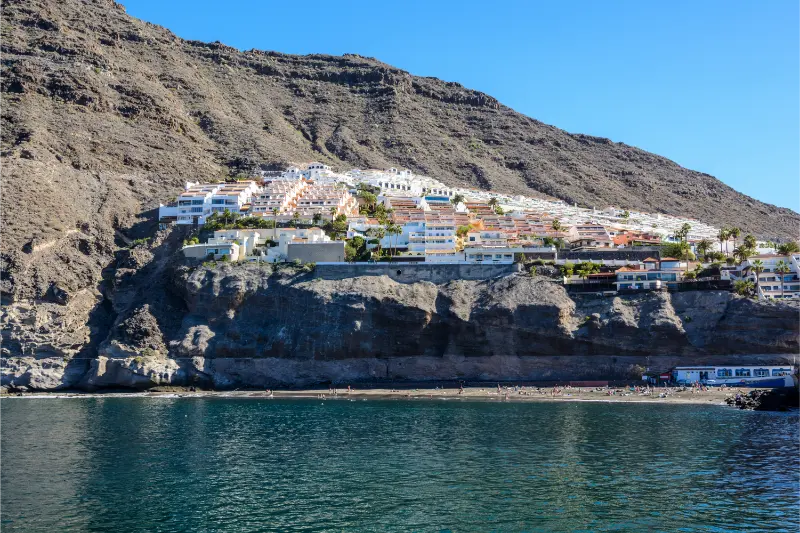
    Montana Roja At El Medano Tenerife

    Frequently asked questions

    Is Tenerife good for beginner surfers?

    Yes, with the right school and conditions. I would not choose a reef break independently as a beginner; I let an instructor select the safest beach and session.

    Where is the best surf in Tenerife?

    Las Américas is the most famous south-coast zone, while the north and northwest receive stronger swell. Almáciga and El Socorro are well known, but the best spot changes with conditions and ability.

    Do I need a wetsuit?

    It depends on season, session duration and personal comfort. Rental shops can advise on current water conditions and provide suitable equipment.

    Can I surf in Tenerife all year?

    There is year-round potential, but swell and wind patterns vary. Not every break works every day.

    Is El Médano mainly for surfing?

    It is especially famous for windsurfing, kitesurfing and wingfoil. Classic surf conditions depend on the specific spot and day.

    How I read a surf forecast as a visitor

    I look at swell height, period, direction and wind together, then compare that information with a local break description or school advice. A large number alone does not tell me whether a beach will be suitable. Reef orientation, tide and wind can transform the same forecast into completely different conditions around the island.

    When I am unfamiliar with a spot, I watch for at least fifteen minutes before entering. I identify where people paddle out, where waves break, where current seems to move and where the safe exit is. That small pause often tells me more than another hour of online forecasting.

  • La Guancha Tenerife Guide: Charco del Viento, Rural North and Local Villages

    La Guancha Tenerife Guide: Charco del Viento, Rural North and Local Villages

    La Guancha is a north-Tenerife municipality I use to connect mountain villages with the lava coast. It stretches from the higher slopes toward the Atlantic between San Juan de la Rambla, Icod de los Vinos and La Orotava. Official tourism highlights its chapels, rural character, El Pinalete recreation area and Charco del Viento, one of the most photogenic natural bathing places in this part of the island. I would not rush through it as another pin on a map. The appeal is the gradual change in landscape as I move from pine and farmland down to black lava.

    La Guancha town: a small centre rather than a tourist attraction

    The municipal centre is useful for seeing ordinary north-island life away from the main resort strip. Churches, chapels, local shops and residential streets create a very different rhythm from Puerto de la Cruz. I spend enough time for a coffee and short walk, then continue into the surrounding landscape. This is not a place where I expect a major ticketed sight; the interest comes from context and from understanding how communities sit between the coast and upper slopes.

    This is the point where I slow the itinerary down. I leave enough time for parking, a short walk and a change of plan if weather or opening conditions are different from what I expected. Tenerife rewards flexibility, and I would rather enjoy one place properly than rush through three stops because they looked close together on a map.

    Charco del Viento: beautiful but dependent on the Atlantic

    Charco del Viento is the coastal stop that draws most visitors. Lava formations create natural pools and channels, but I never translate the word pool into guaranteed safe swimming. North-coast swell can make conditions dangerous even on a sunny day. I check local warnings, watch the water for several minutes and skip swimming if waves are breaking strongly over the outer rocks. The view alone can justify the stop.

    In practical terms, I check this again on the morning of the visit. Opening hours, sea state, wind and local access can change, especially on an island where coast, forest and high ground behave very differently. I also keep one nearby alternative so a small change never means crossing Tenerife unnecessarily.

    El Pinalete and the higher forest

    Official tourism points to El Pinalete as a recreation area suited to a family day in the forest. The change from coast to pine is one of the reasons I enjoy La Guancha: within a relatively small municipality, temperature, vegetation and light can shift dramatically. I pack a layer and food rather than assuming facilities will match a resort park. Fire-risk restrictions also matter in dry periods, so I check current notices before planning a barbecue or forest activity.

    I would build the rest of the day around this stop rather than squeeze it between two distant attractions. That usually means choosing a nearby lunch, beach, viewpoint or town and accepting that driving time is part of the experience. The result is a calmer day and a much better sense of place.

    The road between coast and high ground

    Driving through La Guancha requires patience. Local roads can be steep and narrow, and navigation apps sometimes prefer a technically shorter route that is less comfortable than the main road. I do not treat every rural shortcut as a recommendation. If I am nervous about gradients, I stay on broader roads and accept a few extra minutes. Parking is also easier when I am willing to walk into a village centre rather than search for the closest possible space.

    For first-time visitors, the useful question is not only whether this is worth seeing, but whether it fits the base and transport plan. I compare the route with my Tenerife transport guide and avoid creating a day with repeated north-south crossings just to tick off one more place.

    Combining La Guancha with San Juan de la Rambla

    The most natural pairing is with San Juan de la Rambla. Both municipalities offer lava-coast scenery, traditional centres and a quieter north-Tenerife atmosphere. I would choose one main swimming stop according to sea conditions rather than trying every charco in a day. That reduces backtracking and gives more time for lunch or a short inland walk.

    I also think about the time after the main activity. A museum, flight, paddle or village visit is more enjoyable when I have not booked a rigid dinner on the opposite side of the island. I keep the final hours loose enough for an unexpected viewpoint, traffic, changing weather or simply staying longer somewhere I like.

    Combining La Guancha with Icod de los Vinos

    Icod is the stronger choice when I want a major attraction such as the Drago area or Cueva del Viento. La Guancha then becomes the quieter half of the day. My Icod de los Vinos guide helps organise that combination. I avoid booking a timed cave visit too close to an uncertain coastal swim because road, parking and sea decisions can all take longer than expected.

    My planning rule here is simple: use current information rather than copying an itinerary from an older trip report. Tenerife manages natural areas, sports zones and public facilities actively, so the best plan is the one that can absorb a closure or timetable change without becoming stressful.

    Food and local produce

    This part of Tenerife is agricultural, and I use meals to reinforce that character. I look for Canarian dishes, local potatoes, cheese, meat and seasonal produce rather than expecting a large international restaurant scene. If wine or guachinches are important, I use my guachinches guide and Tenerife wine guide to decide whether I should continue toward other north-island municipalities.

    If I am travelling with children or a mixed-age group, I shorten the visit before anyone gets tired. That is particularly useful in Tenerife, where a sunny morning can turn into a windy afternoon at altitude or a rougher sea on the coast. I prefer leaving with energy for the next stop.

    Who I think will enjoy La Guancha most

    Repeat visitors, photographers, road trippers and travellers who enjoy small towns are the best fit. Someone with only three days in Tenerife will probably prioritise Teide, Anaga and a major coastal base. With a week or more, however, La Guancha becomes valuable precisely because it is not a headline attraction. It creates a day that feels less packaged and shows how quickly Tenerife changes away from the tourist centres.

    I treat this as part of a wider area rather than an isolated attraction. Linking places geographically creates better travel days: less driving, more time on foot and more chances to notice the cafés, promenades, architecture and landscapes that never make a top-ten list.

    My final planning advice

    I would keep a La Guancha day weather-led. If the sea is rough, I emphasise the town, forest and nearby Icod; if the coast is calm, Charco del Viento becomes the natural highlight.

    For a quieter north stay, compare current accommodation around La Guancha with Puerto de la Cruz and Icod before deciding how rural you want the evenings to feel.

    How I keep this day realistic

    I do not turn this guide into a checklist. I choose the two or three elements that matter most, leave the rest optional and build in time for a proper meal or a slower walk. Tenerife often looks compact on a map, but elevation changes, winding roads and parking can make a short distance consume more of the day than expected. A realistic plan also makes it easier to respond to cloud, wind or heat without feeling that the trip has gone wrong.

    What I check before leaving accommodation

    Before heading out I check the exact destination, current weather at that location rather than at the hotel, and any notice from the official operator or municipality. I also carry water, sun protection and a light layer because conditions change quickly between the coast and higher ground. If the activity is time-sensitive, I save the booking confirmation offline and keep enough battery for maps and transport information.

    Why I leave a backup option nearby

    A backup does not need to be another major attraction. It can be a beach, historic centre, market, café or viewpoint in the same part of Tenerife. That small amount of preparation prevents a closure or rough sea from turning into a long cross-island drive. It is one of the habits that makes independent travel here much easier, especially when several people have different interests and energy levels.

    The pace I would choose

    I would rather finish this day feeling that I could have stayed longer than arrive back exhausted. Many of Tenerife’s best experiences depend on atmosphere: sitting by the sea after an activity, walking a town at dusk, watching cloud move across a ridge or finding a local restaurant without a schedule. Leaving space for those moments is more valuable than adding another stop simply because it appears in a guidebook.

    How I keep this day realistic

    I do not turn this guide into a checklist. I choose the two or three elements that matter most, leave the rest optional and build in time for a proper meal or a slower walk. Tenerife often looks compact on a map, but elevation changes, winding roads and parking can make a short distance consume more of the day than expected. A realistic plan also makes it easier to respond to cloud, wind or heat without feeling that the trip has gone wrong.

  • Kayaking in Tenerife: Los Gigantes, South Coast, Tours and Safety Tips

    Kayaking in Tenerife: Los Gigantes, South Coast, Tours and Safety Tips

    Kayaking gives me a version of Tenerife that road trips cannot reach. Lava cliffs, caves, coves and the height of Los Gigantes are completely different when the viewpoint is only a metre above the Atlantic. Official tourism information lists kayaking around Los Gigantes, Las Galletas, Los Cristianos and Las Teresitas, and notes that the activity is possible year-round when conditions cooperate. I still treat the sea with more respect than the calendar: wind, swell and current matter more than a sunny sky. For most visitors, a guided tour is the simplest way to start.

    Los Gigantes: the headline kayaking landscape

    The cliffs of Los Gigantes rise dramatically from the northwest coast and are the place I would choose for the strongest scenery. Official tourism describes sections reaching around 600 metres above the sea, so the scale from a kayak is extraordinary. Guided tours commonly depart from the marina area and follow conditions rather than a fixed promise of distance. I would book the paddling experience separately from whale watching expectations: marine life may appear, but wildlife is never guaranteed.

    This is the point where I slow the itinerary down. I leave enough time for parking, a short walk and a change of plan if weather or opening conditions are different from what I expected. Tenerife rewards flexibility, and I would rather enjoy one place properly than rush through three stops because they looked close together on a map.

    Los Gigantes Resort And Marina Tenerife

    Los Cristianos and the south coast

    Los Cristianos is practical because the harbour, accommodation and transport infrastructure are easy to use. Kayak tours in this area may combine paddling with snorkelling when sea conditions allow. The setting is more developed than Los Gigantes, but that convenience can be ideal for families or first-time paddlers. I also like that the rest of the day can remain car-free, with Las Vistas, restaurants and buses all close to the harbour area.

    In practical terms, I check this again on the morning of the visit. Opening hours, sea state, wind and local access can change, especially on an island where coast, forest and high ground behave very differently. I also keep one nearby alternative so a small change never means crossing Tenerife unnecessarily.

    Las Galletas and Costa del Silencio

    The Las Galletas coast provides another southern option with a stronger local-harbour feel. Volcanic shoreline, diving activity and the nearby Montaña Amarilla area make the wider coastline interesting even if the exact tour route changes. My Las Galletas and Costa del Silencio guide helps turn a paddle into a full day. I would not launch independently from an unfamiliar rocky access simply because the water looks calm.

    Illustrated guide: Kayaking in Tenerife, with practical visitor tips
    Illustrated guide: Kayaking in Tenerife.

    I would build the rest of the day around this stop rather than squeeze it between two distant attractions. That usually means choosing a nearby lunch, beach, viewpoint or town and accepting that driving time is part of the experience. The result is a calmer day and a much better sense of place.

    Las Teresitas and the northeast side

    Las Teresitas offers a different visual experience: golden sand below Anaga rather than giant western cliffs. It can be a good place for a gentler paddle in appropriate conditions, but the northeast is exposed to weather patterns that differ from the south. I combine this area with San Andrés or Santa Cruz and check the local forecast, wind and any beach notices before taking equipment onto the water.

    For first-time visitors, the useful question is not only whether this is worth seeing, but whether it fits the base and transport plan. I compare the route with my Tenerife transport guide and avoid creating a day with repeated north-south crossings just to tick off one more place.

    Guided tour versus kayak rental

    A rental gives experienced paddlers more independence, but a guided tour removes several uncertainties: launch points, local wind, group pacing, rescue procedures and where not to enter. For a first sea-kayak outing in Tenerife I prefer a guide, especially around cliffs or areas with boat traffic. Official tourism currently states that no special permit is generally required for kayaking, but that does not remove the need to respect navigation, protected areas and local instructions.

    I also think about the time after the main activity. A museum, flight, paddle or village visit is more enjoyable when I have not booked a rigid dinner on the opposite side of the island. I keep the final hours loose enough for an unexpected viewpoint, traffic, changing weather or simply staying longer somewhere I like.

    Wildlife: enjoy sightings without chasing animals

    Tenerife’s southwest waters are famous for cetaceans, but I do not paddle toward whales or dolphins hoping for a close encounter. Kayaks must still respect wildlife and the wider rules that protect the marine environment. If responsible cetacean watching is the priority, I use an authorised boat operator and my whale watching guide. A kayak tour should be satisfying because of the coast even if no animal appears.

    My planning rule here is simple: use current information rather than copying an itinerary from an older trip report. Tenerife manages natural areas, sports zones and public facilities actively, so the best plan is the one that can absorb a closure or timetable change without becoming stressful.

    What to wear and what I protect from water

    I use sun protection, a hat or secure cap when allowed, swimwear or quick-drying clothing and footwear appropriate for the operator’s launch. I assume everything can get wet. Phone, car key and medication need a genuinely waterproof solution, not a thin shopping bag. In cooler or windy conditions the operator may provide or recommend thermal protection. I also bring water even for a relatively short paddle.

    If I am travelling with children or a mixed-age group, I shorten the visit before anyone gets tired. That is particularly useful in Tenerife, where a sunny morning can turn into a windy afternoon at altitude or a rougher sea on the coast. I prefer leaving with energy for the next stop.

    When I would cancel or switch activities

    Strong wind, significant swell or a nervous group member can turn kayaking from enjoyable to stressful. I accept an operator cancellation and switch to a coastal walk, museum or sheltered beach. My coastal walks guide and rainy-day guide give alternatives that do not require forcing the sea plan. I never treat prepayment as a reason to ignore conditions.

    I treat this as part of a wider area rather than an isolated attraction. Linking places geographically creates better travel days: less driving, more time on foot and more chances to notice the cafés, promenades, architecture and landscapes that never make a top-ten list.

    My final planning advice

    For a first kayaking experience I would choose the landscape that matters most: Los Gigantes for scale, Los Cristianos for convenience, or Las Galletas for a quieter southern base. Then I would let the operator decide the safest exact route on the day.

    Los Gigantes Resort Panoramic View Tenerife

    If Los Gigantes is the priority, compare current Los Gigantes accommodation prices so an early tour does not require a long cross-island drive.

    How I keep this day realistic

    I do not turn this guide into a checklist. I choose the two or three elements that matter most, leave the rest optional and build in time for a proper meal or a slower walk. Tenerife often looks compact on a map, but elevation changes, winding roads and parking can make a short distance consume more of the day than expected. A realistic plan also makes it easier to respond to cloud, wind or heat without feeling that the trip has gone wrong.

    What I check before leaving accommodation

    Before heading out I check the exact destination, current weather at that location rather than at the hotel, and any notice from the official operator or municipality. I also carry water, sun protection and a light layer because conditions change quickly between the coast and higher ground. If the activity is time-sensitive, I save the booking confirmation offline and keep enough battery for maps and transport information.

    Why I leave a backup option nearby

    A backup does not need to be another major attraction. It can be a beach, historic centre, market, café or viewpoint in the same part of Tenerife. That small amount of preparation prevents a closure or rough sea from turning into a long cross-island drive. It is one of the habits that makes independent travel here much easier, especially when several people have different interests and energy levels.

    Playa De Los Guios And Los Gigantes Cliffs Tenerife

    The pace I would choose

    I would rather finish this day feeling that I could have stayed longer than arrive back exhausted. Many of Tenerife’s best experiences depend on atmosphere: sitting by the sea after an activity, walking a town at dusk, watching cloud move across a ridge or finding a local restaurant without a schedule. Leaving space for those moments is more valuable than adding another stop simply because it appears in a guidebook.

    How I keep this day realistic

    I do not turn this guide into a checklist. I choose the two or three elements that matter most, leave the rest optional and build in time for a proper meal or a slower walk. Tenerife often looks compact on a map, but elevation changes, winding roads and parking can make a short distance consume more of the day than expected. A realistic plan also makes it easier to respond to cloud, wind or heat without feeling that the trip has gone wrong.