Author: Patricia

  • Playa de Las Teresitas Guide: Tenerife’s Golden-Sand Beach Near Santa Cruz

    Playa de Las Teresitas Guide: Tenerife’s Golden-Sand Beach Near Santa Cruz

    Playa de Las Teresitas is the beach I would add to a Santa Cruz or Anaga day when I want an easy swim rather than a wild Atlantic beach. It sits beside the village of San Andrés, northeast of Santa Cruz, and its pale sand, palms and sheltered water look very different from the black volcanic beaches found elsewhere on Tenerife. The contrast is part of the appeal.

    The official Tenerife tourism site describes Las Teresitas as roughly 1.3 kilometres long, around 80 metres wide, family-oriented and protected by breakwaters that reduce wave action. It also lists practical services such as toilets, showers, lifeguarding, accessible facilities, bars and restaurants. Those features make it one of the simplest beaches to recommend to first-time visitors who want comfort.

    Why Las Teresitas feels different

    Many travellers picture Tenerife as a dark-sand volcanic island, so Las Teresitas can be surprising. The light-coloured sand and rows of palms create a softer, almost resort-like visual atmosphere even though the beach is next to a local fishing village rather than a major hotel strip. Behind it rise the dry lower slopes of Anaga, which gives the beach a dramatic natural frame.

    I would not call it Tenerife’s ‘best’ beach in every sense because beach preferences are personal. For wild scenery I prefer Benijo; for easy south-coast hotel access I would choose Fañabé or Del Duque; for wind sports, El Médano. Las Teresitas is strongest when calm water, space, services and proximity to Santa Cruz matter.

    Swimming and family use

    The breakwater usually makes the shoreline calmer than many open Atlantic beaches, which is one reason families like it. I still treat the ocean as the ocean: I follow flags and lifeguard instructions, keep young children within reach and do not assume that calm-looking water means zero risk. Weather, currents and local conditions can change.

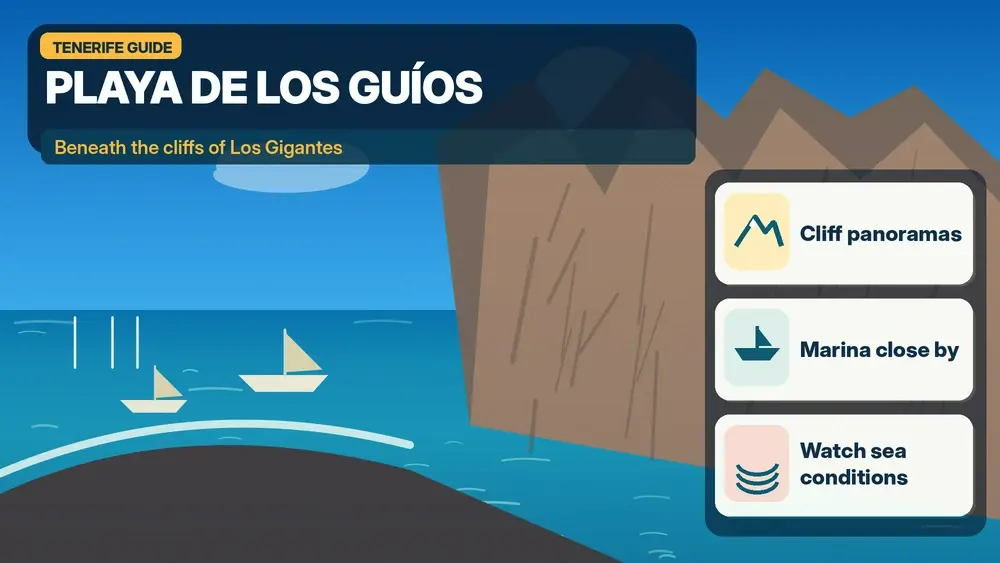
    Illustrated guide: Playa de Las Teresitas, with practical visitor tips
    Illustrated guide: Playa de Las Teresitas.

    With children I choose a base near the services, create shade early and avoid the hottest middle part of the day if possible. The beach is long enough that walking farther from the busiest access points can change the atmosphere noticeably.

    How to get there from Santa Cruz

    Las Teresitas is close enough to Santa Cruz that I do not consider a rental car essential. Urban buses serve San Andrés and the beach area, and a taxi can be practical for a family. If I am already driving for an Anaga day, I use the beach as the last stop and accept that parking is easier at some times than others.

    The advantage of public transport is that I do not spend part of a beach day circling for a space during a busy weekend. The advantage of a car is flexibility if I am continuing toward Anaga viewpoints. My Tenerife without a car guide and driving guide compare both approaches.

    Parking

    There is parking by the beach, but I never interpret the existence of a car park as a guarantee of an easy space at midday on a sunny weekend. If driving, I arrive earlier, avoid blocking access roads and never leave valuables visible in the vehicle. For a relaxed city-and-beach day, I often prefer leaving the car in Santa Cruz and using public transport.

    San Andrés: do not skip the village

    The small village immediately beside Las Teresitas is part of the experience. Instead of eating only at a beach kiosk, I like the option of walking into San Andrés for fish or Canarian food. A long lunch there gives the day a local rhythm that is different from the southern resorts.
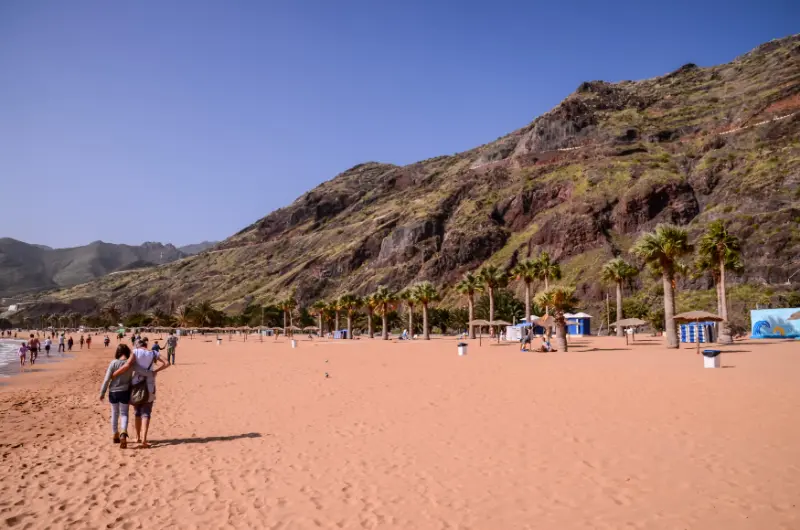
    Playa De Las Teresitas Beach Tenerife

    I also respect that San Andrés is a residential place, not an extension of the beach. I park legally, keep beach gear out of doorways and avoid treating narrow streets as photo sets. Small habits matter in places that receive large numbers of day visitors.

    What to bring

    • Shade or sun protection, especially for children.
    • Water even if you plan to use beach bars.
    • A light layer if combining the beach with higher Anaga viewpoints.
    • Secure footwear if you plan a long walk beyond the sand.
    • Only the valuables you genuinely need.

    I usually bring less to Las Teresitas than to a remote beach because services are close. That is one of the reasons I recommend it to travellers who do not want a logistical expedition every time they swim.

    Best combinations for one day

    Santa Cruz + Las Teresitas

    This is the easiest combination. I spend the morning in Santa Cruz—market, historic streets, TEA or the Auditorio area—then travel to San Andrés for lunch and beach time. My Santa Cruz guide provides a realistic city plan.

    Anaga + Las Teresitas

    If I drive, I can start in La Laguna or Cruz del Carmen, enjoy selected Anaga viewpoints and finish at Las Teresitas when I no longer want mountain roads. I keep the hiking modest because wet laurel forest and a hot beach day require different clothing and energy. Read my Anaga Rural Park guide before planning trails.

    Las Teresitas only

    There is nothing wrong with dedicating a full slow day to the beach and San Andrés. Not every Tenerife day needs three attractions. In fact, a relaxed day here can be the ideal counterweight after Teide or a long road trip.

    Best time of day

    I like morning for easier logistics and softer light, or late afternoon for a calmer end to a Santa Cruz day. Midday can be perfectly enjoyable if you want a classic beach day and have shade. Weekends and holidays can feel busier because the beach is popular with local residents as well as visitors.

    Weather differences from the south

    The northeast can be cloudier or windier than Costa Adeje even when the south is bright. I look at the local forecast rather than the island-wide symbol on a weather app. If Las Teresitas is grey while the south is sunny, that does not mean the forecast was ‘wrong’; Tenerife’s relief creates real microclimates.

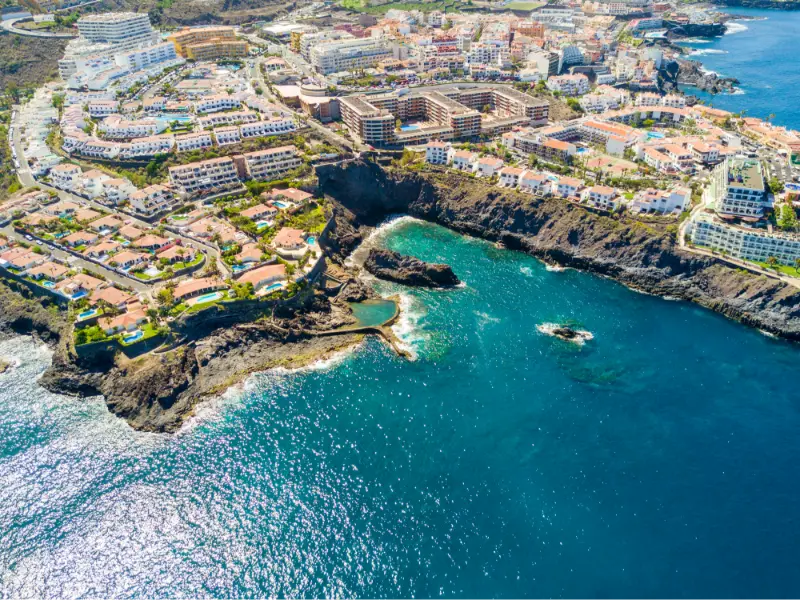
    Playa De Las Teresitas Tenerife From Above

    Is Las Teresitas good without a car?

    Yes, particularly if you are staying in Santa Cruz or La Laguna. It is one of the island beaches I am comfortable recommending to travellers who do not rent a car because public transport reaches the area and the beach itself has services. The challenge is not the beach; it is adding remote Anaga stops on the same day.

    Where to stay

    For repeated beach visits combined with city life, I would stay in Santa Cruz rather than search for a resort directly on Las Teresitas. The capital gives far more restaurants, transport and evening options. You can compare Santa Cruz accommodation.

    Official information

    For current services and beach information, I use Tenerife Tourism’s official Las Teresitas page. It currently lists the beach as 1,300 metres long, family-friendly and equipped with services including toilets, showers, lifeguarding, accessible access and food options.

    Frequently asked questions

    Is Las Teresitas natural golden sand?

    The beach’s appearance has been heavily shaped by human intervention, including imported light-coloured sand and breakwaters. I visit for the present-day beach experience rather than treating it as an untouched natural cove.

    Can I visit from Costa Adeje?

    Yes, but I would combine it with Santa Cruz or Anaga so the long cross-island journey has more purpose. For a beach-only day from the south, closer beaches are more efficient.

    Is it safe for children?

    It is popular with families and generally more sheltered than many open-ocean beaches, but I still follow flags, lifeguards and normal water-safety rules.

    How long would I stay?

    Two to four hours works well as part of a city day; a full day is worthwhile if the goal is simple beach relaxation with lunch in San Andrés.

    How I decide whether to include Las Teresitas in a first-week plan

    If I already have several south-coast beach days, I include Las Teresitas only when it is attached to Santa Cruz or Anaga. That way the journey adds a genuinely different part of Tenerife rather than simply another stretch of sand. If the holiday is based in the capital, the decision reverses: Las Teresitas becomes the easy local beach and the southern resorts become the long excursion.

    Playa De Las Teresitas Tenerife Promenade

    This is a useful general rule for Tenerife. I group places by geography and experience instead of chasing a list of famous names. The island feels smaller, the driving falls and I spend more time actually being somewhere.

    Photography, shade and a slower beach rhythm

    Las Teresitas is especially photogenic when the mountains behind San Andrés are clear, but I do not build the visit around obtaining one exact postcard image. Light, haze and cloud change quickly in the northeast. I take a few photographs, then put the phone away and use the beach for what it does best: easy swimming, walking and a long break from sightseeing.

    If I plan several hours here, shade becomes part of the itinerary. The pale sand and open waterfront can feel bright even on a mild day, and reflected light adds to sun exposure. I reapply sunscreen after swimming and give children regular shaded breaks instead of waiting until everyone feels overheated.

  • Stargazing in Tenerife: Teide Night Sky, Best Spots, Tours and Practical Tips

    Stargazing in Tenerife: Teide Night Sky, Best Spots, Tours and Practical Tips

    Stargazing in Tenerife is one of the experiences that makes the island feel bigger than a beach destination. Drive from the coast into the Teide highlands after sunset and the atmosphere changes completely: the temperature drops, much of the coastal light disappears below you and the volcanic landscape becomes almost abstract. On a clear night, even visitors who know little about astronomy can understand why Tenerife is internationally important for observing the sky.

    I plan a stargazing night with the same care as a mountain hike. I think about weather, moonlight, warm clothing, road fatigue and where I am actually allowed to stop. The goal is not to chase darkness into an unsafe roadside location; it is to enjoy the sky from a sensible place and return comfortably.

    Why Tenerife is so good for astronomy

    Tenerife benefits from altitude, relatively clean high-level air and a location near 28 degrees north. The official tourism information highlights the transparency of the sky and notes that the Teide Observatory sits at around 2,400 metres. The sea of clouds that often forms below the summit area can also help separate the highlands from coastal light.

    The island’s importance is scientific as well as touristic. The Teide Observatory is part of the Canary Islands’ astronomical infrastructure, and research teams from many countries use the archipelago’s observing conditions. For background, I use the official Tenerife astronomy page.

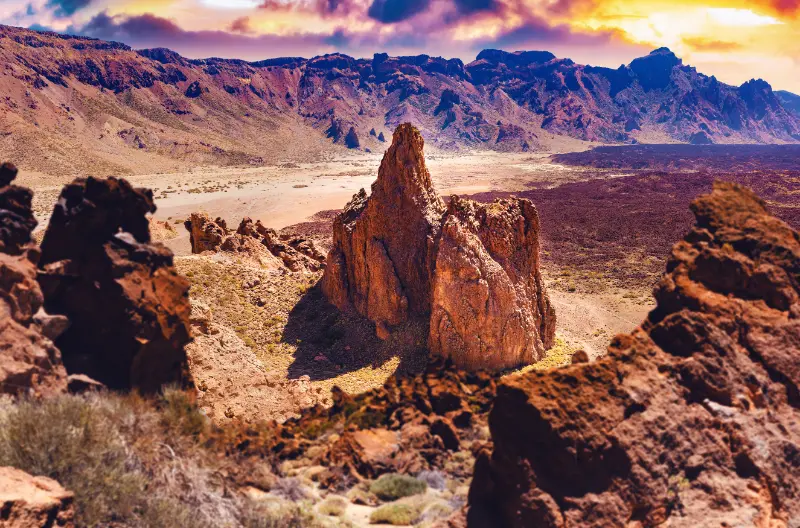
    Volcanic rock formations of Roques de García in Teide National Park

    Best areas for stargazing

    I focus on the Teide highlands rather than searching for darkness beside a resort. The official tourism site specifically mentions areas around the Parador and Montaña de Guajara as notable places for the night sky. I use established parking or observation areas and never leave the car on a blind bend or protected terrain.

    Vilaflor is useful as a base on the southern approach, while La Orotava gives access from the north. If I am staying in Costa Adeje, I allow enough time to climb gradually, enjoy sunset if conditions are right and stay after full darkness without rushing back. The mountain road is part of the plan, not dead time.

    Should you book a stargazing tour?

    A guided tour is worthwhile if you want telescopes, interpretation and less responsibility for choosing the observation point. A good guide can identify constellations, planets and deep-sky objects that a beginner might miss. Some tours combine sunset, astronomy and transport from the south, which can be especially useful if you do not want to drive mountain roads at night.

    Self-guided stargazing is also possible. The official Tenerife tourism site notes that visitors can observe on their own, but that does not mean every location is appropriate. I still check protected-area rules, weather and access. If I want a structured experience, I book with a reputable astronomy provider rather than someone promising unrealistic sightings.

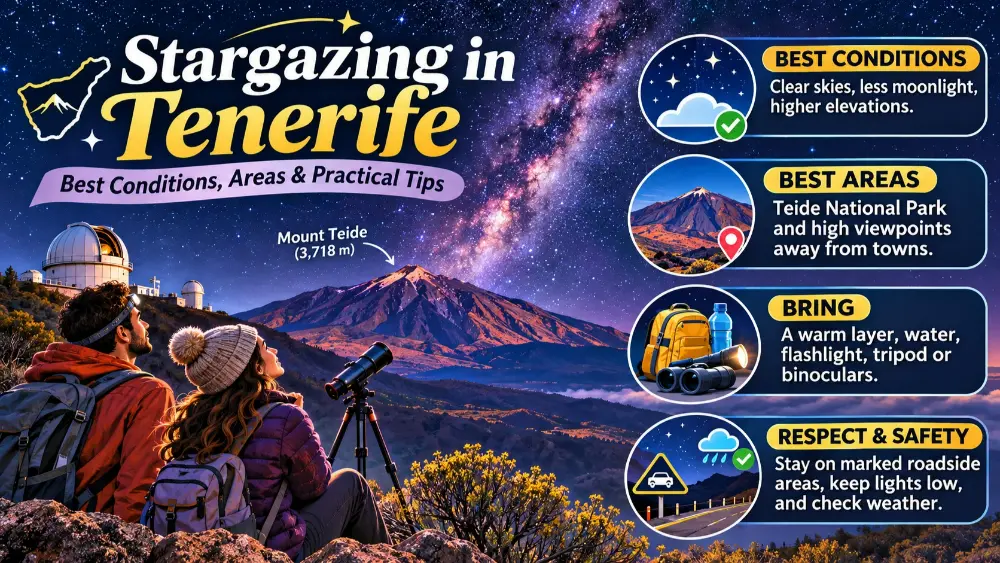
    Illustrated guide: Stargazing in Tenerife, with practical visitor tips
    Illustrated guide: Stargazing in Tenerife.

    What you can see

    The visible sky changes through the year and from hour to hour. Planets move, the Moon changes phase and seasonal constellations rotate through the night. From Tenerife’s latitude, observers can see a broad range of northern and some southern celestial objects. The official tourism material even highlights Omega Centauri as one of the notable objects visible from the island under suitable conditions.

    I avoid writing a fixed list such as “you will see the Milky Way at 10 pm” because visibility depends on date, moonlight, clouds and direction. Before the trip I check an astronomy app or sky chart for the exact night.

    Moon phase matters

    A bright full Moon can be beautiful, especially over the volcanic landscape, but it washes out many faint stars. If my main goal is the Milky Way or deep-sky objects, I prefer a darker lunar phase. If my goal is simply a memorable night in Teide, I do not cancel because the Moon is bright; I change expectations.

    This distinction is important for photographers too. A moonlit volcanic landscape can be easier to photograph than an extremely dark foreground. The “best” night depends on whether you want stars, landscape detail or a guided telescope session.

    Weather and cloud

    Tenerife’s microclimates are famous, and they matter at night. The coast can be cloudy while the highlands are clear above the cloud layer, or mountain cloud can spoil an evening that looked perfect from the beach. I check high-altitude forecasts rather than only the weather icon for Costa Adeje.

    Wind matters as much as cloud. A clear but windy night can feel extremely cold and make long observation uncomfortable. I bring more insulation than I think I need and keep a flexible backup evening in the itinerary when stargazing is a high priority.

    What to wear

    I dress for mountains, not for a Tenerife beach holiday. Long trousers, closed shoes, a warm layer and a wind-resistant jacket are sensible year-round at altitude after dark. In colder periods I add hat and gloves. A thermos can be useful if you are staying out for hours.

    I also bring a red-light mode or dim light instead of shining a bright phone torch at everyone. Your eyes need time to adapt to darkness, and one strong white light can ruin that adaptation for the whole group.

    Driving at night

    Night driving is the part I take most seriously. The roads are paved and manageable for many visitors, but darkness, bends, altitude and fatigue change the task. I avoid alcohol entirely, drive more slowly than in daylight and never stop suddenly because I see a good photograph.

    If the driver is uncomfortable, an organised tour is a better choice. My Tenerife by car guide covers mountain-road habits, while Tenerife without a car explains why organised excursions can fill transport gaps.

    Teide Observatory visits

    The scientific observatory is not the same thing as a casual roadside stargazing stop. Visits, when available, operate through specific programmes and schedules. I book in advance and read the exact instructions rather than assuming I can arrive at the telescopes independently. Daytime observatory visits can complement a night-sky experience because they explain the science behind the location.

    Teide Observatory And Mount Teide Tenerife

    I also distinguish the observatory from the Teide cable car. They are separate experiences with separate logistics. For cable-car and summit planning, use my Mount Teide guide.

    Astrophotography basics

    For simple night-sky photography, stability matters more than expensive equipment. A tripod, manual control and a wide lens can produce excellent results. I focus carefully, use a timer or remote trigger and avoid walking with bright lights through another photographer’s frame.

    Phone cameras have improved dramatically, but I still prioritise the experience over endless attempts to reproduce professional astrophotography. The best memory can be the moment your eyes adjust and the sky becomes visibly richer.

    A good evening itinerary

    If I am starting in the south, I might have an early dinner in Vilaflor, continue toward Teide before sunset, stop only at legal viewpoints and remain in one observation area after dark. I keep the return route simple. If I am staying in Puerto de la Cruz, I approach from the north and avoid crossing the whole island twice in one evening.

    My Vilaflor guide is useful if you want a village stop before the night session. I do not combine a strenuous summit hike and a very late stargazing session unless the group is experienced and rested.

    Respecting the night environment

    Darkness is part of the resource you came to enjoy. I keep noise low, use minimal light, take rubbish away and stay on authorised surfaces. Protected landscapes are not empty spaces waiting for cars to spread out. If an area is closed, I choose another viewpoint.

    For the latest general information about astronomical tourism, I check the official Tenerife stargazing page before the trip.

    Where to stay

    Vilaflor is the obvious rural choice for serious stargazing, but you do not need to sleep in the mountains. Costa Adeje, Los Cristianos, Puerto de la Cruz and La Orotava can all work if you plan transport. I choose the base for the whole holiday, then dedicate one evening to the sky.

    You can compare accommodation across Tenerife and use the map to judge the drive to your preferred Teide approach.

    Frequently asked questions

    Can I stargaze in Teide without a tour?

    Yes, in suitable publicly accessible areas, but I still follow road and protected-area rules and choose established viewpoints rather than improvising.

    Is stargazing good every night?

    No. Cloud, wind, haze and moonlight change the experience. A flexible itinerary gives you the best chance.

    Is it cold at night?

    It can be much colder than the coast, especially with wind. I always bring warm layers even in summer.

    Do I need a telescope?

    No. The naked-eye sky can be spectacular. A telescope or guided session adds detail and interpretation.

    What is the biggest planning mistake?

    Underestimating the return drive. A safe, comfortable journey back to the hotel is part of a successful stargazing night.

    My simple checklist before leaving the hotel

    Before a stargazing evening I check four things: high-altitude cloud, wind, moon phase and the return driving time. If two of those look poor, I move the experience to another night rather than forcing it. I also download the route and any sky map before climbing because mobile coverage can be inconsistent in mountain areas.

    Tenerife Mountain Landscape And Moon

    I carry water, a warm drink, spare layers and a small torch with a red setting. If I am joining a tour, I still dress independently for the cold because operators cannot control personal temperature tolerance. Finally, I tell someone in the group exactly when we plan to leave the observation area. Night photography and telescopes can make time disappear, and fatigue is the hidden risk at the end of an otherwise beautiful experience. The best stargazing night is one you remember for the sky, not for an exhausting drive home.

  • Whale Watching in Tenerife: How to Choose a Responsible Boat Tour

    Whale Watching in Tenerife: How to Choose a Responsible Boat Tour

    Whale watching is one of the Tenerife experiences I would choose even on a short first trip, but only if the excursion is run responsibly. The waters off the island’s southwest coast are known for resident cetacean populations, and boats depart from places such as Puerto Colón and Los Gigantes. That accessibility is a privilege, not a reason to chase animals aggressively, so the operator matters as much as the boat.

    Tenerife’s official tourism guidance states that authorised whale-watching boats must respect rules including a minimum 60-metre distance, a maximum observation period of 30 minutes, reduced speed and no swimming with, feeding or touching the animals. I use those rules as a quick test when reading tour descriptions. Any marketing that promises behaviour inconsistent with the regulations is a reason for me to look elsewhere.

    Where whale-watching trips leave from

    Puerto Colón in Costa Adeje is the most convenient departure point for many south-coast visitors. It has a large selection of excursions and is easy to combine with accommodation in Costa Adeje, Playa de las Américas or Los Cristianos. Los Gigantes is the alternative I like for travellers who want the dramatic cliff scenery to be part of the trip; the harbour is smaller and the setting feels very different.

    I choose the departure port based on where I am staying rather than driving across the island for a small difference in ticket price. A 15-minute taxi to Puerto Colón can make far more sense than a long early drive to another marina. See my Los Gigantes guide and Costa Adeje guide for the two main bases.

    What animals might you see?

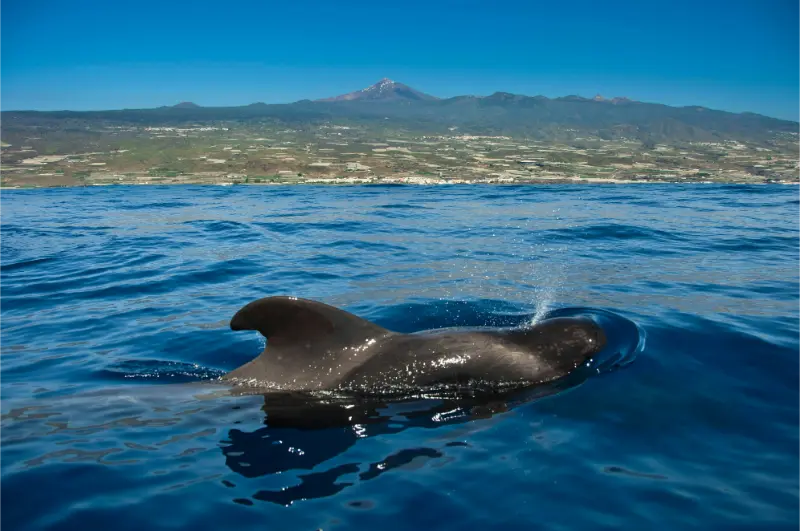
    Pilot whales and bottlenose dolphins are strongly associated with the waters around Tenerife, while other species can appear depending on season and chance. I never treat a wildlife trip as a guarantee of a particular species or behaviour. The point is to observe wild animals on their terms. A good guide explains what is seen, how the animals behave and why distance matters instead of manufacturing excitement by forcing a closer encounter.

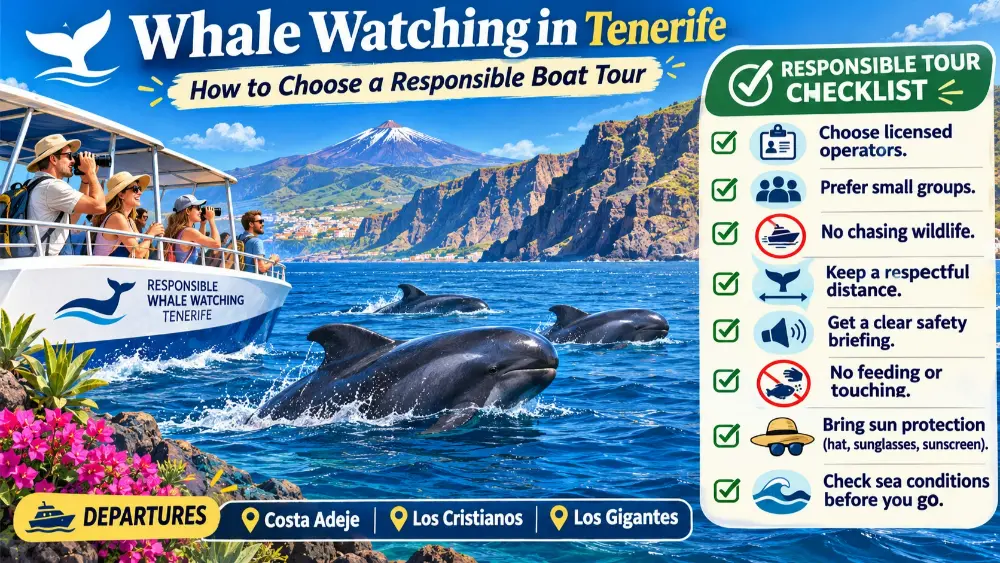
    Illustrated guide: Whale Watching in Tenerife, with practical visitor tips
    Illustrated guide: Whale Watching in Tenerife.

    This is also why I prefer a trip with interpretation. A marine biologist or knowledgeable guide can turn a distant dorsal fin into a meaningful observation by explaining group structure, feeding, movement and acoustic behaviour. The experience becomes less about collecting photographs and more about understanding the marine environment.

    How to choose a responsible operator

    • Check that the vessel is authorised for cetacean-watching activity.
    • Look for clear reference to distance, time and wildlife-protection rules.
    • Avoid products that advertise touching, feeding or swimming with wild cetaceans.
    • Prefer operators that explain what happens if animals are stressed or difficult to locate.
    • Read the cancellation policy for rough-sea or weather decisions.
    • Choose a boat size that matches your comfort, not only the cheapest fare.

    Tenerife Tourism also promotes a voluntary sustainability charter for whale-watching companies. I consider participation a useful positive signal, but I still read the actual operating practices. Labels help; responsible behaviour on the water matters more.

    Small boat or large catamaran?

    Neither is automatically better for every traveller. A small boat can feel more personal, usually carries fewer passengers and may offer stronger interpretation, but movement is more noticeable and facilities can be limited. A large catamaran can provide more space, shade and toilets, which some families appreciate, but the experience may feel less intimate. I decide based on seasickness, children, mobility, trip length and how important commentary is to me.

    Boat styleAdvantagesThink about
    Small boatFewer passengers, personal guidingMore motion, fewer facilities
    CatamaranSpace, shade, easier family comfortLarger group atmosphere
    Sailing boatQuiet feel, smaller scaleSpace and access can be limited
    Private charterFlexible group experienceMuch higher cost

    How long should the tour be?

    For most first-time visitors I like roughly two to three hours. It is long enough to leave the harbour area and enjoy the sea without making the boat the entire day. Longer cruises can include food, swimming stops or more coastline, but those extras are not the same as additional cetacean observation because regulated viewing time still applies.

    With young children or anyone prone to motion sickness, I would choose the shortest format that still offers a proper wildlife experience. Four hours can feel very long when someone becomes uncomfortable after the first thirty minutes.

    Seasickness: what I do

    I check the marine forecast, eat a light meal, avoid excessive alcohol the night before and choose a position with fresh air and a clear horizon. If I know I am susceptible, I discuss appropriate prevention with a pharmacist or doctor before the trip rather than improvising medication at the harbour. I also tell the crew early if I feel unwell; they see seasickness regularly and can often suggest the best place to sit.

    What to wear and bring

    Even on a warm Costa Adeje morning, the boat can feel cooler and windier than the promenade. I bring sun protection, sunglasses with a secure fit, a light wind layer, water and a camera with a strap. I do not bring a large amount of equipment. The more time I spend changing lenses and protecting bags from spray, the less I actually watch the sea.

    Boat Trip Off Costa Adeje Tenerife

    Whale watching with children

    Children often love the anticipation, but the experience includes waiting. I explain before departure that wild animals are not a scheduled show. For younger children I choose a boat with shade, a toilet and easy seating, and I pack a simple snack if permitted. A shorter tour is usually better than the ‘best value’ longest cruise.

    If a child is nervous around boats, I would not make whale watching the first activity immediately after a tiring flight. A calm beach day first can help. My Tenerife with kids guide has more ideas for balancing high-energy and low-energy days.

    Best time of day

    I do not believe there is one universally guaranteed best hour for sightings. Wildlife and sea conditions vary. I prioritise the marine forecast and the operator’s local advice. Morning can be appealing for cooler conditions and a clean start to the day; an afternoon departure can fit a beach morning. The responsible operator should cancel or adapt when conditions are unsafe.

    Can you swim with whales or dolphins in Tenerife?

    Not as part of lawful wildlife observation. The official rules prohibit swimming with, touching or feeding cetaceans. If you see a product framed around direct interaction with wild dolphins or whales, I would verify exactly what is being sold and whether it complies with Canary Islands and national regulations.

    How I would combine the excursion

    From Puerto Colón, I would pair a morning cruise with a relaxed Costa Adeje afternoon rather than drive to Teide. From Los Gigantes, I would add lunch, the harbour and a coastal viewpoint, or simply enjoy the cliffs. A wildlife excursion already contains uncertainty; the rest of the day should have margin.

    Where to stay

    Costa Adeje gives the widest selection of south-coast hotels and the easiest Puerto Colón access. Los Gigantes is quieter and puts the cliffs directly into the experience. If whale watching is one of several island activities, I would choose the base that also works for beaches and transport. You can compare accommodation in Costa Adeje.

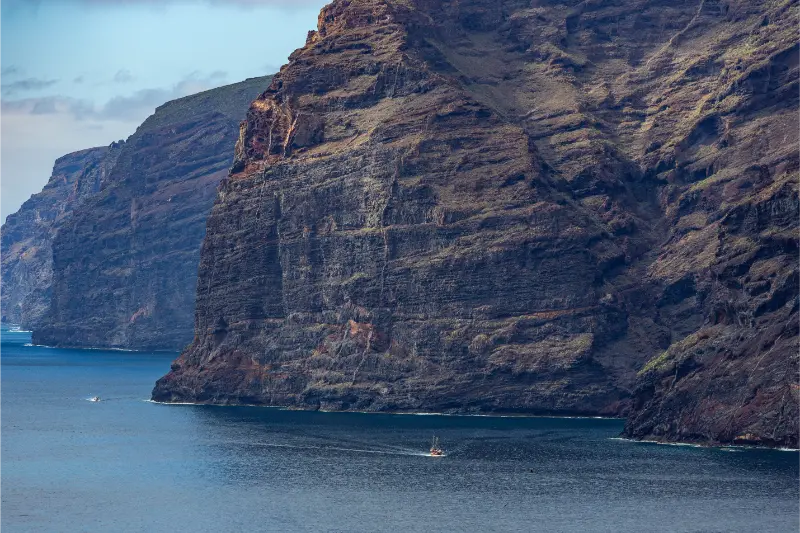
    Los Gigantes Cliffs From The Sea Tenerife

    Official rules worth reading

    Before booking, I read Tenerife Tourism’s official whale-watching regulations. The current guidance includes the 60-metre minimum approach distance, 30-minute maximum observation period, reduced speed and the prohibition on swimming with, touching or feeding cetaceans.

    Frequently asked questions

    Are sightings guaranteed?

    No responsible wildlife experience should be described as a guaranteed performance. Some operators may offer their own repeat-trip policy if no animals are seen, but that is a commercial condition, not a guarantee of nature.

    Is a small boat always more sustainable?

    Boat size alone does not prove responsible behaviour. Authorisation, distance, time near animals, speed, guiding and crew decisions are more meaningful indicators.

    Can I book at the harbour on the day?

    Sometimes, but I prefer to reserve a suitable authorised operator in advance during busy periods. That prevents me from choosing only by the next departure time.

    What is the biggest mistake?

    Choosing purely on price. The quality of the wildlife interpretation, legal compliance, boat comfort and sea conditions determine far more of the experience than a small ticket saving.

    How I think about photographs and wildlife etiquette

    A camera can improve the memory of the trip, but I do not let photography dictate the boat’s behaviour. I use a moderate zoom, keep straps secure and accept that many of the best sightings are too brief for a perfect image. I never ask a skipper to move closer for a photo. The legal distance exists for the animals, not for the convenience of my lens.

    I also avoid geotagging a precise live location when that could encourage other vessels to converge. The professional operators coordinate within regulations and understand the local situation far better than passengers. My role is to observe, listen and leave the encounter with as little disturbance as possible.

  • Candelaria Tenerife Guide: Basilica, Guanche Heritage, Seafront and Day-Trip Tips

    Candelaria Tenerife Guide: Basilica, Guanche Heritage, Seafront and Day-Trip Tips

    Candelaria is one of the Tenerife towns I would add when you want more than beaches and volcanic scenery. It sits on the east coast, within easy reach of Santa Cruz and the TF-1, and combines religious history, Guanche heritage, a broad seafront plaza and an everyday local atmosphere. The town is best known for the Basilica of Nuestra Señora de Candelaria, but the most interesting visit is not just a quick photograph of the church.

    I like to spend half a day here, walking from the basilica to the bronze statues of the nine menceyes, visiting the Cueva de Achbinico area, continuing along the waterfront and stopping for lunch. Candelaria also fits naturally into a driving day between the north and south because it is much easier to reach than many mountain villages.

    Why Candelaria matters in Tenerife

    The basilica is dedicated to the Virgin of Candelaria, patroness of the Canary Islands. According to the official Tenerife tourism information, a Gothic image associated with the Virgin appeared on the coast of the Güímar valley before the Spanish conquest, and the Guanches venerated it under the name Chaxiraxi. The original image was lost in a flood in 1826; the current carving dates from 1827 and is by the Tenerife sculptor Fernando Estévez.

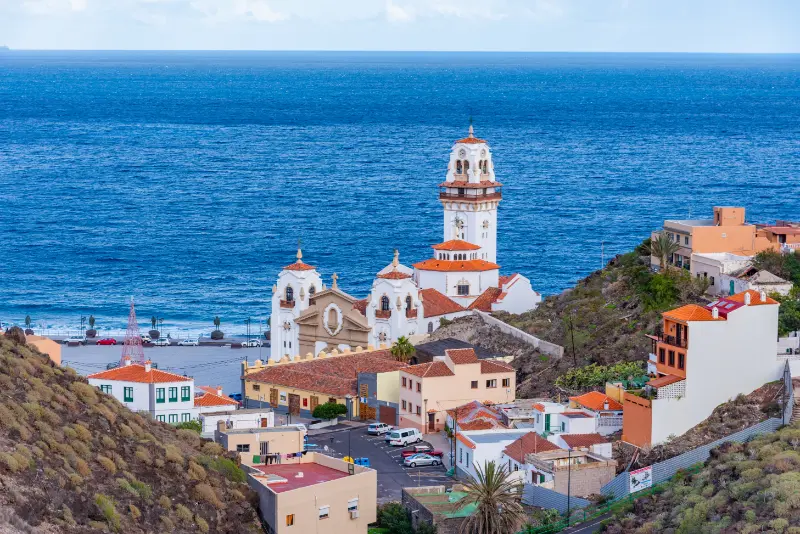
    The present basilica was built in 1959 and designed by Enrique Marrero Regalado. These facts are useful, but what interests me most is the layering of cultures visible around the square: Catholic pilgrimage, pre-conquest memory, monumental architecture and a waterfront that remains part of daily town life. For current opening details, I check the official basilica information.

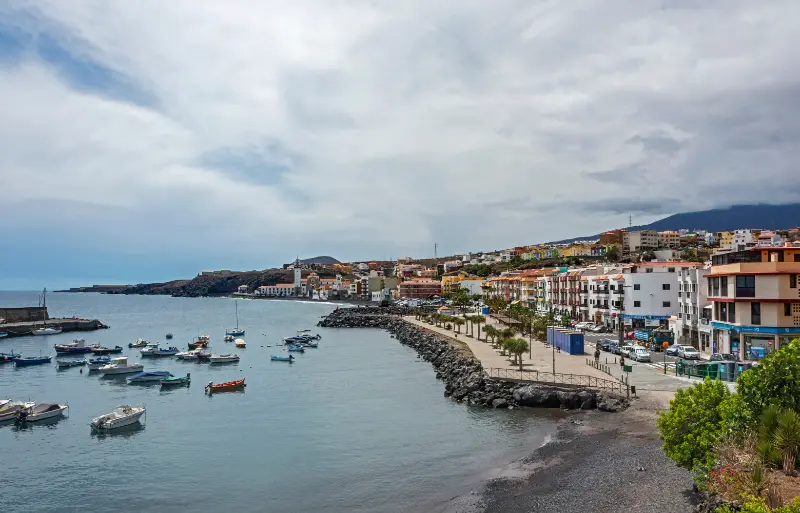
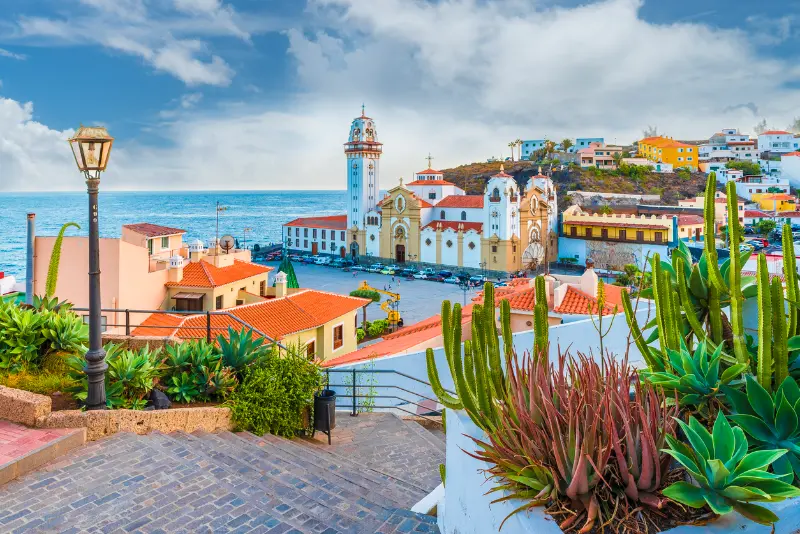
    Illustrated guide: Candelaria Old Town and Seafront, with practical visitor tips
    Illustrated guide: Candelaria Old Town and Seafront.

    Plaza de la Patrona de Canarias

    The large plaza in front of the basilica is the natural starting point. It opens directly toward the ocean and gives the church enough space to feel monumental. I do not rush through it. The scale makes more sense when you walk to the seaward side and look back, then continue toward the mencey statues.

    During major religious celebrations the atmosphere changes completely, particularly around 2 February and 15 August. Those dates can be fascinating if you want to experience the pilgrimage tradition, but they also mean crowds and different traffic conditions. I would not plan a quiet sightseeing stop on a festival day without checking local arrangements.

    The nine menceyes

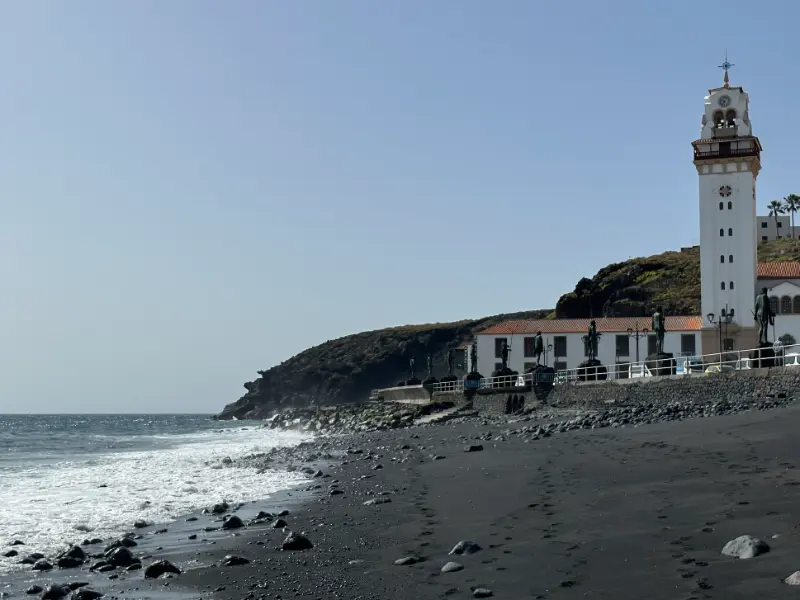
    Along the edge of the plaza stand large bronze sculptures representing the nine Guanche menceyes, or kings, associated with Tenerife’s pre-conquest territories. They give visitors a visual reminder that the island’s history did not begin with European settlement. I think they are much more meaningful when you spend a little time reading about the Guanches rather than using them only as a photo backdrop.

    Candelaria is a good place to start that conversation because the story of the Virgin is itself linked to Guanche tradition. I avoid oversimplifying the history into a romantic legend; the conquest of the Canary Islands involved profound political and cultural change. A responsible travel guide can acknowledge the tradition while still treating Indigenous history as more than decoration.

    Cueva de Achbinico or Cueva de San Blas

    Near the basilica is the Cueva de Achbinico, also known as the Cueva de San Blas. The official tourism information links it to the place where the Guanches kept the image of the Virgin. The cave has archaeological and religious importance, and it is one of the small stops that turns Candelaria from a one-building visit into a more complete historical walk.

    Candelaria Tenerife Basilica And Coast

    I keep my behaviour quiet and respectful because these are living religious spaces, not theme-park exhibits. Clothing does not need to be formal, but beachwear is not how I would enter the basilica or a place of worship.

    Walking the seafront

    After the historic core I like to continue along the promenade. The coast here is different from the sandy resort beaches of the southwest; it feels more urban and local. The walk gives you cafés, small beaches and views back toward the town. It is an easy contrast after the formal scale of the basilica.

    If your trip is focused on beaches, I would not choose Candelaria primarily for a classic beach day. Instead, pair it with cultural sightseeing and save a dedicated swimming day for Las Teresitas, El Médano or one of the southern bays.

    Food and lunch

    Candelaria works well for lunch because you are not trapped inside a single attraction complex. I look for simple Canarian dishes, fish when it is genuinely local to the restaurant’s offer, papas arrugadas with mojo and seasonal products. If I have already eaten heavily in the resort, this is a good day for a slower lunch rather than another international menu.

    My Tenerife food guide explains dishes and the difference between restaurants, traditional food and guachinche culture. Candelaria itself is not where I would specifically hunt for a famous guachinche; I focus on the town and eat where the menu and setting suit the day.

    Getting to Candelaria by car

    The town is straightforward to reach via the TF-1 compared with mountain destinations such as Masca or Anaga. From Santa Cruz it is a short drive in normal traffic, while travellers staying in Costa Adeje can use it as a stop on a northbound day. Parking becomes more complicated during festivals and busy weekends, so I follow local signs rather than trying to drive as close as possible to the basilica.

    Basilica Of Candelaria On The Tenerife Coast

    If I am combining Candelaria with another place, I prefer Santa Cruz or the Güímar valley rather than adding Teide and La Orotava in the same day. Simple geographic logic makes the itinerary more enjoyable.

    Getting there by bus

    Candelaria is also one of the easier cultural day trips without a car. TITSA services connect the town with the metropolitan area and other parts of the island. The official tourism page currently references lines such as 120, 122, 123 and 124 from the Santa Cruz area, but I always verify the live timetable before travel because routes and frequencies can change.

    For tickets, travelcards and the practical differences between bus-based and car-based itineraries, see my Tenerife without a car guide.

    How long do you need?

    Two to four hours is enough for the main sights at a comfortable pace. I would allow longer if you want lunch and a seafront walk. Candelaria is not a town where I need a checklist of twenty attractions; its strength is that the main sights are concentrated and easy to understand.

    That makes it particularly useful on arrival or departure days when you want a meaningful stop without risking a long mountain road. Just keep luggage out of sight in the car and do not leave valuables unattended.

    Best combinations for a day trip

    From Santa Cruz, I would visit Candelaria in the morning and return to the capital for the market, waterfront or evening. Another option is to continue toward Güímar and explore the agricultural east. From the south, Candelaria can be the cultural stop on a day that also includes Santa Cruz.

    If La Laguna and Anaga are your priorities, I would give them their own day. My Santa Cruz guide and La Laguna guide can help you decide how to divide the northeast.

    Where to stay

    Most visitors do not need to change hotels specifically for Candelaria, but the east coast can appeal to travellers who want a quieter base between Santa Cruz and the south. Before booking, I check walking distance to the seafront and bus stops rather than judging the town only by hotel photos.

    You can compare accommodation in Tenerife and use the map to see whether a property really suits your planned driving or public-transport route.

    Frequently asked questions

    Is the basilica free to enter?

    Visitors can normally enter the basilica without a conventional attraction ticket, but services, events and religious ceremonies can affect access. I check current information and behave respectfully during worship.

    What are the current visiting hours?

    The official tourism page currently lists Monday 15:00–19:30 and Tuesday to Sunday 07:30–19:30, but religious schedules can change, so I verify before a special trip.

    Basilica Of Our Lady Of Candelaria Tenerife Canary Islands Spain

    Is Candelaria worth visiting if I am not religious?

    Yes. The town is interesting for architecture, Guanche history, public sculpture, the seafront and the wider story of Tenerife.

    Can I visit with children?

    Yes. The central area is much easier than a mountain hike, although children should still be supervised near the waterfront and inside religious spaces.

    How would I fit it into a first Tenerife trip?

    I would use Candelaria as a half-day cultural stop, ideally combined with Santa Cruz or another east-coast destination rather than turning it into an exhausting island-wide loop.

    What I would notice beyond the headline sights

    Candelaria is especially rewarding if you pay attention to the transition between pilgrimage town and ordinary coastal life. A few streets from the monumental square, people are shopping, meeting for coffee and walking the promenade. I like that contrast because it prevents the visit from becoming a single historical photograph.

    I also leave a little time for interpretation. The relationship between Guanche tradition, later Christian devotion and modern Canarian identity is complex, and the town makes more sense when you read a few panels or official background notes rather than reducing everything to a legend about a statue. For photographers, morning and late afternoon light usually give the seafront more texture, but I never let photography interfere with ceremonies or people using religious spaces. A respectful pace is the best way to enjoy Candelaria.

  • Loro Parque Tenerife Guide: How to Plan a Full Day in Puerto de la Cruz

    Loro Parque Tenerife Guide: How to Plan a Full Day in Puerto de la Cruz

    Loro Parque is one of Tenerife’s best-known paid attractions and a common reason travellers build a day around Puerto de la Cruz. I think it works best when you treat it as a large zoological park that requires a full visit rather than a quick stop before seeing the rest of the north. The site is compact enough to walk but dense enough that presentation times, animal areas, meals and simple breaks can fill most of the day.

    The park’s current official information lists opening every day from 09:30 to 17:30 and recommends advance ticket purchase. Those details are easy to check, but the more important planning question is how the visit fits into your Tenerife trip. If you are already staying in Puerto de la Cruz, it is simple. From Costa Adeje or Los Cristianos, it becomes a long dedicated excursion, so I would not add a second major north-coast itinerary on the same day.

    What kind of visit to expect

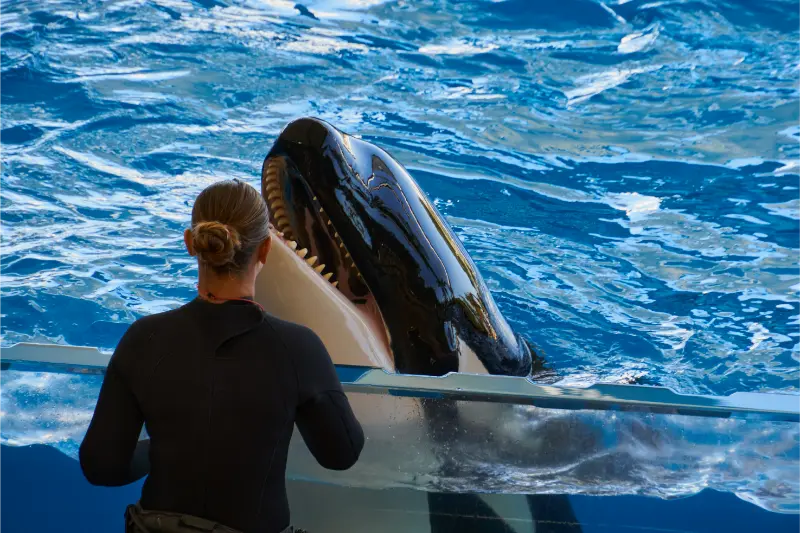
    Loro Parque contains a broad range of animal habitats and scheduled presentations, plus restaurants, shaded areas and landscaped paths. The experience is very different from a nature hike or whale-watching trip because you are visiting managed animal collections. I separate those experiences mentally: if my goal is to see cetaceans in the wild, I choose a regulated whale-watching trip; if I want a structured family attraction with many species in one place, Loro Parque serves a different purpose.

    Travellers also have different views about keeping cetaceans and other wild animals in human care. I think it is reasonable to read the park’s own conservation information as well as independent animal-welfare perspectives and decide according to your values. This guide focuses on practical trip planning rather than telling you what ethical conclusion to reach.

    How much time I would allow

    I would reserve most of the operating day. Rushing through in three hours means either skipping large areas or walking constantly with no time to observe. With young children, the pace naturally becomes slower because meals, toilets and rest matter. If a family has only a half day available, I would choose fewer zones deliberately rather than attempt the full park.

    Visit styleTime I would allowApproach
    Fast highlights4–5 hoursChoose priority habitats and limited presentations
    First full visitMost of the dayBalanced route with meal and rest
    Young childrenFull flexible dayFewer targets, more breaks
    Repeat visitVariableFocus on favourite habitats and new areas

    Presentation times and route planning

    The official park publishes presentation schedules, and I use those only as anchors. Trying to attend every presentation can turn the visit into a timetable exercise where you constantly cross the park. I pick the sessions that matter to my group, then build a walking route around nearby habitats. I arrive a little early because seating and access can take time.

    If an animal chooses not to be visible or an activity changes, I move on. Animals are not a guaranteed performance product, and operational schedules can change. That mindset makes the day calmer and avoids frustration when a carefully planned sequence does not happen exactly as expected.

    What to bring

    • Comfortable walking shoes rather than beach sandals.
    • Sun protection even though many areas have shade.
    • A light layer if the north is cooler or cloudier than your resort.
    • A refillable water bottle if permitted under current park rules.
    • Only the camera equipment you genuinely want to carry all day.
    • Any child essentials that keep breaks simple and predictable.

    Puerto de la Cruz often feels cooler and greener than the south, so I do not assume the weather at my Costa Adeje hotel represents the north coast. I check the forecast that morning and carry one light layer. Tenerife’s microclimates are part of the island’s character; my weather and season guide explains why conditions can differ so much over a short distance.

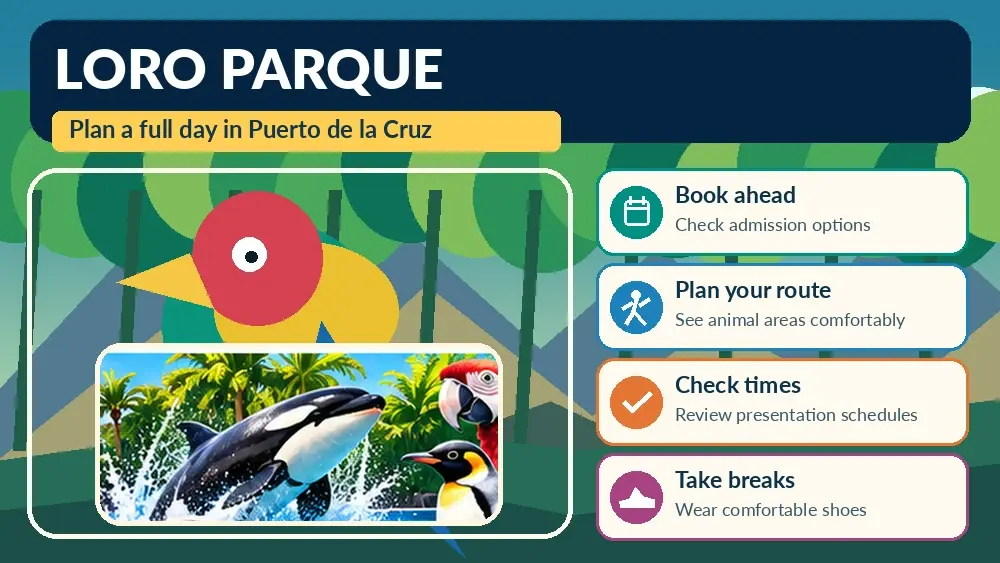
    Illustrated guide: Loro Parque Tenerife, with practical visitor tips
    Illustrated guide: Loro Parque Tenerife.

    Getting to Loro Parque from Puerto de la Cruz

    If I stay in Puerto de la Cruz, I would not rent a car just for the park. Loro Parque currently advertises a free express train through Puerto de la Cruz, with service information published on its official visitor page. Walking, taxi and local connections may also be practical depending on the hotel. I check the current route and times because visitor transport details can change.

    Getting there from southern Tenerife

    From Costa Adeje, Los Cristianos or Playa de las Américas, the day requires more planning. The park advertises bus transport from the south, while driving gives more control over departure time. If I drive, I accept that the motorway journey can be substantial and I avoid adding a late mountain road or another large attraction afterward.

    A family that strongly wants both Siam Park and Loro Parque can do them on separate days. I would never put them back-to-back if the children tire easily; a beach or easy resort day between them creates a better holiday rhythm. For family planning, see Tenerife with kids.

    Food, breaks and pacing

    The park lists restaurants, cafés and kiosks, so I plan to eat inside rather than build the day around leaving and returning. I usually choose lunch slightly before or after the busiest period and use the meal as a real rest. Children often enjoy the afternoon much more after twenty quiet minutes away from crowds.

    I also avoid carrying unnecessary shopping or souvenirs from the start. If I want something from a park shop, I look near the end of the visit. Anything bought early becomes another object to carry through a full day of walking.

    Can you combine Loro Parque with Puerto de la Cruz?

    If the park is the priority, I would combine it only with a simple evening walk or dinner in Puerto de la Cruz. Lago Martiánez, La Orotava and a detailed historic-centre visit deserve more time than leftovers at the end of an exhausting day. Travellers staying overnight in the north can explore those places the following morning. My Puerto de la Cruz guide has a better plan for the town itself.

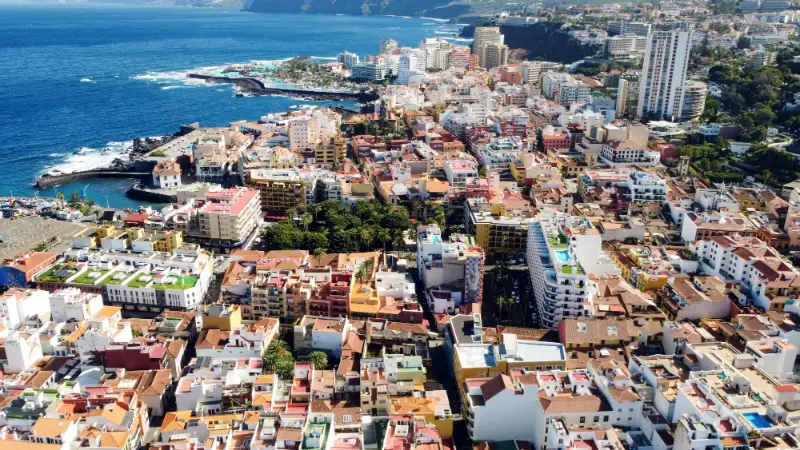
    Aerial View Of Puerto De La Cruz Tenerife

    Where to stay

    Puerto de la Cruz is by far the most convenient base if Loro Parque is a major trip priority. It also positions you well for La Orotava, Icod, Garachico and the north side of Teide. If you prefer the sunnier south for the rest of the holiday, I would stay there and accept one long excursion rather than change hotels for a single attraction. You can compare current Puerto de la Cruz hotel prices.

    My practical full-day plan

    I would arrive near opening, identify the day’s presentation times, choose two or three priorities and begin walking before spending too long at the entrance. Late morning is for the first scheduled presentation and nearby habitats. Lunch is a genuine break. The afternoon is for areas missed earlier, a final selected presentation and a relaxed exit before the closing rush.

    That plan sounds simple because it is. The biggest planning mistake is over-engineering the day. A zoological park works best when you allow time to watch rather than move constantly from sign to sign.

    Official information to check

    Before visiting, I use the official Loro Parque visitor page for current hours, presentation schedules, transport and visitor rules. The published information currently lists daily opening from 09:30 to 17:30, but the official page should always take priority over older travel articles.

    Frequently asked questions

    Is Loro Parque a half-day attraction?

    It can be if you deliberately choose a limited number of areas, but I would not plan a first visit that way. Most travellers get better value from a full, slower day.

    Should I stay in Puerto de la Cruz?

    Only if the north suits the rest of your trip as well. Puerto de la Cruz is a strong base for northern towns and landscapes, but I would not change hotels solely to shorten the journey to one attraction.

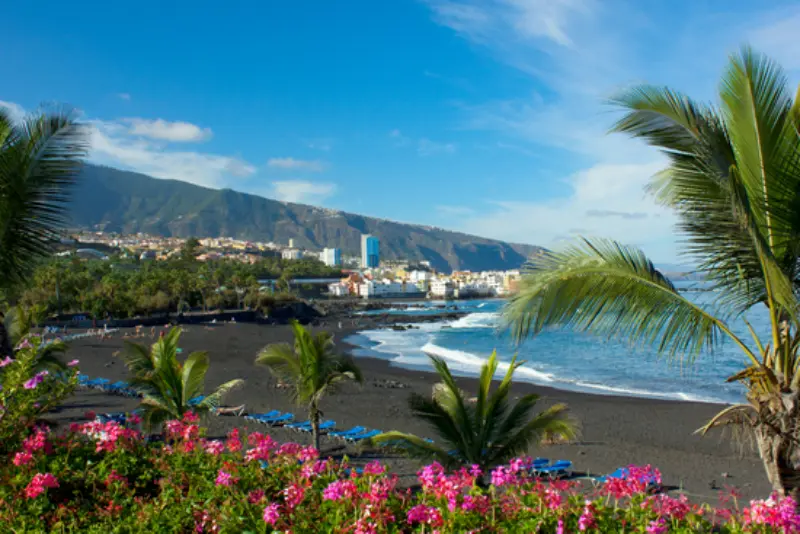
    Playa Jardin Puerto De La Cruz Tenerife

    Is it suitable for small children?

    The park is easy to understand as a family attraction, but the practical issue is stamina. I plan more breaks, fewer fixed presentation targets and a flexible exit time with preschool-age children.

    What would I pair with it on another day?

    La Orotava, Icod de los Vinos, Garachico and a north-coast itinerary all pair naturally with a Puerto de la Cruz stay. I would keep those explorations for a separate day so the park itself is not rushed.

    How I fit the park into a north-Tenerife itinerary

    If I spend three nights in Puerto de la Cruz, I use one day for Loro Parque, one day for La Orotava and a Teide approach, and one day for Icod and Garachico. That structure keeps driving short and gives the north enough attention. On a single-day trip from the south, I accept that the park is the destination and save the historic towns for another holiday.

    This is especially important for families. Children often remember the animal they watched for ten minutes more vividly than the fifth viewpoint adults squeezed into the return drive. I would rather finish early and have ice cream on the Puerto de la Cruz promenade than add a rushed detour simply because it appears nearby on a map.

  • Best Natural Pools in Tenerife: Volcanic Charcos, Safety and Where to Swim

    Best Natural Pools in Tenerife: Volcanic Charcos, Safety and Where to Swim

    Tenerife’s natural pools and volcanic charcos are one of the best ways to understand the island’s coastline. Instead of a conventional sandy beach, you swim in seawater held between lava formations, sometimes in a carefully adapted pool with steps and facilities and sometimes in a much wilder rock basin shaped by the Atlantic. The photographs can make every charco look calm; reality is more nuanced, because waves, tides and local closures decide whether a place is suitable on a particular day.

    I therefore plan natural-pool days differently from beach days. I choose one or two places, check conditions, keep an alternative nearby and never assume that a rock barrier makes the water automatically safe. The official Tenerife tourism site maintains a useful overview of natural pools and charcos around the island.

    Why Tenerife has so many natural pools

    Volcanic eruptions created an irregular coast of lava flows, ledges and cavities. In many places the sea enters these formations and leaves behind protected or semi-protected pools. Some were later adapted with steps, terraces and changing facilities, while others remain almost completely natural. That distinction matters because the level of comfort and supervision varies enormously.

    I like natural pools because they combine swimming with geology. You can literally see how lava met the ocean. But I also respect them more than a hotel pool: a large wave can cross a wall that looked high a minute earlier. My rule is to observe the water before entering and follow any local signs, barriers or staff instructions.

    El Caletón in Garachico

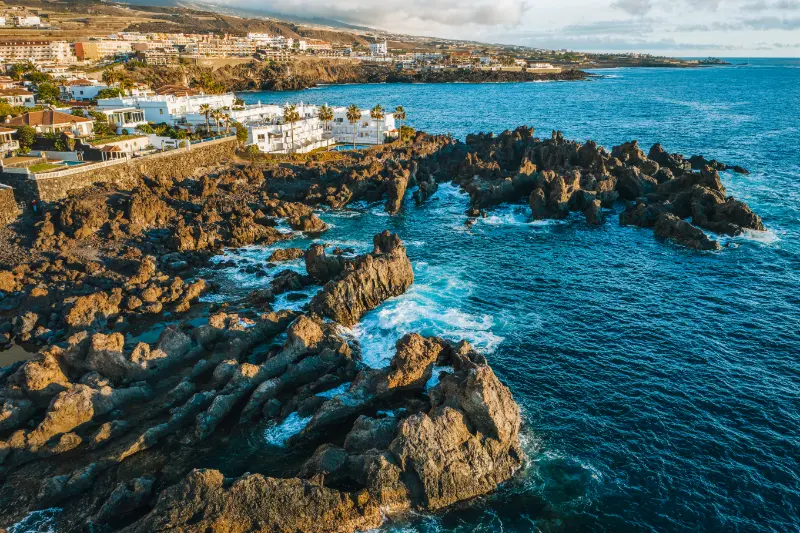
    El Caletón is the natural-pool experience I recommend most often to a first-time visitor because it sits in the historic town of Garachico. The pools are formed in lava on the waterfront, so you can combine a swim with old streets, churches, cafés and viewpoints without dedicating the entire day to bathing.

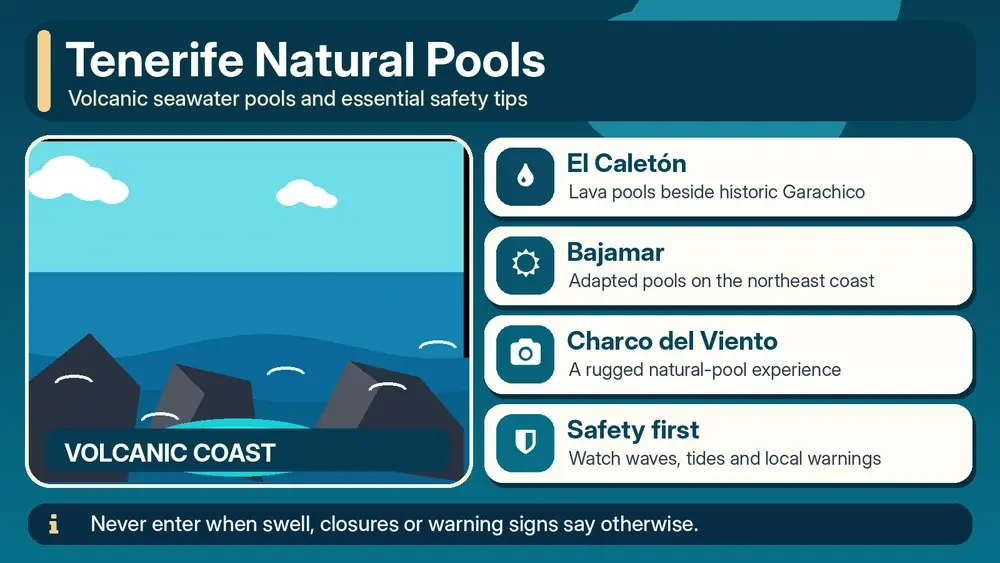
    Illustrated guide: Best Natural Pools in Tenerife, with practical visitor tips
    Illustrated guide: Best Natural Pools in Tenerife.

    Garachico was dramatically reshaped by the 1706 Trevejo eruption, and the volcanic coast is part of the town’s identity. On a calm day, El Caletón can feel surprisingly accessible compared with wilder charcos. On a rough day, however, sections may be unsafe or closed. I never climb around barriers for a photograph. My Garachico guide covers the town in more detail.

    Bajamar pools

    Bajamar, on the north coast near La Laguna, has adapted seawater pools that are easier to understand for families than an undeveloped rock charco. The setting still feels strongly Atlantic, but there are structured bathing areas and a promenade. I like Bajamar when I want the natural-pool atmosphere without the same level of scrambling over rocks.

    The north coast is exposed, so waves can be impressive even when the pool itself looks protected. That is part of the visual drama, but it is also why local safety instructions matter. I check the sea first, then decide how long to stay rather than committing the entire afternoon in advance.

    Jóver and the northeast coast

    Jóver is another place I consider when exploring the northeast. It feels less like a major tourist attraction and more like a local coastal stop, which is exactly the appeal. The trade-off is that services and parking can be more limited, and a place that feels wonderfully quiet at one hour can become awkward if everyone arrives at once.

    I would combine Jóver with La Laguna, Bajamar or Punta del Hidalgo instead of driving from the south solely for the pool. That produces a richer day and gives me alternatives if the sea is not cooperative. For the cultural half of the itinerary, see my La Laguna guide.

    Charco del Viento and other north-coast rock pools

    The coast around La Guancha, Icod and neighboring municipalities contains beautiful volcanic bathing places, including Charco del Viento. These are the locations where I pay the closest attention to swell and access. A wild charco can look completely different depending on tide and ocean energy, so yesterday’s social-media video is not a safety forecast for today.

    If the sea is active, I switch the plan to viewpoints, towns or a conventional beach. There is no prize for entering a natural pool in marginal conditions. The north is full of alternatives: Icod de los Vinos, La Orotava, Puerto de la Cruz and Garachico all work well as backup sightseeing.

    Charco El Diablo Puerto De Santiago Tenerife

    Natural pools near Los Gigantes and the west

    Western Tenerife also has volcanic bathing areas and rock pools, although I choose carefully because exposed coastlines can receive strong swell. Around Los Gigantes and Puerto de Santiago, the cliffs are the main attraction, and I prefer to make swimming a bonus rather than the only purpose of the day. If conditions are wrong, a coastal walk or whale-watching trip can replace the swim.

    My Los Gigantes guide explains how I structure a west-coast day without overloading it. This is particularly useful if you also want to see Masca or Punta de Teno.

    How I check safety before swimming

    I look at the ocean for several minutes before approaching the water. I watch where waves break, whether water is washing across the pool edge and whether local swimmers are avoiding a section. I obey closure signs and do not assume that good swimmers are immune to impact from waves or slippery rock.

    Footwear matters too. Volcanic surfaces can be sharp, wet algae can be extremely slippery and access ladders may be exposed to surge. Water shoes can help in suitable places, but they do not make dangerous sea conditions safe. With children, I choose adapted pools, stay within arm’s reach where appropriate and avoid wild charcos in rough weather.

    What to bring

    • Secure footwear for wet volcanic surfaces.
    • A towel and dry layer, especially on the breezier north coast.
    • Water and sun protection.
    • A small waterproof bag for essentials, while leaving valuables at the accommodation.
    • A flexible itinerary with a nearby town or beach as Plan B.

    Natural pools versus beaches

    I do not see one as better than the other. Beaches such as Las Teresitas, El Médano or the southern resort bays are easier for long swimming and sunbathing days. Natural pools are more about landscape and the sensation of being inside Tenerife’s volcanic coast. On a one-week trip I would include both.

    Garachico Natural Pools And Coast Tenerife

    If you are choosing between locations, my best beaches in Tenerife article covers the conventional options, while this guide is for days when rock, lava and the Atlantic are the main attraction.

    Best natural-pool itinerary in the north

    A relaxed route could start in La Laguna, continue to Bajamar for a swim if conditions are good, then follow the north coast on another day toward Garachico and Icod. I would not try to visit six charcos in one day. The pleasure comes from staying long enough to swim, dry off and explore the surrounding town.

    For travellers using a rental car, I also avoid leaving bags visible in the vehicle while swimming. Natural pools often involve parking a short walk away, and a car full of luggage is unnecessary risk. My Tenerife by car guide includes broader road-trip and parking advice.

    Where to stay

    Puerto de la Cruz is a good base if north-coast pools are a priority because it puts several towns within manageable reach and gives you restaurants and evening life afterward. La Laguna is better for the northeast, while Garachico suits a slower rural-style trip. The south is still possible, but you will spend more time driving.

    You can compare Tenerife accommodation and then judge the route from the exact property rather than the resort name. On Tenerife, altitude and winding roads can make apparently short distances misleading.

    Frequently asked questions

    Are Tenerife’s natural pools free?

    Many are free public bathing areas, but facilities and access arrangements vary. I always check the current local information for the specific pool.

    Are they safe in winter?

    Safety depends on the sea on that day, not simply the season. Winter can bring energetic Atlantic swell to the north coast, so flexibility matters.

    Which pool is easiest for a first visit?

    I like El Caletón because it combines well with Garachico, and adapted complexes such as Bajamar are more straightforward than wild rock pools.

    Can children use them?

    Some adapted pools can work very well for families in calm conditions. Wild charcos require much more caution and are not places where I would relax supervision.

    What is the main rule?

    If the ocean looks wrong, do something else. Tenerife offers enough towns, beaches and viewpoints that there is never a reason to force a swim.

    How I choose a pool on the day

    I make the final choice in the morning rather than weeks in advance. I check the weather on the specific coast, look at sea conditions and then decide whether I want a structured pool such as Bajamar or a wilder charco. If I am travelling with older relatives or children, I give accessibility and easy entry far more weight than how photogenic the rocks look online.

    I also time the visit around the rest of the day. A natural pool is ideal after sightseeing because you can swim for an hour, dry off and continue to dinner without committing to a full beach day. On the north coast I keep a dry change of clothes in the car because wind can make wet swimwear uncomfortable quickly. This simple flexibility is what turns Tenerife’s charcos from a risky checklist into one of the island’s most enjoyable coastal experiences.

  • Playa de Benijo Guide: Black Sand, Anaga Scenery, Access and Safety Tips

    Playa de Benijo Guide: Black Sand, Anaga Scenery, Access and Safety Tips

    Playa de Benijo is the Tenerife beach I think of when someone asks for dramatic scenery rather than an easy resort day. Black volcanic sand, the Roques de Anaga rising offshore and the steep green slopes of the Anaga massif give the place a raw character that feels very different from the manicured beaches of Costa Adeje. It is also a beach that deserves respect. Access involves steps, parking is limited and the Atlantic can be powerful, so I would never describe Benijo as a simple all-purpose swimming beach.

    For me, the best way to experience Benijo is as part of a wider day in northeastern Tenerife. I would combine it with Taganana, a viewpoint or short walk in Anaga and a meal in one of the small coastal settlements rather than driving across the island only for an hour on the sand. If you have not explored this side of Tenerife before, my Anaga Rural Park guide explains how the forests, mountain roads and coastal villages fit together.

    Why Playa de Benijo is special

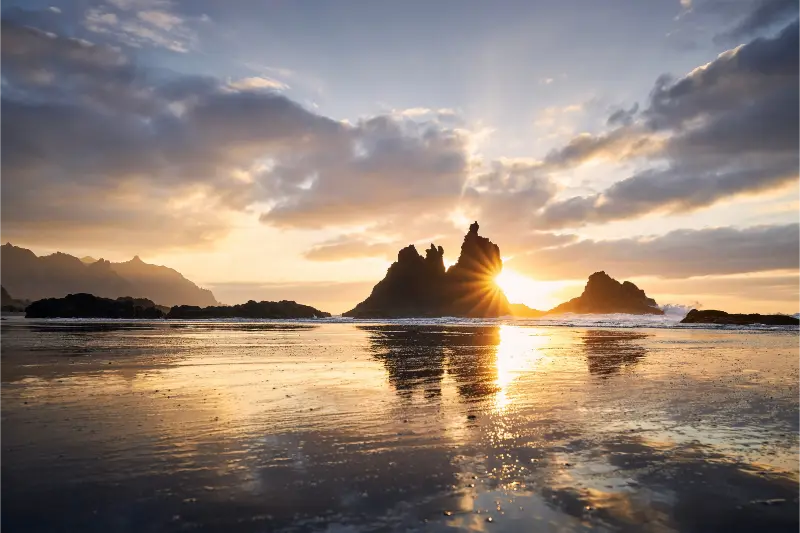
    Benijo is not famous because it has the calmest water or the largest list of services. Its appeal is the setting. The beach sits below a rugged section of the Anaga coast, with dark sand in the foreground and volcanic rock formations offshore. At low light, especially around sunset, the contrast between black sand, white surf and the silhouettes of the roques can be extraordinary.

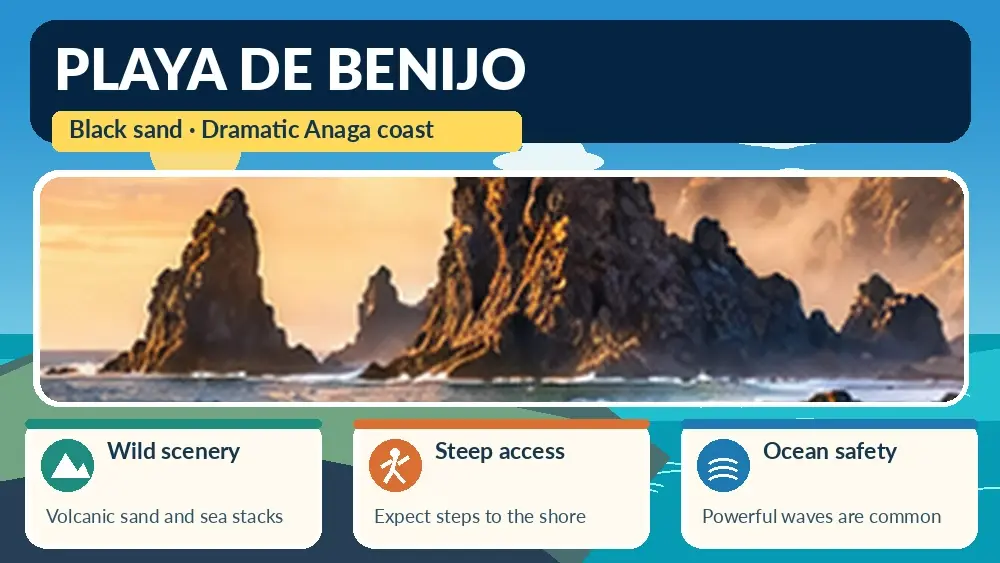
    Illustrated guide: Playa de Benijo, with practical visitor tips
    Illustrated guide: Playa de Benijo.

    The official Tenerife tourism information describes Benijo as an isolated beach near Taganana, around 300 metres long, reached on foot by a path with stairs. It also warns that the waves can be strong. I treat that warning as central to the visit, not as a footnote. On days with rough sea conditions, I am perfectly happy to enjoy Benijo from the shore without swimming. You can check the official Playa de Benijo information before setting out.

    How to get to Benijo

    By car, the route through Anaga is scenic but slower than the map distance suggests. The roads twist around steep slopes, visibility changes with cloud and there are sections where patient driving matters more than speed. If I am coming from Santa Cruz or La Laguna, I build generous time into the day and avoid creating a schedule that depends on arriving at an exact minute.

    Parking around Benijo is limited. The official tourism page indicates fewer than 50 parking spaces, which is another reason I avoid arriving at the busiest part of a sunny weekend afternoon. If the closest spaces are full, I do not improvise by blocking narrow roads or entrances. I would rather park legally farther away if possible, change the order of the day or return at another time.

    Public transport can also work, but I check the current TITSA route and timetable immediately before travelling because rural services are less frequent than buses in the main resorts. A bus-based Anaga day is entirely possible if you choose a small number of stops. For the wider network, see my Tenerife without a car guide.

    The stairs and beach access

    The final access is on foot using a path and stairs. That matters if you are travelling with a stroller, have reduced mobility or simply expect a flat promenade like the beaches of the south. Benijo is not the place I would choose for a visitor who needs step-free access. Good footwear is useful even if the plan is just to spend time on the sand, particularly if the steps are damp or you continue to viewpoints and village streets afterward.

    I also keep the return climb in mind. Descending to the beach can feel easy when you are excited by the view; climbing back after sunset, carrying beach gear, is another matter. I bring only what I really need and make sure I have enough daylight to return comfortably.

    Can you swim at Playa de Benijo?

    Sometimes people do, but I would never promise safe swimming conditions. The beach is exposed to Atlantic swell and currents, and the official guidance specifically urges caution because the waves are often strong. I judge the sea on the day, follow any local warnings and stay out when the conditions look uncertain. A beautiful beach does not become less worthwhile just because I decide not to enter the water.

    For families with young children, I generally prefer a sheltered beach with easier access and lifeguard infrastructure. My best beaches in Tenerife guide includes more practical options for swimming days. Benijo works better as a landscape experience for many families, with the beach visit kept short and flexible.

    Sunset at Benijo

    Sunset is the moment most people imagine when they see photographs of Benijo, and it can be magnificent. The mistake is to focus only on the sunset itself and forget the road out. Mountain roads in Anaga become more demanding after dark, especially if cloud or mist forms higher up. If I stay for the last light, I make sure the driver is comfortable with the return journey and I do not drink alcohol with dinner before driving.

    I arrive early enough to walk down without rushing, choose a safe place well above the reach of unexpected waves and keep an eye on the tide. I also bring a light layer. Even after a warm afternoon, wind and humidity can make the coast feel cooler once the sun disappears.

    Taganana, Almáciga and Roque de las Bodegas

    Benijo makes more sense when you treat it as part of the Taganana coast. Taganana itself has a traditional village atmosphere tucked into the Anaga landscape, while the coast around Roque de las Bodegas and Almáciga offers other views, beaches and places to eat. I like to stop for a simple Canarian lunch or fish rather than racing directly from one photo stop to another.

    If I have a full day, I might start with a forest viewpoint in the higher part of Anaga, descend toward Taganana, have lunch near the coast and finish at Benijo later in the afternoon. That route shows why Tenerife can feel like several islands in one: laurel forest, steep ravines, tiny villages and black-sand coastline all appear within a relatively small area.

    What to bring

    • Supportive shoes for the stairs and uneven surfaces.
    • Water, sunscreen and a hat even when the mountains are cloudy.
    • A light layer for wind or cooler conditions after sunset.
    • Only a small amount of beach gear; the return climb is easier when you travel light.
    • A charged phone, while remembering that mountain coverage can be less reliable than in resort areas.

    Best time of day

    There is no single perfect time. Morning can be quieter and makes the return drive simple. Late afternoon gives better light and the possibility of sunset. Midday works if the sea is calm and you are already touring the coast, but the harsh light can flatten the landscape in photographs and parking may be more difficult. I choose according to the weather and the rest of my Anaga plan rather than chasing a fixed formula.

    Season also changes the character of the beach. Tenerife is a year-round destination, but ocean conditions vary from day to day. My best time to visit Tenerife guide explains the island’s broader seasonal differences without pretending that any month guarantees calm seas.

    Where to stay for Benijo

    If Benijo and Anaga are priorities, I would consider Santa Cruz or La Laguna rather than the far southwest. You gain easier access to the northeast and can combine the coast with the capital, UNESCO streets and mountain walks. Travellers who want nightlife and resort beaches can still visit from Costa Adeje, but the driving day is much longer.

    You can compare accommodation across Tenerife and then check the exact map position rather than booking by town name alone. In mountain areas, a property that looks close in a straight line may involve a surprisingly long road journey.

    A realistic Benijo day plan

    My preferred plan is intentionally simple. I leave after breakfast, stop at one or two Anaga viewpoints, descend toward Taganana, have lunch, visit the coast and keep Benijo as the final major stop. If the sea is rough, I photograph and walk instead of swimming. If parking is impossible, I do not let that ruin the day; the Anaga coast has plenty of other beautiful places.

    I also resist the temptation to combine Benijo with Teide or the far west on the same day. Tenerife may look compact on a map, but mountain roads turn ambitious itineraries into hours behind the wheel. Benijo deserves a day that feels slow enough to notice the landscape.

    Frequently asked questions

    Is Playa de Benijo suitable for children?

    The scenery can be wonderful for a family outing, but the stairs, exposed water and limited services make it less convenient than Tenerife’s main family beaches. I would supervise children very closely and choose another beach for easy swimming.

    Is Benijo a nudist beach?

    The official tourism information notes that the beach is frequented by naturists. In practice, visitors should simply respect other beach users and the relaxed character of the place.

    Are there restaurants nearby?

    Yes, there are places to eat in the surrounding coastal area and around Taganana. Opening days and hours can vary, so I do not build a late remote meal around one specific restaurant without checking first.

    Do I need a full day?

    Not for the beach alone, but I strongly prefer a full Anaga day because the forest, viewpoints and villages are part of what makes Benijo memorable.

    What is the biggest mistake?

    Treating Benijo like a normal resort beach. The best visit comes from accepting limited parking, stairs, changing ocean conditions and a slower mountain-road journey.

  • La Orotava Travel Guide: Historic Centre, Balconies, Gardens and Day Trips

    La Orotava Travel Guide: Historic Centre, Balconies, Gardens and Day Trips

    La Orotava is one of the Tenerife towns I would visit even if it were nowhere near the island’s beaches. Set above the north coast in the Orotava Valley, it combines steep historic streets, traditional Canarian architecture, gardens and broad views toward the Atlantic and Teide. It is also a town where geography matters: the historic centre climbs, so walking slowly is part of the experience.

    The municipality is much larger than the urban centre and extends high into the island; roughly 78% of Teide National Park lies within La Orotava’s municipal territory according to official Tenerife tourism information. That connection between cultivated valley, forest and high volcano explains why La Orotava feels like a natural bridge between the north coast and Teide.

    Why visit La Orotava?

    I come for architecture and atmosphere rather than a single must-see sight. The historic centre is protected and contains mansions, churches, gardens and wooden balconies that reflect the wealth of the valley’s agricultural past. It is close to Puerto de la Cruz, so even travellers without a full day can include it easily.

    If your Tenerife itinerary already includes La Laguna, do not assume the towns are interchangeable. La Laguna has a planned colonial street grid and university energy; La Orotava is steeper, more aristocratic in character and visually tied to the valley. I think both are worth visiting on a culture-focused trip.

    Casa de los Balcones

    Casa de los Balcones is the best-known architectural stop and a useful place to look closely at traditional wooden balconies and domestic design. It is also heavily visited, so I would not make it the only reason to come. The surrounding streets and neighbouring historic buildings create the context that makes the house meaningful.

    Opening arrangements and ticketed areas can change, so check current information if an interior visit is important. Even without entering every building, the old streets reward walking.

    Historic streets and churches

    Comfortable shoes are essential because the centre is built on a slope. I would begin high enough that I can wander downhill through the main historic area, then decide how much climbing I want to repeat. Church towers, stonework, colourful façades and glimpses of the valley appear between narrow streets.

    Do not plan the visit by driving from sight to sight. Park once, walk and accept the gradients. The town is more coherent that way.

    Gardens and viewpoints

    La Orotava is known for formal gardens and planted spaces that reflect the north’s greener climate. They make a useful pause between historic buildings and provide elevated views. On clear days, Teide can dominate the skyline; on cloudier days, the lush vegetation becomes the stronger feature.

    Corpus Christi carpets

    La Orotava is famous for its Corpus Christi celebrations and elaborate carpets made from flowers and coloured natural materials, including the monumental sand artwork in the town-hall square. If your trip coincides with the event period, expect a very different visitor experience with crowds and restricted movement. Check official local dates because the calendar changes each year.

    Outside the festival, you can still understand the tradition through local displays and interpretation, but do not expect the full street spectacle year-round.

    Food and the Orotava Valley

    The valley is an excellent place to focus on Canarian food and wine. Agriculture and vineyards shape the surrounding landscape, and nearby rural restaurants or guachinches can add much more to the day than another rushed monument. I would plan lunch as part of the itinerary, not as a gap between sights.

    For dishes and local dining habits, use my Tenerife food guide.

    La Orotava and Puerto de la Cruz

    These two places are close enough to combine easily. I would visit La Orotava first, while energy for hills and historic streets is high, then descend to Puerto de la Cruz for lunch, seafront walking or an evening in La Ranilla. That creates a natural movement from valley town to coast.

    My Puerto de la Cruz guide gives several options for the second half of the day.

    La Orotava and Garachico

    A longer north-coast culture day can continue west to Garachico. The two towns show different parts of Tenerife’s historical story: La Orotava’s valley wealth and Garachico’s port history shaped by the 1706 eruption. I would skip Puerto de la Cruz on that day or keep it only for dinner.

    See my Garachico guide before deciding how much to combine.

    La Orotava and Teide

    Roads from the Orotava Valley climb toward Teide through forest and changing vegetation, making this one of the island’s great vertical journeys. However, I would not squeeze a full La Orotava visit and a serious Teide hiking plan into the same day. A short old-town walk can precede a scenic drive, but cable-car reservations, summit permissions and high-mountain routes deserve their own schedule.

    La Orotava Historic Center And Mountains Tenerife

    Use my Mount Teide guide for the mountain rules and altitude planning.

    Getting there and parking

    La Orotava is easy to reach from Puerto de la Cruz and the TF-5 corridor, but parking in the historic centre is not where I want to spend my time. I look for a sensible public car park or legal space outside the tightest old streets, then walk. Buses also connect the town with nearby northern destinations.

    For a car-free trip or broader transport questions, see getting around Tenerife.

    Where to stay

    Most visitors stay in Puerto de la Cruz and visit La Orotava during the day, but the town can suit travellers looking for a quieter historic base. You will trade immediate beach access for atmosphere and valley views. A rural property outside the centre can also work if you have a car.

    If that appeals, compare accommodation in La Orotava and pay close attention to parking and walking gradients.

    How long do you need?

    TimePlan
    2 hoursCore historic streets and one major building
    Half dayHistoric centre, gardens and lunch
    Full dayAdd Puerto de la Cruz or valley food/wine
    OvernightSlow town experience plus Teide or north-coast day trips

    I think half a day is ideal for a first visit. It is long enough to stop, enter a building or two and have lunch without reducing the town to photographs.

    My ideal La Orotava visit

    I would arrive in the morning, park once, walk through the historic centre at a deliberately slow pace, visit one interior that genuinely interests me, spend time in a garden or viewpoint and then have a long lunch. After that I would choose either Puerto de la Cruz for the coast or Garachico for more history—not both unless the day is long and relaxed.

    For updated municipal information and visitor ideas, see the official Tenerife tourism page for La Orotava.

    Respecting the historic centre

    La Orotava’s balconies and courtyards are part of a living town. I avoid blocking doorways, entering private patios or treating residents’ homes as open exhibits. A slower visit is naturally more respectful because you are less tempted to stop abruptly in the street or cross traffic for a photograph.

    A valley day for food lovers

    If food matters as much as architecture, I would use the town as the first half of an Orotava Valley day. Walk the centre in the morning, then move toward a rural lunch or winery experience with a designated driver. Finish in Puerto de la Cruz rather than returning to the car repeatedly. This creates a day with a clear geographic flow from hillside town to valley and coast.

    Practical planning notes I would save before the trip

    For La Orotava travel guide, I save the accommodation address, parking or bus information, one official information link and the route back to my base before leaving. Tenerife is easy to travel around, but mountain roads, microclimates and busy coastal areas can turn a simple day into a slower one. I therefore keep one optional stop that can be removed without losing the main purpose of the day.

    I also carry water, sun protection and a light layer whenever the day leaves the immediate coast. Even short journeys can move from warm sunshine to wind, cloud or cooler high ground. That small amount of preparation makes it easier to respond to the island as it actually is rather than force a schedule created before arrival.

    Finally, I avoid judging a destination by the busiest thirty minutes of the day. Arriving earlier, staying later, walking one street beyond the obvious viewpoint and sitting down for a proper meal often changes the experience completely. My goal with these guides is not to collect attractions but to make each place easier to understand and enjoy at a realistic pace.

    I also keep the final hour of the day deliberately open. Traffic, parking, weather and a meal that lasts longer than expected are normal parts of travel in Tenerife, not problems to solve by rushing. Leaving that margin means I can stop at an unexpected viewpoint, wait for safer sea conditions, or simply stay longer in a town that I am enjoying. It also makes the return drive more comfortable because I am not trying to recover time lost earlier in the itinerary. For me, that flexibility is one of the most useful habits on an island where short distances can hide very different roads and conditions.

  • Los Gigantes Tenerife Guide: Cliffs, Whale Watching, Beaches and Where to Stay

    Los Gigantes Tenerife Guide: Cliffs, Whale Watching, Beaches and Where to Stay

    Los Gigantes is one of the best places in Tenerife to experience the island from the sea. The resort itself is small and easy to understand, but the reason I come is the enormous wall of the Teno cliffs rising beyond the harbour. From land they dominate the horizon; from a boat their scale becomes much more convincing. In places the cliffs reach around 600 metres above the Atlantic.

    The area works as a day trip from Costa Adeje, but it can also be a very good base for travellers who prefer a quieter west-coast atmosphere. Puerto de Santiago and Playa de la Arena sit nearby, creating a broader resort zone with beaches, apartments and restaurants. I would choose Los Gigantes for sunsets, boat trips and access to Teno rather than for nightlife.

    The cliffs: what makes them special

    The Acantilados de Los Gigantes form part of the dramatic western edge of Teno Rural Park. Their near-vertical faces are the product of Tenerife’s old volcanic terrain and long erosion. Viewpoints on land are useful, but the perspective from the water shows how abruptly the mountains meet the ocean.

    If you have only a few hours, see the harbour and one good viewpoint. If you have half a day, add a boat trip. I would not spend the whole visit driving between minor viewpoints because parking and steep streets can consume more time than expected.

    Whale and dolphin watching

    Southwest Tenerife is one of the island’s main areas for cetacean-watching excursions. Los Gigantes harbour has authorised operators, and the combination of wildlife observation with cliff views makes it especially attractive. I choose companies that follow the island’s regulations and treat animal welfare as more important than guaranteeing close encounters.

    Illustrated guide: Playa de Los Guíos and the Los Gigantes Cliffs, with practical visitor tips
    Illustrated guide: Playa de Los Guíos and the Los Gigantes Cliffs.

    The official Tenerife tourism site publishes information about authorised whale-watching companies and boats. Use that as a filter before comparing price, vessel size and trip duration. Wildlife sightings can be frequent, but they remain wildlife sightings—not a performance.

    Boat trips beneath the cliffs

    Even travellers who are less interested in wildlife may enjoy a shorter scenic trip because the cliffs themselves are the attraction. Sea conditions determine comfort, so check the forecast if you are sensitive to motion. A small fast boat and a large catamaran provide very different experiences; choose based on comfort as much as duration.

    Some trips include swimming stops when conditions permit. Treat those as optional, follow crew instructions and remember that open-ocean conditions are different from a sheltered beach.

    Playa de los Guíos

    The small dark-sand beach near the cliffs gives you an easy way to combine sea time with the harbour. Its scale and facilities are more limited than the large southern beaches, but the setting is unique. I would choose it for scenery and convenience rather than expect a full resort-beach infrastructure day.

    For a more substantial beach nearby, Playa de la Arena in the Puerto de Santiago area is another option. My Tenerife beach guide compares west-coast stops with other parts of the island.

    Natural pools and ocean safety

    The west coast has rocky bathing areas and natural pools, but conditions can become dangerous when swell increases. Never enter because other people are doing so or because a photo makes the water look calm. Follow closures, barriers and local warnings.

    Los Gigantes Cliffs From The Sea Tenerife

    Los Gigantes and Masca

    Los Gigantes is closely associated with Masca because the cliffs form the coastal edge of the Teno landscape and the regulated Masca Gorge descent currently exits by boat from Masca Bay toward the Los Gigantes area. If you are hiking, the logistics need to be booked under the official system rather than improvised at the harbour.

    Read my Masca guide for the 2026 access rules before connecting the two experiences.

    A west-coast day without the Masca hike

    My easier west-coast day would start with a morning boat trip from Los Gigantes, continue with lunch near the harbour or Puerto de Santiago, then finish at a beach or viewpoint. If you have a car and enough daylight, add Santiago del Teide or a Teno viewpoint—but not every stop on the map.

    This version works well after a major Teide or Anaga day because it gives you scenery without another demanding hike.

    Where to stay

    BaseBest forCharacter
    Los GigantesHarbour and cliff viewsCompact, quiet resort
    Puerto de SantiagoApartments and local servicesMore spread out
    Playa de la ArenaBeach-focused stayRelaxed and practical
    Costa AdejeMore resort choice, day trip to westBusier and farther away

    Los Gigantes can feel wonderfully calm in the evening compared with the main southern resorts. If you value that, compare accommodation in Los Gigantes and check the exact gradient between the hotel and harbour; streets can be steep.

    Getting there

    Driving from the south is straightforward for much of the route, but parking becomes the main practical issue near the harbour. Arrive before a booked boat trip with a generous buffer. TITSA buses serve the area, and organised excursions are another option if you do not want to drive.

    For transport across the island, use my Tenerife transport guide.

    Food and sunset

    I would save time for a proper lunch or early dinner rather than eat quickly between activities. Fish and Canarian dishes make sense on the west coast, and sunset can be excellent when the horizon is clear. The light on La Gomera and the cliffs is often more memorable than another attraction.

    Los Gigantes with children

    Families can enjoy a short boat trip and beach time, but vessel choice matters. Shade, toilet access, trip length, seasickness and the age of the children are more important than marketing claims. Do not schedule a long boat excursion immediately after a winding mountain drive if someone in the family is prone to motion sickness.

    Los Gigantes Resort And Marina Tenerife

    For family pacing, see Tenerife with kids.

    When to visit

    The west and southwest are generally sunny, making Los Gigantes viable year-round. Boat conditions still depend on wind and swell, and summer heat can make midday walks on steep streets tiring. I prefer to book the sea activity first and keep the land portion flexible.

    My ideal Los Gigantes visit

    I would arrive early enough to park without stress, take a responsible whale- or cliff-watching trip, have lunch near the harbour, walk to a viewpoint and then choose either Playa de los Guíos or Playa de la Arena. If sunset is important, stay rather than racing back across the island before the best light.

    For current background on the cliffs and visitor information, see the official Tenerife tourism page for Los Gigantes cliffs.

    Choosing the right boat

    Look beyond duration and price. Ask how much shade there is, how many passengers the boat carries, whether there is a toilet, how wildlife viewing is managed and what happens if conditions change. Smaller boats can feel more intimate but also more exposed to motion; larger vessels can be more comfortable for some travellers. The best choice depends on your group, not on one universal ranking.

    Accessibility and steep streets

    Los Gigantes is compact but not flat. Some accommodation sits well above the harbour, so travellers with mobility limitations should inspect the route carefully. A spectacular cliff view from a balcony may come with a steep return walk. When the harbour is central to your plans, proximity at the same elevation can be more useful than a panoramic hotel high on the slope.

    Los Gigantes Cliffs And Resort Tenerife

    Practical planning notes I would save before the trip

    For Los Gigantes Tenerife guide, I save the accommodation address, parking or bus information, one official information link and the route back to my base before leaving. Tenerife is easy to travel around, but mountain roads, microclimates and busy coastal areas can turn a simple day into a slower one. I therefore keep one optional stop that can be removed without losing the main purpose of the day.

    I also carry water, sun protection and a light layer whenever the day leaves the immediate coast. Even short journeys can move from warm sunshine to wind, cloud or cooler high ground. That small amount of preparation makes it easier to respond to the island as it actually is rather than force a schedule created before arrival.

    Finally, I avoid judging a destination by the busiest thirty minutes of the day. Arriving earlier, staying later, walking one street beyond the obvious viewpoint and sitting down for a proper meal often changes the experience completely. My goal with these guides is not to collect attractions but to make each place easier to understand and enjoy at a realistic pace.

    I also keep the final hour of the day deliberately open. Traffic, parking, weather and a meal that lasts longer than expected are normal parts of travel in Tenerife, not problems to solve by rushing. Leaving that margin means I can stop at an unexpected viewpoint, wait for safer sea conditions, or simply stay longer in a town that I am enjoying. It also makes the return drive more comfortable because I am not trying to recover time lost earlier in the itinerary. For me, that flexibility is one of the most useful habits on an island where short distances can hide very different roads and conditions.

  • Masca Tenerife Guide: Village, Gorge Hike, 2026 Access Rules and Practical Tips

    Masca Tenerife Guide: Village, Gorge Hike, 2026 Access Rules and Practical Tips

    Masca is one of Tenerife’s most photographed mountain settlements, but it is also one of the places where planning matters most. The hamlet sits in the Teno Rural Park among steep ridges and ravines, reached by narrow mountain roads. Many visitors come only for the viewpoint and village; others want to hike the famous Masca Gorge. Those are now two very different experiences, and I would decide which one you want before leaving your hotel.

    The gorge is regulated for conservation and safety. As of September 2026, the official Masca trail system is operating a descent-only pilot format with advance booking, mandatory access from Santiago del Teide using TITSA route 355, security checks, required equipment and a separately booked boat departure from Masca Bay. These rules can change, so the official Masca website—not an old itinerary—is the final reference.

    Visiting Masca village without hiking the gorge

    You can appreciate Masca without doing the gorge. The approach road, mountain walls, traditional houses and viewpoints make it worthwhile for travellers who are not prepared for a demanding hike. I would arrive with patience, keep the visit compact and avoid expecting unlimited parking. The hamlet is small and carries a heavy visitor load.

    Walk only where access is appropriate, have a drink or meal if local businesses are open and respect residential areas. The goal is to experience a mountain settlement, not to treat every doorway and terrace as a photo set.

    The Masca Gorge trail in 2026

    The current official booking page describes the trail as high difficulty and approximately four hours for the descent experience. The booked trail ticket covers access controls, safety monitoring, helmet loan and insurance, but it does not include the required TITSA transfer from Santiago del Teide or the boat ticket needed to leave Masca Bay.

    Illustrated guide: Masca Tenerife, with practical visitor tips
    Illustrated guide: Masca Tenerife.

    From December 2025, hikers have been required to use TITSA route 355 from Santiago del Teide and show proof of that transport to access the trail. Private-vehicle arrival is not accepted for the hike. The official instructions also require you to be at the Santiago del Teide pickup point well before your descent slot so you can complete the transfer and security process.

    Boat connection from Masca Bay

    Under the current descent-only arrangement, you leave the gorge by boat from Masca Bay. That means the hiking reservation and the boat booking are two linked parts of the same plan. I would book them as a single logistical task and verify the allowed timing between trail entry and boat departure.

    Do not assume you can improvise the boat at the bottom. Sea conditions can affect the jetty, and closures are possible. The official system allows changes or refunds in specified closure situations, but you need to follow the current terms attached to your booking.

    Who should hike Masca Gorge?

    A famous trail is not automatically the right trail for every traveller. The gorge involves uneven and potentially slippery surfaces, rockfall risk, sustained descent and the physical stress of a long mountain walk. I would not choose it for someone with poor mobility, inadequate footwear or little hiking experience simply because it appears on a ‘must-do’ list.

    Masca Valley Panoramic View Tenerife

    If you want an easier nature day, Anaga has shorter options and Teide offers remarkable scenery without a full gorge descent. See my Tenerife hiking guide for alternatives.

    Equipment and preparation

    Follow the official equipment list exactly. Good closed hiking footwear and water are not optional details. A helmet is currently provided as part of the trail service, but other required personal equipment remains your responsibility. Heat in the gorge and exposure near the coast can feel very different from the temperature in Santiago del Teide.

    I download confirmations, transport information and contact details before leaving. In mountain terrain, I never want access to depend on a perfect mobile signal.

    Weather and closures

    Masca is especially sensitive to weather because both the trail and the jetty need to be safe. Heavy rain, rockfall risk, rough sea, maintenance or conservation needs can close part of the experience. Check the official ‘Masca today’ status on the morning of your visit even if your reservation is confirmed.

    If the gorge closes, Teno still offers viewpoints, villages and other walking possibilities. A backup plan prevents the day from feeling ruined.

    Driving the Masca road

    If you are visiting only the village, the mountain road is part of the experience but demands concentration. Curves are tight, buses need space and viewpoints can become congested. Do not stop in the road for photographs. If you are uncomfortable with mountain driving, use public transport or an organised excursion.

    For the regulated gorge hike, current rules make the public-transport connection from Santiago del Teide mandatory anyway. That is a good example of why I check the latest access rules before renting a car for every excursion.

    Masca Village And Gorge Tenerife

    Masca and Los Gigantes

    The two places are naturally linked by geography and, under the current trail system, by the boat exit from Masca Bay toward the Los Gigantes area. Even without hiking, Los Gigantes makes a good second stop for a west-coast day because the cliffs reveal the scale of Teno from the sea.

    Use my Los Gigantes guide if you want to combine cliff viewpoints, a boat trip and an easier coastal afternoon.

    Masca with children

    I would separate visiting the village from hiking the gorge. A scenic village visit can work with children who tolerate winding roads, but the regulated gorge is a high-difficulty activity and should only be considered when age, ability, equipment and current rules clearly make it appropriate. Never let the popularity of the trail override the actual capability of your group.

    For general family planning, see Tenerife with kids.

    Where to stay

    Most travellers do not need to sleep in Masca itself. Santiago del Teide is practical for hikers because the current transport system starts there, while Los Gigantes works well if you want a coastal base after the hike. For a broader west-coast stay, compare Los Gigantes, Puerto de Santiago and Playa de la Arena.

    You can compare accommodation around Santiago del Teide once your hiking date is fixed.

    A Masca planning checklist

    • Decide whether you are visiting the hamlet or hiking the gorge.
    • For the gorge, book only through the current official system or approved partners.
    • Reserve the required boat connection under the rules in force for your date.
    • Plan the mandatory transport from Santiago del Teide exactly as instructed.
    • Check required equipment and arrive early for security control.
    • Check trail, jetty and weather status again on the day.
    • Have a Teno backup plan in case conditions close the route.

    My advice for a first visit

    If you are not a regular hiker, visit Masca for the scenery first and decide later whether the gorge belongs on a future trip. If you are an experienced hiker and the regulated descent appeals to you, treat it as a booked outdoor activity with transport, equipment and weather dependencies—not as a spontaneous stop between sightseeing attractions.

    Masca Village Tenerife

    Before hiking, read the official Masca Gorge booking and access information and check the current Masca trail and jetty status on the day of your visit.

    Why the rules are strict

    Masca Gorge combines fragile habitat, steep terrain, rockfall risk and a confined route where rescue is complicated. Capacity limits, equipment checks and transport controls can feel restrictive compared with an ordinary trail, but they address real conservation and safety problems. I would rather plan around those rules than see the gorge return to unmanaged crowding.

    Do not book tight connections

    I leave a large buffer around Masca. A mountain bus, security control, a four-hour hike, sea conditions and a boat transfer create several dependencies. I would not put an airport transfer, important dinner reservation or another paid excursion immediately after the experience. A free evening in Los Gigantes or Santiago del Teide is a much safer way to finish the day.

    Practical planning notes I would save before the trip

    For Masca Tenerife guide, I save the accommodation address, parking or bus information, one official information link and the route back to my base before leaving. Tenerife is easy to travel around, but mountain roads, microclimates and busy coastal areas can turn a simple day into a slower one. I therefore keep one optional stop that can be removed without losing the main purpose of the day.

    I also carry water, sun protection and a light layer whenever the day leaves the immediate coast. Even short journeys can move from warm sunshine to wind, cloud or cooler high ground. That small amount of preparation makes it easier to respond to the island as it actually is rather than force a schedule created before arrival.

    Finally, I avoid judging a destination by the busiest thirty minutes of the day. Arriving earlier, staying later, walking one street beyond the obvious viewpoint and sitting down for a proper meal often changes the experience completely. My goal with these guides is not to collect attractions but to make each place easier to understand and enjoy at a realistic pace.