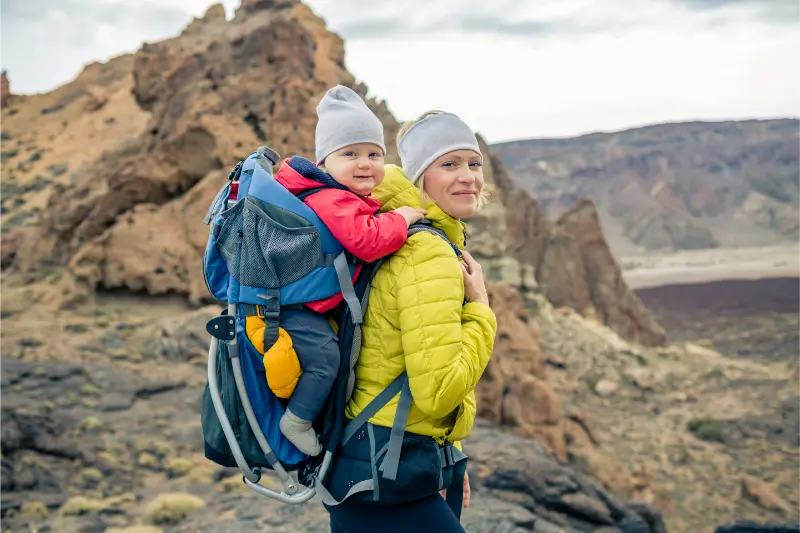
Tenerife can be an excellent family destination, but the best trip with children is rarely the one that tries to fit every famous attraction into a week. Distances, altitude, heat, wind and winding mountain roads affect children more than adults, and the difference between a relaxed family holiday and an exhausting one is often the pace. I plan one big activity day, then one easier day.
This guide is designed for families who want beaches, nature and memorable experiences without treating children like miniature adults. It covers where to stay, beaches, Teide, water parks, boat trips, food, driving and the practical details I would consider before booking.
Best areas to stay with children
For a first family trip, Costa Adeje is the simplest all-round choice. It offers family-oriented accommodation, promenades, restaurants, beaches and easy access to major attractions. Los Cristianos is also practical because much of the central area is walkable and the harbour adds ferry and excursion options. Families who prefer a greener, more traditional atmosphere may enjoy Puerto de la Cruz, but the north’s weather is less consistently sunny.
I choose accommodation by daily convenience rather than the number of pools. Look at walking gradients, supermarket access, room layout, kitchen facilities if useful, blackout quality, parking and the actual distance to the beach. My detailed where to stay in Tenerife guide compares the main bases.
The easiest family beaches
With young children, I prioritise beaches with straightforward access, lifeguard presence, toilets and nearby food. Las Vistas and several Costa Adeje beaches are generally easier than remote coves. The sea is still the Atlantic, so no beach should be considered automatically safe. Check flags and keep small children within immediate reach.
A beach with dramatic cliffs but difficult access is not automatically a better family experience. Save wild beaches such as Benijo for a scenic stop if the children are old enough to handle steps and a longer drive. See the Tenerife beaches guide for a practical comparison.
Mount Teide with children
Teide is unforgettable for families because the volcanic landscape feels almost like another planet, but altitude changes the rules. The cable-car upper station is around 3,555 metres, temperatures can be much lower than on the coast and some activities have age or health restrictions. I would never promise children a summit experience before checking current official requirements.
For many families, the best version is a scenic drive, viewpoints, Roques de García and perhaps the cable car if everyone meets the conditions and is comfortable at altitude. Keep the day shorter than an adult hiking itinerary, take warm layers and water, and watch for headache, nausea or unusual tiredness. My Mount Teide guide covers permits and current access planning.
Water parks and big-ticket attractions
Tenerife is known for major water and animal attractions, particularly in the south and Puerto de la Cruz area. These can be expensive, so I would choose based on the child’s age and interests rather than assuming every family must visit everything. A full water-park day can be physically tiring; place it between quieter days and arrive with a clear plan for sun protection, lockers and meal breaks.
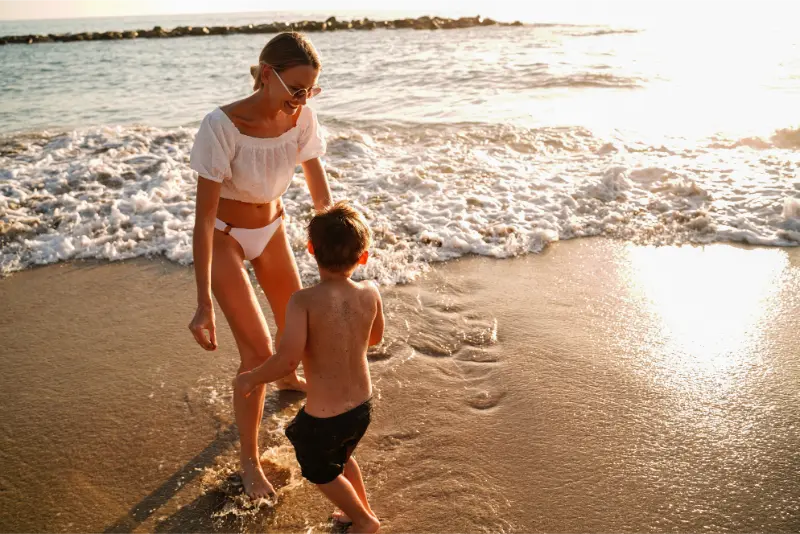
For very young children, a hotel pool plus beach may be just as successful as an all-day attraction. The goal is not to maximise ticket value by staying until closing if everyone is exhausted.
Whale watching with children
The waters off southwest Tenerife are well known for cetacean excursions. A shorter trip is often better with children than the longest cruise available. Choose an operator that follows responsible wildlife-observation standards and explains how it minimises disturbance. The Tenerife tourism authority maintains a sustainability framework for participating whale-watching companies.
Seasickness is the practical issue families often forget. Bring sun protection, a light layer and any appropriate motion-sickness strategy recommended for your child. Never guarantee sightings; wildlife is not a theme-park schedule.
Anaga and nature days
Anaga can be magical for children who enjoy forests and viewpoints. The laurel forest feels completely different from the southern coast, but roads are winding and the weather can be misty or cool. I would select one short, age-appropriate walk and a few viewpoints rather than spend six hours driving through every corner.
Trail access can change, and some natural areas require reservations. Check Tenerife ON before a nature day. Closed trails, barriers and warnings apply to families just as much as serious hikers.
A family-friendly weekly rhythm
| Day type | Example | Why it works |
|---|---|---|
| Easy | Beach + promenade | Low logistics |
| Big | Teide scenic day | Memorable but tiring |
| Easy | Pool / local town | Recovery |
| Big | La Laguna + Anaga | Culture and nature |
| Medium | Boat trip | One focused activity |
| Easy | Beach / water park depending age | Flexible |
| Flexible | Repeat favourite or weather backup | Reduces pressure |
This rhythm is deliberately slower than my general 7-day Tenerife itinerary. With children, the value of a flexible afternoon is much higher than squeezing in one more village.
Driving with children
A rental car is useful because you can carry spare clothes, snacks, water and beach equipment. Mountain roads can cause motion sickness, so keep meals light before winding routes and allow stops. Reserve the correct car seat or booster in advance and check that the vehicle has enough luggage room once the seat is installed.
If nobody wants to drive, stay in a well-connected resort and use organised excursions for Teide or Anaga. My Tenerife transport guide explains TITSA buses, taxis and airport transfers.
Food with children
Canarian food is usually easy to introduce gradually. Papas arrugadas, grilled fish, chicken, simple meats, cheese and bread can work well for less adventurous eaters, while adults can add stronger mojos, goat dishes, octopus or gofio-based recipes. Resort areas also have international options, so there is no need to turn every meal into a cultural challenge.
I prefer lunch as the main local-food exploration with children, then keep dinner flexible. A long rural meal can be enjoyable when everyone is fresh and frustrating after a full day in the mountains. See what to eat in Tenerife for more ideas.
Sun, heat and hydration
Tenerife’s mild reputation can make families underestimate the sun. UV exposure is strong, and wind can make hot conditions feel deceptively comfortable. Use sunscreen, hats and regular water breaks. Dark volcanic sand can become very hot. In the mountains, the problem can be the opposite: cooler temperatures and wind despite intense sun.
Strollers and walking
A stroller is useful on promenades and resort areas, but historic streets, steps, volcanic paths and mountain trails are a different story. If your trip depends on a stroller, research access for each activity rather than assuming ‘easy walk’ means smooth pavement. A lightweight carrier can be more practical for some viewpoints and short trails, depending on the child’s age and the adult’s ability.
Family travel in north versus south
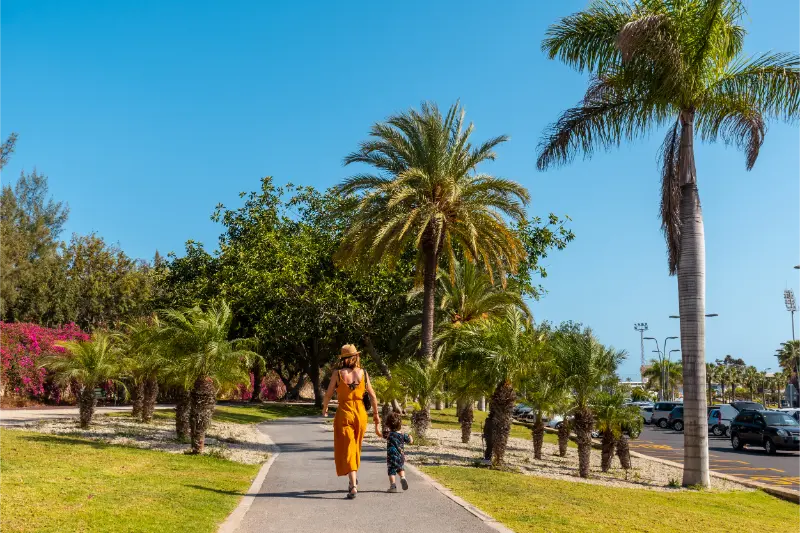
The south usually wins for easy sunshine, resort facilities and major family attractions. The north wins for gardens, traditional towns and a greener environment. A first family trip does not need to choose one side exclusively: stay in the south for convenience and make one or two northbound day trips.
If the family prefers cooler scenery and urban walking to beaches, Puerto de la Cruz can be a great base. Match the base to the children you actually have, not to a generic ‘family hotel’ label.
What I pack in the family day bag
- Water for everyone
- High-SPF sunscreen and hats
- Light warm layer for Teide or Anaga
- Snacks that work during drives
- Spare clothes for younger children
- Basic first-aid items and any regular medication
- Motion-sickness supplies if relevant
- Small towel or swimwear on mixed sightseeing days
- Offline copy of bookings and identification when required
What I would skip with very young children
I would skip a strenuous Teide summit hike, overly long boat trips, cliffside routes that require constant supervision and itineraries with multiple hotel changes. Tenerife will still be there when the children are older. The best family memories are often simple: a safe beach, a volcanic viewpoint, a banana plantation seen from the road, ice cream in a plaza and a sunset walk.
How to save money without making the trip harder
A family apartment with a small kitchen can reduce breakfast and snack costs. Renting a car only for exploration days can be cheaper than keeping it all week. Choose one expensive attraction rather than three. Buy supermarket water and picnic items for mountain days, but still budget for local restaurants because food is part of the experience.
For accommodation, compare family-friendly accommodation in Tenerife and then verify the exact room configuration, not just the advertised maximum occupancy.
My family rule for Tenerife
Plan around energy, not around the number of attractions. If the morning goes well, you can always add a stop. If it goes badly, a beach or pool afternoon can rescue the day. Building that flexibility into the itinerary from the start is more useful than finding the ‘perfect’ family schedule online.

Tenerife gives families an unusual combination of easy resort infrastructure and genuinely impressive nature. Use the first for comfort and the second in measured doses. That balance is what makes the island work so well with children.
Leave a Reply