Author: Patricia

  • Santa Cruz Low-Emission Zone (ZBE): What Tenerife Drivers Need to Know in 2026

    Santa Cruz Low-Emission Zone (ZBE): What Tenerife Drivers Need to Know in 2026

    Quick summary: Santa Cruz de Tenerife completed approval of its low-emission-zone ordinance in August 2026. The city says the regulation takes effect after the legal publication period but begins with an 18-month information phase in which the ZBE restrictions and sanctions are not yet applied. That makes 2026 a transition period rather than a reason to avoid driving into Santa Cruz. I still watch signs and official updates because the system is designed to move from information toward later enforcement.

    SituationPractical approach
    Driving in 2026 information phaseFollow normal traffic rules and official ZBE signs; current city guidance says no ZBE restrictions or sanctions during the information phase.
    Rental carKeep the contract and registration details available and check the latest city guidance before entering.
    Future tripRecheck the ZBE status because restrictions are intended to change after the information period.
    Parking in the centrePlan a specific car park or use public transport rather than circling narrow streets.

    What changed in August 2026

    Santa Cruz published the definitive ZBE ordinance in the provincial bulletin on 24 August 2026. The city stated that, after the legal 15-day period, an 18-month phase would begin that is exclusively informational, without ZBE circulation restrictions or sanctions.

    For a visitor travelling in September 2026, that means the existence of a ZBE should not be confused with active penalty enforcement. I would still use the official municipal page because this is exactly the kind of rule that changes over time and old driving guides can become misleading.

    Why I still learn the boundary

    Even during an information phase, I want to recognise the signs and understand where the system applies. That prevents surprise if cameras, road markings or information panels appear while I am driving. It also helps me plan for a later trip when restrictions may be active.

    I save the municipal ZBE map or page before entering the city. I do not rely on a rental-car employee remembering every current municipal traffic rule, because the driver remains responsible for following signs and restrictions.

    Rental cars and registration questions

    A rental car is usually Spanish-registered, but that does not automatically mean every future ZBE access requirement will be handled without action. Different Spanish cities use different systems for exemptions, labels and foreign vehicles. I check the Santa Cruz rules that are actually in force on my travel date.

    I keep the rental agreement in the vehicle and know the registration number. If a future registration or exemption process applies, those are the details likely to matter. I never pay an unofficial website simply because it claims every Tenerife rental must buy a ‘ZBE permit’.

    Parking can be the bigger issue than the ZBE

    For many tourists, central Santa Cruz parking is more practically relevant than the low-emission rules in 2026. I choose a specific car park near the area I want to visit and navigate directly to it rather than circling the centre while reading signs.

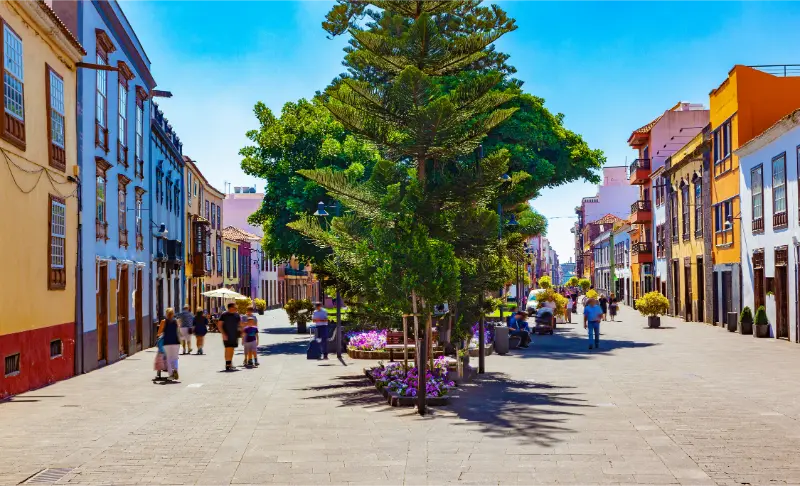
    Santa Cruz De Tenerife Skyline And Auditorium

    TITSA and the tram can also remove the parking problem. If I am staying in La Laguna or arriving from another area with a convenient connection, I sometimes leave the car outside the most congested part of the city and use public transport for the final leg.

    Future enforcement: check again before the next trip

    The 18-month information period means a 2027 or 2028 article can easily be wrong if it repeats the September 2026 situation. I therefore date this advice mentally: it is a current snapshot, not a permanent exemption.

    Before a future road trip I check the Santa Cruz municipal ZBE page for the enforcement date, vehicle categories, exemptions, registration requirements and sanctions. That five-minute update is more useful than memorising a rule that has not yet entered its restrictive phase.

    How I would prepare before travelling

    I save the official municipal ZBE page and a central car park before driving into Santa Cruz. That is enough for a 2026 visit because the city has announced an information phase without ZBE sanctions.

    For a future trip I recheck the rules a few days before arrival and again if my rental company sends a notice about environmental restrictions.

    What I would verify instead of assuming

    I verify the date of any article I read. ZBE rules are time-sensitive, and a statement that is correct in September 2026 can become wrong later.

    I verify whether a website asking for payment is an official municipal service. I do not buy an environmental sticker or registration from an unknown intermediary unless the official rules require it.

    A Tenerife-specific detail that matters

    Santa Cruz is the island capital and has dense central streets, tram corridors and busy parking. Even without active ZBE sanctions, parking strategy can determine whether the drive feels easy or frustrating.
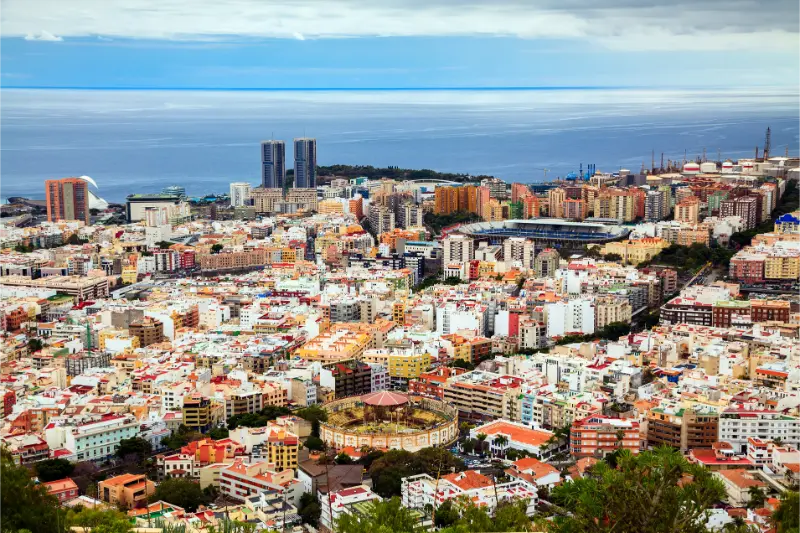
    Aerial View Of Santa Cruz De Tenerife

    The Tenerife road network itself has no general island-wide low-emission system. This article concerns the municipal Santa Cruz ZBE rather than a rule for every road on the island.

    Mistakes I would avoid

    I would not tell a 2026 visitor that the ZBE is already fining normal tourist traffic when the city has explicitly announced an 18-month information period.

    I would not assume that the information phase lasts forever. I recheck before any later trip.

    Useful related guides on My Tenerife Experience

    Useful official resources

    My practical checklist

    • Check the official ZBE page close to travel.
    • Know that 2026 is an information phase under current city guidance.
    • Keep rental-car registration details handy.
    • Plan a central car park before entering.
    • Follow road signs even if a navigation app disagrees.
    • Recheck future enforcement dates for later trips.

    Frequently asked questions

    Is the Santa Cruz ZBE fining drivers in September 2026?

    The city says the definitive regulation enters an 18-month information phase without ZBE restrictions or sanctions.

    Do rental cars need a special permit in 2026?

    Under the current information-phase announcement, ZBE restrictions are not being enforced. Future requirements should be checked on the official city page.

    Does the ZBE cover all of Tenerife?

    No. It is a municipal Santa Cruz de Tenerife measure, not an island-wide low-emission zone.

    Should I avoid Santa Cruz by car?

    Not necessarily. In 2026 the bigger practical issue for many visitors is central parking and congestion rather than ZBE enforcement.

    Final thoughts

    For a 2026 Tenerife trip, I treat the Santa Cruz ZBE as a rule to understand and monitor, not as a current barrier to visiting the city by car. The important habit is checking the official page again when enforcement moves beyond the information phase.

    How I would visit Santa Cruz by car with minimum stress

    I choose the attraction or neighbourhood first, then pick a car park that lets me walk between several stops. I enter that car park directly into navigation before leaving the motorway. This avoids last-minute lane changes and unnecessary loops through one-way streets.

    Auditorio De Tenerife Santa Cruz Coastline

    If traffic is heavy, I consider parking farther out and using the tram or bus for the centre. A hybrid plan can be faster than insisting on parking beside every attraction.

    One more practical point

    I also keep enough time for the return because city traffic at commuting hours can affect the drive back to the south or north.

    How I would apply this on a real Tenerife trip

    The way I would use this advice is to make the decision before it becomes urgent. I would save the relevant documents and official contacts offline, tell any travelling companion what the plan is, and build one realistic fallback into the day. In Tenerife, a short distance on the map can still involve motorway traffic, mountain roads, strong sun or a change of altitude, so I avoid leaving an important medical, transport or administrative question until the final hour. I also keep receipts, confirmations and screenshots together in one folder because the most useful evidence is usually created before a problem occurs, not after it.

    I would also review the plan after the first day rather than treating it as fixed. If the accommodation, weather, transport or my own comfort is different from what I expected, I adjust the remaining itinerary. That might mean moving an outdoor activity to the morning, choosing a different restaurant, using a taxi instead of driving, or contacting an official service earlier. This kind of small correction is more valuable than trying to follow a perfect schedule. The goal is a Tenerife trip that stays practical when real conditions replace assumptions.

    Final practical scenario

    If something still does not go to plan, I would simplify rather than improvise with incomplete information. I would use the official contact listed above, explain the exact situation, note the name or reference number I receive, and make the smallest change that keeps the trip safe and workable. In practice that could mean changing a booking, delaying a drive, choosing a simpler meal, visiting a pharmacy or clinic, or moving one activity to another day. Tenerife gives enough flexibility that one changed plan rarely ruins the holiday, but delaying a necessary decision can turn a small issue into a larger one.

    For longer stays I would repeat the same check halfway through the trip: medication or supplies remaining, transport plans, weather-sensitive bookings and any administrative deadlines. That small review is especially useful when the holiday lasts two weeks or more, because assumptions made before departure may no longer match the reality on the island.
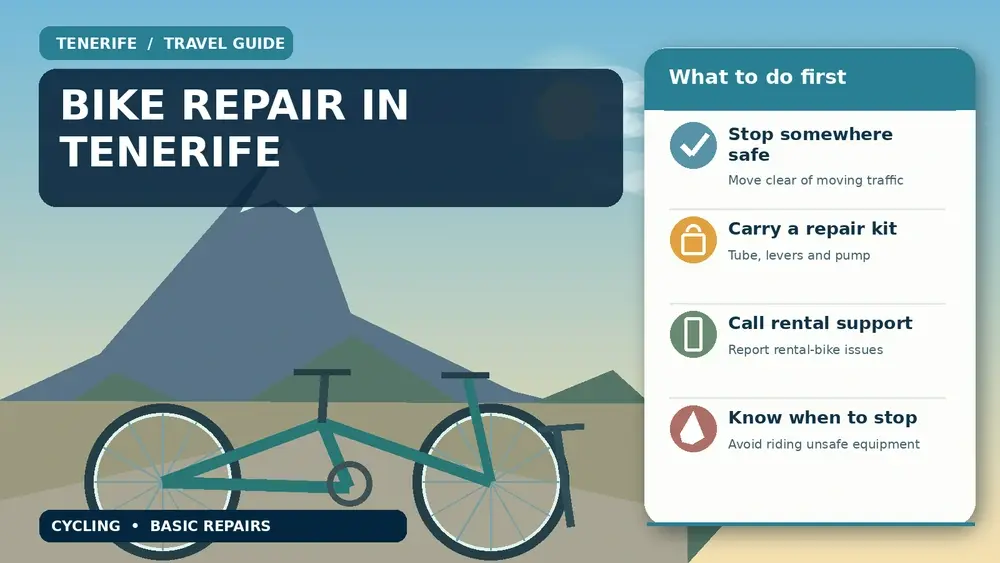
  • Bicycle Repair in Tenerife: Punctures, E-Bikes, Workshop Help and Cycling Breakdowns

    Bicycle Repair in Tenerife: Punctures, E-Bikes, Workshop Help and Cycling Breakdowns

    Quick summary: Tenerife is an outstanding cycling island, but the same climbs and remote roads that make it memorable can turn a small mechanical problem into a long walk. I distinguish between a rental-bike issue, which I report to the rental company first, and a problem on my own bike, which I can take to a local workshop. For road rides I carry the minimum tools I know how to use: tube or tubeless repair, inflation, tyre levers and a small multitool. For e-bikes I add battery planning and avoid opening electrical systems on the roadside. The goal is not to become a mechanic on holiday; it is to solve simple failures and know when to stop riding.

    SituationWhat I would do
    Rental bike punctureI follow the rental company’s instructions and use the supplied repair kit if allowed. For major damage, I call rather than fitting expensive parts without approval.
    Own road bike with flat tyreI repair or replace the tube/tubeless puncture if safe, then inspect the tyre for the cause before inflating fully.
    Broken chain or derailleur issueI move off the road, assess whether a simple roadside fix is within my skills and otherwise arrange pickup or workshop help.
    E-bike motor/battery faultI check simple external connections and display messages but do not dismantle high-voltage components. I contact the rental shop or an e-bike-qualified workshop.
    Mechanical failure on a remote climbI focus on location, phone battery, water and safe pickup. Walking a bike for kilometres on a steep shoulder can be worse than waiting for help.

    Why Tenerife needs a repair plan

    Popular cycling routes can climb from resort areas toward Teide, cross exposed ridges or pass through rural zones with long gaps between workshops. A puncture near a town is easy; the same puncture late in a high-altitude ride can become a temperature, hydration and daylight problem. I plan for where the route goes, not only its distance.

    I save the rental shop number and my accommodation contact before leaving. On my own bike, I also note the nearest practical town along the route. Mobile coverage is generally good but not uniform in mountains, so I do not make a single app my only rescue plan.

    • Carry enough water and one extra layer on high routes, even when the coast is warm.
    • Start long climbs with a charged phone and, for e-bikes, realistic battery reserve.
    • Tell someone the broad route when riding alone.
    • Know whether the rental company offers roadside pickup, mobile assistance or only workshop service.

    The puncture kit I actually carry

    For a tubed setup I carry at least one compatible tube, tyre levers and a reliable pump or inflator. For tubeless tyres I add plugs appropriate to the system and still consider a backup tube for damage that sealant cannot close. A repair kit is useless if the valve length, tube size or pump head does not match the bike.

    I practice at home before the trip. Tenerife is not the place to discover for the first time that I cannot remove a tight tyre bead or reinstall a thru-axle correctly. When renting, I ask what the shop supplies and what it expects me to do after a puncture.

    • Tube or tubeless repair compatible with the exact wheel and tyre setup.
    • Pump or inflator that fits the valve type, plus enough cartridges if relying on CO2.
    • Small multitool with the fasteners used on the bike.
    • A boot or robust temporary tyre patch for a cut casing, plus gloves or wipes for messy repairs.

    Rental-bike mechanical problems

    A rental bike is not my equipment to modify freely. If gears skip, brakes rub badly, a wheel develops play or an electronic system shows an error, I contact the shop. Good rental companies would rather solve a developing fault than receive a damaged bike after I continue riding it.

    I photograph visible damage when I notice it and explain whether the problem appeared gradually or after an impact. If I crash, I prioritise health and safety before the bicycle. I do not conceal damage and hope the shop will miss it; clear reporting usually makes the return process easier.

    • Ask at pickup what roadside repairs I am expected or allowed to perform.
    • Keep the rental agreement and emergency number on the phone.
    • Do not swap expensive components or tyres without authorisation.
    • Report brake, steering or wheel faults immediately because they can become safety-critical on long descents.

    E-bike problems in Tenerife

    E-bikes add range and open steep routes to more riders, but they also add electronics, heavier wheels and battery constraints. I treat the battery percentage as part of route planning, especially on sustained climbing. A display estimate can change dramatically when gradients increase, headwind strengthens or assistance mode stays high.

    If an error appears, I check the obvious external points the manufacturer allows: battery seating, visible connectors, display messages and whether the system restarts normally. I do not open battery packs, motors or sealed electronics. A specialist workshop or the rental company should handle those systems.

    • Start with a fully charged battery and the correct charger if the trip is multi-day.
    • Do not expose removable battery contacts to sand or water while troubleshooting.
    • Remember that a heavy e-bike may be difficult to push uphill if the motor stops.
    • Tell a pickup service that the bicycle is electric and give approximate weight/size if transport equipment matters.

    Finding a workshop and explaining the fault

    Cycling-focused towns and resort areas have bike shops, but stock is not unlimited. A rare tyre size, proprietary derailleur hanger or unusual e-bike component may need ordering. I bring a small critical spare when travelling with a high-end or unusual bike, especially a derailleur hanger that is specific to the frame.

    At the workshop I explain the symptom rather than diagnosing aggressively: “the chain skips under load in these gears” is more useful than insisting that a cassette must be replaced. I ask for an estimate and timeframe, particularly if I have a flight or event approaching.

    • Know tyre dimensions, axle standard and drivetrain speed before looking for parts.
    • Bring or photograph the exact e-bike error code.
    • Ask whether same-day service is realistic rather than assuming holiday urgency moves the queue.
    • Keep removed specialty parts if they are yours and may be needed for warranty evidence.

    Breakdowns on climbs and descents

    Mechanical judgement matters most on Tenerife’s long descents. A marginal brake, loose wheel or damaged tyre may feel tolerable at walking speed but become dangerous at 50 km/h. I do not “test it on the way down” if the safety of the bike is uncertain. I arrange pickup or descend only after a competent repair.

    On a remote roadside I move myself and the bicycle away from traffic where possible. I use a map pin plus road name/direction to describe the location. If the problem coincides with injury, severe weather or another genuine emergency, the human situation takes priority over recovering the bike.

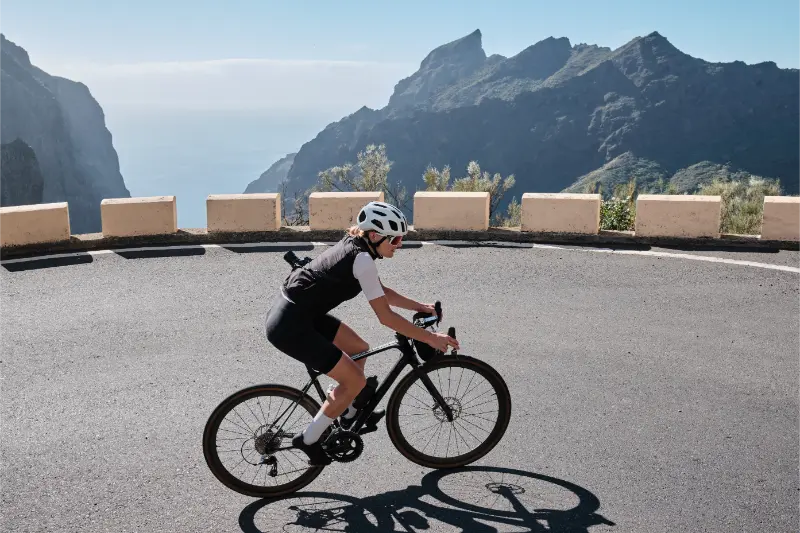
    A road cyclist riding past a viewpoint on a winding mountain road
    • Do not continue a descent with uncertain brakes or a compromised tyre sidewall.
    • Move off blind bends and narrow carriageways before starting repairs.
    • Protect phone battery while waiting; constant screen use can waste the resource needed for pickup calls.
    • Carry some cash/card flexibility in case a taxi or transport solution is needed and allowed for the bike.

    Useful related guides on My Tenerife Experience

    Useful official resources

    My final checklist

    • Save the rental shop or workshop number before a long ride.
    • Carry a tube/tubeless solution that actually matches the bike.
    • Carry working inflation equipment, not only repair patches.
    • Start high routes with water, a layer and enough phone battery for a delayed return.
    • Stop riding if brakes, wheel retention or tyre sidewalls are unsafe.
    • For e-bikes, protect battery reserve and do not dismantle sealed electrical systems.
    • Bring a frame-specific derailleur hanger if travelling with an unusual personal bike.
    • Describe the fault and ask for an estimate before authorising major workshop work.

    Frequently asked questions

    Are bicycle repair shops easy to find in Tenerife?

    There are bike shops and workshops in the main cycling and population areas, but not on every mountain road. I solve this by carrying basic puncture tools and having a pickup/contact plan for faults I cannot repair.

    Should I repair a rental bike myself?

    Only within the rental company’s instructions. Basic puncture repair may be expected, while brake, drivetrain, wheel or electronic work should normally be reported to the provider first. I avoid unauthorised parts replacement.

    What spare is most useful for my own bike?

    Beyond puncture supplies, a derailleur hanger specific to the frame can be valuable because workshops may not stock every proprietary shape. The exact best spare depends on the bike and trip.

    Cycling Around Tenerife

    Can I ride an e-bike home if the battery dies?

    Most e-bikes can still be pedalled, but they are heavier and climbing can become extremely hard. I do not plan a remote route on the assumption that an empty battery will be an easy inconvenience.

    Final thoughts

    A Tenerife cycling repair plan is really a return-home plan. I carry the small items that solve common punctures, know who to call for everything else and refuse to ride a mechanically unsafe bike down a long descent. That approach keeps tools and spares proportional to the holiday while still respecting the island’s steep, exposed and sometimes remote riding environment.

  • Skateparks & Skateboarding in Tenerife: Santa Cruz, BMX, Safety and Park Etiquette

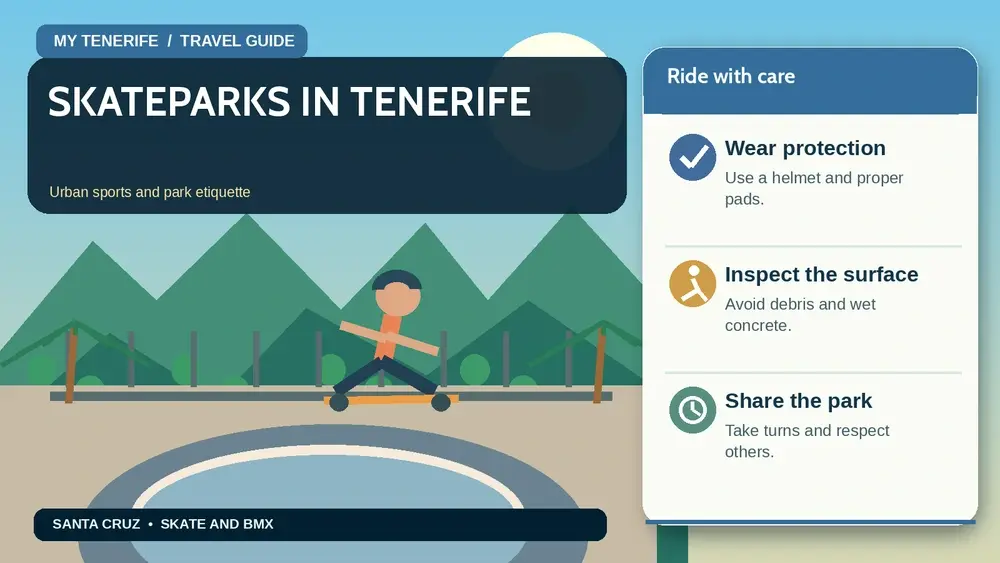
    Skateparks & Skateboarding in Tenerife: Santa Cruz, BMX, Safety and Park Etiquette

    Quick summary: Tenerife has an active urban-sports scene alongside its beaches and hiking. Skateboarding, BMX, freestyle skating, parkour and calisthenics appear in municipal parks, youth programmes and events, with Santa Cruz especially visible. I check the exact park condition and opening context before travelling, bring protective gear, avoid wet or sandy surfaces, and remember that a concrete skatepark is very different from a supervised commercial attraction. Parque La Granja in Santa Cruz is one established reference point: the city has used its skatepark for municipal skate programmes and the Tenerife Urbano event.

    Before I skateWhy it matters
    Check current park statusMaintenance, events or construction can temporarily change access
    Inspect surface firstSand, rain, debris and wax can alter grip quickly
    Bring helmet/protectionConcrete parks punish small mistakes more than a beach promenade
    Carry water and sun protectionShade can be limited and sessions get hot
    Respect lines and turn-takingA busy bowl or ramp works only when riders watch each other

    Santa Cruz is the easiest starting point for urban sports

    Santa Cruz has the island’s strongest concentration of municipal sports infrastructure and a visible skate culture. The city’s 2026 summer sports programme included skate courses, and official announcements identify the skatepark at Parque La Granja as a venue. The city also hosted Tenerife Urbano 2026 there with skate, BMX freestyle, parkour, calisthenics, 3×3 basketball and freestyle skating. I use the Santa Cruz municipal sports pages to check facilities and current information rather than relying only on old map photos.

    The Cabildo also maintains a broader island sports portal and facility information. Its Tenerife sports page is useful when I want to look beyond Santa Cruz and understand municipal or island-wide programmes.

    A skatepark is not the same as skating on a promenade

    Tenerife’s flat seafront areas can look ideal for cruising, but shared pedestrian spaces are not automatically skate areas. Crowded promenades, tiled surfaces, kerbs, restaurant terraces and children can make fast skating inappropriate. I use dedicated facilities where possible and treat public-space rules as local, not universal.

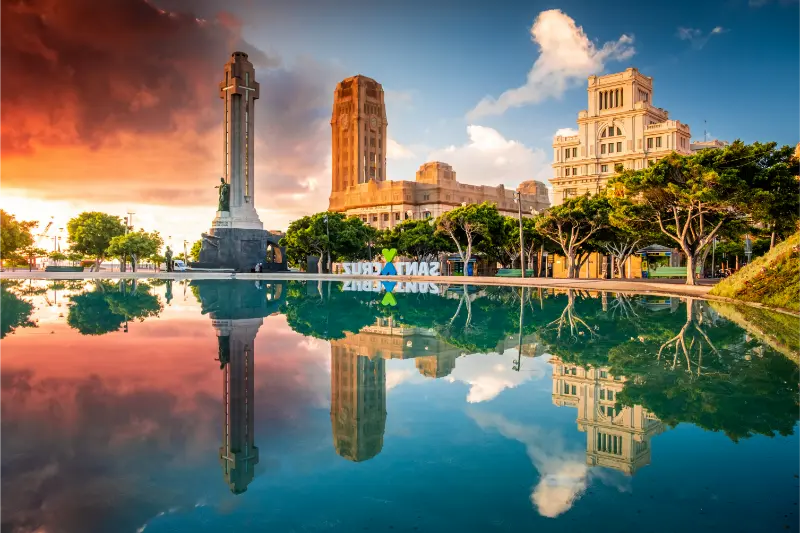
    Plaza de España reflecting pool and civic buildings in Santa Cruz de Tenerife
    Plaza de España, Santa Cruz de Tenerife.

    I also distinguish skateboarding from electric personal-mobility vehicles. An electric scooter has its own traffic and equipment rules and should not be treated as a skateboard with a motor. My electric scooter rules in Tenerife guide covers that separate topic.

    Weather matters more than many visitors expect

    Concrete plus rain is a bad combination. Tenerife can be sunny on one coast and damp elsewhere, and a shower may leave shaded ramps wet longer than nearby streets. I inspect the transitions before committing. Wind also matters: a strong crosswind can alter balance on ramps and make lightweight boards or loose gear move unexpectedly.

    Heat is the other problem. Midday sun can make a park uncomfortable even in winter, especially where there is little shade. I prefer mornings or later afternoons, bring water and use sunscreen. The volcanic climate can feel mild in the air while UV exposure is still strong.

    What I bring for a holiday skate session

    I travel lighter than I would for a competition but do not skip basic protection. A helmet is the obvious item, and knee, elbow or wrist protection makes sense depending on my level and whether I am learning new tricks. I bring a small skate tool, spare hardware if I have room and a reusable water bottle.

    For air travel, I check the airline’s baggage rules before strapping a board to a cabin bag. Policies differ by carrier and can change. My sports equipment flying guide explains the broader process I use for unusual baggage.

    Park etiquette: the unwritten rules are mostly common sense

    I watch before dropping in. At a bowl or ramp, another rider may already be setting up a line that is not obvious from where I stand. I do not sit on coping, leave bags on run-outs or cross a landing zone while someone is moving. When the park is busy, I take a turn and clear the line rather than repeatedly cutting back in.

    Beginners deserve space too, but learning a new trick in the fastest line during peak time is stressful for everyone. If I am teaching a child, I choose a quieter corner or quieter time and stay close enough to prevent unpredictable crossings.

    Skating with children and teenagers

    For families, I check whether the facility is appropriate to the child’s actual ability. A skatepark may contain steep bowls or large transitions with no separate beginner zone. A confident scooter rider on a flat path is not automatically ready for a concrete quarter pipe.

    I also think about supervision, toilets, shade and nearby food rather than only the ramps. My Tenerife playgrounds and family parks guide can help combine a skate stop with facilities that work for younger siblings.

    BMX, scooters and inline skates: mixed-use parks need awareness

    Some parks are used by skateboards, BMX, stunt scooters and skates at the same time. Different equipment creates different speeds and turning radii. I do not assume one group has priority simply because the park name says “skate.” I observe the local rhythm and communicate before entering a shared line.

    BMX riders need more space, while young scooter riders can change direction very quickly. A few seconds of eye contact can prevent collisions. Headphones also reduce awareness, so I keep volume low or leave one ear free in a crowded park.

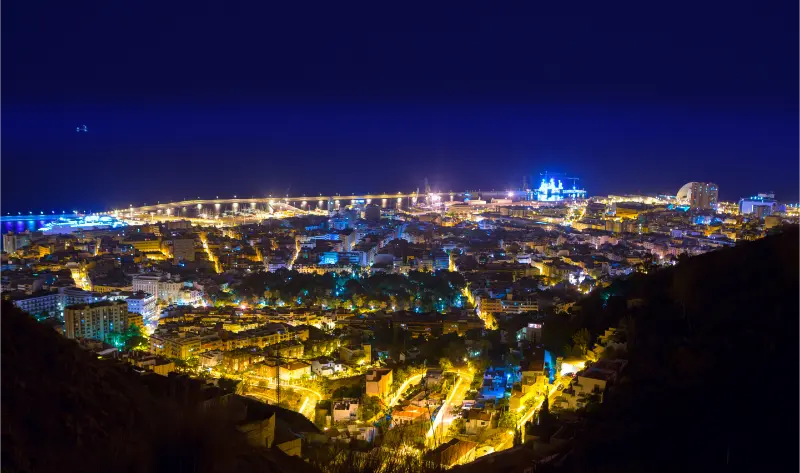
    Santa Cruz De Tenerife At Night

    Do not use protected natural areas as improvised skate terrain

    Tenerife’s volcanic surfaces can look visually perfect for a video, but protected landscapes are not film sets. I do not ride on sensitive geological formations, historic steps, monuments or surfaces where grinding damages stone. Urban skating should not leave wax, scratches or broken edges on heritage sites.

    If filming, I keep tripods and bags outside active lines and avoid blocking pedestrian access. A short clip is not worth creating a conflict with local residents or damaging a public space.

    Finding events, workshops and community sessions

    Municipal summer programmes and urban-sport festivals can be a good way to discover the local scene. The official Santa Cruz announcement for its 2026 summer programme, for example, included skate among more than 2,700 places across youth sports activities. These programmes change by season, so I search current municipal sports pages rather than copying an old schedule into my trip plan.

    For independent sessions, local skate shops and social media can reveal jams, lessons or temporary events. I verify the date carefully because old event posters often continue circulating in search results.

    FAQ: skateparks in Tenerife

    Is Parque La Granja a real skate location?

    Yes. Santa Cruz municipal communications refer to the skatepark at Parque La Granja and have used it for skate courses and urban-sports events. I still check current access and maintenance before making a special trip.

    Santa Cruz De Tenerife Colorful Architecture

    Can I rent a skateboard easily?

    Rental is less standardised than surf or bike hire. I search local skate shops and schools in the area I am staying and confirm availability in advance, especially for children’s sizes and protective gear.

    Is skating comfortable at midday?

    Often not. Strong sun, hot concrete and limited shade can make midday the least pleasant time. Morning or late afternoon is usually easier.

    Can beginners use public skateparks?

    Yes if the layout suits them and they understand park etiquette, but I choose a quiet time and appropriate features rather than starting in a busy bowl.

    My practical approach

    Tenerife adds an interesting urban-sports layer to a trip that might otherwise be all beaches and mountain trails. I use official facility information, inspect conditions on arrival and ride within my level. Good skatepark etiquette is simple: protect myself, watch other lines, keep the surface clear and leave the place exactly as I found it.

    Renting or buying a board for a short Tenerife stay

    Skateboard rental is not as standardised as surfboard or bicycle rental on the island. For a dedicated skating trip, bringing my own board gives me familiar trucks, wheel hardness and deck width. For a casual session, I contact a local skate shop or school and ask whether they rent complete setups and protective gear. I do not assume a scooter-rental business also has skateboards.

    If I buy a cheap complete board for a child, I still check that the trucks turn properly, bearings roll smoothly and hardware is tight. A toy-store board can be frustrating on ramps if wheels or bushings are poor. For only one afternoon, borrowing through a lesson can be safer and simpler than buying equipment I then need to carry home.

    Filming tricks without blocking the park

    Tenerife light makes skate videos tempting, but a phone held in the middle of a line is a collision hazard. I film from outside the active path, keep tripods against a boundary and never ask another rider to repeat a risky trick because my first clip was badly framed. If children are visible, I avoid publishing identifiable footage without permission.

    For more serious filming I arrive at a quiet time rather than trying to control a busy public park. Early sessions usually give cleaner backgrounds, cooler concrete and fewer conflicts. I also remember that music played for a video shoot should not dominate a shared space.

    Transporting a skateboard on buses or in a rental car

    On public transport I keep the board controlled rather than letting it roll or project into the aisle. In a car I do not leave it loose on the rear shelf where hard braking could turn it into a projectile. A compact board bag or simply placing it flat in the boot makes the trip safer and keeps grip tape away from upholstery.

  • Mini Golf in Tenerife: Family Courses, Indoor Options, Evening Play and Practical Tips

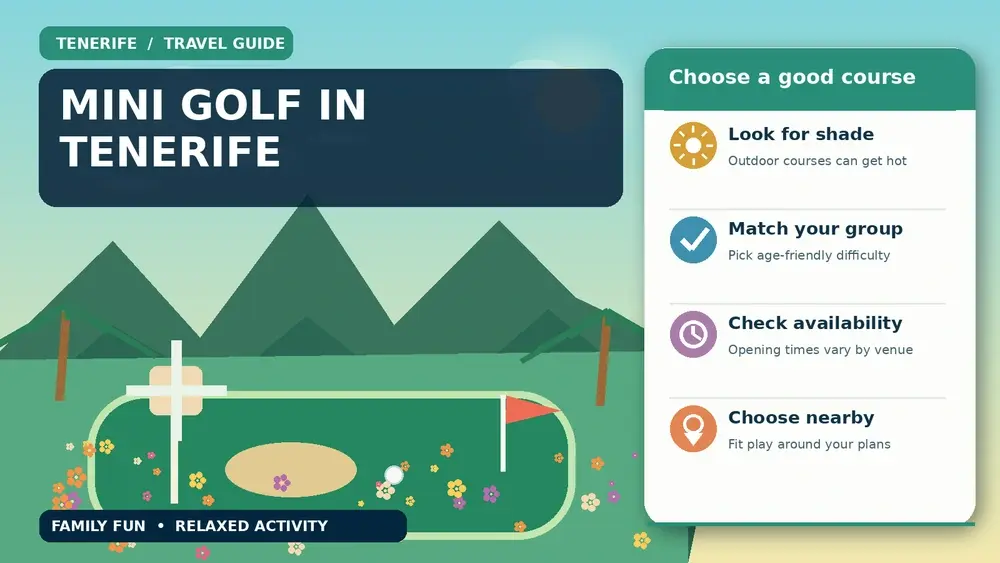
    Mini Golf in Tenerife: Family Courses, Indoor Options, Evening Play and Practical Tips

    Quick summary: Mini golf is not the reason I fly to Tenerife, but it is one of the easiest low-stress family activities to fit between beach time and dinner. It works especially well with mixed ages because nobody needs specialist fitness, a session is usually short and the rules can be simplified for younger children. I choose a course by location, shade, walking surface, opening hours and how busy it is rather than by the number of decorative obstacles. Outdoor courses can be hot in the afternoon; indoor or glow-style courses are better weather backups, but availability changes, so I check the current venue before travelling.

    Situation My mini-golf choice
    Young children Short course, simple layout, toilets and easy exit
    Teenagers/adults More technical course or evening session
    Very hot day Shade, later start or indoor option
    Rain/wind Indoor or sheltered course if available
    Mixed-age group Flexible pace and nearby food/transport

    Why mini golf works well on a Tenerife holiday

    A Tenerife itinerary can become overambitious quickly: Teide one day, Siam Park the next, a boat trip, a long drive to Anaga. Mini golf is the opposite. It gives the group something to do without turning the day into another major excursion. I use it when everyone wants an activity but nobody wants another queue-heavy attraction.

    It is also easy to combine with dinner, shopping or a promenade. My indoor family entertainment guide has similar low-commitment ideas when the weather or energy level changes.

    Outdoor versus indoor mini golf

    Outdoor courses can feel more “holiday” because they use gardens, lights and open air, but Tenerife sun can make a midday round uncomfortable. I prefer late afternoon or evening unless there is strong shade. Indoor courses are more reliable in rain or heat and can use glow lighting, but they may be noisier and more stimulating for young children.

    I check whether the venue is fully indoors, partially covered or simply advertised as all-weather. Wind can still affect an exposed course even when rain is not a problem.

    How long I allow

    A typical round is easy to fit into 45–90 minutes depending on holes, group size and queues. With small children I allow more time because they want second attempts and may lose interest halfway through. I do not schedule a restaurant reservation five minutes after the theoretical finish.

    For a group of six or more, I ask whether we should split into smaller groups. One huge group blocks the course and makes everyone wait. Two groups of three or four usually move more smoothly.

    Rules I simplify for children

    I keep the core idea—fewest strokes wins—but I do not turn a family game into tournament administration. For young children I cap the number of attempts on one hole, let them place the ball in an easier position and focus on taking turns. The goal is to finish smiling, not to establish a precise handicap.

    Older children often enjoy keeping the official score, especially if adults play seriously enough to make the result meaningful. I agree the house rule for maximum strokes before starting so there is no argument on hole 14.

    Safety sounds obvious, but clubs can hurt

    I explain that the putter stays low and is not a baseball bat. Children wait until the previous player has moved away before swinging. On busy courses I keep bags and strollers out of the playing path. If the surface is wet, I slow down because decorative bridges and artificial turf can become slippery.

    For toddlers, I prefer a venue where one adult can stop easily without holding up a large queue. My Tenerife with toddlers guide covers the bigger planning picture.

    Choosing an area

    The south—Playa de las Américas, Los Cristianos and Costa Adeje—is the easiest place to combine mini golf with tourist infrastructure, restaurants and evening transport. That does not mean every course is in the south or that one venue is permanently “best.” I choose the course that fits the day’s location so I am not driving an hour for a 60-minute activity.

    If I am already in Playa de las Américas, I combine the game with the promenade or dinner using my Playa de las Américas guide. For a family base elsewhere, I search closer before adding traffic to the day.

    Accessibility and stroller questions

    Mini golf courses often include small slopes, steps, narrow bridges and decorative features. “Family friendly” does not automatically mean wheelchair or stroller accessible. I ask whether all holes are step-free, whether there is space to manoeuvre and whether I can skip inaccessible holes without leaving the course.

    If a child is in a stroller, I also check whether it can stay beside the playing area or must be parked. That one question can decide whether the activity is relaxing or frustrating.

    Heat, sun and evening play

    Outdoor mini golf on black or artificial surfaces can feel hotter than the air temperature. I bring water, use sun protection and avoid the strongest midday sun. Evening sessions are often more comfortable and can be more atmospheric when courses are lit.

    If strong wind or rain is affecting the resort, I check that the venue remains open before walking over. My rainy-day Tenerife guide gives other backups if the course closes.

    Price and ticket expectations

    Prices, family deals and replay offers change, so I do not publish one permanent number as if it applies everywhere. I check the current official venue page and whether payment is per round or per person. If a package combines mini golf with arcade credits, bowling or food, I decide whether we would buy those extras anyway.

    For a large family, the cheapest option is not always the best value if the course is too difficult for the youngest child. A slightly shorter, easier course near the hotel can save transport and arguments.

    Combining mini golf with other low-effort activities

    Mini golf pairs well with an ice cream, early dinner, shopping centre, seafront walk or arcade. It does not pair well with an already exhausting day if the group is visibly finished. I use it to fill a gap, not because an itinerary spreadsheet says we still need another attraction.

    My Tenerife with kids guide has broader ideas for pacing family days so every afternoon does not become another major ticketed experience.

    My checklist before we play

    • Check the venue is currently operating and its actual opening hours.
    • Decide whether outdoor, indoor or glow-style suits the day.
    • Check shade and temperature for an outdoor afternoon round.
    • Ask about stroller or wheelchair access if needed.
    • Confirm whether booking is required for a large group.
    • Wear shoes that are secure on ramps and artificial surfaces.
    • Agree simple scoring rules before starting with children.
    • Keep clubs low and wait for the previous player to clear the hole.
    • Allow extra time before dinner or another reservation.
    • Choose a course near the rest of the day rather than crossing the island for it.

    FAQ: mini golf in Tenerife

    Is mini golf suitable for toddlers?

    It can be, but I look for short holes, space for a stroller and a group willing to simplify the rules. Very young children may enjoy only part of the round.

    Do I need to book?

    Often not for a small group, but busy evenings and large groups can be different. I check the current venue policy.

    What if it rains?

    An indoor course is the safest backup. A partially covered outdoor course may still close or become slippery.

    How long does a round take?

    I normally allow around an hour, with more time for queues, larger groups or young children.

    Is mini golf worth planning in advance?

    I only pre-plan it when it solves a specific gap—family evening, bad-weather backup or nearby activity. Otherwise I keep it as a flexible option.

    Noise, lighting and sensory considerations

    Glow mini golf and arcade-style venues can use dark rooms, UV lighting, loud music and flashing effects. That can be fun for teenagers and overwhelming for younger children or travellers with sensory sensitivities. I ask whether the course is dark, whether music is loud and whether there is an easy exit halfway through. Outdoor courses are often calmer but may have strong sun, heat or wind instead. For a mixed group I choose the environment that causes the fewest problems, not the one that looks most spectacular online. If someone needs a quieter experience, an early session before the evening crowd can make a large difference. I also avoid assuming that “indoor family attraction” means low stimulation; the design can be the opposite.

    I also keep one simple rule for mixed-age groups: the person having the least fun decides when we stop. Finishing after twelve enjoyable holes is better than forcing everyone through eighteen.

    Final practical advice

    Mini golf works in Tenerife because it asks very little from the day. I keep it local, choose the format that suits the weather and avoid overcomplicating the score. For families and mixed-age groups, that simplicity is exactly the point.

  • North Tenerife Itinerary: 5 Days from La Laguna to Garachico

    North Tenerife Itinerary: 5 Days from La Laguna to Garachico

    Quick summary: North Tenerife deserves its own itinerary because it is not just “the cloudier side.” The north holds the historic university city of La Laguna, Anaga’s laurel forest, the Orotava Valley, Puerto de la Cruz, volcanic Garachico and the quieter Isla Baja. In five days I can connect those places without commuting from a southern resort every morning.

    Who this itinerary is for

    This route suits travellers who value historic streets, green landscapes, black-sand coast, local food and walking more than resort nightlife. It is also excellent for a second Tenerife trip. I still keep one Teide option available because the northern approach into the highlands is one of the island’s great landscape changes.

    The base I would choose

    Puerto de la Cruz is the easiest single base for this five-day route. La Laguna is better for Anaga and urban culture, while Garachico or Los Silos suits a deliberately slow northwest stay. A two-base plan can work: two nights near La Laguna, then three around Puerto de la Cruz or Isla Baja.

    Itinerary at a glance

    DayMain areaWhy it works
    Day 1La LagunaWalk the UNESCO centre, courtyards and churches, eat locally and use the afternoon for Tegueste or a short viewpoint rather than rushing into Anaga.
    Day 2Anaga Rural ParkStart at Cruz del Carmen, choose one walk, then add Taganana or the coast only if road and weather conditions make the day comfortable.
    Day 3Puerto de la Cruz + La OrotavaSplit the day between seafront Puerto de la Cruz and historic La Orotava. This works well without constant car movement.
    Day 4Garachico + Icod or Los SilosUse the lava-coast history of Garachico as the anchor, then choose one neighbouring town. Swim in natural pools only when conditions are safe.
    Day 5Isla Baja or north-side Teide approachChoose Buenavista/El Tanque for a slow northwest finish, or climb toward Teide if weather is clear and the flight is not immediately afterwards.

    Day 1: La Laguna

    Walk the UNESCO centre, courtyards and churches, eat locally and use the afternoon for Tegueste or a short viewpoint rather than rushing into Anaga.

    I keep this day geographically compact. Tenerife rewards clustering because the hidden time is rarely the motorway itself; it is parking, mountain bends, finding the correct entrance and stopping at places that were not in the original plan. One area explored well usually feels richer than three areas photographed quickly.

    Day 2: Anaga Rural Park

    Start at Cruz del Carmen, choose one walk, then add Taganana or the coast only if road and weather conditions make the day comfortable.

    In Anaga I plan for cloud, narrow roads and slower travel than the map suggests. Cruz del Carmen is a practical anchor because it gives me visitor information and access to shorter walks. I do not assume that a clear south-coast morning means a dry ridge in the northeast.

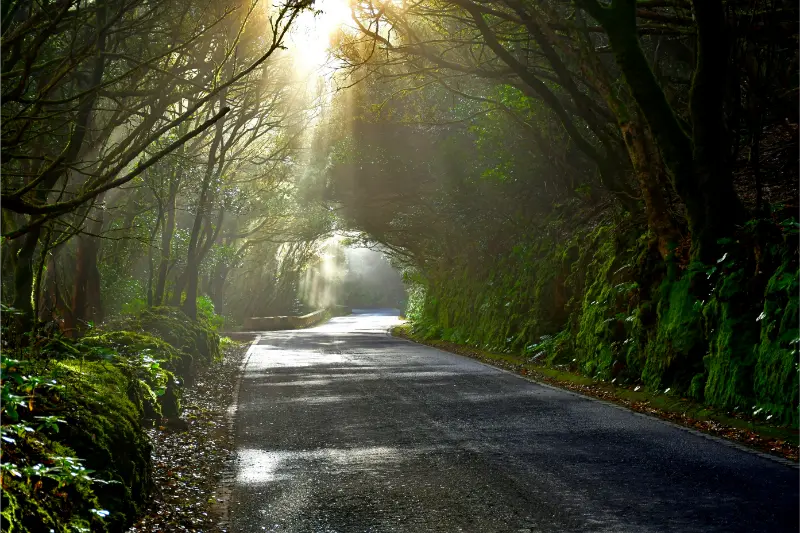
    Light filtering through the laurel forest in Anaga

    Day 3: Puerto de la Cruz + La Orotava

    Split the day between seafront Puerto de la Cruz and historic La Orotava. This works well without constant car movement.

    I keep this day geographically compact. Tenerife rewards clustering because the hidden time is rarely the motorway itself; it is parking, mountain bends, finding the correct entrance and stopping at places that were not in the original plan. One area explored well usually feels richer than three areas photographed quickly.

    Day 4: Garachico + Icod or Los Silos

    Use the lava-coast history of Garachico as the anchor, then choose one neighbouring town. Swim in natural pools only when conditions are safe.

    I keep this day geographically compact. Tenerife rewards clustering because the hidden time is rarely the motorway itself; it is parking, mountain bends, finding the correct entrance and stopping at places that were not in the original plan. One area explored well usually feels richer than three areas photographed quickly.

    Day 5: Isla Baja or north-side Teide approach

    Choose Buenavista/El Tanque for a slow northwest finish, or climb toward Teide if weather is clear and the flight is not immediately afterwards.

    I check official Teide information and Tenerife ON before leaving. I separate the park experience from summit ambitions: viewpoints, lava landscapes and established walks are already a complete day. If a cable-car or controlled trail is part of the plan, I treat the reservation and current access rules as fixed, then keep the rest of the day flexible.

    Why I do not commute from Costa Adeje every day

    The motorway makes north-south travel possible, but a five-day north itinerary is much better when the evening base is actually in the region. I use Puerto de la Cruz, La Laguna and Isla Baja to decide which atmosphere I want after sightseeing.

    Weather in the north is part of the experience

    Cloud and humidity create the green landscapes visitors come to see. I pack a light layer and keep the coast, towns and forests interchangeable. A grey morning in Puerto de la Cruz does not mean the whole day is lost; Teide or another coast can be clear.

    How I connect Garachico without overloading the day

    Garachico can absorb several hours once I include the historic centre, volcanic story and lunch. I add either Icod, Los Silos or Buenavista, not all three. That gives me time to notice the northwest rather than simply photograph its town signs.

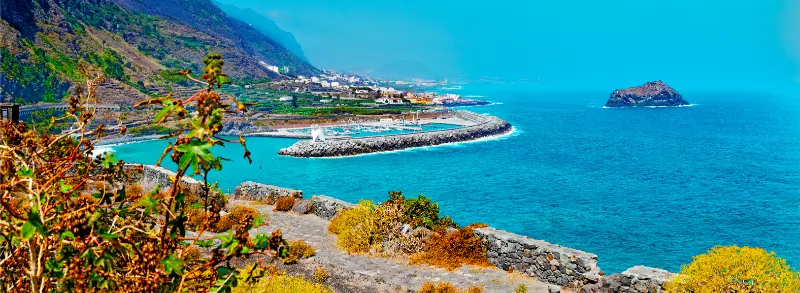
    The Garachico coastline and offshore Roque de Garachico

    Transport: the decision that changes the whole itinerary

    I compare the route with my Tenerife by car guide and the no-car guide. A rental car is valuable for Teide, Anaga, Teno and multi-stop days, but it can be unnecessary on beaches, city walks and evenings. Selective rental often gives the best balance: drive when the car creates access, and leave it parked when it only creates a parking problem.

    I build extra margin around the first and last day. Airport pickup, baggage, fuel return and traffic are not sightseeing, but they consume real time. I would rather arrive at dinner early than turn a delayed flight into a rushed mountain drive. On departure day I work backward from the airline’s check-in and security requirements and then add the road or public-transport margin.

    Weather and microclimates: why I keep one day flexible

    Tenerife can place sun, cloud, wind and high-altitude cold inside the same itinerary. I use the Tenerife weather forecast guide and move the most weather-sensitive day when I can. Teide needs visibility and safe high-altitude conditions; Anaga can be wet or foggy; north-coast swimming depends on swell. A flexible day is not empty time—it is insurance for the experience I care about most.

    I pack layers even when the hotel forecast looks warm. A light jacket, water, sun protection and shoes suitable for the day are more useful than trying to predict one island-wide temperature. If an official alert, road closure or protected-area restriction changes the plan, I treat that as a reason to switch area, not as a challenge to find a shortcut.

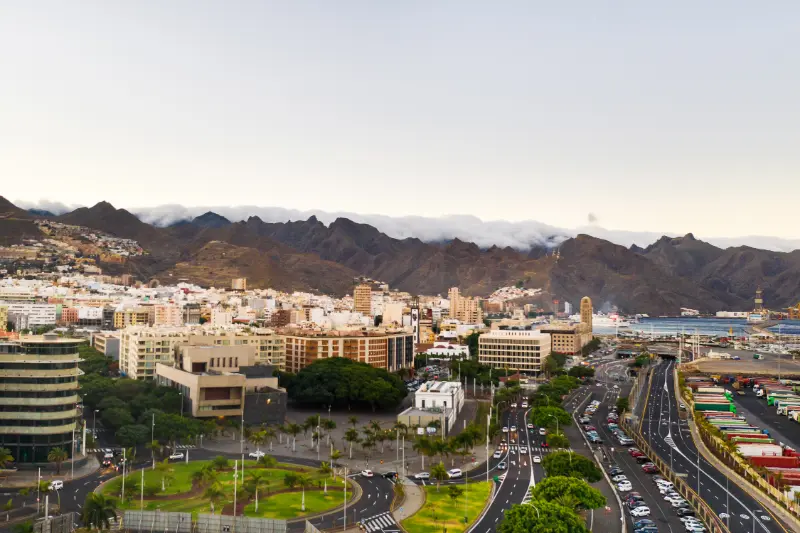
    San Cristobal De La Laguna Panoramic View Tenerife

    Where I would stay

    I choose accommodation by evening life and morning logistics, not only by star rating. For current availability I compare Tenerife accommodation on Booking.com. I check the exact map position, slope, parking or bus stop, reception hours and how long the first major day will take from the property. A good base can save more holiday time than a slightly cheaper room on the wrong side of the island.
    What I would book in advance—and what I would keep open

    I book the things where capacity or a fixed slot matters: accommodation, any controlled high-altitude or protected trail, a specific boat departure, a major attraction on a peak day and a restaurant that is genuinely central to the trip. I keep ordinary beaches, viewpoints, cafés and many town visits open. Tenerife is more enjoyable when weather and energy can still change the order of the week.

    For activities, I read the cancellation terms before paying and check whether transport, equipment or permits are actually included. A cheap headline price can be poor value if it requires a separate transfer or locks me into a weather-sensitive day. When a guided excursion solves real logistics, I am happy to use one.

    Food rhythm: how I avoid eating badly because the itinerary is too full

    I use my Tenerife food guide to choose a few local dishes, then keep meals close to the day’s geography. A long lunch in La Orotava makes sense on a north-coast day; a harbour fish meal belongs with the coast. I carry water and a small snack so hunger does not force an unnecessary detour just before a hike, boat or sunset.

    The planning mistakes I would avoid

    • Treating the driving time shown on a map as the total time needed for the stop.
    • Booking the most weather-sensitive experience on the only day that cannot move.
    • Changing hotels too often on a short itinerary and losing hours to packing and check-in.
    • Trying to combine Teide, Anaga, Masca and a beach simply because they fit on one island map.
    • Using old screenshots for trail, transport or attraction rules instead of checking the current operator or authority.
    • Saving every good restaurant for dinner after a long drive instead of using lunch to anchor the region I am already visiting.

    Frequently asked questions

    Is North Tenerife worth five days?

    Yes. Five days lets the north feel like a destination in its own right rather than a series of day trips from the south.

    Is Puerto de la Cruz the best base?

    It is the easiest all-round base for most visitors, but La Laguna is better for Anaga and Garachico/Los Silos is better for slow northwest travel.

    Does it rain all the time in the north?

    No. The north is generally greener and more humid, but conditions vary by altitude and day. I plan with microclimates rather than stereotypes.

    Do I need a car?

    A car is helpful for Anaga and Isla Baja, although La Laguna, Puerto de la Cruz and some major routes work well by public transport.

    Can I include Teide?

    Yes. I use the northern approach on the clearest day and avoid attaching it to a tight airport schedule.

    My final advice

    The best north tenerife itinerary is the one I can still enjoy when one detail changes. I protect the big experiences with sensible geography, current information and enough margin, then leave the smaller choices open. Tenerife has too many good alternatives for a holiday to depend on one perfect sequence.

    I treat this itinerary as a framework rather than a promise that every road, trail, beach or timetable will behave exactly the same on the travel date. Before any activity where access, safety, weather or a paid booking matters, I recheck the official source. That habit lets me travel more freely because the important constraints are handled before the day begins.

  • Tenerife Food & Culture Itinerary: 7 Days of Markets, Wine and Historic Towns

    Tenerife Food & Culture Itinerary: 7 Days of Markets, Wine and Historic Towns

    Quick summary: A food-and-culture week in Tenerife works best when meals are attached to places, not collected as a separate checklist. I want the market before the lunch, the wine landscape before the tasting and the historic town before the pastry stop. That creates context: volcanic soil, fishing ports, old trade routes and agricultural valleys become part of what is on the plate.

    Who this itinerary is for

    This itinerary is for travellers who would happily exchange one theme-park day for a long lunch, a market or a small museum. It still includes Teide because the volcanic landscape is part of the island’s food and wine story, but the pace is deliberately slower. I leave room for restaurants that do not need to be famous to be memorable.

    The base I would choose

    Puerto de la Cruz, La Laguna or a split north/south stay works especially well, because many traditional food experiences are easier in the north. Costa Adeje is still practical if the hotel matters most, but I would plan several northbound days and avoid drinking when I am the driver.

    Itinerary at a glance

    DayMain areaWhy it works
    Day 1Santa Cruz market and city foodStart at Mercado de Nuestra Señora de África, walk the centre, then choose a simple lunch focused on local produce or fish.
    Day 2La Laguna heritage + pastries and traditional lunchUse the UNESCO streets and historic buildings as the day’s backbone. Stop for coffee, bakery food and a proper Canarian meal rather than racing through monuments.
    Day 3La Orotava, Orotava Valley and guachinche countryExplore La Orotava, then move into the wine-and-agriculture landscape. If tasting, plan transport in advance.
    Day 4Teide landscapes + VilaflorConnect volcanic geology with high-altitude agriculture and island wine. Keep the food stops simple and the driving sober.
    Day 5Garachico and northwest seafoodUse the historic port story and lava coast, then look for fish, octopus or traditional stews in the northwest.
    Day 6Wine-focused dayChoose a winery area and book only what you can enjoy without rushing. Add cheese or a market rather than multiple tastings.
    Day 7Slow brunch, favourite dish and souvenirsRepeat the dish you liked, buy local products thoughtfully, and leave luggage and airport logistics simple.

    Day 1: Santa Cruz market and city food

    Start at Mercado de Nuestra Señora de África, walk the centre, then choose a simple lunch focused on local produce or fish.

    I keep this day geographically compact. Tenerife rewards clustering because the hidden time is rarely the motorway itself; it is parking, mountain bends, finding the correct entrance and stopping at places that were not in the original plan. One area explored well usually feels richer than three areas photographed quickly.

    Day 2: La Laguna heritage + pastries and traditional lunch

    Use the UNESCO streets and historic buildings as the day’s backbone. Stop for coffee, bakery food and a proper Canarian meal rather than racing through monuments.

    I keep this day geographically compact. Tenerife rewards clustering because the hidden time is rarely the motorway itself; it is parking, mountain bends, finding the correct entrance and stopping at places that were not in the original plan. One area explored well usually feels richer than three areas photographed quickly.

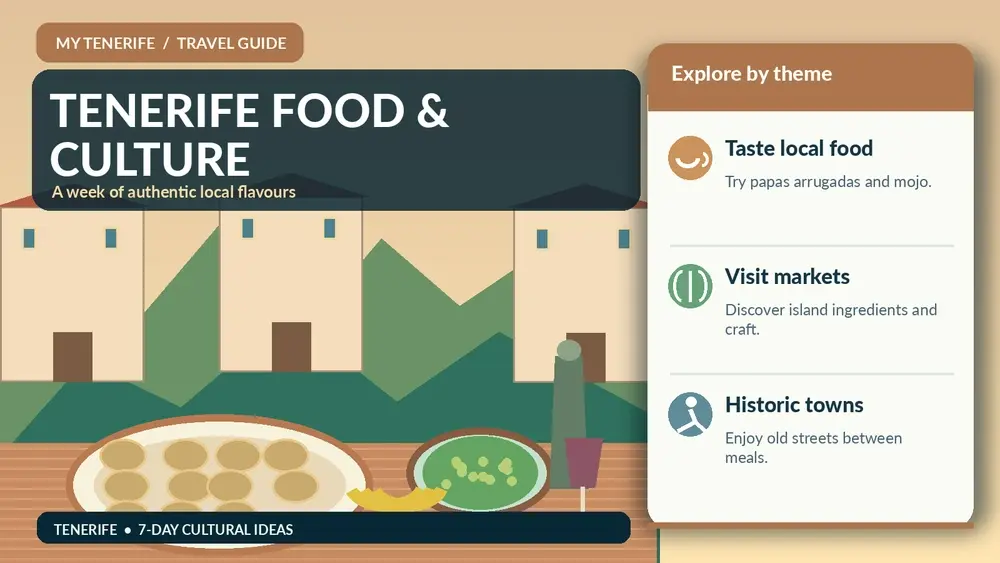
    Illustrated guide: Tenerife Food & Culture Itinerary, with practical visitor tips
    Illustrated guide: Tenerife Food & Culture Itinerary.

    Day 3: La Orotava, Orotava Valley and guachinche country

    Explore La Orotava, then move into the wine-and-agriculture landscape. If tasting, plan transport in advance.

    I keep this day geographically compact. Tenerife rewards clustering because the hidden time is rarely the motorway itself; it is parking, mountain bends, finding the correct entrance and stopping at places that were not in the original plan. One area explored well usually feels richer than three areas photographed quickly.

    Day 4: Teide landscapes + Vilaflor

    Connect volcanic geology with high-altitude agriculture and island wine. Keep the food stops simple and the driving sober.

    I check official Teide information and Tenerife ON before leaving. I separate the park experience from summit ambitions: viewpoints, lava landscapes and established walks are already a complete day. If a cable-car or controlled trail is part of the plan, I treat the reservation and current access rules as fixed, then keep the rest of the day flexible.

    Day 5: Garachico and northwest seafood

    Use the historic port story and lava coast, then look for fish, octopus or traditional stews in the northwest.

    I keep this day geographically compact. Tenerife rewards clustering because the hidden time is rarely the motorway itself; it is parking, mountain bends, finding the correct entrance and stopping at places that were not in the original plan. One area explored well usually feels richer than three areas photographed quickly.

    Day 6: Wine-focused day

    Choose a winery area and book only what you can enjoy without rushing. Add cheese or a market rather than multiple tastings.

    I keep this day geographically compact. Tenerife rewards clustering because the hidden time is rarely the motorway itself; it is parking, mountain bends, finding the correct entrance and stopping at places that were not in the original plan. One area explored well usually feels richer than three areas photographed quickly.

    Tenerife Seafront Restaurant Terrace

    Day 7: Slow brunch, favourite dish and souvenirs

    Repeat the dish you liked, buy local products thoughtfully, and leave luggage and airport logistics simple.

    I keep this day geographically compact. Tenerife rewards clustering because the hidden time is rarely the motorway itself; it is parking, mountain bends, finding the correct entrance and stopping at places that were not in the original plan. One area explored well usually feels richer than three areas photographed quickly.

    The dishes I deliberately look for

    I use the Tenerife food guide as a starting point, then choose specific dishes such as sancocho, conejo en salmorejo, potaje de berros or costillas con papas y piña. I do not expect every restaurant to serve every dish every day.

    Markets and guachinches are not interchangeable

    Markets are best for seeing produce and buying ingredients; guachinches are tied to local wine and simple food traditions. I use the guachinche guide to understand the context rather than treating the word as a guarantee of authenticity.

    How I handle wine and transport

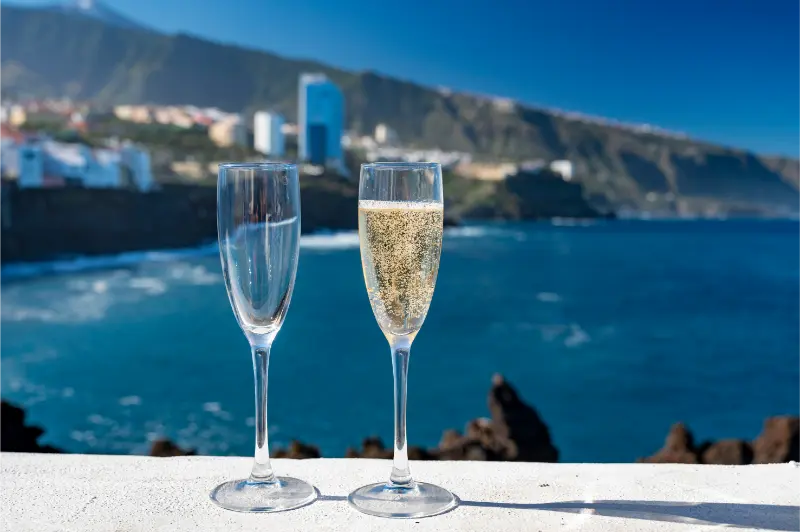
    I plan a driver, taxi or organised experience before tasting. Tenerife’s wine regions are spread across real roads, not a pedestrian tasting district. The Tenerife wine guide helps me choose one region instead of trying to sample the entire island in one day.

    Layered coffee in a glass with condensed milk and milk foam

    Transport: the decision that changes the whole itinerary

    I compare the route with my Tenerife by car guide and the no-car guide. A rental car is valuable for Teide, Anaga, Teno and multi-stop days, but it can be unnecessary on beaches, city walks and evenings. Selective rental often gives the best balance: drive when the car creates access, and leave it parked when it only creates a parking problem.

    I build extra margin around the first and last day. Airport pickup, baggage, fuel return and traffic are not sightseeing, but they consume real time. I would rather arrive at dinner early than turn a delayed flight into a rushed mountain drive. On departure day I work backward from the airline’s check-in and security requirements and then add the road or public-transport margin.

    Weather and microclimates: why I keep one day flexible

    Tenerife can place sun, cloud, wind and high-altitude cold inside the same itinerary. I use the Tenerife weather forecast guide and move the most weather-sensitive day when I can. Teide needs visibility and safe high-altitude conditions; Anaga can be wet or foggy; north-coast swimming depends on swell. A flexible day is not empty time—it is insurance for the experience I care about most.

    I pack layers even when the hotel forecast looks warm. A light jacket, water, sun protection and shoes suitable for the day are more useful than trying to predict one island-wide temperature. If an official alert, road closure or protected-area restriction changes the plan, I treat that as a reason to switch area, not as a challenge to find a shortcut.

    Seafood paella with mussels, prawns and lemon wedges

    Where I would stay

    I choose accommodation by evening life and morning logistics, not only by star rating. For current availability I compare Tenerife accommodation on Booking.com. I check the exact map position, slope, parking or bus stop, reception hours and how long the first major day will take from the property. A good base can save more holiday time than a slightly cheaper room on the wrong side of the island.
    What I would book in advance—and what I would keep open

    I book the things where capacity or a fixed slot matters: accommodation, any controlled high-altitude or protected trail, a specific boat departure, a major attraction on a peak day and a restaurant that is genuinely central to the trip. I keep ordinary beaches, viewpoints, cafés and many town visits open. Tenerife is more enjoyable when weather and energy can still change the order of the week.

    For activities, I read the cancellation terms before paying and check whether transport, equipment or permits are actually included. A cheap headline price can be poor value if it requires a separate transfer or locks me into a weather-sensitive day. When a guided excursion solves real logistics, I am happy to use one.

    Food rhythm: how I avoid eating badly because the itinerary is too full

    Food is the itinerary here, so I never treat lunch as a gap between attractions. I leave enough time to read a short menu, ask what is seasonal and accept that the best meal may change the afternoon. If a traditional dish is unavailable, I order what the kitchen is actually cooking rather than turning lunch into a hunt for one checklist item.

    The planning mistakes I would avoid

    • Treating the driving time shown on a map as the total time needed for the stop.
    • Booking the most weather-sensitive experience on the only day that cannot move.
    • Changing hotels too often on a short itinerary and losing hours to packing and check-in.
    • Trying to combine Teide, Anaga, Masca and a beach simply because they fit on one island map.
    • Using old screenshots for trail, transport or attraction rules instead of checking the current operator or authority.
    • Saving every good restaurant for dinner after a long drive instead of using lunch to anchor the region I am already visiting.

    Frequently asked questions

    Is Tenerife good for a food-focused week?

    Yes. The combination of local wine, fish, goat cheese, potatoes, gofio, stews, markets and regional towns easily supports a week.

    Do I need reservations?

    For sought-after restaurants, winery visits and special tastings, yes. Ordinary local lunches can often stay flexible.

    Where are guachinches concentrated?

    They are historically associated with wine-producing areas, especially in the north. I use current local information rather than assuming every venue using the name is the same.

    Can vegetarians follow this itinerary?

    Yes, but traditional menus can be meat- and fish-heavy. I communicate clearly and use the site’s vegetarian guide for dedicated options.

    What food souvenirs make sense?

    Wine, mojo products, honey, cheese where transport rules allow, gofio and local sweets are more meaningful when I understand their origin and storage needs.

    My final advice

    The best tenerife food and culture itinerary is the one I can still enjoy when one detail changes. I protect the big experiences with sensible geography, current information and enough margin, then leave the smaller choices open. Tenerife has too many good alternatives for a holiday to depend on one perfect sequence.

    I treat this itinerary as a framework rather than a promise that every road, trail, beach or timetable will behave exactly the same on the travel date. Before any activity where access, safety, weather or a paid booking matters, I recheck the official source. That habit lets me travel more freely because the important constraints are handled before the day begins.

  • Tenerife Hiking & Nature Itinerary: 7 Days Across Teide, Anaga and Teno

    Tenerife Hiking & Nature Itinerary: 7 Days Across Teide, Anaga and Teno

    Quick summary: A hiking week in Tenerife should not be seven hard hikes. The terrain, altitude, sun and long approach roads create cumulative fatigue, so I alternate big mountain days with shorter forest or coastal walks. I also keep one flexible day because Teide wind, Anaga rain, wildfire restrictions or trail closures can move the safest route to another part of the island.

    Who this itinerary is for

    This itinerary is for active travellers who are comfortable walking for several hours and who care more about landscapes than resort attractions. It is not a technical mountaineering plan and it does not assume the Teide summit. I choose official, established trails and treat protected-area rules as part of the trip rather than an inconvenience.

    The base I would choose

    For one week I would either stay around La Laguna/Puerto de la Cruz for northern access or use a central/north base plus a few long drives. A south resort is still possible, but it adds time to Anaga and Teno. If the main goal is hiking, reducing daily driving is more valuable than being beside a nightlife strip.

    Itinerary at a glance

    DayMain areaWhy it works
    Day 1Easy acclimatisation walkUse a coastal path, Malpaís de Güímar or a forest stroll. Check footwear, water needs and how the group handles the sun before a serious mountain day.
    Day 2Teide National ParkChoose Roques de García, Sámara or another appropriate trail. Summit access is a separate objective and requires current permit planning.
    Day 3Anaga laurel forestBase the day around Cruz del Carmen and a route that matches the weather. Cloud can make the forest atmospheric but exposed ridges need more caution.
    Day 4Recovery: La Laguna, botanical gardens or short coast walkRest the legs while still exploring. Use this as the weather-swap day if Teide or Anaga was unsuitable earlier.
    Day 5Teno Rural ParkChoose one Teno route rather than driving every mountain road. Erjos, El Palmar and Teno Alto offer different levels of commitment.
    Day 6Volcanic forest or ChinyeroWalk among pine and younger lava landscapes. Keep distance and ascent below the previous big day if fatigue is building.
    Day 7Short favourite route and flexible departureFinish with a route close to the base or a viewpoint walk. I do not schedule the week’s hardest hike before a flight.

    Day 1: Easy acclimatisation walk

    Use a coastal path, Malpaís de Güímar or a forest stroll. Check footwear, water needs and how the group handles the sun before a serious mountain day.

    I keep this day geographically compact. Tenerife rewards clustering because the hidden time is rarely the motorway itself; it is parking, mountain bends, finding the correct entrance and stopping at places that were not in the original plan. One area explored well usually feels richer than three areas photographed quickly.

    Day 2: Teide National Park

    Choose Roques de García, Sámara or another appropriate trail. Summit access is a separate objective and requires current permit planning.

    I check official Teide information and Tenerife ON before leaving. I separate the park experience from summit ambitions: viewpoints, lava landscapes and established walks are already a complete day. If a cable-car or controlled trail is part of the plan, I treat the reservation and current access rules as fixed, then keep the rest of the day flexible.

    Day 3: Anaga laurel forest

    Base the day around Cruz del Carmen and a route that matches the weather. Cloud can make the forest atmospheric but exposed ridges need more caution.

    In Anaga I plan for cloud, narrow roads and slower travel than the map suggests. Cruz del Carmen is a practical anchor because it gives me visitor information and access to shorter walks. I do not assume that a clear south-coast morning means a dry ridge in the northeast.

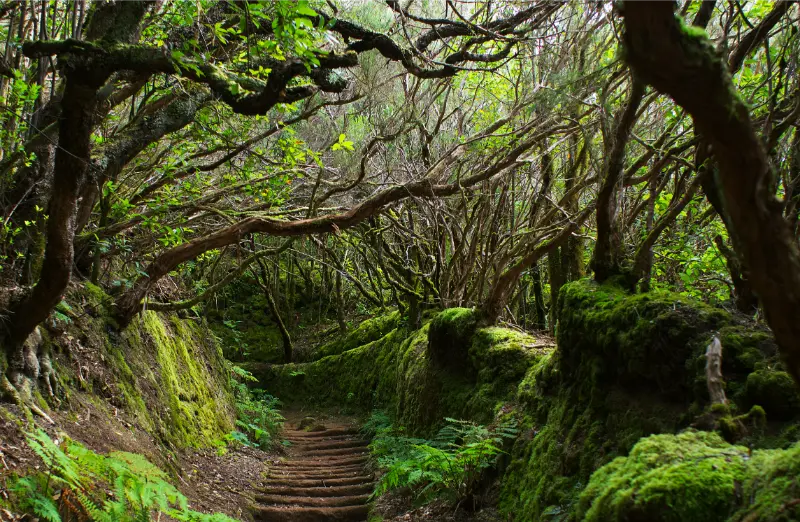
    Anaga Laurel Forest Tenerife

    Day 4: Recovery: La Laguna, botanical gardens or short coast walk

    Rest the legs while still exploring. Use this as the weather-swap day if Teide or Anaga was unsuitable earlier.

    On the coast I let sea conditions decide the swimming part of the day. I use the Tenerife safety guide and respect flags, lifeguards and local closures. A coastal day is still worthwhile when the ocean is too rough to swim: promenades, harbours, food and viewpoints remain available.

    Day 5: Teno Rural Park

    Choose one Teno route rather than driving every mountain road. Erjos, El Palmar and Teno Alto offer different levels of commitment.

    I keep this day geographically compact. Tenerife rewards clustering because the hidden time is rarely the motorway itself; it is parking, mountain bends, finding the correct entrance and stopping at places that were not in the original plan. One area explored well usually feels richer than three areas photographed quickly.

    Day 6: Volcanic forest or Chinyero

    Walk among pine and younger lava landscapes. Keep distance and ascent below the previous big day if fatigue is building.

    I keep this day geographically compact. Tenerife rewards clustering because the hidden time is rarely the motorway itself; it is parking, mountain bends, finding the correct entrance and stopping at places that were not in the original plan. One area explored well usually feels richer than three areas photographed quickly.

    Anaga Laurel Forest Trail Tenerife

    Day 7: Short favourite route and flexible departure

    Finish with a route close to the base or a viewpoint walk. I do not schedule the week’s hardest hike before a flight.

    I keep this day geographically compact. Tenerife rewards clustering because the hidden time is rarely the motorway itself; it is parking, mountain bends, finding the correct entrance and stopping at places that were not in the original plan. One area explored well usually feels richer than three areas photographed quickly.

    Permits and current access come before route ambition

    I start with Tenerife ON and my Tenerife hiking permits guide. Teide high routes, protected trails and closures can change the practical plan. I would rather downgrade a route than arrive at a gate expecting an old blog post to override the current system.

    How I manage altitude

    Teide is different from a coastal hike. I use the altitude guide, drink normally, take the first high day slowly and pay attention to headache, nausea or unusual fatigue. The view is not worth pushing through symptoms.

    Why the recovery day is part of the itinerary

    A rest day protects the second half of the week. It also gives me somewhere to move a cancelled trail without stacking two long hikes back-to-back. Good hiking holidays are built around recovery as deliberately as around summits.

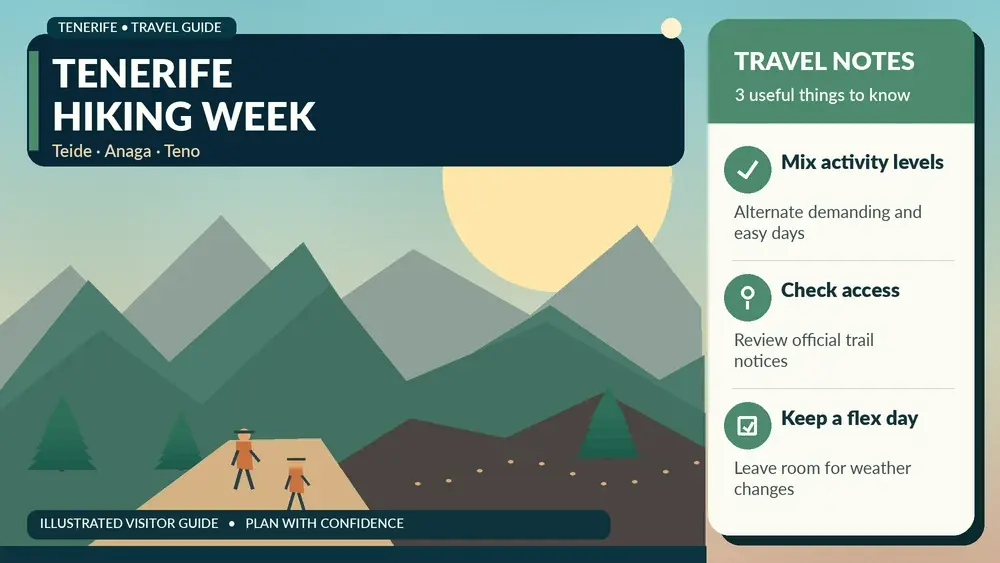
    Illustrated guide: Tenerife Hiking & Nature Itinerary, with practical visitor tips
    Illustrated guide: Tenerife Hiking & Nature Itinerary.

    Transport: the decision that changes the whole itinerary

    I compare the route with my Tenerife by car guide and the no-car guide. A rental car is valuable for Teide, Anaga, Teno and multi-stop days, but it can be unnecessary on beaches, city walks and evenings. Selective rental often gives the best balance: drive when the car creates access, and leave it parked when it only creates a parking problem.

    I build extra margin around the first and last day. Airport pickup, baggage, fuel return and traffic are not sightseeing, but they consume real time. I would rather arrive at dinner early than turn a delayed flight into a rushed mountain drive. On departure day I work backward from the airline’s check-in and security requirements and then add the road or public-transport margin.

    Weather and microclimates: why I keep one day flexible

    Tenerife can place sun, cloud, wind and high-altitude cold inside the same itinerary. I use the Tenerife weather forecast guide and move the most weather-sensitive day when I can. Teide needs visibility and safe high-altitude conditions; Anaga can be wet or foggy; north-coast swimming depends on swell. A flexible day is not empty time—it is insurance for the experience I care about most.

    Anaga Tenerife

    I pack layers even when the hotel forecast looks warm. A light jacket, water, sun protection and shoes suitable for the day are more useful than trying to predict one island-wide temperature. If an official alert, road closure or protected-area restriction changes the plan, I treat that as a reason to switch area, not as a challenge to find a shortcut.

    Where I would stay

    I choose accommodation by evening life and morning logistics, not only by star rating. For current availability I compare Tenerife accommodation on Booking.com. I check the exact map position, slope, parking or bus stop, reception hours and how long the first major day will take from the property. A good base can save more holiday time than a slightly cheaper room on the wrong side of the island.

    What I would book in advance—and what I would keep open

    I book the things where capacity or a fixed slot matters: accommodation, any controlled high-altitude or protected trail, a specific boat departure, a major attraction on a peak day and a restaurant that is genuinely central to the trip. I keep ordinary beaches, viewpoints, cafés and many town visits open. Tenerife is more enjoyable when weather and energy can still change the order of the week.

    For activities, I read the cancellation terms before paying and check whether transport, equipment or permits are actually included. A cheap headline price can be poor value if it requires a separate transfer or locks me into a weather-sensitive day. When a guided excursion solves real logistics, I am happy to use one.

    Food rhythm: how I avoid eating badly because the itinerary is too full

    I use my Tenerife food guide to choose a few local dishes, then keep meals close to the day’s geography. A long lunch in La Orotava makes sense on a north-coast day; a harbour fish meal belongs with the coast. I carry water and a small snack so hunger does not force an unnecessary detour just before a hike, boat or sunset.

    The planning mistakes I would avoid

    • Treating the driving time shown on a map as the total time needed for the stop.
    • Booking the most weather-sensitive experience on the only day that cannot move.
    • Changing hotels too often on a short itinerary and losing hours to packing and check-in.
    • Trying to combine Teide, Anaga, Masca and a beach simply because they fit on one island map.
    • Using old screenshots for trail, transport or attraction rules instead of checking the current operator or authority.
    • Saving every good restaurant for dinner after a long drive instead of using lunch to anchor the region I am already visiting.

    Frequently asked questions

    Can I hike every day in Tenerife?

    You can, but I would vary intensity. Seven demanding mountain days is unnecessary and increases fatigue and injury risk.

    Do I need hiking permits?

    Some routes and high-altitude access do. I check Tenerife ON and the competent authority for each trail shortly before the hike.

    Is Teide the hardest day?

    Not always. Altitude makes it demanding, but long Anaga or Teno routes can have more complex terrain and logistics.

    Do I need a car?

    A car helps with trailheads, but some Anaga and urban-linked hikes work by bus. A mixed approach can be excellent.

    What if there is a closure?

    I use the recovery day or switch geographic area. I never bypass a closure or improvise an unofficial route around it.

    My final advice

    The best tenerife hiking itinerary is the one I can still enjoy when one detail changes. I protect the big experiences with sensible geography, current information and enough margin, then leave the smaller choices open. Tenerife has too many good alternatives for a holiday to depend on one perfect sequence.

    I treat this itinerary as a framework rather than a promise that every road, trail, beach or timetable will behave exactly the same on the travel date. Before any activity where access, safety, weather or a paid booking matters, I recheck the official source. That habit lets me travel more freely because the important constraints are handled before the day begins.

  • Tenerife Couples Itinerary: 7 Romantic Days Beyond the Resort

    Tenerife Couples Itinerary: 7 Romantic Days Beyond the Resort

    Quick summary: For couples, I think Tenerife works best when the itinerary leaves room for conversation and spontaneity. I would rather plan one memorable anchor per day than chase a sunrise, boat, tasting, viewpoint and fine-dining reservation in the same twelve hours. The island already provides the drama: volcanic landscapes, Atlantic cliffs, vineyards and old towns. The romantic part is having enough time to notice them.

    Who this itinerary is for

    This week suits couples on a first or second Tenerife trip, including anniversaries and honeymoons, but it is deliberately not a “luxury only” plan. A picnic at a viewpoint, a market lunch or a black-sand walk can be as memorable as a hotel spa. I mix paid experiences with ordinary island time.

    The base I would choose

    Costa Adeje is easy for comfortable hotels, beaches and dining; Puerto de la Cruz gives more northern character; a split stay can work for seven nights only if the couple enjoys changing hotels. My default is one good base plus one special rural or boutique night only when that overnight is itself part of the experience.

    Itinerary at a glance

    DayMain areaWhy it works
    Day 1Slow arrival and sunset close to the hotelUnpack, walk the coast and choose a relaxed dinner. Do not begin a romantic trip with an argument about a mountain road after a delayed flight.
    Day 2Teide and volcanic landscapesUse the daylight for Teide, Roques de García and viewpoints. Add stargazing only if the day is not already exhausting and the return drive is comfortable.
    Day 3Beach, spa or long lunchLeave the schedule almost empty. Choose one beach, pool or wellness experience and protect the evening for a restaurant you genuinely want.
    Day 4La Laguna + AnagaHistoric streets in the morning, a forest or viewpoint in the afternoon, then return before the mountain roads become tiring.
    Day 5Wine country and north-coast foodExplore La Orotava, Tacoronte-Acentejo or another wine area. If tasting, use a driver, tour or public transport rather than negotiating who stays sober.
    Day 6Los Gigantes or responsible whale watchingUse the west for cliffs, a boat trip and sunset. Keep the sea schedule flexible because wildlife and conditions are not staged.
    Day 7Favourite place, proposal/anniversary option and departureRepeat a place you loved or plan one meaningful final meal. Do not make the final morning dependent on a long transfer.

    Day 1: Slow arrival and sunset close to the hotel

    Unpack, walk the coast and choose a relaxed dinner. Do not begin a romantic trip with an argument about a mountain road after a delayed flight.

    I keep this day geographically compact. Tenerife rewards clustering because the hidden time is rarely the motorway itself; it is parking, mountain bends, finding the correct entrance and stopping at places that were not in the original plan. One area explored well usually feels richer than three areas photographed quickly.

    Day 2: Teide and volcanic landscapes

    Use the daylight for Teide, Roques de García and viewpoints. Add stargazing only if the day is not already exhausting and the return drive is comfortable.

    I check official Teide information and Tenerife ON before leaving. I separate the park experience from summit ambitions: viewpoints, lava landscapes and established walks are already a complete day. If a cable-car or controlled trail is part of the plan, I treat the reservation and current access rules as fixed, then keep the rest of the day flexible.

    Couple Exploring Tenerife

    Day 3: Beach, spa or long lunch

    Leave the schedule almost empty. Choose one beach, pool or wellness experience and protect the evening for a restaurant you genuinely want.

    On the coast I let sea conditions decide the swimming part of the day. I use the Tenerife safety guide and respect flags, lifeguards and local closures. A coastal day is still worthwhile when the ocean is too rough to swim: promenades, harbours, food and viewpoints remain available.

    Day 4: La Laguna + Anaga

    Historic streets in the morning, a forest or viewpoint in the afternoon, then return before the mountain roads become tiring.

    In Anaga I plan for cloud, narrow roads and slower travel than the map suggests. Cruz del Carmen is a practical anchor because it gives me visitor information and access to shorter walks. I do not assume that a clear south-coast morning means a dry ridge in the northeast.

    Day 5: Wine country and north-coast food

    Explore La Orotava, Tacoronte-Acentejo or another wine area. If tasting, use a driver, tour or public transport rather than negotiating who stays sober.

    On the coast I let sea conditions decide the swimming part of the day. I use the Tenerife safety guide and respect flags, lifeguards and local closures. A coastal day is still worthwhile when the ocean is too rough to swim: promenades, harbours, food and viewpoints remain available.

    Illustrated guide: Tenerife Couples Itinerary, with practical visitor tips
    Illustrated guide: Tenerife Couples Itinerary.

    Day 6: Los Gigantes or responsible whale watching

    Use the west for cliffs, a boat trip and sunset. Keep the sea schedule flexible because wildlife and conditions are not staged.

    On the coast I let sea conditions decide the swimming part of the day. I use the Tenerife safety guide and respect flags, lifeguards and local closures. A coastal day is still worthwhile when the ocean is too rough to swim: promenades, harbours, food and viewpoints remain available.

    Day 7: Favourite place, proposal/anniversary option and departure

    Repeat a place you loved or plan one meaningful final meal. Do not make the final morning dependent on a long transfer.

    I keep this day geographically compact. Tenerife rewards clustering because the hidden time is rarely the motorway itself; it is parking, mountain bends, finding the correct entrance and stopping at places that were not in the original plan. One area explored well usually feels richer than three areas photographed quickly.

    Sunset without turning it into a race

    I use the sunset guide to choose a place near the day’s route. I do not cross Tenerife simply because social media says one viewpoint is “the most romantic.” A calm sunset ten minutes from dinner usually beats a famous one followed by ninety minutes of night driving.

    Wine and food as part of the route

    The island’s wine culture is easiest to appreciate when it is attached to a north-coast day. I combine Tenerife wine with a market, historic town or guachinche instead of treating tasting as a detached excursion. If alcohol is involved, transport is planned before the first glass.

    When I would add a special occasion

    For a proposal or anniversary I use the proposal guide or the celebration guide and keep a weather-proof backup. The best plan is meaningful even if cloud hides the sunset.

    Couple On A Tenerife Beach

    Transport: the decision that changes the whole itinerary

    I compare the route with my Tenerife by car guide and the no-car guide. A rental car is valuable for Teide, Anaga, Teno and multi-stop days, but it can be unnecessary on beaches, city walks and evenings. Selective rental often gives the best balance: drive when the car creates access, and leave it parked when it only creates a parking problem.

    I build extra margin around the first and last day. Airport pickup, baggage, fuel return and traffic are not sightseeing, but they consume real time. I would rather arrive at dinner early than turn a delayed flight into a rushed mountain drive. On departure day I work backward from the airline’s check-in and security requirements and then add the road or public-transport margin.

    Weather and microclimates: why I keep one day flexible

    Tenerife can place sun, cloud, wind and high-altitude cold inside the same itinerary. I use the Tenerife weather forecast guide and move the most weather-sensitive day when I can. Teide needs visibility and safe high-altitude conditions; Anaga can be wet or foggy; north-coast swimming depends on swell. A flexible day is not empty time—it is insurance for the experience I care about most.

    I pack layers even when the hotel forecast looks warm. A light jacket, water, sun protection and shoes suitable for the day are more useful than trying to predict one island-wide temperature. If an official alert, road closure or protected-area restriction changes the plan, I treat that as a reason to switch area, not as a challenge to find a shortcut.

    Couple On Holiday In Tenerife

    Where I would stay

    I choose accommodation by evening life and morning logistics, not only by star rating. For current availability I compare Tenerife accommodation on Booking.com. I check the exact map position, slope, parking or bus stop, reception hours and how long the first major day will take from the property. A good base can save more holiday time than a slightly cheaper room on the wrong side of the island.

    What I would book in advance—and what I would keep open

    I book the things where capacity or a fixed slot matters: accommodation, any controlled high-altitude or protected trail, a specific boat departure, a major attraction on a peak day and a restaurant that is genuinely central to the trip. I keep ordinary beaches, viewpoints, cafés and many town visits open. Tenerife is more enjoyable when weather and energy can still change the order of the week.

    For activities, I read the cancellation terms before paying and check whether transport, equipment or permits are actually included. A cheap headline price can be poor value if it requires a separate transfer or locks me into a weather-sensitive day. When a guided excursion solves real logistics, I am happy to use one.

    Food rhythm: how I avoid eating badly because the itinerary is too full

    I use my Tenerife food guide to choose a few local dishes, then keep meals close to the day’s geography. A long lunch in La Orotava makes sense on a north-coast day; a harbour fish meal belongs with the coast. I carry water and a small snack so hunger does not force an unnecessary detour just before a hike, boat or sunset.

    The planning mistakes I would avoid

    • Treating the driving time shown on a map as the total time needed for the stop.
    • Booking the most weather-sensitive experience on the only day that cannot move.
    • Changing hotels too often on a short itinerary and losing hours to packing and check-in.
    • Trying to combine Teide, Anaga, Masca and a beach simply because they fit on one island map.
    • Using old screenshots for trail, transport or attraction rules instead of checking the current operator or authority.
    • Saving every good restaurant for dinner after a long drive instead of using lunch to anchor the region I am already visiting.

    Frequently asked questions

    Is Tenerife romantic outside the resorts?

    Very much so. Vineyards, old towns, forest roads, volcanic viewpoints and quiet coastlines create a broader couples trip than a hotel-only break.

    Should couples rent a car?

    A car is useful for flexible scenic days, but I avoid driving after wine tastings and use tours or taxis when that makes the evening easier.

    Where is the best base for couples?

    Costa Adeje for polished resort comfort, Puerto de la Cruz for northern character, La Laguna for culture, and rural properties for a quieter stay.

    Is a split stay worth it for seven days?

    Only if both accommodations are part of the experience. Otherwise one base saves time and keeps the week relaxed.

    What is the most important romantic-planning tip?

    Leave gaps. A couple’s trip becomes less romantic when every sunset and dinner is a timed appointment.

    My final advice

    The best tenerife couples itinerary is the one I can still enjoy when one detail changes. I protect the big experiences with sensible geography, current information and enough margin, then leave the smaller choices open. Tenerife has too many good alternatives for a holiday to depend on one perfect sequence.

    I treat this itinerary as a framework rather than a promise that every road, trail, beach or timetable will behave exactly the same on the travel date. Before any activity where access, safety, weather or a paid booking matters, I recheck the official source. That habit lets me travel more freely because the important constraints are handled before the day begins.

  • Contemporary Art in Tenerife: TEA, Galleries, Exhibitions and a Santa Cruz–La Laguna Art Day

    Contemporary Art in Tenerife: TEA, Galleries, Exhibitions and a Santa Cruz–La Laguna Art Day

    Quick summary: Tenerife has a stronger contemporary-art scene than a beach-only itinerary suggests. TEA is the anchor, while Santa Cruz and La Laguna make it easy to add temporary exhibitions, architecture and independent cultural spaces.

    TopicContemporary art and galleries in Tenerife
    Best forArt lovers, repeat visitors, rainy-day travellers and anyone wanting an urban cultural day beyond Tenerife’s major historic museums
    My priorityCheck the current exhibition programme rather than assuming permanent displays are the main reason to visit
    Key Tenerife factorTemporary shows, free cultural programmes and the Santa Cruz–La Laguna urban corridor make art easy to combine with food and architecture

    TEA Tenerife Espacio de las Artes is my anchor

    TEA is the first place I check for contemporary art in Tenerife. Its official visitor page currently lists exhibition hours from Tuesday to Sunday, 10:00 to 20:00, with Monday closed except holidays, and free entry to the exhibition spaces. I verify the current details at TEA – visits because exhibition changeovers can affect what is open.

    The building is worth time in its own right: it combines exhibition spaces with a library, cinema, shop and public cultural programme. I do not rush through it between the market and a bus; I choose one or two exhibitions and allow time to read the context.

    Temporary exhibitions are the point

    The 2026 programme includes changing projects across several galleries rather than one fixed “must-see” collection. The Cabildo publishes the programme through its TEA exhibition calendar. I check dates immediately before the trip because a show that appears in an old article may already have closed.

    That changing programme is useful for repeat visitors. TEA can be a different experience every time, and it often connects contemporary work to Canarian history, urban change, photography, archives, identity and the landscape.

    Santa Cruz beyond TEA

    I build an art day as a walk rather than a list of isolated doors. From TEA I can combine the Mercado de Nuestra Señora de África area, historic streets, public sculpture, municipal exhibition spaces and cafés. Temporary halls and cultural centres are most valuable when I check what is actually on rather than visiting only because the building appears on a map.

    Auditorio De Tenerife Santa Cruz Coastline

    My public art and sculpture guide is the best companion for the outdoor part of the day, especially when the weather is good.

    La Laguna: art in a historic city

    La Laguna gives a different context. Contemporary exhibitions sit inside or beside a UNESCO historic city, university culture, courtyards and older religious architecture. I like the contrast: a modern installation can be followed by a wooden balcony, a convent façade and a traditional lunch without needing a car between every stop.

    I check the cultural programme for temporary university, municipal and foundation spaces before travelling. I avoid promising a specific independent gallery will be open months in advance, because small cultural venues can change programmes and hours more often than a large museum.

    Photography, design and moving image

    Contemporary art in Tenerife is not only painting. TEA’s programme includes photography, video, installation, archives, performance and film. Its cinema programme is especially useful for visitors who enjoy original-language and independent film, and I combine it with the dedicated cinema guide when planning an evening.

    The Tenerife cinema guide explains VOSE and TEA film programming, while the art and craft workshop guide is better for travellers who want to make something rather than only view exhibitions.

    An easy art-focused day

    I start late morning at TEA, have lunch around the market or central Santa Cruz, walk a public-art route, then take the tram to La Laguna for a temporary exhibition, historic-centre walk and dinner. That keeps transport simple and gives enough time for one exhibition to be memorable instead of turning the day into a museum marathon.

    Panoramic View Of Santa Cruz De Tenerife

    On a rainy day I spend longer indoors and shorten the outdoor sculpture section. On a very hot day I reverse the plan so the city walk happens earlier and the museum occupies the warmest hours.

    How I fit this into a Tenerife itinerary

    I get more from cultural Tenerife when I stop treating every day as a race between landmarks. I combine one main visit with a neighbourhood walk, a café or meal and enough unplanned time to notice what is actually happening around me. That is especially useful in Santa Cruz and La Laguna, where museums, galleries, markets, music and food are close enough to build a relaxed half-day without constant driving.

    I link this topic with traditional Tenerife crafts, live music in Tenerife and food tours and cooking experiences. Together they give a more rounded view of the island than a checklist of beaches and viewpoints.

    Booking and opening hours

    I verify the official programme on the day, especially for exhibitions, performances, tastings and small venues. Tenerife has many events that are seasonal or temporary, and a venue can change hours for holidays, installation periods or private events. When a timed ticket matters, I book directly with the venue or a clearly identified operator and save the confirmation offline.

    Where I would stay

    For a culture-and-food trip I compare accommodation in Tenerife on Booking.com. Santa Cruz and La Laguna are the obvious urban bases, while Puerto de la Cruz works well for a north-coast stay with restaurants, historic streets and easy access to smaller towns.

    Useful related Tenerife guides

    Official sources I check

    Frequently asked questions

    Is TEA Tenerife free?

    The official visitor information currently lists free entry to the exhibition spaces. I check the page again because special activities and cinema have separate conditions.

    What are TEA opening hours?

    The official page currently lists Tuesday to Sunday, 10:00–20:00, with Monday closed except holidays. Exhibition changeovers can still affect access.

    Is Tenerife good for contemporary art?

    Yes, especially if I combine TEA with temporary spaces, public art and La Laguna rather than expecting one giant permanent museum collection.

    Can I combine Santa Cruz and La Laguna without a car?

    Yes. The tram makes the two centres easy to combine, and both are walkable once I arrive.

    Is contemporary art a good rainy-day plan?

    Yes. TEA and other cultural spaces are useful on wet or cloudy days, and the visit can be combined with food and cinema.

    My final advice

    Contemporary art gives Tenerife a different rhythm. I use TEA as the anchor, check the live exhibition calendar and then let Santa Cruz and La Laguna provide the architecture, food and public space around it.

    Plaza de España reflecting pool and civic buildings in Santa Cruz de Tenerife
    Plaza de España, Santa Cruz de Tenerife.

    I treat this guide as a planning framework, not a substitute for live information. Rules, opening hours, alerts and services can change after publication, so I recheck the official source when a detail can affect safety, health, access or a paid booking. That small habit makes a Tenerife trip much easier to adapt when conditions change.

    A realistic seven-day-trip approach

    I do not let contemporary art and galleries in tenerife dominate the whole holiday. I solve the specific requirement, then build ordinary Tenerife days around it: one major activity, one flexible meal plan, realistic transport and a backup that works if weather or energy changes. The island rewards slower days because a short drive can move from hot coast to cloud, wind or altitude, and every transition adds time that a map does not show.

    I also avoid placing the most complicated day immediately after a late flight or immediately before departure. A spare half-day gives room for a delayed booking, a closure, tired children, an upset stomach or simply a place worth staying longer than expected. That buffer is one of the easiest ways to make a highly planned trip feel relaxed rather than fragile.

    What I save offline before leaving the hotel

    I save the accommodation address, insurance details, official alert page, relevant booking confirmation, a map of the day and the phone numbers I would need if mobile data fails. I also keep enough battery for the return journey. Tenerife has good connectivity in populated areas, but mountain terrain and underground or remote locations are exactly where I do not want every useful detail to depend on a live connection.

    For paid activities I screenshot the cancellation conditions and meeting-point instructions. For health or safety-sensitive plans I save the exact name of medication, allergies or key information in a form that can be shown to a professional. Preparation should make the day easier, not create a folder of documents nobody can find when needed.

    How I avoid overplanning

    My rule is to confirm the details that can create a real problem—health, safety, access, transport, opening times and paid reservations—and leave the rest open. I do not reserve every meal or minute. If the morning goes well, I extend it. If conditions are poor, I change area. Tenerife is much more enjoyable when the itinerary can respond to the island instead of fighting it.

  • Rip Currents in Tenerife: Waves, Red Flags, Natural Pools and Ocean Safety

    Rip Currents in Tenerife: Waves, Red Flags, Natural Pools and Ocean Safety

    Quick summary: Tenerife’s Atlantic coast can look calm from a viewpoint and still have strong current, surge or shore break. I read the beach flags, choose lifeguarded water when possible and never treat a natural pool as automatically safe.

    Topic Rip currents and ocean safety in Tenerife
    Best for Swimmers, families, snorkellers and anyone using beaches or natural pools around Tenerife
    My priority Respect flags and local warnings, avoid unknown water in rough conditions and never fight a strong current head-on
    Key Tenerife factor North-coast swell, volcanic rock, shore break and local currents can change quickly with wind and tide

    What the Canary Islands authorities actually advise

    The Canary Islands emergency service notes that southern beaches are generally calmer than northern ones, where wind, waves and currents can make conditions more hazardous. Its sea-safety advice is available at Government of the Canary Islands – activities at sea.

    That is a useful regional pattern, not a guarantee. A protected northern bay can be calm while a south-coast beach has strong wind or shore break. I make the decision at the water’s edge using flags, lifeguard advice and the actual state of the sea.

    Beach flags are not decoration

    A red flag means bathing is prohibited. A yellow flag means caution, not “safe if I am a confident swimmer.” A green flag means conditions are considered suitable for bathing, but ordinary supervision and judgement still apply. I never use the absence of a lifeguard or flag as proof that an isolated beach is safe.

    When I arrive with children, I identify the lifeguard post, entry point, shallow area and a meeting point before anyone gets in. I also watch the sea for several minutes instead of entering immediately after parking.

    How I think about rip currents

    A rip current is a flow of water moving away from shore. The dangerous response is panic and an exhausting attempt to swim directly against a strong current. Canary Islands coastal-safety guidance advises remaining calm and not swimming against the current when being dragged by surf; coastal currents usually lose strength and the swimmer can then move toward safety.

    I prefer prevention: swim at a lifeguarded beach, stay inside the designated bathing area, avoid water beside rocks or structures when the sea is rough and ask the lifeguard about currents if anything looks uncertain. Being a strong pool swimmer does not make someone experienced in Atlantic surf.

    Natural pools need separate judgement

    Natural pools are visually inviting because walls and rock shelves create the impression of a protected swimming pool. During swell, however, waves can overtop those barriers, knock people from ladders, surge across platforms or create powerful water movement inside the pool. I check the sea before walking onto wet rocks and I leave immediately if waves begin reaching the access area.

    My Tenerife tides guide and rocky-shore safety guide cover the additional hazards of tide timing, slippery surfaces and marine injuries.

    Inflatables, SUPs and snorkelling

    Inflatable mattresses and toys can move offshore much faster than people expect. The official sea-safety guidance specifically warns that currents can carry inflatables away. I do not use a toy float as a safety device and I keep children within immediate reach rather than watching from a towel.

    For snorkelling I stay close to shore in conditions appropriate to my ability, use a visible setup when necessary and never assume a calm entry means the return will be equally easy. Wind direction matters, especially when using a paddleboard or inflatable craft.

    If someone is in trouble

    If a swimmer is struggling, I alert the lifeguard and call 112 rather than automatically entering dangerous water. The coastal-safety guidance recommends throwing a line, float or other object the person can hold if that can be done safely from land. An untrained rescuer can otherwise become a second casualty.

    After a difficult rescue or near-drowning I take symptoms seriously. Coughing, breathing difficulty, chest discomfort, extreme fatigue or altered consciousness after water aspiration needs medical assessment.

    The checks I make on the same day

    Conditions in Tenerife can change faster than a static travel article. Before a hike, forest drive, cave visit or coastal activity I reopen the official source, check current alerts and closures, and look at the forecast for the exact area rather than the island as a whole. A sunny hotel balcony in Costa Adeje says very little about wind on Teide, cloud in Anaga or swell on the north coast.

    I keep the official Tenerife trail and access information from Tenerife ON bookmarked. I also keep my Tenerife weather forecast guide and my general Tenerife safety guide available offline so I can quickly cross-check the basic plan.

    Why I do not treat rescue as a backup transport plan

    Rescue resources exist for genuine emergencies, but difficult access, wind, cloud and darkness can all slow a response. I plan as if I must complete the route safely under my own power: enough water, footwear that suits the surface, a charged phone, offline navigation, realistic turnaround time and a route shared with someone who is not on the walk. Calling 112 is the right action for an emergency, not a substitute for continuing into a closed or obviously unsuitable area.

    Families, older travellers and mixed-ability groups

    The safest group plan is based on the slowest or least confident person, not the strongest. I choose a shorter route with a good experience rather than extending the day until someone becomes exhausted. With children I pay special attention to exposed edges, loose volcanic gravel, heat and the long return journey after the exciting part of the outing is finished.

    Where I would stay

    For a nature-focused trip I compare accommodation in Tenerife on Booking.com. I prefer a base that reduces repeated cross-island driving and gives me an easy alternative plan if wind, fire risk, rain or a closure changes the day.

    Useful related Tenerife guides

    Official sources I check

    Frequently asked questions

    Are rip currents common in Tenerife?

    They can occur, and the north coast is often more exposed to swell and currents. Conditions vary by beach and day, so I use flags and lifeguard advice.

    What does a red flag mean?

    Bathing is prohibited. I do not enter the water even if other people ignore the flag.

    Should I swim against a rip current?

    Official coastal guidance advises not to fight a strong current directly. I stay calm, conserve energy and seek help, following lifeguard instructions where available.

    Are natural pools safer than beaches?

    Not automatically. Swell can overtop walls, wash across platforms and make ladders or rocks dangerous.

    What number do I call for a sea emergency?

    112 is the emergency number in the Canary Islands.

    My final advice

    The best ocean-safety decision in Tenerife is often the least dramatic one: choose another beach, stay out of the water or wait for calmer conditions. The Atlantic does not become predictable because a location is popular on social media.

    I treat this guide as a planning framework, not a substitute for live information. Rules, opening hours, alerts and services can change after publication, so I recheck the official source when a detail can affect safety, health, access or a paid booking. That small habit makes a Tenerife trip much easier to adapt when conditions change.

    A realistic seven-day-trip approach

    I do not let rip currents and ocean safety in tenerife dominate the whole holiday. I solve the specific requirement, then build ordinary Tenerife days around it: one major activity, one flexible meal plan, realistic transport and a backup that works if weather or energy changes. The island rewards slower days because a short drive can move from hot coast to cloud, wind or altitude, and every transition adds time that a map does not show.

    I also avoid placing the most complicated day immediately after a late flight or immediately before departure. A spare half-day gives room for a delayed booking, a closure, tired children, an upset stomach or simply a place worth staying longer than expected. That buffer is one of the easiest ways to make a highly planned trip feel relaxed rather than fragile.

    What I save offline before leaving the hotel

    I save the accommodation address, insurance details, official alert page, relevant booking confirmation, a map of the day and the phone numbers I would need if mobile data fails. I also keep enough battery for the return journey. Tenerife has good connectivity in populated areas, but mountain terrain and underground or remote locations are exactly where I do not want every useful detail to depend on a live connection.

    For paid activities I screenshot the cancellation conditions and meeting-point instructions. For health or safety-sensitive plans I save the exact name of medication, allergies or key information in a form that can be shown to a professional. Preparation should make the day easier, not create a folder of documents nobody can find when needed.

    How I avoid overplanning

    My rule is to confirm the details that can create a real problem—health, safety, access, transport, opening times and paid reservations—and leave the rest open. I do not reserve every meal or minute. If the morning goes well, I extend it. If conditions are poor, I change area. Tenerife is much more enjoyable when the itinerary can respond to the island instead of fighting it.