Playa de Benijo is the Tenerife beach I think of when someone asks for dramatic scenery rather than an easy resort day. Black volcanic sand, the Roques de Anaga rising offshore and the steep green slopes of the Anaga massif give the place a raw character that feels very different from the manicured beaches of Costa Adeje. It is also a beach that deserves respect. Access involves steps, parking is limited and the Atlantic can be powerful, so I would never describe Benijo as a simple all-purpose swimming beach.
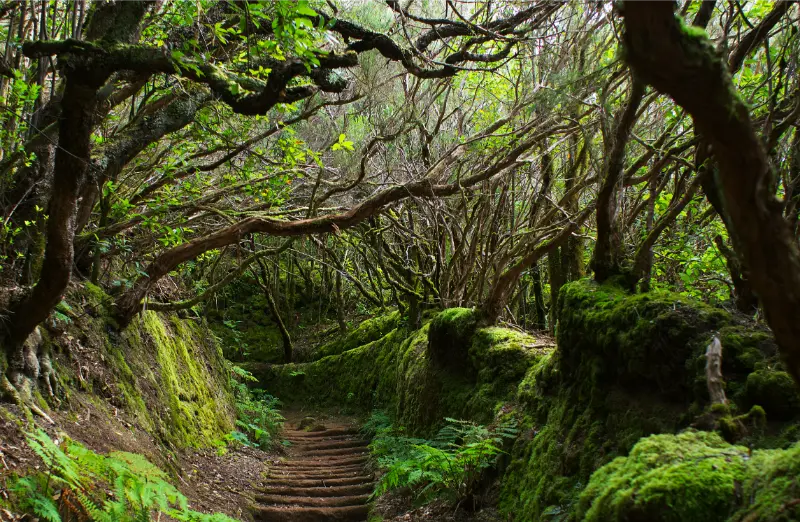
For me, the best way to experience Benijo is as part of a wider day in northeastern Tenerife. I would combine it with Taganana, a viewpoint or short walk in Anaga and a meal in one of the small coastal settlements rather than driving across the island only for an hour on the sand. If you have not explored this side of Tenerife before, my Anaga Rural Park guide explains how the forests, mountain roads and coastal villages fit together.

Why Playa de Benijo is special
Benijo is not famous because it has the calmest water or the largest list of services. Its appeal is the setting. The beach sits below a rugged section of the Anaga coast, with dark sand in the foreground and volcanic rock formations offshore. At low light, especially around sunset, the contrast between black sand, white surf and the silhouettes of the roques can be extraordinary.
The official Tenerife tourism information describes Benijo as an isolated beach near Taganana, around 300 metres long, reached on foot by a path with stairs. It also warns that the waves can be strong. I treat that warning as central to the visit, not as a footnote. On days with rough sea conditions, I am perfectly happy to enjoy Benijo from the shore without swimming. You can check the official Playa de Benijo information before setting out.
How to get to Benijo
By car, the route through Anaga is scenic but slower than the map distance suggests. The roads twist around steep slopes, visibility changes with cloud and there are sections where patient driving matters more than speed. If I am coming from Santa Cruz or La Laguna, I build generous time into the day and avoid creating a schedule that depends on arriving at an exact minute.
Parking around Benijo is limited. The official tourism page indicates fewer than 50 parking spaces, which is another reason I avoid arriving at the busiest part of a sunny weekend afternoon. If the closest spaces are full, I do not improvise by blocking narrow roads or entrances. I would rather park legally farther away if possible, change the order of the day or return at another time.
Public transport can also work, but I check the current TITSA route and timetable immediately before travelling because rural services are less frequent than buses in the main resorts. A bus-based Anaga day is entirely possible if you choose a small number of stops. For the wider network, see my Tenerife without a car guide.
The stairs and beach access
The final access is on foot using a path and stairs. That matters if you are travelling with a stroller, have reduced mobility or simply expect a flat promenade like the beaches of the south. Benijo is not the place I would choose for a visitor who needs step-free access. Good footwear is useful even if the plan is just to spend time on the sand, particularly if the steps are damp or you continue to viewpoints and village streets afterward.
I also keep the return climb in mind. Descending to the beach can feel easy when you are excited by the view; climbing back after sunset, carrying beach gear, is another matter. I bring only what I really need and make sure I have enough daylight to return comfortably.
Can you swim at Playa de Benijo?
Sometimes people do, but I would never promise safe swimming conditions. The beach is exposed to Atlantic swell and currents, and the official guidance specifically urges caution because the waves are often strong. I judge the sea on the day, follow any local warnings and stay out when the conditions look uncertain. A beautiful beach does not become less worthwhile just because I decide not to enter the water.
For families with young children, I generally prefer a sheltered beach with easier access and lifeguard infrastructure. My best beaches in Tenerife guide includes more practical options for swimming days. Benijo works better as a landscape experience for many families, with the beach visit kept short and flexible.
Sunset at Benijo
Sunset is the moment most people imagine when they see photographs of Benijo, and it can be magnificent. The mistake is to focus only on the sunset itself and forget the road out. Mountain roads in Anaga become more demanding after dark, especially if cloud or mist forms higher up. If I stay for the last light, I make sure the driver is comfortable with the return journey and I do not drink alcohol with dinner before driving.
I arrive early enough to walk down without rushing, choose a safe place well above the reach of unexpected waves and keep an eye on the tide. I also bring a light layer. Even after a warm afternoon, wind and humidity can make the coast feel cooler once the sun disappears.
Taganana, Almáciga and Roque de las Bodegas
Benijo makes more sense when you treat it as part of the Taganana coast. Taganana itself has a traditional village atmosphere tucked into the Anaga landscape, while the coast around Roque de las Bodegas and Almáciga offers other views, beaches and places to eat. I like to stop for a simple Canarian lunch or fish rather than racing directly from one photo stop to another.
If I have a full day, I might start with a forest viewpoint in the higher part of Anaga, descend toward Taganana, have lunch near the coast and finish at Benijo later in the afternoon. That route shows why Tenerife can feel like several islands in one: laurel forest, steep ravines, tiny villages and black-sand coastline all appear within a relatively small area.

What to bring
- Supportive shoes for the stairs and uneven surfaces.
- Water, sunscreen and a hat even when the mountains are cloudy.
- A light layer for wind or cooler conditions after sunset.
- Only a small amount of beach gear; the return climb is easier when you travel light.
- A charged phone, while remembering that mountain coverage can be less reliable than in resort areas.
Best time of day
There is no single perfect time. Morning can be quieter and makes the return drive simple. Late afternoon gives better light and the possibility of sunset. Midday works if the sea is calm and you are already touring the coast, but the harsh light can flatten the landscape in photographs and parking may be more difficult. I choose according to the weather and the rest of my Anaga plan rather than chasing a fixed formula.
Season also changes the character of the beach. Tenerife is a year-round destination, but ocean conditions vary from day to day. My best time to visit Tenerife guide explains the island’s broader seasonal differences without pretending that any month guarantees calm seas.
Where to stay for Benijo
If Benijo and Anaga are priorities, I would consider Santa Cruz or La Laguna rather than the far southwest. You gain easier access to the northeast and can combine the coast with the capital, UNESCO streets and mountain walks. Travellers who want nightlife and resort beaches can still visit from Costa Adeje, but the driving day is much longer.
You can compare accommodation across Tenerife and then check the exact map position rather than booking by town name alone. In mountain areas, a property that looks close in a straight line may involve a surprisingly long road journey.
A realistic Benijo day plan
My preferred plan is intentionally simple. I leave after breakfast, stop at one or two Anaga viewpoints, descend toward Taganana, have lunch, visit the coast and keep Benijo as the final major stop. If the sea is rough, I photograph and walk instead of swimming. If parking is impossible, I do not let that ruin the day; the Anaga coast has plenty of other beautiful places.
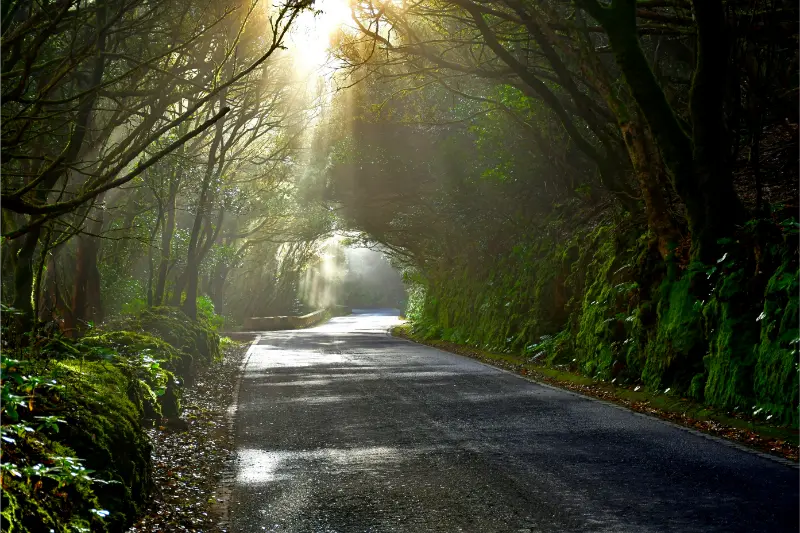
I also resist the temptation to combine Benijo with Teide or the far west on the same day. Tenerife may look compact on a map, but mountain roads turn ambitious itineraries into hours behind the wheel. Benijo deserves a day that feels slow enough to notice the landscape.
Frequently asked questions
Is Playa de Benijo suitable for children?
The scenery can be wonderful for a family outing, but the stairs, exposed water and limited services make it less convenient than Tenerife’s main family beaches. I would supervise children very closely and choose another beach for easy swimming.
Is Benijo a nudist beach?
The official tourism information notes that the beach is frequented by naturists. In practice, visitors should simply respect other beach users and the relaxed character of the place.
Are there restaurants nearby?
Yes, there are places to eat in the surrounding coastal area and around Taganana. Opening days and hours can vary, so I do not build a late remote meal around one specific restaurant without checking first.
Do I need a full day?
Not for the beach alone, but I strongly prefer a full Anaga day because the forest, viewpoints and villages are part of what makes Benijo memorable.
What is the biggest mistake?
Treating Benijo like a normal resort beach. The best visit comes from accepting limited parking, stairs, changing ocean conditions and a slower mountain-road journey.
Leave a Reply