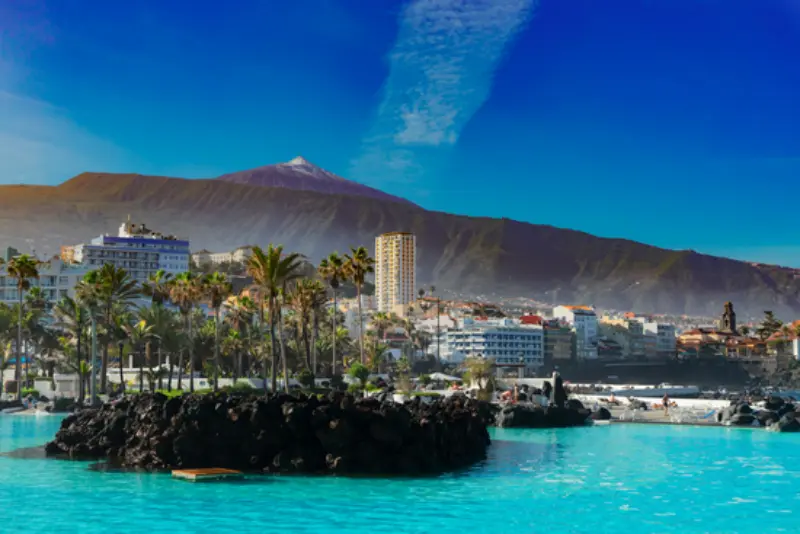
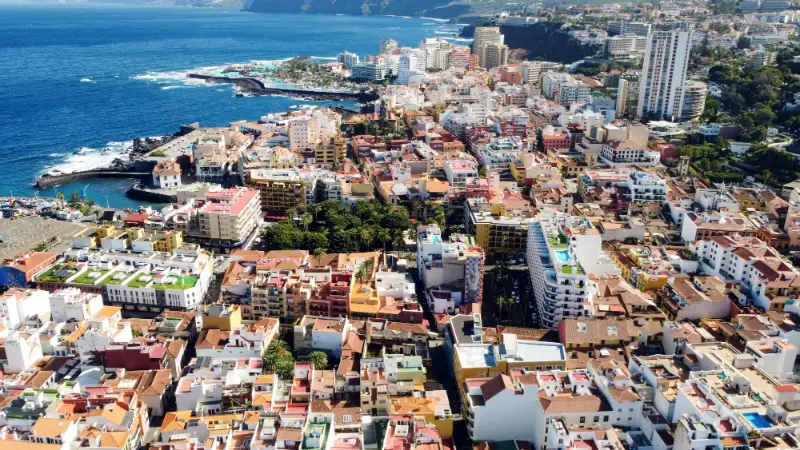
Garachico is one of the places in Tenerife where the landscape and the town’s history make sense together. Today it is a peaceful northwest town of cobbled streets, churches, squares and volcanic natural pools, but it was once one of the island’s most important ports. The 1706 eruption of the Trevejo volcano sent lava toward the coast and transformed that port economy. Garachico rebuilt, and the contrast between historic architecture and black volcanic rock is still central to the visit.
I would not treat Garachico as a quick photo stop between other attractions. The town is compact, but it rewards a few unhurried hours: walk the centre, look at the coastline, have lunch and only then decide whether the sea is suitable for a swim at El Caletón. It combines naturally with La Orotava, Icod de los Vinos or the wider Isla Baja region.
Why Garachico is worth visiting
The strongest reason is atmosphere. Garachico has enough historic architecture to feel important but is small enough that the visit remains relaxed. Tenerife’s official tourism information highlights its sixteenth- and seventeenth-century heritage and its protected historic centre. You can understand much of the town on foot without a checklist.
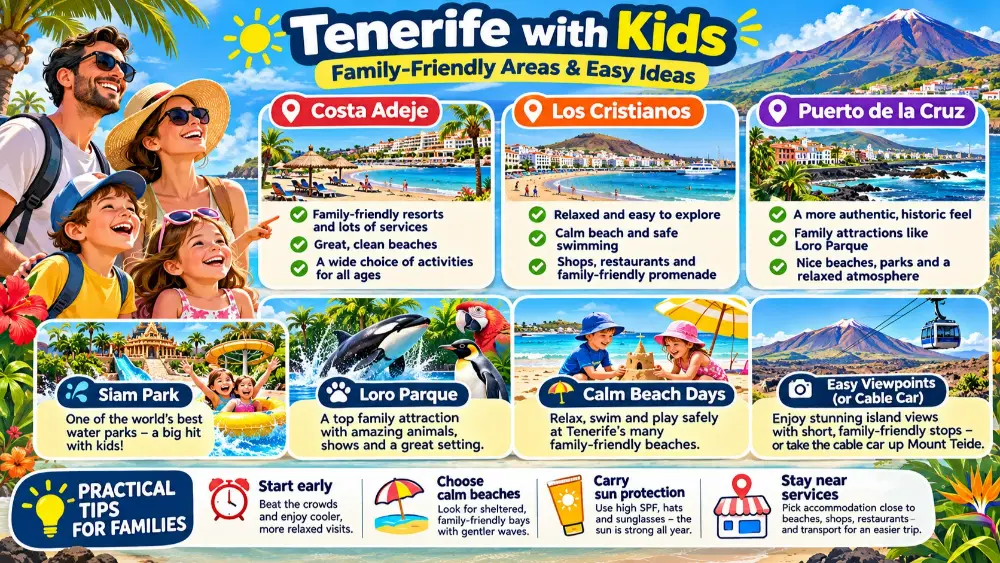
It is also a useful counterpoint to Tenerife’s resort coast. If you are staying in Costa Adeje, the drive north shows how much climate, vegetation and architecture change across the island. I would include Garachico in a first week if you enjoy historic towns or natural pools.
Plaza de la Libertad and the historic core
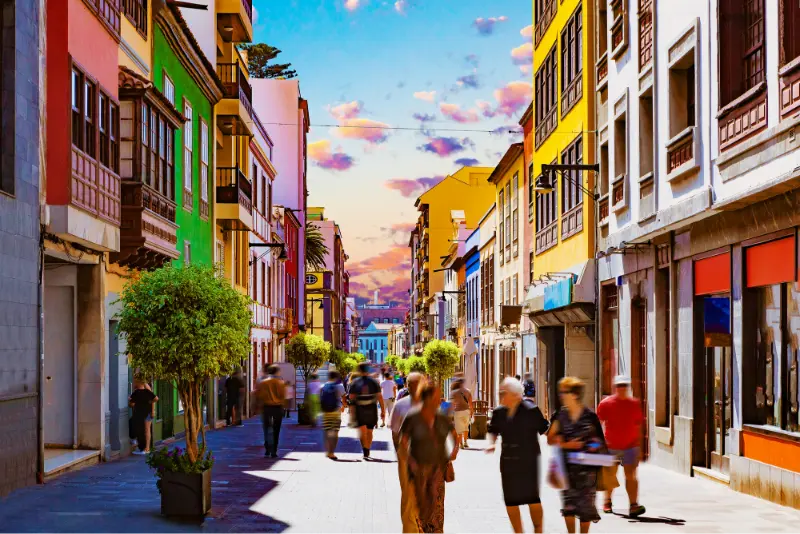
Plaza de la Libertad is the place I use to orient myself. Around it and the nearby streets you will find traditional façades, religious buildings and old civic architecture. Sit down for a few minutes before deciding where to walk next; Garachico is more enjoyable when you notice details rather than follow a rushed monument route.
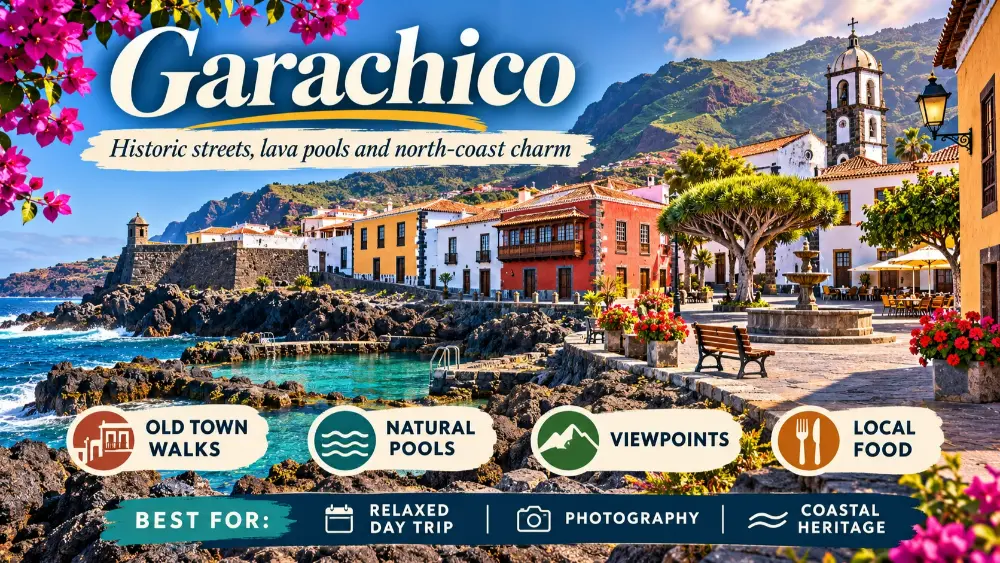
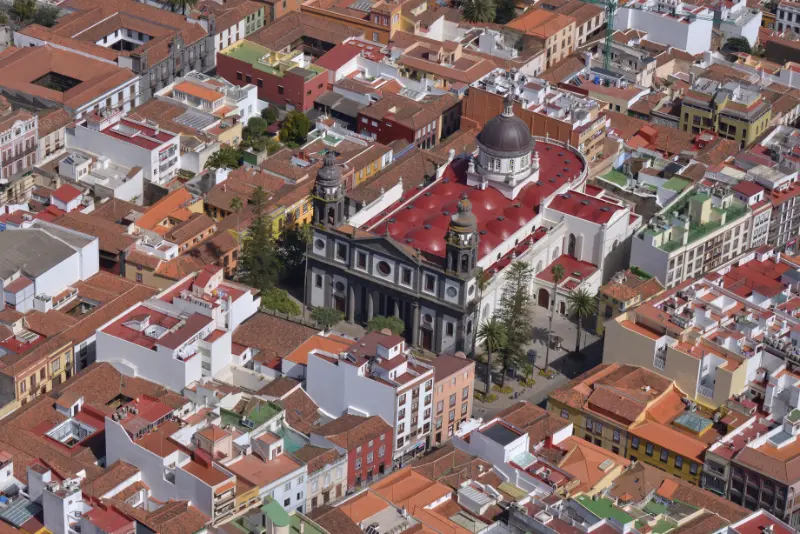
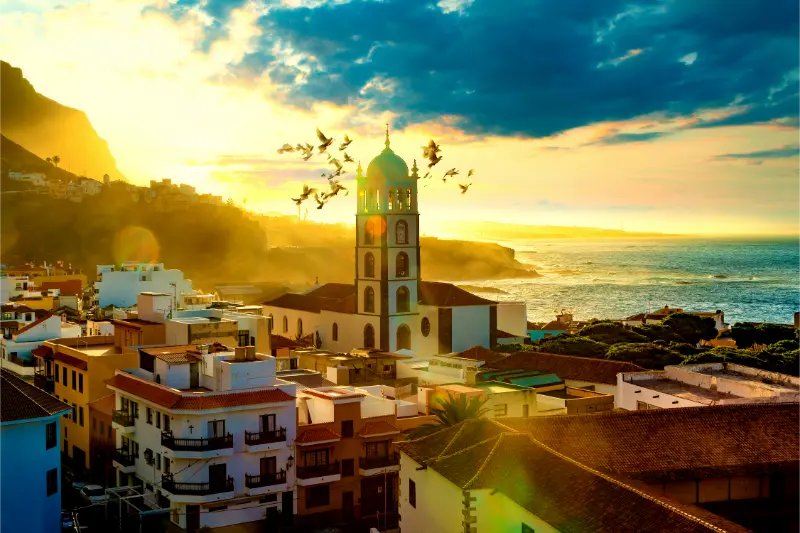
The Church of Santa Ana and former convent buildings help explain the wealth and significance of the old port. Some interiors have limited hours, so I focus on the townscape first and treat any open building as a bonus.
Castillo de San Miguel
The small coastal fortress of San Miguel is one of Garachico’s landmarks and a reminder that the old port needed defence as well as commerce. Its setting beside the volcanic shoreline makes it easy to include in the seafront walk.
El Caletón natural pools
El Caletón is one of the main reasons many visitors know Garachico. Lava formations created pools and channels along the coast that can offer a memorable swim when the Atlantic is calm enough. The important phrase is when conditions allow. Natural pools are not ordinary swimming pools, and waves can make them dangerous or lead to closures.
Check barriers, flags and local instructions when you arrive. If access is restricted, do not treat the visit as a failure. The volcanic coast is still worth seeing, and forcing a swim defeats the point of travelling safely.
The 1706 eruption and how to read the landscape
Knowing the basic story of the 1706 eruption changes how Garachico looks. Lava reached the sea and damaged the harbour that had supported the town’s commercial importance. Instead of seeing black rock as a decorative backdrop, you begin to read it as part of the town’s economic history.
This is one reason I enjoy Garachico more after visiting Teide or learning about Tenerife’s volcanic formation. The island’s geology is not confined to the national park; it shaped where communities developed and how they changed.
How long to spend in Garachico
| Time | What I would include |
|---|---|
| 1–2 hours | Historic centre + seafront |
| Half day | Add lunch and El Caletón if open |
| Full day in northwest | Combine Garachico with Icod, Buenavista or Teno |
| Overnight | Enjoy the town after day visitors leave |
A half day is ideal for most first-time visitors. If you love historic towns and quiet evenings, staying overnight can be surprisingly rewarding.
Combine Garachico with La Orotava
La Orotava and Garachico make a strong cultural day from Puerto de la Cruz. Start in La Orotava when the streets are quieter, then continue west for lunch and an afternoon in Garachico. Trying to add Teide as well turns the day into too much driving.
Use my La Orotava guide to plan the first half. If you are based in the south, consider returning by a different route only if daylight and road conditions make sense.
Garachico and Teno
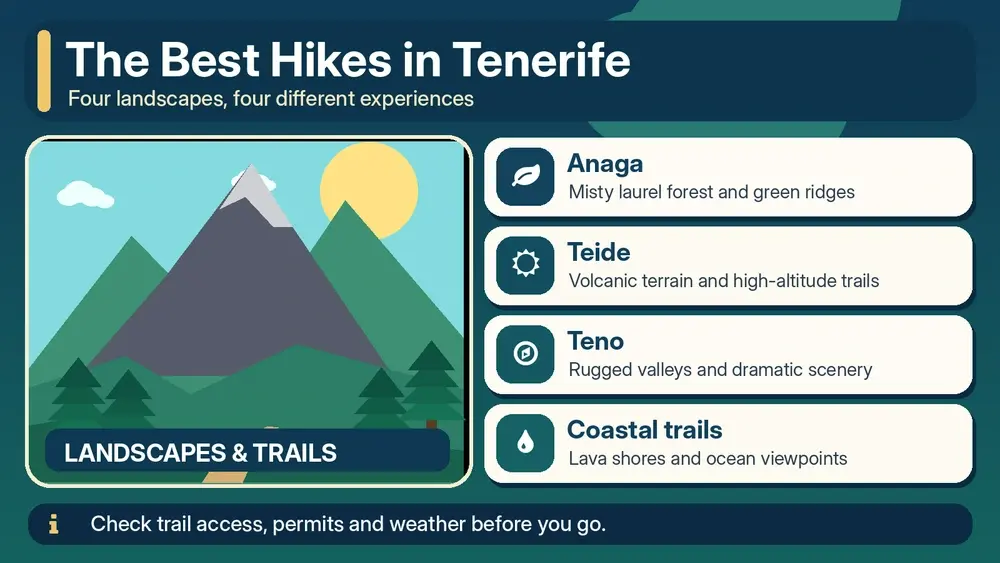
The northwest also leads toward Buenavista del Norte and Teno Rural Park. This is a beautiful extension for travellers with more than one week, but access rules around popular points such as Punta de Teno can restrict private vehicles. Check current Tenerife ON information rather than assuming you can drive everywhere.

Masca is also in the wider Teno area, but its gorge walk now has a regulated system and mandatory transport arrangements. My Masca guide explains why it should be planned separately.
Food
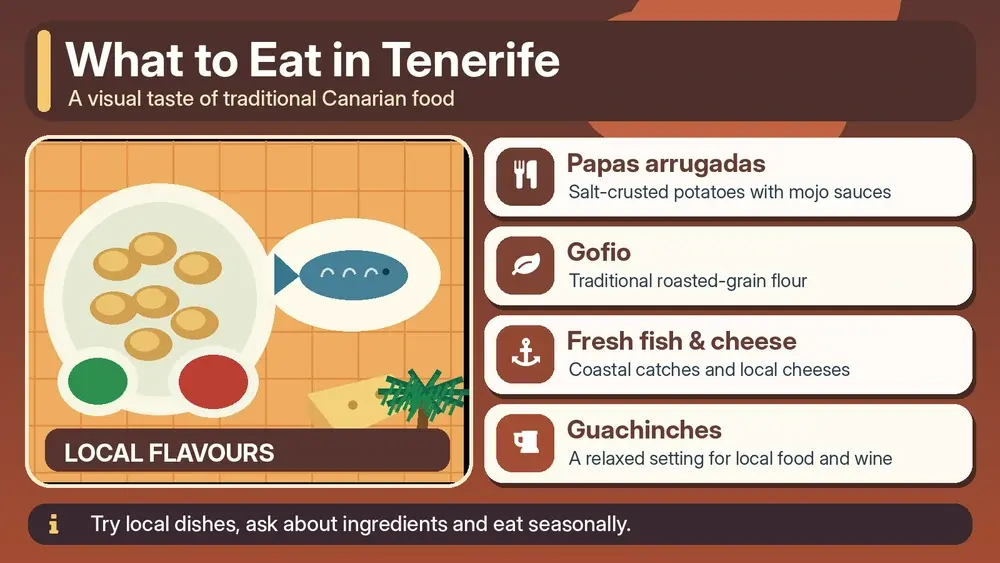
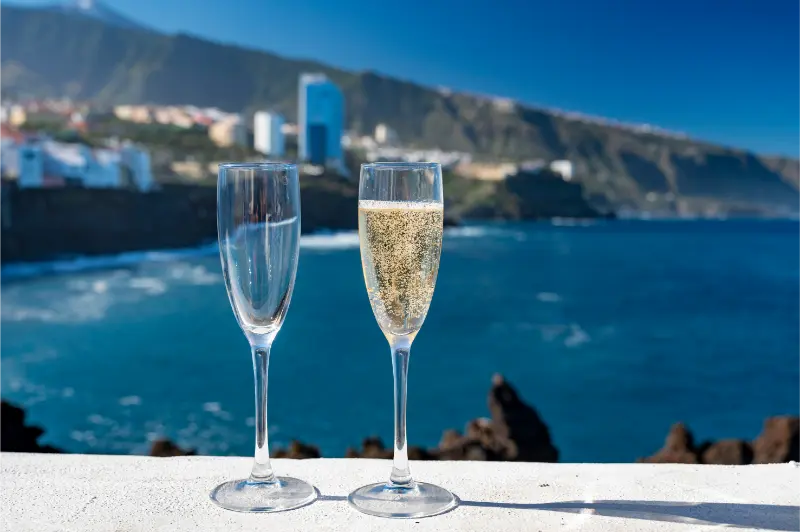
Garachico is an excellent place for a slow lunch. I look for Canarian fish dishes, octopus, potatoes with mojo, cheese and local wine rather than eating quickly to reach the next stop. The town’s pace suits a proper midday break.
For a wider island food list, see what to eat in Tenerife.
Getting there and parking
Garachico is on Tenerife’s northwest coast. The final approach is slower than motorway driving and can be busy on popular days. Parking near the centre is finite, so arriving earlier helps. If you park outside the oldest streets, the walk is short enough that I prefer that to circling for the closest possible space.
Public buses also serve the area, which can work well if you are staying in the north. For island transport strategy, use getting around Tenerife.
Where to stay
Most visitors see Garachico as a day trip, which is exactly why an overnight stay can feel special. After buses and rental cars leave, the squares become quieter and dinner feels less rushed. I would choose a historic property or small hotel in or near the old centre rather than expect large-resort facilities.

If that suits your travel style, compare accommodation in Garachico and check parking before confirming.
What to bring
- Comfortable shoes for cobbled streets.
- Swimwear only if you are willing to accept that natural pools may be closed.
- A light layer for the north-coast weather.
- Water and sun protection even on cloudy days.
- Enough time for lunch rather than a schedule built around ten-minute stops.
My ideal Garachico visit
I would arrive before late morning, walk Plaza de la Libertad and the historic streets, continue to the seafront and Castillo de San Miguel, inspect the ocean conditions at El Caletón and then have lunch. If swimming is safe, I would stay longer. If not, I would drive toward Buenavista, Icod or return slowly through the north rather than waiting for the sea to change.
For current background and municipal visitor information, see the official Tenerife tourism page for Garachico.
Natural pools are weather-dependent attractions
This point is worth repeating because it changes expectations. A natural pool is connected to the ocean, and the ocean decides whether it is safe. When a pool is closed, the correct response is to enjoy the town and coastline, not search for an unguarded entry point nearby. I build Garachico around history and food so swimming is a bonus rather than the single purpose of the visit.
A slower north-coast road trip
If I have ten days or more, I like Garachico as part of a northwestern day that begins in the Orotava Valley and ends toward Buenavista. I reduce the number of stops and increase the time spent in each. This is one of the areas where Tenerife feels most rewarding when you stop trying to complete a checklist.
Practical planning notes I would save before the trip
For Garachico Tenerife guide, I save the accommodation address, parking or bus information, one official information link and the route back to my base before leaving. Tenerife is easy to travel around, but mountain roads, microclimates and busy coastal areas can turn a simple day into a slower one. I therefore keep one optional stop that can be removed without losing the main purpose of the day.
I also carry water, sun protection and a light layer whenever the day leaves the immediate coast. Even short journeys can move from warm sunshine to wind, cloud or cooler high ground. That small amount of preparation makes it easier to respond to the island as it actually is rather than force a schedule created before arrival.
Finally, I avoid judging a destination by the busiest thirty minutes of the day. Arriving earlier, staying later, walking one street beyond the obvious viewpoint and sitting down for a proper meal often changes the experience completely. My goal with these guides is not to collect attractions but to make each place easier to understand and enjoy at a realistic pace.
I also keep the final hour of the day deliberately open. Traffic, parking, weather and a meal that lasts longer than expected are normal parts of travel in Tenerife, not problems to solve by rushing. Leaving that margin means I can stop at an unexpected viewpoint, wait for safer sea conditions, or simply stay longer in a town that I am enjoying. It also makes the return drive more comfortable because I am not trying to recover time lost earlier in the itinerary. For me, that flexibility is one of the most useful habits on an island where short distances can hide very different roads and conditions.