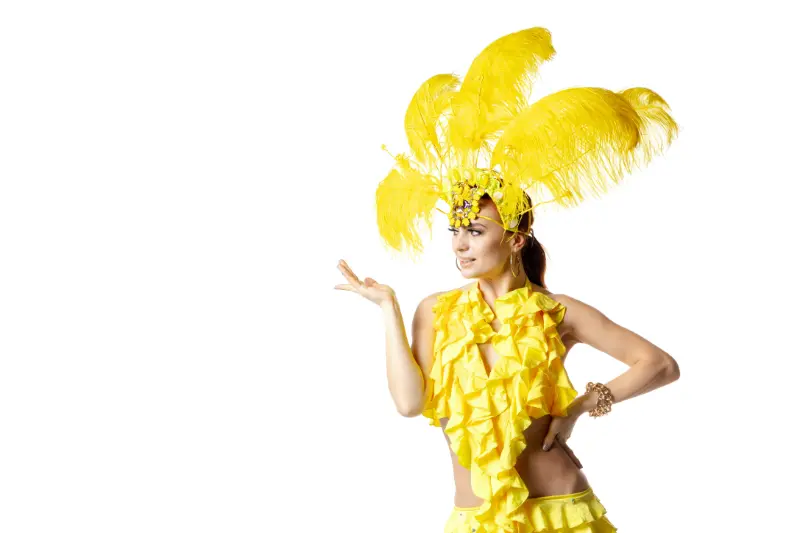
The Carnival of Santa Cruz de Tenerife is not a single parade. It is a sequence of galas, competitions, street celebrations, daytime events and traditions that build over several weeks and then spill into the centre of Santa Cruz. The first time I looked at the programme, the number of event names was confusing. Once I understood the rhythm, planning became much easier.
I treat Carnival as a city experience, not simply a party. It makes sense to combine it with my Santa Cruz de Tenerife guide and, if time allows, a day in La Laguna. Exact dates and event times change every year, so I always check the official Tenerife Carnival information before booking transport or tickets.
Understanding the Carnival calendar
The official programme begins well before the biggest street nights. Murgas, comparsas, rondallas and other groups compete and perform during the build-up. The Queen Election Gala is one of the major indoor spectacles, followed by the opening parade that brings the celebration decisively into the streets. After that, the city centre becomes the main stage.
For a short trip, I decide whether I want the grand spectacle, the street atmosphere or the more family-friendly daytime events. Trying to see everything usually creates more stress than enjoyment. A visitor who loves costumes and choreography may prioritise the gala and parade, while someone who wants the famous street experience should focus on the core Carnival weekend and the following nights.
The Queen Gala: spectacle rather than street party
The Gala de Elección de la Reina is the glamorous, theatrical side of Carnival. The elaborate costumes are enormous constructions designed for presentation on stage, and the event has a completely different feel from the free-flowing street nights. Tickets are normally required, and demand can be high.
I would choose the gala if I wanted to see the craftsmanship and scale of Carnival in a controlled setting. It is not the best choice for someone who only has one evening and mainly wants to dance in the street. If the gala matters to you, watch the official sales announcements rather than relying on third-party resale information.
The opening parade and the first big street night
The Cabalgata Anunciadora is one of the moments when the event becomes immediately understandable to a visitor: groups, costumes, music and floats move through Santa Cruz and the city shifts from preparation to celebration. It is visually rich and a good first Carnival event if you have never attended before.
After the parade, the street atmosphere continues into the night. I wear comfortable shoes and clothes I do not mind standing in for hours. Distances that look short on a map can take much longer because streets are busy and some routes are diverted. I avoid making a tight dinner reservation on the opposite side of the centre.
Street Carnival: why a costume matters
The street nights are the part many visitors imagine when they hear “Tenerife Carnival.” Music stages, bars, food stands and crowds fill central Santa Cruz. Wearing a costume is part of the social language of the event. It does not need to be elaborate; even a simple, comfortable idea helps you feel involved rather than like a spectator standing outside the celebration.
I prioritise practicality. A clever costume that is impossible to walk in becomes a burden after an hour. I avoid expensive accessories that I would be upset to lose, carry only what I need and keep my phone and wallet secure. Carnival is festive, but the same common-sense precautions I use at any huge public event still apply.
Daytime Carnival and families
Carnival is not only for late-night crowds. Daytime events create a different atmosphere and are much easier for families or travellers who do not want to stay out until the early morning. Streets can still be busy and colourful, but the rhythm is less demanding.
If travelling with children, I choose one or two daytime events rather than trying to reproduce an adult Carnival schedule. I plan regular food and rest breaks, agree on a meeting point with older children and avoid the densest late-night areas. My general family planning tips are in the Tenerife with kids guide.

The Burial of the Sardine and closing traditions
One of Carnival’s most distinctive traditions is the Burial of the Sardine, a deliberately theatrical mock funeral that mixes humour, exaggeration and spectacle. It is a reminder that Carnival has its own language and rituals, not just a sequence of concerts.
Later events and the piñata weekend extend the celebration before the season finally winds down. For visitors, the useful lesson is that there is no single “Carnival night.” Depending on arrival dates, you can experience very different versions of the festival. I choose dates based on the event I most want to see, then build the rest of the trip around it.
Where to stay during Carnival
If Carnival is the main reason for the trip, I prefer staying in or close to central Santa Cruz. It reduces the need to solve late-night transport after streets have been closed or routes modified. You can compare accommodation in Santa Cruz and then check the walking route to the central event area before booking.
La Laguna can also be a good base if accommodation in Santa Cruz is limited, but I would confirm late transport options for the specific night. Staying far in the south can work for a day visit, yet it is much less convenient if your goal is the street carnival after midnight.
Transport and road closures
Carnival changes normal traffic patterns. Roads close, bus stops move and taxi demand rises. I do not assume that a route used on a normal Tuesday will operate exactly the same way during a major street night. TITSA and the local authorities publish special arrangements closer to the event.
If I am staying elsewhere on the island, I check public transport before deciding to drive. Parking at the edge of the city and continuing on foot can be more sensible than attempting to reach the centre. My broader Tenerife without a car guide explains the island’s normal public-transport system.
Casa del Carnaval: useful even outside Carnival season
If my travel dates do not match the festival, I still like the idea of visiting the Casa del Carnaval. The museum space in Santa Cruz presents costumes, posters and audiovisual material that explain the history and creative work behind the celebration.
It is also useful before the festival because it gives context to the groups, queens and visual traditions. A traveller who understands a little of the culture behind Carnival usually gets more from the street experience than someone who arrives expecting only a generic party.
My first-timer strategy
For a first visit I would choose three anchors: one major parade or gala, one street night and one daytime session. That gives a balanced picture without exhausting the trip. I would leave the morning after the street night deliberately slow, with no Teide sunrise drive or demanding hike scheduled.
I also book accommodation early, pack a light costume, carry a small power bank and keep a screenshot of my hotel address. Most importantly, I follow the current official programme. Carnival is a living annual event, so old schedules are useful for understanding the pattern but not for planning exact times.
What to pack for Carnival
My Carnival day bag is deliberately small: phone, power bank, ID, payment card, a little cash, water and a light layer. I avoid a large backpack in dense crowds. If rain is possible, a compact waterproof layer is more useful than an umbrella, which becomes awkward among thousands of people.
For footwear I choose trainers I can stand and dance in for hours. New shoes, high heels and fragile costume pieces turn into problems quickly. The best costume is one I can still enjoy after midnight.
Respecting the city and residents
Carnival takes over central Santa Cruz, but people still live and work there. I use bins, avoid blocking doorways and treat public spaces as part of a city rather than a temporary festival site. The event is famous because local groups invest an enormous amount of work in it throughout the year.
I also avoid assuming that every costumed person is there to pose for tourists. Asking before taking a close portrait is basic courtesy and usually leads to a better interaction anyway.
Practical planning notes
Before I build a day around Santa Cruz de Tenerife Carnival guide, I check opening or access conditions, the weather in the exact part of the island, transport for the return journey and how much walking the day really involves. Tenerife rewards flexible planning because coast, mountain and urban conditions can differ sharply. I keep one alternative nearby instead of replacing a cancelled plan with a long drive to the opposite side of the island.
I also leave more time for meals and parking than a map suggests. Historic centres, beach promenades and mountain trailheads all become slower at popular times. An itinerary with some empty space usually produces better travel experiences than one that requires every transfer to work perfectly. When official restrictions or warning signs conflict with my original plan, I change the plan rather than looking for a workaround.
For accommodation, I pay attention to the real route from the property to the places I expect to use every day. Tenerife has steep streets, large resort zones and rural roads where a short straight-line distance can hide a significant climb or an inconvenient walk. Reading the map at neighbourhood level is one of the simplest ways to avoid a poor base.
Final thoughts
Santa Cruz Carnival is easiest to enjoy when I stop thinking of it as one giant event and instead choose the parts that match my travel style. The gala offers spectacle, the parade offers colour, the street nights offer participation and the daytime programme makes the festival accessible to a much wider range of visitors.

With accommodation and transport sorted in advance, the rest can be spontaneous. I leave space to wander, watch a comparsa pass, find a square full of music and experience the city at its most extroverted.