Tag: Santa Cruz de Tenerife

  • Skateparks & Skateboarding in Tenerife: Santa Cruz, BMX, Safety and Park Etiquette

    Skateparks & Skateboarding in Tenerife: Santa Cruz, BMX, Safety and Park Etiquette

    Quick summary: Tenerife has an active urban-sports scene alongside its beaches and hiking. Skateboarding, BMX, freestyle skating, parkour and calisthenics appear in municipal parks, youth programmes and events, with Santa Cruz especially visible. I check the exact park condition and opening context before travelling, bring protective gear, avoid wet or sandy surfaces, and remember that a concrete skatepark is very different from a supervised commercial attraction. Parque La Granja in Santa Cruz is one established reference point: the city has used its skatepark for municipal skate programmes and the Tenerife Urbano event.

    Before I skateWhy it matters
    Check current park statusMaintenance, events or construction can temporarily change access
    Inspect surface firstSand, rain, debris and wax can alter grip quickly
    Bring helmet/protectionConcrete parks punish small mistakes more than a beach promenade
    Carry water and sun protectionShade can be limited and sessions get hot
    Respect lines and turn-takingA busy bowl or ramp works only when riders watch each other

    Santa Cruz is the easiest starting point for urban sports

    Santa Cruz has the island’s strongest concentration of municipal sports infrastructure and a visible skate culture. The city’s 2026 summer sports programme included skate courses, and official announcements identify the skatepark at Parque La Granja as a venue. The city also hosted Tenerife Urbano 2026 there with skate, BMX freestyle, parkour, calisthenics, 3×3 basketball and freestyle skating. I use the Santa Cruz municipal sports pages to check facilities and current information rather than relying only on old map photos.

    The Cabildo also maintains a broader island sports portal and facility information. Its Tenerife sports page is useful when I want to look beyond Santa Cruz and understand municipal or island-wide programmes.

    A skatepark is not the same as skating on a promenade

    Tenerife’s flat seafront areas can look ideal for cruising, but shared pedestrian spaces are not automatically skate areas. Crowded promenades, tiled surfaces, kerbs, restaurant terraces and children can make fast skating inappropriate. I use dedicated facilities where possible and treat public-space rules as local, not universal.
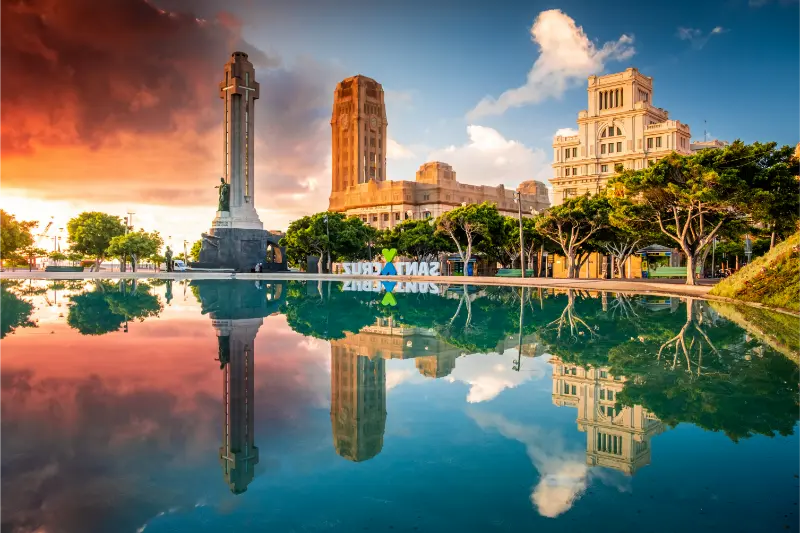
    Plaza de España reflecting pool and civic buildings in Santa Cruz de Tenerife
    Plaza de España, Santa Cruz de Tenerife.

    I also distinguish skateboarding from electric personal-mobility vehicles. An electric scooter has its own traffic and equipment rules and should not be treated as a skateboard with a motor. My electric scooter rules in Tenerife guide covers that separate topic.

    Weather matters more than many visitors expect

    Concrete plus rain is a bad combination. Tenerife can be sunny on one coast and damp elsewhere, and a shower may leave shaded ramps wet longer than nearby streets. I inspect the transitions before committing. Wind also matters: a strong crosswind can alter balance on ramps and make lightweight boards or loose gear move unexpectedly.

    Heat is the other problem. Midday sun can make a park uncomfortable even in winter, especially where there is little shade. I prefer mornings or later afternoons, bring water and use sunscreen. The volcanic climate can feel mild in the air while UV exposure is still strong.

    What I bring for a holiday skate session

    I travel lighter than I would for a competition but do not skip basic protection. A helmet is the obvious item, and knee, elbow or wrist protection makes sense depending on my level and whether I am learning new tricks. I bring a small skate tool, spare hardware if I have room and a reusable water bottle.

    For air travel, I check the airline’s baggage rules before strapping a board to a cabin bag. Policies differ by carrier and can change. My sports equipment flying guide explains the broader process I use for unusual baggage.

    Park etiquette: the unwritten rules are mostly common sense

    I watch before dropping in. At a bowl or ramp, another rider may already be setting up a line that is not obvious from where I stand. I do not sit on coping, leave bags on run-outs or cross a landing zone while someone is moving. When the park is busy, I take a turn and clear the line rather than repeatedly cutting back in.

    Beginners deserve space too, but learning a new trick in the fastest line during peak time is stressful for everyone. If I am teaching a child, I choose a quieter corner or quieter time and stay close enough to prevent unpredictable crossings.

    Skating with children and teenagers

    For families, I check whether the facility is appropriate to the child’s actual ability. A skatepark may contain steep bowls or large transitions with no separate beginner zone. A confident scooter rider on a flat path is not automatically ready for a concrete quarter pipe.

    I also think about supervision, toilets, shade and nearby food rather than only the ramps. My Tenerife playgrounds and family parks guide can help combine a skate stop with facilities that work for younger siblings.

    BMX, scooters and inline skates: mixed-use parks need awareness

    Some parks are used by skateboards, BMX, stunt scooters and skates at the same time. Different equipment creates different speeds and turning radii. I do not assume one group has priority simply because the park name says “skate.” I observe the local rhythm and communicate before entering a shared line.

    BMX riders need more space, while young scooter riders can change direction very quickly. A few seconds of eye contact can prevent collisions. Headphones also reduce awareness, so I keep volume low or leave one ear free in a crowded park.
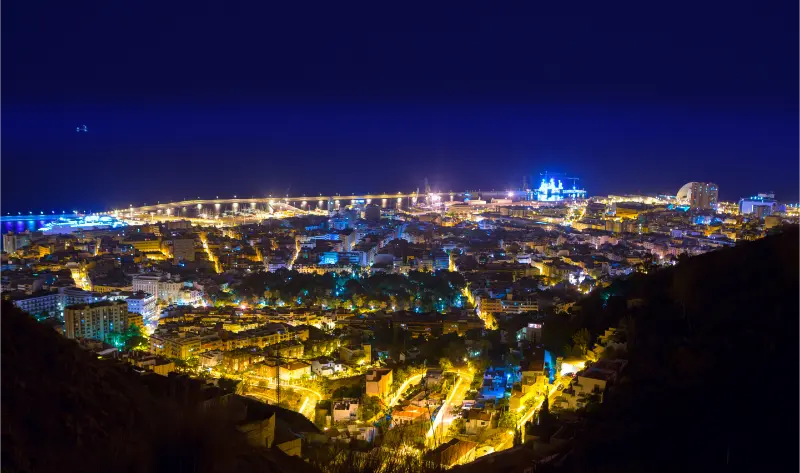
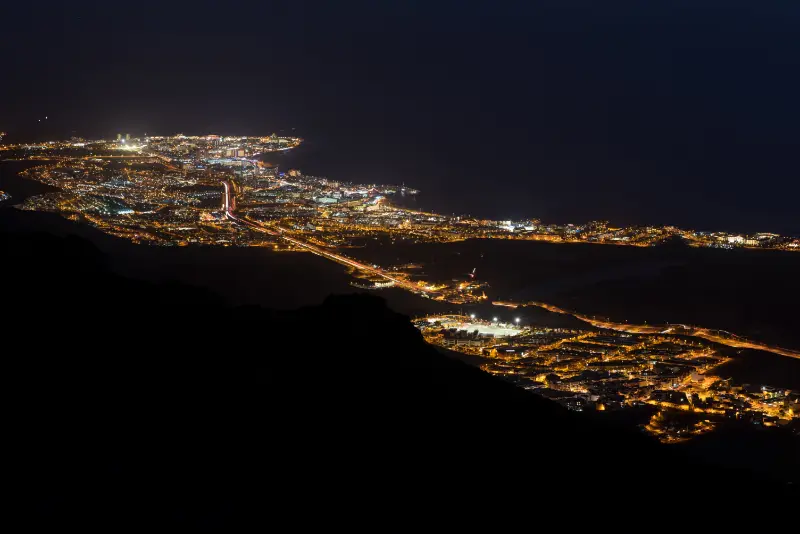
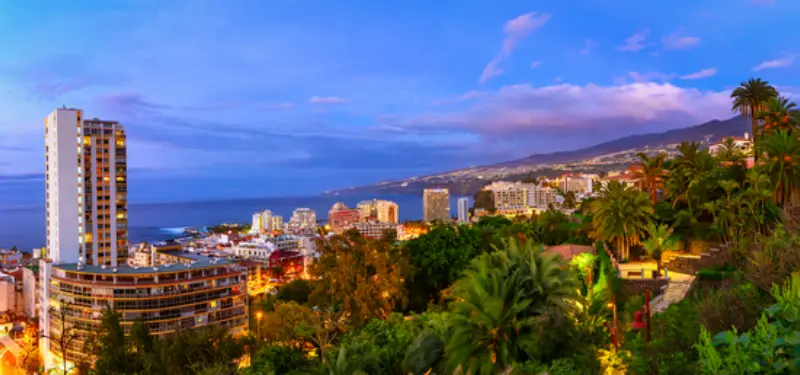
    Santa Cruz De Tenerife At Night

    Do not use protected natural areas as improvised skate terrain

    Tenerife’s volcanic surfaces can look visually perfect for a video, but protected landscapes are not film sets. I do not ride on sensitive geological formations, historic steps, monuments or surfaces where grinding damages stone. Urban skating should not leave wax, scratches or broken edges on heritage sites.

    If filming, I keep tripods and bags outside active lines and avoid blocking pedestrian access. A short clip is not worth creating a conflict with local residents or damaging a public space.

    Finding events, workshops and community sessions

    Municipal summer programmes and urban-sport festivals can be a good way to discover the local scene. The official Santa Cruz announcement for its 2026 summer programme, for example, included skate among more than 2,700 places across youth sports activities. These programmes change by season, so I search current municipal sports pages rather than copying an old schedule into my trip plan.

    For independent sessions, local skate shops and social media can reveal jams, lessons or temporary events. I verify the date carefully because old event posters often continue circulating in search results.

    FAQ: skateparks in Tenerife

    Is Parque La Granja a real skate location?

    Yes. Santa Cruz municipal communications refer to the skatepark at Parque La Granja and have used it for skate courses and urban-sports events. I still check current access and maintenance before making a special trip.

    Santa Cruz De Tenerife Colorful Architecture

    Can I rent a skateboard easily?

    Rental is less standardised than surf or bike hire. I search local skate shops and schools in the area I am staying and confirm availability in advance, especially for children’s sizes and protective gear.

    Is skating comfortable at midday?

    Often not. Strong sun, hot concrete and limited shade can make midday the least pleasant time. Morning or late afternoon is usually easier.

    Can beginners use public skateparks?

    Yes if the layout suits them and they understand park etiquette, but I choose a quiet time and appropriate features rather than starting in a busy bowl.

    My practical approach

    Tenerife adds an interesting urban-sports layer to a trip that might otherwise be all beaches and mountain trails. I use official facility information, inspect conditions on arrival and ride within my level. Good skatepark etiquette is simple: protect myself, watch other lines, keep the surface clear and leave the place exactly as I found it.

    Renting or buying a board for a short Tenerife stay

    Skateboard rental is not as standardised as surfboard or bicycle rental on the island. For a dedicated skating trip, bringing my own board gives me familiar trucks, wheel hardness and deck width. For a casual session, I contact a local skate shop or school and ask whether they rent complete setups and protective gear. I do not assume a scooter-rental business also has skateboards.

    If I buy a cheap complete board for a child, I still check that the trucks turn properly, bearings roll smoothly and hardware is tight. A toy-store board can be frustrating on ramps if wheels or bushings are poor. For only one afternoon, borrowing through a lesson can be safer and simpler than buying equipment I then need to carry home.

    Filming tricks without blocking the park

    Tenerife light makes skate videos tempting, but a phone held in the middle of a line is a collision hazard. I film from outside the active path, keep tripods against a boundary and never ask another rider to repeat a risky trick because my first clip was badly framed. If children are visible, I avoid publishing identifiable footage without permission.

    For more serious filming I arrive at a quiet time rather than trying to control a busy public park. Early sessions usually give cleaner backgrounds, cooler concrete and fewer conflicts. I also remember that music played for a video shoot should not dominate a shared space.

    Transporting a skateboard on buses or in a rental car

    On public transport I keep the board controlled rather than letting it roll or project into the aisle. In a car I do not leave it loose on the rear shelf where hard braking could turn it into a projectile. A compact board bag or simply placing it flat in the boot makes the trip safer and keeps grip tape away from upholstery.

  • Casa del Carnaval Santa Cruz Guide: Free Museum, Costumes and Visit Tips

    Casa del Carnaval Santa Cruz Guide: Free Museum, Costumes and Visit Tips

    Casa del Carnaval is the place I would visit in Santa Cruz when I want to understand the Carnival outside the few intense weeks when the city is actually celebrating it. Instead of seeing the event only as parades and nightlife, the museum explains costumes, music, groups, posters and the creative work that keeps the festival alive throughout the year.

    The official Casa del Carnaval website describes a permanent exhibition with multimedia displays, Carnival posters, costumes and interactive elements. The current contact information lists Calle Aguere 19 in Santa Cruz and opening hours from 10:00 to 18:30 Monday to Sunday. Recent official notices also state that admission is free, with free tickets available through the website. Because exhibitions and access systems can change, I confirm those details before travelling.

    Quick visit facts

    LocationCalle Aguere 19, Santa Cruz de Tenerife
    Current listed hoursMonday–Sunday, 10:00–18:30
    AdmissionFree according to recent official notices; check current booking
    Best forCarnival history, costumes, posters, music and multimedia
    Time I allow60–90 minutes
    Combine withHistoric centre, market, TEA or Auditorio

    Why I think it is more useful than a simple Carnival photo stop

    Santa Cruz Carnival can be overwhelming if I encounter it only through images of the main gala. Casa del Carnaval gives names and roles to the different communities involved: murgas, comparsas, rondallas, musical groups, designers and Carnival characters. That context makes the live festival much easier to understand later.

    It is also valuable outside Carnival season. If my trip is in May, September or November, I can still see elaborate costumes and learn how the annual event changes. My Santa Cruz Carnival guide then becomes more useful because the terminology is no longer abstract.

    What the permanent exhibition includes

    The official description mentions the current Carnival Queen costume as a central display, along with posters, audiovisual material and screens explaining different aspects of the festival. Displays are designed to change, so I do not arrive expecting one specific costume from an old social-media post.

    There are also interactive elements associated with costumes, masks, wigs and musical instruments. I see these as an opportunity to understand the craftsmanship behind Carnival, not just as a place for novelty photographs.

    Carnival vocabulary I learn before a live event

    A short museum visit is much more useful when I use it to decode the vocabulary I will hear during Carnival. Murgas are satirical singing groups whose performances mix music, costumes and topical humour; comparsas place much more emphasis on dance, percussion and spectacular street presentation; rondallas bring a different musical tradition; and the Carnival Queen gala highlights enormous wearable designs that are closer to mobile stage architecture than ordinary clothing. I also pay attention to posters, costume sketches and references to designers because they reveal how much work happens months before a parade. I do not try to memorise every category in one visit. Instead, I leave with a few names and roles that help me recognise what I am seeing later in the streets or on television. That small amount of context turns Carnival from a colourful spectacle into a cultural event with distinct communities, competitions and creative traditions.

    Temporary exhibitions and why I check them

    The museum has a multipurpose space used for temporary exhibitions, talks, workshops and presentations. This is one of the reasons I always check the official site a few days before visiting. A temporary show on rondallas, murgas, posters or design can change the balance of the visit and may be the most interesting part for a repeat visitor.

    Best time to visit

    On a normal sightseeing day I would place Casa del Carnaval in the hotter middle part of the afternoon, then return outside for Santa Cruz’s plazas and pedestrian streets. During Carnival or major city events, I expect transport and opening arrangements to be less predictable and I verify everything again.

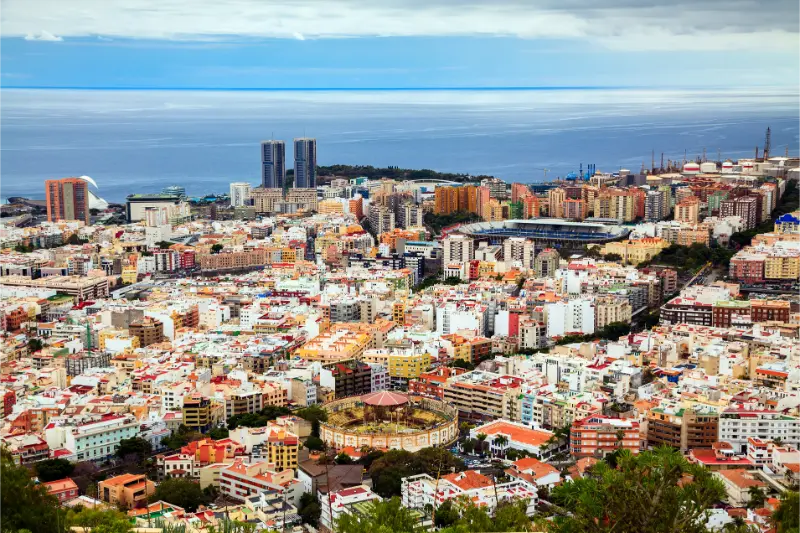
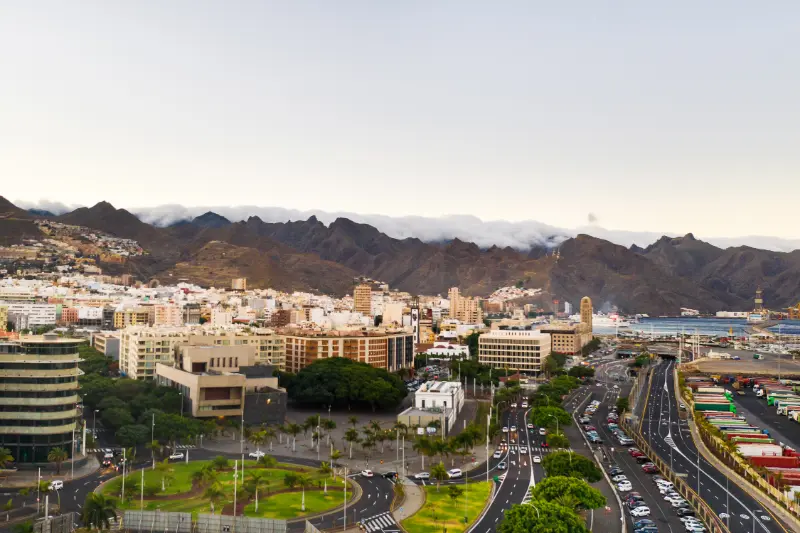
    Panoramic View Of Santa Cruz De Tenerife

    If I am visiting the city for the first time, my Santa Cruz de Tenerife guide helps connect the museum with Mercado Nuestra Señora de África, TEA, Parque García Sanabria and the Auditorio.

    Getting there

    The central location makes the museum practical without a car. I prefer public transport when spending a full day in Santa Cruz because parking can add unnecessary time. If I drive, I choose a legal public car park and walk rather than circle the centre looking for the closest street space.

    Official information to check

    I use the official Casa del Carnaval website for current hours, ticket reservations, contact details and temporary activities. The site lists Calle Aguere 19 and the 10:00–18:30 daily schedule at the time of this update, but I always recheck around holidays and festival dates.

    How much time I would allow

    I would normally allow between one and two hours for Casa del Carnaval, then keep the rest of the day for the surrounding historic centre. Museums and interpretation centres are most useful when I do not rush through every panel. I choose the sections that interest me, read enough context to understand what I am looking at and then continue outside with a clearer sense of place.

    This is why I combine the visit with my Santa Cruz de Tenerife guide rather than treating the museum as an isolated stop. A coffee, market visit or short walk afterwards gives the information from the displays somewhere to “land” in the real city.

    Plaza de España reflecting pool and civic buildings in Santa Cruz de Tenerife
    Plaza de España, Santa Cruz de Tenerife.

    Opening hours and tickets: what I verify

    Hours, temporary exhibitions and ticket systems can change, especially around public holidays, Carnival, Christmas and local events. I therefore use the official website as the final source on the day before visiting. If free timed entry or advance booking is offered, I reserve it rather than assume I can walk in at the busiest hour.

    I also check whether bags, tripods, food, flash photography or large groups have specific rules. These small details are easy to overlook and can matter more than the headline ticket price.

    Who I think gets the most from the visit

    Casa del Carnaval works best for travellers who want context, not only a list of sights. It is particularly useful on a cloudy day, for repeat visitors, for families with older children who like interactive or visual displays, and for anyone trying to understand Tenerife beyond beaches and viewpoints. I would not force a museum into every itinerary, but I think one or two well-chosen cultural visits make the rest of the island easier to read.

    Accessibility and comfort

    Before travelling with a wheelchair, stroller or limited mobility, I confirm the current accessibility information directly with the venue because historic buildings can have level changes, lifts or temporary restrictions. I also check nearby parking or the walking distance from a bus/tram stop. My broader accessible Tenerife guide is useful for planning the whole day rather than only the museum entrance.

    A good cultural cluster in Santa Cruz

    My preferred sequence is Mercado Nuestra Señora de África in the morning, TEA or MUNA around late morning, lunch, Casa del Carnaval in the afternoon and a walk through the centre or García Sanabria afterwards. I do not try to visit every museum. Two cultural stops with time for the city outside usually feel richer than five rushed interiors.

    Frequently asked questions

    Is Casa del Carnaval only worth visiting during Carnival?

    No. Its main purpose is to make Carnival accessible throughout the year, and exhibitions are updated to reflect the festival’s continuing history.

    Is admission free?

    Recent official museum notices describe free admission with online free tickets. Because ticket procedures can change, I confirm on the official site immediately before visiting.

    How long do I need?

    I would allow about an hour for a focused visit and up to 90 minutes if temporary exhibitions or multimedia displays interest me.

    Final thoughts

    Casa del Carnaval is small compared with a national museum, but it adds something important to a Tenerife trip: cultural context for a festival that shapes Santa Cruz far beyond the parade route. I would visit before Carnival if possible, then watch the live event with a much better understanding of the groups, costumes and traditions involved.

    How I prepare before entering

    I read just enough before the visit to know the basic story, but I do not try to learn the entire collection online. A museum is more engaging when I recognise a few themes and still have room to discover something new. I save the official page and any digital guide, then put my phone away for parts of the visit.

    Santa Cruz De Tenerife At Night

    I also check the last admission time, not only the closing time. Some venues stop entry before the doors close, and temporary events can affect normal access. If I am building the day around a specific exhibition, I verify that it is still running.

    Photography without missing the museum

    If photography is permitted, I take a few images that help me remember an object or display and then keep moving. Photographing every label usually means I read nothing properly. For historic interiors I avoid blocking narrow passages, leaning on cases or using flash unless it is explicitly allowed.

    What I do after the visit

    I give myself ten minutes afterwards to walk without another objective. Museums can be dense, and the transition back into the city is often when the information becomes useful. I notice architecture, shop signs, festival posters or craft objects differently because I now have a context for them.

    This is also when I decide whether I need another museum. Often I do not. One strong visit plus a market, neighbourhood or historic street produces a more varied day than moving from ticket desk to ticket desk.

  • Playa de Las Gaviotas Tenerife Guide: Black Sand, Nudism and Anaga Coast Tips

    Playa de Las Gaviotas Tenerife Guide: Black Sand, Nudism and Anaga Coast Tips

    Playa de Las Gaviotas is one of the Tenerife places I plan around conditions rather than treating as a box to tick. Plan Playa de Las Gaviotas near Santa Cruz with fine black sand, Anaga cliffs, parking, bus access, nudism, no-dog rules and Atlantic swimming safety.

    My approach is simple: understand what makes Playa de Las Gaviotas distinctive, verify the practical details that can change, and then fit it into a geographically sensible day. That matters on Tenerife because a short distance on the map can involve mountain roads, limited parking, a completely different microclimate or an exposed Atlantic shore.

    Quick planning facts

    Municipality Santa Cruz de Tenerife
    Length About 250 m
    Width About 40 m
    Sand Fine black volcanic sand
    Type Isolated beach
    Parking Yes, fewer than 50 spaces
    Bus Interurban bus listed
    Naturism Common/allowed
    Dogs Not allowed according to official listing

    How Las Gaviotas differs from Las Teresitas

    These two beaches are geographically close but feel almost opposite. Las Teresitas is broad, golden, highly serviced and sheltered; Las Gaviotas is smaller, black, less developed and backed by the steep Anaga massif. I choose between them based on mood rather than asking which is universally better.

    If I have visitors who want an easy family beach, Las Teresitas often wins. If I want volcanic sand and a quieter natural setting, Las Gaviotas is more distinctive.

    Naturism and beach etiquette

    The official tourism page notes that nudism is practised here. I treat that as part of the beach’s culture and keep the atmosphere relaxed and respectful. I do not photograph strangers and I avoid making naturism the spectacle of the visit.

    The same basic etiquette applies to everyone: keep noise reasonable, take rubbish away and do not block the limited parking while waiting for a space.

    A small parking area changes how I plan the day

    Fewer than 50 official parking spaces means timing matters. I arrive earlier than I would for a large urban beach and keep a backup plan, usually Las Teresitas or San Andrés, so I never need to squeeze into unsafe roadside spaces.

    Using the bus can be a good alternative, but I verify the current timetable because coastal frequencies and stops can change.

    Access, parking and how I arrive

    The beach is reached by road and has parking directly nearby, but the official listing says fewer than 50 spaces. Interurban bus access is also listed. I check road status because the final approach sits below steep terrain.

    I check the route before leaving and save the location offline. Around Santa Cruz de Tenerife, beyond San Andrés, I avoid blocking driveways, farm tracks, bus stops or emergency access even if other cars are doing it. If the legal parking is full, I use my backup stop instead of turning a narrow local road into an improvised car park.

    For public transport I use the method in my Tenerife bus guide: I verify the current TITSA timetable on the day, identify the final useful return service and allow extra time for connections. Rural and coastal buses can be excellent, but they do not always run at resort-level frequency.

    Conditions, weather and the best time of day

    My preferred timing is A calm-sea morning before the small parking area fills. Tenerife’s microclimates are strong enough that I never rely on one island-wide forecast. I check the exact municipality, wind and, for coastal places, sea state; for mountain areas I also look at temperature and cloud at the relevant altitude.

    I keep the schedule flexible. A cloudy mountain morning can become a good coast afternoon, while rising wind at the beach may be a reason to switch to a village or museum. This is one of the easiest ways to enjoy Tenerife more: build alternatives into the route instead of forcing the original plan.

    My broader Tenerife weather by month guide explains why north, south, high mountain and trade-wind zones can feel like different destinations on the same day.

    Safety: what changes my decision on the day

    The tourism page says waves are not usually strong, yet it explicitly recommends caution depending on sea conditions. I watch the water for several minutes before entering and leave extra distance from the cliff if there are rockfall warnings or barriers.

    I also use the principles in my Tenerife safety guide. A place being popular on social media does not make it safe under every condition. I turn around for closed access, red flags, rockfall warnings, wildfire restrictions, strong wind or any situation that feels outside my experience.

    I tell someone my plan when I am walking alone, keep enough phone battery for navigation and emergency calls, and avoid depending on mobile coverage in ravines or remote mountain areas. For an emergency in Spain and the Canary Islands, 112 is the general emergency number.

    What I bring

    My basic Tenerife day kit is water, sun protection, a charged phone, a light layer and footwear suited to the actual surface. I add a windproof or waterproof layer for Anaga and higher ground, and water shoes only where rocky swimming access makes them useful. I never use flip-flops as hiking shoes just because the trail starts near a beach.

    I also carry a small bag for rubbish and enough food that I am not dependent on finding an open café at exactly the right time. In rural areas, opening hours can be limited or seasonal, and I prefer buying locally when I do stop.

    How I connect this stop with the rest of Tenerife

    I avoid crossing the island just for one short stop. Around Santa Cruz de Tenerife, beyond San Andrés, I build a small cluster and choose two or three substantial experiences. Useful related guides are San Andrés guide, Las Teresitas guide, Anaga Rural Park guide.

    This approach reduces driving, creates more time for food and unplanned viewpoints, and makes it easier to adapt to weather. On a one-week trip especially, a calm regional day is usually more satisfying than collecting distant pins from a map.

    Who I think will enjoy it most

    Playa de Las Gaviotas works best for travellers who appreciate a isolated fine black-sand beach below the Anaga cliffs and are willing to adapt to local conditions. I would not choose it simply because a photograph looks dramatic; I choose it when the access, weather and pace match the people I am travelling with.

    Families, older travellers, photographers and hikers can all enjoy Tenerife differently. I compare walking surface, shade, toilets, distance from the car and escape options before promising that a place suits everyone. That small bit of planning prevents a scenic stop from becoming an uncomfortable obligation.

    Photography without turning the place into a photo set

    I usually prefer early or late light, but I never step beyond barriers or onto unstable rock for a cleaner composition. Wide-angle views explain Tenerife’s scale, while details such as volcanic texture, vegetation, old paths and fishing infrastructure often tell a more original story than another posed viewpoint shot.

    When people are present, I respect privacy. On beaches where naturism is common, I am especially careful not to photograph strangers. In protected natural areas I do not move rocks, pick flowers or leave the trail to create a foreground.

    Responsible travel habits I use here

    Playa de Las Gaviotas is part of a lived landscape, not an attraction separated from local life. I keep noise low near homes, never block access, take all rubbish away and use toilets or bins where they exist. On protected land I stay on legal routes and do not collect plants, stones or archaeological material.

    I also try to spend something in the surrounding area when it makes sense: a coffee, meal, market purchase or locally run accommodation spreads the value of tourism beyond the most obvious resort businesses. Respectful travel is mostly a collection of ordinary decisions.

    Three mistakes I avoid

    First, I do not trust an old screenshot more than a current official notice. Beach access, hiking permits, road restrictions and protected-area rules can change. I check again close to the visit.

    Second, I do not assume “Tenerife weather” is one forecast. A sunny app icon for the airport tells me very little about Anaga cloud, north-coast swell or conditions above 2,000 metres.

    Third, I do not overfill the day. One good walk or beach, one cultural or food stop and one flexible extra usually produces a better memory than six rushed locations.

    Where I would stay for this area

    I choose accommodation for the wider itinerary, not only for one beach. If this part of the island is going to be a recurring base, I compare accommodation in the wider area on Booking.com and then check the exact walking route, parking situation and bus stop before booking.

    For a first trip I often prefer a base with restaurants and transport within walking distance, then use day trips for quieter coves. On repeat visits, a smaller village can make more sense if I value evenings without resort crowds.

    Official information I check before leaving

    I use the official Turismo de Tenerife Las Gaviotas page for the core facts in this guide. For permits, protected-area status, closures or trail conditions I also check the responsible public authority or Tenerife ON where applicable.

    I treat opening hours, access rules and transport times as live information. The article gives me a planning framework, but the final decision is based on the official notice closest to the date of travel.

    My realistic half-day or day plan

    I start with Playa de Las Gaviotas as the priority and give it enough time that I do not feel rushed. Afterwards I choose one nearby place from the same cluster rather than driving across Tenerife. Lunch or coffee becomes a natural pause, especially on mountain or coastal roads where concentration matters.

    If conditions are wrong, I switch early rather than waiting for the day to improve. I always have a Plan B that is safer and geographically close: a village, museum, promenade, market or more sheltered beach. That flexibility is one of the most useful habits I have developed for island travel.

    Frequently asked questions

    Is Las Gaviotas a black-sand beach?

    Yes. It has fine black volcanic sand below the Anaga cliffs.

    Is nudism allowed?

    The official tourism page notes that nudism is practised at the beach.

    Is there parking?

    Yes, but the official listing says fewer than 50 spaces.

    Can dogs go on the beach?

    The official listing says dogs are not allowed.

    What is the easiest nearby alternative?

    Las Teresitas is the obvious alternative if parking is full or I want more services and a more sheltered swimming environment.

    Final thoughts

    Playa de Las Gaviotas earns a place in my Tenerife plans because it adds a specific landscape or local experience rather than repeating something I can find anywhere on the island. I get the most from it when I respect the conditions, keep the day geographically simple and leave enough time to notice the surroundings instead of rushing onward.

    I would rather miss a stop because access is closed, the sea is rough or the weather is wrong than force an unsafe visit. Tenerife will still be there on another day, and the ability to change plans is part of travelling well on an island shaped by mountains, wind and the Atlantic.

  • Mercado Nuestra Señora de África Guide: What to Eat and Buy in Santa Cruz

    Mercado Nuestra Señora de África Guide: What to Eat and Buy in Santa Cruz

    Mercado Nuestra Señora de África is the place I would visit in Santa Cruz when I want the city to feel like somewhere people actually live, shop and eat rather than a sequence of monuments. Known locally as La Recova, the market is one of the capital’s most distinctive everyday spaces: fruit, vegetables, meat, fish, cheese, flowers and prepared food sit within a historic market complex that is still part of local routines.

    Tenerife Tourism describes it as the main market of Santa Cruz, founded in the 1940s and home to more than 200 traders. Its current market guide lists opening hours of 06:00–14:00 Monday to Saturday and 07:00–14:00 on Sunday. Because individual stalls and food businesses can keep different hours, I would arrive in the morning rather than build a visit around the final hour.

    Quick planning facts

    LocationSanta Cruz de Tenerife
    Common nameLa Recova / Mercado Nuestra Señora de África
    General market hoursMon–Sat 06:00–14:00; Sun 07:00–14:00 according to Tenerife Tourism
    Best time for visitorsMorning, especially before late-morning crowds
    What I would look forLocal fruit, cheese, honey, fish, meat, Canarian products and prepared food

    I would check the official Tenerife Tourism market page and the broader Tenerife markets information before travelling if timing is important.

    Why I would put the market near the start of a Santa Cruz day

    Markets are better in the morning. Produce displays are fuller, fish activity is livelier, and I can have coffee or a snack before the city gets hotter. I would then continue on foot toward the historic centre, TEA, MUNA or the waterfront.

    Starting here also changes how I see Santa Cruz. Instead of approaching the capital only through shopping streets and architecture, I begin with food, conversation and everyday logistics. That gives the rest of the city more context.

    What I would buy

    I would prioritize products that actually connect me to Tenerife: island-grown fruit and vegetables, Canarian cheeses, honey, local sauces, dried products and packaged specialties that travel well. I would ask vendors what is in season rather than arrive with a rigid souvenir list.

    For cheese, I would look at milk type and maturity instead of assuming “local” means one style. For honey, I would read the label and origin. For fruit, I would buy only what I can realistically eat during the trip; a hotel room full of ripe tropical fruit is not a good souvenir strategy.

    The fish area

    The fish section is one of the most interesting parts even if I am not self-catering. It gives me a better idea of what appears later on restaurant menus and how Tenerife’s relationship with the sea differs from a generic “Spanish seafood” image.

    If I am staying in an apartment, I would ask what is easiest to cook and how the fish is typically prepared. I would not buy something unfamiliar simply because it looks impressive if I do not have the equipment or confidence to prepare it properly.

    Eating at the market

    One of the best reasons to visit is that the market is not only for grocery shopping. Tenerife Tourism notes that markets such as Nuestra Señora de África have food stalls and cafés where visitors can try local products and simple prepared dishes. I would arrive hungry enough for a second breakfast, tapas or an early lunch.

    I would avoid assuming that every popular stall has instant seating. At busy times I would be flexible, share small plates and treat the market as a tasting stop rather than demand a formal restaurant experience.

    Products I would look for as edible souvenirs

    For luggage-friendly gifts, I would consider sealed mojo sauces, honey, local salt or packaged sweets, always checking airline and destination-country rules. Cheese can be excellent but needs better temperature planning. Wine is an obvious Tenerife souvenir, but checked-baggage weight and breakage risk matter.

    My Tenerife food guide explains the dishes and ingredients I would learn to recognize before visiting the market.

    How the market fits with Santa Cruz sights

    The market is close enough to several important places that I would not visit it as an isolated destination. MUNA is a natural next stop if I want archaeology, Guanche history and natural science. TEA works if I prefer contemporary art and architecture. From there I can continue toward the Auditorio and waterfront or walk back into the centre.

    Aerial View Of Santa Cruz De Tenerife

    My Santa Cruz guide, MUNA guide and TEA guide make an easy cultural route.

    My ideal half-day around La Recova

    I would arrive around breakfast time, walk the market slowly, have coffee and buy a few local products. I would then visit MUNA or TEA, continue toward Plaza de España and the historic streets, and have lunch in the centre. If the weather is good and I have a car or bus plan, Las Teresitas can become the afternoon.

    This is a better rhythm than trying to visit the market after a beach day, when many stalls may already be closed.

    Sunday or weekday?

    The official tourism information says the market opens on Sunday, which is useful for weekend trips. I would still choose a weekday or Saturday if I specifically want the broadest possible mix of traditional food shopping and city activity, because individual traders may vary.

    Sunday can be excellent for atmosphere, but I would verify any particular stall before travelling across the island solely for it.

    Paying: cash or card?

    I would carry both. Many businesses accept cards, but small purchases are easier when I have some cash. I would not withdraw large amounts from an unfamiliar tourist ATM just for the market; my money in Tenerife guide explains the practical approach I use.

    Parking and arriving without a car

    The official tourism listing notes parking for customers, but I would not rely on a guaranteed space at peak time. Santa Cruz also works well by tram and bus, depending on where I am coming from. If I am staying in the city centre, I would walk.

    For a city day, leaving the car parked once is better than moving it between every attraction. Santa Cruz is most enjoyable when I treat the central area as a walking itinerary.

    Where I would stay in Santa Cruz

    If the market, museums and local restaurants matter more than resort beaches, staying in the capital can be a smart choice. I would compare Santa Cruz accommodation on Booking.com and check whether the hotel has parking if I am also exploring Anaga or the north by car.

    Market etiquette I would follow

    I would not photograph vendors at close range without asking, touch produce unnecessarily or block a working counter while filming. I would greet people, ask questions when the stall is not busy and accept that this is a functioning market before it is a visitor attraction.

    If I sample something, I would be prepared to buy if I genuinely like it. Respectful curiosity usually creates a better experience than treating every counter as free entertainment.

    How La Recova differs from farmers’ markets

    Nuestra Señora de África is an urban municipal market with a wide range of traders and food businesses. Tenerife also has farmers’ markets where producers sell more directly from agricultural areas. I would visit both if food is a major interest because they reveal different parts of the island’s food system.

    Panoramic View Of Santa Cruz De Tenerife

    My Tenerife markets guide helps compare the options.

    Common mistakes I would avoid

    • Arriving close to closing time and expecting every stall to be operating.
    • Buying fresh products that will not survive the rest of the travel day.
    • Treating the market as a museum rather than a workplace.
    • Planning to drive between every central Santa Cruz attraction.
    • Buying food souvenirs without checking baggage and customs rules for the destination country.

    Frequently asked questions

    What time does Mercado Nuestra Señora de África open?

    Tenerife Tourism currently lists 06:00–14:00 Monday to Saturday and 07:00–14:00 on Sunday. Individual businesses can vary.

    Can I eat there?

    Yes. The market includes food and café options, making it useful for breakfast, snacks or an early lunch.

    Is it worth visiting if I am not cooking?

    Yes. I would visit for the food culture, prepared dishes, local products and atmosphere even if I am staying in a hotel.

    What should I buy as a souvenir?

    Sealed honey, mojo, sweets and other packaged Canarian products are practical; I would always check travel restrictions.

    How long do I need?

    About one to two hours works for most visitors, longer if I eat there or enjoy food shopping.

    My final take

    Mercado Nuestra Señora de África is one of the places where I would go to understand Santa Cruz through food rather than through sightseeing alone. I would visit early, eat something, ask what is seasonal, buy only what I can use and then continue through the city on foot. It is simple, local and far more revealing than another generic souvenir shop.

  • Santa Cruz de Tenerife Carnival Guide: Parades, Street Nights and Practical Tips

    Santa Cruz de Tenerife Carnival Guide: Parades, Street Nights and Practical Tips

    The Carnival of Santa Cruz de Tenerife is not a single parade. It is a sequence of galas, competitions, street celebrations, daytime events and traditions that build over several weeks and then spill into the centre of Santa Cruz. The first time I looked at the programme, the number of event names was confusing. Once I understood the rhythm, planning became much easier.

    I treat Carnival as a city experience, not simply a party. It makes sense to combine it with my Santa Cruz de Tenerife guide and, if time allows, a day in La Laguna. Exact dates and event times change every year, so I always check the official Tenerife Carnival information before booking transport or tickets.

    Understanding the Carnival calendar

    The official programme begins well before the biggest street nights. Murgas, comparsas, rondallas and other groups compete and perform during the build-up. The Queen Election Gala is one of the major indoor spectacles, followed by the opening parade that brings the celebration decisively into the streets. After that, the city centre becomes the main stage.

    For a short trip, I decide whether I want the grand spectacle, the street atmosphere or the more family-friendly daytime events. Trying to see everything usually creates more stress than enjoyment. A visitor who loves costumes and choreography may prioritise the gala and parade, while someone who wants the famous street experience should focus on the core Carnival weekend and the following nights.

    The Queen Gala: spectacle rather than street party

    The Gala de Elección de la Reina is the glamorous, theatrical side of Carnival. The elaborate costumes are enormous constructions designed for presentation on stage, and the event has a completely different feel from the free-flowing street nights. Tickets are normally required, and demand can be high.

    I would choose the gala if I wanted to see the craftsmanship and scale of Carnival in a controlled setting. It is not the best choice for someone who only has one evening and mainly wants to dance in the street. If the gala matters to you, watch the official sales announcements rather than relying on third-party resale information.

    The opening parade and the first big street night

    The Cabalgata Anunciadora is one of the moments when the event becomes immediately understandable to a visitor: groups, costumes, music and floats move through Santa Cruz and the city shifts from preparation to celebration. It is visually rich and a good first Carnival event if you have never attended before.

    After the parade, the street atmosphere continues into the night. I wear comfortable shoes and clothes I do not mind standing in for hours. Distances that look short on a map can take much longer because streets are busy and some routes are diverted. I avoid making a tight dinner reservation on the opposite side of the centre.

    Street Carnival: why a costume matters

    The street nights are the part many visitors imagine when they hear “Tenerife Carnival.” Music stages, bars, food stands and crowds fill central Santa Cruz. Wearing a costume is part of the social language of the event. It does not need to be elaborate; even a simple, comfortable idea helps you feel involved rather than like a spectator standing outside the celebration.

    I prioritise practicality. A clever costume that is impossible to walk in becomes a burden after an hour. I avoid expensive accessories that I would be upset to lose, carry only what I need and keep my phone and wallet secure. Carnival is festive, but the same common-sense precautions I use at any huge public event still apply.

    Daytime Carnival and families

    Carnival is not only for late-night crowds. Daytime events create a different atmosphere and are much easier for families or travellers who do not want to stay out until the early morning. Streets can still be busy and colourful, but the rhythm is less demanding.

    If travelling with children, I choose one or two daytime events rather than trying to reproduce an adult Carnival schedule. I plan regular food and rest breaks, agree on a meeting point with older children and avoid the densest late-night areas. My general family planning tips are in the Tenerife with kids guide.

    The Burial of the Sardine and closing traditions

    One of Carnival’s most distinctive traditions is the Burial of the Sardine, a deliberately theatrical mock funeral that mixes humour, exaggeration and spectacle. It is a reminder that Carnival has its own language and rituals, not just a sequence of concerts.

    Later events and the piñata weekend extend the celebration before the season finally winds down. For visitors, the useful lesson is that there is no single “Carnival night.” Depending on arrival dates, you can experience very different versions of the festival. I choose dates based on the event I most want to see, then build the rest of the trip around it.

    Where to stay during Carnival

    If Carnival is the main reason for the trip, I prefer staying in or close to central Santa Cruz. It reduces the need to solve late-night transport after streets have been closed or routes modified. You can compare accommodation in Santa Cruz and then check the walking route to the central event area before booking.

    La Laguna can also be a good base if accommodation in Santa Cruz is limited, but I would confirm late transport options for the specific night. Staying far in the south can work for a day visit, yet it is much less convenient if your goal is the street carnival after midnight.

    Transport and road closures

    Carnival changes normal traffic patterns. Roads close, bus stops move and taxi demand rises. I do not assume that a route used on a normal Tuesday will operate exactly the same way during a major street night. TITSA and the local authorities publish special arrangements closer to the event.

    If I am staying elsewhere on the island, I check public transport before deciding to drive. Parking at the edge of the city and continuing on foot can be more sensible than attempting to reach the centre. My broader Tenerife without a car guide explains the island’s normal public-transport system.

    Casa del Carnaval: useful even outside Carnival season

    If my travel dates do not match the festival, I still like the idea of visiting the Casa del Carnaval. The museum space in Santa Cruz presents costumes, posters and audiovisual material that explain the history and creative work behind the celebration.

    It is also useful before the festival because it gives context to the groups, queens and visual traditions. A traveller who understands a little of the culture behind Carnival usually gets more from the street experience than someone who arrives expecting only a generic party.

    My first-timer strategy

    For a first visit I would choose three anchors: one major parade or gala, one street night and one daytime session. That gives a balanced picture without exhausting the trip. I would leave the morning after the street night deliberately slow, with no Teide sunrise drive or demanding hike scheduled.

    I also book accommodation early, pack a light costume, carry a small power bank and keep a screenshot of my hotel address. Most importantly, I follow the current official programme. Carnival is a living annual event, so old schedules are useful for understanding the pattern but not for planning exact times.

    What to pack for Carnival

    My Carnival day bag is deliberately small: phone, power bank, ID, payment card, a little cash, water and a light layer. I avoid a large backpack in dense crowds. If rain is possible, a compact waterproof layer is more useful than an umbrella, which becomes awkward among thousands of people.

    Performer in a multicoloured feathered carnival costume

    For footwear I choose trainers I can stand and dance in for hours. New shoes, high heels and fragile costume pieces turn into problems quickly. The best costume is one I can still enjoy after midnight.

    Respecting the city and residents

    Carnival takes over central Santa Cruz, but people still live and work there. I use bins, avoid blocking doorways and treat public spaces as part of a city rather than a temporary festival site. The event is famous because local groups invest an enormous amount of work in it throughout the year.

    I also avoid assuming that every costumed person is there to pose for tourists. Asking before taking a close portrait is basic courtesy and usually leads to a better interaction anyway.

    Practical planning notes

    Before I build a day around Santa Cruz de Tenerife Carnival guide, I check opening or access conditions, the weather in the exact part of the island, transport for the return journey and how much walking the day really involves. Tenerife rewards flexible planning because coast, mountain and urban conditions can differ sharply. I keep one alternative nearby instead of replacing a cancelled plan with a long drive to the opposite side of the island.

    I also leave more time for meals and parking than a map suggests. Historic centres, beach promenades and mountain trailheads all become slower at popular times. An itinerary with some empty space usually produces better travel experiences than one that requires every transfer to work perfectly. When official restrictions or warning signs conflict with my original plan, I change the plan rather than looking for a workaround.

    For accommodation, I pay attention to the real route from the property to the places I expect to use every day. Tenerife has steep streets, large resort zones and rural roads where a short straight-line distance can hide a significant climb or an inconvenient walk. Reading the map at neighbourhood level is one of the simplest ways to avoid a poor base.

    Final thoughts

    Santa Cruz Carnival is easiest to enjoy when I stop thinking of it as one giant event and instead choose the parts that match my travel style. The gala offers spectacle, the parade offers colour, the street nights offer participation and the daytime programme makes the festival accessible to a much wider range of visitors.

    With accommodation and transport sorted in advance, the rest can be spontaneous. I leave space to wander, watch a comparsa pass, find a square full of music and experience the city at its most extroverted.

  • Tenerife Nightlife Guide: Best Areas, Bars, Clubs and Evening Atmosphere

    Tenerife Nightlife Guide: Best Areas, Bars, Clubs and Evening Atmosphere

    Tenerife nightlife is not one single scene. The loud late-night bars of Playa de las Américas, the hotel lounges of Costa Adeje, the terraces of Puerto de la Cruz and the local city evenings of Santa Cruz feel completely different. I choose the area according to what I actually want from the night rather than assuming the island is either “party” or “quiet”.

    This guide is about planning evenings, not ranking individual venues that can change names or opening hours. I focus on the neighbourhoods, atmosphere, transport and practical choices that remain useful even when a specific bar closes.

    Playa de las Américas: the main party zone

    Playa de las Américas is the easiest area if clubs, late bars and a concentrated nightlife strip are the purpose of the trip. The area around Veronicas and nearby commercial centres has long been associated with younger, louder nightlife, while other parts of the resort have live music, pubs and cocktail bars. My Playa de las Américas guide explains the daytime side too.

    I do not book a hotel directly above the busiest nightlife just because I want to go out. Walking five or ten minutes can create a much better sleep-versus-party balance.

    Costa Adeje: polished evenings and hotel bars

    Costa Adeje generally suits people who want dinner, cocktails, beach clubs and stylish hotel venues more than all-night clubbing. Areas around Playa del Duque and La Caleta tend to feel more relaxed in the evening, while the broader resort still offers plenty of bars. See my Costa Adeje guide for the neighbourhood differences.

    Adeje And Playa De Las Americas At Night

    I like Costa Adeje for couples or mixed-age groups because one person can have a sophisticated evening while another still finds lively music nearby. The compromise is usually higher drink and restaurant prices in the most premium zones.

    Los Cristianos: easygoing bars and walkability

    Los Cristianos has pubs, live music, sports bars and casual seafront evenings without the same concentration of large late-night venues as central Las Américas. I choose it when I want a social atmosphere but still care about a town-like daytime routine and ferry access. My Los Cristianos guide covers the harbour and beaches.

    The promenade connection means I can walk toward Las Américas for a bigger night and return by taxi if the hour becomes too late for a comfortable walk.

    Puerto de la Cruz: northern evenings

    Puerto de la Cruz has a different rhythm. I think of terraces, restaurants, local bars and occasional music venues rather than a resort built primarily around clubbing. La Ranilla and the central streets are pleasant for an evening walk, while the seafront keeps people outside late when the weather is comfortable. My Puerto de la Cruz guide helps with the layout.

    For travellers staying in the north, I would not cross the island to Las Américas every night. The return journey defeats the purpose of choosing a northern base.

    The lights of Puerto de la Cruz along the coast at dusk

    Santa Cruz: city nightlife

    Santa Cruz offers the most urban evening atmosphere, with restaurants, cocktail bars, cultural events and weekend nightlife used by residents as well as tourists. I combine an evening with a city day rather than travelling in solely for a club. My Santa Cruz guide covers the central areas.

    Carnival is a completely different scale and should be researched separately because street events, transport and crowd conditions change during the festival period.

    El Médano: surf-town evenings

    El Médano is one of my favourite alternatives when I want an informal night: dinner, drinks near the square or seafront and a younger surf-oriented atmosphere. It is not where I go for huge clubs. My El Médano guide explains why the town feels different from the large resorts.

    Wind can make outdoor evenings cooler than visitors expect, so I bring a light layer even after a hot beach day.

    Live music, pubs and sports bars

    Not everyone wants a nightclub. The southern resorts have a wide range of live-music bars, karaoke, Irish and British-style pubs, sports venues and hotel entertainment. I check current schedules locally because performers and theme nights change frequently.

    For a specific match or event, I message the venue before travelling. A sign saying “sports bar” does not guarantee it will show a particular league on the exact screen or with sound.

    Beach clubs and daytime-to-evening venues

    Some venues blend sunbeds, food, DJs and sunset drinks. I treat them as a separate category from traditional nightlife because dress expectations, minimum spend and reservation policies can be different. I read the current venue terms before assuming I can arrive in beachwear at any hour.

    These places can be excellent for a group celebration, but I compare what is included. Paying for a reserved bed or table may make sense if the group genuinely plans to stay for hours.

    Getting home safely

    I decide transport before going out. In the main southern resort belt, taxis are usually the simplest late-night option. Public buses can work on some corridors, including night services, but I verify the timetable rather than assuming daytime frequency. My transport guide is useful for planning.

    If I have a rental car, the driver does not drink. I never create a plan where someone is expected to “see how they feel” after several drinks and then drive unfamiliar roads.

    Drinks, bills and tipping

    I check prices before ordering rounds in premium venues and keep track of the bill in busy bars. Tipping is voluntary in Tenerife; the official tourism guidance describes it as a way to reward good service rather than an obligation. I follow normal local practice rather than importing mandatory percentages.

    I also keep my payment card and phone under control. Busy nightlife areas anywhere in the world are places where distracted visitors are easier targets for opportunistic theft.

    Nightlife for couples

    For couples I usually prefer Costa Adeje, La Caleta, Puerto de la Cruz or a dinner-and-stargazing evening rather than the busiest party strip, unless clubbing is specifically the plan. My Tenerife for couples guide gives more romantic evening ideas.

    A good night can be as simple as a long dinner and promenade walk. I do not treat nightlife as a separate attraction that must always involve loud music.

    Nightlife for solo travellers

    Solo travellers may find Playa de las Américas easiest for meeting people, but organised activities, surf schools and hostels can create social opportunities earlier in the day too. My solo Tenerife guide covers sensible safety and transport habits.

    Avenida De Las Americas At Night Tenerife

    I keep independent control of my return journey and do not depend on a person I just met for transport or accommodation access.

    Where to stay if nightlife matters

    I stay close enough to walk to the type of evening I want but not directly above the loudest venues unless sleeping late is part of the plan. Recent reviews are essential because street noise and hotel entertainment can change. You can compare nightlife-friendly accommodation in Tenerife and inspect the exact map position.

    I read reviews from travellers who stayed recently and mention room location. Two rooms in the same hotel can have completely different noise exposure.

    A balanced nightlife itinerary

    On a one-week holiday I would plan one major night out, one dinner-and-cocktails evening, one live-music or local-town evening and leave the rest spontaneous. That gives nightlife a role without making every morning unusable.

    Tenerife is at its best when nights and days support each other. Missing Teide because I stayed out until sunrise three nights in a row is a choice, but it should be a deliberate one.

    Frequently asked questions

    Which part of Tenerife has the best nightlife?

    Playa de las Américas has the highest concentration of late bars and clubs. Costa Adeje is more polished, while Santa Cruz and Puerto de la Cruz offer more local urban evenings.

    Santa Cruz De Tenerife At Night

    Is Tenerife nightlife only for young travellers?

    No. The island has cocktail bars, live music, hotel lounges, restaurants and beach clubs for many age groups and travel styles.

    Can I walk between Los Cristianos and Playa de las Américas?

    The coastal areas are connected and many visitors walk between them, although distance depends on the exact starting point and late-night taxis can be more comfortable.

    Are there night buses?

    Some TITSA night services operate on key corridors. I always check the current timetable for the exact date rather than assuming a particular route runs all night.

    Where should couples stay for evening atmosphere without heavy clubbing?

    Costa Adeje, La Caleta, Puerto de la Cruz and El Médano are all worth considering depending on budget and preferred style.

    Dress codes and reservations

    Most casual bars are relaxed, but premium hotel bars, rooftop venues, clubs and beach clubs can have their own dress or entry policies. I check the specific venue on the day instead of relying on a ten-year-old review. For a birthday or large group I reserve early and confirm whether the booking is a table reservation, minimum spend or prepaid package.

    I also carry a light layer. Tenerife nights can feel cooler than the daytime temperature suggests, especially in windy coastal areas or during winter months.

  • Playa de Las Teresitas Guide: Tenerife’s Golden-Sand Beach Near Santa Cruz

    Playa de Las Teresitas Guide: Tenerife’s Golden-Sand Beach Near Santa Cruz

    Playa de Las Teresitas is the beach I would add to a Santa Cruz or Anaga day when I want an easy swim rather than a wild Atlantic beach. It sits beside the village of San Andrés, northeast of Santa Cruz, and its pale sand, palms and sheltered water look very different from the black volcanic beaches found elsewhere on Tenerife. The contrast is part of the appeal.

    The official Tenerife tourism site describes Las Teresitas as roughly 1.3 kilometres long, around 80 metres wide, family-oriented and protected by breakwaters that reduce wave action. It also lists practical services such as toilets, showers, lifeguarding, accessible facilities, bars and restaurants. Those features make it one of the simplest beaches to recommend to first-time visitors who want comfort.

    Why Las Teresitas feels different

    Many travellers picture Tenerife as a dark-sand volcanic island, so Las Teresitas can be surprising. The light-coloured sand and rows of palms create a softer, almost resort-like visual atmosphere even though the beach is next to a local fishing village rather than a major hotel strip. Behind it rise the dry lower slopes of Anaga, which gives the beach a dramatic natural frame.

    I would not call it Tenerife’s ‘best’ beach in every sense because beach preferences are personal. For wild scenery I prefer Benijo; for easy south-coast hotel access I would choose Fañabé or Del Duque; for wind sports, El Médano. Las Teresitas is strongest when calm water, space, services and proximity to Santa Cruz matter.

    Swimming and family use

    The breakwater usually makes the shoreline calmer than many open Atlantic beaches, which is one reason families like it. I still treat the ocean as the ocean: I follow flags and lifeguard instructions, keep young children within reach and do not assume that calm-looking water means zero risk. Weather, currents and local conditions can change.

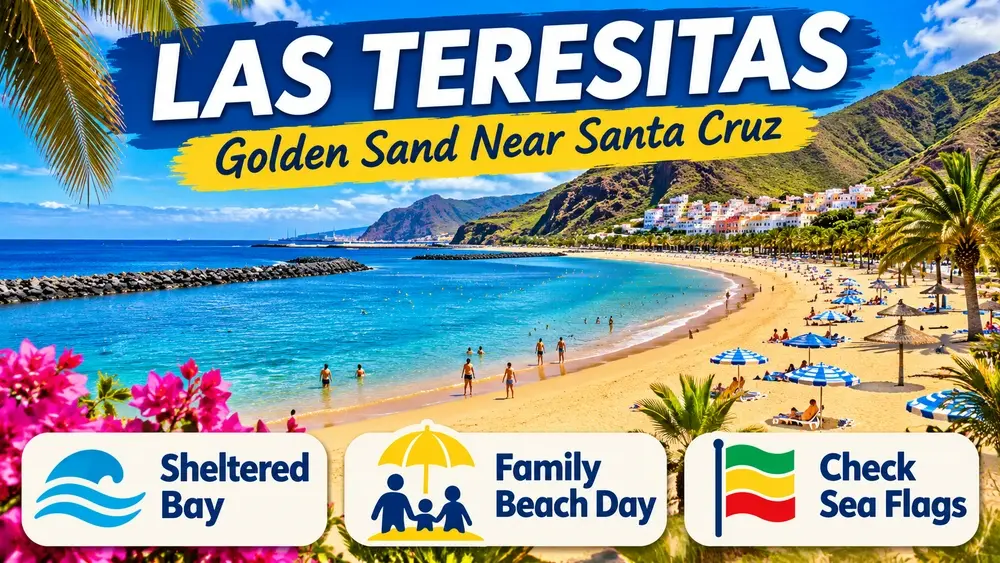
    Illustrated guide: Playa de Las Teresitas, with practical visitor tips
    Illustrated guide: Playa de Las Teresitas.

    With children I choose a base near the services, create shade early and avoid the hottest middle part of the day if possible. The beach is long enough that walking farther from the busiest access points can change the atmosphere noticeably.

    How to get there from Santa Cruz

    Las Teresitas is close enough to Santa Cruz that I do not consider a rental car essential. Urban buses serve San Andrés and the beach area, and a taxi can be practical for a family. If I am already driving for an Anaga day, I use the beach as the last stop and accept that parking is easier at some times than others.

    The advantage of public transport is that I do not spend part of a beach day circling for a space during a busy weekend. The advantage of a car is flexibility if I am continuing toward Anaga viewpoints. My Tenerife without a car guide and driving guide compare both approaches.

    Parking

    There is parking by the beach, but I never interpret the existence of a car park as a guarantee of an easy space at midday on a sunny weekend. If driving, I arrive earlier, avoid blocking access roads and never leave valuables visible in the vehicle. For a relaxed city-and-beach day, I often prefer leaving the car in Santa Cruz and using public transport.

    San Andrés: do not skip the village

    The small village immediately beside Las Teresitas is part of the experience. Instead of eating only at a beach kiosk, I like the option of walking into San Andrés for fish or Canarian food. A long lunch there gives the day a local rhythm that is different from the southern resorts.

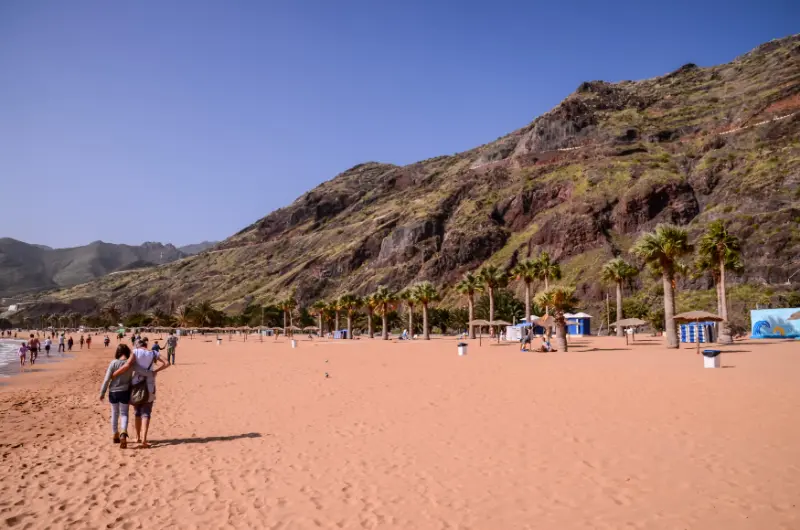
    Playa De Las Teresitas Beach Tenerife

    I also respect that San Andrés is a residential place, not an extension of the beach. I park legally, keep beach gear out of doorways and avoid treating narrow streets as photo sets. Small habits matter in places that receive large numbers of day visitors.

    What to bring

    • Shade or sun protection, especially for children.
    • Water even if you plan to use beach bars.
    • A light layer if combining the beach with higher Anaga viewpoints.
    • Secure footwear if you plan a long walk beyond the sand.
    • Only the valuables you genuinely need.

    I usually bring less to Las Teresitas than to a remote beach because services are close. That is one of the reasons I recommend it to travellers who do not want a logistical expedition every time they swim.

    Best combinations for one day

    Santa Cruz + Las Teresitas

    This is the easiest combination. I spend the morning in Santa Cruz—market, historic streets, TEA or the Auditorio area—then travel to San Andrés for lunch and beach time. My Santa Cruz guide provides a realistic city plan.

    Anaga + Las Teresitas

    If I drive, I can start in La Laguna or Cruz del Carmen, enjoy selected Anaga viewpoints and finish at Las Teresitas when I no longer want mountain roads. I keep the hiking modest because wet laurel forest and a hot beach day require different clothing and energy. Read my Anaga Rural Park guide before planning trails.

    Las Teresitas only

    There is nothing wrong with dedicating a full slow day to the beach and San Andrés. Not every Tenerife day needs three attractions. In fact, a relaxed day here can be the ideal counterweight after Teide or a long road trip.

    Best time of day

    I like morning for easier logistics and softer light, or late afternoon for a calmer end to a Santa Cruz day. Midday can be perfectly enjoyable if you want a classic beach day and have shade. Weekends and holidays can feel busier because the beach is popular with local residents as well as visitors.

    Weather differences from the south

    The northeast can be cloudier or windier than Costa Adeje even when the south is bright. I look at the local forecast rather than the island-wide symbol on a weather app. If Las Teresitas is grey while the south is sunny, that does not mean the forecast was ‘wrong’; Tenerife’s relief creates real microclimates.

    Playa De Las Teresitas Tenerife From Above

    Is Las Teresitas good without a car?

    Yes, particularly if you are staying in Santa Cruz or La Laguna. It is one of the island beaches I am comfortable recommending to travellers who do not rent a car because public transport reaches the area and the beach itself has services. The challenge is not the beach; it is adding remote Anaga stops on the same day.

    Where to stay

    For repeated beach visits combined with city life, I would stay in Santa Cruz rather than search for a resort directly on Las Teresitas. The capital gives far more restaurants, transport and evening options. You can compare Santa Cruz accommodation.

    Official information

    For current services and beach information, I use Tenerife Tourism’s official Las Teresitas page. It currently lists the beach as 1,300 metres long, family-friendly and equipped with services including toilets, showers, lifeguarding, accessible access and food options.

    Frequently asked questions

    Is Las Teresitas natural golden sand?

    The beach’s appearance has been heavily shaped by human intervention, including imported light-coloured sand and breakwaters. I visit for the present-day beach experience rather than treating it as an untouched natural cove.

    Can I visit from Costa Adeje?

    Yes, but I would combine it with Santa Cruz or Anaga so the long cross-island journey has more purpose. For a beach-only day from the south, closer beaches are more efficient.

    Is it safe for children?

    It is popular with families and generally more sheltered than many open-ocean beaches, but I still follow flags, lifeguards and normal water-safety rules.

    How long would I stay?

    Two to four hours works well as part of a city day; a full day is worthwhile if the goal is simple beach relaxation with lunch in San Andrés.

    How I decide whether to include Las Teresitas in a first-week plan

    If I already have several south-coast beach days, I include Las Teresitas only when it is attached to Santa Cruz or Anaga. That way the journey adds a genuinely different part of Tenerife rather than simply another stretch of sand. If the holiday is based in the capital, the decision reverses: Las Teresitas becomes the easy local beach and the southern resorts become the long excursion.

    Playa De Las Teresitas Tenerife Promenade

    This is a useful general rule for Tenerife. I group places by geography and experience instead of chasing a list of famous names. The island feels smaller, the driving falls and I spend more time actually being somewhere.

    Photography, shade and a slower beach rhythm

    Las Teresitas is especially photogenic when the mountains behind San Andrés are clear, but I do not build the visit around obtaining one exact postcard image. Light, haze and cloud change quickly in the northeast. I take a few photographs, then put the phone away and use the beach for what it does best: easy swimming, walking and a long break from sightseeing.

    If I plan several hours here, shade becomes part of the itinerary. The pale sand and open waterfront can feel bright even on a mild day, and reflected light adds to sun exposure. I reapply sunscreen after swimming and give children regular shaded breaks instead of waiting until everyone feels overheated.

  • Candelaria Tenerife Guide: Basilica, Guanche Heritage, Seafront and Day-Trip Tips

    Candelaria Tenerife Guide: Basilica, Guanche Heritage, Seafront and Day-Trip Tips

    Candelaria is one of the Tenerife towns I would add when you want more than beaches and volcanic scenery. It sits on the east coast, within easy reach of Santa Cruz and the TF-1, and combines religious history, Guanche heritage, a broad seafront plaza and an everyday local atmosphere. The town is best known for the Basilica of Nuestra Señora de Candelaria, but the most interesting visit is not just a quick photograph of the church.

    I like to spend half a day here, walking from the basilica to the bronze statues of the nine menceyes, visiting the Cueva de Achbinico area, continuing along the waterfront and stopping for lunch. Candelaria also fits naturally into a driving day between the north and south because it is much easier to reach than many mountain villages.

    Why Candelaria matters in Tenerife

    The basilica is dedicated to the Virgin of Candelaria, patroness of the Canary Islands. According to the official Tenerife tourism information, a Gothic image associated with the Virgin appeared on the coast of the Güímar valley before the Spanish conquest, and the Guanches venerated it under the name Chaxiraxi. The original image was lost in a flood in 1826; the current carving dates from 1827 and is by the Tenerife sculptor Fernando Estévez.

    The present basilica was built in 1959 and designed by Enrique Marrero Regalado. These facts are useful, but what interests me most is the layering of cultures visible around the square: Catholic pilgrimage, pre-conquest memory, monumental architecture and a waterfront that remains part of daily town life. For current opening details, I check the official basilica information.

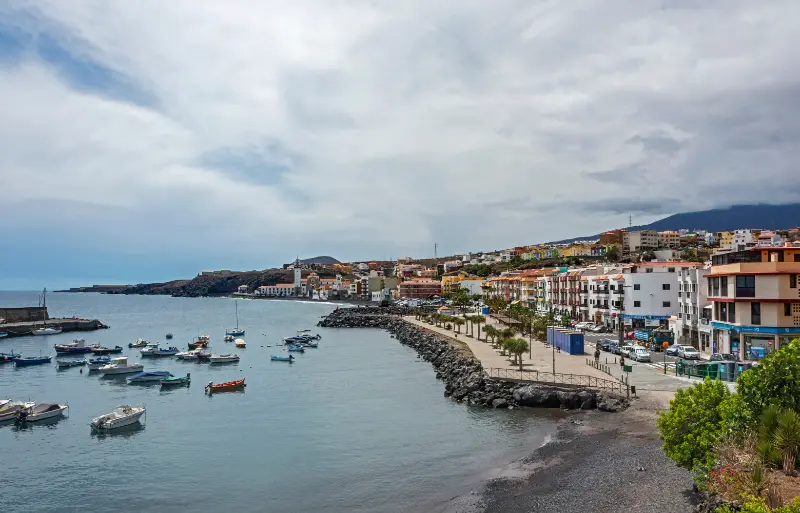
    Illustrated guide: Candelaria Old Town and Seafront, with practical visitor tips
    Illustrated guide: Candelaria Old Town and Seafront.

    Plaza de la Patrona de Canarias

    The large plaza in front of the basilica is the natural starting point. It opens directly toward the ocean and gives the church enough space to feel monumental. I do not rush through it. The scale makes more sense when you walk to the seaward side and look back, then continue toward the mencey statues.

    During major religious celebrations the atmosphere changes completely, particularly around 2 February and 15 August. Those dates can be fascinating if you want to experience the pilgrimage tradition, but they also mean crowds and different traffic conditions. I would not plan a quiet sightseeing stop on a festival day without checking local arrangements.

    The nine menceyes

    Along the edge of the plaza stand large bronze sculptures representing the nine Guanche menceyes, or kings, associated with Tenerife’s pre-conquest territories. They give visitors a visual reminder that the island’s history did not begin with European settlement. I think they are much more meaningful when you spend a little time reading about the Guanches rather than using them only as a photo backdrop.

    Candelaria is a good place to start that conversation because the story of the Virgin is itself linked to Guanche tradition. I avoid oversimplifying the history into a romantic legend; the conquest of the Canary Islands involved profound political and cultural change. A responsible travel guide can acknowledge the tradition while still treating Indigenous history as more than decoration.

    Cueva de Achbinico or Cueva de San Blas

    Near the basilica is the Cueva de Achbinico, also known as the Cueva de San Blas. The official tourism information links it to the place where the Guanches kept the image of the Virgin. The cave has archaeological and religious importance, and it is one of the small stops that turns Candelaria from a one-building visit into a more complete historical walk.

    Candelaria Tenerife Basilica And Coast

    I keep my behaviour quiet and respectful because these are living religious spaces, not theme-park exhibits. Clothing does not need to be formal, but beachwear is not how I would enter the basilica or a place of worship.

    Walking the seafront

    After the historic core I like to continue along the promenade. The coast here is different from the sandy resort beaches of the southwest; it feels more urban and local. The walk gives you cafés, small beaches and views back toward the town. It is an easy contrast after the formal scale of the basilica.

    If your trip is focused on beaches, I would not choose Candelaria primarily for a classic beach day. Instead, pair it with cultural sightseeing and save a dedicated swimming day for Las Teresitas, El Médano or one of the southern bays.

    Food and lunch

    Candelaria works well for lunch because you are not trapped inside a single attraction complex. I look for simple Canarian dishes, fish when it is genuinely local to the restaurant’s offer, papas arrugadas with mojo and seasonal products. If I have already eaten heavily in the resort, this is a good day for a slower lunch rather than another international menu.

    My Tenerife food guide explains dishes and the difference between restaurants, traditional food and guachinche culture. Candelaria itself is not where I would specifically hunt for a famous guachinche; I focus on the town and eat where the menu and setting suit the day.

    Getting to Candelaria by car

    The town is straightforward to reach via the TF-1 compared with mountain destinations such as Masca or Anaga. From Santa Cruz it is a short drive in normal traffic, while travellers staying in Costa Adeje can use it as a stop on a northbound day. Parking becomes more complicated during festivals and busy weekends, so I follow local signs rather than trying to drive as close as possible to the basilica.

    Basilica Of Candelaria On The Tenerife Coast

    If I am combining Candelaria with another place, I prefer Santa Cruz or the Güímar valley rather than adding Teide and La Orotava in the same day. Simple geographic logic makes the itinerary more enjoyable.

    Getting there by bus

    Candelaria is also one of the easier cultural day trips without a car. TITSA services connect the town with the metropolitan area and other parts of the island. The official tourism page currently references lines such as 120, 122, 123 and 124 from the Santa Cruz area, but I always verify the live timetable before travel because routes and frequencies can change.

    For tickets, travelcards and the practical differences between bus-based and car-based itineraries, see my Tenerife without a car guide.

    How long do you need?

    Two to four hours is enough for the main sights at a comfortable pace. I would allow longer if you want lunch and a seafront walk. Candelaria is not a town where I need a checklist of twenty attractions; its strength is that the main sights are concentrated and easy to understand.

    That makes it particularly useful on arrival or departure days when you want a meaningful stop without risking a long mountain road. Just keep luggage out of sight in the car and do not leave valuables unattended.

    Best combinations for a day trip

    From Santa Cruz, I would visit Candelaria in the morning and return to the capital for the market, waterfront or evening. Another option is to continue toward Güímar and explore the agricultural east. From the south, Candelaria can be the cultural stop on a day that also includes Santa Cruz.

    If La Laguna and Anaga are your priorities, I would give them their own day. My Santa Cruz guide and La Laguna guide can help you decide how to divide the northeast.

    Where to stay

    Most visitors do not need to change hotels specifically for Candelaria, but the east coast can appeal to travellers who want a quieter base between Santa Cruz and the south. Before booking, I check walking distance to the seafront and bus stops rather than judging the town only by hotel photos.

    You can compare accommodation in Tenerife and use the map to see whether a property really suits your planned driving or public-transport route.

    Frequently asked questions

    Is the basilica free to enter?

    Visitors can normally enter the basilica without a conventional attraction ticket, but services, events and religious ceremonies can affect access. I check current information and behave respectfully during worship.

    What are the current visiting hours?

    The official tourism page currently lists Monday 15:00–19:30 and Tuesday to Sunday 07:30–19:30, but religious schedules can change, so I verify before a special trip.

    Basilica Of Our Lady Of Candelaria Tenerife Canary Islands Spain

    Is Candelaria worth visiting if I am not religious?

    Yes. The town is interesting for architecture, Guanche history, public sculpture, the seafront and the wider story of Tenerife.

    Can I visit with children?

    Yes. The central area is much easier than a mountain hike, although children should still be supervised near the waterfront and inside religious spaces.

    How would I fit it into a first Tenerife trip?

    I would use Candelaria as a half-day cultural stop, ideally combined with Santa Cruz or another east-coast destination rather than turning it into an exhausting island-wide loop.

    What I would notice beyond the headline sights

    Candelaria is especially rewarding if you pay attention to the transition between pilgrimage town and ordinary coastal life. A few streets from the monumental square, people are shopping, meeting for coffee and walking the promenade. I like that contrast because it prevents the visit from becoming a single historical photograph.

    I also leave a little time for interpretation. The relationship between Guanche tradition, later Christian devotion and modern Canarian identity is complex, and the town makes more sense when you read a few panels or official background notes rather than reducing everything to a legend about a statue. For photographers, morning and late afternoon light usually give the seafront more texture, but I never let photography interfere with ceremonies or people using religious spaces. A respectful pace is the best way to enjoy Candelaria.

  • Santa Cruz de Tenerife Guide: What to See, Eat and Do in the Capital

    Santa Cruz de Tenerife Guide: What to See, Eat and Do in the Capital

    Santa Cruz de Tenerife is easy to underestimate if you arrive on the island focused only on beaches and volcanoes. It is the island capital, a working city and the main urban counterpoint to Tenerife’s resort areas. I would come here for markets, architecture, museums, parks, shopping and everyday city life, then combine it with Las Teresitas or Anaga so the day moves from streets to coast or mountains.

    The city has been Tenerife’s capital since 1833 and today shares the capital role of the Canary Islands with Las Palmas de Gran Canaria. That administrative importance is visible, but Santa Cruz does not feel like a city of monuments lined up for tourists. Its appeal is more relaxed: a market breakfast, a walk through García Sanabria Park, contemporary architecture around the waterfront and a late lunch before heading to the beach.

    Is Santa Cruz worth visiting?

    Yes, especially if you want to understand Tenerife beyond the resort economy. I would not replace Teide or Anaga with Santa Cruz on a very short trip, but on a week-long holiday it adds an important urban dimension. It is also one of the best places on the island for shopping and cultural venues.

    Travellers who dislike cities may prefer to spend only a few hours here and continue to Las Teresitas. Anyone interested in architecture, food markets, museums or local life could stay overnight. For a broader first-week plan, see my Tenerife 7-day itinerary.

    Plaza de España and the waterfront

    Plaza de España is the easiest place to begin. It opens toward the port and places you within walking distance of central shopping streets and several cultural sights. I use it as an orientation point rather than a destination in itself: arrive, understand the street layout, then move through the centre on foot.

    The waterfront also shows modern Santa Cruz, especially as you continue south toward the Auditorio de Tenerife. Cruise ships, port infrastructure and contemporary buildings make this side of the city feel completely different from La Laguna’s colonial streets only a tram ride away.

    Plaza de España reflecting pool and civic buildings in Santa Cruz de Tenerife
    Plaza de España, Santa Cruz de Tenerife.

    Auditorio de Tenerife

    The Auditorio de Tenerife Adán Martín, designed by Santiago Calatrava, is the city’s most recognisable contemporary building. Even if you do not attend a performance, the exterior and waterfront setting are worth seeing. I would pair it with the nearby market rather than travel across the city solely for a photograph.

    Check the official programme if concerts or performances matter to you. A live event can turn Santa Cruz from a half-day excursion into an excellent evening in the city.

    Mercado de Nuestra Señora de África

    Markets are one of my favourite ways to understand a city quickly, and this is the place I would choose for a food-focused stop. Go earlier in the day when the market feels most active. Browse fruit, vegetables, fish, meats and local products, then use the visit to identify ingredients you will see elsewhere on Tenerife.

    If you enjoy food, Santa Cruz is also a good place to explore modern Canarian cooking rather than only traditional menus. For a list of island dishes and products, keep my Tenerife food guide open while you visit.

    TEA and the cultural side of the city

    Tenerife Espacio de las Artes, usually known as TEA, gives Santa Cruz a strong contemporary-cultural stop. Exhibition programmes change, so I prefer to check what is on rather than recommend a fixed list of galleries. This is especially useful on a cloudy day or when you want a break from driving.

    Museums work best here as part of a city walk. I would choose one cultural venue, not try to complete all of them in a few hours.

    Parque García Sanabria

    García Sanabria is the city’s major green space and a good reset between shopping streets and museums. Mature trees, shaded paths and sculptures make it pleasant even if you are not a dedicated garden visitor. In a city day full of pavement and traffic, this is where I would slow the pace.

    Las Teresitas: the beach extension of a Santa Cruz day

    Las Teresitas lies by San Andrés, outside the central urban core, but it is the beach I naturally combine with Santa Cruz. Its broad curve of pale sand and relatively sheltered setting is completely different from many of Tenerife’s volcanic beaches. Spend the morning in the city, have lunch, then take the bus or drive to the beach for the afternoon.

    Do not assume sea conditions are always calm just because the beach is sheltered. Follow flags and local instructions. I compare Las Teresitas with other coast options in my best beaches in Tenerife guide.

    Aerial View Of Santa Cruz De Tenerife

    Santa Cruz and Anaga in one day

    If you start early, Santa Cruz can also be paired with Anaga, but I would keep the city portion focused. Market breakfast, a short central walk and then the mountains can work. Trying to add TEA, the Auditorio, Las Teresitas, Taganana and a hike becomes unrealistic.

    For nature, use my dedicated Anaga Rural Park guide and check Tenerife ON for trail status and reservations before leaving the city.

    How to get around Santa Cruz

    The centre is best explored on foot. The tram connects Santa Cruz with La Laguna and is one of the easiest ways to combine the two cities without worrying about parking. TITSA buses connect the capital with other parts of Tenerife, including Anaga routes and resort areas. If you arrive by rental car, a paid car park can be less stressful than circling central streets.

    For an island-wide transport strategy, see getting around Tenerife.

    Where to stay in Santa Cruz

    I would stay in Santa Cruz if I had an early flight from Tenerife North Airport, wanted a city-focused break, planned several days around La Laguna and Anaga, or preferred local restaurants and cultural life to a beach resort. The central area around the main shopping streets is convenient for walking; quieter residential streets can offer better value but make location more important.

    Auditorio De Tenerife Santa Cruz Coastline

    If this style of trip suits you, compare hotels in Santa Cruz de Tenerife and prioritise a central position over resort-style facilities you may not use.

    Shopping and evenings

    Santa Cruz has the island’s strongest urban shopping offer, from familiar brands to local stores. I prefer to combine shopping with cafés and food rather than treat it as a separate attraction. In the evening, choose a neighbourhood restaurant, check whether the Auditorio has a performance or enjoy a slower dinner before taking the tram back to La Laguna if you are staying there.

    Carnival

    Santa Cruz is internationally known for Carnival, when the character of the city changes completely. If you are planning specifically for Carnival, accommodation, road closures, event schedules and transport need separate research because the normal city routine does not apply. I would book far earlier than for an ordinary winter visit and use official event information for exact dates and access arrangements.

    A practical one-day itinerary

    TimePlanWhy
    MorningMarket + central streetsBest city atmosphere and food start
    Late morningPlaza de España + park or museumFlexible culture block
    LunchCentral Santa CruzStrong restaurant choice
    AfternoonLas Teresitas or Auditorio/TEAChoose beach or culture
    EveningDinner or tram to La LagunaEasy urban finish

    The best version of Santa Cruz is not the one with the most stops. Pick the city experiences that interest you, then allow time to sit down. Tenerife travel can become very car-heavy, and Santa Cruz is a chance to spend a day on foot.

    For updated attractions and municipal information, check the official Tenerife tourism page for Santa Cruz de Tenerife.

    Santa Cruz on a rainy day

    A cloudy or showery forecast can actually be a reason to choose Santa Cruz over a mountain excursion. Markets, museums, shops, cafés and cultural venues give you flexibility that exposed viewpoints cannot. I keep one urban day unassigned in longer trips so I can move it into whichever day looks least suitable for hiking or the beach.

    City etiquette and practical comfort

    Santa Cruz is a working capital rather than a resort set. Dress for walking, keep valuables secure in busy shopping areas as you would in any city, and remember that restaurant timing may differ from hotel buffet routines. If you are driving, know where you plan to park before entering the centre; the extra five minutes of preparation usually saves much more time.

    Practical planning notes I would save before the trip

    For Santa Cruz de Tenerife guide, I save the accommodation address, parking or bus information, one official information link and the route back to my base before leaving. Tenerife is easy to travel around, but mountain roads, microclimates and busy coastal areas can turn a simple day into a slower one. I therefore keep one optional stop that can be removed without losing the main purpose of the day.

    I also carry water, sun protection and a light layer whenever the day leaves the immediate coast. Even short journeys can move from warm sunshine to wind, cloud or cooler high ground. That small amount of preparation makes it easier to respond to the island as it actually is rather than force a schedule created before arrival.