Category: Attractions & Experiences

Tenerife theme parks, wildlife activities, major attractions and bookable experiences with practical planning advice.

  • Road Cycling in Tenerife: Teide Climbs, Routes, Bike Rental and Safety Tips

    Road Cycling in Tenerife: Teide Climbs, Routes, Bike Rental and Safety Tips

    Tenerife is one of the few places where I can start a ride near sea level and finish in genuine high-mountain terrain on the same day. That vertical scale is what makes the island so attractive to road cyclists, but it is also what makes casual planning risky. Official Tenerife tourism information highlights road routes that rise beyond 2,000 metres and notes that professional teams regularly use the island for altitude training. I would therefore approach cycling here as a mountain trip with sunshine, not simply as a warm-weather spin. This guide focuses on realistic route choice, Teide climbs, rental logistics, weather and the details that matter once the gradient begins.

    Why Tenerife works so well for road cycling

    The island combines long climbs, generally good mountain roads, year-round riding weather and huge changes in landscape over relatively short distances. A single route can pass banana plantations, dry southern slopes, pine forest and volcanic high ground. The official cycling portal lists routes across the island, including demanding loops from La Orotava, Garachico and Santa Cruz. What I value most is the variety: I can choose a controlled endurance day on the lower coast or a serious climbing day toward Teide without changing destination.

    I would not judge difficulty only by kilometres. In Tenerife, cumulative ascent and altitude are the numbers that change the ride. A 70-kilometre mountain route can feel much harder than a flat century elsewhere, particularly when the final hour is above the cloud layer. I compare cycling days with my Tenerife driving guide because the same winding roads that make scenic drives memorable also demand concentration on a bike.

    Cycling On Mountain Road Tenerife

    The Teide climb: the ride many cyclists come for

    The ascent toward Teide is the island’s signature road-cycling challenge. There are several approaches, including roads from La Orotava in the north and from southern or western areas through Vilaflor, Chío or other highland connections. The attraction is not a single summit line but the sustained climbing and the chance to ride through pine forest into the open caldera landscape. I decide the route according to my base, fitness and wind rather than choosing the longest ascent simply because it sounds impressive.

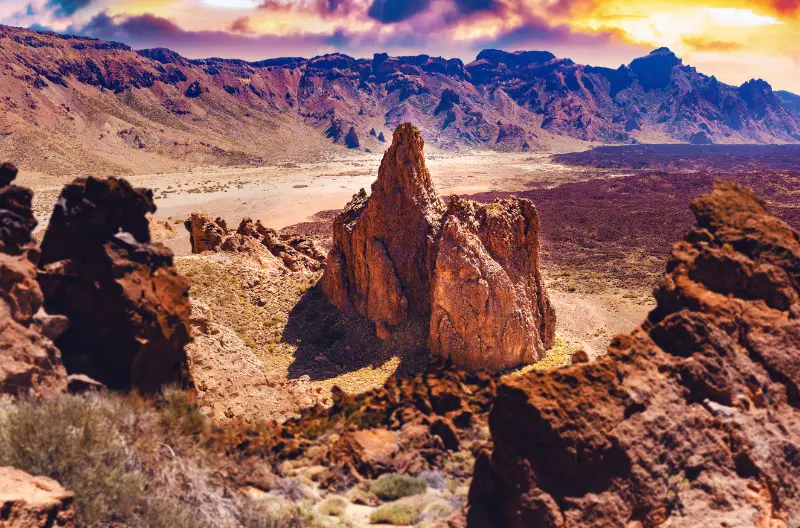
    Altitude matters. Above 2,000 metres the temperature, sun exposure and perceived effort can differ dramatically from the coast. I carry a wind layer for the descent even on a warm day and do not assume that a sunny beach forecast describes the national park. For the wider mountain context I use my Mount Teide guide and check current conditions before leaving.

    Where I would base a cycling holiday

    For climbing-focused riders, the south and southwest offer reliable access toward Vilaflor and western Teide roads, while Puerto de la Cruz and La Orotava place me close to the northern ascent. Costa Adeje has the largest resort infrastructure and easy access to rental services; El Médano is useful for an active atmosphere but can be windy; Los Gigantes gives dramatic western routes but more immediate gradients. I choose accommodation based on the first and last 20 kilometres of each ride, not on beach reputation alone.

    If I am travelling with a non-cycling partner, I compromise. A base such as Costa Adeje, Puerto de la Cruz or La Laguna gives the rider useful roads while the rest of the group still has independent things to do. I compare areas in where to stay in Tenerife before booking.

    Bike rental, gearing and what I would reserve in advance

    I reserve a quality road bike before high season rather than assuming my preferred frame size will be available on arrival. I confirm pedal system, helmet, spare tube or tubeless support, pump, lights and the gearing fitted to the bike. Tenerife is not the place where I want an unnecessarily aggressive cassette. Compact or sub-compact gearing makes long gradients much more enjoyable, especially if the plan includes Teide after several consecutive riding days.

    I also photograph the bike at collection and test brakes and shifting before starting a mountain route. If I bring my own bike, I check airline packing rules and transfer space. A standard airport taxi may not be the right solution for a large bike box, so I arrange transport before landing.

    Traffic, road position and descents

    The island has quiet mountain stretches but also busy approach roads and resort traffic. I use lights in poor visibility, avoid unnecessary bunching on narrow roads and expect drivers around bends. The biggest risk for many visiting cyclists is not the climb but the descent: speed rises quickly, surfaces change, cloud can reduce visibility and corners may tighten more than expected. I descend within sight distance rather than copying local riders who know every bend.

    I am particularly conservative after a long Teide climb because fatigue reduces reaction time. I stop before the descent, add a layer, eat something and check that hands are not too cold for effective braking. That five-minute reset is one of the simplest safety habits on the island.

    Weather, wind and microclimates

    Tenerife can give me several different weather systems in one ride. The north may be cloudy while the south is bright, the trade wind can make exposed sections difficult, and high ground can be cold even when the coast feels summery. I check forecasts for the coast, mid-altitude and Teide separately. Wind direction often matters more than temperature because a strong crosswind on an exposed descent can turn a pleasant route into a stressful one.

    I keep a lower-altitude alternative for uncertain days. That approach mirrors the planning advice in my Tenerife weather and seasons guide: the island is rideable for much of the year, but the best route is the one that fits the day rather than the one fixed weeks earlier.

    Fuel, water and pacing on long climbs

    I eat before I am hungry and drink before I feel dry. Long Tenerife climbs can create the illusion that a café is always around the next bend, but high sections have long gaps between services. I leave with enough carbohydrate for the planned duration plus a reserve, and I refill whenever a reliable opportunity appears. Strong sun and dry air can increase fluid needs even when the temperature feels comfortable.

    I also avoid racing the first climb of the holiday. The island encourages ambition because every road seems to point uphill, but a better plan is to use the first ride to learn gradients, heat and rental-bike fit. I save the biggest Teide day until I know how my body responds.
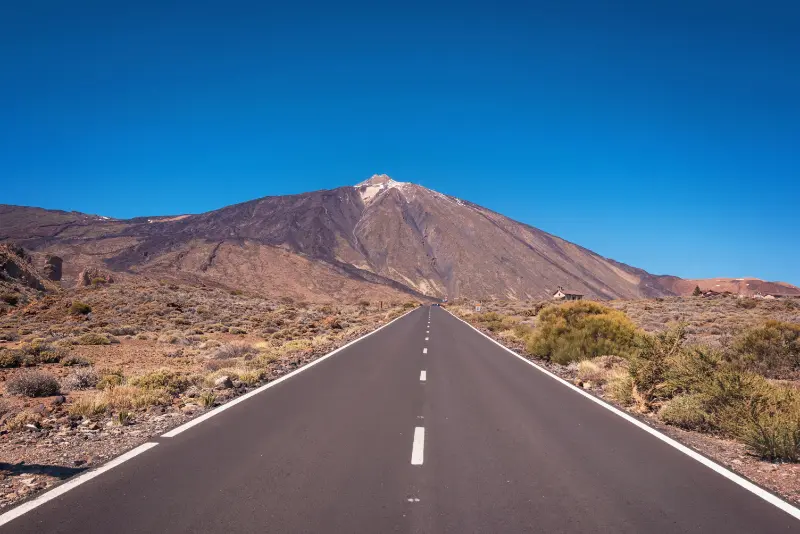
    Road Through Teide National Park Tenerife

    My favourite way to build a three-ride mini plan

    I would begin with a shorter coastal or mid-altitude ride, use the second day for a longer route with moderate climbing, then attempt Teide after either a rest day or an easy spin. That sequence gives me time to adjust bike position and understand local roads. If the mountain weather looks poor, I reverse the order rather than forcing the headline ride on the wrong day.

    For a mixed holiday I alternate hard cycling with sightseeing days. A recovery day in La Orotava, Garachico or on a calm beach is not wasted time; it often makes the next ride better.

    How I would plan it

    I would use the official Tenerife cycling information as a starting point for current route ideas and local cycling services, then build each day around weather and my actual fitness.

    For accommodation, I would compare current Tenerife accommodation options only after deciding which side of the island gives the best access to the rides I actually want to do.

    What I would carry on every ride

    Even on a short ride I carry identification, phone, payment card, two ways to repair a puncture, basic multitool, sun protection and a light layer. For mountain days I add more food than I expect to need and make sure navigation works offline. The most useful equipment is often boring: clear-lens glasses in cloud, a small rear light in shaded roads and gloves that remain comfortable on a long descent.

    A note on training load

    Tenerife makes it easy to accumulate more climbing than planned. I watch total elevation across the week and protect recovery days instead of turning every outing into a summit attempt. Travellers arriving from a winter with limited outdoor riding should be especially cautious: warm weather can hide the fact that the muscular load is far higher than normal.

    Planning road cycling in Tenerife around the rest of the trip

    I would not let road cycling in Tenerife dominate every day of the holiday. Tenerife works best when active or detailed plans are balanced with a slower meal, a short walk or time by the sea. I group nearby places together, leave a realistic margin for parking and changing conditions, and avoid crossing the island simply to add one more stop. That makes this part of the trip feel intentional rather than squeezed between unrelated attractions.

    What I check the evening before

    The evening before this part of the trip, I confirm weather, access, opening information and the exact route from my accommodation. For road cycling in Tenerife, small practical changes can matter more than they appear on a static itinerary. I save essential information offline, charge the phone and keep a nearby alternative in mind. That preparation means a closure, stronger wind or slower traffic changes the plan without ruining the day.
  • Surfing in Tenerife: Best Areas, Beginner Lessons and Surf Etiquette

    Surfing in Tenerife: Best Areas, Beginner Lessons and Surf Etiquette

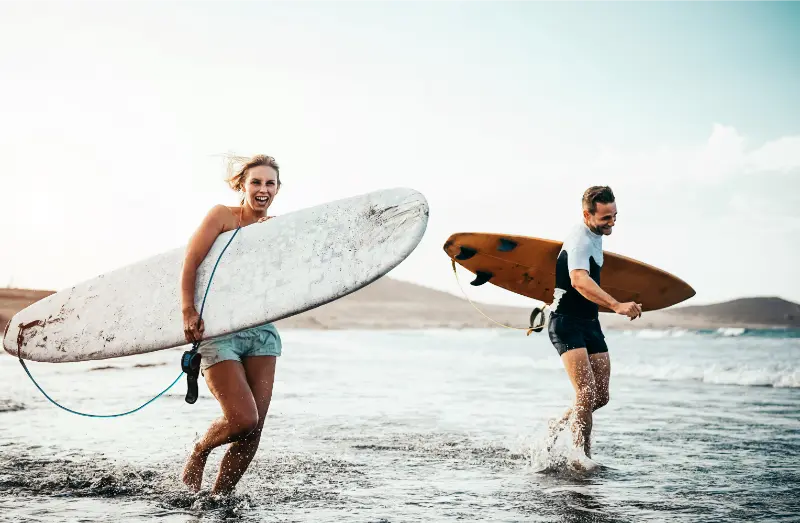
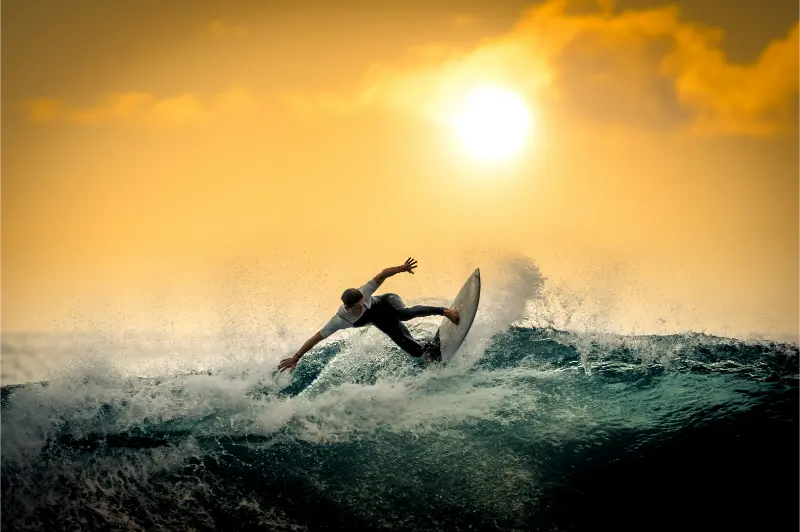
    Tenerife works for surfers because the island has several very different coasts in a compact area. Atlantic swell reaches the north and northwest with power, reef breaks shape the south around Las Américas, and the wind around El Médano creates a separate world of windsurfing, wingfoil and kitesurf. That variety is exciting, but it also means “surf in Tenerife” is not one beginner-friendly experience.

    I match the break to my level, use a reputable school when learning and never paddle out simply because the beach looks busy with boards. Volcanic reefs, currents, local line-ups and rapidly changing swell deserve respect. This guide is about choosing the right area and planning a surf trip responsibly.

    Why Tenerife has year-round surf potential

    Tenerife’s official tourism site describes a wide range of surf and bodyboard spots with sand, rock and volcanic reef bottoms, and notes that the strongest waves are generally on the north and northwest coasts. The official surf and bodyboard page is a good starting point for current operators and locations.

    Year-round potential does not mean identical conditions every month. Swell direction, wind and local exposure change what works on a given day. I check a reliable forecast and, when I am not familiar with the island, ask a local school rather than choosing a break from a generic “best surf spots” list.

    Playa de las Américas: the famous south-coast surf zone

    Las Américas is the most convenient surf base for many visitors because breaks sit next to hotels, restaurants and surf shops. The reef setups can produce excellent waves, but some are not beginner spots. My Playa de las Américas guide explains the neighbourhood beyond surfing.

    As a beginner, I book a lesson and let the instructor choose the appropriate section and tide. I do not paddle into the main peak because I watched a tutorial online. Reef breaks punish mistakes more severely than a forgiving sandy beach, and local etiquette matters in crowded line-ups.

    El Médano: wind sports first, surf depending on conditions

    El Médano is internationally known for windsurfing and other wind sports. Tenerife’s official tourism page notes that the beach’s outer section is especially suited to windsurf and kitesurf, while the area nearer the town is calmer and more family-oriented. The official site also highlights the approximately 300 windy days that support windsurf and wingfoil activity on the island.

    For classic surfing, conditions vary by spot and wind. I use my El Médano guide to understand the beach layout, then speak to a local school about the day. I do not treat windsurf, kitesurf and surf as interchangeable; each sport needs different space and conditions.

    Surfing In Tenerife

    Almáciga and the Anaga coast

    Almáciga is one of the northeast’s best-known surf beaches. The official beach description highlights strong waves throughout the year and notes that surf schools train there. The setting below Anaga is spectacular, but the remote feel should make me more cautious, not less.

    I combine the area with Taganana and watch conditions before entering. If I am a novice, I use an instructor who has chosen that beach for the day rather than assuming every school session happens there regardless of swell.

    El Socorro in Los Realejos

    El Socorro is a recognised north-coast surf beach with a strong local scene. It can suit intermediate and experienced surfers when conditions align, but the north coast is powerful and currents matter. I check flags and observe the line-up before entering.

    The beach works well as part of a Los Realejos day. My Los Realejos guide combines it with Rambla de Castro and the historic centre, which is useful if the surf becomes too large or messy.

    Beginner lessons: what I look for

    For a first lesson, I care more about instructor quality and beach selection than the cheapest price. I ask whether equipment, insurance and transport are included, how large the group will be and whether the school changes location based on conditions. A responsible school should be willing to cancel or relocate when the ocean is unsuitable.

    I tell the instructor honestly about swimming ability and previous experience. Surfing is safer and more enjoyable when the coach does not have to discover mid-session that a student is uncomfortable in deep water.

    Intermediate and advanced surfers

    Experienced surfers usually care about reef shape, swell direction, wind and crowd patterns. Tenerife offers serious waves, but visiting skill does not override local etiquette. I wait my turn, do not snake or drop in, and avoid paddling straight into a compact local peak without understanding how it works.

    Booties can be useful around volcanic rock, but protective gear does not remove the consequences of hitting reef. I inspect entry and exit points from shore first and ask locally if I am uncertain. On an unfamiliar reef, a conservative session is better than a heroic one.

    Surf etiquette in Tenerife

    The basic rules are universal: the surfer closest to the peak has priority, do not drop in, paddle around the breaking zone when possible, hold onto the board unless letting go is the safer emergency option, and apologise clearly if I make a mistake. Crowded holiday zones demand even more awareness because skill levels mix.

    I also respect people on the beach. I do not leave boards across promenades, rinse wax or gear where it creates a slippery surface, or change in doorways. Surf culture works best when the land side of the session is as considerate as the water side.

    Boards, wetsuits and water temperature

    The exact equipment depends on season, body temperature and session length. I ask the rental shop rather than packing based only on air temperature. Atlantic water can feel cool after an hour even when the beach is sunny, and wind increases heat loss.

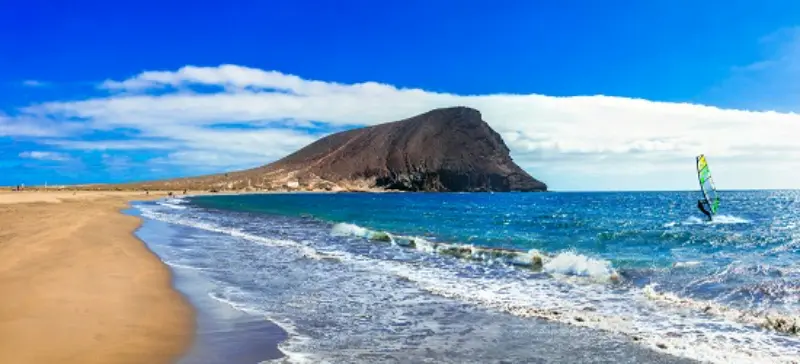
    El Medano Beach And Montana Roja Tenerife

    For a short holiday, renting is usually simpler than flying with a board unless I am travelling specifically to surf. A good rental shop can also swap board volume or type as conditions change, which is more useful than being locked into one board all week.

    Where to stay for a surf-focused trip

    Las Américas is the easiest base for walking to reef breaks and having full resort infrastructure. El Médano suits wind-sport travellers and has a relaxed town atmosphere. The north can work for experienced surfers who want access to several exposures, though a car becomes more useful. I compare accommodation in Tenerife’s surf areas after deciding which coast matches the trip.

    I do not choose a hotel based on a surf-map pin alone. Secure board storage, parking, early breakfast, drying space and access to food after a session can matter more than being 200 metres closer to one break.

    Surfing without a car

    Las Américas is easiest without a car because shops, schools and breaks are concentrated in a walkable area. El Médano is also manageable once I am there, with public transport connecting it to the wider south. My no-car Tenerife guide explains buses and travelcards.

    For north-coast surf exploration, a car adds flexibility, but I never use a vehicle to chase every forecast model across the island in one day. Surfing tired after hours of driving is not a good trade.

    Non-surf days are part of a good surf trip

    Wind can be wrong, swell can be too small or too large, and the safest decision may be not to surf. Tenerife makes that easy because I can switch to Teide, La Laguna, a wine day or a coastal walk. My best things to do guide gives alternatives across the island.

    I actually like leaving one or two non-surf days in the plan from the start. They let the body recover and prevent the holiday from feeling disappointing when the ocean refuses to follow the forecast.

    Frequently asked questions

    Is Tenerife good for beginner surfers?

    Yes, with the right school and conditions. I would not choose a reef break independently as a beginner; I let an instructor select the safest beach and session.

    Montana Roja At El Medano Tenerife

    Where is the best surf in Tenerife?

    Las Américas is the most famous south-coast zone, while the north and northwest receive stronger swell. Almáciga and El Socorro are well known, but the best spot changes with conditions and ability.

    Do I need a wetsuit?

    It depends on season, session duration and personal comfort. Rental shops can advise on current water conditions and provide suitable equipment.

    Can I surf in Tenerife all year?

    There is year-round potential, but swell and wind patterns vary. Not every break works every day.

    Is El Médano mainly for surfing?

    It is especially famous for windsurfing, kitesurfing and wingfoil. Classic surf conditions depend on the specific spot and day.

    How I read a surf forecast as a visitor

    I look at swell height, period, direction and wind together, then compare that information with a local break description or school advice. A large number alone does not tell me whether a beach will be suitable. Reef orientation, tide and wind can transform the same forecast into completely different conditions around the island.

    When I am unfamiliar with a spot, I watch for at least fifteen minutes before entering. I identify where people paddle out, where waves break, where current seems to move and where the safe exit is. That small pause often tells me more than another hour of online forecasting.

  • Kayaking in Tenerife: Los Gigantes, South Coast, Tours and Safety Tips

    Kayaking in Tenerife: Los Gigantes, South Coast, Tours and Safety Tips

    Kayaking gives me a version of Tenerife that road trips cannot reach. Lava cliffs, caves, coves and the height of Los Gigantes are completely different when the viewpoint is only a metre above the Atlantic. Official tourism information lists kayaking around Los Gigantes, Las Galletas, Los Cristianos and Las Teresitas, and notes that the activity is possible year-round when conditions cooperate. I still treat the sea with more respect than the calendar: wind, swell and current matter more than a sunny sky. For most visitors, a guided tour is the simplest way to start.

    Los Gigantes: the headline kayaking landscape

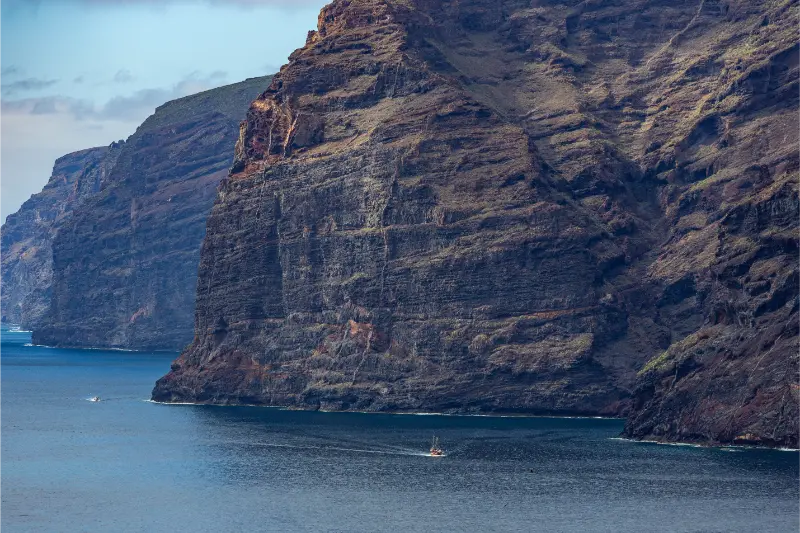
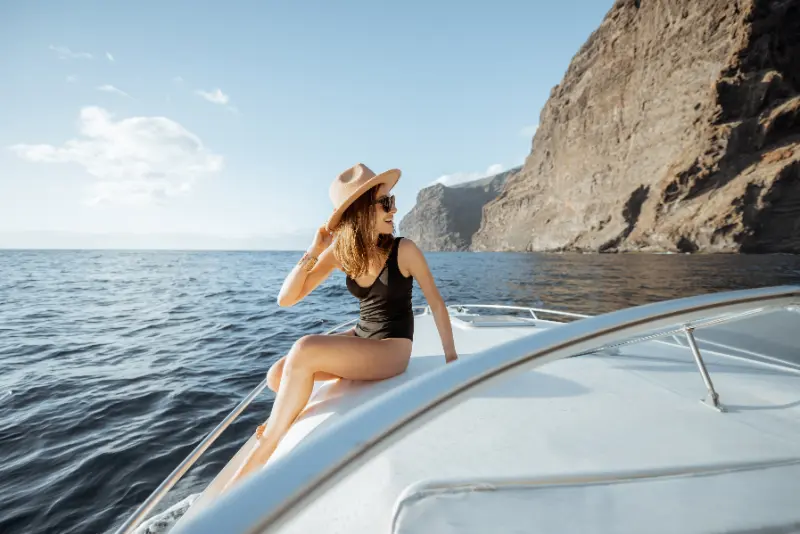
    The cliffs of Los Gigantes rise dramatically from the northwest coast and are the place I would choose for the strongest scenery. Official tourism describes sections reaching around 600 metres above the sea, so the scale from a kayak is extraordinary. Guided tours commonly depart from the marina area and follow conditions rather than a fixed promise of distance. I would book the paddling experience separately from whale watching expectations: marine life may appear, but wildlife is never guaranteed.

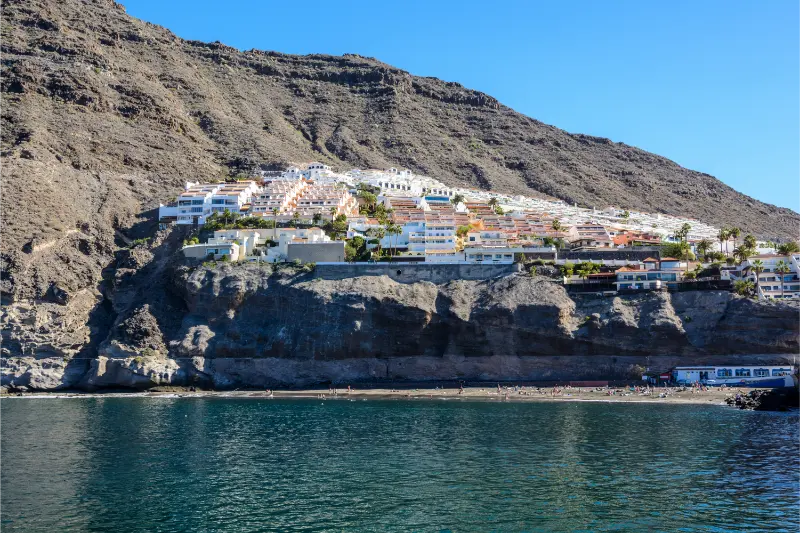
    Los Gigantes Resort And Marina Tenerife

    This is the point where I slow the itinerary down. I leave enough time for parking, a short walk and a change of plan if weather or opening conditions are different from what I expected. Tenerife rewards flexibility, and I would rather enjoy one place properly than rush through three stops because they looked close together on a map.

    Los Cristianos and the south coast

    Los Cristianos is practical because the harbour, accommodation and transport infrastructure are easy to use. Kayak tours in this area may combine paddling with snorkelling when sea conditions allow. The setting is more developed than Los Gigantes, but that convenience can be ideal for families or first-time paddlers. I also like that the rest of the day can remain car-free, with Las Vistas, restaurants and buses all close to the harbour area.

    In practical terms, I check this again on the morning of the visit. Opening hours, sea state, wind and local access can change, especially on an island where coast, forest and high ground behave very differently. I also keep one nearby alternative so a small change never means crossing Tenerife unnecessarily.

    Las Galletas and Costa del Silencio

    The Las Galletas coast provides another southern option with a stronger local-harbour feel. Volcanic shoreline, diving activity and the nearby Montaña Amarilla area make the wider coastline interesting even if the exact tour route changes. My Las Galletas and Costa del Silencio guide helps turn a paddle into a full day. I would not launch independently from an unfamiliar rocky access simply because the water looks calm.

    I would build the rest of the day around this stop rather than squeeze it between two distant attractions. That usually means choosing a nearby lunch, beach, viewpoint or town and accepting that driving time is part of the experience. The result is a calmer day and a much better sense of place.

    Las Teresitas and the northeast side

    Las Teresitas offers a different visual experience: golden sand below Anaga rather than giant western cliffs. It can be a good place for a gentler paddle in appropriate conditions, but the northeast is exposed to weather patterns that differ from the south. I combine this area with San Andrés or Santa Cruz and check the local forecast, wind and any beach notices before taking equipment onto the water.

    For first-time visitors, the useful question is not only whether this is worth seeing, but whether it fits the base and transport plan. I compare the route with my Tenerife transport guide and avoid creating a day with repeated north-south crossings just to tick off one more place.

    Guided tour versus kayak rental

    A rental gives experienced paddlers more independence, but a guided tour removes several uncertainties: launch points, local wind, group pacing, rescue procedures and where not to enter. For a first sea-kayak outing in Tenerife I prefer a guide, especially around cliffs or areas with boat traffic. Official tourism currently states that no special permit is generally required for kayaking, but that does not remove the need to respect navigation, protected areas and local instructions.

    I also think about the time after the main activity. A museum, flight, paddle or village visit is more enjoyable when I have not booked a rigid dinner on the opposite side of the island. I keep the final hours loose enough for an unexpected viewpoint, traffic, changing weather or simply staying longer somewhere I like.

    Wildlife: enjoy sightings without chasing animals

    Tenerife’s southwest waters are famous for cetaceans, but I do not paddle toward whales or dolphins hoping for a close encounter. Kayaks must still respect wildlife and the wider rules that protect the marine environment. If responsible cetacean watching is the priority, I use an authorised boat operator and my whale watching guide. A kayak tour should be satisfying because of the coast even if no animal appears.

    My planning rule here is simple: use current information rather than copying an itinerary from an older trip report. Tenerife manages natural areas, sports zones and public facilities actively, so the best plan is the one that can absorb a closure or timetable change without becoming stressful.

    What to wear and what I protect from water

    I use sun protection, a hat or secure cap when allowed, swimwear or quick-drying clothing and footwear appropriate for the operator’s launch. I assume everything can get wet. Phone, car key and medication need a genuinely waterproof solution, not a thin shopping bag. In cooler or windy conditions the operator may provide or recommend thermal protection. I also bring water even for a relatively short paddle.

    If I am travelling with children or a mixed-age group, I shorten the visit before anyone gets tired. That is particularly useful in Tenerife, where a sunny morning can turn into a windy afternoon at altitude or a rougher sea on the coast. I prefer leaving with energy for the next stop.

    When I would cancel or switch activities

    Strong wind, significant swell or a nervous group member can turn kayaking from enjoyable to stressful. I accept an operator cancellation and switch to a coastal walk, museum or sheltered beach. My coastal walks guide and rainy-day guide give alternatives that do not require forcing the sea plan. I never treat prepayment as a reason to ignore conditions.

    I treat this as part of a wider area rather than an isolated attraction. Linking places geographically creates better travel days: less driving, more time on foot and more chances to notice the cafés, promenades, architecture and landscapes that never make a top-ten list.

    My final planning advice

    For a first kayaking experience I would choose the landscape that matters most: Los Gigantes for scale, Los Cristianos for convenience, or Las Galletas for a quieter southern base. Then I would let the operator decide the safest exact route on the day.

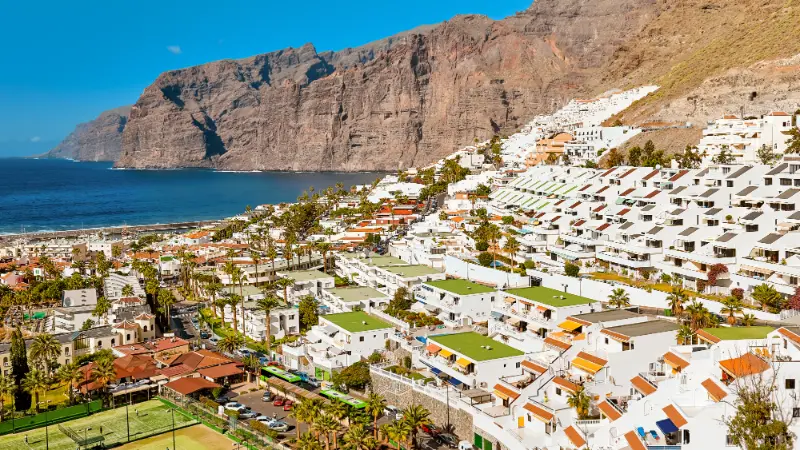
    Los Gigantes Resort Panoramic View Tenerife

    If Los Gigantes is the priority, compare current Los Gigantes accommodation prices so an early tour does not require a long cross-island drive.

    How I keep this day realistic

    I do not turn this guide into a checklist. I choose the two or three elements that matter most, leave the rest optional and build in time for a proper meal or a slower walk. Tenerife often looks compact on a map, but elevation changes, winding roads and parking can make a short distance consume more of the day than expected. A realistic plan also makes it easier to respond to cloud, wind or heat without feeling that the trip has gone wrong.

    Playa De Los Guios And Los Gigantes Cliffs Tenerife

    What I check before leaving accommodation

    Before heading out I check the exact destination, current weather at that location rather than at the hotel, and any notice from the official operator or municipality. I also carry water, sun protection and a light layer because conditions change quickly between the coast and higher ground. If the activity is time-sensitive, I save the booking confirmation offline and keep enough battery for maps and transport information.

    Why I leave a backup option nearby

    A backup does not need to be another major attraction. It can be a beach, historic centre, market, café or viewpoint in the same part of Tenerife. That small amount of preparation prevents a closure or rough sea from turning into a long cross-island drive. It is one of the habits that makes independent travel here much easier, especially when several people have different interests and energy levels.

    The pace I would choose

    I would rather finish this day feeling that I could have stayed longer than arrive back exhausted. Many of Tenerife’s best experiences depend on atmosphere: sitting by the sea after an activity, walking a town at dusk, watching cloud move across a ridge or finding a local restaurant without a schedule. Leaving space for those moments is more valuable than adding another stop simply because it appears in a guidebook.

    How I keep this day realistic

    I do not turn this guide into a checklist. I choose the two or three elements that matter most, leave the rest optional and build in time for a proper meal or a slower walk. Tenerife often looks compact on a map, but elevation changes, winding roads and parking can make a short distance consume more of the day than expected. A realistic plan also makes it easier to respond to cloud, wind or heat without feeling that the trip has gone wrong.

  • Golf in Tenerife: Best Courses, Where to Stay and Practical Planning Tips

    Golf in Tenerife: Best Courses, Where to Stay and Practical Planning Tips

    Tenerife is unusual because I can play golf in mild weather while looking at Atlantic water, volcanic terrain or the slopes below Teide. The island is compact enough for several very different courses, but not so compact that I would ignore driving times. Current official tourism material describes eight full golf courses plus two pitch-and-putt facilities on Tenerife, with most of the resort-oriented options concentrated in the south. I plan a golf holiday by choosing a base first, then booking tee times that fit the geography. This guide is about travel planning rather than technique or handicaps.

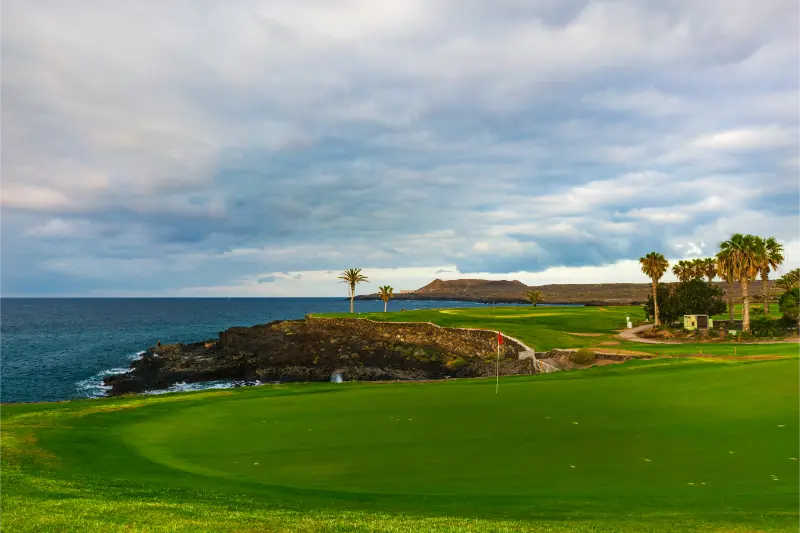
    Golf Costa Adeje: resort convenience with a volcanic landscape

    Golf Costa Adeje is one of the easiest courses to combine with a conventional beach holiday because it sits close to Costa Adeje, La Caleta and major accommodation areas. The design uses former agricultural terraces and broad views rather than pretending Tenerife is a northern-European parkland course. I would book early in popular winter periods and confirm whether the chosen rate includes buggy, trolley or range access. Staying nearby also makes an early tee time much less stressful.

    This is the point where I slow the itinerary down. I leave enough time for parking, a short walk and a change of plan if weather or opening conditions are different from what I expected. Tenerife rewards flexibility, and I would rather enjoy one place properly than rush through three stops because they looked close together on a map.

    Golf Las Américas: central for the busiest south-coast resorts

    Golf Las Américas sits between Playa de las Américas and Los Cristianos, making it practical for travellers who do not want every golf day to start with a long drive. The surrounding tourist infrastructure is dense: restaurants, beaches, taxis and accommodation are all easy to reach. That convenience can matter more than chasing a marginally cheaper green fee elsewhere. If non-golfing companions are travelling too, this is one of the easiest locations for splitting the day without leaving anyone isolated.

    In practical terms, I check this again on the morning of the visit. Opening hours, sea state, wind and local access can change, especially on an island where coast, forest and high ground behave very differently. I also keep one nearby alternative so a small change never means crossing Tenerife unnecessarily.

    Golf del Sur and Amarilla Golf: two different courses near TFS

    The southeast golf zone is useful for short golf-focused breaks because Golf del Sur and Amarilla Golf sit close to Tenerife South Airport. Ocean exposure and wind can become part of the challenge, so I do not assume a warm forecast means calm playing conditions. The area has quieter accommodation than central Costa Adeje and works well for travellers who care more about tee times than nightlife. My Tenerife South Airport guide helps with arrival logistics.

    I would build the rest of the day around this stop rather than squeeze it between two distant attractions. That usually means choosing a nearby lunch, beach, viewpoint or town and accepting that driving time is part of the experience. The result is a calmer day and a much better sense of place.

    Abama Golf: a premium west-coast option

    Abama is the course I associate with a more self-contained luxury stay. The setting near Guía de Isora combines elevation, Atlantic views and a highly manicured resort environment. I compare the full cost rather than the green fee alone because transport, equipment, food and accommodation can shape the budget significantly. For couples where only one person plays, the west-coast location also gives easy access to Alcalá, Playa San Juan and whale-watching areas.

    Golf Course In Tenerife

    For first-time visitors, the useful question is not only whether this is worth seeing, but whether it fits the base and transport plan. I compare the route with my Tenerife transport guide and avoid creating a day with repeated north-south crossings just to tick off one more place.

    Buenavista Golf: the course I would travel for in the northwest

    Buenavista Golf is the outlier geographically and that is part of its appeal. Designed by Severiano Ballesteros, it sits near Teno with dramatic cliff and ocean scenery. I would not book it as an afterthought from Costa Adeje without checking the drive. Instead I would pair it with Buenavista del Norte, Garachico or an overnight stay in the northwest. The route becomes part of the trip rather than wasted transfer time.

    I also think about the time after the main activity. A museum, flight, paddle or village visit is more enjoyable when I have not booked a rigid dinner on the opposite side of the island. I keep the final hours loose enough for an unexpected viewpoint, traffic, changing weather or simply staying longer somewhere I like.

    Real Club de Golf de Tenerife and the north

    The historic Real Club de Golf de Tenerife at Tacoronte adds a very different highland environment from the southern resort courses. Cooler air, greener surroundings and north-island weather can change the feel of a round completely. Access and visitor arrangements should be checked directly with the club, especially around competitions. I like the idea of pairing a north-course day with local wine country using my Tacoronte and El Sauzal guide.

    Golf Course Near Los Cristianos Tenerife

    My planning rule here is simple: use current information rather than copying an itinerary from an older trip report. Tenerife manages natural areas, sports zones and public facilities actively, so the best plan is the one that can absorb a closure or timetable change without becoming stressful.

    Tee times, rentals and what I confirm before paying

    I confirm handicap requirements where relevant, cancellation rules, rental-club availability, dress code and buggy policy before paying. A cheap online tee time is not a bargain if I then need an expensive taxi across the island or cannot rent the club configuration I use. Winter demand can be strong because Tenerife attracts golfers escaping colder climates, so I treat prime morning slots as something to reserve rather than improvise.

    If I am travelling with children or a mixed-age group, I shorten the visit before anyone gets tired. That is particularly useful in Tenerife, where a sunny morning can turn into a windy afternoon at altitude or a rougher sea on the coast. I prefer leaving with energy for the next stop.

    Where to stay for a Tenerife golf trip

    For multiple south courses, Costa Adeje, Golf del Sur and Amarilla are the easiest bases. For a mixed golf-and-sightseeing holiday, I might choose Costa Adeje and drive to selected courses. If Buenavista or north-island golf is a major priority, I consider splitting the stay. My where to stay guide is useful because the best golf base depends on what companions want to do between rounds.

    I treat this as part of a wider area rather than an isolated attraction. Linking places geographically creates better travel days: less driving, more time on foot and more chances to notice the cafés, promenades, architecture and landscapes that never make a top-ten list.

    My final planning advice

    I would rather play three courses with comfortable travel days than chase five tee times across the island. Tenerife’s golf variety is strongest when I let the landscapes change: resort south, wind-exposed southeast, highland north and dramatic northwest.

    Once the course plan is fixed, I use current Costa Adeje accommodation prices or search around Golf del Sur and Buenavista depending on the schedule.

    Golf Del Sur Volcanic Coast Tenerife

    How I keep this day realistic

    I do not turn this guide into a checklist. I choose the two or three elements that matter most, leave the rest optional and build in time for a proper meal or a slower walk. Tenerife often looks compact on a map, but elevation changes, winding roads and parking can make a short distance consume more of the day than expected. A realistic plan also makes it easier to respond to cloud, wind or heat without feeling that the trip has gone wrong.

    What I check before leaving accommodation

    Before heading out I check the exact destination, current weather at that location rather than at the hotel, and any notice from the official operator or municipality. I also carry water, sun protection and a light layer because conditions change quickly between the coast and higher ground. If the activity is time-sensitive, I save the booking confirmation offline and keep enough battery for maps and transport information.

    Why I leave a backup option nearby

    A backup does not need to be another major attraction. It can be a beach, historic centre, market, café or viewpoint in the same part of Tenerife. That small amount of preparation prevents a closure or rough sea from turning into a long cross-island drive. It is one of the habits that makes independent travel here much easier, especially when several people have different interests and energy levels.

    The pace I would choose

    I would rather finish this day feeling that I could have stayed longer than arrive back exhausted. Many of Tenerife’s best experiences depend on atmosphere: sitting by the sea after an activity, walking a town at dusk, watching cloud move across a ridge or finding a local restaurant without a schedule. Leaving space for those moments is more valuable than adding another stop simply because it appears in a guidebook.

  • Stargazing in Tenerife: Teide Night Sky, Best Spots, Tours and Practical Tips

    Stargazing in Tenerife: Teide Night Sky, Best Spots, Tours and Practical Tips

    Stargazing in Tenerife is one of the experiences that makes the island feel bigger than a beach destination. Drive from the coast into the Teide highlands after sunset and the atmosphere changes completely: the temperature drops, much of the coastal light disappears below you and the volcanic landscape becomes almost abstract. On a clear night, even visitors who know little about astronomy can understand why Tenerife is internationally important for observing the sky.

    I plan a stargazing night with the same care as a mountain hike. I think about weather, moonlight, warm clothing, road fatigue and where I am actually allowed to stop. The goal is not to chase darkness into an unsafe roadside location; it is to enjoy the sky from a sensible place and return comfortably.

    Why Tenerife is so good for astronomy

    Tenerife benefits from altitude, relatively clean high-level air and a location near 28 degrees north. The official tourism information highlights the transparency of the sky and notes that the Teide Observatory sits at around 2,400 metres. The sea of clouds that often forms below the summit area can also help separate the highlands from coastal light.

    The island’s importance is scientific as well as touristic. The Teide Observatory is part of the Canary Islands’ astronomical infrastructure, and research teams from many countries use the archipelago’s observing conditions. For background, I use the official Tenerife astronomy page.

    Best areas for stargazing

    I focus on the Teide highlands rather than searching for darkness beside a resort. The official tourism site specifically mentions areas around the Parador and Montaña de Guajara as notable places for the night sky. I use established parking or observation areas and never leave the car on a blind bend or protected terrain.

    Teide National Park Sunset From Alto De Guajara

    Vilaflor is useful as a base on the southern approach, while La Orotava gives access from the north. If I am staying in Costa Adeje, I allow enough time to climb gradually, enjoy sunset if conditions are right and stay after full darkness without rushing back. The mountain road is part of the plan, not dead time.

    Should you book a stargazing tour?

    A guided tour is worthwhile if you want telescopes, interpretation and less responsibility for choosing the observation point. A good guide can identify constellations, planets and deep-sky objects that a beginner might miss. Some tours combine sunset, astronomy and transport from the south, which can be especially useful if you do not want to drive mountain roads at night.

    Self-guided stargazing is also possible. The official Tenerife tourism site notes that visitors can observe on their own, but that does not mean every location is appropriate. I still check protected-area rules, weather and access. If I want a structured experience, I book with a reputable astronomy provider rather than someone promising unrealistic sightings.

    What you can see

    The visible sky changes through the year and from hour to hour. Planets move, the Moon changes phase and seasonal constellations rotate through the night. From Tenerife’s latitude, observers can see a broad range of northern and some southern celestial objects. The official tourism material even highlights Omega Centauri as one of the notable objects visible from the island under suitable conditions.

    I avoid writing a fixed list such as “you will see the Milky Way at 10 pm” because visibility depends on date, moonlight, clouds and direction. Before the trip I check an astronomy app or sky chart for the exact night.

    Moon phase matters

    A bright full Moon can be beautiful, especially over the volcanic landscape, but it washes out many faint stars. If my main goal is the Milky Way or deep-sky objects, I prefer a darker lunar phase. If my goal is simply a memorable night in Teide, I do not cancel because the Moon is bright; I change expectations.

    This distinction is important for photographers too. A moonlit volcanic landscape can be easier to photograph than an extremely dark foreground. The “best” night depends on whether you want stars, landscape detail or a guided telescope session.

    Weather and cloud

    Tenerife’s microclimates are famous, and they matter at night. The coast can be cloudy while the highlands are clear above the cloud layer, or mountain cloud can spoil an evening that looked perfect from the beach. I check high-altitude forecasts rather than only the weather icon for Costa Adeje.

    Wind matters as much as cloud. A clear but windy night can feel extremely cold and make long observation uncomfortable. I bring more insulation than I think I need and keep a flexible backup evening in the itinerary when stargazing is a high priority.

    What to wear

    I dress for mountains, not for a Tenerife beach holiday. Long trousers, closed shoes, a warm layer and a wind-resistant jacket are sensible year-round at altitude after dark. In colder periods I add hat and gloves. A thermos can be useful if you are staying out for hours.

    I also bring a red-light mode or dim light instead of shining a bright phone torch at everyone. Your eyes need time to adapt to darkness, and one strong white light can ruin that adaptation for the whole group.

    Driving at night

    Night driving is the part I take most seriously. The roads are paved and manageable for many visitors, but darkness, bends, altitude and fatigue change the task. I avoid alcohol entirely, drive more slowly than in daylight and never stop suddenly because I see a good photograph.

    If the driver is uncomfortable, an organised tour is a better choice. My Tenerife by car guide covers mountain-road habits, while Tenerife without a car explains why organised excursions can fill transport gaps.

    Teide Observatory visits

    The scientific observatory is not the same thing as a casual roadside stargazing stop. Visits, when available, operate through specific programmes and schedules. I book in advance and read the exact instructions rather than assuming I can arrive at the telescopes independently. Daytime observatory visits can complement a night-sky experience because they explain the science behind the location.

    I also distinguish the observatory from the Teide cable car. They are separate experiences with separate logistics. For cable-car and summit planning, use my Mount Teide guide.

    Teide Observatory And Mount Teide Tenerife

    Astrophotography basics

    For simple night-sky photography, stability matters more than expensive equipment. A tripod, manual control and a wide lens can produce excellent results. I focus carefully, use a timer or remote trigger and avoid walking with bright lights through another photographer’s frame.

    Phone cameras have improved dramatically, but I still prioritise the experience over endless attempts to reproduce professional astrophotography. The best memory can be the moment your eyes adjust and the sky becomes visibly richer.

    A good evening itinerary

    If I am starting in the south, I might have an early dinner in Vilaflor, continue toward Teide before sunset, stop only at legal viewpoints and remain in one observation area after dark. I keep the return route simple. If I am staying in Puerto de la Cruz, I approach from the north and avoid crossing the whole island twice in one evening.

    My Vilaflor guide is useful if you want a village stop before the night session. I do not combine a strenuous summit hike and a very late stargazing session unless the group is experienced and rested.

    Respecting the night environment

    Darkness is part of the resource you came to enjoy. I keep noise low, use minimal light, take rubbish away and stay on authorised surfaces. Protected landscapes are not empty spaces waiting for cars to spread out. If an area is closed, I choose another viewpoint.

    For the latest general information about astronomical tourism, I check the official Tenerife stargazing page before the trip.

    Where to stay

    Vilaflor is the obvious rural choice for serious stargazing, but you do not need to sleep in the mountains. Costa Adeje, Los Cristianos, Puerto de la Cruz and La Orotava can all work if you plan transport. I choose the base for the whole holiday, then dedicate one evening to the sky.

    You can compare accommodation across Tenerife and use the map to judge the drive to your preferred Teide approach.

    Frequently asked questions

    Can I stargaze in Teide without a tour?

    Yes, in suitable publicly accessible areas, but I still follow road and protected-area rules and choose established viewpoints rather than improvising.

    Is stargazing good every night?

    No. Cloud, wind, haze and moonlight change the experience. A flexible itinerary gives you the best chance.

    Is it cold at night?

    It can be much colder than the coast, especially with wind. I always bring warm layers even in summer.

    Do I need a telescope?

    No. The naked-eye sky can be spectacular. A telescope or guided session adds detail and interpretation.

    What is the biggest planning mistake?

    Underestimating the return drive. A safe, comfortable journey back to the hotel is part of a successful stargazing night.

    My simple checklist before leaving the hotel

    Before a stargazing evening I check four things: high-altitude cloud, wind, moon phase and the return driving time. If two of those look poor, I move the experience to another night rather than forcing it. I also download the route and any sky map before climbing because mobile coverage can be inconsistent in mountain areas.

    Tenerife Mountain Landscape And Moon

    I carry water, a warm drink, spare layers and a small torch with a red setting. If I am joining a tour, I still dress independently for the cold because operators cannot control personal temperature tolerance. Finally, I tell someone in the group exactly when we plan to leave the observation area. Night photography and telescopes can make time disappear, and fatigue is the hidden risk at the end of an otherwise beautiful experience. The best stargazing night is one you remember for the sky, not for an exhausting drive home.

  • Whale Watching in Tenerife: How to Choose a Responsible Boat Tour

    Whale Watching in Tenerife: How to Choose a Responsible Boat Tour

    Whale watching is one of the Tenerife experiences I would choose even on a short first trip, but only if the excursion is run responsibly. The waters off the island’s southwest coast are known for resident cetacean populations, and boats depart from places such as Puerto Colón and Los Gigantes. That accessibility is a privilege, not a reason to chase animals aggressively, so the operator matters as much as the boat.

    Tenerife’s official tourism guidance states that authorised whale-watching boats must respect rules including a minimum 60-metre distance, a maximum observation period of 30 minutes, reduced speed and no swimming with, feeding or touching the animals. I use those rules as a quick test when reading tour descriptions. Any marketing that promises behaviour inconsistent with the regulations is a reason for me to look elsewhere.

    Where whale-watching trips leave from

    Puerto Colón in Costa Adeje is the most convenient departure point for many south-coast visitors. It has a large selection of excursions and is easy to combine with accommodation in Costa Adeje, Playa de las Américas or Los Cristianos. Los Gigantes is the alternative I like for travellers who want the dramatic cliff scenery to be part of the trip; the harbour is smaller and the setting feels very different.

    I choose the departure port based on where I am staying rather than driving across the island for a small difference in ticket price. A 15-minute taxi to Puerto Colón can make far more sense than a long early drive to another marina. See my Los Gigantes guide and Costa Adeje guide for the two main bases.

    What animals might you see?

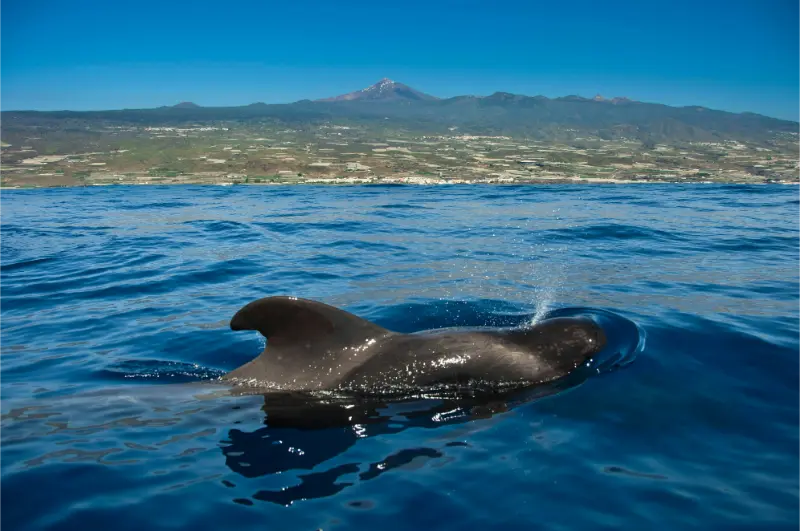
    Pilot whales and bottlenose dolphins are strongly associated with the waters around Tenerife, while other species can appear depending on season and chance. I never treat a wildlife trip as a guarantee of a particular species or behaviour. The point is to observe wild animals on their terms. A good guide explains what is seen, how the animals behave and why distance matters instead of manufacturing excitement by forcing a closer encounter.

    This is also why I prefer a trip with interpretation. A marine biologist or knowledgeable guide can turn a distant dorsal fin into a meaningful observation by explaining group structure, feeding, movement and acoustic behaviour. The experience becomes less about collecting photographs and more about understanding the marine environment.

    How to choose a responsible operator

    • Check that the vessel is authorised for cetacean-watching activity.
    • Look for clear reference to distance, time and wildlife-protection rules.
    • Avoid products that advertise touching, feeding or swimming with wild cetaceans.
    • Prefer operators that explain what happens if animals are stressed or difficult to locate.
    • Read the cancellation policy for rough-sea or weather decisions.
    • Choose a boat size that matches your comfort, not only the cheapest fare.

    Tenerife Tourism also promotes a voluntary sustainability charter for whale-watching companies. I consider participation a useful positive signal, but I still read the actual operating practices. Labels help; responsible behaviour on the water matters more.

    Small boat or large catamaran?

    Neither is automatically better for every traveller. A small boat can feel more personal, usually carries fewer passengers and may offer stronger interpretation, but movement is more noticeable and facilities can be limited. A large catamaran can provide more space, shade and toilets, which some families appreciate, but the experience may feel less intimate. I decide based on seasickness, children, mobility, trip length and how important commentary is to me.

    Boat styleAdvantagesThink about
    Small boatFewer passengers, personal guidingMore motion, fewer facilities
    CatamaranSpace, shade, easier family comfortLarger group atmosphere
    Sailing boatQuiet feel, smaller scaleSpace and access can be limited
    Private charterFlexible group experienceMuch higher cost

    How long should the tour be?

    For most first-time visitors I like roughly two to three hours. It is long enough to leave the harbour area and enjoy the sea without making the boat the entire day. Longer cruises can include food, swimming stops or more coastline, but those extras are not the same as additional cetacean observation because regulated viewing time still applies.

    With young children or anyone prone to motion sickness, I would choose the shortest format that still offers a proper wildlife experience. Four hours can feel very long when someone becomes uncomfortable after the first thirty minutes.

    Seasickness: what I do

    I check the marine forecast, eat a light meal, avoid excessive alcohol the night before and choose a position with fresh air and a clear horizon. If I know I am susceptible, I discuss appropriate prevention with a pharmacist or doctor before the trip rather than improvising medication at the harbour. I also tell the crew early if I feel unwell; they see seasickness regularly and can often suggest the best place to sit.

    What to wear and bring

    Even on a warm Costa Adeje morning, the boat can feel cooler and windier than the promenade. I bring sun protection, sunglasses with a secure fit, a light wind layer, water and a camera with a strap. I do not bring a large amount of equipment. The more time I spend changing lenses and protecting bags from spray, the less I actually watch the sea.

    Boat Trip Off Costa Adeje Tenerife

    Whale watching with children

    Children often love the anticipation, but the experience includes waiting. I explain before departure that wild animals are not a scheduled show. For younger children I choose a boat with shade, a toilet and easy seating, and I pack a simple snack if permitted. A shorter tour is usually better than the ‘best value’ longest cruise.

    If a child is nervous around boats, I would not make whale watching the first activity immediately after a tiring flight. A calm beach day first can help. My Tenerife with kids guide has more ideas for balancing high-energy and low-energy days.

    Best time of day

    I do not believe there is one universally guaranteed best hour for sightings. Wildlife and sea conditions vary. I prioritise the marine forecast and the operator’s local advice. Morning can be appealing for cooler conditions and a clean start to the day; an afternoon departure can fit a beach morning. The responsible operator should cancel or adapt when conditions are unsafe.

    Can you swim with whales or dolphins in Tenerife?

    Not as part of lawful wildlife observation. The official rules prohibit swimming with, touching or feeding cetaceans. If you see a product framed around direct interaction with wild dolphins or whales, I would verify exactly what is being sold and whether it complies with Canary Islands and national regulations.

    Dolphins Off The Coast Of Tenerife

    How I would combine the excursion

    From Puerto Colón, I would pair a morning cruise with a relaxed Costa Adeje afternoon rather than drive to Teide. From Los Gigantes, I would add lunch, the harbour and a coastal viewpoint, or simply enjoy the cliffs. A wildlife excursion already contains uncertainty; the rest of the day should have margin.

    Where to stay

    Costa Adeje gives the widest selection of south-coast hotels and the easiest Puerto Colón access. Los Gigantes is quieter and puts the cliffs directly into the experience. If whale watching is one of several island activities, I would choose the base that also works for beaches and transport. You can compare accommodation in Costa Adeje.

    Los Gigantes Cliffs From The Sea Tenerife

    Official rules worth reading

    Before booking, I read Tenerife Tourism’s official whale-watching regulations. The current guidance includes the 60-metre minimum approach distance, 30-minute maximum observation period, reduced speed and the prohibition on swimming with, touching or feeding cetaceans.

    Frequently asked questions

    Are sightings guaranteed?

    No responsible wildlife experience should be described as a guaranteed performance. Some operators may offer their own repeat-trip policy if no animals are seen, but that is a commercial condition, not a guarantee of nature.

    Is a small boat always more sustainable?

    Boat size alone does not prove responsible behaviour. Authorisation, distance, time near animals, speed, guiding and crew decisions are more meaningful indicators.

    Can I book at the harbour on the day?

    Sometimes, but I prefer to reserve a suitable authorised operator in advance during busy periods. That prevents me from choosing only by the next departure time.

    What is the biggest mistake?

    Choosing purely on price. The quality of the wildlife interpretation, legal compliance, boat comfort and sea conditions determine far more of the experience than a small ticket saving.

    How I think about photographs and wildlife etiquette

    A camera can improve the memory of the trip, but I do not let photography dictate the boat’s behaviour. I use a moderate zoom, keep straps secure and accept that many of the best sightings are too brief for a perfect image. I never ask a skipper to move closer for a photo. The legal distance exists for the animals, not for the convenience of my lens.

    I also avoid geotagging a precise live location when that could encourage other vessels to converge. The professional operators coordinate within regulations and understand the local situation far better than passengers. My role is to observe, listen and leave the encounter with as little disturbance as possible.

  • Loro Parque Tenerife Guide: How to Plan a Full Day in Puerto de la Cruz

    Loro Parque Tenerife Guide: How to Plan a Full Day in Puerto de la Cruz

    Loro Parque is one of Tenerife’s best-known paid attractions and a common reason travellers build a day around Puerto de la Cruz. I think it works best when you treat it as a large zoological park that requires a full visit rather than a quick stop before seeing the rest of the north. The site is compact enough to walk but dense enough that presentation times, animal areas, meals and simple breaks can fill most of the day.

    The park’s current official information lists opening every day from 09:30 to 17:30 and recommends advance ticket purchase. Those details are easy to check, but the more important planning question is how the visit fits into your Tenerife trip. If you are already staying in Puerto de la Cruz, it is simple. From Costa Adeje or Los Cristianos, it becomes a long dedicated excursion, so I would not add a second major north-coast itinerary on the same day.

    What kind of visit to expect

    Loro Parque contains a broad range of animal habitats and scheduled presentations, plus restaurants, shaded areas and landscaped paths. The experience is very different from a nature hike or whale-watching trip because you are visiting managed animal collections. I separate those experiences mentally: if my goal is to see cetaceans in the wild, I choose a regulated whale-watching trip; if I want a structured family attraction with many species in one place, Loro Parque serves a different purpose.

    Travellers also have different views about keeping cetaceans and other wild animals in human care. I think it is reasonable to read the park’s own conservation information as well as independent animal-welfare perspectives and decide according to your values. This guide focuses on practical trip planning rather than telling you what ethical conclusion to reach.

    How much time I would allow

    I would reserve most of the operating day. Rushing through in three hours means either skipping large areas or walking constantly with no time to observe. With young children, the pace naturally becomes slower because meals, toilets and rest matter. If a family has only a half day available, I would choose fewer zones deliberately rather than attempt the full park.

    Visit styleTime I would allowApproach
    Fast highlights4–5 hoursChoose priority habitats and limited presentations
    First full visitMost of the dayBalanced route with meal and rest
    Young childrenFull flexible dayFewer targets, more breaks
    Repeat visitVariableFocus on favourite habitats and new areas

    Presentation times and route planning

    The official park publishes presentation schedules, and I use those only as anchors. Trying to attend every presentation can turn the visit into a timetable exercise where you constantly cross the park. I pick the sessions that matter to my group, then build a walking route around nearby habitats. I arrive a little early because seating and access can take time.

    If an animal chooses not to be visible or an activity changes, I move on. Animals are not a guaranteed performance product, and operational schedules can change. That mindset makes the day calmer and avoids frustration when a carefully planned sequence does not happen exactly as expected.

    What to bring

    • Comfortable walking shoes rather than beach sandals.
    • Sun protection even though many areas have shade.
    • A light layer if the north is cooler or cloudier than your resort.
    • A refillable water bottle if permitted under current park rules.
    • Only the camera equipment you genuinely want to carry all day.
    • Any child essentials that keep breaks simple and predictable.

    Puerto de la Cruz often feels cooler and greener than the south, so I do not assume the weather at my Costa Adeje hotel represents the north coast. I check the forecast that morning and carry one light layer. Tenerife’s microclimates are part of the island’s character; my weather and season guide explains why conditions can differ so much over a short distance.

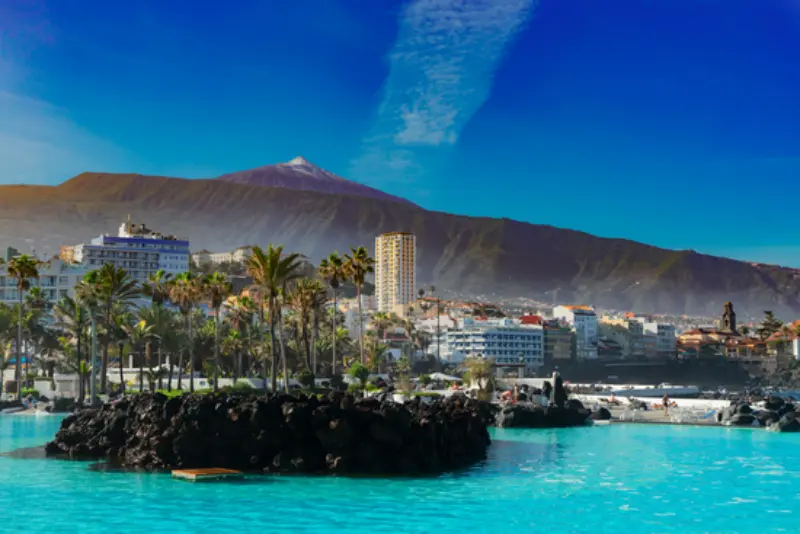
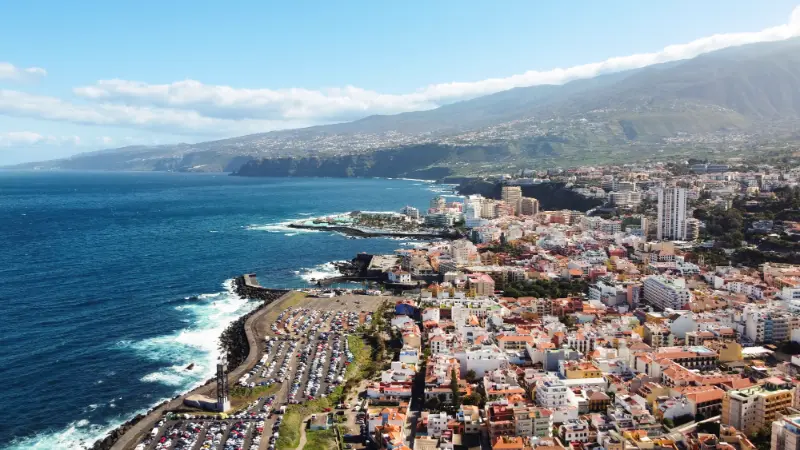
    Aerial View Of Puerto De La Cruz City Tenerife

    Getting to Loro Parque from Puerto de la Cruz

    If I stay in Puerto de la Cruz, I would not rent a car just for the park. Loro Parque currently advertises a free express train through Puerto de la Cruz, with service information published on its official visitor page. Walking, taxi and local connections may also be practical depending on the hotel. I check the current route and times because visitor transport details can change.

    Getting there from southern Tenerife

    From Costa Adeje, Los Cristianos or Playa de las Américas, the day requires more planning. The park advertises bus transport from the south, while driving gives more control over departure time. If I drive, I accept that the motorway journey can be substantial and I avoid adding a late mountain road or another large attraction afterward.

    A family that strongly wants both Siam Park and Loro Parque can do them on separate days. I would never put them back-to-back if the children tire easily; a beach or easy resort day between them creates a better holiday rhythm. For family planning, see Tenerife with kids.

    Food, breaks and pacing

    The park lists restaurants, cafés and kiosks, so I plan to eat inside rather than build the day around leaving and returning. I usually choose lunch slightly before or after the busiest period and use the meal as a real rest. Children often enjoy the afternoon much more after twenty quiet minutes away from crowds.

    I also avoid carrying unnecessary shopping or souvenirs from the start. If I want something from a park shop, I look near the end of the visit. Anything bought early becomes another object to carry through a full day of walking.

    Can you combine Loro Parque with Puerto de la Cruz?

    If the park is the priority, I would combine it only with a simple evening walk or dinner in Puerto de la Cruz. Lago Martiánez, La Orotava and a detailed historic-centre visit deserve more time than leftovers at the end of an exhausting day. Travellers staying overnight in the north can explore those places the following morning. My Puerto de la Cruz guide has a better plan for the town itself.

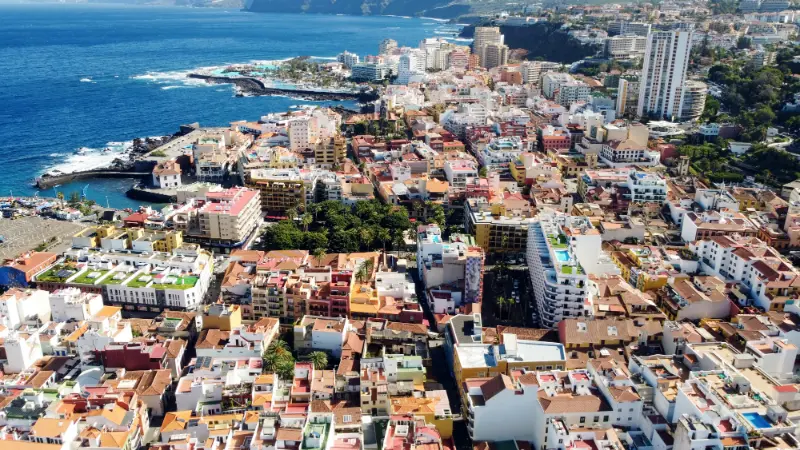
    Aerial View Of Puerto De La Cruz Tenerife

    Where to stay

    Puerto de la Cruz is by far the most convenient base if Loro Parque is a major trip priority. It also positions you well for La Orotava, Icod, Garachico and the north side of Teide. If you prefer the sunnier south for the rest of the holiday, I would stay there and accept one long excursion rather than change hotels for a single attraction. You can compare current Puerto de la Cruz hotel prices.

    My practical full-day plan

    I would arrive near opening, identify the day’s presentation times, choose two or three priorities and begin walking before spending too long at the entrance. Late morning is for the first scheduled presentation and nearby habitats. Lunch is a genuine break. The afternoon is for areas missed earlier, a final selected presentation and a relaxed exit before the closing rush.

    That plan sounds simple because it is. The biggest planning mistake is over-engineering the day. A zoological park works best when you allow time to watch rather than move constantly from sign to sign.

    Official information to check

    Before visiting, I use the official Loro Parque visitor page for current hours, presentation schedules, transport and visitor rules. The published information currently lists daily opening from 09:30 to 17:30, but the official page should always take priority over older travel articles.

    Frequently asked questions

    Is Loro Parque a half-day attraction?

    It can be if you deliberately choose a limited number of areas, but I would not plan a first visit that way. Most travellers get better value from a full, slower day.

    Should I stay in Puerto de la Cruz?

    Only if the north suits the rest of your trip as well. Puerto de la Cruz is a strong base for northern towns and landscapes, but I would not change hotels solely to shorten the journey to one attraction.

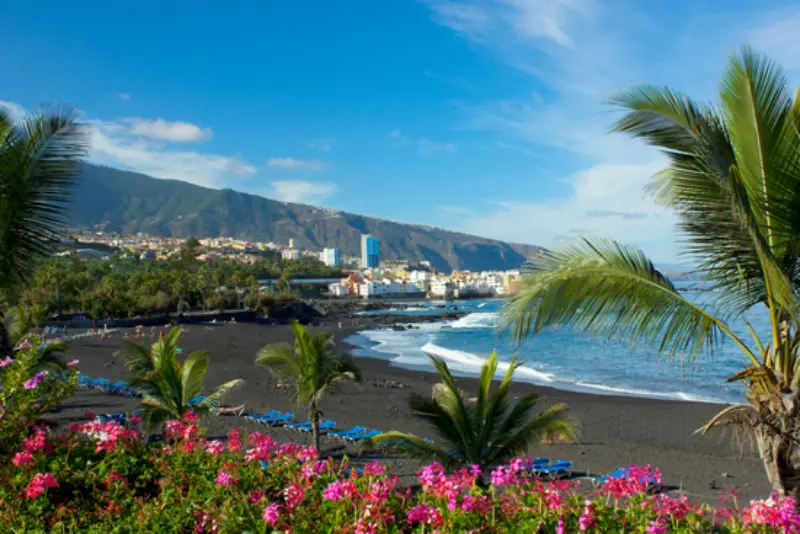
    Playa Jardin Puerto De La Cruz Tenerife

    Is it suitable for small children?

    The park is easy to understand as a family attraction, but the practical issue is stamina. I plan more breaks, fewer fixed presentation targets and a flexible exit time with preschool-age children.

    What would I pair with it on another day?

    La Orotava, Icod de los Vinos, Garachico and a north-coast itinerary all pair naturally with a Puerto de la Cruz stay. I would keep those explorations for a separate day so the park itself is not rushed.

    How I fit the park into a north-Tenerife itinerary

    If I spend three nights in Puerto de la Cruz, I use one day for Loro Parque, one day for La Orotava and a Teide approach, and one day for Icod and Garachico. That structure keeps driving short and gives the north enough attention. On a single-day trip from the south, I accept that the park is the destination and save the historic towns for another holiday.

    This is especially important for families. Children often remember the animal they watched for ten minutes more vividly than the fifth viewpoint adults squeezed into the return drive. I would rather finish early and have ice cream on the Puerto de la Cruz promenade than add a rushed detour simply because it appears nearby on a map.