Category: Attractions & Experiences

Tenerife theme parks, wildlife activities, major attractions and bookable experiences with practical planning advice.

  • Skateparks & Skateboarding in Tenerife: Santa Cruz, BMX, Safety and Park Etiquette

    Skateparks & Skateboarding in Tenerife: Santa Cruz, BMX, Safety and Park Etiquette

    Quick summary: Tenerife has an active urban-sports scene alongside its beaches and hiking. Skateboarding, BMX, freestyle skating, parkour and calisthenics appear in municipal parks, youth programmes and events, with Santa Cruz especially visible. I check the exact park condition and opening context before travelling, bring protective gear, avoid wet or sandy surfaces, and remember that a concrete skatepark is very different from a supervised commercial attraction. Parque La Granja in Santa Cruz is one established reference point: the city has used its skatepark for municipal skate programmes and the Tenerife Urbano event.

    Before I skateWhy it matters
    Check current park statusMaintenance, events or construction can temporarily change access
    Inspect surface firstSand, rain, debris and wax can alter grip quickly
    Bring helmet/protectionConcrete parks punish small mistakes more than a beach promenade
    Carry water and sun protectionShade can be limited and sessions get hot
    Respect lines and turn-takingA busy bowl or ramp works only when riders watch each other

    Santa Cruz is the easiest starting point for urban sports

    Santa Cruz has the island’s strongest concentration of municipal sports infrastructure and a visible skate culture. The city’s 2026 summer sports programme included skate courses, and official announcements identify the skatepark at Parque La Granja as a venue. The city also hosted Tenerife Urbano 2026 there with skate, BMX freestyle, parkour, calisthenics, 3×3 basketball and freestyle skating. I use the Santa Cruz municipal sports pages to check facilities and current information rather than relying only on old map photos.

    The Cabildo also maintains a broader island sports portal and facility information. Its Tenerife sports page is useful when I want to look beyond Santa Cruz and understand municipal or island-wide programmes.
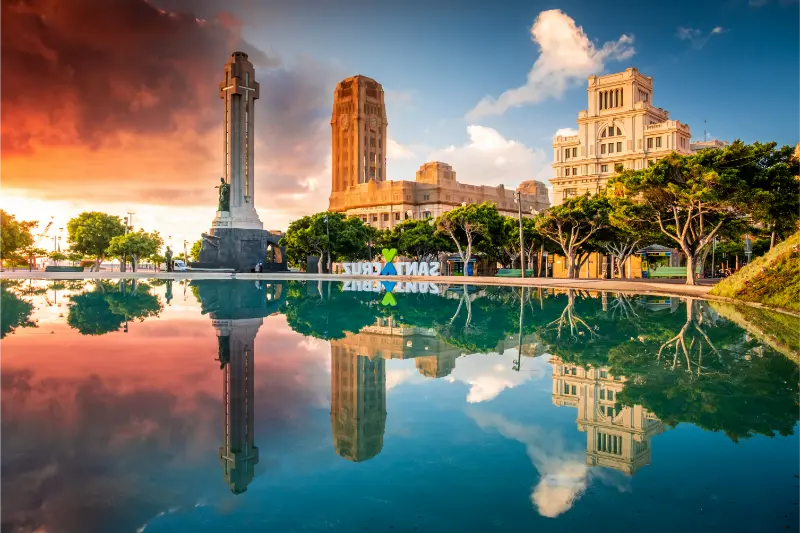
    Plaza De Espana Santa Cruz De Tenerife

    A skatepark is not the same as skating on a promenade

    Tenerife’s flat seafront areas can look ideal for cruising, but shared pedestrian spaces are not automatically skate areas. Crowded promenades, tiled surfaces, kerbs, restaurant terraces and children can make fast skating inappropriate. I use dedicated facilities where possible and treat public-space rules as local, not universal.

    I also distinguish skateboarding from electric personal-mobility vehicles. An electric scooter has its own traffic and equipment rules and should not be treated as a skateboard with a motor. My electric scooter rules in Tenerife guide covers that separate topic.

    Weather matters more than many visitors expect

    Concrete plus rain is a bad combination. Tenerife can be sunny on one coast and damp elsewhere, and a shower may leave shaded ramps wet longer than nearby streets. I inspect the transitions before committing. Wind also matters: a strong crosswind can alter balance on ramps and make lightweight boards or loose gear move unexpectedly.

    Heat is the other problem. Midday sun can make a park uncomfortable even in winter, especially where there is little shade. I prefer mornings or later afternoons, bring water and use sunscreen. The volcanic climate can feel mild in the air while UV exposure is still strong.

    What I bring for a holiday skate session

    I travel lighter than I would for a competition but do not skip basic protection. A helmet is the obvious item, and knee, elbow or wrist protection makes sense depending on my level and whether I am learning new tricks. I bring a small skate tool, spare hardware if I have room and a reusable water bottle.

    For air travel, I check the airline’s baggage rules before strapping a board to a cabin bag. Policies differ by carrier and can change. My sports equipment flying guide explains the broader process I use for unusual baggage.

    Park etiquette: the unwritten rules are mostly common sense

    I watch before dropping in. At a bowl or ramp, another rider may already be setting up a line that is not obvious from where I stand. I do not sit on coping, leave bags on run-outs or cross a landing zone while someone is moving. When the park is busy, I take a turn and clear the line rather than repeatedly cutting back in.

    Beginners deserve space too, but learning a new trick in the fastest line during peak time is stressful for everyone. If I am teaching a child, I choose a quieter corner or quieter time and stay close enough to prevent unpredictable crossings.

    Skating with children and teenagers

    For families, I check whether the facility is appropriate to the child’s actual ability. A skatepark may contain steep bowls or large transitions with no separate beginner zone. A confident scooter rider on a flat path is not automatically ready for a concrete quarter pipe.

    I also think about supervision, toilets, shade and nearby food rather than only the ramps. My Tenerife playgrounds and family parks guide can help combine a skate stop with facilities that work for younger siblings.

    BMX, scooters and inline skates: mixed-use parks need awareness

    Some parks are used by skateboards, BMX, stunt scooters and skates at the same time. Different equipment creates different speeds and turning radii. I do not assume one group has priority simply because the park name says “skate.” I observe the local rhythm and communicate before entering a shared line.

    BMX riders need more space, while young scooter riders can change direction very quickly. A few seconds of eye contact can prevent collisions. Headphones also reduce awareness, so I keep volume low or leave one ear free in a crowded park.

    Do not use protected natural areas as improvised skate terrain

    Tenerife’s volcanic surfaces can look visually perfect for a video, but protected landscapes are not film sets. I do not ride on sensitive geological formations, historic steps, monuments or surfaces where grinding damages stone. Urban skating should not leave wax, scratches or broken edges on heritage sites.

    If filming, I keep tripods and bags outside active lines and avoid blocking pedestrian access. A short clip is not worth creating a conflict with local residents or damaging a public space.

    Finding events, workshops and community sessions

    Municipal summer programmes and urban-sport festivals can be a good way to discover the local scene. The official Santa Cruz announcement for its 2026 summer programme, for example, included skate among more than 2,700 places across youth sports activities. These programmes change by season, so I search current municipal sports pages rather than copying an old schedule into my trip plan.
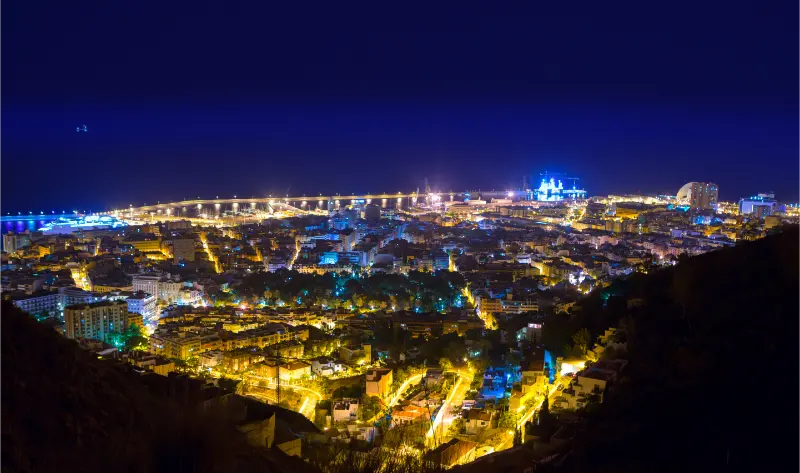
    Santa Cruz De Tenerife At Night

    For independent sessions, local skate shops and social media can reveal jams, lessons or temporary events. I verify the date carefully because old event posters often continue circulating in search results.

    FAQ: skateparks in Tenerife

    Is Parque La Granja a real skate location?

    Yes. Santa Cruz municipal communications refer to the skatepark at Parque La Granja and have used it for skate courses and urban-sports events. I still check current access and maintenance before making a special trip.

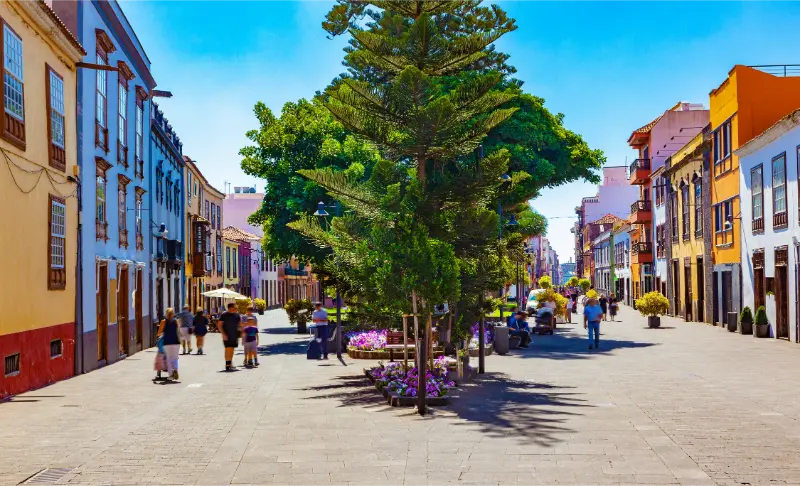
    Santa Cruz De Tenerife Colorful Architecture

    Can I rent a skateboard easily?

    Rental is less standardised than surf or bike hire. I search local skate shops and schools in the area I am staying and confirm availability in advance, especially for children’s sizes and protective gear.

    Is skating comfortable at midday?

    Often not. Strong sun, hot concrete and limited shade can make midday the least pleasant time. Morning or late afternoon is usually easier.

    Can beginners use public skateparks?

    Yes if the layout suits them and they understand park etiquette, but I choose a quiet time and appropriate features rather than starting in a busy bowl.

    My practical approach

    Tenerife adds an interesting urban-sports layer to a trip that might otherwise be all beaches and mountain trails. I use official facility information, inspect conditions on arrival and ride within my level. Good skatepark etiquette is simple: protect myself, watch other lines, keep the surface clear and leave the place exactly as I found it.

    Renting or buying a board for a short Tenerife stay

    Skateboard rental is not as standardised as surfboard or bicycle rental on the island. For a dedicated skating trip, bringing my own board gives me familiar trucks, wheel hardness and deck width. For a casual session, I contact a local skate shop or school and ask whether they rent complete setups and protective gear. I do not assume a scooter-rental business also has skateboards.

    If I buy a cheap complete board for a child, I still check that the trucks turn properly, bearings roll smoothly and hardware is tight. A toy-store board can be frustrating on ramps if wheels or bushings are poor. For only one afternoon, borrowing through a lesson can be safer and simpler than buying equipment I then need to carry home.

    Filming tricks without blocking the park

    Tenerife light makes skate videos tempting, but a phone held in the middle of a line is a collision hazard. I film from outside the active path, keep tripods against a boundary and never ask another rider to repeat a risky trick because my first clip was badly framed. If children are visible, I avoid publishing identifiable footage without permission.

    For more serious filming I arrive at a quiet time rather than trying to control a busy public park. Early sessions usually give cleaner backgrounds, cooler concrete and fewer conflicts. I also remember that music played for a video shoot should not dominate a shared space.

    Transporting a skateboard on buses or in a rental car

    On public transport I keep the board controlled rather than letting it roll or project into the aisle. In a car I do not leave it loose on the rear shelf where hard braking could turn it into a projectile. A compact board bag or simply placing it flat in the boot makes the trip safer and keeps grip tape away from upholstery.
  • Basketball in Tenerife: La Laguna Tenerife, Santiago Martín, Tickets and Match-Day Guide

    Basketball in Tenerife: La Laguna Tenerife, Santiago Martín, Tickets and Match-Day Guide

    Quick summary: For a live sports night beyond football, La Laguna Tenerife offers top-level Spanish basketball at the Pabellón Santiago Martín. The club competes in Liga Endesa and in 2026-27 uses the team name La Laguna Tenerife. I buy through the club’s official ticket route, check the exact competition and tip-off time, and arrive early because a compact arena and passionate crowd are part of the experience. Team sponsors, prices and schedules can change, so I keep the article practical rather than freezing one season forever.

    ClubCB 1939 Canarias / team name La Laguna Tenerife
    Home arenaPabellón Santiago Martín, La Laguna
    LeagueLiga Endesa (ACB)
    TicketsOfficial club website / linked ticket platform

    Before I commit money or time, I separate information into three levels: what is fixed by law or geography, what changes seasonally, and what can change from one day to the next. That simple distinction is especially useful in Tenerife, where weather, traffic, sea conditions, event programmes and transport availability can all change a plan without making the destination difficult. I keep the official source bookmarked, build a realistic buffer into the day, and avoid treating a single app, old forum post or social-media clip as a guarantee.

    Why a basketball game works well on holiday

    A basketball match is compact, energetic and usually easier to fit into an evening than a full day excursion. The indoor arena also makes it a strong option when mountain weather or rain changes outdoor plans. I like it because the experience is local without requiring deep knowledge of Spanish football culture. Even a first-time spectator can follow the score, enjoy the crowd and leave with a clear sense of the island’s sporting identity.

    The team in the 2026–27 season

    ACB and the club list the team as La Laguna Tenerife for 2026–27. The organisation is CB 1939 Canarias, and the home venue is Santiago Martín. The club’s official English information explains ticket buying and venue details. Sponsorship names can change over time, so if the team name looks different in a future season, I search for CB Canarias rather than assuming the club disappeared.

    Santiago Martín arena

    The arena is in the La Laguna metropolitan area rather than the historic pedestrian centre. I check the current access and parking information before leaving. For a popular opponent, parking and nearby roads can be busier, so I arrive early rather than timing the journey to the opening tip. The venue atmosphere is more enjoyable when I am seated before introductions and warm-ups instead of squeezing in while the first quarter is already underway.

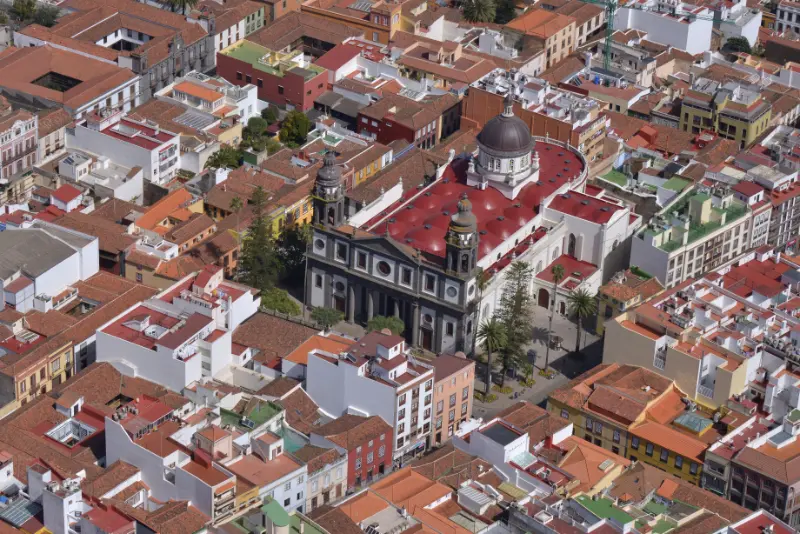
    Aerial View Of La Laguna Tenerife

    How I buy tickets

    I start with the official club website, which links to the authorised ticket route. For the 2026-27 league opener the club published adult and youth prices by stand, illustrating how cost depends on seat category and match. I do not copy one match’s price into my permanent budget because playoffs, European games, cup fixtures and special opponents can differ. I check whether a child needs a paid ticket or invitation under the current rule.

    Choosing a seat

    For a first game I prioritise a clear central or slightly angled view over sitting as close as physically possible behind a basket. A higher row can give a better tactical view. Families may prefer easier aisle access; supporters seeking the loudest atmosphere may choose a different zone. I inspect the seating map at purchase and consider stairs, mobility and how quickly I need to leave after the game for a bus or dinner reservation.

    Basketball with children

    Basketball can be an excellent family evening because action is continuous and the indoor environment is predictable. I still bring hearing protection for a child who is sensitive to loud music, horns or crowd noise. For older children and teenagers, it adds variety to parks and beaches; my Tenerife with teenagers guide has more ideas. Snacks, bag rules and re-entry policies should be checked for the specific event rather than assumed.

    Football versus basketball

    Visitors often know about CD Tenerife first. The experiences are different rather than competitors. Football at the Heliodoro offers a larger outdoor stadium culture; basketball gives a close indoor atmosphere and faster scoring. My CD Tenerife match guide explains the football option. If dates align, a sports-focused trip can include both without sacrificing daytime sightseeing.

    My practical planning checklist

    • Confirm the competition: League, European and cup fixtures can use different ticket conditions.
    • Buy from the club: Use the official site or its authorised ticket link.
    • Check the team name: Sponsor naming can change even though CB Canarias remains the club.
    • Arrive early: Parking, security and finding the correct stand take time.
    • Plan the return: Do not assume public transport frequency is the same after a late game.
    • Bring hearing protection if needed: Indoor sports can be loud for children or sound-sensitive visitors.

    How I build this into a Tenerife itinerary

    I keep the main purpose of the day simple and protect it with one backup. I do not schedule a fixed-time activity at one end of the island, a long lunch in the middle and another hard reservation at the other end unless the transport margin is genuinely comfortable. Tenerife rewards flexible planning because a motorway incident, cloud on a mountain road, sea conditions or an event can change the best order of the day. A backup is not a second full itinerary; it is one nearby option that still makes the day worthwhile.

    I also save screenshots or confirmations that matter when mobile coverage, battery or app login becomes inconvenient. For driving I keep the rental emergency contact; for an event I keep the ticket; for a wildlife activity I keep the meeting point; for a market or cultural venue I verify the official opening information before travelling. This is the difference between useful planning and overplanning: I prepare the few details that can stop the day, then leave the rest open enough to enjoy the island.

    Where I would stay

    The best base depends on how often this topic appears in the trip. For repeated city evenings I prefer Santa Cruz or La Laguna; for sea activities I usually favour the south or another coast close to the operator; for island touring I choose a base with easy road access rather than the prettiest address on paper. I compare places to stay in Tenerife and then check the exact location, recent reviews, parking or public-transport access before booking. A good base removes repeated friction from the holiday.

    Official information I would recheck

    Frequently asked questions

    What is Tenerife’s main top-level basketball team?

    CB Canarias currently competes under the team name La Laguna Tenerife.

    San Cristobal De La Laguna Historic Center Tenerife

    Where does La Laguna Tenerife play?

    Home games are at Pabellón Santiago Martín in La Laguna.

    Where should tourists buy tickets?

    Start with the official CB Canarias website and follow its ticket link for the specific match.

    Extra planning notes that make a real difference

    Confirm the competition. League, European and cup fixtures can use different ticket conditions. I treat this as a decision point rather than a rigid rule. The exact answer can depend on the part of Tenerife, the season, the time of day and the people travelling with me. I would rather spend two minutes checking the current situation than lose an hour correcting a preventable mistake. When in doubt, I choose the safer and simpler option and keep the more ambitious plan for a day when conditions are clearer.

    Buy from the club. Use the official site or its authorised ticket link. I treat this as a decision point rather than a rigid rule. The exact answer can depend on the part of Tenerife, the season, the time of day and the people travelling with me. I would rather spend two minutes checking the current situation than lose an hour correcting a preventable mistake. When in doubt, I choose the safer and simpler option and keep the more ambitious plan for a day when conditions are clearer.

    Check the team name. Sponsor naming can change even though CB Canarias remains the club. I treat this as a decision point rather than a rigid rule. The exact answer can depend on the part of Tenerife, the season, the time of day and the people travelling with me. I would rather spend two minutes checking the current situation than lose an hour correcting a preventable mistake. When in doubt, I choose the safer and simpler option and keep the more ambitious plan for a day when conditions are clearer.

    San Cristobal De La Laguna Panoramic View Tenerife

    Arrive early. Parking, security and finding the correct stand take time. I treat this as a decision point rather than a rigid rule. The exact answer can depend on the part of Tenerife, the season, the time of day and the people travelling with me. I would rather spend two minutes checking the current situation than lose an hour correcting a preventable mistake. When in doubt, I choose the safer and simpler option and keep the more ambitious plan for a day when conditions are clearer.

    Plan the return. Do not assume public transport frequency is the same after a late game. I treat this as a decision point rather than a rigid rule. The exact answer can depend on the part of Tenerife, the season, the time of day and the people travelling with me. I would rather spend two minutes checking the current situation than lose an hour correcting a preventable mistake. When in doubt, I choose the safer and simpler option and keep the more ambitious plan for a day when conditions are clearer.

    Bring hearing protection if needed. Indoor sports can be loud for children or sound-sensitive visitors. I treat this as a decision point rather than a rigid rule. The exact answer can depend on the part of Tenerife, the season, the time of day and the people travelling with me. I would rather spend two minutes checking the current situation than lose an hour correcting a preventable mistake. When in doubt, I choose the safer and simpler option and keep the more ambitious plan for a day when conditions are clearer.

    Final thoughts

    Basketball tenerife is easiest to handle when I replace assumptions with one or two current checks and then keep the plan proportionate. Tenerife does not need to feel complicated. The island is well set up for visitors, but local roads, marine conditions, events, infrastructure and wildlife are real rather than theme-park scenery. I get more from the trip when I respect those systems, leave enough time, and use official information for anything that can materially affect safety, access or money.

  • Casinos in Tenerife: Santa Cruz, Puerto de la Cruz and Playa de las Américas

    Casinos in Tenerife: Santa Cruz, Puerto de la Cruz and Playa de las Américas

    Tenerife has three official casinos operated under the Casinos de Tenerife group: in Santa Cruz, Puerto de la Cruz and Playa de las Américas. For most visitors, choosing between them is less about the games and more about where the casino fits naturally into the evening. A traveller staying in Costa Adeje does not need to cross the island for Santa Cruz, and someone based in Puerto de la Cruz already has a casino within the town.

    I treat a casino night as entertainment, not as a way to “make money on holiday.” Decide the spending limit before entering, carry the identification required for access and stop when the planned entertainment budget is gone. That mindset makes the evening much easier to enjoy.

    Tenerife casinos at a glance

    Casino Santa CruzRambla de Santa Cruz, below the Hotel Mencey area
    Casino Puerto de la CruzAvenida Cristóbal Colón, close to Lago Martiánez
    Casino Playa de las AméricasPaseo Cándido García Sanjuan, Adeje
    Minimum age18
    IdentificationOfficial casino rules require ID such as DNI or passport
    EntranceThe current official rules state free entry, subject to admission conditions

    Which Tenerife casino is best for your trip?

    I would choose purely by location and the rest of the evening. Casino Playa de las Américas is the obvious fit for visitors staying in the south. Casino Santa Cruz works well after dinner in the capital. Casino Puerto de la Cruz is convenient for north-island travellers and sits near one of the town’s best-known leisure areas.

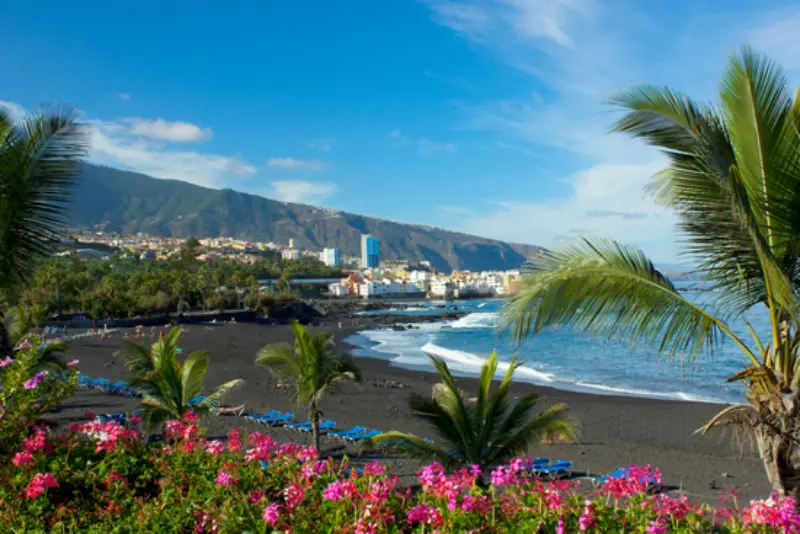
    Playa Jardin Puerto De La Cruz Tenerife

    The three venues share a common official website, but opening times, restaurant arrangements and individual game schedules can differ. Check the specific venue page on the day rather than relying on one generic timetable.

    Casino Playa de las Américas

    This is the most convenient option for the main southern resort zone. If you stay in Playa de las Américas, Costa Adeje or Los Cristianos, it can be added to a normal night out without creating a transport project.

    Read the Playa de las Américas guide and Tenerife nightlife guide if you want to combine the casino with bars or dinner. I would still check the walking route from your accommodation because resort names cover a larger area than they appear to on booking sites.

    Casino Santa Cruz

    The Santa Cruz casino is located on Rambla de Santa Cruz in the Hotel Mencey area. The official venue page currently lists separate hours for gaming tables and slot machines, which is a useful reminder that “casino open” does not necessarily mean every game is operating.

    For a city evening, I would have dinner first, take a walk through central Santa Cruz and arrive later rather than building the entire night around gambling. The Santa Cruz guide helps with restaurants, cultural stops and the wider city layout.

    Casino Puerto de la Cruz

    The Puerto de la Cruz venue is on Avenida Cristóbal Colón, close to Lago Martiánez and the seafront. That makes it easy to combine with a daytime visit to the pools, sunset on the coast and dinner before entering.

    Use the Puerto de la Cruz travel guide to decide whether the town suits a longer northern stay. If you are based elsewhere, I would not drive across the island just for the casino unless you already planned to visit Puerto de la Cruz.

    Age and identification rules

    The official casino rules prohibit entry to anyone under 18 and require identification. A passport is the safest document for an international visitor to carry if there is any doubt about what will be accepted. Do not assume a photo of a document on your phone will be sufficient.

    Admission can also be refused under the casino’s published conditions, including behaviour or other restrictions defined by gaming regulations. If you are going out in a group, make sure everyone understands the age and ID requirements before paying for taxis.

    Dress code

    The official rules ask guests to dress appropriately for the venue and specifically exclude some casual or sports clothing, including sleeveless shirts, shorts, tracksuits and beach-style footwear. The exact enforcement is a matter for the casino, so I would dress one step smarter than a normal beach-resort evening.

    You do not need formal evening wear, but arriving straight from the pool in flip-flops is a poor plan. If the casino is part of dinner and drinks, smart-casual clothing usually fits the whole evening better anyway.

    What games are available?

    The official group advertises slot machines, gaming tables and poker activity, with individual venues publishing their current offerings. Game availability can change by night and by hour. If you specifically want poker, roulette or another table game, confirm that it is running before travelling.

    Do not choose a casino based on an old review that lists a particular table or tournament. Tournament calendars and table schedules are inherently changeable.

    How much cash should you bring?

    I set a fixed entertainment budget before entering and treat it the same way I would treat concert tickets or a special dinner. Never increase the limit because of losses. If you win, that does not create an obligation to keep playing.

    The money in Tenerife guide explains cards, cash and ATMs more generally. For gambling, avoid using credit or repeatedly visiting an ATM after reaching your pre-set limit.

    Responsible gambling on holiday

    Holiday mood can make spending feel less real. Alcohol, late nights and the idea that “this is my only chance” are exactly why a fixed limit matters. Decide in advance how much time and money the casino gets, then move on with the evening.

    If gambling has ever been difficult for you, the best Tenerife casino plan is not to go. There are hundreds of other evening activities on the island, from live music to late dinners and coastal walks.

    Casino night without a car

    A taxi or walk can be sensible if you plan to drink. In Santa Cruz and Puerto de la Cruz, central accommodation makes this easy. In the south, check the exact distance because “Playa de las Américas” and “Costa Adeje” hotel locations can be farther apart than expected.

    Playa Martianez From Mirador De La Paz Puerto De La Cruz Tenerife

    The getting around Tenerife guide explains taxis and public transport. Late-night buses may be less frequent, so plan the return before entering.

    Can families visit the casino complex?

    The gaming areas are adult-only, so a casino is not a family attraction. If adults are travelling with children, arrange childcare responsibly rather than expecting a hotel lobby or nearby restaurant to solve the problem informally.

    For evening ideas with teenagers, see the Tenerife with teenagers guide instead.

    Combining the casino with dinner

    A casino works best as the final stop after a meal, not the place where the entire night starts and ends. In Santa Cruz, eat in the centre; in Puerto de la Cruz, combine it with the waterfront; in the south, use the large restaurant choice around Costa Adeje and Las Américas.

    This also makes budgeting easier: dinner is a known cost, while casino spending remains a separate capped amount.

    Where to stay

    If casino access matters, stay within walking or short-taxi distance. Southern visitors should look around Playa de las Américas/Costa Adeje, northern visitors around central Puerto de la Cruz, and city-break travellers around Santa Cruz. Compare accommodation across Tenerife on Booking.com and verify the exact property location on a map before booking.

    Official rules and current information

    The most reliable source is the official Casinos de Tenerife website. Its published casino rules currently state that visitors must be 18 or older, carry valid identification and comply with dress and admission rules. Venue pages should be checked for current opening times.

    Frequently asked questions

    How many official casinos are there in Tenerife?

    The Casinos de Tenerife group operates three: Santa Cruz, Puerto de la Cruz and Playa de las Américas.

    Puerto De La Cruz And Lago Martianez Tenerife

    What is the minimum age?

    18, according to the official casino rules.

    Do I need my passport?

    You need accepted identification. For an international visitor, carrying a passport is the safest approach.

    Is there a dress code?

    Yes. The official rules exclude several types of very casual, beach and sports clothing.

    Should I book in advance?

    General gaming access may not require a reservation, but restaurants, special events or poker activity can have separate arrangements. Check the venue.

    Final thoughts

    Tenerife’s casinos are easy to visit because there is one in each of the main tourism zones: capital, north and south. Choose the one near you, dress appropriately, bring ID and decide the budget before you arrive. Treated as a short evening experience rather than a financial strategy, a casino can fit naturally into a wider Tenerife night out.

    How long should you spend in a casino?

    For most holidaymakers, one or two hours is enough. Casinos are deliberately designed to make time easy to lose, so I set a departure time as well as a spending limit. If the evening is going well, leaving on schedule keeps it as a positive memory rather than letting it drift into an expensive late night.

    This is particularly important when you have an early excursion the next day. A 7:00 pickup for Teide or La Gomera is not improved by staying at a gaming table until 3:00 in the morning.

    Photography and phones inside

    Do not assume you can photograph gaming tables or other guests. Casinos often have privacy and security rules around photography. If you want a picture to remember the evening, ask staff where photos are allowed rather than filming casually inside the gaming room.

    Cash, cards and personal security

    Carry only what you intend to spend and keep valuables secure, especially after leaving late at night. A casino itself is controlled, but the usual travel rules still apply in taxis, nightlife areas and crowded streets. The Tenerife scams and tourist traps guide covers wider money and safety issues.

  • Windsurfing & Wingfoil in Tenerife: El Médano, El Cabezo, Lessons and Wind

    Windsurfing & Wingfoil in Tenerife: El Médano, El Cabezo, Lessons and Wind

    El Médano is not simply a beach where people happen to windsurf; wind sports are part of the town’s identity. Boards and sails moving along the promenade, shops full of equipment and riders checking the water before breakfast make this one of the easiest places on Tenerife to understand why the island attracts wind-sport travellers.

    The official tourism site currently describes around 300 windy days a year and highlights El Médano, La Tejita and El Cabezo for windsurf and wingfoil. It also distinguishes a generally lighter winter pattern from a stronger summer pattern. Those figures are useful for trip planning, but they do not replace a same-day forecast or local judgement: wind direction, gusts, swell and the exact launch area determine whether conditions suit your level.

    For beginners, my advice is simple: start with a school in El Médano rather than trying to copy experienced riders at El Cabezo. A lesson gives you the right-sized sail or wing, a safer practice zone and someone who can explain local traffic and shore conditions. Experienced riders can then use the town as a base for rental, storage and access to the more demanding spots.

    Windsurfing Tenerife at a glance

    Main baseEl Médano in Granadilla de Abona
    Best-known advanced spotEl Cabezo
    Other area to researchLa Tejita
    Official wind patternGenerally stronger May–September than October–April
    Best for beginnersProfessional lesson with equipment included

    Why El Médano is the obvious base

    El Médano combines practical infrastructure with direct beach access. The town-side section is generally more sheltered and family-oriented, while the wider wind-sport scene extends along the coast. My El Médano guide covers the town, beaches, restaurants, Montaña Roja and where to stay.

    Being based in the town changes the experience. You can walk to a school, watch conditions before deciding to rent and stop when the wind becomes unsuitable without facing a long drive back to another resort. That flexibility is one reason I would choose El Médano over commuting every day from Costa Adeje for a dedicated windsurf trip.

    El Cabezo is not the beginner classroom

    El Cabezo is internationally known and hosts high-level competition. The combination of stronger wind, waves and more technical water makes it attractive to experienced windsurfers but inappropriate as a first independent launch for someone still learning basic control.

    If you are intermediate, ask a local centre which beach section fits your actual ability that day. A rider who is comfortable on flat water may not be ready for wave conditions. The safest choice can change hour by hour.

    El Medano Beach Tenerife

    When is the wind strongest?

    The official Tenerife tourism page describes two broad seasons: October to April often around 10–25 knots, and May to September often around 15–30 knots. These are approximate patterns, not promises. A week can include lighter or stronger days, and local thermal effects and direction matter.

    Summer is attractive to confident riders seeking stronger conditions, while learners may actually appreciate lighter sessions. I book flexible lesson slots and avoid choosing an entire holiday week on the assumption that every afternoon will be identical.

    Windsurf or wingfoil?

    Windsurfing has a long history in El Médano and remains deeply embedded in the local scene. Wingfoil is newer and can feel appealing because the equipment looks compact, but learning to control a wing and foil safely still requires instruction. Foils introduce their own risks because of speed, sharp edges and the need for enough depth.

    If you have never done either, choose the sport you genuinely want to continue rather than the one that looks easier online. A taster lesson can answer the question quickly.

    Renting equipment

    Rental works best when the centre can change board or sail size as conditions change. Ask whether insurance for equipment damage is included, how rescue assistance works, where you are allowed to sail and whether storage is available for multi-day hire.

    Experienced riders bringing their own gear should check airline baggage rules carefully. Board bags can be expensive, and transfer vehicles must be large enough. For a short trip, high-quality local rental may be simpler than transporting everything.

    Lessons and progression

    A beginner lesson should cover rig or wing handling, basic stance, steering, stopping, launch area rules and what to do if you drift. Progression is not linear: a stronger second day can feel harder than the first. I would rather repeat fundamentals than move to a smaller board too soon.

    If you are staying a week, several shorter sessions often work better than one exhausting day. Wind sports are physically specific, especially for forearms, shoulders and core, and fatigue quickly reduces decision quality.

    Combine windsurfing with other El Médano activities

    When the wind is wrong for your level, use the day rather than forcing a session. Walk the coast, visit Montaña Roja if conditions and access suit, relax on the town beach or try another guided activity. The site also has dedicated guides to kitesurfing and stand-up paddleboarding.

    That variety is useful for couples where only one person wants to windsurf. El Médano is a real town with cafés and beaches rather than a remote sports camp.

    Check the current official information before you go

    Use the official Tenerife windsurf and wingfoil page for the current list of spots and companies. It also publishes the broad seasonal wind ranges. For beach context, see the official El Médano beach page.

    El Medano South Tenerife Coast

    How I would plan this experience

    I would start by deciding what I actually want from the day rather than booking the first activity with an attractive photo. Tenerife changes dramatically over short distances: a calm morning on one coast can coincide with stronger wind, swell, cloud or cooler temperatures somewhere else. I therefore check the exact meeting point, the forecast for that part of the island, the cancellation policy and the realistic travel time from my accommodation before paying.

    I also leave space around the activity. A two-hour session can occupy half a day once transfers, parking, changing, briefing, equipment and a meal are included. That is not wasted time; it is what keeps a holiday from becoming a sequence of rushed reservations. If the activity is weather-dependent, I schedule it early in the trip so I still have another day available if conditions force a change.

    For first-time visitors, I prefer an instructor or licensed operator over trying to save a small amount by improvising. Local professionals know the launch areas, access restrictions, seasonal conditions and the point at which a fun day should be postponed. Read recent reviews for organisation and safety, but use the operator and official authorities—not social-media comments—as the final reference for rules and conditions.

    What to bring

    • Water and a small snack, even when the activity itself is short.
    • High-SPF sunscreen and sunglasses for waiting time before or after the session.
    • A light layer for wind or altitude changes; Tenerife can feel much cooler away from the resort coast.
    • Secure footwear or the technical footwear requested by the operator.
    • A fully charged phone, booking confirmation and offline directions to the meeting point.
    • A dry bag or change of clothes when water, spray or wet equipment is involved.
    • Any medication you normally need, and honest disclosure of relevant health limitations to the operator.

    Weather, cancellations and safety decisions

    One of the most useful Tenerife habits is separating “good holiday weather” from “good activity conditions”. Blue sky does not automatically mean safe sea, mountain or wind conditions. Swell period, gusts, visibility, heat, cloud, wildfire restrictions and local closures can all matter more than the temperature shown on a resort forecast.

    If an operator cancels because of conditions, I treat that as a positive safety decision rather than a ruined day. Tenerife has enough alternatives that it is usually easy to switch to a town, beach, museum, market or shorter walk. The site’s broader Tenerife safety guide and weather-by-month guide are useful companions when you are building a flexible itinerary.

    Where to stay

    For a wind-sport holiday I would stay in El Médano itself. Walking to the beach and equipment centres is more useful than having a larger resort pool somewhere else. Compare Tenerife accommodation on Booking.com.

    Montana Roja And El Medano Tenerife

    Frequently asked questions

    Is Tenerife good for windsurfing?

    Yes. El Médano is internationally known and the official tourism site describes roughly 300 windy days a year.

    What is the best place for beginners?

    Use a recognised school in El Médano and let the instructor choose the practice area for that day. Do not choose El Cabezo simply because expert riders use it.

    When is the strongest wind?

    The official tourism information describes May to September as generally stronger than October to April, but daily conditions vary.

    Can I rent equipment?

    Yes. El Médano has specialist centres offering lessons and rentals. Confirm rescue, damage policy and where the equipment may be used.

    Do I need a special permit?

    The official tourism page states that a special permit is not normally required for windsurf or wingfoil, but local beach rules and safety instructions still apply.

    Final thoughts

    Tenerife can deliver world-class wind, but the best session is the one matched to your level. Use El Médano as a base, learn with a school if you are new, treat El Cabezo with respect and keep enough flexibility to wait for the right conditions.

  • Mountain Biking in Tenerife: Official BC Routes, E-Bikes, Rentals and Safety

    Mountain Biking in Tenerife: Official BC Routes, E-Bikes, Rentals and Safety

    Tenerife is famous among road cyclists, but the island is just as interesting away from the asphalt. Pine forest, volcanic soil, long forest tracks and big changes in altitude create a mountain-bike landscape that feels completely different from the resort coast. The important point is that “MTB in Tenerife” is not one single experience: a short forest loop near La Esperanza is very different from a long day linking high tracks across the Corona Forestal.

    I would start with the official BC network rather than downloading a random GPS track. Turismo de Tenerife currently describes more than 200 kilometres of forest tracks used by mountain bikes, with a network of signed routes and variants. That gives visitors a safer framework for choosing distance and terrain, and it makes it easier to understand which tracks are intended for this type of use.

    An e-bike can make climbing more accessible, but it does not remove technical difficulty. Loose volcanic surfaces, braking on long descents, battery management and changing weather still matter. For a first ride, I would rather choose a shorter official route and finish wanting more than commit to an ambitious all-day track because the battery percentage looked reassuring at the car park.

    Mountain Biking Tenerife at a glance

    Best-known networkOfficial BC forest routes in the Corona Forestal and other upland areas
    Good first areaLa Esperanza / Las Lagunetas for shorter forest options
    Longest official routeBC-1 Ruta Norte, with a very long main line plus variants
    E-bike advantageMakes climbing easier, but does not simplify technical descents
    Main planning issueElevation, surface, weather, navigation and return logistics

    Start with the official BC network

    The official tourism site lists the mountain-bike routes rather than treating every forest road as open riding terrain. The network includes routes such as BC-1 Ruta Norte, BC-2 Las Raíces–Las Lagunetas, BC-3 Guía de Isora, BC-4 Ruta Sur and BC-5 Pinares de Vilaflor. The exact route data and access status should be checked before riding because forest restrictions can change.

    BC-1 is the major undertaking. The current official description gives a main line of roughly 85 km and numerous variants across the north and west, connecting recreation areas and high forest zones. I see it as a network to explore in sections rather than a default holiday ride. BC-2, by contrast, is a much shorter option in Las Lagunetas and is easier to build into a half day.

    The existing road-cycling guide covers the island from the asphalt perspective; this MTB guide is the complement for travellers who want forest tracks and off-road terrain.

    Best areas for different riders

    La Esperanza and Las Lagunetas are useful for riders who want forest scenery without committing to the most remote side of the island. The area is high enough to feel cooler and greener than the coast, with easy access from the metropolitan side. My La Esperanza guide helps with the wider area and road access.

    Road Through Teide National Park Tenerife

    Vilaflor and the southern uplands suit riders who want pine forest combined with high-altitude landscapes. Do not judge temperature from Costa Adeje: the same day can feel hot at sea level and genuinely cool once you climb. The Vilaflor guide is useful if you want to stay closer to the mountain rather than commute from the coast.

    Guía de Isora and the Chío pine area give another western option and can fit travellers staying around Los Gigantes, Alcalá or the Abama side. The key is to confirm where the legal rideable route starts and ends instead of assuming every visible track on a mapping app is suitable.

    MTB or e-bike?

    A conventional mountain bike is lighter and simpler for strong riders who are comfortable with sustained climbing. An e-MTB can make Tenerife much more accessible to recreational cyclists, couples with different fitness levels and travellers who want to spend more time looking around than grinding uphill.

    The trade-off is weight and battery planning. A heavy e-bike is less pleasant if you have to lift it over an obstacle, and maximum advertised battery range is rarely the same as real range on steep terrain. Rider weight, assistance mode, temperature, surface and total ascent all change consumption. I ask the rental shop for a realistic route recommendation with that specific bike rather than relying on a generic kilometre figure.

    If you rent, confirm helmet, repair kit, spare tube or tubeless solution, pump, charger policy, lock, damage terms and roadside or pickup support. Photograph the bike at collection just as you would a rental car.

    Surface, descending and volcanic terrain

    Tenerife forest tracks can alternate between compact dirt, gravel, loose volcanic material and rocky sections. A route that looks easy in elevation data may still require confident braking and line choice. I reduce speed before loose corners and keep a bigger gap from other riders on descents because dust and stones can hide the surface.

    Long downhill sections are one of the island’s pleasures but also one of its risks. Brakes heat up, hands fatigue and speed rises quickly. Stop before fatigue changes your technique. If you are new to off-road riding, a guided half-day session can teach more than an ambitious solo route.

    Transport and one-way rides

    Point-to-point riding requires more planning than a circular route. Do not assume a public bus will take a full-size bike, or that a taxi can accommodate several bikes without prior arrangement. Rental companies sometimes offer delivery, shuttle or guided transfer options; ask before building a route around them.

    For independent riders, I prefer loops or out-and-back rides from a known recreation area. They make it easier to shorten the day if weather changes, a rider is tired or the battery drops faster than expected.

    Trail access, closures and fire restrictions

    Forest access in Tenerife is managed, and temporary restrictions can be introduced for wildfire risk, forestry work, hunting activity, landslides or severe weather. A saved GPX file is not permission to enter a closed area. Check the official route information and Tenerife ON close to the ride date.

    During hot, dry or windy periods, prevention measures can change quickly. The wildfire and emergency alert guide explains why a mountain activity needs a different mindset from a beach day.

    Mountain Biking In Tenerife

    A realistic first MTB day

    I would collect the bike early, spend time adjusting saddle height and controls, then ride a moderate route close to services. Build in a long stop rather than using every minute for distance. If the first two hours feel easier than expected, you can add a short variant; if not, you still finish comfortably.

    After the ride, inspect tyres and brakes before planning another outing. On a multi-day cycling holiday I alternate a demanding ride with a lighter day, because long volcanic descents can fatigue arms and shoulders even when the cardiovascular effort felt manageable.

    Check the current official information before you go

    The best starting point is the official Turismo de Tenerife mountain-bike route network. It currently lists the BC routes, distances and route descriptions. For closures and protected-area access, also check Tenerife ON shortly before riding.

    How I would plan this experience

    I would start by deciding what I actually want from the day rather than booking the first activity with an attractive photo. Tenerife changes dramatically over short distances: a calm morning on one coast can coincide with stronger wind, swell, cloud or cooler temperatures somewhere else. I therefore check the exact meeting point, the forecast for that part of the island, the cancellation policy and the realistic travel time from my accommodation before paying.

    I also leave space around the activity. A two-hour session can occupy half a day once transfers, parking, changing, briefing, equipment and a meal are included. That is not wasted time; it is what keeps a holiday from becoming a sequence of rushed reservations. If the activity is weather-dependent, I schedule it early in the trip so I still have another day available if conditions force a change.

    For first-time visitors, I prefer an instructor or licensed operator over trying to save a small amount by improvising. Local professionals know the launch areas, access restrictions, seasonal conditions and the point at which a fun day should be postponed. Read recent reviews for organisation and safety, but use the operator and official authorities—not social-media comments—as the final reference for rules and conditions.

    What to bring

    • Water and a small snack, even when the activity itself is short.
    • High-SPF sunscreen and sunglasses for waiting time before or after the session.
    • A light layer for wind or altitude changes; Tenerife can feel much cooler away from the resort coast.
    • Secure footwear or the technical footwear requested by the operator.
    • A fully charged phone, booking confirmation and offline directions to the meeting point.
    • A dry bag or change of clothes when water, spray or wet equipment is involved.
    • Any medication you normally need, and honest disclosure of relevant health limitations to the operator.

    Weather, cancellations and safety decisions

    One of the most useful Tenerife habits is separating “good holiday weather” from “good activity conditions”. Blue sky does not automatically mean safe sea, mountain or wind conditions. Swell period, gusts, visibility, heat, cloud, wildfire restrictions and local closures can all matter more than the temperature shown on a resort forecast.

    If an operator cancels because of conditions, I treat that as a positive safety decision rather than a ruined day. Tenerife has enough alternatives that it is usually easy to switch to a town, beach, museum, market or shorter walk. The site’s broader Tenerife safety guide and weather-by-month guide are useful companions when you are building a flexible itinerary.

    Where to stay

    For forest access, La Esperanza, La Laguna, Puerto de la Cruz, La Orotava, Vilaflor and western bases can all make sense depending on the route. I choose the base after choosing the riding area, not the other way around. Compare accommodation across Tenerife on Booking.com.

    Cycling Around Tenerife

    Frequently asked questions

    Is Tenerife good for mountain biking?

    Yes. The island has an official forest-track network and more than 200 km of MTB-accessible tracks described by Turismo de Tenerife, with terrain ranging from short forest routes to very long cross-island options.

    Can beginners ride MTB in Tenerife?

    Yes, but route choice matters. Start with a short official route and avoid judging difficulty only by distance; surface and descent technique are equally important.

    Are e-bikes useful in Tenerife?

    Very useful for climbing and mixed-ability groups. Battery range still needs conservative planning because elevation and assistance level can reduce it quickly.

    Do I need a permit?

    Rules depend on the track and protected area. Use the official BC route information and check current closures or restrictions before riding.

    Can I combine MTB with road cycling?

    Absolutely. Many cycling visitors use one or two off-road days alongside road routes, especially if they are staying long enough to recover between hard sessions.

    Final thoughts

    Mountain biking adds a side of Tenerife that many beach visitors never see: long pine tracks, cool highland air and volcanic surfaces that demand attention. Use the official network, choose a route that matches your technical ability and treat e-bike assistance as help with climbing rather than permission to overextend the day.

  • Kitesurfing in Tenerife: El Médano, Wind, Lessons and Safety

    Kitesurfing in Tenerife: El Médano, Wind, Lessons and Safety

    Kitesurfing in Tenerife is closely associated with El Médano, the windy south-east coast where the Atlantic, open beaches and reliable trade winds have built one of the Canary Islands’ best-known watersports communities. Tenerife’s official tourism site describes El Médano as offering around 300 windy days a year, which explains why boards and kites are part of the landscape in almost every season.

    That does not mean every day is suitable for every rider. Wind direction, strength, shore break, tide, beach use and local zones matter. For a beginner, the smartest decision is not to rent equipment and copy experienced riders; it is to book a recognised lesson, understand the local launch area and progress under supervision.

    Kitesurfing Tenerife at a glance

    Main hubEl Médano
    Best for beginnersLessons with a qualified local school in conditions suitable for learning
    Best seasonPossible year-round; wind consistency and strength vary
    Need your own gear?No; schools and rental centres serve the El Médano area
    Main safety issueDo not treat strong trade winds and busy launch zones as beginner-friendly without instruction

    The official Tenerife tourism overview for the sport is the Tenerife kitesurf page. I use it as a starting point, then confirm the day’s conditions and local rules with the school or operator actually putting me on the water.

    Why El Médano is the centre of Tenerife kitesurfing

    El Médano sits on an exposed stretch of the south-east coast near Montaña Roja. The trade winds accelerate across the area, creating the conditions that have made the town internationally known for windsurfing and kitesurfing. This is not a manufactured watersports resort; the wind shapes the atmosphere of the place.

    My El Médano guide explains the town, beaches and Montaña Roja area. If kitesurfing is the main purpose of the holiday, staying here is much easier than commuting from Costa Adeje every day.

    Montana Roja And El Medano Tenerife

    Is El Médano good for beginners?

    It can be, with instruction and when the school judges the conditions appropriate. A famous kitesurf spot is not automatically an easy spot. Strong wind can make kite control physically and mentally demanding, and a busy beach requires good awareness of other riders and beach users.

    A proper beginner lesson should start with safety systems, wind window, launch and landing procedure, kite control and body dragging before independent riding. Progress varies enormously. I would never book a single lesson with the expectation that everyone will finish riding a board confidently.

    What a first lesson should feel like

    For me, a good lesson feels controlled rather than spectacular. The instructor explains the conditions, checks equipment, identifies safe zones and gives you one skill at a time. If the wind is inappropriate, postponing or changing the lesson is a sign of professional judgement, not poor service.

    Ask about group size. One instructor managing too many first-timers can mean long waits and less individual feedback. Private or semi-private lessons cost more but may provide more useful water time.

    Do you need to be strong or very fit?

    You do not need bodybuilder strength, but basic fitness, mobility and comfort in the water help. Modern kite systems are not controlled by simply pulling with the arms; technique matters more. However, repeated attempts, walking equipment and dealing with chop can be tiring.

    If you have a medical condition, injury or limited swimming confidence, tell the school before booking. The operator can advise whether the activity and conditions are appropriate.

    Wind seasons in Tenerife

    Kitesurfing is possible throughout the year, but Tenerife’s trade-wind pattern is not identical every month. Summer often brings frequent, stronger north-easterly trade winds, while winter can be more variable with different weather systems. Local thermal effects and acceleration around the island also matter.

    I do not plan a one-week holiday around a promise that it will be windy every day. Instead, I allow several possible riding days and keep alternative activities ready. That flexibility is especially important for beginners because a day that thrills advanced riders may be unsuitable for a first lesson.

    Where exactly should you ride?

    Use the zone recommended by a local school or current beach signage. El Médano includes different stretches of coast used by swimmers, windsurfers and kitesurfers, and practical zones can depend on conditions and local management. Do not launch from the nearest empty-looking patch of sand without understanding what is permitted and safe.

    For ordinary beach time, read my El Médano travel guide. Kitesurfing changes how you look at the same shoreline: wind direction, obstacles, downwind space and other users become more important than where the sand looks prettiest.

    Rental for experienced riders

    Experienced independent riders can find equipment rental in the El Médano area, but rental companies may require proof of competence or reserve the right to refuse equipment in unsuitable conditions. That is normal. A kite is not equivalent to renting a beach umbrella.

    Check what the rental includes: kite sizes, board, harness, wetsuit, helmet, impact vest, insurance and rescue arrangements can differ. If you bring your own equipment, ask local riders or a school about the spot before launching.

    What to wear

    Water temperature around Tenerife is mild by European Atlantic standards, but wind creates cooling. The right wetsuit thickness depends on season, session length and personal tolerance. I prefer asking a local centre what they are currently using rather than packing based on a generic sea-temperature chart.

    Sun protection is essential. Wind can make the day feel cooler while UV exposure remains strong. Use a suitable water-resistant sunscreen and consider coverage that protects shoulders and back.

    Kitesurfing safety basics

    The most important rule is to know your own level. Do not ride in conditions beyond your training because other people make them look manageable. Maintain safe distance from swimmers, rocks, structures and other riders. Learn the local right-of-way etiquette and launch/landing process.

    Never rely on an offshore wind to “bring you back”. Understand the actual wind direction and what lies downwind. Check equipment before every session, know how to activate the safety release and do not disable safety systems to make setup more convenient.

    Travelling with your own kite gear

    If you fly with equipment, compare airline sports-baggage rules before buying the ticket. A cheaper fare can become more expensive after board-bag fees. Measure and weigh the packed bag at home, and protect fins and fragile components.

    At accommodation, storage matters. A tiny room in a pedestrian old town may be less practical than a simple apartment near El Médano with space to dry equipment. Search current Tenerife stays on Booking.com.

    Can you combine kitesurfing with surfing?

    Yes, and it is a good way to protect the holiday from unsuitable wind. Tenerife has several surf zones, especially around the south-west and north coast. Conditions and etiquette differ, so a kitesurfer should not assume the same competence transfers automatically to a surf break.

    My surfing in Tenerife guide covers beginner lessons and the main areas. On a mixed watersports trip, I decide each morning based on conditions rather than forcing one discipline.

    Other activities for no-wind days

    El Médano gives you useful backups. Walk toward Montaña Roja, spend a beach day, visit the town’s cafés or use the day for Teide and the south-east. A no-wind day is not a lost day on Tenerife.

    El Medano Beach And Montana Roja Tenerife

    If you want a bookable alternative, compare current experiences here:

    Kitesurf trip without a rental car

    A car is not essential if you stay in El Médano and your school operates locally. The town is compact, and Tenerife South Airport is relatively close. For island sightseeing, buses and selected tours can fill the gaps.

    If you base yourself elsewhere, commuting with a board bag becomes less convenient. My Tenerife without a car guide explains the broader transport strategy.

    My 5-day beginner kitesurf plan

    Day 1: arrive, walk the beach and visit the school. Do not assume the first afternoon should be a lesson after a tiring flight.

    El Medano Beach Tenerife

    Day 2: first lesson if conditions suit. Learn safety systems and kite control rather than chasing board time.

    Day 3: second lesson or a rest/sightseeing day depending on wind and fatigue.

    Day 4: continue progression. If the instructor considers you ready, spend more time on water starts and controlled riding.

    Day 5: final coached session or switch to another Tenerife activity. I would rather finish with good technique than force an unsafe last session because it was prepaid.

    Common mistakes

    • Booking one lesson and expecting independent riding immediately.
    • Assuming El Médano’s famous wind is suitable for every beginner every day.
    • Renting equipment without understanding local zones.
    • Choosing accommodation far away to save a small amount, then paying for daily transport.
    • Underestimating sun exposure because the wind feels cool.
    • Ignoring airline sports-baggage fees when travelling with gear.

    Frequently asked questions

    Where is the best place to kitesurf in Tenerife?

    El Médano is the island’s main kitesurf hub and the first place I would research. Exact launch areas and suitability depend on current conditions and local rules.

    Can a complete beginner learn in Tenerife?

    Yes, with a qualified school and suitable conditions. Do not attempt self-teaching with rented equipment.

    Is kitesurfing possible all year?

    Tenerife supports year-round watersports, but wind strength and consistency vary. Summer trade winds are often a major draw, while winter conditions can be more variable.

    Should I stay in El Médano?

    If kitesurfing is the main purpose of the trip, yes. Staying locally reduces transport, makes last-minute condition changes easier and lets you use the town’s watersports infrastructure.

    Final thoughts

    Tenerife is a strong kitesurf destination because El Médano combines reliable wind, an established riding community and a town where the sport is part of everyday life. The same conditions that make it exciting also demand respect.

    For a beginner, invest in instruction and flexibility. For an experienced rider, learn the local setup before launching. In both cases, the best Tenerife kitesurf holiday is one where the wind decides the session and you still enjoy the island when it does not cooperate.

  • Casa del Plátano Icod Guide: Banana Plantation, Tickets and What to Expect

    Casa del Plátano Icod Guide: Banana Plantation, Tickets and What to Expect

    Casa del Plátano is the Icod attraction I would choose when I want to understand something Tenerife grows rather than only something Tenerife built. The small museum and plantation occupy an old hacienda near the historic centre and focus on the Canarian banana through an actual growing area, different varieties, cultivation practices and the crop’s local history. It is not a giant theme attraction, which is part of the appeal. I would use it as a compact, tangible stop between the Drago area and the rest of Icod rather than expect a half-day agricultural park.

    Quick visit facts

    AddressCalle Hércules 4, Icod de los Vinos
    ExperienceOld hacienda with an authentic banana-growing area and interpretation of cultivation and history
    General ticket€5 on the official site
    Under 15€3 on the official site
    Under 5Free under the stated ticket conditions; Canary-resident discounts are also published

    Why a banana museum belongs in an Icod itinerary

    Bananas are visually familiar across Tenerife, but familiarity can hide how much infrastructure and labour sit behind a plantation. Irrigation, wind protection, bunch management, harvesting and transport all shape the landscape visitors see from roads and viewpoints. A short visit gives those fields more meaning for the rest of the trip.

    The attraction also connects naturally with the broader history of export agriculture in the Canary Islands. I would pair it with a wine or food stop rather than treat it as a stand-alone novelty.

    What the plantation section adds

    The official site describes a route through a real banana plantation where visitors can see different banana varieties. That matters because photographs of bunches do not convey the architecture of the plant, the density of cultivation or how the leaves create a humid, shaded micro-environment.

    I would look at the stages of growth rather than only search for the biggest bunch. If staff or signs explain the flower, fruit development or harvest cycle, those are the details that make the visit useful for children and adults alike.

    Current ticket prices and what is not clear online

    As checked in September 2026, the official website lists general admission at €5, €3 for visitors under 15 and free entry for children under five, with lower Canary-resident rates. The site provides a ‘view hours’ function but the searchable page does not expose a simple evergreen timetable in the same way it exposes prices.

    For that reason I would check the official page immediately before visiting rather than repeat an opening time copied from a third-party listing. Icod is easy to explore on foot, so a schedule change does not ruin the day if I have the Drago, old town and butterfly park as nearby alternatives.

    Parque Del Drago Milenario Icod De Los Vinos Tenerife

    The shop and edible souvenirs

    The official site also highlights a shop focused on Canarian products, including items made with bananas. I treat this as an extension of the interpretation rather than a requirement to buy something. If I do shop, I look for products with clear local provenance and ingredients rather than generic Tenerife packaging.

    For a deeper food context, I would connect the visit with the island’s banana history, gofio, honey and cheese rather than assume one crop tells the entire story of Canarian agriculture.

    How I would plan the visit

    I build the stop into a compact local route rather than drive across Tenerife for one doorway. That reduces parking stress and gives the site context. Historic centres and small museums are often more rewarding when I can compare them with the streets, squares, markets or landscapes that produced them.

    I also leave flexibility. Opening hours can change for public holidays, conservation work, religious services, private events or temporary exhibitions. My practical rule is simple: if entering the building is essential to the day, I check the official source again that morning. If the exterior or surrounding district is valuable by itself, I can be more spontaneous.

    How much time I would allow

    I separate time inside from total visit time. A compact museum may need only 45 minutes, yet the real stop can take 90 minutes once I include walking, ticketing, photography and a nearby coffee. A church or palace may be quicker if only the exterior is accessible, but I still avoid scheduling another fixed-time activity immediately afterwards.

    For a culture-heavy day, I rarely stack more than three substantial interiors in one half-day. Alternating an indoor visit with a square, garden, lunch or short walk keeps attention higher and makes details easier to remember.

    Photography, accessibility and families

    Photography rules are not universal. I keep flash off around artworks and living collections, look for signs and ask before filming extensively. In active religious sites I never photograph worshippers without permission, and in gardens or wildlife spaces I avoid handling plants or animals for a better picture.

    Accessibility also has to be checked site by site. A pedestrian historic centre can be easy to reach while a heritage staircase, old threshold or narrow gallery is not. When step-free access is essential, I contact the venue rather than infer accessibility from a modern-looking entrance. With children, I shorten the visit and give them one or two things to look for; that usually works better than expecting them to read every label.

    When I would go

    Weekday mornings are usually the easiest time for combining cultural attractions with open museums, but they are not automatically the quietest during school visits or organised groups. Late afternoon often gives better street atmosphere, while indoor opening can be more limited. I choose according to the experience I want rather than chasing a mythical hour with no other visitors.

    Tenerife’s local fiestas, Carnival, religious celebrations and heritage weekends can transform normal access. Those dates can be wonderful, but they require a different plan. I check road closures, event programmes and special opening rules before assuming an ordinary timetable still applies.

    Where I would stay if I wanted a slower visit

    For a day trip, I would normally return to my main base. If I want two culture-heavy days without repeated driving, I sometimes compare accommodation in Icod de los Vinos. Staying locally is most useful when I want early streets, evening restaurants or several attractions that open on different schedules.

    Church In Icod De Los Vinos Tenerife

    Common mistakes I would avoid

    • Using an old Google review as the only source for opening hours.
    • Assuming an open gate means every interior room is public.
    • Driving from monument to monument inside a walkable historic centre.
    • Trying to photograph everything instead of spending time with a few details.
    • Ignoring services, worship, conservation work or local events that can temporarily change access.

    What I would combine nearby

    I prefer these combinations because they keep the day geographically coherent. The point is not to collect the largest possible number of attractions; it is to understand one part of Tenerife more deeply while spending less time in traffic.

    Official source

    For current access, opening information and temporary changes I check the official information for this site before travelling.

    Frequently asked questions

    How much is Casa del Plátano?

    The official site currently lists €5 general admission, €3 for under-15s and free entry for children under five, with Canary-resident discounts.

    Is it a real plantation?

    The attraction describes its route as passing through an authentic banana-growing area in an old hacienda.

    How long should I allow?

    I would plan roughly 45–75 minutes, depending on how much time you spend reading and in the shop.

    Can I combine it with the Drago Milenario?

    Yes. Both are in central Icod and work naturally in the same walking itinerary.

    Final thoughts

    Casa del Plátano Icod earns a place in a Tenerife itinerary when I treat it as part of its neighbourhood rather than an isolated pin on a map. I would verify the practical details, give the site enough time to reveal its context and then continue on foot to nearby places. That slower approach is usually what turns a short stop into something I actually remember after the trip.

    A slower way to experience Icod de los Vinos

    One reason I prefer a slower plan is that the surrounding streets often explain details that a label cannot. Building materials, balconies, gardens, shopfronts, church bells, small courtyards and changes in elevation all connect an attraction to the town around it. I stop before and after the visit, compare what I have just seen with neighbouring buildings and note how locals actually use the area. That simple habit turns heritage from background scenery into a readable landscape.

    Dragon Tree In Icod De Los Vinos Tenerife

    I also avoid making every decision around headline attractions. A small museum, quiet square or specialist garden can be more memorable than a famous site when it matches my interests. Tenerife rewards this kind of selective travel because the island packs very different histories and ecosystems into short distances. Giving one neighbourhood a full morning often teaches me more than driving to three distant highlights.

    My practical checklist before leaving

    The night before, I check the official page, public transport or parking plan, expected weather and whether a local event changes access. I carry water even on an urban day, keep a light layer for La Laguna or the north, and leave enough phone battery for tickets and maps. I save the attraction name and address offline in case mobile data becomes unreliable inside a thick-walled heritage building.

    On arrival, I read the entrance signs before buying anything or joining a queue. If the current situation differs from what I found online, I trust the staff and posted information. That may sound obvious, but it is the simplest way to avoid turning a small schedule change into a frustrating day.

  • El Penitente Puerto de la Cruz Guide: Historic Pier, Viewpoint and Harbour Story

    El Penitente Puerto de la Cruz Guide: Historic Pier, Viewpoint and Harbour Story

    El Penitente is one of the easiest historic features in Puerto de la Cruz to walk past without understanding. The pier lies behind Plaza de Europa and the town hall, projecting into the coast as a reminder of the early twentieth-century attempt to improve banana-export infrastructure. Construction began in 1911 and, after economic, wartime and natural interruptions, was not completed until 1930. Its commercial role was short-lived, but that failure is precisely what makes the structure interesting: ports evolve, trade routes shift and expensive infrastructure can become obsolete surprisingly quickly.

    Quick visit facts

    LocationBehind Plaza de Europa and the town hall
    Original purposeAdditional pier/landing facility for banana export
    ConstructionStarted in 1911 and completed in 1930 after repeated interruptions
    Later declineLost commercial importance after the Civil War period as Santa Cruz port dominated traffic
    TodayUsed as a coastal viewpoint and by recreational fishers

    Why bananas needed more port infrastructure

    Banana exports transformed parts of the Canary economy, and Puerto de la Cruz needed ways to move fruit efficiently to ships. The older harbour was limited, so El Penitente was conceived as additional infrastructure.

    Puerto De La Cruz And Lago Martianez Tenerife

    I find this a useful reminder that the picturesque historic centre was also a logistics system. Warehouses, roads, piers and merchant houses existed because goods had to move quickly enough to remain profitable.

    A project that took almost two decades

    Construction began in 1911 but was delayed by financial problems, war and natural factors before completion in 1930. By the time it was finished, the economic and port context had changed.

    That timeline is more interesting to me than a simple opening date. It shows how infrastructure can be overtaken by events. The pier’s limited commercial success does not make it unimportant; it makes it a case study in changing technology and trade geography.

    The local legend behind the name

    Municipal tourism material records a popular story that the name El Penitente came from a pirate who met a woman while disguised in a penitential robe, leading people to mistake him for a friar. I treat this as local legend, not documented port history.

    Including the story with a clear label is worthwhile because folklore is part of how communities remember places. The mistake would be presenting the legend as established fact.

    How I use El Penitente today

    I use the pier as a viewpoint and historical pause rather than a major attraction. It looks toward the Martiánez side of the coast and remains associated with local fishing. I keep clear of anyone casting lines and pay attention to wind and wet surfaces.

    From here I continue to Plaza de Europa, Casa de la Aduana, the battery and the fishing harbour. In less than an hour I can trace several centuries of waterfront history.

    How I would plan the visit

    I build this stop into a geographically coherent day rather than cross Tenerife for one doorway or viewpoint. That approach matters especially in the north, where parking, one-way streets, cloud and short opening windows can turn a simple plan into wasted time. I identify one main experience, two nearby options and a place for lunch, then leave enough flexibility to change the order.

    Operational details are the first thing I recheck. Opening hours, services, event schedules and interior access can change. If entering a building or joining a tour is essential, I verify the official source again on the morning of the visit. If the value is mainly the exterior, street or landscape, I can be more spontaneous.

    How much time I would allow

    I separate the time physically spent at the attraction from the time the stop consumes in the itinerary. A small museum may take 45 minutes but easily use 90 once I include parking, walking, tickets, a coffee and the transition to the next place. An exterior heritage stop may take only 15 minutes yet become an hour when I follow the surrounding historic route.

    I also avoid stacking too many similar places. Three churches or five historic houses in succession blur together. I alternate an interior with a square, seafront walk, garden, market or meal so each place keeps its identity.

    Getting there and moving around

    For central historic areas I prefer walking once I have arrived. Repeatedly moving the car a few hundred metres usually wastes time and creates more parking stress. For rural wineries and museums, I check the final approach carefully because a bus stop shown in the same village does not necessarily mean public transport reaches the entrance.

    If I do drive, I never leave luggage visible in the car and I do not plan alcohol tastings around uncertain driving arrangements. For public transport, I keep the return option in mind before the visit rather than checking it only when the attraction closes.

    Accessibility, families and pace

    Historic buildings can have thresholds, stairs and narrow interiors even when the surrounding town is relatively accessible. When step-free access is essential, I contact the venue rather than infer it from photos. Outdoor heritage sites may also have uneven stone, slopes or wet seafront surfaces.

    With children, I shorten the history lesson and give the place one clear story: a pirate defence, a trading house, a craft, a grape variety or a famous local figure. That usually works better than expecting everyone to absorb every date and name.

    What I would bring

    For a town visit I carry water, sun protection and a light layer because north-Tenerife cloud can change quickly. For rural stops I add footwear with reliable grip and avoid assuming a tasting room or small museum has the same facilities as a large attraction. I also keep enough phone battery for maps, booking confirmations and current transport information.

    Where I would stay for a slower visit

    If this area is more than a day trip, I sometimes compare accommodation in Puerto de la Cruz. Staying locally is most useful when I want early streets, evening restaurants or several attractions that open on different schedules. I would not move hotels for one small sight, but a two- or three-night north-Tenerife base can make a culture-heavy itinerary much calmer.

    Puerto De La Cruz At Sunset Tenerife

    Common mistakes I would avoid

    • Relying on an old review for current opening hours.
    • Assuming a historic building is a public museum because the exterior is protected.
    • Trying to drive between every stop in a compact old town.
    • Scheduling a wine tasting without deciding who will drive afterwards.
    • Ignoring sea conditions around urban waterfront heritage.
    • Photographing worshippers or private interiors without permission.

    What I would combine nearby

    I prefer these combinations because they keep the day geographically coherent. Less driving gives me more time to notice street details, viewpoints, cafés and local life that are often more memorable than an extra rushed attraction.

    Official source

    For current access, schedules and temporary changes I check the official or municipal information for this place shortly before travelling.

    Frequently asked questions

    What was El Penitente built for?

    It was intended as an additional pier to support port activity, particularly banana exports.

    When was it built?

    Work began in 1911 and was completed in 1930 after significant delays.

    Is the pirate story true?

    It is recorded as a popular local legend, not something I would present as verified historical fact.

    Is it a major attraction?

    No. I see it as a short, worthwhile stop within a broader Puerto de la Cruz waterfront walk.

    Puerto De La Cruz City And Atlantic Ocean Tenerife

    How I turn a short stop into useful context

    I spend a few minutes before arrival understanding why the place is where it is. A customs house beside a harbour, a chapel beside a sailors’ promenade, a rural museum in the medianías or a winery on a volcanic slope all make more sense when location is treated as evidence rather than background. That habit also helps me remember the visit after the holiday because the facts attach to a physical landscape.

    After the visit I compare the place with one nearby site that tells a different part of the same story. Trade works well with defence, wine with agriculture, craft with forest resources, and a religious building with the public square around it. I would rather make two strong connections than collect ten unrelated attractions.

    What can change after publication

    Hours, prices, exhibitions, tour schedules, interior access, road works and event programmes are all operational information, not permanent facts. I therefore distinguish them from history and architecture. The historical section of a guide may remain useful for years; the timetable should always be checked again close to travel.

    When official sources disagree, I do not silently pick the version that makes the itinerary look easiest. I mention the discrepancy and plan around the more conservative interpretation. That is especially important for late-afternoon arrivals, rural transport and attractions with small teams.

    My practical final check

    Before leaving accommodation I save the destination name, official page and a nearby alternative. I check weather at the actual location, not only at the resort, and I look at the return route before committing to a tasting or long walk. These are small habits, but they remove most of the avoidable friction from independent travel in Tenerife.

    Final thoughts

    El Penitente Puerto de la Cruz is most rewarding when I use it to understand a wider piece of Tenerife rather than treat it as another box to tick. I verify the practical details, give the place enough time for its context to emerge and then continue to nearby stops on foot or with a short, logical transfer. That is the style of travel that makes a dense island itinerary feel calmer and more personal.

  • Batería de Santa Bárbara Puerto de la Cruz Guide: Cannons, Harbour Defence and History

    Batería de Santa Bárbara Puerto de la Cruz Guide: Cannons, Harbour Defence and History

    Batería de Santa Bárbara is the defensive stop that makes the old harbour of Puerto de la Cruz easier to understand. The battery stands beside Casa de la Real Aduana near Plaza de Europa and developed from earlier gun platforms associated with the Franchy family. Municipal heritage information explains that the fortification was built to defend the old port from pirates and privateers. Today it is small and easy to overlook, but the cannons and waterfront position reveal how exposed an Atlantic trading harbour once was.

    Quick visit facts

    LocationBeside Casa de la Real Aduana, near Plaza de Europa
    PurposeDefence of the old port against pirates/privateers
    Development18th-century fortification building on earlier gun platforms
    Later changeA wall section was added in 1817 by José Cullen
    Cannons today18th- and 19th-century pieces displayed in the area were transferred by the Ministry of Defence in 1992

    Why the old harbour needed defence

    Puerto de la Cruz handled valuable cargo and ships in an era when Atlantic conflict, piracy and privateering were real risks. A battery beside customs facilities was therefore practical infrastructure, not decoration.

    I stand facing the sea and think about lines of fire, anchorage and the difficulty of protecting vessels that could not simply retreat into a modern enclosed marina. The small scale of the battery becomes more understandable from that perspective.

    The cannons are historical interpretation, not a frozen original scene

    Municipal information explains that the cannons visible today were ceded by the Ministry of Defence in 1992 in memory of the pieces that once served here. I find this distinction important. Heritage sites often use later objects to interpret a lost function.

    I do not describe every cannon as if it had fired from this exact position in the eighteenth century. Instead, I use the display to understand the type of defensive landscape that surrounded the harbour.

    How it connects to Casa de la Aduana and Plaza de Europa

    The battery works best as part of a three-stop cluster: customs house, defensive platform and civic square. Trade created wealth and exposure; customs controlled goods; guns defended the waterfront. Modern Plaza de Europa then overlays that history with a twentieth-century public space.

    Because the stops are almost adjacent, this is a good example of why walking is better than driving around central Puerto de la Cruz. I can see relationships that disappear when each place is treated as a separate map pin.

    Playa Martianez From Mirador De La Paz Puerto De La Cruz Tenerife

    Photography and sea conditions

    The waterfront gives strong compositions with stone, cannons, old buildings and Atlantic water. I stay behind barriers and do not climb on heritage features for a photograph. Spray and swell can also make coastal edges slippery.

    Late light can be attractive, but I do not prioritize sunset if sea conditions are rough. Safety and respect for the site matter more than a dramatic angle.

    How I would plan the visit

    I build this stop into a geographically coherent day rather than cross Tenerife for one doorway or viewpoint. That approach matters especially in the north, where parking, one-way streets, cloud and short opening windows can turn a simple plan into wasted time. I identify one main experience, two nearby options and a place for lunch, then leave enough flexibility to change the order.

    Operational details are the first thing I recheck. Opening hours, services, event schedules and interior access can change. If entering a building or joining a tour is essential, I verify the official source again on the morning of the visit. If the value is mainly the exterior, street or landscape, I can be more spontaneous.

    How much time I would allow

    I separate the time physically spent at the attraction from the time the stop consumes in the itinerary. A small museum may take 45 minutes but easily use 90 once I include parking, walking, tickets, a coffee and the transition to the next place. An exterior heritage stop may take only 15 minutes yet become an hour when I follow the surrounding historic route.

    I also avoid stacking too many similar places. Three churches or five historic houses in succession blur together. I alternate an interior with a square, seafront walk, garden, market or meal so each place keeps its identity.

    Getting there and moving around

    For central historic areas I prefer walking once I have arrived. Repeatedly moving the car a few hundred metres usually wastes time and creates more parking stress. For rural wineries and museums, I check the final approach carefully because a bus stop shown in the same village does not necessarily mean public transport reaches the entrance.

    If I do drive, I never leave luggage visible in the car and I do not plan alcohol tastings around uncertain driving arrangements. For public transport, I keep the return option in mind before the visit rather than checking it only when the attraction closes.

    Accessibility, families and pace

    Historic buildings can have thresholds, stairs and narrow interiors even when the surrounding town is relatively accessible. When step-free access is essential, I contact the venue rather than infer it from photos. Outdoor heritage sites may also have uneven stone, slopes or wet seafront surfaces.

    With children, I shorten the history lesson and give the place one clear story: a pirate defence, a trading house, a craft, a grape variety or a famous local figure. That usually works better than expecting everyone to absorb every date and name.

    What I would bring

    For a town visit I carry water, sun protection and a light layer because north-Tenerife cloud can change quickly. For rural stops I add footwear with reliable grip and avoid assuming a tasting room or small museum has the same facilities as a large attraction. I also keep enough phone battery for maps, booking confirmations and current transport information.

    Where I would stay for a slower visit

    If this area is more than a day trip, I sometimes compare accommodation in Puerto de la Cruz. Staying locally is most useful when I want early streets, evening restaurants or several attractions that open on different schedules. I would not move hotels for one small sight, but a two- or three-night north-Tenerife base can make a culture-heavy itinerary much calmer.

    Puerto De La Cruz And Lago Martianez Tenerife

    Common mistakes I would avoid

    • Relying on an old review for current opening hours.
    • Assuming a historic building is a public museum because the exterior is protected.
    • Trying to drive between every stop in a compact old town.
    • Scheduling a wine tasting without deciding who will drive afterwards.
    • Ignoring sea conditions around urban waterfront heritage.
    • Photographing worshippers or private interiors without permission.

    What I would combine nearby

    I prefer these combinations because they keep the day geographically coherent. Less driving gives me more time to notice street details, viewpoints, cafés and local life that are often more memorable than an extra rushed attraction.

    Official source

    For current access, schedules and temporary changes I check the official or municipal information for this place shortly before travelling.

    Frequently asked questions

    Was the battery built against pirates?

    Yes. Local heritage information describes its role in defending the old port against pirates and privateers.

    Are the cannons original to the exact battery?

    The pieces on display today were transferred in 1992 to evoke the historical armament; I would not assume each one originally served there.

    Do I need a ticket?

    It is an outdoor historic feature in the public waterfront area; I do not treat it as a ticketed attraction.

    How long do I need?

    Ten to twenty minutes is enough for the battery itself, but I allow much longer for the old-port cluster around it.

    How I turn a short stop into useful context

    I spend a few minutes before arrival understanding why the place is where it is. A customs house beside a harbour, a chapel beside a sailors’ promenade, a rural museum in the medianías or a winery on a volcanic slope all make more sense when location is treated as evidence rather than background. That habit also helps me remember the visit after the holiday because the facts attach to a physical landscape.

    After the visit I compare the place with one nearby site that tells a different part of the same story. Trade works well with defence, wine with agriculture, craft with forest resources, and a religious building with the public square around it. I would rather make two strong connections than collect ten unrelated attractions.

    What can change after publication

    Hours, prices, exhibitions, tour schedules, interior access, road works and event programmes are all operational information, not permanent facts. I therefore distinguish them from history and architecture. The historical section of a guide may remain useful for years; the timetable should always be checked again close to travel.

    When official sources disagree, I do not silently pick the version that makes the itinerary look easiest. I mention the discrepancy and plan around the more conservative interpretation. That is especially important for late-afternoon arrivals, rural transport and attractions with small teams.

    My practical final check

    Before leaving accommodation I save the destination name, official page and a nearby alternative. I check weather at the actual location, not only at the resort, and I look at the return route before committing to a tasting or long walk. These are small habits, but they remove most of the avoidable friction from independent travel in Tenerife.

    Final thoughts

    Batería de Santa Bárbara Puerto de la Cruz is most rewarding when I use it to understand a wider piece of Tenerife rather than treat it as another box to tick. I verify the practical details, give the place enough time for its context to emerge and then continue to nearby stops on foot or with a short, logical transfer. That is the style of travel that makes a dense island itinerary feel calmer and more personal.

    Puerto De La Cruz At Sunset Tenerife
  • Casa Iriarte Puerto de la Cruz Guide: Enlightenment History and Architecture

    Casa Iriarte Puerto de la Cruz Guide: Enlightenment History and Architecture

    Casa Iriarte is a small historic-centre stop with an unusually large intellectual story behind it. The house is associated with the Iriarte family, whose members became prominent figures in eighteenth-century Spain during the Enlightenment. The best known for many visitors is Tomás de Iriarte, dramatist, poet and fabulist. I do not come expecting a major museum interior. The value is in standing on the street where a local family became part of a much wider Spanish cultural world, then connecting that story with nearby merchant houses and the port that made movement of people and ideas possible.

    Quick visit facts

    LocationCalle San Juan 17, Puerto de la Cruz
    TypeTraditional Canarian historic house
    FamilyAssociated with the Iriarte family, important in 18th-century Spanish cultural life
    Notable figureTomás de Iriarte, dramatist, poet and fabulist
    HeritageCasa Iriarte has been protected as a historic site/BIC in Canary Islands heritage records

    Why the Iriarte family matters

    The eighteenth century is often reduced to ships and trade when I visit old Puerto de la Cruz, but the Iriarte family brings the intellectual side of that period into view. Members of the family were active in literature, diplomacy and cultural administration in Spain.

    Tomás de Iriarte became especially known for literary fables and theatre. I use his story as a reminder that a small Atlantic port could produce people who moved through the institutions and debates of the Spanish Enlightenment.

    Reading the house from the street

    The municipal tourism description calls Casa Iriarte another good example of Canarian architecture. I focus on scale, corner position, timber and façade rhythm rather than expecting a grand palace. These domestic buildings reveal how the historic centre worked at human scale.

    Because public interior access is not the reason I visit, the stop remains useful even when doors are closed. The surrounding street network is part of the experience.

    The Enlightenment in an Atlantic port

    Ports move more than cargo. Books, languages, political ideas and professional networks also travelled through Atlantic towns. Puerto de la Cruz had commercial links that made it outward-looking, and the Iriarte story fits that pattern.

    Playa Jardin Puerto De La Cruz Tenerife

    I like pairing Casa Iriarte with the old harbour and Casa Miranda because the three stops show different results of the same connected world: commerce, family wealth and intellectual mobility.

    My walking route

    From Plaza del Charco I walk toward Calle San Juan, pause at Casa Iriarte, continue to Plaza de la Iglesia and San Telmo, then return through Plaza de Europa and the old port. It is compact enough to do without rushing.

    If I want more context, the Archaeological Museum and Puerto Street Art route add Indigenous history and contemporary culture to the same day.

    How I would plan the visit

    I build this stop into a geographically coherent day rather than cross Tenerife for one doorway or viewpoint. That approach matters especially in the north, where parking, one-way streets, cloud and short opening windows can turn a simple plan into wasted time. I identify one main experience, two nearby options and a place for lunch, then leave enough flexibility to change the order.

    Operational details are the first thing I recheck. Opening hours, services, event schedules and interior access can change. If entering a building or joining a tour is essential, I verify the official source again on the morning of the visit. If the value is mainly the exterior, street or landscape, I can be more spontaneous.

    How much time I would allow

    I separate the time physically spent at the attraction from the time the stop consumes in the itinerary. A small museum may take 45 minutes but easily use 90 once I include parking, walking, tickets, a coffee and the transition to the next place. An exterior heritage stop may take only 15 minutes yet become an hour when I follow the surrounding historic route.

    I also avoid stacking too many similar places. Three churches or five historic houses in succession blur together. I alternate an interior with a square, seafront walk, garden, market or meal so each place keeps its identity.

    Getting there and moving around

    For central historic areas I prefer walking once I have arrived. Repeatedly moving the car a few hundred metres usually wastes time and creates more parking stress. For rural wineries and museums, I check the final approach carefully because a bus stop shown in the same village does not necessarily mean public transport reaches the entrance.

    If I do drive, I never leave luggage visible in the car and I do not plan alcohol tastings around uncertain driving arrangements. For public transport, I keep the return option in mind before the visit rather than checking it only when the attraction closes.

    Accessibility, families and pace

    Historic buildings can have thresholds, stairs and narrow interiors even when the surrounding town is relatively accessible. When step-free access is essential, I contact the venue rather than infer it from photos. Outdoor heritage sites may also have uneven stone, slopes or wet seafront surfaces.

    With children, I shorten the history lesson and give the place one clear story: a pirate defence, a trading house, a craft, a grape variety or a famous local figure. That usually works better than expecting everyone to absorb every date and name.

    What I would bring

    For a town visit I carry water, sun protection and a light layer because north-Tenerife cloud can change quickly. For rural stops I add footwear with reliable grip and avoid assuming a tasting room or small museum has the same facilities as a large attraction. I also keep enough phone battery for maps, booking confirmations and current transport information.

    Where I would stay for a slower visit

    If this area is more than a day trip, I sometimes compare accommodation in Puerto de la Cruz. Staying locally is most useful when I want early streets, evening restaurants or several attractions that open on different schedules. I would not move hotels for one small sight, but a two- or three-night north-Tenerife base can make a culture-heavy itinerary much calmer.

    Playa Martianez From Mirador De La Paz Puerto De La Cruz Tenerife

    Common mistakes I would avoid

    • Relying on an old review for current opening hours.
    • Assuming a historic building is a public museum because the exterior is protected.
    • Trying to drive between every stop in a compact old town.
    • Scheduling a wine tasting without deciding who will drive afterwards.
    • Ignoring sea conditions around urban waterfront heritage.
    • Photographing worshippers or private interiors without permission.

    What I would combine nearby

    I prefer these combinations because they keep the day geographically coherent. Less driving gives me more time to notice street details, viewpoints, cafés and local life that are often more memorable than an extra rushed attraction.

    Official source

    For current access, schedules and temporary changes I check the official or municipal information for this place shortly before travelling.

    Frequently asked questions

    Who was Tomás de Iriarte?

    He was an eighteenth-century Spanish dramatist, poet and fabulist from the Iriarte family associated with Puerto de la Cruz.

    Can I tour the house inside?

    I would not assume regular museum-style access; the exterior and historical context are the core of my visit.

    Is it far from Plaza del Charco?

    No. It is in the compact historic centre and easy to include on foot.

    Why is the house worth a stop?

    It connects traditional architecture with the wider Enlightenment and Atlantic history of Puerto de la Cruz.

    Puerto De La Cruz And Lago Martianez Tenerife

    How I turn a short stop into useful context

    I spend a few minutes before arrival understanding why the place is where it is. A customs house beside a harbour, a chapel beside a sailors’ promenade, a rural museum in the medianías or a winery on a volcanic slope all make more sense when location is treated as evidence rather than background. That habit also helps me remember the visit after the holiday because the facts attach to a physical landscape.

    After the visit I compare the place with one nearby site that tells a different part of the same story. Trade works well with defence, wine with agriculture, craft with forest resources, and a religious building with the public square around it. I would rather make two strong connections than collect ten unrelated attractions.

    What can change after publication

    Hours, prices, exhibitions, tour schedules, interior access, road works and event programmes are all operational information, not permanent facts. I therefore distinguish them from history and architecture. The historical section of a guide may remain useful for years; the timetable should always be checked again close to travel.

    When official sources disagree, I do not silently pick the version that makes the itinerary look easiest. I mention the discrepancy and plan around the more conservative interpretation. That is especially important for late-afternoon arrivals, rural transport and attractions with small teams.

    My practical final check

    Before leaving accommodation I save the destination name, official page and a nearby alternative. I check weather at the actual location, not only at the resort, and I look at the return route before committing to a tasting or long walk. These are small habits, but they remove most of the avoidable friction from independent travel in Tenerife.

    Final thoughts

    Casa Iriarte Puerto de la Cruz is most rewarding when I use it to understand a wider piece of Tenerife rather than treat it as another box to tick. I verify the practical details, give the place enough time for its context to emerge and then continue to nearby stops on foot or with a short, logical transfer. That is the style of travel that makes a dense island itinerary feel calmer and more personal.