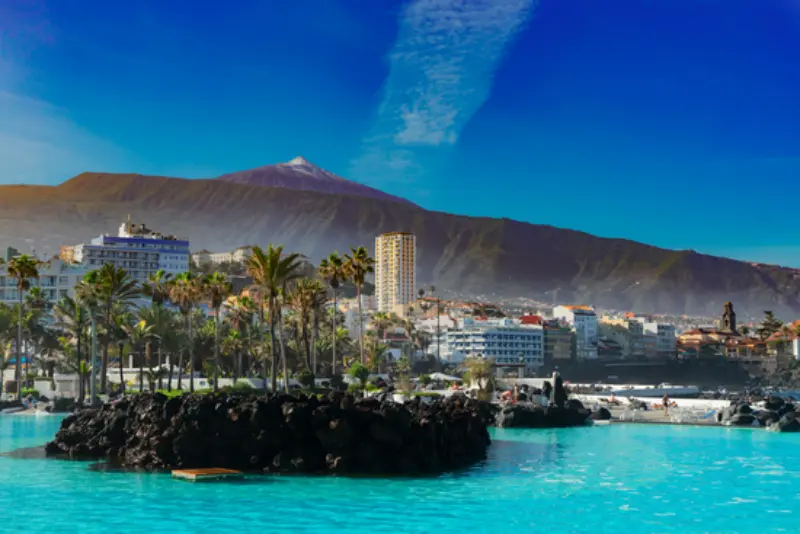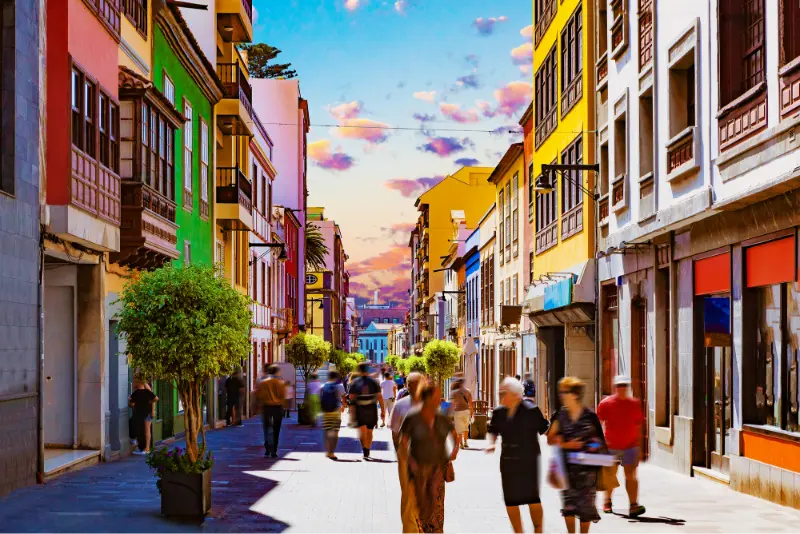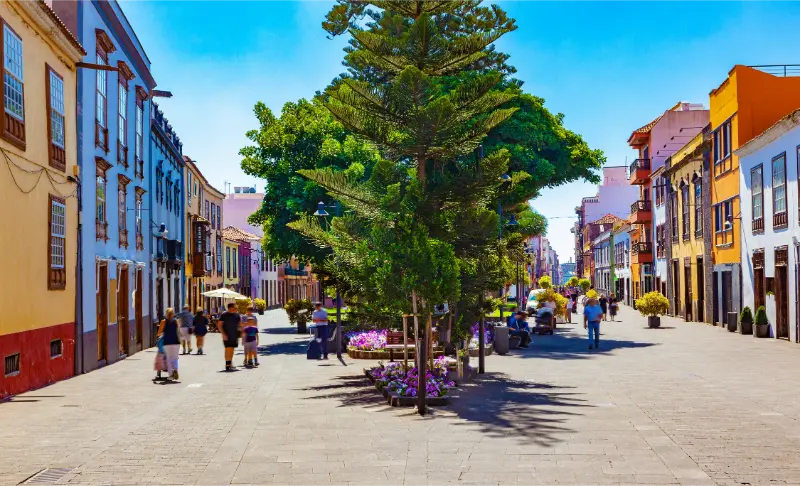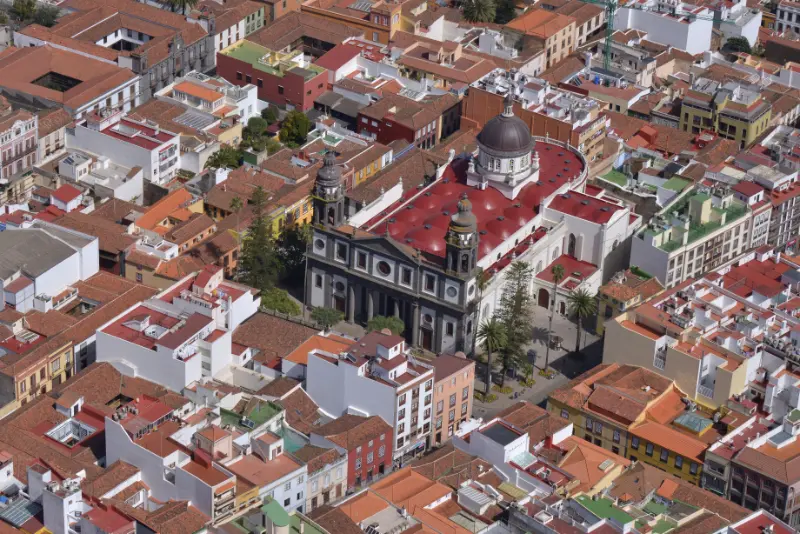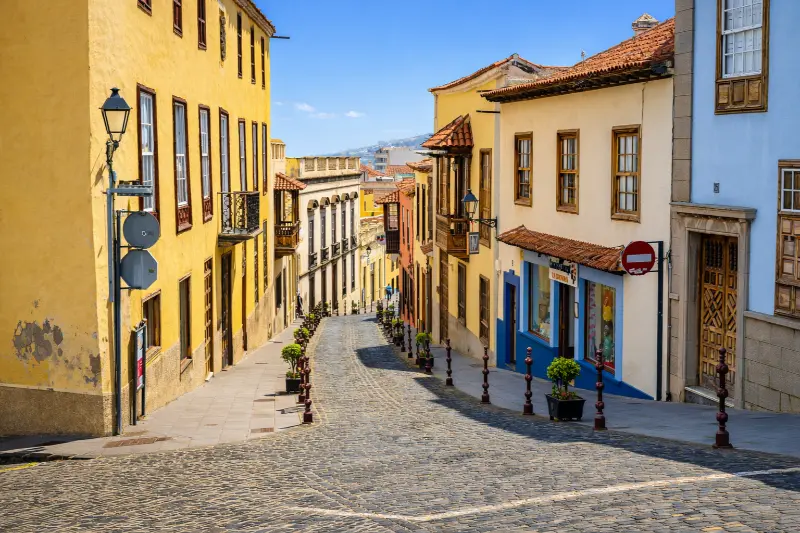
Casa Miranda is one of the historic houses I stop at when I want to understand the merchant wealth behind old Puerto de la Cruz. The municipal heritage site presents it as a well-preserved example of Canarian domestic architecture associated with the Miranda family and notes its protection as a Bien de Interés Cultural. The house also carries a transatlantic historical association through Francisco de Miranda, the Venezuelan-born military and political figure often described as a precursor of Spanish-American independence. I treat that connection carefully: the building is interesting in its own right even before the famous name is added.
Quick visit facts
| Location | Near Plaza de Europa in the historic centre |
|---|---|
| Heritage | Bien de Interés Cultural, Monument category |
| Architecture | Traditional Canarian domestic architecture associated with wealthy merchant families |
| Historical association | Linked by local heritage interpretation with the Miranda family and Francisco de Miranda |
| Current use | Local tourism information notes a restaurant use; interior access therefore depends on the operating business |
What the house says about merchant Puerto
The quality of materials and internal organisation described in the heritage record point to a wealthy household. That matters because Puerto de la Cruz was not only a harbour infrastructure; it was a town of merchants whose fortunes connected agricultural exports with Atlantic trade.
I look at balconies, stonework and proportions as evidence of status. A historic house becomes more meaningful when I ask who could afford to build and maintain it, and what economic network made that possible.
The Francisco de Miranda connection
Local heritage interpretation connects the house with the Miranda family and the broader story of Francisco de Miranda, whose career crossed the American Revolution, French Revolution and Venezuelan independence movement. A bust in nearby Plaza de Europa reinforces that memory.
I avoid turning the house into a simplified “birthplace” story without evidence. The useful point is the Canary–Venezuela connection and the movement of families, ideas and identities across the Atlantic. The building gives me a concrete place to discuss that larger history.
BIC protection and restoration
The Canary Islands government declared Casa Miranda a Bien de Interés Cultural with Monument status in 2009, after a long protection process. The legal documentation describes the building as one of the important properties in the Puerto de la Cruz historic ensemble.
Protection does not mean the house functions as a public museum. Current use and ownership matter. I therefore plan primarily to appreciate the exterior and surrounding streets unless current information clearly confirms interior access.
The best route around Casa Miranda
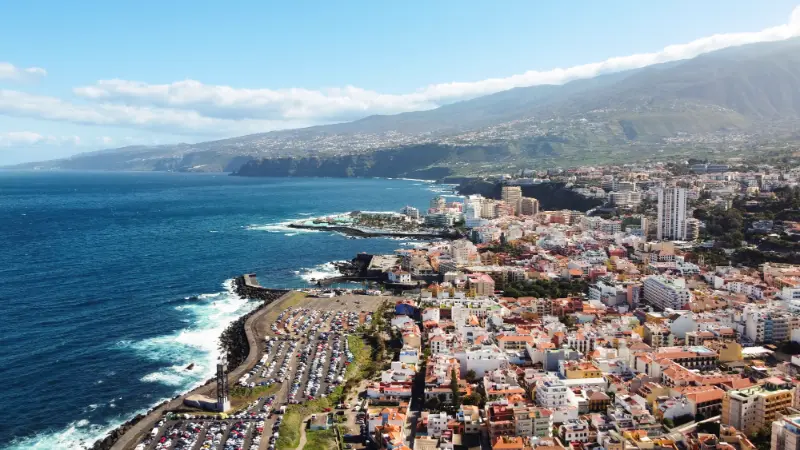
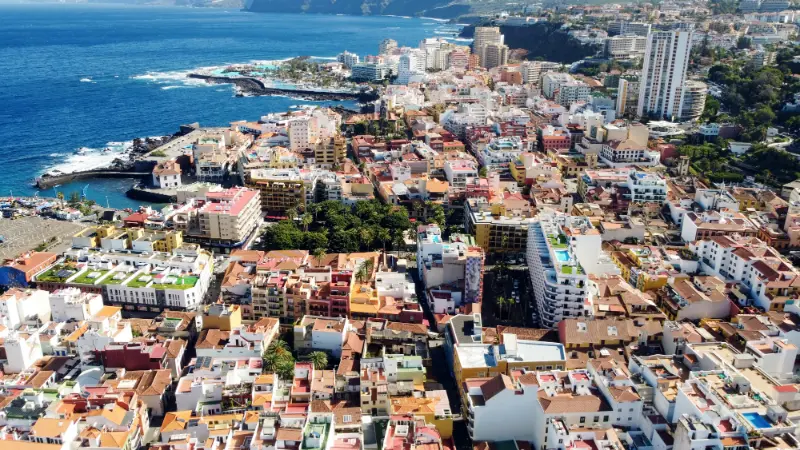
Casa Miranda sits naturally between Plaza de Europa, the old port and central shopping streets. I combine it with Casa de la Aduana, Batería de Santa Bárbara and Casa Iriarte. That sequence turns several façades into a story about merchants, defence and civic life.
Because distances are short, this is one of the best areas in Puerto de la Cruz for travellers who prefer a low-stress cultural walk rather than a timed attraction.
How I would plan the visit
I build this stop into a geographically coherent day rather than cross Tenerife for one doorway or viewpoint. That approach matters especially in the north, where parking, one-way streets, cloud and short opening windows can turn a simple plan into wasted time. I identify one main experience, two nearby options and a place for lunch, then leave enough flexibility to change the order.
Operational details are the first thing I recheck. Opening hours, services, event schedules and interior access can change. If entering a building or joining a tour is essential, I verify the official source again on the morning of the visit. If the value is mainly the exterior, street or landscape, I can be more spontaneous.
How much time I would allow
I separate the time physically spent at the attraction from the time the stop consumes in the itinerary. A small museum may take 45 minutes but easily use 90 once I include parking, walking, tickets, a coffee and the transition to the next place. An exterior heritage stop may take only 15 minutes yet become an hour when I follow the surrounding historic route.
I also avoid stacking too many similar places. Three churches or five historic houses in succession blur together. I alternate an interior with a square, seafront walk, garden, market or meal so each place keeps its identity.
Getting there and moving around
For central historic areas I prefer walking once I have arrived. Repeatedly moving the car a few hundred metres usually wastes time and creates more parking stress. For rural wineries and museums, I check the final approach carefully because a bus stop shown in the same village does not necessarily mean public transport reaches the entrance.
If I do drive, I never leave luggage visible in the car and I do not plan alcohol tastings around uncertain driving arrangements. For public transport, I keep the return option in mind before the visit rather than checking it only when the attraction closes.
Accessibility, families and pace
Historic buildings can have thresholds, stairs and narrow interiors even when the surrounding town is relatively accessible. When step-free access is essential, I contact the venue rather than infer it from photos. Outdoor heritage sites may also have uneven stone, slopes or wet seafront surfaces.
With children, I shorten the history lesson and give the place one clear story: a pirate defence, a trading house, a craft, a grape variety or a famous local figure. That usually works better than expecting everyone to absorb every date and name.
What I would bring
For a town visit I carry water, sun protection and a light layer because north-Tenerife cloud can change quickly. For rural stops I add footwear with reliable grip and avoid assuming a tasting room or small museum has the same facilities as a large attraction. I also keep enough phone battery for maps, booking confirmations and current transport information.
Where I would stay for a slower visit
If this area is more than a day trip, I sometimes compare accommodation in Puerto de la Cruz. Staying locally is most useful when I want early streets, evening restaurants or several attractions that open on different schedules. I would not move hotels for one small sight, but a two- or three-night north-Tenerife base can make a culture-heavy itinerary much calmer.
Common mistakes I would avoid
- Relying on an old review for current opening hours.
- Assuming a historic building is a public museum because the exterior is protected.
- Trying to drive between every stop in a compact old town.
- Scheduling a wine tasting without deciding who will drive afterwards.
- Ignoring sea conditions around urban waterfront heritage.
- Photographing worshippers or private interiors without permission.
What I would combine nearby
- Puerto de la Cruz Travel Guide
- Museo Arqueológico Puerto de la Cruz
- Puerto Street Art
- Castillo de San Felipe
I prefer these combinations because they keep the day geographically coherent. Less driving gives me more time to notice street details, viewpoints, cafés and local life that are often more memorable than an extra rushed attraction.
Official source
For current access, schedules and temporary changes I check the official or municipal information for this place shortly before travelling.
Frequently asked questions
Is Casa Miranda a museum?
I would not plan on it as a conventional museum. Current local information associates the building with commercial/restaurant use.
Why is it protected?
It is an important example of historic Canarian domestic architecture within the Puerto de la Cruz historic ensemble.
What is the Francisco de Miranda connection?
Local heritage interpretation connects the house with the Miranda family and uses it to discuss the wider transatlantic story of Francisco de Miranda.
Can I see it on foot?
Yes. It is central and fits easily into an old-port walking route.
How I turn a short stop into useful context
I spend a few minutes before arrival understanding why the place is where it is. A customs house beside a harbour, a chapel beside a sailors’ promenade, a rural museum in the medianías or a winery on a volcanic slope all make more sense when location is treated as evidence rather than background. That habit also helps me remember the visit after the holiday because the facts attach to a physical landscape.
After the visit I compare the place with one nearby site that tells a different part of the same story. Trade works well with defence, wine with agriculture, craft with forest resources, and a religious building with the public square around it. I would rather make two strong connections than collect ten unrelated attractions.
What can change after publication
Hours, prices, exhibitions, tour schedules, interior access, road works and event programmes are all operational information, not permanent facts. I therefore distinguish them from history and architecture. The historical section of a guide may remain useful for years; the timetable should always be checked again close to travel.
When official sources disagree, I do not silently pick the version that makes the itinerary look easiest. I mention the discrepancy and plan around the more conservative interpretation. That is especially important for late-afternoon arrivals, rural transport and attractions with small teams.
My practical final check
Before leaving accommodation I save the destination name, official page and a nearby alternative. I check weather at the actual location, not only at the resort, and I look at the return route before committing to a tasting or long walk. These are small habits, but they remove most of the avoidable friction from independent travel in Tenerife.
Final thoughts
Casa Miranda Puerto de la Cruz is most rewarding when I use it to understand a wider piece of Tenerife rather than treat it as another box to tick. I verify the practical details, give the place enough time for its context to emerge and then continue to nearby stops on foot or with a short, logical transfer. That is the style of travel that makes a dense island itinerary feel calmer and more personal.