
Templo Masónico de Santa Cruz de Tenerife is one of the most distinctive cultural buildings in the Canary Islands and, after a major restoration, is again open to the public. Its Egyptian-inspired façade, sphinxes, palmiform columns and “all-seeing eye” are only the beginning; the interior explains the social and symbolic world of the historic Logia Añaza.
The official Santa Cruz Cultura page currently publishes free visits Tuesday to Saturday from 11:00 to 18:00 and Sundays/holidays from 11:00 to 14:00, with Monday closed. Guided-visit dates are published separately. Because programming changes, I would check that page on the day I go.
Quick practical facts
| Location | Santa Cruz de Tenerife |
|---|---|
| Historic lodge | Logia Añaza |
| Building completed | 1904 |
| Architect | Manuel de Cámara y Cruz |
| Current free-visit hours | Tuesday–Saturday 11:00–18:00; Sundays/holidays 11:00–14:00 |
| Closed | Monday |
| Guided visits | Dates published separately by Santa Cruz Cultura |
Why I would give Templo Masónico de Santa Cruz de Tenerife its own stop
This is not a generic “secret society” attraction. The real value is architectural and social history: Freemasonry had a visible role in Santa Cruz’s cultural life, and the building expresses that history through deliberately symbolic spaces and decoration.
The reopening also gives travellers a rare chance to enter a building that was closed for decades. I would prioritise it over a superficial exterior photo because the restored interior is where the sequence of spaces starts to make sense.
What to look for once you are there
The Egyptian-inspired façade
Palm-form columns, sphinxes and the eye motif make the entrance instantly recognisable. I would read them as part of a symbolic architectural programme, not as random exotic decoration.
The lodge rooms
The official cultural description highlights spaces such as the sala de tenidas, chamber of reflection and dining/agape room. Their functions help explain how the lodge organised ceremony and community.
The history of Logia Añaza
Founded in 1895, the lodge became important in the social and cultural life of Tenerife during the early twentieth century. That local history is more interesting than importing clichés from films about Freemasonry.
Restoration and reopening
The building was confiscated after the Civil War, used institutionally and remained closed for decades. The city acquired it in 2001; it later received BIC protection and has now undergone major rehabilitation.
The context that makes the visit more interesting
Freemasonry in Spain has a politically charged history, especially across the dictatorship period. The temple’s confiscation and long closure are therefore part of a broader twentieth-century story, not merely a building-maintenance issue.
I would also separate documented local history from sensational claims. The official cultural material gives plenty to work with—architecture, lodge history, symbolism and state confiscation—without inventing conspiracies.
The building is particularly useful for understanding Santa Cruz as more than a port and carnival city. It reveals civic associations, intellectual networks and architectural ambition in the late nineteenth and early twentieth centuries.
How I would plan the visit
I would combine the temple with the Santa Cruz city guide and one nearby museum rather than crossing the island only for a short visit. The exact walking route depends on the day’s opening hours.
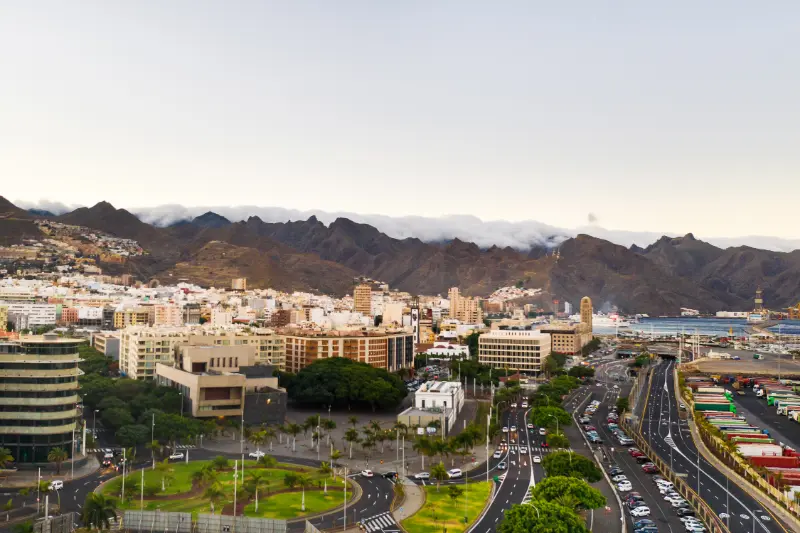
If I want a wider culture day, the TEA guide and MUNA guide offer very different modern-art and archaeology perspectives.
How much time to allow
For a free visit I would allow 45–75 minutes. Guided or theatricalised visits can have their own fixed duration and ticketing, so I follow the event information rather than this general estimate.
I do not squeeze the temple between two timed reservations. Historic interiors are much more rewarding when I can stop to understand the room sequence and symbolism.
Getting there without turning the visit into a transport problem
The temple is in Santa Cruz and is easiest to incorporate into a central-city day by walking or using public transport. I avoid searching for doorstep parking in the old urban fabric.
For an overnight culture break I may compare Santa Cruz hotels and use the tram/bus network instead of treating the capital as a quick car stop.
Accessibility and comfort
The restoration has been designed to reopen the building to public use, but if I have a specific mobility requirement I still check the latest access notes before visiting, especially for guided routes that may use multiple internal spaces.
The difference between a free visit and a special theatrical or guided experience can affect movement through the building. I do not assume every event uses exactly the same route.
Is it worth visiting with children?
It can work well with older children and teenagers interested in symbols, architecture or mystery, as long as the explanation stays grounded in real history.
For very young children, I would keep the visit short. The attraction is interpretation and architecture rather than interactive play.
Best time of day
I prefer morning or early afternoon, when I can combine the temple with another cultural stop before museums close. The published free-visit hours make that easy on most days except Monday.
Special evening routes can create a different atmosphere, but they are programmed events rather than guaranteed daily access. I check the calendar instead of building a trip around an old event announcement.
Photography and respectful visiting
The façade is highly photogenic in frontal and angled views. Inside I follow posted rules and avoid reducing the building to a collection of “mysterious” symbols without context.
If a guided group is moving through a narrow room, I prioritise not blocking circulation over getting a symmetrical image.
Useful nearby stops
A realistic half-day plan
A strong half-day is Templo Masónico plus TEA or MUNA, then coffee or lunch in the centre. That creates a coherent culture block without unnecessary transport.
If architecture is the theme, I would pair the temple with the Auditorio later in the day to compare two radically different moments in Santa Cruz design.
Common mistakes I would avoid
- Turning documented Masonic history into conspiracy storytelling.
- Arriving on Monday, when the official page currently says the temple is closed.
- Assuming guided visits run every day.
- Blocking narrow interior spaces for photographs.
- Ignoring the confiscation and twentieth-century political context.
Current information: what I would check again
The official Santa Cruz Cultura page currently lists free visits Tuesday–Saturday 11:00–18:00 and Sundays/holidays 11:00–14:00, with Monday closed.
Guided visits and theatrical routes are announced separately and can sell out or use different times. I check the current cultural calendar before travel.
Official source
For opening and guided-visit information I use Santa Cruz Cultura – Templo Masónico.
Frequently asked questions
Is the Templo Masónico open to visitors in 2026?
Yes. After restoration it is open for free visits on published days, with guided visits scheduled separately.
What are the current free-visit hours?
The official page currently lists Tuesday–Saturday 11:00–18:00 and Sundays/holidays 11:00–14:00. Monday is closed.
Is this mainly about conspiracy theories?
No. The most valuable visit is grounded in documented local Masonic, architectural and social history.
Do guided visits run every day?
No. The official page says upcoming guided dates are published separately, so check the calendar.
How I decide whether this stop belongs in my itinerary
I do not add a place simply because it appears on a “top things to do” list. I ask what new layer it adds to the trip. Does it explain a part of Tenerife I have not understood yet? Does it fit naturally with places already on the route? Can I visit it without creating an hour of unnecessary driving? Those questions are especially useful on an island where a short distance on the map can still mean mountain roads, city parking or a change of microclimate.
I also distinguish between a destination visit and a cluster visit. A destination visit is worth crossing the island for; a cluster visit becomes valuable because it sits beside two or three other strong stops. Many museums, churches, small forts and interpretation centres are at their best in the second category. That does not make them less important. It simply means the itinerary should respect their real scale.
What I would verify on the morning of the visit
Opening hours, temporary closures, road conditions and special events are the four details most likely to change. I save the official source rather than relying on a screenshot taken months earlier. For cultural buildings I also check whether a private event, religious service, renovation or guided group affects normal access. For Teide locations I add mountain weather and road status to that list.
This last check takes only a few minutes and prevents the most common frustration in Tenerife planning: arriving with perfectly researched historical information but an outdated practical detail. I would rather change the order of a day than force an itinerary after the conditions have changed.
What makes a good Tenerife visit different from a checklist
The strongest days usually contain contrast. A museum works better when I can walk through the neighbourhood it explains; a volcanic trail means more after a visitor centre; a historic fort becomes clearer when modern city architecture surrounds it. I therefore build connections between places instead of treating every stop as an isolated review score.
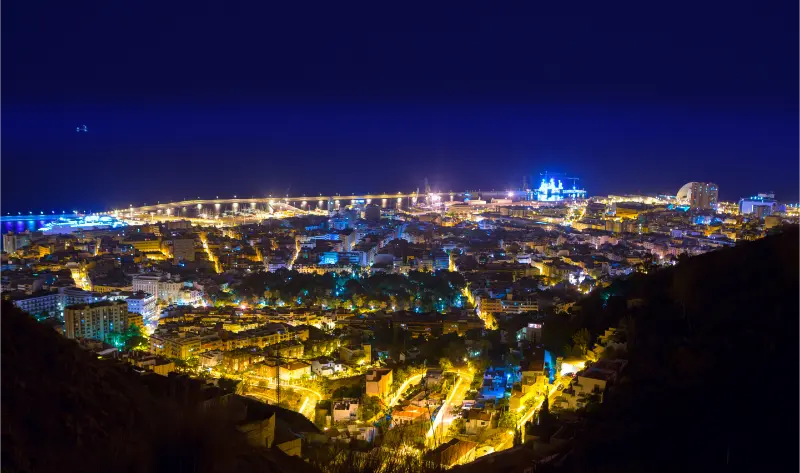
I also leave blank space. Tenerife rewards unplanned pauses: a view of Teide appearing above cloud, a local café, a small plaza, or a change in light can become more memorable than the tenth scheduled attraction. A complete travel site should help a reader make those choices, not pressure them to “complete” the island.
Final thoughts
The restored Masonic Temple is one of the strongest additions to Santa Cruz’s cultural itinerary. It is visually unusual, historically specific and finally accessible enough to move beyond exterior curiosity.
I would go for the architecture and documented local history, not for sensationalism. That approach makes the building much more interesting.