Travelling with teenagers changes what “family-friendly” means. A shallow beach and playground may no longer be enough, but a holiday packed with adult sightseeing can fail just as quickly. Tenerife works well because it mixes adrenaline, independence and genuinely unusual landscapes: surfing, water parks, whales, volcanoes, stargazing, kayaking and towns where older children can explore a promenade without feeling supervised every second. I plan teenage trips around shared headline experiences, then leave pockets of choice. This guide complements my Tenerife with kids guide but focuses on older children who want more challenge and autonomy.
Start with one high-energy anchor activity
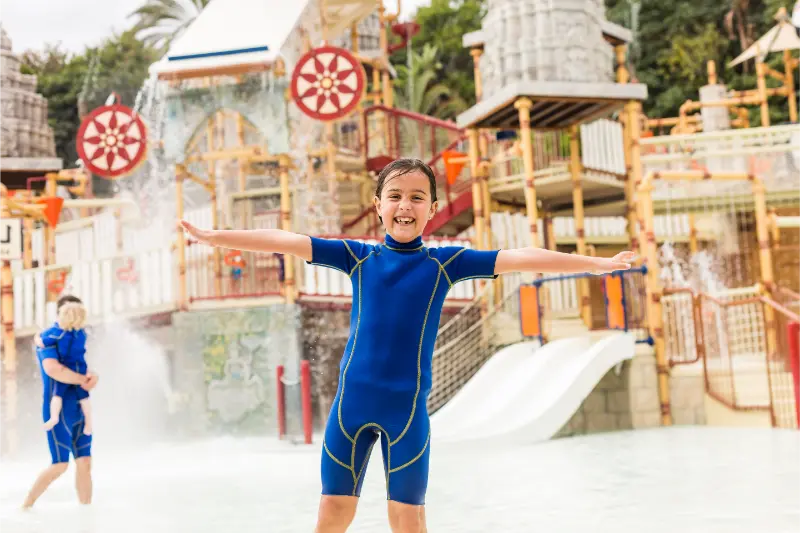
I choose one activity that everyone is excited about and use it as the anchor for the day. Siam Park is the obvious example because older children can spend hours on major slides while adults still have space to relax. Surf lessons in El Médano or Playa de las Américas can work just as well. The key is not stacking a second demanding excursion afterwards. Teenagers may have energy, but queues, sun and swimming can make a full activity day genuinely tiring.
This is the point where I slow the itinerary down. I leave enough time for parking, a short walk and a change of plan if weather or opening conditions are different from what I expected. Tenerife rewards flexibility, and I would rather enjoy one place properly than rush through three stops because they looked close together on a map.
Surfing and bodyboarding: a useful way to create independence
A supervised surf lesson gives teenagers a challenge that feels like their own activity rather than another family excursion. I choose a recognised school, match the beach to experience and let the instructor decide whether conditions are suitable. My surfing in Tenerife guide explains the main areas. I also avoid assuming that a beach with surfers is automatically safe for beginners; reef, current and local wave patterns matter more than how inviting the water looks from shore.
In practical terms, I check this again on the morning of the visit. Opening hours, sea state, wind and local access can change, especially on an island where coast, forest and high ground behave very differently. I also keep one nearby alternative so a small change never means crossing Tenerife unnecessarily.
Teide without turning it into a forced hike
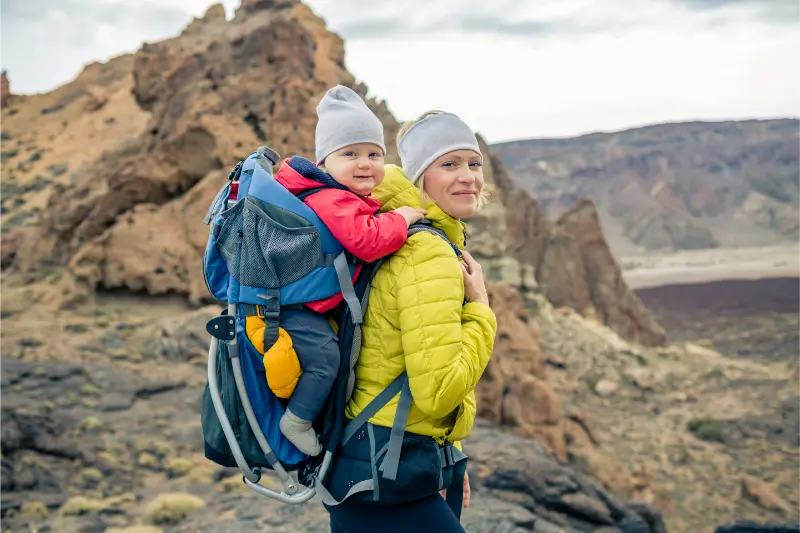
Teide can be spectacular for teenagers if I avoid presenting it as a compulsory educational outing. Cable-car views, volcanic formations and the abrupt change from coast to high altitude provide enough drama without a long summit hike. For active families, a permitted trail can add challenge, but I check restrictions carefully. My Mount Teide guide and trail permit guide cover the practical side.
I would build the rest of the day around this stop rather than squeeze it between two distant attractions. That usually means choosing a nearby lunch, beach, viewpoint or town and accepting that driving time is part of the experience. The result is a calmer day and a much better sense of place.
Stargazing: the evening activity that feels different from home
A clear night above the cloud layer can be one of the strongest memories of a Tenerife family trip. Stargazing works particularly well with teenagers because it feels more adventurous than an ordinary evening walk and connects naturally with science, photography and the volcanic landscape. I bring warm layers even when the coast is hot and avoid scheduling a very early start the next morning. My Tenerife stargazing guide explains locations and planning.
For first-time visitors, the useful question is not only whether this is worth seeing, but whether it fits the base and transport plan. I compare the route with my Tenerife transport guide and avoid creating a day with repeated north-south crossings just to tick off one more place.
Whale watching and kayaking instead of another sightseeing bus
The sea is a useful reset after town visits. A responsible whale-watching trip can hold attention because wildlife is unpredictable, while guided kayaking gives older children more physical involvement. I choose operators based on safety, group size and environmental practice rather than the loudest sales desk. Seasickness matters too: if someone is prone to it, a shorter morning trip may be much more enjoyable than a long afternoon cruise.
I also think about the time after the main activity. A museum, flight, paddle or village visit is more enjoyable when I have not booked a rigid dinner on the opposite side of the island. I keep the final hours loose enough for an unexpected viewpoint, traffic, changing weather or simply staying longer somewhere I like.
Give teenagers some choice over food and evening plans
I usually let teenagers choose at least one meal or evening area. Playa de las Américas offers busier nightlife and shopping, Costa Adeje is polished and easy, while Puerto de la Cruz gives a more urban north-coast atmosphere. The choice creates ownership without handing over the entire itinerary. I still set clear meeting points and transport plans, especially after dark, but I avoid turning every hour into a scheduled family activity.
My planning rule here is simple: use current information rather than copying an itinerary from an older trip report. Tenerife manages natural areas, sports zones and public facilities actively, so the best plan is the one that can absorb a closure or timetable change without becoming stressful.
A day without a major attraction is useful
After two or three headline days, I deliberately schedule a lighter one: beach, promenade, market, café and perhaps a short easy hike. This is not wasted time. Teenagers often need space to message friends, sleep later or simply do very little. Tenerife’s resort promenades and town centres make that easy without leaving the family stuck in a hotel room. My coastal walks guide has several low-pressure options.
If I am travelling with children or a mixed-age group, I shorten the visit before anyone gets tired. That is particularly useful in Tenerife, where a sunny morning can turn into a windy afternoon at altitude or a rougher sea on the coast. I prefer leaving with energy for the next stop.
Where I would stay with teenagers
For a first trip I usually choose the south if water parks, beaches, surf and evening atmosphere are priorities. Costa Adeje is convenient, Playa de las Américas is livelier and Los Cristianos has a practical harbour and transport connections. Families who value hiking, culture and a less resort-focused feel may prefer Puerto de la Cruz. My north versus south guide helps decide based on actual interests rather than stereotypes.
I treat this as part of a wider area rather than an isolated attraction. Linking places geographically creates better travel days: less driving, more time on foot and more chances to notice the cafés, promenades, architecture and landscapes that never make a top-ten list.
My final planning advice
The best teenage itinerary has negotiation built into it. I choose the non-negotiable family experiences, let older children influence the rest and keep enough downtime that nobody starts treating the holiday as a school timetable.
For accommodation I compare pools, room layout, Wi-Fi, walkable food options and transport before star rating alone. You can compare current Tenerife accommodation prices once you know which side of the island fits the family best.
How I keep this day realistic
I do not turn this guide into a checklist. I choose the two or three elements that matter most, leave the rest optional and build in time for a proper meal or a slower walk. Tenerife often looks compact on a map, but elevation changes, winding roads and parking can make a short distance consume more of the day than expected. A realistic plan also makes it easier to respond to cloud, wind or heat without feeling that the trip has gone wrong.
What I check before leaving accommodation
Before heading out I check the exact destination, current weather at that location rather than at the hotel, and any notice from the official operator or municipality. I also carry water, sun protection and a light layer because conditions change quickly between the coast and higher ground. If the activity is time-sensitive, I save the booking confirmation offline and keep enough battery for maps and transport information.
Why I leave a backup option nearby
A backup does not need to be another major attraction. It can be a beach, historic centre, market, café or viewpoint in the same part of Tenerife. That small amount of preparation prevents a closure or rough sea from turning into a long cross-island drive. It is one of the habits that makes independent travel here much easier, especially when several people have different interests and energy levels.
The pace I would choose
I would rather finish this day feeling that I could have stayed longer than arrive back exhausted. Many of Tenerife’s best experiences depend on atmosphere: sitting by the sea after an activity, walking a town at dusk, watching cloud move across a ridge or finding a local restaurant without a schedule. Leaving space for those moments is more valuable than adding another stop simply because it appears in a guidebook.