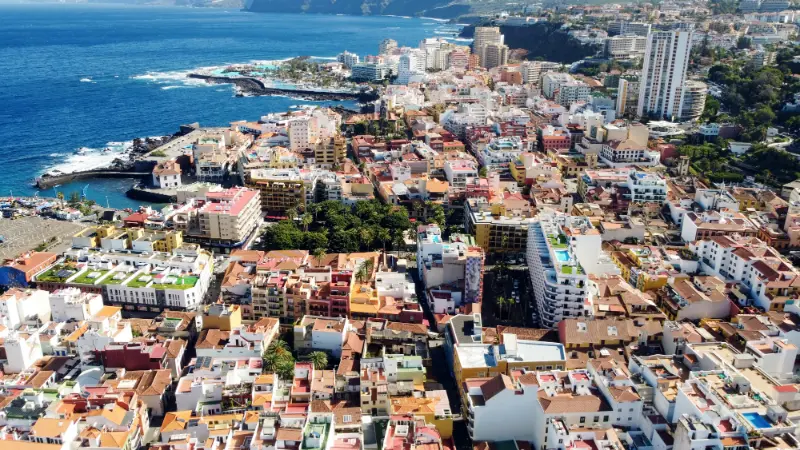
Casa Iriarte is a small historic-centre stop with an unusually large intellectual story behind it. The house is associated with the Iriarte family, whose members became prominent figures in eighteenth-century Spain during the Enlightenment. The best known for many visitors is Tomás de Iriarte, dramatist, poet and fabulist. I do not come expecting a major museum interior. The value is in standing on the street where a local family became part of a much wider Spanish cultural world, then connecting that story with nearby merchant houses and the port that made movement of people and ideas possible.
Quick visit facts
| Location | Calle San Juan 17, Puerto de la Cruz |
|---|---|
| Type | Traditional Canarian historic house |
| Family | Associated with the Iriarte family, important in 18th-century Spanish cultural life |
| Notable figure | Tomás de Iriarte, dramatist, poet and fabulist |
| Heritage | Casa Iriarte has been protected as a historic site/BIC in Canary Islands heritage records |
Why the Iriarte family matters
The eighteenth century is often reduced to ships and trade when I visit old Puerto de la Cruz, but the Iriarte family brings the intellectual side of that period into view. Members of the family were active in literature, diplomacy and cultural administration in Spain.
Tomás de Iriarte became especially known for literary fables and theatre. I use his story as a reminder that a small Atlantic port could produce people who moved through the institutions and debates of the Spanish Enlightenment.
Reading the house from the street
The municipal tourism description calls Casa Iriarte another good example of Canarian architecture. I focus on scale, corner position, timber and façade rhythm rather than expecting a grand palace. These domestic buildings reveal how the historic centre worked at human scale.
Because public interior access is not the reason I visit, the stop remains useful even when doors are closed. The surrounding street network is part of the experience.
The Enlightenment in an Atlantic port
Ports move more than cargo. Books, languages, political ideas and professional networks also travelled through Atlantic towns. Puerto de la Cruz had commercial links that made it outward-looking, and the Iriarte story fits that pattern.
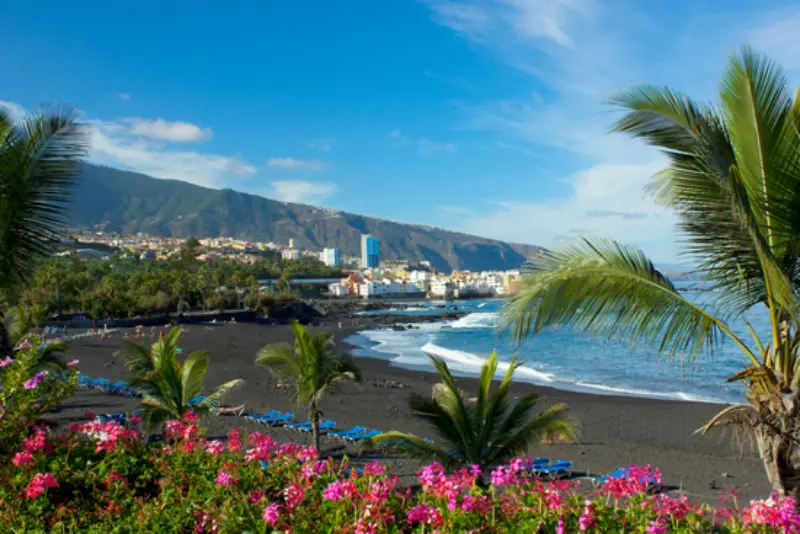
I like pairing Casa Iriarte with the old harbour and Casa Miranda because the three stops show different results of the same connected world: commerce, family wealth and intellectual mobility.
My walking route
From Plaza del Charco I walk toward Calle San Juan, pause at Casa Iriarte, continue to Plaza de la Iglesia and San Telmo, then return through Plaza de Europa and the old port. It is compact enough to do without rushing.
If I want more context, the Archaeological Museum and Puerto Street Art route add Indigenous history and contemporary culture to the same day.
How I would plan the visit
I build this stop into a geographically coherent day rather than cross Tenerife for one doorway or viewpoint. That approach matters especially in the north, where parking, one-way streets, cloud and short opening windows can turn a simple plan into wasted time. I identify one main experience, two nearby options and a place for lunch, then leave enough flexibility to change the order.
Operational details are the first thing I recheck. Opening hours, services, event schedules and interior access can change. If entering a building or joining a tour is essential, I verify the official source again on the morning of the visit. If the value is mainly the exterior, street or landscape, I can be more spontaneous.
How much time I would allow
I separate the time physically spent at the attraction from the time the stop consumes in the itinerary. A small museum may take 45 minutes but easily use 90 once I include parking, walking, tickets, a coffee and the transition to the next place. An exterior heritage stop may take only 15 minutes yet become an hour when I follow the surrounding historic route.
I also avoid stacking too many similar places. Three churches or five historic houses in succession blur together. I alternate an interior with a square, seafront walk, garden, market or meal so each place keeps its identity.
Getting there and moving around
For central historic areas I prefer walking once I have arrived. Repeatedly moving the car a few hundred metres usually wastes time and creates more parking stress. For rural wineries and museums, I check the final approach carefully because a bus stop shown in the same village does not necessarily mean public transport reaches the entrance.
If I do drive, I never leave luggage visible in the car and I do not plan alcohol tastings around uncertain driving arrangements. For public transport, I keep the return option in mind before the visit rather than checking it only when the attraction closes.
Accessibility, families and pace
Historic buildings can have thresholds, stairs and narrow interiors even when the surrounding town is relatively accessible. When step-free access is essential, I contact the venue rather than infer it from photos. Outdoor heritage sites may also have uneven stone, slopes or wet seafront surfaces.
With children, I shorten the history lesson and give the place one clear story: a pirate defence, a trading house, a craft, a grape variety or a famous local figure. That usually works better than expecting everyone to absorb every date and name.
What I would bring
For a town visit I carry water, sun protection and a light layer because north-Tenerife cloud can change quickly. For rural stops I add footwear with reliable grip and avoid assuming a tasting room or small museum has the same facilities as a large attraction. I also keep enough phone battery for maps, booking confirmations and current transport information.
Where I would stay for a slower visit
If this area is more than a day trip, I sometimes compare accommodation in Puerto de la Cruz. Staying locally is most useful when I want early streets, evening restaurants or several attractions that open on different schedules. I would not move hotels for one small sight, but a two- or three-night north-Tenerife base can make a culture-heavy itinerary much calmer.
Common mistakes I would avoid
- Relying on an old review for current opening hours.
- Assuming a historic building is a public museum because the exterior is protected.
- Trying to drive between every stop in a compact old town.
- Scheduling a wine tasting without deciding who will drive afterwards.
- Ignoring sea conditions around urban waterfront heritage.
- Photographing worshippers or private interiors without permission.
What I would combine nearby
I prefer these combinations because they keep the day geographically coherent. Less driving gives me more time to notice street details, viewpoints, cafés and local life that are often more memorable than an extra rushed attraction.
Official source
For current access, schedules and temporary changes I check the official or municipal information for this place shortly before travelling.
Frequently asked questions
Who was Tomás de Iriarte?
He was an eighteenth-century Spanish dramatist, poet and fabulist from the Iriarte family associated with Puerto de la Cruz.
Can I tour the house inside?
I would not assume regular museum-style access; the exterior and historical context are the core of my visit.
Is it far from Plaza del Charco?
No. It is in the compact historic centre and easy to include on foot.
Why is the house worth a stop?
It connects traditional architecture with the wider Enlightenment and Atlantic history of Puerto de la Cruz.

How I turn a short stop into useful context
I spend a few minutes before arrival understanding why the place is where it is. A customs house beside a harbour, a chapel beside a sailors’ promenade, a rural museum in the medianías or a winery on a volcanic slope all make more sense when location is treated as evidence rather than background. That habit also helps me remember the visit after the holiday because the facts attach to a physical landscape.
After the visit I compare the place with one nearby site that tells a different part of the same story. Trade works well with defence, wine with agriculture, craft with forest resources, and a religious building with the public square around it. I would rather make two strong connections than collect ten unrelated attractions.
What can change after publication
Hours, prices, exhibitions, tour schedules, interior access, road works and event programmes are all operational information, not permanent facts. I therefore distinguish them from history and architecture. The historical section of a guide may remain useful for years; the timetable should always be checked again close to travel.
When official sources disagree, I do not silently pick the version that makes the itinerary look easiest. I mention the discrepancy and plan around the more conservative interpretation. That is especially important for late-afternoon arrivals, rural transport and attractions with small teams.
My practical final check
Before leaving accommodation I save the destination name, official page and a nearby alternative. I check weather at the actual location, not only at the resort, and I look at the return route before committing to a tasting or long walk. These are small habits, but they remove most of the avoidable friction from independent travel in Tenerife.
Final thoughts
Casa Iriarte Puerto de la Cruz is most rewarding when I use it to understand a wider piece of Tenerife rather than treat it as another box to tick. I verify the practical details, give the place enough time for its context to emerge and then continue to nearby stops on foot or with a short, logical transfer. That is the style of travel that makes a dense island itinerary feel calmer and more personal.