Tag: Tenerife

  • Bajamar and Punta del Hidalgo Guide: Natural Pools and Tenerife’s Northeast Coast

    Bajamar and Punta del Hidalgo Guide: Natural Pools and Tenerife’s Northeast Coast

    Bajamar and Punta del Hidalgo are where I go when I want a Tenerife coast day built around ocean swimming, walking and seafood rather than a sandy beach. Both sit on the northeast edge of San Cristóbal de La Laguna municipality, with Anaga rising behind them and the Atlantic directly in front. The coast feels open, local and much less resort-like than the southwest.

    The headline attractions are the seawater pools, but I like the whole rhythm: a morning swim if conditions allow, a long promenade walk, lunch with a view and then an Anaga or La Laguna stop on the way back. I always keep the ocean in charge. A natural pool can be closed or unsafe when swell is strong, and no itinerary is worth ignoring that.

    Bajamar: easy-access seawater pools

    Bajamar is known for developed ocean pools protected from much of the open sea. The area has changing rooms, places to sit and a seafront setting that makes it practical for families and travellers who prefer infrastructure. My broader natural pools guide compares Bajamar with other volcanic bathing areas around the island.

    I arrive earlier on sunny weekends because local residents use these pools too. I do not treat them as a private resort facility; I keep belongings compact, avoid occupying extra space and follow any posted closure or safety instructions.

    Punta del Hidalgo pools

    Tenerife’s official tourism page describes Punta del Hidalgo’s seawater pools as Blue Flag bathing facilities with surveillance, showers and adapted access for people with reduced mobility. The official Punta del Hidalgo page is worth checking before the day.

    The setting is more open and dramatic than an inland swimming pool, with mountains and ocean framing the water. Even in a protected pool, spray and surge can increase during rough seas, so I listen to lifeguards and never cross barriers.

    The coastal walk between sea and mountains

    One of the best reasons to visit is simply walking beside the Atlantic. The road and promenade sections around Punta del Hidalgo reveal the abrupt meeting of Anaga and the sea, and the light changes constantly as cloud moves across the mountains.

    I bring sun protection even when the hills are cloudy. Coastal wind can make the temperature feel mild while UV remains strong. For a longer walk, I carry water because cafés may be spaced farther apart than in a southern resort promenade.

    Swimming versus watching the ocean

    I decide whether to swim only after I arrive. If flags, lifeguards or closures indicate poor conditions, I switch to walking and lunch. The northeast is beautiful precisely because it is exposed to the Atlantic; that exposure can produce rough days.

    This approach removes disappointment. A trip to Bajamar and Punta del Hidalgo is still worthwhile for scenery, food and atmosphere even without entering the water. I prefer that mindset to taking risks simply because I brought a swimsuit.

    Where to eat

    Fresh fish and simple Canarian dishes fit this coast perfectly. I look for daily fish, grilled options, potatoes with mojo and local desserts rather than searching for elaborate fine dining. Punta del Hidalgo in particular has a strong association with seafood restaurants.

    My food guide explains common island dishes. I ask about the fish and price by weight when relevant so there are no surprises at the end of the meal.

    Combine the coast with La Laguna

    Bajamar and Punta del Hidalgo are natural extensions of a La Laguna day. I might spend the morning in the historic centre, have lunch near the coast and swim in the afternoon, or reverse the order in hot weather.
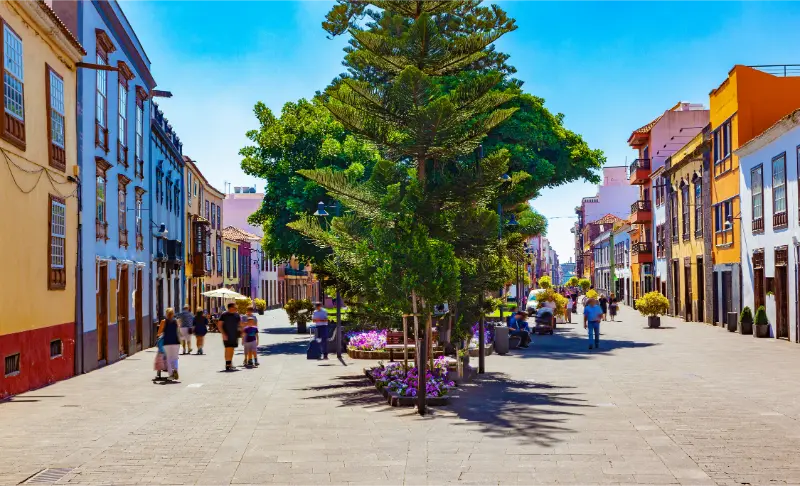
    Tree-lined pedestrian street in the historic centre of La Laguna

    The city and coast have noticeably different microclimates. I keep a light layer in the car or bag because La Laguna can feel cooler, especially later in the day, even when the seafront is pleasant.

    Combine the coast with Anaga

    Punta del Hidalgo sits at the edge of the Anaga landscape, so it can be paired with selected viewpoints or a hike. I use my Anaga guide to choose a realistic route rather than trying to cross the entire massif after swimming.

    A good combination is one substantial activity plus the coast. If I hike for four or five hours, I keep the pool stop simple. If I want a relaxed swim and long lunch, I choose only a short forest walk or viewpoint.

    Getting there by car

    From La Laguna, roads descend toward the northeast coast through Tejina and Bajamar. Driving is generally less dramatic than deep Anaga roads, but local streets and coastal parking can become busy. My Tenerife driving guide covers general parking habits.

    I avoid leaving valuables visible in the car and do not park where a narrow lane becomes harder for residents or buses. If the closest spaces are full, I would rather walk a few extra minutes than create a problem.

    Getting there by bus

    The coast is one of the easier non-resort areas to visit by public transport from La Laguna because TITSA services connect the city with Bajamar and Punta del Hidalgo. I check current schedules before leaving and save the return options, particularly in the evening. My no-car guide explains travelcards and route planning.

    I build extra time around the bus because a coastal day should not feel like a race. If I miss one connection, a coffee by the ocean is a better response than stressing through the final hour.

    Accessibility and comfort

    Developed pools are a better choice than wild lava charcos for travellers who need railings, showers and easier entries. Punta del Hidalgo’s official listing specifically notes adapted access. I still check the exact facility I plan to use because maintenance or temporary closures can change what is available.

    I bring non-slip sandals, a warm layer for after swimming and a dry bag for phone and wallet. Wet volcanic surfaces can be slippery even where the pool itself is well designed.

    Best time to visit

    I prefer a calm-weather morning, then use the afternoon for lunch and walking. Weekdays can feel quieter than sunny weekends. In winter, air temperatures are often mild, but the water and wind may feel cool when I get out.

    I check marine conditions rather than just the weather icon. A sunny day can still have strong swell. That distinction matters at every natural pool in Tenerife.

    Where to stay

    Punta del Hidalgo appeals to travellers who want a quiet edge-of-island base, walking access to the sea and proximity to Anaga rather than nightlife. Bajamar feels slightly more practical for pool-focused stays. I compare accommodation around Bajamar, Punta del Hidalgo and La Laguna and read recent comments about parking and road noise.

    For a first Tenerife holiday, I usually keep La Laguna or Puerto de la Cruz as the broader base and visit the northeast coast for the day. For a repeat trip, staying here can be wonderfully slow.

    My half-day and full-day plans

    For a half day, I choose one pool, take a coastal walk and have lunch. For a full day, I add La Laguna or a short Anaga walk. I do not add Santa Cruz, Las Teresitas and Taganana as well unless the purpose of the day is simply driving.

    The northeast feels best when there is time to sit by the ocean. I leave gaps in the plan because tide, swell and appetite decide the pace better than a minute-by-minute schedule.

    Frequently asked questions

    Are Bajamar and Punta del Hidalgo good for swimming?

    Yes, their developed seawater pools are popular, but ocean conditions still matter. I obey closures and lifeguard instructions.

    Which is better, Bajamar or Punta del Hidalgo?

    Bajamar is very convenient for pool time, while Punta del Hidalgo has a stronger edge-of-Anaga atmosphere and long coastal views. They are close enough to see both.

    Can I visit without a car?

    Yes. Public buses connect the area with La Laguna, making it one of the easier local coast trips without a car.

    Are the pools free?

    Public pool access is generally free, but I check current local information because services and maintenance arrangements can change.

    Can I combine the area with Anaga?

    Yes, but I choose a short Anaga element unless I am prepared for a long active day.

    What I bring for a natural-pool day

    My small kit is simple: swimsuit, towel, non-slip sandals, sunscreen, water, a light layer and a waterproof pouch for valuables. I do not bring inflatable toys into rough ocean pools unless local rules and conditions clearly allow them. Large inflatables can become dangerous when wind or surge increases.

    After swimming, I change into dry clothes before a long bus ride or drive. The northeast breeze can make wet swimwear surprisingly uncomfortable even on an otherwise warm day.

    I also keep a small snack in the bag because a pool morning can easily extend into a long coastal walk. If the cafés are busy, I do not let hunger push me into rushing the return journey. A relaxed natural-pool day works best when I have enough water, something simple to eat and no strict reservation immediately afterward.


  • Surfing in Tenerife: Best Areas, Beginner Lessons and Surf Etiquette

    Surfing in Tenerife: Best Areas, Beginner Lessons and Surf Etiquette

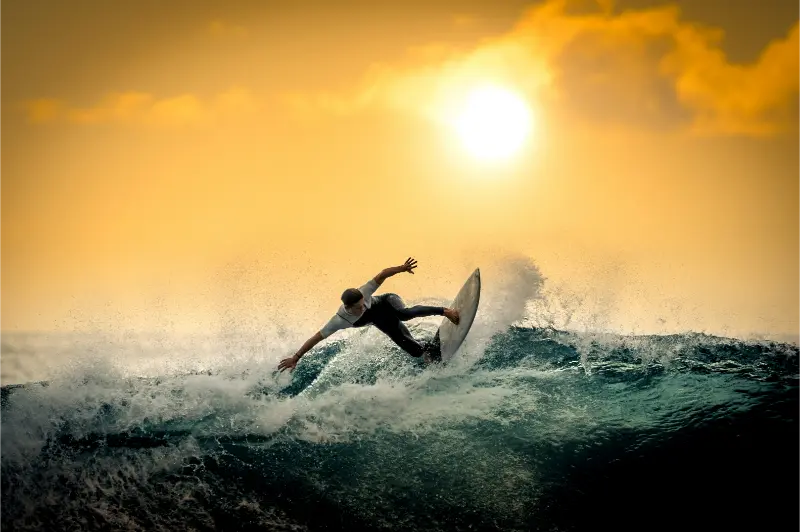
    Tenerife works for surfers because the island has several very different coasts in a compact area. Atlantic swell reaches the north and northwest with power, reef breaks shape the south around Las Américas, and the wind around El Médano creates a separate world of windsurfing, wingfoil and kitesurf. That variety is exciting, but it also means “surf in Tenerife” is not one beginner-friendly experience.

    I match the break to my level, use a reputable school when learning and never paddle out simply because the beach looks busy with boards. Volcanic reefs, currents, local line-ups and rapidly changing swell deserve respect. This guide is about choosing the right area and planning a surf trip responsibly.

    Why Tenerife has year-round surf potential

    Tenerife’s official tourism site describes a wide range of surf and bodyboard spots with sand, rock and volcanic reef bottoms, and notes that the strongest waves are generally on the north and northwest coasts. The official surf and bodyboard page is a good starting point for current operators and locations.

    Year-round potential does not mean identical conditions every month. Swell direction, wind and local exposure change what works on a given day. I check a reliable forecast and, when I am not familiar with the island, ask a local school rather than choosing a break from a generic “best surf spots” list.

    Illustrated guide: Surfing in Tenerife, with practical visitor tips
    Illustrated guide: Surfing in Tenerife.

    Playa de las Américas: the famous south-coast surf zone

    Las Américas is the most convenient surf base for many visitors because breaks sit next to hotels, restaurants and surf shops. The reef setups can produce excellent waves, but some are not beginner spots. My Playa de las Américas guide explains the neighbourhood beyond surfing.

    As a beginner, I book a lesson and let the instructor choose the appropriate section and tide. I do not paddle into the main peak because I watched a tutorial online. Reef breaks punish mistakes more severely than a forgiving sandy beach, and local etiquette matters in crowded line-ups.

    El Médano: wind sports first, surf depending on conditions

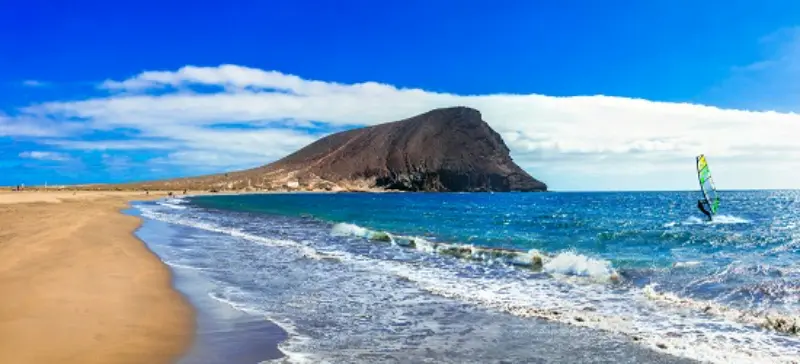
    El Médano is internationally known for windsurfing and other wind sports. Tenerife’s official tourism page notes that the beach’s outer section is especially suited to windsurf and kitesurf, while the area nearer the town is calmer and more family-oriented. The official site also highlights the approximately 300 windy days that support windsurf and wingfoil activity on the island.

    For classic surfing, conditions vary by spot and wind. I use my El Médano guide to understand the beach layout, then speak to a local school about the day. I do not treat windsurf, kitesurf and surf as interchangeable; each sport needs different space and conditions.

    Surfing In Tenerife

    Almáciga and the Anaga coast

    Almáciga is one of the northeast’s best-known surf beaches. The official beach description highlights strong waves throughout the year and notes that surf schools train there. The setting below Anaga is spectacular, but the remote feel should make me more cautious, not less.

    I combine the area with Taganana and watch conditions before entering. If I am a novice, I use an instructor who has chosen that beach for the day rather than assuming every school session happens there regardless of swell.

    El Socorro in Los Realejos

    El Socorro is a recognised north-coast surf beach with a strong local scene. It can suit intermediate and experienced surfers when conditions align, but the north coast is powerful and currents matter. I check flags and observe the line-up before entering.

    The beach works well as part of a Los Realejos day. My Los Realejos guide combines it with Rambla de Castro and the historic centre, which is useful if the surf becomes too large or messy.

    Beginner lessons: what I look for

    For a first lesson, I care more about instructor quality and beach selection than the cheapest price. I ask whether equipment, insurance and transport are included, how large the group will be and whether the school changes location based on conditions. A responsible school should be willing to cancel or relocate when the ocean is unsuitable.

    I tell the instructor honestly about swimming ability and previous experience. Surfing is safer and more enjoyable when the coach does not have to discover mid-session that a student is uncomfortable in deep water.

    Intermediate and advanced surfers

    Experienced surfers usually care about reef shape, swell direction, wind and crowd patterns. Tenerife offers serious waves, but visiting skill does not override local etiquette. I wait my turn, do not snake or drop in, and avoid paddling straight into a compact local peak without understanding how it works.

    Booties can be useful around volcanic rock, but protective gear does not remove the consequences of hitting reef. I inspect entry and exit points from shore first and ask locally if I am uncertain. On an unfamiliar reef, a conservative session is better than a heroic one.

    Surf etiquette in Tenerife

    The basic rules are universal: the surfer closest to the peak has priority, do not drop in, paddle around the breaking zone when possible, hold onto the board unless letting go is the safer emergency option, and apologise clearly if I make a mistake. Crowded holiday zones demand even more awareness because skill levels mix.

    I also respect people on the beach. I do not leave boards across promenades, rinse wax or gear where it creates a slippery surface, or change in doorways. Surf culture works best when the land side of the session is as considerate as the water side.

    Boards, wetsuits and water temperature

    The exact equipment depends on season, body temperature and session length. I ask the rental shop rather than packing based only on air temperature. Atlantic water can feel cool after an hour even when the beach is sunny, and wind increases heat loss.

    El Medano Beach And Montana Roja Tenerife

    For a short holiday, renting is usually simpler than flying with a board unless I am travelling specifically to surf. A good rental shop can also swap board volume or type as conditions change, which is more useful than being locked into one board all week.

    Where to stay for a surf-focused trip

    Las Américas is the easiest base for walking to reef breaks and having full resort infrastructure. El Médano suits wind-sport travellers and has a relaxed town atmosphere. The north can work for experienced surfers who want access to several exposures, though a car becomes more useful. I compare accommodation in Tenerife’s surf areas after deciding which coast matches the trip.

    I do not choose a hotel based on a surf-map pin alone. Secure board storage, parking, early breakfast, drying space and access to food after a session can matter more than being 200 metres closer to one break.

    Surfing without a car

    Las Américas is easiest without a car because shops, schools and breaks are concentrated in a walkable area. El Médano is also manageable once I am there, with public transport connecting it to the wider south. My no-car Tenerife guide explains buses and travelcards.

    For north-coast surf exploration, a car adds flexibility, but I never use a vehicle to chase every forecast model across the island in one day. Surfing tired after hours of driving is not a good trade.

    Non-surf days are part of a good surf trip

    Wind can be wrong, swell can be too small or too large, and the safest decision may be not to surf. Tenerife makes that easy because I can switch to Teide, La Laguna, a wine day or a coastal walk. My best things to do guide gives alternatives across the island.

    I actually like leaving one or two non-surf days in the plan from the start. They let the body recover and prevent the holiday from feeling disappointing when the ocean refuses to follow the forecast.

    Montana Roja At El Medano Tenerife

    Frequently asked questions

    Is Tenerife good for beginner surfers?

    Yes, with the right school and conditions. I would not choose a reef break independently as a beginner; I let an instructor select the safest beach and session.

    Where is the best surf in Tenerife?

    Las Américas is the most famous south-coast zone, while the north and northwest receive stronger swell. Almáciga and El Socorro are well known, but the best spot changes with conditions and ability.

    Do I need a wetsuit?

    It depends on season, session duration and personal comfort. Rental shops can advise on current water conditions and provide suitable equipment.

    Can I surf in Tenerife all year?

    There is year-round potential, but swell and wind patterns vary. Not every break works every day.

    Is El Médano mainly for surfing?

    It is especially famous for windsurfing, kitesurfing and wingfoil. Classic surf conditions depend on the specific spot and day.

    How I read a surf forecast as a visitor

    I look at swell height, period, direction and wind together, then compare that information with a local break description or school advice. A large number alone does not tell me whether a beach will be suitable. Reef orientation, tide and wind can transform the same forecast into completely different conditions around the island.

    When I am unfamiliar with a spot, I watch for at least fifteen minutes before entering. I identify where people paddle out, where waves break, where current seems to move and where the safe exit is. That small pause often tells me more than another hour of online forecasting.

  • Teno Rural Park Guide: Masca, Teno Alto, Hiking and Northwest Tenerife

    Teno Rural Park Guide: Masca, Teno Alto, Hiking and Northwest Tenerife

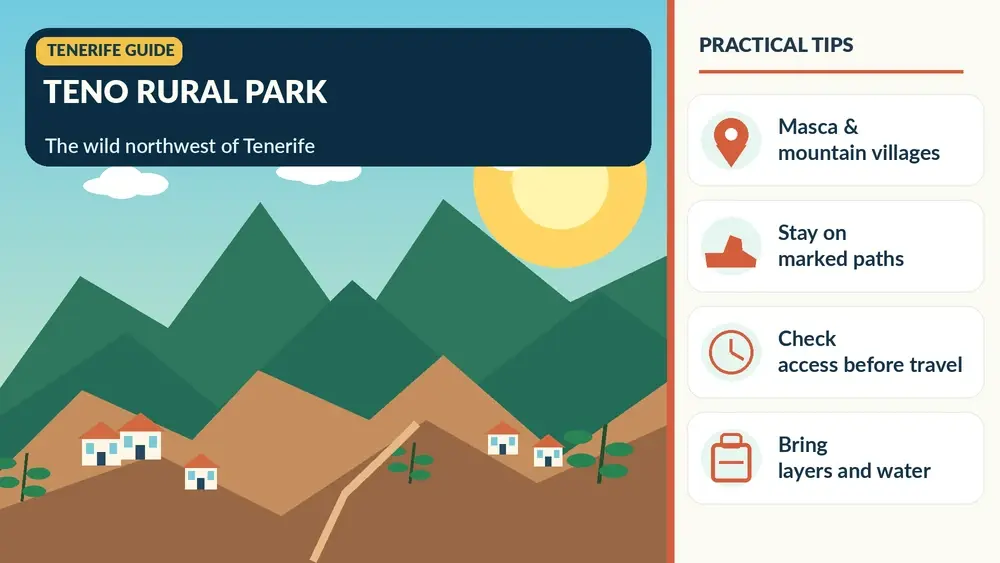
    Teno Rural Park is the Tenerife landscape I recommend when someone wants to understand the island beyond beaches and Teide. In the northwest, deep ravines, old volcanic massifs, laurel forest, farming hamlets and cliffs exist within a compact area that feels far more remote than the map suggests.

    The park covers more than 8,000 hectares across parts of Buenavista del Norte, Los Silos, El Tanque and Santiago del Teide. Famous Masca is only one piece of the landscape. I get more from Teno when I also think about Teno Alto, El Palmar, Monte del Agua, Punta de Teno and the traditional paths connecting the villages.

    Why Teno feels different

    Official Tenerife tourism information describes Teno as one of the island’s best-preserved natural and cultural areas, shaped partly by its historic isolation. The park contains cliffs, valleys, laurel forest and traditional architecture. I use the official Teno Rural Park page as a starting point for current information.

    The geography explains why driving times feel long. Roads cross ridges and ravines rather than following straight lines, and viewpoints constantly tempt me to stop. I plan fewer destinations than I would on the motorway coast.

    Masca village

    Masca is the best-known settlement, dramatically positioned among steep mountains. I visit for the landscape and village setting, but I do not assume I can descend the gorge spontaneously. The Barranco de Masca has a regulated access system and transport requirements described in my Masca guide.

    Even if I am not hiking, parking pressure and road conditions make public transport worth considering. Arriving by bus also lets the driver enjoy the views instead of concentrating on every bend.

    Illustrated guide: Teno Rural Park, with practical visitor tips
    Illustrated guide: Teno Rural Park.

    Teno Alto

    Teno Alto feels much more rural and less visited than Masca. The area preserves farming and livestock traditions, and it is associated with local cheese and old paths across the massif. I come for quiet landscapes rather than a long list of attractions.

    When I stop in a small hamlet, I park carefully, respect private property and avoid treating doorways or agricultural land as photo sets. These communities are lived-in places inside a protected landscape.

    El Palmar and the visitor centre

    El Palmar is one of the practical gateways into the park. The Los Pedregales visitor centre area is useful for information about trails and the cultural landscape. If I am unsure about a route, I would rather ask locally than rely on an old GPS track.

    The valley around El Palmar also shows a softer agricultural side of Teno, a contrast with the dramatic cliffs that dominate photographs of Masca and Punta de Teno.

    Monte del Agua

    Monte del Agua is one of the forest landscapes I include when I want laurel vegetation without focusing only on Anaga. Trails connect areas such as Erjos and Las Portelas, and the atmosphere can be cool and humid even when the coast is sunny.

    Masca Village Tenerife

    I check official trail status before setting out because weather, maintenance or fire risk can affect access. Forest cloud is part of the experience, but poor visibility can make navigation harder on unfamiliar routes.

    Punta de Teno

    Punta de Teno marks the island’s western edge and offers extraordinary views toward the Los Gigantes cliffs. Access rules can change, and current restrictions related to the road mean I never assume I can drive a private car to the lighthouse area. My Punta de Teno guide contains the latest planning context I have used for the site.

    The important principle is simple: I check the current official access arrangement before leaving Buenavista. Old articles showing unrestricted car access can be misleading.

    The 355 bus through Teno

    The official park information identifies TITSA line 355 as an important public-transport link between Buenavista del Norte, Masca and Santiago del Teide. For visitors nervous about the TF-436 mountain road, the bus can be a very good choice.

    I verify the timetable in both directions before starting the day. Rural service frequency means missing a bus can create a long wait, and mobile coverage should not be the only place I have saved the schedule.

    Driving the TF-436

    The road between Buenavista and Santiago del Teide via Masca is scenic but demanding for drivers who dislike narrow, winding mountain routes. I pull over only in legal designated places, let faster local traffic pass when safe and avoid sunset return drives if I am uncomfortable after dark. My driving guide has broader mountain-road advice.

    Masca Mountain Valley Tenerife

    The driver should be looking at the road, not the ravine. If everyone wants to admire the scenery, the bus or a guided excursion is a genuine upgrade, not a compromise.

    Hiking options

    Teno has more than 100 kilometres of signposted or established walking routes according to official tourism information. One example, PR-TF 59 between Las Portelas and Masca, is listed at about 3.7 km and around two hours, with low difficulty on the official page. Difficulty labels are only a starting point; weather, footing and personal experience still matter.

    For a broader comparison, I use my Tenerife hiking guide and then verify each selected route on the current official source.

    Masca Gorge is not a normal park trail

    I separate Barranco de Masca from ordinary hiking plans because it has specific booking, access and exit arrangements. I do not arrive at the village expecting to decide at the trailhead. The regulated system exists because the gorge is a sensitive and demanding environment.

    If I cannot obtain the required booking, Teno still has enough villages, viewpoints and other walks to justify the day. I never make one sold-out trail the measure of whether the entire region is worth visiting.

    Food and local products

    Teno is a good place to look for simple Canarian food and local cheese, particularly in rural settlements where agriculture remains part of everyday life. I check opening days because small restaurants may not follow the continuous hours of a resort.

    I also avoid drinking alcohol if I am driving the TF-436 afterward. The combination of narrow roads and unfamiliar bends deserves full attention.
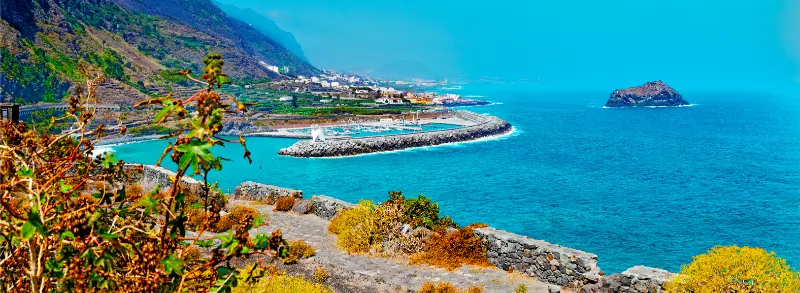
    Where to stay for Teno

    Buenavista del Norte, Los Silos, Garachico and Santiago del Teide are practical bases for exploring different sides of the park. Los Gigantes and Puerto de Santiago work if I want more tourist services while remaining close to the western cliffs. You can compare accommodation around Teno and northwest Tenerife by exact map location.

    A rural stay inside or near the park is ideal for quiet evenings, but I check restaurant access and road lighting before assuming I can walk everywhere after dark.

    My one-day Teno plan

    For a first visit I start near Buenavista, stop around El Palmar, choose one short walk or village, use the legal current access plan for Punta de Teno if it fits, and cross toward Masca only if time and road conditions are comfortable. I do not try to visit every hamlet.

    If Masca is the main priority, I reverse the day around its bus or hiking reservation. Teno rewards focus more than coverage.

    A two-day Teno plan

    With two days, I separate the western coast from the highland villages. Day one can focus on Buenavista, Punta de Teno and the Isla Baja; day two can focus on El Palmar, Teno Alto, Masca and a selected hike. This gives weather flexibility and removes pressure from the road.

    Masca Valley Panoramic View Tenerife

    I combine the stay with my Garachico guide or Los Gigantes guide rather than driving back to the far south every night.

    Frequently asked questions

    Where is Teno Rural Park?

    It is in northwest Tenerife and extends across parts of Buenavista del Norte, Los Silos, El Tanque and Santiago del Teide.

    Is Masca inside Teno Rural Park?

    Yes. Masca is one of the park’s best-known settlements, but the park includes many other villages, forests, cliffs and trails.

    Can I visit Teno without a car?

    Yes. TITSA line 355 is important for the Buenavista–Masca–Santiago del Teide corridor, and other services can support parts of the trip.

    Can I drive to Punta de Teno?

    Access rules can be restricted or changed. I check the current official arrangement before travelling and do not rely on old articles.

    How many days does Teno need?

    One day gives an introduction, while two days is much better if you want both coastal and highland areas without rushing.

    Weather and microclimates in Teno

    Teno can move from cloud and damp forest to bright coastal sun within the same day. I pack for both conditions and never judge the entire park by the weather at my hotel. On exposed ridges, wind is as important as temperature; in forest, damp paths can change footing.

    I check alerts before leaving and keep an alternative lower-level plan. A cancelled hike can become a very good day in Buenavista, Garachico or Los Gigantes without forcing unsafe conditions.

    Respecting the rural character of Teno

    The park is not an empty scenic reserve: people live and work in its hamlets. I keep noise down, never block agricultural access, close gates only if I found them closed and buy food or local products from legitimate businesses when possible. On narrow lanes I give priority patiently rather than treating every bend as a photo stop. These small habits matter in places where visitor numbers are concentrated in tiny settlements such as Masca and where daily life continues around the tourism.

  • Tenerife Nightlife Guide: Best Areas, Bars, Clubs and Evening Atmosphere

    Tenerife Nightlife Guide: Best Areas, Bars, Clubs and Evening Atmosphere

    Tenerife nightlife is not one single scene. The loud late-night bars of Playa de las Américas, the hotel lounges of Costa Adeje, the terraces of Puerto de la Cruz and the local city evenings of Santa Cruz feel completely different. I choose the area according to what I actually want from the night rather than assuming the island is either “party” or “quiet”.

    This guide is about planning evenings, not ranking individual venues that can change names or opening hours. I focus on the neighbourhoods, atmosphere, transport and practical choices that remain useful even when a specific bar closes.

    Playa de las Américas: the main party zone

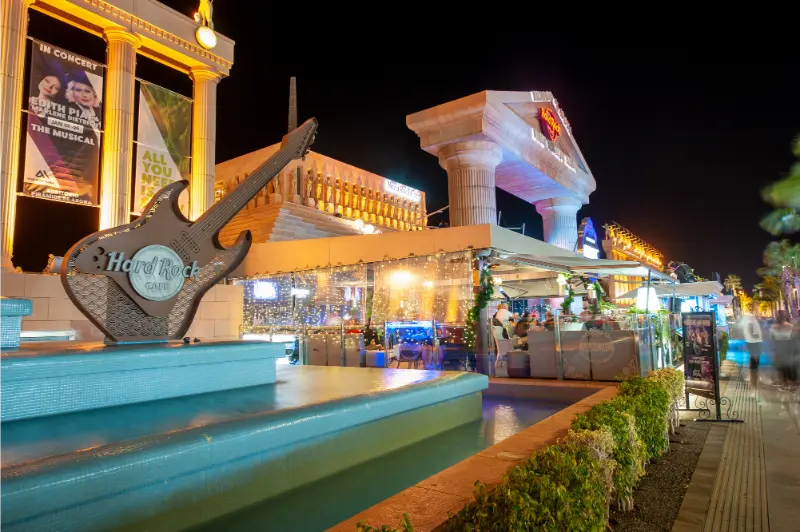
    Playa de las Américas is the easiest area if clubs, late bars and a concentrated nightlife strip are the purpose of the trip. The area around Veronicas and nearby commercial centres has long been associated with younger, louder nightlife, while other parts of the resort have live music, pubs and cocktail bars. My Playa de las Américas guide explains the daytime side too.

    I do not book a hotel directly above the busiest nightlife just because I want to go out. Walking five or ten minutes can create a much better sleep-versus-party balance.

    Costa Adeje: polished evenings and hotel bars

    Costa Adeje generally suits people who want dinner, cocktails, beach clubs and stylish hotel venues more than all-night clubbing. Areas around Playa del Duque and La Caleta tend to feel more relaxed in the evening, while the broader resort still offers plenty of bars. See my Costa Adeje guide for the neighbourhood differences.

    Adeje And Playa De Las Americas At Night

    I like Costa Adeje for couples or mixed-age groups because one person can have a sophisticated evening while another still finds lively music nearby. The compromise is usually higher drink and restaurant prices in the most premium zones.

    Los Cristianos: easygoing bars and walkability

    Los Cristianos has pubs, live music, sports bars and casual seafront evenings without the same concentration of large late-night venues as central Las Américas. I choose it when I want a social atmosphere but still care about a town-like daytime routine and ferry access. My Los Cristianos guide covers the harbour and beaches.

    The promenade connection means I can walk toward Las Américas for a bigger night and return by taxi if the hour becomes too late for a comfortable walk.

    Puerto de la Cruz: northern evenings

    Puerto de la Cruz has a different rhythm. I think of terraces, restaurants, local bars and occasional music venues rather than a resort built primarily around clubbing. La Ranilla and the central streets are pleasant for an evening walk, while the seafront keeps people outside late when the weather is comfortable. My Puerto de la Cruz guide helps with the layout.

    For travellers staying in the north, I would not cross the island to Las Américas every night. The return journey defeats the purpose of choosing a northern base.

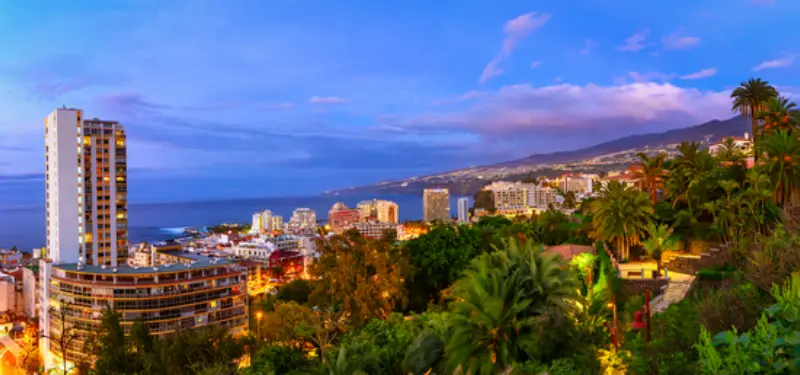
    The lights of Puerto de la Cruz along the coast at dusk

    Santa Cruz: city nightlife

    Santa Cruz offers the most urban evening atmosphere, with restaurants, cocktail bars, cultural events and weekend nightlife used by residents as well as tourists. I combine an evening with a city day rather than travelling in solely for a club. My Santa Cruz guide covers the central areas.

    Carnival is a completely different scale and should be researched separately because street events, transport and crowd conditions change during the festival period.

    El Médano: surf-town evenings

    El Médano is one of my favourite alternatives when I want an informal night: dinner, drinks near the square or seafront and a younger surf-oriented atmosphere. It is not where I go for huge clubs. My El Médano guide explains why the town feels different from the large resorts.

    Wind can make outdoor evenings cooler than visitors expect, so I bring a light layer even after a hot beach day.

    Live music, pubs and sports bars

    Not everyone wants a nightclub. The southern resorts have a wide range of live-music bars, karaoke, Irish and British-style pubs, sports venues and hotel entertainment. I check current schedules locally because performers and theme nights change frequently.

    For a specific match or event, I message the venue before travelling. A sign saying “sports bar” does not guarantee it will show a particular league on the exact screen or with sound.

    Beach clubs and daytime-to-evening venues

    Some venues blend sunbeds, food, DJs and sunset drinks. I treat them as a separate category from traditional nightlife because dress expectations, minimum spend and reservation policies can be different. I read the current venue terms before assuming I can arrive in beachwear at any hour.

    These places can be excellent for a group celebration, but I compare what is included. Paying for a reserved bed or table may make sense if the group genuinely plans to stay for hours.

    Getting home safely

    I decide transport before going out. In the main southern resort belt, taxis are usually the simplest late-night option. Public buses can work on some corridors, including night services, but I verify the timetable rather than assuming daytime frequency. My transport guide is useful for planning.

    If I have a rental car, the driver does not drink. I never create a plan where someone is expected to “see how they feel” after several drinks and then drive unfamiliar roads.

    Drinks, bills and tipping

    I check prices before ordering rounds in premium venues and keep track of the bill in busy bars. Tipping is voluntary in Tenerife; the official tourism guidance describes it as a way to reward good service rather than an obligation. I follow normal local practice rather than importing mandatory percentages.

    I also keep my payment card and phone under control. Busy nightlife areas anywhere in the world are places where distracted visitors are easier targets for opportunistic theft.

    Nightlife for couples

    For couples I usually prefer Costa Adeje, La Caleta, Puerto de la Cruz or a dinner-and-stargazing evening rather than the busiest party strip, unless clubbing is specifically the plan. My Tenerife for couples guide gives more romantic evening ideas.

    A good night can be as simple as a long dinner and promenade walk. I do not treat nightlife as a separate attraction that must always involve loud music.

    Nightlife for solo travellers

    Solo travellers may find Playa de las Américas easiest for meeting people, but organised activities, surf schools and hostels can create social opportunities earlier in the day too. My solo Tenerife guide covers sensible safety and transport habits.

    Avenida De Las Americas At Night Tenerife

    I keep independent control of my return journey and do not depend on a person I just met for transport or accommodation access.

    Where to stay if nightlife matters

    I stay close enough to walk to the type of evening I want but not directly above the loudest venues unless sleeping late is part of the plan. Recent reviews are essential because street noise and hotel entertainment can change. You can compare nightlife-friendly accommodation in Tenerife and inspect the exact map position.

    I read reviews from travellers who stayed recently and mention room location. Two rooms in the same hotel can have completely different noise exposure.

    A balanced nightlife itinerary

    On a one-week holiday I would plan one major night out, one dinner-and-cocktails evening, one live-music or local-town evening and leave the rest spontaneous. That gives nightlife a role without making every morning unusable.

    Tenerife is at its best when nights and days support each other. Missing Teide because I stayed out until sunrise three nights in a row is a choice, but it should be a deliberate one.

    Frequently asked questions

    Which part of Tenerife has the best nightlife?

    Playa de las Américas has the highest concentration of late bars and clubs. Costa Adeje is more polished, while Santa Cruz and Puerto de la Cruz offer more local urban evenings.

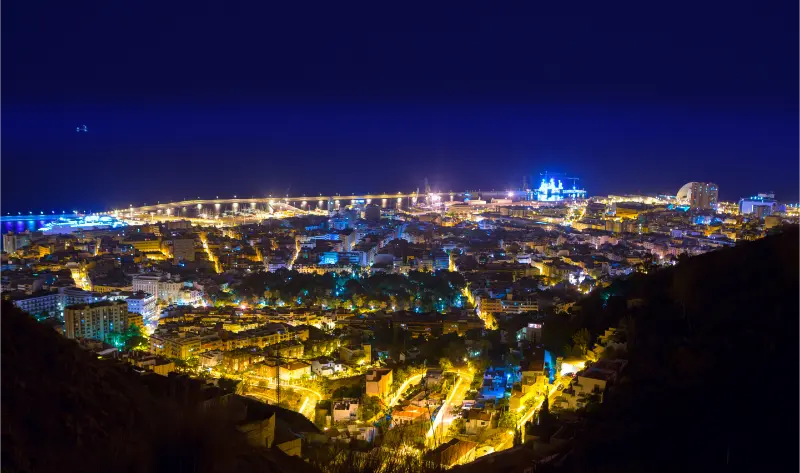
    Santa Cruz De Tenerife At Night

    Is Tenerife nightlife only for young travellers?

    No. The island has cocktail bars, live music, hotel lounges, restaurants and beach clubs for many age groups and travel styles.

    Can I walk between Los Cristianos and Playa de las Américas?

    The coastal areas are connected and many visitors walk between them, although distance depends on the exact starting point and late-night taxis can be more comfortable.

    Are there night buses?

    Some TITSA night services operate on key corridors. I always check the current timetable for the exact date rather than assuming a particular route runs all night.

    Where should couples stay for evening atmosphere without heavy clubbing?

    Costa Adeje, La Caleta, Puerto de la Cruz and El Médano are all worth considering depending on budget and preferred style.

    Dress codes and reservations

    Most casual bars are relaxed, but premium hotel bars, rooftop venues, clubs and beach clubs can have their own dress or entry policies. I check the specific venue on the day instead of relying on a ten-year-old review. For a birthday or large group I reserve early and confirm whether the booking is a table reservation, minimum spend or prepaid package.

    I also carry a light layer. Tenerife nights can feel cooler than the daytime temperature suggests, especially in windy coastal areas or during winter months.

  • Tenerife for Couples: Romantic Places, Hotels, Beaches and Experiences

    Tenerife for Couples: Romantic Places, Hotels, Beaches and Experiences

    Tenerife for couples works because the island can change mood several times in one day. A morning can begin with coffee in a historic town, continue through volcanic highlands and end with sunset beside the Atlantic. I would not build a romantic trip around a checklist of “couples attractions”; I would build it around privacy, beautiful settings and enough unscheduled time to enjoy being there together.

    The right base depends on the couple. Some want a luxury hotel and beach club, others prefer a rural house, a surf town or a walkable historic centre. Tenerife offers all of those without requiring a different island.

    Best areas for a couples trip

    Costa Adeje is the obvious choice for upscale hotels, spas, good restaurants and easy beach days. La Caleta feels quieter and more food-focused. El Médano suits couples who prefer a casual local atmosphere. Puerto de la Cruz combines gardens, old streets and the north-coast landscape. My where to stay in Tenerife guide compares the areas in detail.

    I choose the hotel by how we expect to spend evenings. A beautiful property far from restaurants can be perfect if we want resort time, but frustrating if we picture spontaneous walks to dinner every night.

    A romantic Teide day

    Teide is one of the strongest couples experiences because the landscape feels genuinely different from the coast. I drive through the pine forest, stop at selected viewpoints and leave time to sit rather than rushing from car park to car park. My Teide guide explains cable-car and permit planning.

    For a special evening, I combine sunset with stargazing, using the practical advice in my stargazing guide. Warm clothes matter; romance fades quickly if both people are shivering in beachwear at 2,000 metres.

    Illustrated guide: Tenerife for Couples, with practical visitor tips
    Illustrated guide: Tenerife for Couples.

    Sunset without the crowds

    I do not chase only the most famous Instagram viewpoint. A quieter coastal promenade, a legal roadside mirador or a terrace near the accommodation can be more enjoyable than competing for parking at a viral spot. The best sunset is one where we can stay for the changing light without watching the clock.

    On the west coast, the Los Gigantes area can be dramatic; in the south, the long promenade offers easy options; in Anaga, I prioritise a safe drive back before darkness if mountain roads are unfamiliar.

    Beaches for two different moods

    For an easy swimming day I choose a serviced beach such as Playa del Duque or Las Vistas when conditions are calm. For scenery I might visit Benijo without expecting a swim. My best beaches guide separates practical bathing beaches from wild landscape beaches.

    I avoid pretending that secluded automatically means better. Remote beaches can involve difficult access, strong surf and no facilities. Sometimes a comfortable sunbed, lunch nearby and a sunset walk are exactly the romantic day we want.

    Whale watching as a shared experience

    A small-group responsible whale-watching trip can be a memorable couple activity, especially when the operator focuses on wildlife rather than party music. I follow my whale-watching guide and look for authorised, responsible providers.

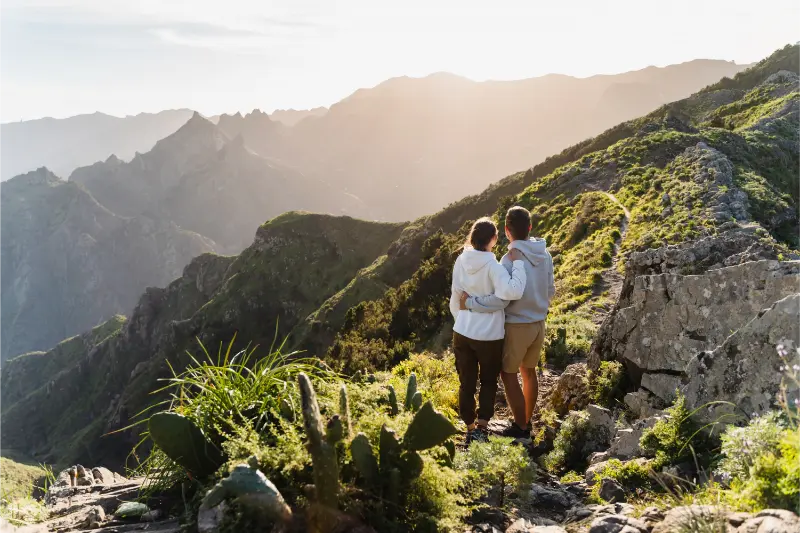
    Couple Exploring Tenerife

    I choose a morning or late-afternoon slot according to sea conditions and our tolerance for motion. I never book wildlife with a guarantee mindset; the experience is about being at sea in an important cetacean habitat, not collecting a promised photograph.

    Wine, food and guachinches

    A winery visit is a natural couples day if neither person needs to drive afterward. Tenerife’s volcanic soils and multiple wine regions make tasting more interesting when the producer explains altitude and grape varieties. My wine guide helps plan the region.
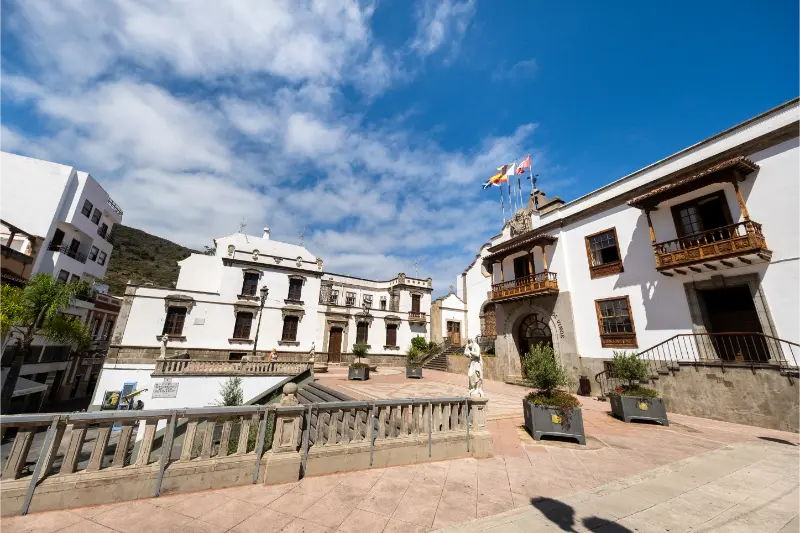
    For a casual meal, a guachinche can be more memorable than formal dining. My food guide covers local dishes. I mix one special restaurant with simple local meals rather than making every dinner an expensive event.

    Historic towns for a slower day

    La Laguna, La Orotava and Garachico are ideal when we want to walk, talk and stop for coffee without a strict timetable. Each has a different feel: UNESCO urban history in La Laguna, balconies and valley views in La Orotava, and volcanic coastal history in Garachico.

    I choose one or two towns in a day, not five. Couples trips improve when there is time to notice details instead of spending the afternoon getting in and out of a car.

    A spa or hotel day is not wasted time

    On a seven- or ten-night trip, I deliberately schedule half a day with no sightseeing. A spa, pool, long breakfast or private terrace can be part of the destination, especially after hiking or driving days.

    When choosing accommodation, I decide whether I will actually use resort facilities. If yes, paying a little more for the right hotel can produce better value than booking a basic room and then paying separately for every leisure activity. You can compare romantic and adults-focused stays in Tenerife while checking current guest reviews.

    Active couples: hiking and water sports

    For active couples I combine one mountain walk with one ocean activity. Anaga offers forest hiking, Teno gives rugged western landscapes, and El Médano is the obvious base for wind sports. My hiking guide and snorkeling and diving guide help choose realistic levels.

    I do not turn shared adventure into pressure. If one person is a confident diver and the other is not, a beginner session or boat day may be more enjoyable than forcing identical activities.

    Where I would stay for an anniversary or honeymoon

    For a special occasion, I prioritise room quality, quiet at night, breakfast and the immediate surroundings. A sea view matters only if the room orientation and balcony genuinely allow us to use it. I read recent reviews for construction noise and entertainment schedules.

    I also tell the hotel about a real anniversary or honeymoon when booking, but I never assume a free upgrade. If a specific room category matters, I book it rather than hoping for a surprise.

    A four-day couples plan inside a longer holiday

    My favourite sequence is: relaxed south-coast day, Teide and stars, a historic north-coast day, then whale watching or a beach afternoon. After that, I let the rest of the holiday follow energy and weather.

    Couple On A Tenerife Beach

    This rhythm creates contrast without turning romance into logistics. The most valuable ingredient is often an empty evening.

    Couples without a car

    A no-car couples holiday is easy from a walkable southern resort or Puerto de la Cruz. I use buses for cities and major corridors, taxis for occasional evenings and organised tours for a mountain day. My no-car guide explains the trade-offs.

    Not driving can actually improve a wine or nightlife evening because neither person has to stay sober for the return. I include transport in the activity budget rather than treating it as an afterthought.

    What I avoid on a romantic trip

    I avoid overbooking dinner reservations every night, changing hotels too often and planning sunrise after a late night simply because a social-media itinerary says to. I also avoid remote sunset drives if the driver is uncomfortable on mountain roads in darkness.

    A romantic itinerary should reduce friction. Fewer transitions, better timing and a room we genuinely like are more important than the number of attractions visited.

    Frequently asked questions

    Is Tenerife good for couples?

    Yes. The island combines beaches, mountain scenery, restaurants, wineries, historic towns and upscale resorts, so couples can build very different styles of trip.
    Which area is best for couples?

    Costa Adeje is convenient for upscale resort stays, while La Caleta, El Médano, Puerto de la Cruz and rural areas suit different moods.

    What is the most romantic Tenerife experience?

    There is no single answer, but Teide sunset and stargazing, a quiet coastal dinner, winery visit or small-group boat trip can all work beautifully.

    Do couples need a car?

    Not necessarily. A walkable resort plus buses, taxis and selected tours can be easier if neither person wants to drive.

    How many nights are ideal?

    A week gives enough time for beach relaxation and several landscape days. Ten nights is even better if you want north and south without rushing.

    Photographs without turning the trip into a photo shoot

    I choose one or two places where we genuinely want photographs and keep the rest of the day normal. A small tripod or asking another visitor for one picture is enough. I avoid climbing barriers, entering private terraces or blocking viewpoints for staged images.

    Couple On Holiday In Tenerife

    The pictures I value most usually come from ordinary moments: coffee in La Laguna, wind in El Médano, a quiet bench above the ocean. Tenerife provides enough scenery that there is no need to manufacture drama.

    Planning a surprise without creating stress

    If I want to arrange a birthday dinner, proposal, private spa treatment or special excursion, I confirm the logistics directly with the venue and build spare time around it. I do not schedule the surprise immediately after a long mountain drive or a flight because delays turn romance into pressure. For restaurants, I mention dietary needs and whether an outdoor table depends on weather. For a proposal at a viewpoint or beach, I also respect access rules and other visitors rather than trying to reserve a public landscape for ourselves.

  • 10 Days in Tenerife: The Best Itinerary for Beaches, Teide, Anaga and Villages

    10 Days in Tenerife: The Best Itinerary for Beaches, Teide, Anaga and Villages

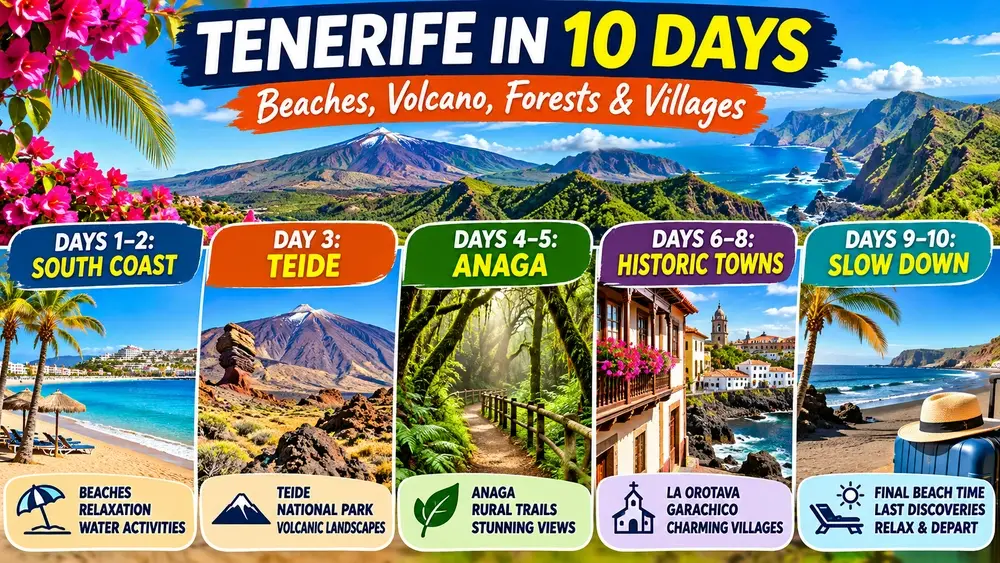
    Ten days in Tenerife is the length of trip where I stop feeling forced to choose between the island’s personalities. I can have resort beach time, spend a full day on Teide, explore Anaga, see historic towns, visit the northwest and still leave room for a weather change or a lazy afternoon.

    My ten-day itinerary is designed for a first visit, but it is deliberately modular. If you love hiking, you can replace a beach day with a trail. If you travel with children, you can substitute a major attraction. If food and villages matter more than nightlife, the same route works from a northern base.

    How I structure ten days

    I divide the trip into three types of day: major landscape days, cultural/coastal days and recovery days. Teide, Anaga and Teno require attention and driving; a beach day does not. Alternating them keeps the holiday enjoyable.

    I also keep one day partially uncommitted. Tenerife weather can be completely different north and south, and a flexible slot lets me move an important mountain plan to the clearest forecast.

    Days 1–2: arrive and understand the south

    Day one is for arrival, the promenade and an early dinner. Day two explores the southern coast more intentionally: Costa Adeje beaches, Los Cristianos harbour, a surf lesson near Playa de las Américas or El Médano depending on interests. The individual guides to Costa Adeje, Los Cristianos and Playa de las Américas help me choose.

    Illustrated guide: 10 Days in Tenerife, with practical visitor tips
    Illustrated guide: 10 Days in Tenerife.

    I resist the urge to begin with a two-hour cross-island drive. The south deserves at least one genuine day rather than being treated only as a hotel zone.

    Day 3: Teide National Park

    I use a clear day for Teide. If I have cable-car or summit plans, I follow the current rules and reservations in my Mount Teide guide. If not, I still spend time at the national park viewpoints and volcanic landscapes rather than simply driving across the caldera.

    I like the southern approach through Vilaflor. On the return I choose either an early descent or a planned stargazing evening; I do not accidentally turn a day trip into a midnight mountain drive.

    Day 4: La Laguna and Anaga forest

    I start in historic La Laguna and continue to the laurel forest of Anaga. A short trail plus selected viewpoints is enough. My Anaga Rural Park guide explains why this region is about atmosphere and landscape rather than collecting stops.

    If the weather is cloudy, I do not automatically cancel. Mist can make the forest beautiful, although visibility and trail conditions still matter. Heavy rain or official closures are different: I respect them and move the plan to the flexible day.

    Mount Teide Landscape Tenerife

    Day 5: Benijo, Taganana and the northeast coast

    With ten days, I can give the Anaga coast its own slower day instead of combining everything with La Laguna. I drive toward Taganana, eat locally and visit Benijo or nearby coastal viewpoints. My Benijo guide emphasises sea safety because this is an exposed Atlantic beach, not a guaranteed swimming spot.

    This day is one reason I like a longer trip. The northeast feels completely different from the resort belt, and its road deserves daylight and patience.

    Day 6: Puerto de la Cruz and La Orotava

    I spend a northern day between Puerto de la Cruz and La Orotava. I walk the old streets, stop for lunch and decide whether Lago Martiánez, a garden or another local attraction fits the group.

    I avoid adding Loro Parque automatically. It can take most of a day, so I treat it as an alternative full-day plan rather than an extra two-hour stop.

    Day 7: Garachico, Icod and the northwest

    Day seven moves west through the north. Garachico offers volcanic history and natural pools; Icod adds the Drago area and, with a separate reservation, the Cueva del Viento. The relevant guides are Garachico, Icod de los Vinos and Cueva del Viento.

    I choose two main experiences, not all three at full length. A cave tour has a fixed time, while a natural pool depends on sea conditions. The schedule should respect both.

    Day 8: Teno, Masca or Los Gigantes

    This is the western landscape day. I might visit the Teno highlands and Masca viewpoints, or take a boat from Los Gigantes. If I have a confirmed Barranco de Masca booking, that becomes the entire day. I follow the current access rules in my Masca guide rather than old blogs.

    Hairpin bends on the winding road through the Masca valley

    For an easier day, I use Los Gigantes as the base, enjoy the cliffs from sea level and perhaps book a responsible cetacean trip.

    Day 9: choose a signature experience

    I keep day nine for the activity that best matches the travellers: Siam Park, Loro Parque, whale watching, diving, a wine visit or a longer hike. This is where a ten-day trip becomes personal rather than generic.

    I also use this day as the weather reserve. If Teide was closed or Anaga had poor conditions earlier, the priority landscape gets this slot instead.

    Day 10: slow coast and departure preparation

    The final day should not feel like punishment for having travelled. I stay near the accommodation, swim if conditions are good, buy local products, organise luggage and prepare for the airport. If the flight is the following morning, I enjoy a final long dinner rather than adding another mountain circuit.

    A relaxed ending also gives a safety buffer if the rental car needs attention or someone realises a souvenir is still in the hotel safe.

    One base or two bases?

    With ten nights, I seriously consider splitting the stay. Five or six nights in the south and four or five in Puerto de la Cruz or La Laguna reduces repeated cross-island drives. You can compare Tenerife accommodation for a two-base itinerary and calculate the road time between the exact properties.

    The disadvantage is packing and check-in. For families with lots of luggage, one base may still be more comfortable. I choose based on how many north-side days are genuinely planned.

    Ten days without a car

    This itinerary can be adapted to public transport, but I simplify the mountain days and use organised excursions selectively. Teide tours, whale watching and La Gomera can be easier without a car, while La Laguna, Santa Cruz, Los Cristianos and Puerto de la Cruz are well connected. My Tenerife without a car guide explains the network.

    Anaga Laurel Forest Path Tenerife

    The key is not to reproduce a car itinerary bus for bus. Public transport works best when I stay in fewer areas and spend longer at each destination.

    How I would adapt it for families

    With children I reduce long drives and replace one cultural or hiking day with a major attraction. I also choose beaches with easier access and calmer conditions. My Tenerife with kids guide helps decide which areas make the best family bases.

    I never assume a child will enjoy a full day of viewpoints because adults do. A playground, pool or simple beach afternoon often creates the best balance.

    How I would adapt it for hikers

    Hikers can replace day two or day nine with a serious trail, but I leave recovery time after demanding elevation. My best hikes in Tenerife guide compares Anaga, Teide, Teno and forest routes.

    I check Tenerife ON and the relevant managing authority for restrictions before every mountain day. A route that was open when an article was written may be closed temporarily for weather, fire risk or maintenance.

    Food strategy for a ten-day trip

    I mix resort convenience with local meals. A guachinche or winery visit makes more sense on a northern or rural day than as a long evening drive after returning to the south. My Tenerife food guide and wine guide give me ideas without turning every meal into research.

    Garachico Historic Town Tenerife

    Ten days is long enough to learn the difference between tourist menus and everyday Canarian cooking. I leave some meals unplanned so local recommendations can change the route.

    Frequently asked questions

    Is ten days too long in Tenerife?

    No. Ten days is an excellent length for combining landscapes, towns, beaches and rest without rushing.

    Should I split the trip between north and south?

    It can be very efficient for ten days, especially if you plan several Anaga, Puerto de la Cruz and northwest days.

    Can I add La Gomera?

    Yes. A La Gomera day trip fits more comfortably into a ten-day schedule, although I would use the flexible day rather than stacking it on top of the plan.

    How many long driving days are there?

    In my version, roughly four to five days involve significant driving, separated by easier days.

    Do I need to book every day in advance?

    No. I pre-book capacity-limited experiences and keep ordinary towns, beaches and scenic drives flexible around weather.

    What I book before a ten-day trip

    I reserve accommodation, any essential Teide access, regulated hikes and must-do tours. I save restaurants, beaches and most towns for spontaneous decisions. This balance gives structure without locking ten consecutive days into prepaid times.

    I keep screenshots of reservations in one folder and note cancellation deadlines. With a longer trip, weather can force me to move activities, so flexible bookings are often worth a modest price difference.

  • Icod de los Vinos Guide: Drago Milenario, Cueva del Viento and Historic Centre

    Icod de los Vinos Guide: Drago Milenario, Cueva del Viento and Historic Centre

    Icod de los Vinos is one of the north Tenerife towns I would visit when I want history, a famous natural landmark and volcanic geology in the same day. Most first-time visitors come for the Drago Milenario, but I think the town is much more satisfying when you also walk the historic centre and, if you reserve ahead, add the Cueva del Viento lava-tube experience.

    Tenerife Tourism describes the celebrated Drago as around 800 years old and notes that the tree was declared a National Monument in 1917. The historic centre is compact, with squares, churches and traditional architecture close together, which makes Icod easy to combine with Garachico or another northwest stop without spending the whole day in the car.

    The Drago Milenario: what to expect

    The Drago is the visual symbol that pulls most people into Icod. You can see it from viewpoints around the historic centre, while the Parque del Drago offers a closer visit within a garden of Canary Islands flora and cultural interpretation. I would enter the park if I am genuinely interested in the tree and local botany rather than only trying to photograph it from every possible angle.

    Dragon Tree In Icod De Los Vinos Tenerife

    Current Tenerife Tourism information lists the park as open daily, with seasonal hours and a modest admission fee. Because those details can change, I check the official page on the day rather than print an old price into my itinerary. The tree will still be there; there is no reason to rush the logistics.

    Walking the historic centre

    I start around the traditional squares near the Drago and San Marcos church, then walk slowly rather than navigate from one pin to the next. Icod’s appeal is the relationship between old buildings, stone, wood balconies, small plazas and the steep green landscape around the town. The centre is compact enough that wandering is part of the visit.

    The official tourism route highlights places such as Plaza de la Pila, Iglesia Matriz de San Marcos, the former convent of San Francisco and Plaza Andrés de Lorenzo Cáceres. I do not need to enter every building. One interior, one long coffee and time in the streets usually gives me a stronger sense of place than a hurried museum sequence.

    Cueva del Viento

    Cueva del Viento is the experience that changes Icod from a short town stop into a potentially full day. It is a major volcanic tube system and visits are controlled and guided. I reserve in advance and follow the operator’s instructions about footwear, meeting time and physical conditions. I would never arrive assuming I can simply walk into a cave on my own.

    The cave visit is not an amusement-park tunnel. Uneven ground, darkness and geological conservation are part of the experience. Travellers with mobility concerns, very young children or claustrophobia should read the current accessibility and participation requirements before booking.

    How much time to spend in Icod

    PlanTimeWhat fits
    Quick stop1.5–2 hoursHistoric centre and Drago viewpoints
    Half day3–4 hoursAdd Parque del Drago and lunch
    Full day6+ hoursAdd reserved Cueva del Viento visit
    Northwest loopFull dayIcod plus Garachico with careful pacing

    I prefer half a day if I am not visiting the cave. That gives time to stop for food rather than turn the town into a bus-tour photo break.

    Food and wine

    The town’s name reflects its historic relationship with wine, and the wider northwest has a strong agricultural identity. I use lunch to look for local wine, cheese, grilled meats, fish and Canarian staples rather than automatically return to the coast for international food. If driving, only one person should be responsible for tasting decisions, and that person should stay alcohol-free.

    My Tenerife food guide explains papas arrugadas, mojo, gofio, local cheeses and the guachinche tradition in more detail.

    Playa de San Marcos

    Icod also reaches the coast at Playa de San Marcos, a sheltered bay below the town. I would not automatically add it to a packed historic day, but it works well when I want a slower finish or I am staying in the northwest. The road drops significantly from Icod’s centre, so it is not simply a flat walk to the sea.

    Combine Icod with Garachico

    Garachico is the most natural partner because the towns are close and their stories complement one another. Icod gives me the Drago and volcanic tube; Garachico adds a beautiful historic centre, natural pools and the visible memory of the 1706 volcanic eruption. My Garachico guide helps plan the second half of the day.

    The Garachico coastline and offshore Roque de Garachico

    I would not also add Masca unless the objective is simply to drive all day. The mountain roads deserve concentration and the places deserve time.

    Getting to Icod by bus

    Icod is one of the northwestern towns that can work without a car. Tenerife Tourism currently highlights TITSA connections including line 363 from Puerto de la Cruz and Buenavista, line 108 from the Santa Cruz/La Laguna direction and line 460 connecting via the southwest. Timetables change, so I verify the exact journey in TITSA before leaving.

    From Puerto de la Cruz, public transport is particularly practical. From Costa Adeje, a car may save time if I am building a multi-stop northwest day, but the bus can still work for a dedicated Icod visit. See my no-car Tenerife guide.

    Parking

    The historic core has narrow streets and visitor demand, so I prefer a signed public parking facility and then walk. Tenerife Tourism identifies the Parking del Drago as one commonly used option near the centre. I do not waste holiday time searching for a free space directly beside the Drago.

    Where to stay

    Icod can be a good overnight base for slow travel in the northwest, particularly if I want the cave, rural accommodation and early access to nearby towns. For a first Tenerife holiday, Puerto de la Cruz often provides more evening choice while keeping Icod within easy reach. If you want to stay locally, you can compare accommodation in Icod de los Vinos.

    My ideal Icod day

    I would arrive in the morning, walk the historic centre before the busiest period, visit the Drago park if it interests me and have lunch locally. If Cueva del Viento is reserved, I build the entire schedule around that fixed appointment. Without the cave, I continue to Garachico and end near the coast. I keep one stop optional so parking or lunch never becomes a crisis.

    Icod De Los Vinos Tenerife City View

    Official sources

    For town information I use the official Icod de los Vinos tourism page and the official Parque del Drago page for current opening and visitor details.

    Frequently asked questions

    Can I see the Drago without paying?

    There are public viewpoints from which the tree can be seen at a distance. Paying for the park gives a closer botanical and interpretive visit rather than simply a photograph.

    Is Cueva del Viento walk-in?

    I would never plan it that way. Visits are guided and capacity-controlled, so advance reservation and current instructions are essential.

    Is Icod worth visiting without the cave?

    Yes. The historic centre, Drago and a relaxed lunch make a good half-day, especially when combined with Garachico.

    Is it a good base?

    For quiet northwest exploration, yes. For a first-time traveller wanting nightlife, resort beaches and the broadest transport options, other bases may be easier.

    Why I would not reduce Icod to a single tree

    The Drago is famous enough that some itineraries allocate fifteen minutes: park, photograph, leave. I think that misses the relationship between the tree and the town. The squares, church, gardens and wine traditions explain why the landmark feels rooted in a living place rather than displayed in isolation. Even one extra hour changes the visit.

    Church In Icod De Los Vinos Tenerife

    The same applies to Cueva del Viento. The lava tube is not simply another attraction beside the Drago; it explains the volcanic processes that built the island. Together, botany, geology and architecture make Icod one of the most coherent educational stops in the north.

    A practical note about combining fixed reservations

    If I book Cueva del Viento, that appointment becomes the anchor of the day. I would not also buy a timed activity in Garachico with a tight connection, because parking, traffic and the cave check-in can create delays. I keep the Drago and historic-centre walk flexible around the fixed cave slot instead.

    This approach also leaves room for lunch. Northern Tenerife is more enjoyable when I can stop for local food without watching the clock every ten minutes. Icod is compact enough that a slower meal does not prevent me from seeing the essential centre; it often becomes one of the day’s best memories.

    Final planning advice

    For my own Icod de los Vinos guide planning, I keep the day flexible, verify the latest official information, avoid overloading the schedule and leave enough time for transport, food and weather changes. Tenerife rewards realistic pacing. The most memorable part of a day is often the unplanned coffee, viewpoint or conversation that only fits when the itinerary has margin. I also keep a simple backup plan so a closure, wind change or delayed bus does not turn one adjustment into a wasted day.

  • La Gomera Day Trip from Tenerife: Ferry, Garajonay, Tours and One-Day Plan

    La Gomera Day Trip from Tenerife: Ferry, Garajonay, Tours and One-Day Plan

    A La Gomera day trip from Tenerife is the island-hopping excursion I would choose when I want the biggest change of landscape without adding a flight. Ferries leave Los Cristianos in southern Tenerife for San Sebastián de La Gomera, and the crossing is fast enough to make a full day realistic. What makes the excursion worthwhile is not the ferry itself but how different La Gomera feels once you enter its deep ravines and laurel forest.

    The main planning decision is whether to join an organised tour, take a ferry as a foot passenger or bring a car. A day trip has limited hours, so transport on La Gomera determines how much you actually see.

    Ferry from Los Cristianos to La Gomera

    Fred. Olsen Express currently advertises the Los Cristianos–San Sebastián de La Gomera route at around 50 minutes, with multiple departures on many days and up to five daily sailings on the route page. Schedules vary by date, so I always use the operator’s live booking system rather than a timetable copied into a blog.

    You can check the official Tenerife–La Gomera ferry page for current departures. Other ferry operators may also serve the route, so I compare the exact date, baggage rules and vehicle availability before booking.

    How early should you arrive?

    I arrive earlier than the minimum check-in time, especially if travelling with a vehicle. Los Cristianos is a busy tourist town and harbour traffic can be confusing on a first visit. A missed morning ferry can destroy the logic of a one-day itinerary.

    If I am staying nearby, I walk or use a taxi rather than worrying about long-term parking. My Los Cristianos guide explains the harbour area and why the resort is such a useful base for inter-island travel.

    Option 1: organised day tour

    For most first-time visitors, an organised tour is the simplest way to see La Gomera in one day. Transport is waiting on arrival, the route is already designed around ferry times and a guide adds context about Garajonay, villages and local culture. The trade-off is less freedom and a fixed pace.

    I check whether the ferry is included, which port pickup is used, lunch arrangements, group size and how much actual walking happens. Some tours are panoramic bus days; others include short forest walks. Neither is automatically better—it depends on what you want.

    Option 2: foot passenger independently

    Travelling independently without a car works if the goal is mainly San Sebastián or if you have a very specific public-transport plan. It is less efficient for a first-time circuit through Garajonay and the western valleys because island buses are not designed around a tourist’s desire to stop at every viewpoint.

    I would not arrive as a foot passenger and assume taxis will spontaneously recreate a full island tour at a low price. If I want a private driver, I arrange it before departure.

    Option 3: take a car

    Bringing a car gives maximum flexibility, but it adds vehicle fare, check-in time and responsibility on narrow mountain roads. I confirm that the rental agreement allows inter-island ferry travel before booking the car space. Some rental companies have restrictions or require notification.

    La Gomera is small in distance but slow in driving. Deep barrancos mean roads curve constantly. A route that looks short on a map can take much longer than expected, so I keep the day focused.

    San Sebastián de La Gomera

    The ferry arrives in the island capital, San Sebastián. I like to spend at least a little time here rather than treating the port only as a transport interchange. The town has strong associations with Christopher Columbus’s Atlantic voyages, a compact historic centre and a relaxed waterfront.

    If I am driving, I may save the town for the end of the day when I need to be near the ferry anyway. That creates a buffer before departure and reduces the risk of missing the boat because I tried to squeeze in one final mountain viewpoint.

    Boat Trip In Tenerife

    Garajonay National Park

    For me, Garajonay is the essential reason to travel beyond San Sebastián. The UNESCO-listed national park protects laurel forest, a humid green ecosystem that can feel almost prehistoric when mist moves through the trees. It is a striking contrast with the dry southern coast of Tenerife.

    Even on a day trip, I try to include a short forest walk rather than experiencing the park only through a bus window. The exact trail depends on weather, closures and time. I do not choose a long hike that leaves no margin for the return ferry.

    Laguna Grande and short walks

    Laguna Grande is a common stopping area within Garajonay and can be practical for short walks and interpretation. A recent 2026 Fred. Olsen itinerary for La Gomera specifically suggests a short circular walk around this part of the park as part of a one-day island circuit.

    I still check current park information and trail status. Forest weather can be damp and cool even if Los Cristianos was sunny at breakfast, so I bring a light waterproof layer and proper shoes.

    Viewpoints

    La Gomera’s roads repeatedly open onto ravines and mountain walls. The challenge is not finding viewpoints but choosing which ones deserve time. I prefer two or three stops with time to appreciate the landscape rather than ten rushed pullovers.

    Cloud can transform the view completely. If a high viewpoint is fogged in, I move on instead of waiting indefinitely; another part of the island may be clear.

    Valle Gran Rey

    Valle Gran Rey on the west side is one of La Gomera’s best-known destinations, with steep valley walls, settlements descending toward the sea and a more relaxed coastal atmosphere. It can fit into an ambitious full-day driving circuit, but I watch the clock carefully because the return to San Sebastián crosses the island.

    If I prefer depth over coverage, I skip Valle Gran Rey on a day trip and focus on Garajonay plus the capital. La Gomera deserves a multi-day trip of its own, and there is no obligation to see every headline place in one visit.

    South Tenerife Coast Seen From The Ocean

    Silbo Gomero

    La Gomera is famous for Silbo Gomero, the island’s whistled language tradition. Some organised tours include a demonstration. I appreciate it most when the guide explains the cultural context rather than presenting it as a novelty performance.

    This is one reason guided day trips can add value: you learn about landscape and local traditions that are easy to miss when driving independently between viewpoints.

    Lunch

    I keep lunch efficient but not rushed. Gomeran cuisine includes dishes and products distinct from Tenerife, and a day trip is more memorable when food becomes part of the island experience. I avoid a very long lunch if I still have a mountain crossing before the ferry.

    If the tour includes a set meal, I check dietary requirements when booking. Independent travellers should remember that rural restaurants may have different opening patterns from the Tenerife resort strip.

    What to bring

    • Passport or ID required by your booking and travel circumstances.
    • Ferry confirmation saved offline.
    • A light waterproof layer for Garajonay.
    • Comfortable walking shoes.
    • Water and sun protection.
    • Motion-sickness medication if appropriate for you and approved by your doctor or pharmacist.

    Is the ferry rough?

    Sea conditions vary. Fast ferries can feel motion in swell, and sensitive passengers may prefer a seat with less movement and avoid a heavy meal immediately before sailing. I check the marine forecast and operator notices rather than assuming every crossing will feel the same.

    If weather disrupts ferries, safety comes first. I keep the following day reasonably flexible when La Gomera is a major priority.

    Is one day enough?

    One day is enough for a strong introduction, not for “seeing La Gomera”. I would choose Garajonay, a few viewpoints and San Sebastián, adding Valle Gran Rey only if the transport plan is efficient. A two- or three-night stay gives the island much more breathing room.

    Port Of San Sebastian De La Gomera

    On a seven-day Tenerife holiday, I include La Gomera only if island hopping is a priority. My Tenerife 7-day itinerary helps show what you would be giving up on Tenerife itself.

    Where to stay before the ferry

    Los Cristianos is the most convenient base because you can reach the port on foot or by a short taxi ride. Playa de las Américas and Costa Adeje are also close enough for an early transfer. From Puerto de la Cruz, the day becomes much longer because you must cross Tenerife before and after the ferry.

    You can compare Tenerife accommodation and use the harbour as your map reference if La Gomera is an important part of the trip.

    Frequently asked questions

    How long is the Tenerife–La Gomera ferry?

    Fred. Olsen currently lists the fast crossing between Los Cristianos and San Sebastián at about 50 minutes. Check the live schedule for your exact date.

    Can I take a Tenerife rental car to La Gomera?

    Possibly, but you must check the rental company’s contract and permission for inter-island ferry travel before booking a vehicle space.

    Is an organised tour worth it?

    For a first one-day visit, often yes. It solves transport on La Gomera and protects the schedule around the ferry.

    Can I visit Garajonay without hiking?

    Yes, panoramic tours and viewpoints are possible, although I think even a short forest walk greatly improves the experience.

    What is the biggest mistake?

    Trying to cover the entire island. Choose a realistic route and protect a generous return margin before the ferry.

  • Playa de las Américas Guide: Beaches, Surf, Nightlife and Where to Stay

    Playa de las Américas Guide: Beaches, Surf, Nightlife and Where to Stay

    Playa de las Américas is the Tenerife resort I would choose when I want energy on the doorstep: beaches, surf schools, restaurants, shopping and nightlife within walking distance. It sits in the busy southern tourism zone between Arona and Adeje, merging almost continuously with Los Cristianos on one side and Costa Adeje on the other. That makes it extremely convenient, but it also means the exact street matters when choosing a hotel.

    The phrase “Playa de las Américas” can describe a wider resort area rather than one small beach. Before booking, I look at the map and decide whether I want to be close to nightlife, the surf zone, quieter promenades or family beaches. A property only ten minutes away can have a very different evening atmosphere.

    Who is Playa de las Américas best for?

    I recommend it most strongly to younger couples, groups of friends, first-time visitors without a car and travellers who want to walk to entertainment at night. It can also work for families, especially near calmer beaches and away from the loudest late-night streets. Travellers seeking traditional Canarian village life should use it as a practical base rather than expecting the resort itself to provide that atmosphere.

    Illustrated guide: Playa de las Américas, with practical visitor tips
    Illustrated guide: Playa de las Américas.

    The official Tenerife tourism site describes the south as a year-round leisure area and specifically notes that Playa de las Américas, between Arona and Adeje, has a large concentration of bars, restaurants, cafés and discos near the sea. For a broader comparison, see my where to stay in Tenerife guide.

    Beaches in and around the resort

    The coast is a sequence of beaches, rocky surf sections and promenades rather than one uninterrupted strip of sand. Playas de Troya are among the classic urban beaches in the area. The official tourism information describes Troya I and II as grey volcanic-sand beaches with relatively calm water in normal conditions and a full range of services.

    Farther toward Los Cristianos, Las Vistas offers a broad, accessible beach environment. Toward Costa Adeje, Fañabé and Playa del Duque provide a more polished resort feel. This variety is why I do not rent a car simply to find a beach when staying in Las Américas; several options are walkable or a short bus/taxi ride away.

    Surfing

    Playa de las Américas is one of Tenerife’s best-known surf zones. The coast around the resort includes reef and rock breaks used by experienced surfers, and local schools offer beginner lessons in appropriate conditions. The official Arona tourism material also highlights surf areas such as Fitenia and has introduced site-specific safety signage.

    Playa De Las Americas Bay Aerial View Tenerife

    If I am a beginner, I book a lesson rather than paddling into a crowded reef break because the wave looks close to shore. A good school chooses the correct spot for the day’s swell and explains priority rules. Experienced surfers should respect local users and understand entry/exit points before entering.

    Nightlife

    Nightlife is one of the main reasons people choose Las Américas, but it is not the entire resort. There are loud bars and clubs, relaxed cocktail venues, live music, beach clubs and quieter restaurants. The key is to sleep in the right sub-area for your priorities.

    If I want late nights, I stay within easy walking distance so I do not depend on taxis. If I want early Teide starts or have young children, I choose accommodation farther from the busiest nightlife corridors. Reading recent hotel reviews specifically for noise is more useful than simply checking the star category.

    Restaurants and eating well

    International choice is enormous, which is convenient but can make it easy to eat the same food you would find in any resort. I use Las Américas for variety, then travel inland or north for more traditional Canarian meals. Even within the resort, I look beyond the front row of tourist menus and check where local ingredients actually appear.

    Hard Rock Cafe Tenerife

    My Tenerife food guide explains what dishes to look for, while the nearby Los Cristianos harbour area gives another atmosphere for an evening meal.

    Walking to Los Cristianos

    One of the resort’s great advantages is continuity. I can walk along the coast toward Los Cristianos, stop at Las Vistas and continue to the harbour. That means a holiday can feel more varied without using a car every day.

    Los Cristianos is also the departure point for ferries to La Gomera and other inter-island services. My Los Cristianos guide covers the harbour and transport in detail.

    Walking toward Costa Adeje

    In the other direction, the coast leads toward Costa Adeje, Puerto Colón, Fañabé and Del Duque. The atmosphere becomes more polished in sections, with large hotels and landscaped promenades. I like this for a long morning walk followed by a beach stop.

    See my Costa Adeje guide if you are deciding which of the two resort areas fits your style better.

    Siam Park

    Siam Park is close enough to make Las Américas one of the easiest bases for a water-park day. I treat it as a full-day attraction rather than squeezing it between other sightseeing. Arriving early, setting priorities and taking a proper lunch break makes the day much more relaxed.

    My Siam Park guide covers current planning, families and how I organise the first hour.

    Getting around without a car

    For a car-free holiday, Las Américas is one of Tenerife’s strongest bases. Buses serve the southern resorts and connect toward the airport and other parts of the island, while taxis are widely available for short trips. Many everyday needs are walkable.

    Avenida De Las Americas Playa De Las Americas Tenerife

    The disadvantage is that remote hiking areas and some north-coast villages take longer by public transport. I solve that with one or two organised excursions rather than renting a car for the entire stay. See Tenerife without a car for route-planning principles.

    Getting there from Tenerife South Airport

    Tenerife South Airport is the convenient airport for Playa de las Américas. I compare the current TITSA bus options with a taxi or pre-booked transfer, especially if the flight arrives late or I have children and luggage. The drive is much shorter than from Tenerife North Airport.

    My getting around Tenerife guide includes both airports and the practical trade-offs between bus, taxi and rental car.

    Day trips from Las Américas

    I would use the resort as a base for Teide, Los Gigantes, Masca, La Gomera and perhaps a north-coast day. The mistake is scheduling a long excursion every day and never enjoying the walkable coast you paid to stay beside.

    A balanced week might include two beach/resort days, Teide, a west-coast day, one cultural/north day, Siam Park and one flexible day. My 7-day Tenerife itinerary provides a broader framework.

    Where exactly to stay

    For nightlife, I stay closer to the main evening venues. For surfing, I prioritise the reef coast and surf schools. For families, I look toward quieter edges and easy beach access. For couples who want a more refined hotel environment, I compare nearby Costa Adeje before committing.

    You can compare accommodation in Playa de las Américas and Tenerife and then use recent reviews to check noise, hill gradient and actual walking time to the beach.

    Safety and practical habits

    As in any busy resort, I keep normal awareness around nightlife, do not leave phones unattended on bar tables and use licensed transport. I also watch the ocean: calm urban beaches and rocky surf zones can be only a short walk apart, so I do not assume every stretch of coast is safe for swimming.

    Sun exposure is another easy mistake. The south can feel comfortable because of breeze, but a long promenade day still requires sunscreen and water.

    Frequently asked questions

    Is Playa de las Américas only for nightlife?

    No. Nightlife is important, but the area also has beaches, surfing, restaurants, shopping and excellent transport. Your experience depends heavily on the exact hotel location.

    Is it good for families?

    Yes if you choose a quieter area near a suitable beach. I would avoid booking directly beside late-night venues with young children.

    Do I need a car?

    No for the resort itself. A car or organised tours become useful for remote natural areas and ambitious island exploration.

    Is it better than Costa Adeje?

    They suit different styles. Las Américas is generally livelier and more nightlife-focused; Costa Adeje offers many calmer and more upscale pockets.

    What is the biggest booking mistake?

    Choosing solely by hotel price and ignoring the map. In a dense resort, a few streets can change noise, hill gradient and beach access.

    How I would choose between the neighbouring resorts

    I think of Las Américas, Los Cristianos and Costa Adeje as one connected southern zone with three different personalities. Las Américas suits me when nightlife, surfing and central location matter most. Los Cristianos is practical for ferries and has a slightly more established town feel around the harbour. Costa Adeje offers the widest choice of polished hotels and quieter upscale pockets.

    If I am undecided, I compare the exact hotel positions rather than the resort labels. A waterfront property at the edge of Las Américas may feel calmer than a busy hotel in another resort, while an inland bargain can involve steep walks every day. I also check where I expect to spend evenings, because walking home along the promenade is often easier than relying on taxis after dinner. Choosing the right micro-location can improve the holiday more than changing hotel category.

  • El Médano Tenerife Guide: Beaches, Windsurfing, Montaña Roja and Where to Stay

    El Médano Tenerife Guide: Beaches, Windsurfing, Montaña Roja and Where to Stay

    El Médano is the Tenerife beach town I recommend when someone wants the south without the polished resort feel of Costa Adeje. It is close to Tenerife South Airport, built around a walkable seafront and known for windsurfing and kitesurfing. The constant presence of boards, sails and wind gives it an identity that feels more active and informal than the large hotel zones farther west.

    The official tourism site describes the main El Médano beach as a 750-metre urban beach of fine grey sand, with the calmer section near the town suiting families and the farther section attracting wind and kite sports. Montaña Roja dominates the view and makes the coastline immediately recognisable.

    Who I think El Médano suits

    I would shortlist El Médano for independent travellers, surfers, wind- and kite-sport enthusiasts, couples who prefer apartments and cafés to large resorts, and repeat Tenerife visitors who want a different south-coast base. It can also work for families who understand that wind is part of the destination rather than an occasional inconvenience.

    I would not choose it for a traveller whose top priority is the calmest possible beach every day, a huge resort pool complex or luxury shopping. Costa Adeje is better for that. My where to stay in Tenerife guide compares the areas directly.

    Illustrated guide: El Médano Tenerife, with practical visitor tips
    Illustrated guide: El Médano Tenerife.

    The main beach and town waterfront

    The town end is the easiest place for a casual swim because cafés, restaurants and services are close. I like being able to leave the beach for lunch without changing the entire day’s plan. The atmosphere becomes sportier as you move along the coast, and on windy days the sky can fill with kites and sails.

    Even if I am not participating, I keep well clear of launch and landing areas used by kite- and windsurfers. Equipment moves quickly and riders need predictable space. A beach is shared infrastructure, and respecting sport zones is basic safety.

    Windsurfing and kitesurfing

    El Médano’s reputation is built on wind. Beginners should use a qualified local school rather than rent advanced equipment because the conditions, launch zones and right-of-way rules require instruction. Experienced riders still need current local information about wind direction, tides, restricted areas and beach zoning.

    I would never promise a specific wind strength months in advance. If watersports are the main reason for the trip, I plan a longer stay and accept that nature chooses the schedule. On lighter days I explore the town, Montaña Roja area, southern villages or other beaches.

    Montaña Roja and the protected landscape

    The red volcanic cone beside El Médano is one of the south’s most distinctive landmarks. I treat the surrounding protected area as a nature visit, not extra beach parking. I stay on authorised routes, respect temporary restrictions and carry water because the exposed landscape has little shade.

    Montana Roja And El Medano Tenerife

    A walk in this area gives El Médano more depth than a standard resort. In a few hours you can move from a café-lined town beach to a dry volcanic landscape with wide coastal views. That transition is exactly what I enjoy about Tenerife.

    Wind: advantage or disadvantage?

    Both. The breeze can make hot summer days comfortable and powers the sports culture that gives El Médano its personality. It can also make beach umbrellas impractical, cool a winter afternoon and irritate travellers who imagined completely still resort conditions. I choose the town because of the wind, not in spite of it.

    El Médano with children

    The calmer town-side section can work well for families, and having restaurants and services within a short walk simplifies the day. I would still choose accommodation carefully because a family with a stroller may value a flat central location more than a slightly cheaper apartment farther inland.

    For a first family trip where water parks, broad sandy resort beaches and extensive hotel entertainment are priorities, Costa Adeje may be easier. For a family that enjoys a local-town feel and outdoor sports, El Médano can be excellent. See Tenerife with kids for a wider comparison.

    Restaurants and evenings

    The centre has a relaxed café-and-restaurant culture, and I find evenings more informal than in the luxury parts of Costa Adeje. I would use a stay here to eat local fish, Canarian dishes and simple international food rather than search for a formal resort dining scene. The seafront is naturally the focus of an evening walk.

    Getting there and airport proximity

    El Médano is close to Tenerife South Airport, which is convenient on arrival and departure days. Proximity also means aircraft may be noticeable depending on location and conditions, so a traveller sensitive to noise should read recent accommodation reviews and examine the map before booking. I value the easy transfer enough that the trade-off does not bother me for a short stay.

    Public buses connect the area with other southern points, but a car is useful if I want to explore remote beaches, Teide and the north. For a trip without driving, I would stay centrally and plan around bus corridors rather than assume every scenic location is easy to reach. See Tenerife without a car.

    Day trips from El Médano

    • Teide National Park via a planned mountain day.
    • Costa Adeje for Siam Park or resort beaches.
    • Los Cristianos for ferries and a different seafront atmosphere.
    • Vilaflor and the high southern slopes for a landscape change.
    • Candelaria or Santa Cruz when travelling toward the northeast.

    I do not use El Médano as a base for repeated late-night drives from the far north. The island looks small on a map, but a holiday becomes tiring when every interesting place is treated as a return journey.

    El Medano Shoreline Tenerife

    Where to stay in El Médano

    I prefer accommodation within easy walking distance of the main seafront if the town atmosphere is the reason for staying. A rental car does not compensate for an inconvenient apartment when I want to walk out for breakfast or a sunset drink. You can compare current El Médano accommodation.

    A simple one-day plan

    I start with coffee in town, spend the morning on the main beach or in a watersports lesson, have lunch near the seafront and use the afternoon for a protected-landscape walk if conditions are comfortable. I return for sunset rather than drive immediately to another attraction. The point of El Médano is its rhythm, not a checklist.

    Official beach information

    For current facilities I check Tenerife Tourism’s official Playa de El Médano page. It describes the beach as 750 metres long, with the town-side section more family-friendly and the farther section particularly associated with windsurfing and kitesurfing.

    Frequently asked questions

    Is El Médano always windy?

    No place has identical conditions every day, but wind is a defining feature of the area. I would not book the town expecting the sheltered feel of a protected resort bay.

    Is it good for non-surfers?

    Yes. I enjoy the walkable centre, cafés, beach and volcanic scenery even without doing watersports. The question is whether you like the active, breezy atmosphere.

    Do I need a car?

    Not for the town itself. A car expands your island options, but buses and taxis can support a simple south-focused holiday.

    Would I stay here on a first Tenerife trip?

    Yes if the town’s personality matches the traveller. For someone who wants maximum resort convenience and calm beaches, I would choose Costa Adeje instead.

    A note on choosing accommodation in a windy town

    I pay attention to balcony orientation, window quality and the route to the beach, not only the apartment’s interior photographs. A sea-view terrace can be wonderful, but if it is fully exposed to the prevailing wind it may be less usable than expected. Recent guest reviews often reveal whether a building feels sheltered or noisy better than marketing text.

    For a longer stay I also value a washing machine or drying space because wind-sport clothing and beach towels accumulate quickly. Small practical features matter more in El Médano than a grand lobby. The town rewards travellers who live locally for a week rather than move between hotel facilities.

    How I would split a three-night stay in El Médano

    With three nights I would give the first day almost entirely to the town and beach, the second to a southern or Teide excursion and the third to watersports or Montaña Roja depending on the wind. That balance lets El Médano remain a place I actually experience rather than merely sleep in.

    I also leave room for a morning when the wind or sea changes my plan. A café breakfast, a market visit, a walk toward the quieter coastline or a bus to another southern town can replace a cancelled lesson without making the day feel lost. That adaptability is one of the reasons the town suits independent travellers so well.

    El Medano South Tenerife Coast

    Final planning advice

    For my own El Medano Tenerife guide planning, I keep the day flexible, verify the latest official information, avoid overloading the schedule and leave enough time for transport, food and weather changes. Tenerife rewards realistic pacing. The most memorable part of a day is often the unplanned coffee, viewpoint or conversation that only fits when the itinerary has margin. I also keep a simple backup plan so a closure, wind change or delayed bus does not turn one adjustment into a wasted day.