Tag: Tenerife itinerary

  • North Tenerife Itinerary: 5 Days from La Laguna to Garachico

    North Tenerife Itinerary: 5 Days from La Laguna to Garachico

    Quick summary: North Tenerife deserves its own itinerary because it is not just “the cloudier side.” The north holds the historic university city of La Laguna, Anaga’s laurel forest, the Orotava Valley, Puerto de la Cruz, volcanic Garachico and the quieter Isla Baja. In five days I can connect those places without commuting from a southern resort every morning.

    Who this itinerary is for

    This route suits travellers who value historic streets, green landscapes, black-sand coast, local food and walking more than resort nightlife. It is also excellent for a second Tenerife trip. I still keep one Teide option available because the northern approach into the highlands is one of the island’s great landscape changes.

    The base I would choose

    Puerto de la Cruz is the easiest single base for this five-day route. La Laguna is better for Anaga and urban culture, while Garachico or Los Silos suits a deliberately slow northwest stay. A two-base plan can work: two nights near La Laguna, then three around Puerto de la Cruz or Isla Baja.

    Itinerary at a glance

    DayMain areaWhy it works
    Day 1La LagunaWalk the UNESCO centre, courtyards and churches, eat locally and use the afternoon for Tegueste or a short viewpoint rather than rushing into Anaga.
    Day 2Anaga Rural ParkStart at Cruz del Carmen, choose one walk, then add Taganana or the coast only if road and weather conditions make the day comfortable.
    Day 3Puerto de la Cruz + La OrotavaSplit the day between seafront Puerto de la Cruz and historic La Orotava. This works well without constant car movement.
    Day 4Garachico + Icod or Los SilosUse the lava-coast history of Garachico as the anchor, then choose one neighbouring town. Swim in natural pools only when conditions are safe.
    Day 5Isla Baja or north-side Teide approachChoose Buenavista/El Tanque for a slow northwest finish, or climb toward Teide if weather is clear and the flight is not immediately afterwards.

    Day 1: La Laguna

    Walk the UNESCO centre, courtyards and churches, eat locally and use the afternoon for Tegueste or a short viewpoint rather than rushing into Anaga.

    I keep this day geographically compact. Tenerife rewards clustering because the hidden time is rarely the motorway itself; it is parking, mountain bends, finding the correct entrance and stopping at places that were not in the original plan. One area explored well usually feels richer than three areas photographed quickly.
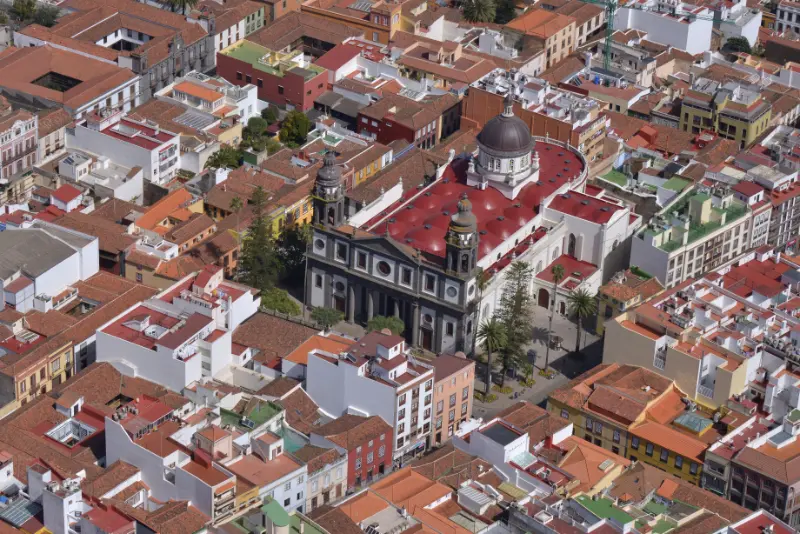
    Aerial View Of La Laguna Tenerife

    Day 2: Anaga Rural Park

    Start at Cruz del Carmen, choose one walk, then add Taganana or the coast only if road and weather conditions make the day comfortable.

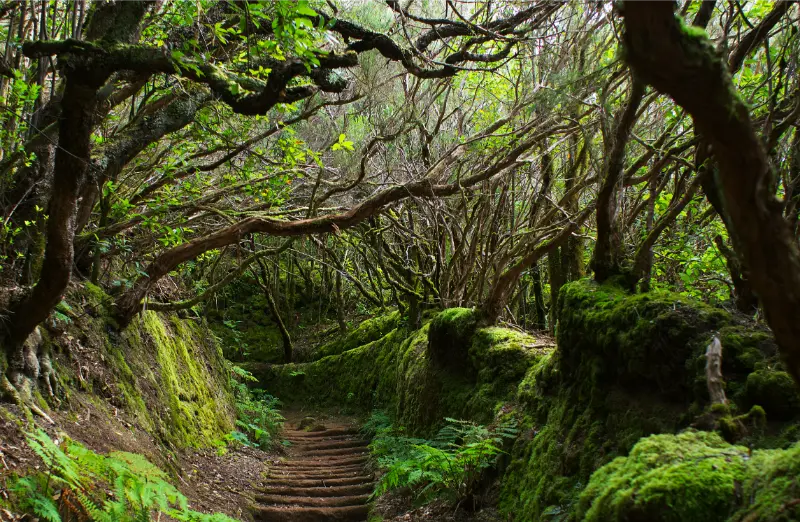
    In Anaga I plan for cloud, narrow roads and slower travel than the map suggests. Cruz del Carmen is a practical anchor because it gives me visitor information and access to shorter walks. I do not assume that a clear south-coast morning means a dry ridge in the northeast.

    Day 3: Puerto de la Cruz + La Orotava

    Split the day between seafront Puerto de la Cruz and historic La Orotava. This works well without constant car movement.

    I keep this day geographically compact. Tenerife rewards clustering because the hidden time is rarely the motorway itself; it is parking, mountain bends, finding the correct entrance and stopping at places that were not in the original plan. One area explored well usually feels richer than three areas photographed quickly.

    Day 4: Garachico + Icod or Los Silos

    Use the lava-coast history of Garachico as the anchor, then choose one neighbouring town. Swim in natural pools only when conditions are safe.

    I keep this day geographically compact. Tenerife rewards clustering because the hidden time is rarely the motorway itself; it is parking, mountain bends, finding the correct entrance and stopping at places that were not in the original plan. One area explored well usually feels richer than three areas photographed quickly.

    Day 5: Isla Baja or north-side Teide approach

    Choose Buenavista/El Tanque for a slow northwest finish, or climb toward Teide if weather is clear and the flight is not immediately afterwards.

    I check official Teide information and Tenerife ON before leaving. I separate the park experience from summit ambitions: viewpoints, lava landscapes and established walks are already a complete day. If a cable-car or controlled trail is part of the plan, I treat the reservation and current access rules as fixed, then keep the rest of the day flexible.

    Why I do not commute from Costa Adeje every day

    The motorway makes north-south travel possible, but a five-day north itinerary is much better when the evening base is actually in the region. I use Puerto de la Cruz, La Laguna and Isla Baja to decide which atmosphere I want after sightseeing.

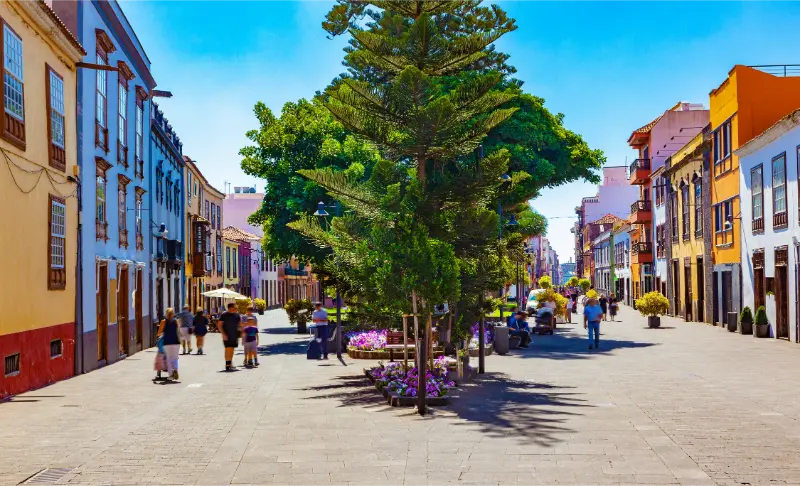
    San Cristobal De La Laguna Historic Center Tenerife

    Weather in the north is part of the experience

    Cloud and humidity create the green landscapes visitors come to see. I pack a light layer and keep the coast, towns and forests interchangeable. A grey morning in Puerto de la Cruz does not mean the whole day is lost; Teide or another coast can be clear.

    How I connect Garachico without overloading the day

    Garachico can absorb several hours once I include the historic centre, volcanic story and lunch. I add either Icod, Los Silos or Buenavista, not all three. That gives me time to notice the northwest rather than simply photograph its town signs.

    Transport: the decision that changes the whole itinerary

    I compare the route with my Tenerife by car guide and the no-car guide. A rental car is valuable for Teide, Anaga, Teno and multi-stop days, but it can be unnecessary on beaches, city walks and evenings. Selective rental often gives the best balance: drive when the car creates access, and leave it parked when it only creates a parking problem.

    I build extra margin around the first and last day. Airport pickup, baggage, fuel return and traffic are not sightseeing, but they consume real time. I would rather arrive at dinner early than turn a delayed flight into a rushed mountain drive. On departure day I work backward from the airline’s check-in and security requirements and then add the road or public-transport margin.

    Weather and microclimates: why I keep one day flexible

    Tenerife can place sun, cloud, wind and high-altitude cold inside the same itinerary. I use the Tenerife weather forecast guide and move the most weather-sensitive day when I can. Teide needs visibility and safe high-altitude conditions; Anaga can be wet or foggy; north-coast swimming depends on swell. A flexible day is not empty time—it is insurance for the experience I care about most.

    I pack layers even when the hotel forecast looks warm. A light jacket, water, sun protection and shoes suitable for the day are more useful than trying to predict one island-wide temperature. If an official alert, road closure or protected-area restriction changes the plan, I treat that as a reason to switch area, not as a challenge to find a shortcut.

    Where I would stay

    I choose accommodation by evening life and morning logistics, not only by star rating. For current availability I compare Tenerife accommodation on Booking.com. I check the exact map position, slope, parking or bus stop, reception hours and how long the first major day will take from the property. A good base can save more holiday time than a slightly cheaper room on the wrong side of the island.

    What I would book in advance—and what I would keep open

    I book the things where capacity or a fixed slot matters: accommodation, any controlled high-altitude or protected trail, a specific boat departure, a major attraction on a peak day and a restaurant that is genuinely central to the trip. I keep ordinary beaches, viewpoints, cafés and many town visits open. Tenerife is more enjoyable when weather and energy can still change the order of the week.

    For activities, I read the cancellation terms before paying and check whether transport, equipment or permits are actually included. A cheap headline price can be poor value if it requires a separate transfer or locks me into a weather-sensitive day. When a guided excursion solves real logistics, I am happy to use one.

    Food rhythm: how I avoid eating badly because the itinerary is too full

    I use my Tenerife food guide to choose a few local dishes, then keep meals close to the day’s geography. A long lunch in La Orotava makes sense on a north-coast day; a harbour fish meal belongs with the coast. I carry water and a small snack so hunger does not force an unnecessary detour just before a hike, boat or sunset.

    The planning mistakes I would avoid

    • Treating the driving time shown on a map as the total time needed for the stop.
    • Booking the most weather-sensitive experience on the only day that cannot move.
    • Changing hotels too often on a short itinerary and losing hours to packing and check-in.
    • Trying to combine Teide, Anaga, Masca and a beach simply because they fit on one island map.
    • Using old screenshots for trail, transport or attraction rules instead of checking the current operator or authority.
    • Saving every good restaurant for dinner after a long drive instead of using lunch to anchor the region I am already visiting.

    Frequently asked questions

    Is North Tenerife worth five days?

    Yes. Five days lets the north feel like a destination in its own right rather than a series of day trips from the south.

    Is Puerto de la Cruz the best base?

    It is the easiest all-round base for most visitors, but La Laguna is better for Anaga and Garachico/Los Silos is better for slow northwest travel.

    San Cristobal De La Laguna Panoramic View Tenerife

    Does it rain all the time in the north?

    No. The north is generally greener and more humid, but conditions vary by altitude and day. I plan with microclimates rather than stereotypes.

    Do I need a car?

    A car is helpful for Anaga and Isla Baja, although La Laguna, Puerto de la Cruz and some major routes work well by public transport.

    Can I include Teide?

    Yes. I use the northern approach on the clearest day and avoid attaching it to a tight airport schedule.

    My final advice

    The best north tenerife itinerary is the one I can still enjoy when one detail changes. I protect the big experiences with sensible geography, current information and enough margin, then leave the smaller choices open. Tenerife has too many good alternatives for a holiday to depend on one perfect sequence.

    I treat this itinerary as a framework rather than a promise that every road, trail, beach or timetable will behave exactly the same on the travel date. Before any activity where access, safety, weather or a paid booking matters, I recheck the official source. That habit lets me travel more freely because the important constraints are handled before the day begins.
  • Tenerife Food & Culture Itinerary: 7 Days of Markets, Wine and Historic Towns

    Tenerife Food & Culture Itinerary: 7 Days of Markets, Wine and Historic Towns

    Quick summary: A food-and-culture week in Tenerife works best when meals are attached to places, not collected as a separate checklist. I want the market before the lunch, the wine landscape before the tasting and the historic town before the pastry stop. That creates context: volcanic soil, fishing ports, old trade routes and agricultural valleys become part of what is on the plate.

    Who this itinerary is for

    This itinerary is for travellers who would happily exchange one theme-park day for a long lunch, a market or a small museum. It still includes Teide because the volcanic landscape is part of the island’s food and wine story, but the pace is deliberately slower. I leave room for restaurants that do not need to be famous to be memorable.

    The base I would choose

    Puerto de la Cruz, La Laguna or a split north/south stay works especially well, because many traditional food experiences are easier in the north. Costa Adeje is still practical if the hotel matters most, but I would plan several northbound days and avoid drinking when I am the driver.

    Itinerary at a glance

    DayMain areaWhy it works
    Day 1Santa Cruz market and city foodStart at Mercado de Nuestra Señora de África, walk the centre, then choose a simple lunch focused on local produce or fish.
    Day 2La Laguna heritage + pastries and traditional lunchUse the UNESCO streets and historic buildings as the day’s backbone. Stop for coffee, bakery food and a proper Canarian meal rather than racing through monuments.
    Day 3La Orotava, Orotava Valley and guachinche countryExplore La Orotava, then move into the wine-and-agriculture landscape. If tasting, plan transport in advance.
    Day 4Teide landscapes + VilaflorConnect volcanic geology with high-altitude agriculture and island wine. Keep the food stops simple and the driving sober.
    Day 5Garachico and northwest seafoodUse the historic port story and lava coast, then look for fish, octopus or traditional stews in the northwest.
    Day 6Wine-focused dayChoose a winery area and book only what you can enjoy without rushing. Add cheese or a market rather than multiple tastings.
    Day 7Slow brunch, favourite dish and souvenirsRepeat the dish you liked, buy local products thoughtfully, and leave luggage and airport logistics simple.

    Day 1: Santa Cruz market and city food

    Start at Mercado de Nuestra Señora de África, walk the centre, then choose a simple lunch focused on local produce or fish.

    I keep this day geographically compact. Tenerife rewards clustering because the hidden time is rarely the motorway itself; it is parking, mountain bends, finding the correct entrance and stopping at places that were not in the original plan. One area explored well usually feels richer than three areas photographed quickly.

    Day 2: La Laguna heritage + pastries and traditional lunch

    Use the UNESCO streets and historic buildings as the day’s backbone. Stop for coffee, bakery food and a proper Canarian meal rather than racing through monuments.

    I keep this day geographically compact. Tenerife rewards clustering because the hidden time is rarely the motorway itself; it is parking, mountain bends, finding the correct entrance and stopping at places that were not in the original plan. One area explored well usually feels richer than three areas photographed quickly.

    Day 3: La Orotava, Orotava Valley and guachinche country

    Explore La Orotava, then move into the wine-and-agriculture landscape. If tasting, plan transport in advance.

    I keep this day geographically compact. Tenerife rewards clustering because the hidden time is rarely the motorway itself; it is parking, mountain bends, finding the correct entrance and stopping at places that were not in the original plan. One area explored well usually feels richer than three areas photographed quickly.

    Day 4: Teide landscapes + Vilaflor

    Connect volcanic geology with high-altitude agriculture and island wine. Keep the food stops simple and the driving sober.

    I check official Teide information and Tenerife ON before leaving. I separate the park experience from summit ambitions: viewpoints, lava landscapes and established walks are already a complete day. If a cable-car or controlled trail is part of the plan, I treat the reservation and current access rules as fixed, then keep the rest of the day flexible.

    Day 5: Garachico and northwest seafood

    Use the historic port story and lava coast, then look for fish, octopus or traditional stews in the northwest.

    I keep this day geographically compact. Tenerife rewards clustering because the hidden time is rarely the motorway itself; it is parking, mountain bends, finding the correct entrance and stopping at places that were not in the original plan. One area explored well usually feels richer than three areas photographed quickly.

    Day 6: Wine-focused day

    Choose a winery area and book only what you can enjoy without rushing. Add cheese or a market rather than multiple tastings.

    I keep this day geographically compact. Tenerife rewards clustering because the hidden time is rarely the motorway itself; it is parking, mountain bends, finding the correct entrance and stopping at places that were not in the original plan. One area explored well usually feels richer than three areas photographed quickly.

    Day 7: Slow brunch, favourite dish and souvenirs

    Repeat the dish you liked, buy local products thoughtfully, and leave luggage and airport logistics simple.

    I keep this day geographically compact. Tenerife rewards clustering because the hidden time is rarely the motorway itself; it is parking, mountain bends, finding the correct entrance and stopping at places that were not in the original plan. One area explored well usually feels richer than three areas photographed quickly.

    The dishes I deliberately look for

    I use the Tenerife food guide as a starting point, then choose specific dishes such as sancocho, conejo en salmorejo, potaje de berros or costillas con papas y piña. I do not expect every restaurant to serve every dish every day.

    Tenerife Seafront Restaurant Terrace

    Markets and guachinches are not interchangeable

    Markets are best for seeing produce and buying ingredients; guachinches are tied to local wine and simple food traditions. I use the guachinche guide to understand the context rather than treating the word as a guarantee of authenticity.

    How I handle wine and transport

    I plan a driver, taxi or organised experience before tasting. Tenerife’s wine regions are spread across real roads, not a pedestrian tasting district. The Tenerife wine guide helps me choose one region instead of trying to sample the entire island in one day.

    Transport: the decision that changes the whole itinerary

    I compare the route with my Tenerife by car guide and the no-car guide. A rental car is valuable for Teide, Anaga, Teno and multi-stop days, but it can be unnecessary on beaches, city walks and evenings. Selective rental often gives the best balance: drive when the car creates access, and leave it parked when it only creates a parking problem.

    Coffee And Cappuccino In Tenerife

    I build extra margin around the first and last day. Airport pickup, baggage, fuel return and traffic are not sightseeing, but they consume real time. I would rather arrive at dinner early than turn a delayed flight into a rushed mountain drive. On departure day I work backward from the airline’s check-in and security requirements and then add the road or public-transport margin.

    Weather and microclimates: why I keep one day flexible

    Tenerife can place sun, cloud, wind and high-altitude cold inside the same itinerary. I use the Tenerife weather forecast guide and move the most weather-sensitive day when I can. Teide needs visibility and safe high-altitude conditions; Anaga can be wet or foggy; north-coast swimming depends on swell. A flexible day is not empty time—it is insurance for the experience I care about most.

    I pack layers even when the hotel forecast looks warm. A light jacket, water, sun protection and shoes suitable for the day are more useful than trying to predict one island-wide temperature. If an official alert, road closure or protected-area restriction changes the plan, I treat that as a reason to switch area, not as a challenge to find a shortcut.

    Where I would stay

    I choose accommodation by evening life and morning logistics, not only by star rating. For current availability I compare Tenerife accommodation on Booking.com. I check the exact map position, slope, parking or bus stop, reception hours and how long the first major day will take from the property. A good base can save more holiday time than a slightly cheaper room on the wrong side of the island.

    What I would book in advance—and what I would keep open

    I book the things where capacity or a fixed slot matters: accommodation, any controlled high-altitude or protected trail, a specific boat departure, a major attraction on a peak day and a restaurant that is genuinely central to the trip. I keep ordinary beaches, viewpoints, cafés and many town visits open. Tenerife is more enjoyable when weather and energy can still change the order of the week.

    For activities, I read the cancellation terms before paying and check whether transport, equipment or permits are actually included. A cheap headline price can be poor value if it requires a separate transfer or locks me into a weather-sensitive day. When a guided excursion solves real logistics, I am happy to use one.

    Food rhythm: how I avoid eating badly because the itinerary is too full

    Food is the itinerary here, so I never treat lunch as a gap between attractions. I leave enough time to read a short menu, ask what is seasonal and accept that the best meal may change the afternoon. If a traditional dish is unavailable, I order what the kitchen is actually cooking rather than turning lunch into a hunt for one checklist item.

    Eating Paella In Tenerife

    The planning mistakes I would avoid

    • Treating the driving time shown on a map as the total time needed for the stop.
    • Booking the most weather-sensitive experience on the only day that cannot move.
    • Changing hotels too often on a short itinerary and losing hours to packing and check-in.
    • Trying to combine Teide, Anaga, Masca and a beach simply because they fit on one island map.
    • Using old screenshots for trail, transport or attraction rules instead of checking the current operator or authority.
    • Saving every good restaurant for dinner after a long drive instead of using lunch to anchor the region I am already visiting.

    Frequently asked questions

    Is Tenerife good for a food-focused week?

    Yes. The combination of local wine, fish, goat cheese, potatoes, gofio, stews, markets and regional towns easily supports a week.

    Do I need reservations?

    For sought-after restaurants, winery visits and special tastings, yes. Ordinary local lunches can often stay flexible.

    Where are guachinches concentrated?

    They are historically associated with wine-producing areas, especially in the north. I use current local information rather than assuming every venue using the name is the same.

    Can vegetarians follow this itinerary?

    Yes, but traditional menus can be meat- and fish-heavy. I communicate clearly and use the site’s vegetarian guide for dedicated options.

    What food souvenirs make sense?

    Wine, mojo products, honey, cheese where transport rules allow, gofio and local sweets are more meaningful when I understand their origin and storage needs.

    My final advice

    The best tenerife food and culture itinerary is the one I can still enjoy when one detail changes. I protect the big experiences with sensible geography, current information and enough margin, then leave the smaller choices open. Tenerife has too many good alternatives for a holiday to depend on one perfect sequence.

    I treat this itinerary as a framework rather than a promise that every road, trail, beach or timetable will behave exactly the same on the travel date. Before any activity where access, safety, weather or a paid booking matters, I recheck the official source. That habit lets me travel more freely because the important constraints are handled before the day begins.

  • Tenerife Hiking & Nature Itinerary: 7 Days Across Teide, Anaga and Teno

    Tenerife Hiking & Nature Itinerary: 7 Days Across Teide, Anaga and Teno

    Quick summary: A hiking week in Tenerife should not be seven hard hikes. The terrain, altitude, sun and long approach roads create cumulative fatigue, so I alternate big mountain days with shorter forest or coastal walks. I also keep one flexible day because Teide wind, Anaga rain, wildfire restrictions or trail closures can move the safest route to another part of the island.

    Who this itinerary is for

    This itinerary is for active travellers who are comfortable walking for several hours and who care more about landscapes than resort attractions. It is not a technical mountaineering plan and it does not assume the Teide summit. I choose official, established trails and treat protected-area rules as part of the trip rather than an inconvenience.

    The base I would choose

    For one week I would either stay around La Laguna/Puerto de la Cruz for northern access or use a central/north base plus a few long drives. A south resort is still possible, but it adds time to Anaga and Teno. If the main goal is hiking, reducing daily driving is more valuable than being beside a nightlife strip.

    Itinerary at a glance

    DayMain areaWhy it works
    Day 1Easy acclimatisation walkUse a coastal path, Malpaís de Güímar or a forest stroll. Check footwear, water needs and how the group handles the sun before a serious mountain day.
    Day 2Teide National ParkChoose Roques de García, Sámara or another appropriate trail. Summit access is a separate objective and requires current permit planning.
    Day 3Anaga laurel forestBase the day around Cruz del Carmen and a route that matches the weather. Cloud can make the forest atmospheric but exposed ridges need more caution.
    Day 4Recovery: La Laguna, botanical gardens or short coast walkRest the legs while still exploring. Use this as the weather-swap day if Teide or Anaga was unsuitable earlier.
    Day 5Teno Rural ParkChoose one Teno route rather than driving every mountain road. Erjos, El Palmar and Teno Alto offer different levels of commitment.
    Day 6Volcanic forest or ChinyeroWalk among pine and younger lava landscapes. Keep distance and ascent below the previous big day if fatigue is building.
    Day 7Short favourite route and flexible departureFinish with a route close to the base or a viewpoint walk. I do not schedule the week’s hardest hike before a flight.

    Day 1: Easy acclimatisation walk

    Use a coastal path, Malpaís de Güímar or a forest stroll. Check footwear, water needs and how the group handles the sun before a serious mountain day.

    I keep this day geographically compact. Tenerife rewards clustering because the hidden time is rarely the motorway itself; it is parking, mountain bends, finding the correct entrance and stopping at places that were not in the original plan. One area explored well usually feels richer than three areas photographed quickly.

    Day 2: Teide National Park

    Choose Roques de García, Sámara or another appropriate trail. Summit access is a separate objective and requires current permit planning.

    I check official Teide information and Tenerife ON before leaving. I separate the park experience from summit ambitions: viewpoints, lava landscapes and established walks are already a complete day. If a cable-car or controlled trail is part of the plan, I treat the reservation and current access rules as fixed, then keep the rest of the day flexible.

    Day 3: Anaga laurel forest

    Base the day around Cruz del Carmen and a route that matches the weather. Cloud can make the forest atmospheric but exposed ridges need more caution.

    In Anaga I plan for cloud, narrow roads and slower travel than the map suggests. Cruz del Carmen is a practical anchor because it gives me visitor information and access to shorter walks. I do not assume that a clear south-coast morning means a dry ridge in the northeast.

    Anaga Laurel Forest Tenerife

    Day 4: Recovery: La Laguna, botanical gardens or short coast walk

    Rest the legs while still exploring. Use this as the weather-swap day if Teide or Anaga was unsuitable earlier.

    On the coast I let sea conditions decide the swimming part of the day. I use the Tenerife safety guide and respect flags, lifeguards and local closures. A coastal day is still worthwhile when the ocean is too rough to swim: promenades, harbours, food and viewpoints remain available.

    Day 5: Teno Rural Park

    Choose one Teno route rather than driving every mountain road. Erjos, El Palmar and Teno Alto offer different levels of commitment.

    I keep this day geographically compact. Tenerife rewards clustering because the hidden time is rarely the motorway itself; it is parking, mountain bends, finding the correct entrance and stopping at places that were not in the original plan. One area explored well usually feels richer than three areas photographed quickly.

    Day 6: Volcanic forest or Chinyero

    Walk among pine and younger lava landscapes. Keep distance and ascent below the previous big day if fatigue is building.

    I keep this day geographically compact. Tenerife rewards clustering because the hidden time is rarely the motorway itself; it is parking, mountain bends, finding the correct entrance and stopping at places that were not in the original plan. One area explored well usually feels richer than three areas photographed quickly.

    Anaga Laurel Forest Trail Tenerife

    Day 7: Short favourite route and flexible departure

    Finish with a route close to the base or a viewpoint walk. I do not schedule the week’s hardest hike before a flight.

    I keep this day geographically compact. Tenerife rewards clustering because the hidden time is rarely the motorway itself; it is parking, mountain bends, finding the correct entrance and stopping at places that were not in the original plan. One area explored well usually feels richer than three areas photographed quickly.

    Permits and current access come before route ambition

    I start with Tenerife ON and my Tenerife hiking permits guide. Teide high routes, protected trails and closures can change the practical plan. I would rather downgrade a route than arrive at a gate expecting an old blog post to override the current system.

    How I manage altitude

    Teide is different from a coastal hike. I use the altitude guide, drink normally, take the first high day slowly and pay attention to headache, nausea or unusual fatigue. The view is not worth pushing through symptoms.

    Why the recovery day is part of the itinerary

    A rest day protects the second half of the week. It also gives me somewhere to move a cancelled trail without stacking two long hikes back-to-back. Good hiking holidays are built around recovery as deliberately as around summits.

    Transport: the decision that changes the whole itinerary

    I compare the route with my Tenerife by car guide and the no-car guide. A rental car is valuable for Teide, Anaga, Teno and multi-stop days, but it can be unnecessary on beaches, city walks and evenings. Selective rental often gives the best balance: drive when the car creates access, and leave it parked when it only creates a parking problem.

    I build extra margin around the first and last day. Airport pickup, baggage, fuel return and traffic are not sightseeing, but they consume real time. I would rather arrive at dinner early than turn a delayed flight into a rushed mountain drive. On departure day I work backward from the airline’s check-in and security requirements and then add the road or public-transport margin.

    Weather and microclimates: why I keep one day flexible

    Tenerife can place sun, cloud, wind and high-altitude cold inside the same itinerary. I use the Tenerife weather forecast guide and move the most weather-sensitive day when I can. Teide needs visibility and safe high-altitude conditions; Anaga can be wet or foggy; north-coast swimming depends on swell. A flexible day is not empty time—it is insurance for the experience I care about most.

    I pack layers even when the hotel forecast looks warm. A light jacket, water, sun protection and shoes suitable for the day are more useful than trying to predict one island-wide temperature. If an official alert, road closure or protected-area restriction changes the plan, I treat that as a reason to switch area, not as a challenge to find a shortcut.

    Where I would stay

    I choose accommodation by evening life and morning logistics, not only by star rating. For current availability I compare Tenerife accommodation on Booking.com. I check the exact map position, slope, parking or bus stop, reception hours and how long the first major day will take from the property. A good base can save more holiday time than a slightly cheaper room on the wrong side of the island.

    What I would book in advance—and what I would keep open

    I book the things where capacity or a fixed slot matters: accommodation, any controlled high-altitude or protected trail, a specific boat departure, a major attraction on a peak day and a restaurant that is genuinely central to the trip. I keep ordinary beaches, viewpoints, cafés and many town visits open. Tenerife is more enjoyable when weather and energy can still change the order of the week.

    For activities, I read the cancellation terms before paying and check whether transport, equipment or permits are actually included. A cheap headline price can be poor value if it requires a separate transfer or locks me into a weather-sensitive day. When a guided excursion solves real logistics, I am happy to use one.

    Food rhythm: how I avoid eating badly because the itinerary is too full

    I use my Tenerife food guide to choose a few local dishes, then keep meals close to the day’s geography. A long lunch in La Orotava makes sense on a north-coast day; a harbour fish meal belongs with the coast. I carry water and a small snack so hunger does not force an unnecessary detour just before a hike, boat or sunset.

    The planning mistakes I would avoid

    • Treating the driving time shown on a map as the total time needed for the stop.
    • Booking the most weather-sensitive experience on the only day that cannot move.
    • Changing hotels too often on a short itinerary and losing hours to packing and check-in.
    • Trying to combine Teide, Anaga, Masca and a beach simply because they fit on one island map.
    • Using old screenshots for trail, transport or attraction rules instead of checking the current operator or authority.
    • Saving every good restaurant for dinner after a long drive instead of using lunch to anchor the region I am already visiting.

    Frequently asked questions

    Can I hike every day in Tenerife?

    You can, but I would vary intensity. Seven demanding mountain days is unnecessary and increases fatigue and injury risk.

    Do I need hiking permits?

    Some routes and high-altitude access do. I check Tenerife ON and the competent authority for each trail shortly before the hike.

    Is Teide the hardest day?

    Not always. Altitude makes it demanding, but long Anaga or Teno routes can have more complex terrain and logistics.

    Anaga Tenerife

    Do I need a car?

    A car helps with trailheads, but some Anaga and urban-linked hikes work by bus. A mixed approach can be excellent.

    What if there is a closure?

    I use the recovery day or switch geographic area. I never bypass a closure or improvise an unofficial route around it.

    My final advice

    The best tenerife hiking itinerary is the one I can still enjoy when one detail changes. I protect the big experiences with sensible geography, current information and enough margin, then leave the smaller choices open. Tenerife has too many good alternatives for a holiday to depend on one perfect sequence.

    I treat this itinerary as a framework rather than a promise that every road, trail, beach or timetable will behave exactly the same on the travel date. Before any activity where access, safety, weather or a paid booking matters, I recheck the official source. That habit lets me travel more freely because the important constraints are handled before the day begins.

  • Tenerife Couples Itinerary: 7 Romantic Days Beyond the Resort

    Tenerife Couples Itinerary: 7 Romantic Days Beyond the Resort

    Quick summary: For couples, I think Tenerife works best when the itinerary leaves room for conversation and spontaneity. I would rather plan one memorable anchor per day than chase a sunrise, boat, tasting, viewpoint and fine-dining reservation in the same twelve hours. The island already provides the drama: volcanic landscapes, Atlantic cliffs, vineyards and old towns. The romantic part is having enough time to notice them.

    Who this itinerary is for

    This week suits couples on a first or second Tenerife trip, including anniversaries and honeymoons, but it is deliberately not a “luxury only” plan. A picnic at a viewpoint, a market lunch or a black-sand walk can be as memorable as a hotel spa. I mix paid experiences with ordinary island time.

    The base I would choose

    Costa Adeje is easy for comfortable hotels, beaches and dining; Puerto de la Cruz gives more northern character; a split stay can work for seven nights only if the couple enjoys changing hotels. My default is one good base plus one special rural or boutique night only when that overnight is itself part of the experience.

    Couple Exploring Tenerife

    Itinerary at a glance

    DayMain areaWhy it works
    Day 1Slow arrival and sunset close to the hotelUnpack, walk the coast and choose a relaxed dinner. Do not begin a romantic trip with an argument about a mountain road after a delayed flight.
    Day 2Teide and volcanic landscapesUse the daylight for Teide, Roques de García and viewpoints. Add stargazing only if the day is not already exhausting and the return drive is comfortable.
    Day 3Beach, spa or long lunchLeave the schedule almost empty. Choose one beach, pool or wellness experience and protect the evening for a restaurant you genuinely want.
    Day 4La Laguna + AnagaHistoric streets in the morning, a forest or viewpoint in the afternoon, then return before the mountain roads become tiring.
    Day 5Wine country and north-coast foodExplore La Orotava, Tacoronte-Acentejo or another wine area. If tasting, use a driver, tour or public transport rather than negotiating who stays sober.
    Day 6Los Gigantes or responsible whale watchingUse the west for cliffs, a boat trip and sunset. Keep the sea schedule flexible because wildlife and conditions are not staged.
    Day 7Favourite place, proposal/anniversary option and departureRepeat a place you loved or plan one meaningful final meal. Do not make the final morning dependent on a long transfer.

    Day 1: Slow arrival and sunset close to the hotel

    Unpack, walk the coast and choose a relaxed dinner. Do not begin a romantic trip with an argument about a mountain road after a delayed flight.

    I keep this day geographically compact. Tenerife rewards clustering because the hidden time is rarely the motorway itself; it is parking, mountain bends, finding the correct entrance and stopping at places that were not in the original plan. One area explored well usually feels richer than three areas photographed quickly.

    Day 2: Teide and volcanic landscapes

    Use the daylight for Teide, Roques de García and viewpoints. Add stargazing only if the day is not already exhausting and the return drive is comfortable.

    I check official Teide information and Tenerife ON before leaving. I separate the park experience from summit ambitions: viewpoints, lava landscapes and established walks are already a complete day. If a cable-car or controlled trail is part of the plan, I treat the reservation and current access rules as fixed, then keep the rest of the day flexible.

    Day 3: Beach, spa or long lunch

    Leave the schedule almost empty. Choose one beach, pool or wellness experience and protect the evening for a restaurant you genuinely want.

    On the coast I let sea conditions decide the swimming part of the day. I use the Tenerife safety guide and respect flags, lifeguards and local closures. A coastal day is still worthwhile when the ocean is too rough to swim: promenades, harbours, food and viewpoints remain available.

    Day 4: La Laguna + Anaga

    Historic streets in the morning, a forest or viewpoint in the afternoon, then return before the mountain roads become tiring.

    In Anaga I plan for cloud, narrow roads and slower travel than the map suggests. Cruz del Carmen is a practical anchor because it gives me visitor information and access to shorter walks. I do not assume that a clear south-coast morning means a dry ridge in the northeast.

    Day 5: Wine country and north-coast food

    Explore La Orotava, Tacoronte-Acentejo or another wine area. If tasting, use a driver, tour or public transport rather than negotiating who stays sober.

    On the coast I let sea conditions decide the swimming part of the day. I use the Tenerife safety guide and respect flags, lifeguards and local closures. A coastal day is still worthwhile when the ocean is too rough to swim: promenades, harbours, food and viewpoints remain available.

    Day 6: Los Gigantes or responsible whale watching

    Use the west for cliffs, a boat trip and sunset. Keep the sea schedule flexible because wildlife and conditions are not staged.

    On the coast I let sea conditions decide the swimming part of the day. I use the Tenerife safety guide and respect flags, lifeguards and local closures. A coastal day is still worthwhile when the ocean is too rough to swim: promenades, harbours, food and viewpoints remain available.

    Day 7: Favourite place, proposal/anniversary option and departure

    Repeat a place you loved or plan one meaningful final meal. Do not make the final morning dependent on a long transfer.

    I keep this day geographically compact. Tenerife rewards clustering because the hidden time is rarely the motorway itself; it is parking, mountain bends, finding the correct entrance and stopping at places that were not in the original plan. One area explored well usually feels richer than three areas photographed quickly.

    Sunset without turning it into a race

    I use the sunset guide to choose a place near the day’s route. I do not cross Tenerife simply because social media says one viewpoint is “the most romantic.” A calm sunset ten minutes from dinner usually beats a famous one followed by ninety minutes of night driving.

    Wine and food as part of the route

    The island’s wine culture is easiest to appreciate when it is attached to a north-coast day. I combine Tenerife wine with a market, historic town or guachinche instead of treating tasting as a detached excursion. If alcohol is involved, transport is planned before the first glass.

    When I would add a special occasion

    For a proposal or anniversary I use the proposal guide or the celebration guide and keep a weather-proof backup. The best plan is meaningful even if cloud hides the sunset.

    Transport: the decision that changes the whole itinerary

    I compare the route with my Tenerife by car guide and the no-car guide. A rental car is valuable for Teide, Anaga, Teno and multi-stop days, but it can be unnecessary on beaches, city walks and evenings. Selective rental often gives the best balance: drive when the car creates access, and leave it parked when it only creates a parking problem.

    Couple On A Tenerife Beach

    I build extra margin around the first and last day. Airport pickup, baggage, fuel return and traffic are not sightseeing, but they consume real time. I would rather arrive at dinner early than turn a delayed flight into a rushed mountain drive. On departure day I work backward from the airline’s check-in and security requirements and then add the road or public-transport margin.

    Weather and microclimates: why I keep one day flexible

    Tenerife can place sun, cloud, wind and high-altitude cold inside the same itinerary. I use the Tenerife weather forecast guide and move the most weather-sensitive day when I can. Teide needs visibility and safe high-altitude conditions; Anaga can be wet or foggy; north-coast swimming depends on swell. A flexible day is not empty time—it is insurance for the experience I care about most.

    I pack layers even when the hotel forecast looks warm. A light jacket, water, sun protection and shoes suitable for the day are more useful than trying to predict one island-wide temperature. If an official alert, road closure or protected-area restriction changes the plan, I treat that as a reason to switch area, not as a challenge to find a shortcut.

    Where I would stay

    I choose accommodation by evening life and morning logistics, not only by star rating. For current availability I compare Tenerife accommodation on Booking.com. I check the exact map position, slope, parking or bus stop, reception hours and how long the first major day will take from the property. A good base can save more holiday time than a slightly cheaper room on the wrong side of the island.

    What I would book in advance—and what I would keep open

    I book the things where capacity or a fixed slot matters: accommodation, any controlled high-altitude or protected trail, a specific boat departure, a major attraction on a peak day and a restaurant that is genuinely central to the trip. I keep ordinary beaches, viewpoints, cafés and many town visits open. Tenerife is more enjoyable when weather and energy can still change the order of the week.

    For activities, I read the cancellation terms before paying and check whether transport, equipment or permits are actually included. A cheap headline price can be poor value if it requires a separate transfer or locks me into a weather-sensitive day. When a guided excursion solves real logistics, I am happy to use one.

    Food rhythm: how I avoid eating badly because the itinerary is too full

    I use my Tenerife food guide to choose a few local dishes, then keep meals close to the day’s geography. A long lunch in La Orotava makes sense on a north-coast day; a harbour fish meal belongs with the coast. I carry water and a small snack so hunger does not force an unnecessary detour just before a hike, boat or sunset.

    The planning mistakes I would avoid

    • Treating the driving time shown on a map as the total time needed for the stop.
    • Booking the most weather-sensitive experience on the only day that cannot move.
    • Changing hotels too often on a short itinerary and losing hours to packing and check-in.
    • Trying to combine Teide, Anaga, Masca and a beach simply because they fit on one island map.
    • Using old screenshots for trail, transport or attraction rules instead of checking the current operator or authority.
    • Saving every good restaurant for dinner after a long drive instead of using lunch to anchor the region I am already visiting.

    Frequently asked questions

    Is Tenerife romantic outside the resorts?

    Very much so. Vineyards, old towns, forest roads, volcanic viewpoints and quiet coastlines create a broader couples trip than a hotel-only break.

    Should couples rent a car?

    A car is useful for flexible scenic days, but I avoid driving after wine tastings and use tours or taxis when that makes the evening easier.

    Where is the best base for couples?

    Costa Adeje for polished resort comfort, Puerto de la Cruz for northern character, La Laguna for culture, and rural properties for a quieter stay.

    Is a split stay worth it for seven days?

    Only if both accommodations are part of the experience. Otherwise one base saves time and keeps the week relaxed.

    What is the most important romantic-planning tip?

    Leave gaps. A couple’s trip becomes less romantic when every sunset and dinner is a timed appointment.

    Couple On Holiday In Tenerife

    My final advice

    The best tenerife couples itinerary is the one I can still enjoy when one detail changes. I protect the big experiences with sensible geography, current information and enough margin, then leave the smaller choices open. Tenerife has too many good alternatives for a holiday to depend on one perfect sequence.

    I treat this itinerary as a framework rather than a promise that every road, trail, beach or timetable will behave exactly the same on the travel date. Before any activity where access, safety, weather or a paid booking matters, I recheck the official source. That habit lets me travel more freely because the important constraints are handled before the day begins.
  • Best Day Trips from Costa Adeje: Teide, Masca, Anaga, La Gomera and More

    Best Day Trips from Costa Adeje: Teide, Masca, Anaga, La Gomera and More

    Costa Adeje is a comfortable base, but I would never spend an entire Tenerife trip only on its seafront. The island’s strongest experiences are scattered across the highlands, north coast, Anaga and Teno. The good news is that many work as day trips if I group places logically and accept that mountain roads are slower than the map suggests.

    This guide starts from the assumptions in my Costa Adeje guide. I focus on realistic day trips rather than “see the whole island in a day” routes. Some excursions are easiest with a rental car, others make more sense as organised tours or by ferry.

    Teide National Park: the essential first day trip

    Mount Teide is the day trip I would prioritise on a first visit. From Costa Adeje the drive climbs through Vilaflor or another mountain route into a landscape of lava, caldera walls and high-altitude viewpoints. Even without the cable car, the national park is extraordinary.

    I leave early, bring warm layers and check both road and weather conditions. If I plan to hike regulated high-mountain trails, I also verify permits on Tenerife ON. A cable-car reservation should have enough margin for the drive, because mountain traffic and viewpoint stops can easily slow me down.

    Masca and Teno: dramatic roads and mountain villages

    Masca is a beautiful excursion, but I separate “visiting the village” from “hiking the gorge.” The gorge is regulated and requires advance planning. A simple road trip can combine Santiago del Teide, Masca viewpoints and parts of Teno.

    The road is winding, and parking/access rules around Masca matter. I avoid creating a day that depends on finding a spontaneous parking space. For nervous drivers, an organised excursion can be more relaxing.

    Masca Village Tenerife

    Los Gigantes and whale watching

    Los Gigantes is an easy day trip from Costa Adeje and works especially well with a responsible whale-watching trip. The cliffs are impressive from land but even more dramatic from the water.

    I book the boat as the fixed anchor and keep the rest of the day flexible. A late-afternoon return to Costa Adeje is simple, or I stay for sunset around Puerto Santiago. This is one of the least tiring day trips on the list.

    La Laguna and Anaga: the best culture-and-nature combination

    The combination of La Laguna and Anaga gives the strongest contrast with Costa Adeje. I start in the UNESCO-listed historic centre, then drive into laurel forest and mountain viewpoints.

    I do not try to add Taganana, Benijo, every mirador and a long hike to the same day unless I start very early. Anaga roads are slow. A better plan is one short forest walk, two or three viewpoints and either Taganana or the La Laguna centre as the main second focus.

    Garachico, Icod and the northwest

    A classic northwest day combines Garachico with Icod de los Vinos. Icod brings the Drago Milenario and historic centre; Garachico adds volcanic history and natural pools. If time remains, I continue toward Buenavista rather than adding distant La Orotava.

    This route involves a longer motorway drive from Costa Adeje, but it is straightforward compared with Anaga mountain roads. I leave swimming in Garachico dependent on sea conditions and keep a walking alternative ready.

    La Orotava and Puerto de la Cruz

    La Orotava and Puerto de la Cruz fit naturally together. I spend the morning among La Orotava’s historic streets and gardens, then descend to the coast for lunch, Lago Martiánez, the seafront or Playa Jardín.

    This is a gentler day than a long mountain hike and works well when the south is hot. North-coast weather can be cloudier, so I pack a light layer and treat that contrast as part of the experience rather than a problem.

    Santa Cruz and Las Teresitas

    For shopping, architecture and an urban day, I go to Santa Cruz. After the market, Auditorio area and city centre, I continue to Las Teresitas for a swim or sunset.

    This trip works well by car or public transport. It also makes sense for travellers who do not want mountain driving. If Carnival is taking place, normal traffic and transport arrangements change considerably, so I plan around the event rather than treating it as a regular city day.

    La Gomera: the island-to-island day trip

    Ferries from Los Cristianos make La Gomera possible as a long day trip. The attraction is not simply “another island”; Garajonay National Park, deep ravines and San Sebastián create a landscape and cultural history distinct from Tenerife.

    Because ferry times are fixed, I prefer an organised island tour or a very carefully planned rental-car day. I never book the last ferry connection as if delays were impossible. For a relaxed trip, one night on La Gomera is better than trying to see everything in a few hours.

    El Médano and the south-east coast

    For an easy half-day or low-stress day trip, El Médano offers a completely different south-coast atmosphere. The town has cafés, windsurfing culture and access to the Montaña Roja landscape and La Tejita beach.

    I choose it when I want less driving and more time outdoors. Wind is part of the local character, so beach conditions may be breezier than Costa Adeje. That is good for watersports and less ideal for a calm sunbathing day.

    Which day trips work without a car?

    Los Gigantes, Santa Cruz, La Laguna, El Médano and Puerto de la Cruz are all possible using public transport, though journey times vary. Teide is more complicated without a car and often easier as an organised excursion. My Tenerife without a car guide explains the basics.

    I compare the real door-to-door time, not just the distance. A tour can be better value than multiple buses when it includes remote viewpoints; public transport is better when I want a city day with no fixed programme.

    How many day trips would I do in one week?

    On a seven-night Costa Adeje stay, I usually plan three substantial excursions and leave the other days for beaches, local walks and flexible plans. Teide, one north/northwest day and one Anaga or La Gomera day create plenty of variety.

    Doing a full-day road trip every day defeats the reason for staying in Costa Adeje. I like using the resort comfort as a recovery base, not merely a place to sleep between twelve-hour drives.

    Masca Mountain Valley Tenerife

    Renting a car for day trips

    A rental car gives the most freedom for Teide, Teno and the northwest. My Tenerife by car guide covers mountain-road habits, parking and route planning. I book a vehicle only for the days I genuinely need it if the rest of the holiday is resort-based.

    Fuel distances are modest, but driving hours add up. I avoid planning Teide, Masca and Anaga on consecutive days if I am the only driver. A rest day by the beach makes the next excursion more enjoyable.

    Organised tours: when they make sense

    Tours are particularly useful for Teide without a car, a first visit to Masca, and La Gomera when I want transport logistics handled. They also let everyone in the group enjoy mountain scenery instead of one person concentrating on hairpin bends.

    Masca Valley Panoramic View Tenerife

    I read the itinerary carefully. Some “island tours” spend most of the day in a bus and only minutes at each stop. I prefer fewer stops with meaningful time over a long list of place names.

    Practical planning notes

    Before I build a day around best day trips from Costa Adeje, I check opening or access conditions, the weather in the exact part of the island, transport for the return journey and how much walking the day really involves. Tenerife rewards flexible planning because coast, mountain and urban conditions can differ sharply. I keep one alternative nearby instead of replacing a cancelled plan with a long drive to the opposite side of the island.

    I also leave more time for meals and parking than a map suggests. Historic centres, beach promenades and mountain trailheads all become slower at popular times. An itinerary with some empty space usually produces better travel experiences than one that requires every transfer to work perfectly. When official restrictions or warning signs conflict with my original plan, I change the plan rather than looking for a workaround.

    For accommodation, I pay attention to the real route from the property to the places I expect to use every day. Tenerife has steep streets, large resort zones and rural roads where a short straight-line distance can hide a significant climb or an inconvenient walk. Reading the map at neighbourhood level is one of the simplest ways to avoid a poor base.

    Final thoughts

    Costa Adeje is one of Tenerife’s easiest bases precisely because so much of the island is reachable from it. The key is choosing a few day trips that are genuinely different rather than repeating similar coastal stops.

    For a first trip I would choose Teide, a north or northwest route, and either Anaga or La Gomera. That combination shows volcanic highland, historic Tenerife and a completely different landscape without turning the holiday into a race.

  • 10 Days in Tenerife: The Best Itinerary for Beaches, Teide, Anaga and Villages

    10 Days in Tenerife: The Best Itinerary for Beaches, Teide, Anaga and Villages

    Ten days in Tenerife is the length of trip where I stop feeling forced to choose between the island’s personalities. I can have resort beach time, spend a full day on Teide, explore Anaga, see historic towns, visit the northwest and still leave room for a weather change or a lazy afternoon.

    My ten-day itinerary is designed for a first visit, but it is deliberately modular. If you love hiking, you can replace a beach day with a trail. If you travel with children, you can substitute a major attraction. If food and villages matter more than nightlife, the same route works from a northern base.

    How I structure ten days

    I divide the trip into three types of day: major landscape days, cultural/coastal days and recovery days. Teide, Anaga and Teno require attention and driving; a beach day does not. Alternating them keeps the holiday enjoyable.

    I also keep one day partially uncommitted. Tenerife weather can be completely different north and south, and a flexible slot lets me move an important mountain plan to the clearest forecast.

    Days 1–2: arrive and understand the south

    Day one is for arrival, the promenade and an early dinner. Day two explores the southern coast more intentionally: Costa Adeje beaches, Los Cristianos harbour, a surf lesson near Playa de las Américas or El Médano depending on interests. The individual guides to Costa Adeje, Los Cristianos and Playa de las Américas help me choose.

    I resist the urge to begin with a two-hour cross-island drive. The south deserves at least one genuine day rather than being treated only as a hotel zone.

    Day 3: Teide National Park

    I use a clear day for Teide. If I have cable-car or summit plans, I follow the current rules and reservations in my Mount Teide guide. If not, I still spend time at the national park viewpoints and volcanic landscapes rather than simply driving across the caldera.

    I like the southern approach through Vilaflor. On the return I choose either an early descent or a planned stargazing evening; I do not accidentally turn a day trip into a midnight mountain drive.

    Day 4: La Laguna and Anaga forest

    I start in historic La Laguna and continue to the laurel forest of Anaga. A short trail plus selected viewpoints is enough. My Anaga Rural Park guide explains why this region is about atmosphere and landscape rather than collecting stops.

    If the weather is cloudy, I do not automatically cancel. Mist can make the forest beautiful, although visibility and trail conditions still matter. Heavy rain or official closures are different: I respect them and move the plan to the flexible day.

    Anaga Forest Tenerife

    Day 5: Benijo, Taganana and the northeast coast

    With ten days, I can give the Anaga coast its own slower day instead of combining everything with La Laguna. I drive toward Taganana, eat locally and visit Benijo or nearby coastal viewpoints. My Benijo guide emphasises sea safety because this is an exposed Atlantic beach, not a guaranteed swimming spot.

    This day is one reason I like a longer trip. The northeast feels completely different from the resort belt, and its road deserves daylight and patience.

    Day 6: Puerto de la Cruz and La Orotava

    I spend a northern day between Puerto de la Cruz and La Orotava. I walk the old streets, stop for lunch and decide whether Lago Martiánez, a garden or another local attraction fits the group.

    I avoid adding Loro Parque automatically. It can take most of a day, so I treat it as an alternative full-day plan rather than an extra two-hour stop.

    Day 7: Garachico, Icod and the northwest

    Day seven moves west through the north. Garachico offers volcanic history and natural pools; Icod adds the Drago area and, with a separate reservation, the Cueva del Viento. The relevant guides are Garachico, Icod de los Vinos and Cueva del Viento.

    I choose two main experiences, not all three at full length. A cave tour has a fixed time, while a natural pool depends on sea conditions. The schedule should respect both.

    Day 8: Teno, Masca or Los Gigantes

    This is the western landscape day. I might visit the Teno highlands and Masca viewpoints, or take a boat from Los Gigantes. If I have a confirmed Barranco de Masca booking, that becomes the entire day. I follow the current access rules in my Masca guide rather than old blogs.

    For an easier day, I use Los Gigantes as the base, enjoy the cliffs from sea level and perhaps book a responsible cetacean trip.

    Day 9: choose a signature experience

    I keep day nine for the activity that best matches the travellers: Siam Park, Loro Parque, whale watching, diving, a wine visit or a longer hike. This is where a ten-day trip becomes personal rather than generic.

    I also use this day as the weather reserve. If Teide was closed or Anaga had poor conditions earlier, the priority landscape gets this slot instead.

    Day 10: slow coast and departure preparation

    The final day should not feel like punishment for having travelled. I stay near the accommodation, swim if conditions are good, buy local products, organise luggage and prepare for the airport. If the flight is the following morning, I enjoy a final long dinner rather than adding another mountain circuit.

    A relaxed ending also gives a safety buffer if the rental car needs attention or someone realises a souvenir is still in the hotel safe.

    One base or two bases?

    With ten nights, I seriously consider splitting the stay. Five or six nights in the south and four or five in Puerto de la Cruz or La Laguna reduces repeated cross-island drives. You can compare Tenerife accommodation for a two-base itinerary and calculate the road time between the exact properties.

    The disadvantage is packing and check-in. For families with lots of luggage, one base may still be more comfortable. I choose based on how many north-side days are genuinely planned.

    Ten days without a car

    This itinerary can be adapted to public transport, but I simplify the mountain days and use organised excursions selectively. Teide tours, whale watching and La Gomera can be easier without a car, while La Laguna, Santa Cruz, Los Cristianos and Puerto de la Cruz are well connected. My Tenerife without a car guide explains the network.

    The key is not to reproduce a car itinerary bus for bus. Public transport works best when I stay in fewer areas and spend longer at each destination.

    How I would adapt it for families

    With children I reduce long drives and replace one cultural or hiking day with a major attraction. I also choose beaches with easier access and calmer conditions. My Tenerife with kids guide helps decide which areas make the best family bases.

    I never assume a child will enjoy a full day of viewpoints because adults do. A playground, pool or simple beach afternoon often creates the best balance.

    How I would adapt it for hikers

    Hikers can replace day two or day nine with a serious trail, but I leave recovery time after demanding elevation. My best hikes in Tenerife guide compares Anaga, Teide, Teno and forest routes.

    Anaga Laurel Forest Path Tenerife

    I check Tenerife ON and the relevant managing authority for restrictions before every mountain day. A route that was open when an article was written may be closed temporarily for weather, fire risk or maintenance.

    Food strategy for a ten-day trip

    I mix resort convenience with local meals. A guachinche or winery visit makes more sense on a northern or rural day than as a long evening drive after returning to the south. My Tenerife food guide and wine guide give me ideas without turning every meal into research.

    Ten days is long enough to learn the difference between tourist menus and everyday Canarian cooking. I leave some meals unplanned so local recommendations can change the route.

    Frequently asked questions

    Is ten days too long in Tenerife?

    No. Ten days is an excellent length for combining landscapes, towns, beaches and rest without rushing.

    Should I split the trip between north and south?

    It can be very efficient for ten days, especially if you plan several Anaga, Puerto de la Cruz and northwest days.

    Anaga Laurel Forest Tenerife

    Can I add La Gomera?

    Yes. A La Gomera day trip fits more comfortably into a ten-day schedule, although I would use the flexible day rather than stacking it on top of the plan.

    How many long driving days are there?

    In my version, roughly four to five days involve significant driving, separated by easier days.

    Do I need to book every day in advance?

    No. I pre-book capacity-limited experiences and keep ordinary towns, beaches and scenic drives flexible around weather.

    What I book before a ten-day trip

    I reserve accommodation, any essential Teide access, regulated hikes and must-do tours. I save restaurants, beaches and most towns for spontaneous decisions. This balance gives structure without locking ten consecutive days into prepaid times.

    I keep screenshots of reservations in one folder and note cancellation deadlines. With a longer trip, weather can force me to move activities, so flexible bookings are often worth a modest price difference.

  • Tenerife 7-Day Itinerary: My Ideal First Week on the Island

    Tenerife 7-Day Itinerary: My Ideal First Week on the Island

    A seven-day Tenerife itinerary should show you the island’s contrasts without making every day a long drive. My preferred approach is to build the week around three big exploration days—Teide, Anaga/La Laguna and the west or north coast—then alternate them with easier beach and local days. That rhythm leaves room for weather changes and makes the holiday feel like a holiday rather than a logistical challenge.

    This itinerary assumes one main base, preferably in the south for first-time visitors, and a rental car for the exploration days. If you stay in Puerto de la Cruz or La Laguna, reverse some routes. The exact order is flexible; in Tenerife, flexibility is a strength because weather can differ dramatically between coast and mountains.

    Day 1: arrive, settle in and learn your neighbourhood

    Do not waste the first afternoon racing to a famous attraction unless your flight arrives very early. Check in, buy water and basic supplies, walk the seafront and learn where you will park or catch the bus. If you are in Costa Adeje or Los Cristianos, use the promenade for an easy introduction to the south coast.

    I like to make the first dinner local but simple—fish, papas arrugadas, grilled meat or Canarian cheese—then get an early night. A Tenerife week becomes much easier if you start the first full day rested instead of recovering from travel.

    Day 2: Teide National Park

    Make Teide the first major day but not the day immediately after a midnight arrival. Check the mountain forecast, road status, any required trail reservations and cable-car operation before leaving. Drive up through a scenic route, stop at selected viewpoints and allow time for Roques de García and the volcanic landscape. If you have cable-car tickets, arrive with enough buffer rather than speeding between stops.

    Remember that the upper station is at high altitude and the summit route requires separate permission. Wear layers and closed shoes even if the coast is hot. My full Mount Teide guide explains permits, altitude and cable-car planning.

    Day 3: beach morning + Costa Adeje or Los Cristianos

    After the mountain day, slow down. Spend the morning at a convenient southern beach such as Playa del Duque or Las Vistas. Have a long lunch, walk the promenade and avoid feeling guilty about doing ‘less’. This recovery day is what makes the rest of the itinerary sustainable.

    If you want an activity in the afternoon, choose something close to your base: a short boat trip, shopping, a sunset walk or a relaxed visit to another nearby beach. Families may prefer to place a water-park day here instead; couples might book a later dinner or spa session.

    Day 4: La Laguna and Anaga Rural Park

    Start in San Cristóbal de La Laguna, where historic streets, courtyards and cafés provide a cultural contrast to the resorts. Then continue into Anaga, where roads climb into laurel forest and mountain ridges. Choose a few viewpoints and, if you have the time and correct conditions, a walk appropriate to your ability.

    Tenerife Rural Valley And Villages

    Do not try to visit every Anaga road and beach in one day. Distances look short but bends and stops add time. If Benijo is part of your plan, treat it as a scenic end point and keep an eye on daylight. Weather can be cool or misty in the forest even when Santa Cruz is sunny.

    Day 5: north Tenerife – La Orotava, Puerto de la Cruz and Garachico

    This is a town-and-coast day. I would begin in La Orotava, where walking the historic centre is most enjoyable before the busiest part of the day. Continue to Puerto de la Cruz for lunch or a seafront walk, then decide whether to spend more time there or continue west toward Garachico.

    Garachico’s volcanic coast, old streets and natural pools create a strong finale, but swimming is not guaranteed because sea conditions can close bathing areas. The goal is not to complete three towns; it is to enjoy two or three places without constantly checking the clock. If you dislike long multi-stop days, drop one destination.

    Day 6: Los Gigantes, Teno and a west-coast sunset

    The west coast offers a different landscape again. Los Gigantes is the easiest starting point, with views of the cliffs and access to boat excursions. A responsible whale-watching trip can fit here if it is a priority. Look for operators that follow local sustainability and wildlife-observation standards rather than choosing only by the cheapest ticket.

    Depending on access rules and your comfort with mountain roads, you can add viewpoints toward Teno or Masca. Do not underestimate the roads. If you book a boat trip, keep the rest of the day light so that delays or sea conditions do not create stress. End with a west-coast sunset if the weather cooperates.

    Day 7: flexible day – choose what the week was missing

    I deliberately leave the last full day open. If Teide was cloudy, this is your backup. If the children want another beach, use it for that. If you fell in love with the north, return. If you have energy, consider Santa Cruz and Las Teresitas, a food-focused day, a winery visit, another hike or simply a pool day.

    Flexibility is not wasted time. In an island with microclimates and weather-sensitive mountain activities, the unplanned day often becomes the best day because you can respond to actual conditions rather than an itinerary written months earlier.

    A one-week itinerary at a glance

    DayMain planPace
    1Arrival and local areaEasy
    2Teide National ParkBig day
    3South-coast beachEasy
    4La Laguna + AnagaBig day
    5North-coast townsMedium/Big
    6Los Gigantes + westMedium
    7Flexible weather/interest dayYour choice

    Where to stay for this itinerary

    For a first trip, Costa Adeje or Los Cristianos makes the logistics easy and gives you good recovery days between excursions. A northern base reduces driving for La Orotava and Anaga but increases it for some southern activities. My where to stay in Tenerife guide explains the trade-offs.

    If you have more than ten nights, a split stay can work well. With only seven nights, I normally prefer one base because changing hotels takes more time than it saves.

    West Coast Of Tenerife With Coastal Villages

    Do you need a rental car for this plan?

    You can reproduce much of the itinerary with buses and excursions, but not with the same flexibility. A car is especially valuable for Teide, Anaga viewpoints and multi-stop northern days. If you dislike mountain driving, book organised trips for the hardest days and use TITSA or taxis locally.

    The official TITSA network covers the island, including both airports and tourist areas. Current tourist travelcards and fares are listed on its website. See my getting around Tenerife guide before deciding whether to rent for seven days or only three or four.

    How to adapt the itinerary for children

    With young children, I would remove at least one multi-stop day and add another easy beach or pool day. Teide should be shorter and altitude considered carefully. Anaga can be reduced to La Laguna plus a few viewpoints. Families often enjoy a water-park day, but placing it between two long driving days is more comfortable than adding it to an already full schedule.

    My family guide to Tenerife gives a slower version with practical safety considerations.

    How to adapt it for hikers

    Hikers can turn Day 4 into a dedicated Anaga route, Day 6 into a Teno hiking day and add a lower-altitude walk on Day 7. High-mountain Teide routes require more preparation, reservations and equipment than casual sightseeing. Do not stack three demanding hikes on consecutive days if you are not used to the terrain.

    Use my Tenerife hiking guide to choose routes by landscape and difficulty rather than simply by social-media popularity.

    How to adapt it without a car

    Base yourself somewhere with strong transport links, such as Los Cristianos, Costa Adeje, Puerto de la Cruz, Santa Cruz or La Laguna. Use organised excursions for Teide and potentially Anaga, then public buses for town days. Avoid building days that depend on four or five separate bus legs; they look efficient on paper but leave little margin when you want to stop for lunch or stay longer somewhere.

    Boat Trip In Tenerife

    Food stops I would build into the week

    A seven-day trip deserves more than resort restaurants. Use the north-coast day for a traditional lunch, try Canarian cheese and local wine, order fresh fish near a fishing harbour and look for papas arrugadas with different mojos. If you are curious about guachinches, plan them deliberately rather than assuming every restaurant using the name is a traditional one.

    See what to eat in Tenerife for dishes and practical ordering ideas.

    The weather rule that makes this itinerary work

    Do not tie the days to the numbers. Tie them to conditions. If the Teide forecast is poor on Day 2 but the coast is sunny, move the beach day forward. If Anaga is covered in heavy cloud and rain, visit Santa Cruz or the north-coast towns instead. Tenerife’s microclimates reward travellers who are willing to swap days.

    The official tourism board describes the south as generally sunnier and drier, with the north greener and more humid. For seasonal planning, use my best time to visit Tenerife guide.

    What I would not try to fit into seven days

    • A day trip to another Canary Island unless it is a major personal priority
    • Every famous beach on the island
    • Multiple theme parks plus all major natural areas
    • A summit hike without proper planning just because Teide is already on the itinerary
    • Both a long boat trip and a long mountain-road day together
    • Moving hotels twice

    Final advice for your first week

    The best one-week Tenerife itinerary is not the one with the most pins on Google Maps. It is the one that gives you contrast while leaving enough time to enjoy each place. Teide, Anaga, the north coast and the west provide the variety; the beach and flexible days keep the trip enjoyable.

    If I had to simplify this plan even further, I would protect three experiences—Teide, Anaga/La Laguna and one northern or western coastal day—then let the rest of the week follow the weather and your energy. That is enough to return home feeling that you actually saw Tenerife rather than only travelled through it.

  • Tenerife Travel Guide: Everything I Would Know Before a First Trip

    Tenerife Travel Guide: Everything I Would Know Before a First Trip

    Tenerife is one of those islands that looks simple on a map and becomes much more varied as soon as you start exploring it. The sunny resorts of the south, the green valleys of the north, the volcanic highlands around Mount Teide, historic towns such as La Laguna and small coastal villages can feel like different destinations within the same holiday. That contrast is exactly why I think a first trip works best when you plan around experiences rather than trying to stay in one resort for the entire time.

    This guide is the starting point I would use for a first Tenerife holiday. It covers where to base yourself, how long to stay, the places that deserve priority, transport choices, beaches, food, weather and the practical details that make the island easier to enjoy. For deeper planning, I have linked the specialist guides throughout the article so you can build a trip that suits your pace rather than follow a rigid checklist.

    Tenerife at a glance: what kind of destination is it?

    Tenerife is the largest of the Canary Islands and its appeal goes well beyond winter sun. The south is generally drier and sunnier, which helps explain the popularity of Costa Adeje, Playa de las Américas and Los Cristianos. The north is greener, more humid and often feels more local, with Puerto de la Cruz, La Orotava and the fertile Orotava Valley as natural bases. Higher up, the landscape changes completely: pine forest gives way to the extraordinary volcanic scenery of Teide National Park.

    For most travellers, the island is best understood as a combination of four experiences: coast, volcano, historic towns and nature. If you include all four, Tenerife feels much richer than a standard resort break. Families can add water parks and easy beaches, hikers can spend several days in Anaga or Teno, and food-focused travellers can build days around guachinches, markets, wineries and traditional Canarian dishes.

    How many days do you need in Tenerife?

    A long weekend is enough for sunshine and one or two highlights, but it is not enough to understand the island. For a first visit I would aim for seven days. That gives you time for a Teide day, an Anaga or La Laguna day, at least one north-coast excursion, several beach periods and a flexible day for weather changes. With ten to fourteen days you can slow the pace, add Teno, Garachico, whale watching, more hiking and a day trip to another Canary Island.

    Trip lengthWhat it suitsSuggested priorities
    3–4 daysShort escapeSouth coast, Teide, one scenic day
    7 daysFirst complete visitSouth + Teide + north + Anaga + beaches
    10–14 daysSlow travelAdd Teno, hiking, villages, food and boat trips

    If you already know you want a balanced first week, use my 7-day Tenerife itinerary as a practical day-by-day framework.

    Where to stay on a first trip

    Choosing the right base matters more in Tenerife than many first-time visitors expect. If reliable beach weather, restaurants and easy tourist services are the priority, Costa Adeje is the safest all-round choice. Los Cristianos works well for a walkable resort atmosphere and ferry connections, while Playa de las Américas is better if nightlife matters. For a more traditional city-and-sea combination, Puerto de la Cruz is attractive, especially if you plan to explore the north.

    I would not choose accommodation only by hotel rating. Look at the exact neighbourhood, gradient, parking situation and walking distance to the places you will actually use. Tenerife has steep areas, and a property that seems close to the sea on a map can involve a demanding uphill return. My detailed where to stay in Tenerife guide compares the main bases by travel style. You can also check current hotel prices in Tenerife once you have chosen the right area.

    The places I would prioritise

    1. Teide National Park

    Mount Teide is not just a single viewpoint. The whole high-altitude landscape is one of Tenerife’s defining experiences: lava fields, strange rock formations, immense caldera scenery and rapidly changing light. Even if you do not hike to the summit, driving through the park and stopping at viewpoints is worth the journey. The cable car can take visitors to La Rambleta at about 3,555 metres, but summit access and some high-mountain trails have separate reservation requirements. Always check the current rules before travelling.

    View Across Tenerife Valley Toward Mount Teide

    2. San Cristóbal de La Laguna and Anaga

    La Laguna is one of the island’s best cultural stops and combines naturally with Anaga Rural Park. I like this pairing because the day moves from colourful historic streets and cafés to laurel forest, ridges and remote coastal scenery. Weather can change quickly in Anaga, so carry a light layer even when the coast is warm.

    3. The north coast: La Orotava, Garachico and Puerto de la Cruz

    The north offers some of the strongest contrasts with the resort south. La Orotava has historic architecture and hillside views; Garachico is known for its volcanic coastline and natural pools; Puerto de la Cruz mixes an older resort tradition with gardens, seafront walks and easy access to the Orotava Valley. These places are especially rewarding if you enjoy wandering rather than moving from attraction to attraction.

    4. Los Gigantes and Teno

    The cliffs of Los Gigantes create one of Tenerife’s most dramatic coastal landscapes. The western side of the island also gives access to Teno, Masca and several viewpoints where the terrain feels rugged and remote. Roads can be slow and winding, so I treat this as a full excursion rather than something to squeeze into a beach afternoon.

    Beaches: do not expect only golden sand

    Tenerife’s volcanic origin is visible on the coast. Some of its most memorable beaches have dark sand or pebbles, while several popular tourist beaches have lighter sand and extensive services. Playa de Las Teresitas near Santa Cruz is very different from Playa del Duque in Costa Adeje, El Médano in the southeast or the wild northern beaches beneath Anaga. The best beach depends on whether you want calm water, family facilities, surf, scenery or a local atmosphere.

    Ocean conditions matter. The Atlantic can be powerful, and a beach that looks inviting may have currents or waves that make swimming unsafe. Respect flags and local warnings, especially at less-developed beaches. I compare the most useful options in the best beaches in Tenerife guide.

    Getting around: car or public transport?

    A rental car gives the most flexibility, especially for Teide, viewpoints, small villages and multi-stop days. It also lets you change plans when cloud covers one side of the island. The downside is parking in busy resorts, historic centres and popular natural areas. If you do not want to drive, Tenerife’s TITSA bus network is extensive and connects the airports, major towns and tourist areas. The ten+ system includes tourist travelcards and stored-value options; current fares should always be checked on the official TITSA website.

    Aerial View Of Tenerife Resort Coast

    For a first trip, I often think the best solution is hybrid: use a car for a few exploration days and walk, bus or taxi on resort days. My getting around Tenerife guide explains the practical differences, including the two airports.

    Weather and the north–south difference

    Tenerife’s famous mild climate is real, but ‘eternal spring’ can be misunderstood. The island has strong microclimates. The south generally gets more sunshine and is drier, while the north is greener and more humid. In the mountains, conditions can be dramatically colder than at sea level. Official tourism information describes average conditions as mild year-round, with coastal temperatures roughly in the high teens in winter and the mid-to-high twenties in the warmest months.

    Pack for layers rather than one climate. Beachwear can be perfect in Costa Adeje while a fleece or windproof layer is useful near Teide. If you are choosing travel dates, see my best time to visit Tenerife guide for seasons, crowds and trip styles.

    What to eat in Tenerife

    Do not spend the whole holiday inside international resort menus. Traditional food is one of the easiest ways to make a Tenerife trip feel more distinctive. Look for papas arrugadas with mojo, grilled fish, octopus, goat dishes, Canarian cheeses, gofio-based recipes and local wines. Guachinches—traditionally simple establishments associated with local wine—are especially linked with the north, although the term is now used more broadly.

    A good strategy is to keep resort meals convenient when you need them, then deliberately plan two or three food-focused stops elsewhere. The Tenerife food guide explains dishes, ordering tips and the kinds of places I look for.

    Atlantic Ocean View From Tenerife

    Tenerife for families, couples and active travellers

    Families usually appreciate the south because of the concentration of accommodation, beaches and attractions, but the island also offers easy nature walks, botanical gardens, boat trips and volcanic landscapes that work well with children. Couples can mix resort comfort with sunsets, wine country and quieter northern towns. Active travellers have hiking, cycling, diving, surfing, paragliding and high-altitude routes. The important point is not to assume one part of the island has to provide everything.

    For parents, my Tenerife with kids guide focuses on realistic driving times, beach choices, altitude, heat and balancing big attractions with easier days. Hikers should continue with the hiking and nature guide.

    My practical planning rules for a smoother first trip

    • Do not schedule Teide on the only day you can visit: mountain weather and cable-car operations can change.
    • Keep at least one flexible day so you can follow the better weather between north and south.
    • Download offline maps before mountain drives and hikes.
    • Book high-demand activities and regulated hiking access in advance, but avoid overbooking every day.
    • Carry water, sun protection and a warm layer in the car; altitude changes the conditions quickly.
    • Treat driving times on mountain roads as estimates, not promises.
    • Choose accommodation for location first and hotel facilities second.
    • Respect beach flags, protected areas and trail closures even when other visitors appear to ignore them.

    Useful official resources

    For changing conditions, I rely on official sources rather than old screenshots or social-media comments. Check Tenerife ON for regulated nature access and trail information, TITSA for buses, and the official Tenerife tourism website for destination information. For flights, Aena operates both Tenerife South (TFS) and Tenerife North–Ciudad de La Laguna (TFN).

    A simple first-trip formula

    If I were building a first Tenerife holiday from zero, I would choose one convenient base, reserve a full day for Teide, one day for La Laguna and Anaga, one north-coast day, one west-coast day and keep the remaining time for beaches, food and spontaneous stops. That is enough structure to see the island’s range without turning the holiday into a race. The biggest mistake is not missing a specific attraction; it is spending seven days in one resort and assuming you have seen Tenerife.

    Once you know the style of trip you want, move next to the 7-day itinerary, accommodation and transport guides linked above. Together, those three decisions—where you stay, how you move and which days you keep flexible—have a bigger effect on the quality of a Tenerife holiday than any long list of must-see places.