Category: Transport & Practical Tips

Tenerife transport, airports, buses, driving, parking and practical trip-planning advice.

  • Santa Cruz Low-Emission Zone (ZBE): What Tenerife Drivers Need to Know in 2026

    Santa Cruz Low-Emission Zone (ZBE): What Tenerife Drivers Need to Know in 2026

    Quick summary: Santa Cruz de Tenerife completed approval of its low-emission-zone ordinance in August 2026. The city says the regulation takes effect after the legal publication period but begins with an 18-month information phase in which the ZBE restrictions and sanctions are not yet applied. That makes 2026 a transition period rather than a reason to avoid driving into Santa Cruz. I still watch signs and official updates because the system is designed to move from information toward later enforcement.

    SituationPractical approach
    Driving in 2026 information phaseFollow normal traffic rules and official ZBE signs; current city guidance says no ZBE restrictions or sanctions during the information phase.
    Rental carKeep the contract and registration details available and check the latest city guidance before entering.
    Future tripRecheck the ZBE status because restrictions are intended to change after the information period.
    Parking in the centrePlan a specific car park or use public transport rather than circling narrow streets.

    What changed in August 2026

    Santa Cruz published the definitive ZBE ordinance in the provincial bulletin on 24 August 2026. The city stated that, after the legal 15-day period, an 18-month phase would begin that is exclusively informational, without ZBE circulation restrictions or sanctions.

    For a visitor travelling in September 2026, that means the existence of a ZBE should not be confused with active penalty enforcement. I would still use the official municipal page because this is exactly the kind of rule that changes over time and old driving guides can become misleading.

    Why I still learn the boundary

    Even during an information phase, I want to recognise the signs and understand where the system applies. That prevents surprise if cameras, road markings or information panels appear while I am driving. It also helps me plan for a later trip when restrictions may be active.

    I save the municipal ZBE map or page before entering the city. I do not rely on a rental-car employee remembering every current municipal traffic rule, because the driver remains responsible for following signs and restrictions.

    Rental cars and registration questions

    A rental car is usually Spanish-registered, but that does not automatically mean every future ZBE access requirement will be handled without action. Different Spanish cities use different systems for exemptions, labels and foreign vehicles. I check the Santa Cruz rules that are actually in force on my travel date.

    I keep the rental agreement in the vehicle and know the registration number. If a future registration or exemption process applies, those are the details likely to matter. I never pay an unofficial website simply because it claims every Tenerife rental must buy a ‘ZBE permit’.

    Parking can be the bigger issue than the ZBE

    For many tourists, central Santa Cruz parking is more practically relevant than the low-emission rules in 2026. I choose a specific car park near the area I want to visit and navigate directly to it rather than circling the centre while reading signs.

    Santa Cruz De Tenerife Skyline And Auditorium

    TITSA and the tram can also remove the parking problem. If I am staying in La Laguna or arriving from another area with a convenient connection, I sometimes leave the car outside the most congested part of the city and use public transport for the final leg.

    Future enforcement: check again before the next trip

    The 18-month information period means a 2027 or 2028 article can easily be wrong if it repeats the September 2026 situation. I therefore date this advice mentally: it is a current snapshot, not a permanent exemption.

    Before a future road trip I check the Santa Cruz municipal ZBE page for the enforcement date, vehicle categories, exemptions, registration requirements and sanctions. That five-minute update is more useful than memorising a rule that has not yet entered its restrictive phase.

    How I would prepare before travelling

    I save the official municipal ZBE page and a central car park before driving into Santa Cruz. That is enough for a 2026 visit because the city has announced an information phase without ZBE sanctions.

    For a future trip I recheck the rules a few days before arrival and again if my rental company sends a notice about environmental restrictions.

    What I would verify instead of assuming

    I verify the date of any article I read. ZBE rules are time-sensitive, and a statement that is correct in September 2026 can become wrong later.

    I verify whether a website asking for payment is an official municipal service. I do not buy an environmental sticker or registration from an unknown intermediary unless the official rules require it.

    A Tenerife-specific detail that matters

    Santa Cruz is the island capital and has dense central streets, tram corridors and busy parking. Even without active ZBE sanctions, parking strategy can determine whether the drive feels easy or frustrating.
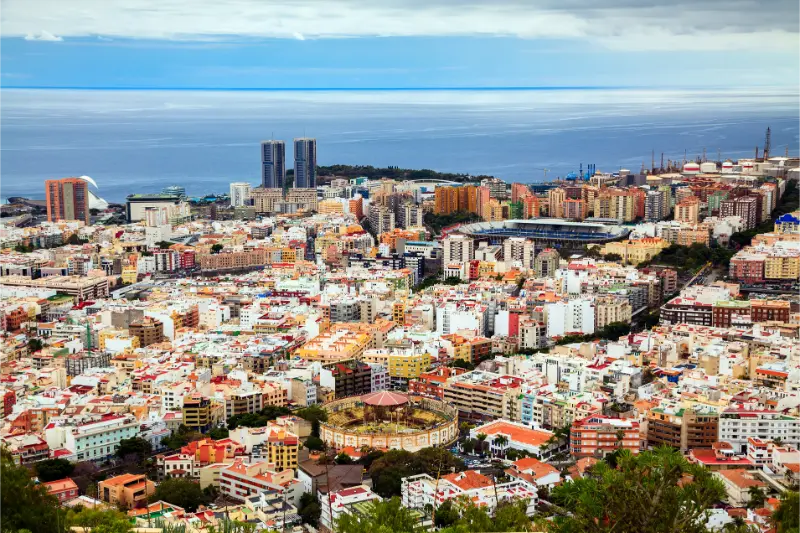
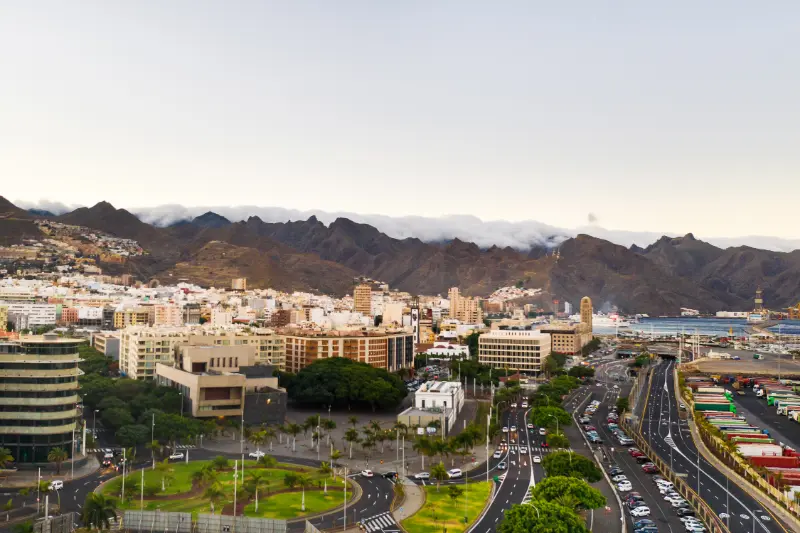
    Aerial View Of Santa Cruz De Tenerife

    The Tenerife road network itself has no general island-wide low-emission system. This article concerns the municipal Santa Cruz ZBE rather than a rule for every road on the island.

    Mistakes I would avoid

    I would not tell a 2026 visitor that the ZBE is already fining normal tourist traffic when the city has explicitly announced an 18-month information period.

    I would not assume that the information phase lasts forever. I recheck before any later trip.

    Useful related guides on My Tenerife Experience

    Useful official resources

    My practical checklist

    • Check the official ZBE page close to travel.
    • Know that 2026 is an information phase under current city guidance.
    • Keep rental-car registration details handy.
    • Plan a central car park before entering.
    • Follow road signs even if a navigation app disagrees.
    • Recheck future enforcement dates for later trips.

    Frequently asked questions

    Is the Santa Cruz ZBE fining drivers in September 2026?

    The city says the definitive regulation enters an 18-month information phase without ZBE restrictions or sanctions.

    Do rental cars need a special permit in 2026?

    Under the current information-phase announcement, ZBE restrictions are not being enforced. Future requirements should be checked on the official city page.

    Does the ZBE cover all of Tenerife?

    No. It is a municipal Santa Cruz de Tenerife measure, not an island-wide low-emission zone.

    Should I avoid Santa Cruz by car?

    Not necessarily. In 2026 the bigger practical issue for many visitors is central parking and congestion rather than ZBE enforcement.

    Final thoughts

    For a 2026 Tenerife trip, I treat the Santa Cruz ZBE as a rule to understand and monitor, not as a current barrier to visiting the city by car. The important habit is checking the official page again when enforcement moves beyond the information phase.

    How I would visit Santa Cruz by car with minimum stress

    I choose the attraction or neighbourhood first, then pick a car park that lets me walk between several stops. I enter that car park directly into navigation before leaving the motorway. This avoids last-minute lane changes and unnecessary loops through one-way streets.

    Auditorio De Tenerife Santa Cruz Coastline

    If traffic is heavy, I consider parking farther out and using the tram or bus for the centre. A hybrid plan can be faster than insisting on parking beside every attraction.

    One more practical point

    I also keep enough time for the return because city traffic at commuting hours can affect the drive back to the south or north.

    How I would apply this on a real Tenerife trip

    The way I would use this advice is to make the decision before it becomes urgent. I would save the relevant documents and official contacts offline, tell any travelling companion what the plan is, and build one realistic fallback into the day. In Tenerife, a short distance on the map can still involve motorway traffic, mountain roads, strong sun or a change of altitude, so I avoid leaving an important medical, transport or administrative question until the final hour. I also keep receipts, confirmations and screenshots together in one folder because the most useful evidence is usually created before a problem occurs, not after it.

    I would also review the plan after the first day rather than treating it as fixed. If the accommodation, weather, transport or my own comfort is different from what I expected, I adjust the remaining itinerary. That might mean moving an outdoor activity to the morning, choosing a different restaurant, using a taxi instead of driving, or contacting an official service earlier. This kind of small correction is more valuable than trying to follow a perfect schedule. The goal is a Tenerife trip that stays practical when real conditions replace assumptions.

    Final practical scenario

    If something still does not go to plan, I would simplify rather than improvise with incomplete information. I would use the official contact listed above, explain the exact situation, note the name or reference number I receive, and make the smallest change that keeps the trip safe and workable. In practice that could mean changing a booking, delaying a drive, choosing a simpler meal, visiting a pharmacy or clinic, or moving one activity to another day. Tenerife gives enough flexibility that one changed plan rarely ruins the holiday, but delaying a necessary decision can turn a small issue into a larger one.

    For longer stays I would repeat the same check halfway through the trip: medication or supplies remaining, transport plans, weather-sensitive bookings and any administrative deadlines. That small review is especially useful when the holiday lasts two weeks or more, because assumptions made before departure may no longer match the reality on the island.
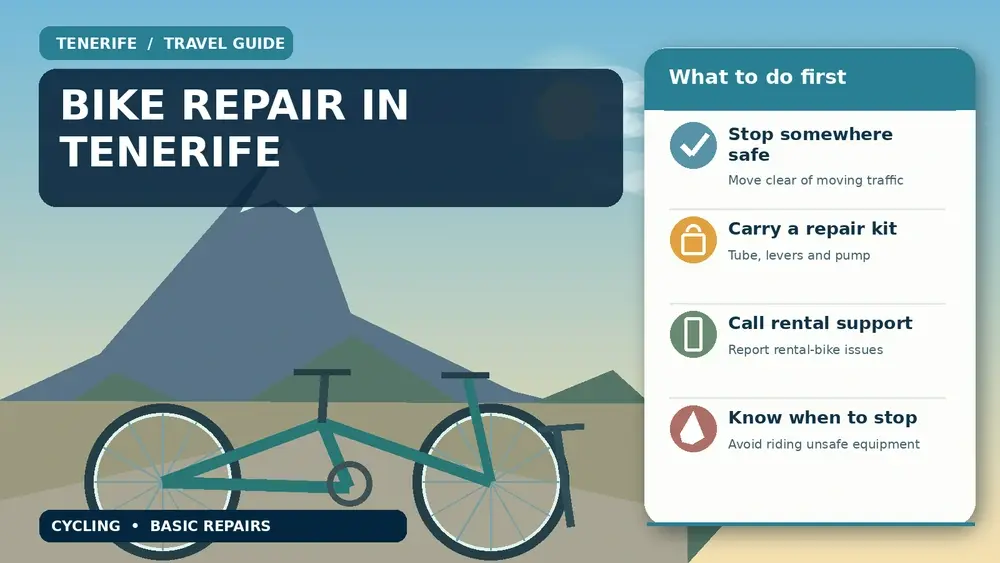
  • Bicycle Repair in Tenerife: Punctures, E-Bikes, Workshop Help and Cycling Breakdowns

    Bicycle Repair in Tenerife: Punctures, E-Bikes, Workshop Help and Cycling Breakdowns

    Quick summary: Tenerife is an outstanding cycling island, but the same climbs and remote roads that make it memorable can turn a small mechanical problem into a long walk. I distinguish between a rental-bike issue, which I report to the rental company first, and a problem on my own bike, which I can take to a local workshop. For road rides I carry the minimum tools I know how to use: tube or tubeless repair, inflation, tyre levers and a small multitool. For e-bikes I add battery planning and avoid opening electrical systems on the roadside. The goal is not to become a mechanic on holiday; it is to solve simple failures and know when to stop riding.

    SituationWhat I would do
    Rental bike punctureI follow the rental company’s instructions and use the supplied repair kit if allowed. For major damage, I call rather than fitting expensive parts without approval.
    Own road bike with flat tyreI repair or replace the tube/tubeless puncture if safe, then inspect the tyre for the cause before inflating fully.
    Broken chain or derailleur issueI move off the road, assess whether a simple roadside fix is within my skills and otherwise arrange pickup or workshop help.
    E-bike motor/battery faultI check simple external connections and display messages but do not dismantle high-voltage components. I contact the rental shop or an e-bike-qualified workshop.
    Mechanical failure on a remote climbI focus on location, phone battery, water and safe pickup. Walking a bike for kilometres on a steep shoulder can be worse than waiting for help.

    Why Tenerife needs a repair plan

    Popular cycling routes can climb from resort areas toward Teide, cross exposed ridges or pass through rural zones with long gaps between workshops. A puncture near a town is easy; the same puncture late in a high-altitude ride can become a temperature, hydration and daylight problem. I plan for where the route goes, not only its distance.

    I save the rental shop number and my accommodation contact before leaving. On my own bike, I also note the nearest practical town along the route. Mobile coverage is generally good but not uniform in mountains, so I do not make a single app my only rescue plan.

    • Carry enough water and one extra layer on high routes, even when the coast is warm.
    • Start long climbs with a charged phone and, for e-bikes, realistic battery reserve.
    • Tell someone the broad route when riding alone.
    • Know whether the rental company offers roadside pickup, mobile assistance or only workshop service.

    The puncture kit I actually carry

    For a tubed setup I carry at least one compatible tube, tyre levers and a reliable pump or inflator. For tubeless tyres I add plugs appropriate to the system and still consider a backup tube for damage that sealant cannot close. A repair kit is useless if the valve length, tube size or pump head does not match the bike.

    I practice at home before the trip. Tenerife is not the place to discover for the first time that I cannot remove a tight tyre bead or reinstall a thru-axle correctly. When renting, I ask what the shop supplies and what it expects me to do after a puncture.

    • Tube or tubeless repair compatible with the exact wheel and tyre setup.
    • Pump or inflator that fits the valve type, plus enough cartridges if relying on CO2.
    • Small multitool with the fasteners used on the bike.
    • A boot or robust temporary tyre patch for a cut casing, plus gloves or wipes for messy repairs.

    Rental-bike mechanical problems

    A rental bike is not my equipment to modify freely. If gears skip, brakes rub badly, a wheel develops play or an electronic system shows an error, I contact the shop. Good rental companies would rather solve a developing fault than receive a damaged bike after I continue riding it.

    I photograph visible damage when I notice it and explain whether the problem appeared gradually or after an impact. If I crash, I prioritise health and safety before the bicycle. I do not conceal damage and hope the shop will miss it; clear reporting usually makes the return process easier.

    • Ask at pickup what roadside repairs I am expected or allowed to perform.
    • Keep the rental agreement and emergency number on the phone.
    • Do not swap expensive components or tyres without authorisation.
    • Report brake, steering or wheel faults immediately because they can become safety-critical on long descents.

    E-bike problems in Tenerife

    E-bikes add range and open steep routes to more riders, but they also add electronics, heavier wheels and battery constraints. I treat the battery percentage as part of route planning, especially on sustained climbing. A display estimate can change dramatically when gradients increase, headwind strengthens or assistance mode stays high.

    If an error appears, I check the obvious external points the manufacturer allows: battery seating, visible connectors, display messages and whether the system restarts normally. I do not open battery packs, motors or sealed electronics. A specialist workshop or the rental company should handle those systems.

    • Start with a fully charged battery and the correct charger if the trip is multi-day.
    • Do not expose removable battery contacts to sand or water while troubleshooting.
    • Remember that a heavy e-bike may be difficult to push uphill if the motor stops.
    • Tell a pickup service that the bicycle is electric and give approximate weight/size if transport equipment matters.

    Finding a workshop and explaining the fault

    Cycling-focused towns and resort areas have bike shops, but stock is not unlimited. A rare tyre size, proprietary derailleur hanger or unusual e-bike component may need ordering. I bring a small critical spare when travelling with a high-end or unusual bike, especially a derailleur hanger that is specific to the frame.

    At the workshop I explain the symptom rather than diagnosing aggressively: “the chain skips under load in these gears” is more useful than insisting that a cassette must be replaced. I ask for an estimate and timeframe, particularly if I have a flight or event approaching.

    • Know tyre dimensions, axle standard and drivetrain speed before looking for parts.
    • Bring or photograph the exact e-bike error code.
    • Ask whether same-day service is realistic rather than assuming holiday urgency moves the queue.
    • Keep removed specialty parts if they are yours and may be needed for warranty evidence.

    Breakdowns on climbs and descents

    Mechanical judgement matters most on Tenerife’s long descents. A marginal brake, loose wheel or damaged tyre may feel tolerable at walking speed but become dangerous at 50 km/h. I do not “test it on the way down” if the safety of the bike is uncertain. I arrange pickup or descend only after a competent repair.

    On a remote roadside I move myself and the bicycle away from traffic where possible. I use a map pin plus road name/direction to describe the location. If the problem coincides with injury, severe weather or another genuine emergency, the human situation takes priority over recovering the bike.

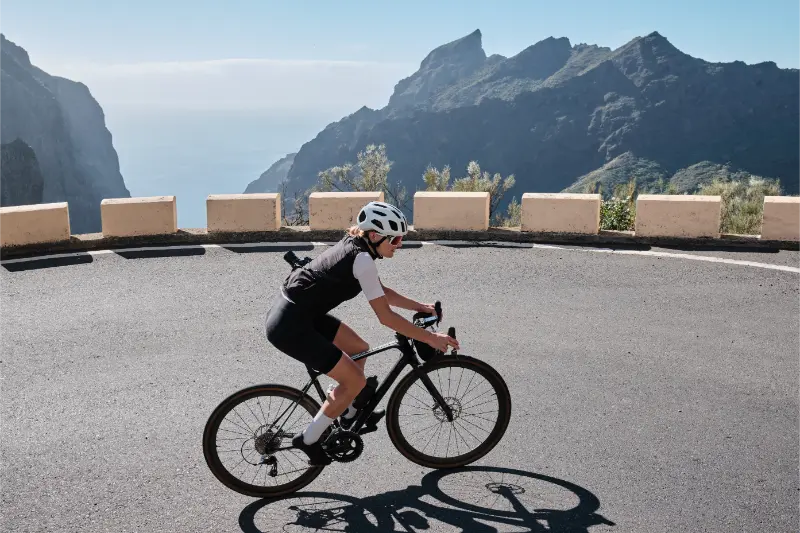
    A road cyclist riding past a viewpoint on a winding mountain road
    • Do not continue a descent with uncertain brakes or a compromised tyre sidewall.
    • Move off blind bends and narrow carriageways before starting repairs.
    • Protect phone battery while waiting; constant screen use can waste the resource needed for pickup calls.
    • Carry some cash/card flexibility in case a taxi or transport solution is needed and allowed for the bike.

    Useful related guides on My Tenerife Experience

    Useful official resources

    My final checklist

    • Save the rental shop or workshop number before a long ride.
    • Carry a tube/tubeless solution that actually matches the bike.
    • Carry working inflation equipment, not only repair patches.
    • Start high routes with water, a layer and enough phone battery for a delayed return.
    • Stop riding if brakes, wheel retention or tyre sidewalls are unsafe.
    • For e-bikes, protect battery reserve and do not dismantle sealed electrical systems.
    • Bring a frame-specific derailleur hanger if travelling with an unusual personal bike.
    • Describe the fault and ask for an estimate before authorising major workshop work.

    Frequently asked questions

    Are bicycle repair shops easy to find in Tenerife?

    There are bike shops and workshops in the main cycling and population areas, but not on every mountain road. I solve this by carrying basic puncture tools and having a pickup/contact plan for faults I cannot repair.

    Should I repair a rental bike myself?

    Only within the rental company’s instructions. Basic puncture repair may be expected, while brake, drivetrain, wheel or electronic work should normally be reported to the provider first. I avoid unauthorised parts replacement.

    What spare is most useful for my own bike?

    Beyond puncture supplies, a derailleur hanger specific to the frame can be valuable because workshops may not stock every proprietary shape. The exact best spare depends on the bike and trip.

    Cycling Around Tenerife

    Can I ride an e-bike home if the battery dies?

    Most e-bikes can still be pedalled, but they are heavier and climbing can become extremely hard. I do not plan a remote route on the assumption that an empty battery will be an easy inconvenience.

    Final thoughts

    A Tenerife cycling repair plan is really a return-home plan. I carry the small items that solve common punctures, know who to call for everything else and refuse to ride a mechanically unsafe bike down a long descent. That approach keeps tools and spares proportional to the holiday while still respecting the island’s steep, exposed and sometimes remote riding environment.

  • Erasmus & Student Life in Tenerife: University of La Laguna, Housing, Transport and Budget

    Erasmus & Student Life in Tenerife: University of La Laguna, Housing, Transport and Budget

    Quick summary: For an Erasmus semester in Tenerife, I would base the plan around the University of La Laguna rather than around the beach resorts. ULL says incoming Erasmus students must be officially nominated through a valid bilateral agreement, and its current guidance states that Spanish is the usual language of instruction with a B1 Spanish requirement for incoming students. Housing, tram access and everyday costs matter far more over five months than a resort sea view.

    Main universityUniversidad de La Laguna (ULL)
    Incoming routeNomination through home institution and bilateral agreement
    LanguageULL currently lists B1 Spanish for incoming students
    Best base principleLive near campus/tram, visit resorts at weekends

    Start with the official nomination process

    An Erasmus exchange is not something I arrange by simply turning up in Tenerife and enrolling. ULL requires nomination by the home university under an active agreement for the relevant study level and field.

    I follow the ULL International Relations instructions and deadlines exactly, because academic paperwork is less flexible than holiday planning.

    Spanish matters

    ULL states that Spanish is the normal language of instruction and that university services are primarily offered in Spanish. Its incoming guidance currently lists B1 CEFR Spanish and identifies accepted proof routes.

    Even if some classes are in English, Spanish makes housing, healthcare, shopping, group projects and everyday life much easier. I treat language preparation as part of the mobility experience, not an administrative obstacle.

    Where students live

    La Laguna is the natural centre because campuses, student life and tram links concentrate there. Areas along tram Line 1 can also work because Santa Cruz and La Laguna are connected without needing a car.

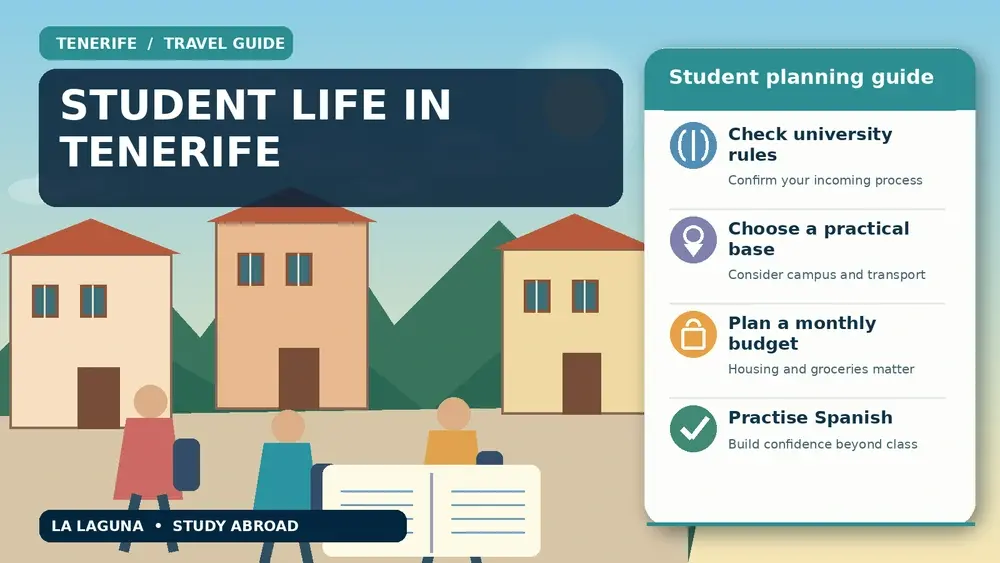
    Illustrated guide: Erasmus & Student Life in Tenerife, with practical visitor tips
    Illustrated guide: Erasmus & Student Life in Tenerife.

    I compare walking time to my actual faculty, not to “ULL” as one map pin. The university has multiple facilities, and a cheap room can create a long daily commute if I choose by city name alone.

    Housing and scams

    ULL notes that its Erasmus Office does not arrange private accommodation. I therefore use university guidance, reputable platforms and local viewing where possible, and I never send a large deposit only because a social-media listing claims demand is urgent.

    I ask what is included in rent, how utilities are calculated, whether the room can be registered as needed, and what happens to the deposit at the end of the stay.

    Transport without a car

    The Santa Cruz–La Laguna tram is one of the biggest advantages of student life in the metropolitan area. TITSA buses then connect the rest of the island. A rental car is useful for occasional exploration but unnecessary for many students day to day.

    I learn the ten+ ticket/card system early and keep enough balance for late classes or unexpected trips. For weekend hikes I check the return bus before starting the trail.

    Budget reality

    Student costs are driven by housing first, then groceries, transport and social life. Resort restaurants and tourist bars can distort the idea of “Tenerife prices,” while supermarkets, campus cafeterias and local menus can be much cheaper.

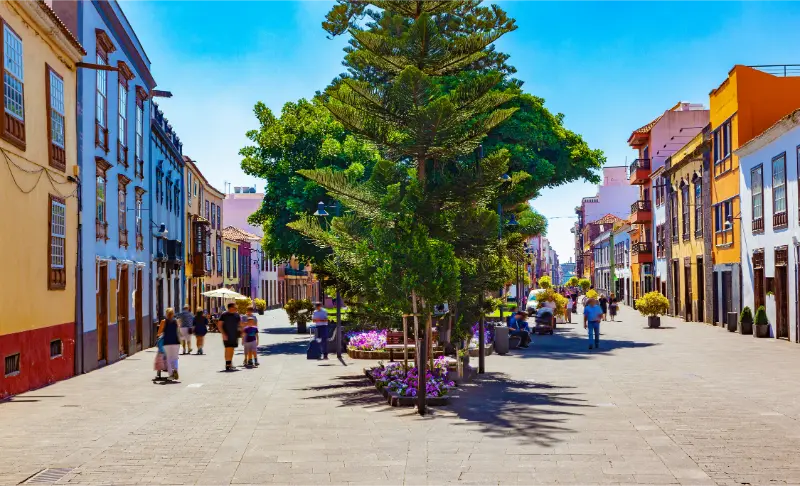
    La Laguna Pedestrian Street Tenerife

    I keep a separate weekend-travel budget for ferries, Teide tours or occasional car hire rather than letting island exploration eat the monthly rent money.

    Arrival week

    ULL recommends incoming students arrive before studies begin and provides registration instructions after admission. I use the first week to sort SIM/data, transport, supermarket, pharmacy, campus route and basic paperwork before trying to see the whole island.

    A Welcome Day or mobility event is also one of the easiest ways to meet people beyond a private WhatsApp group.

    Map the faculty before renting

    I use the exact building where most of my classes take place, then calculate walking and tram time from each room listing.

    Keep tourism for weekends

    Living in La Laguna gives a real student routine while buses, ferries and occasional car hire still open the beaches and national parks when classes finish.

    How I would use this guide on a real Tenerife trip

    I treat tenerife erasmus student life as one practical layer of the trip, not something that should dominate the holiday. I check the facts that can cause a real problem—rules, opening hours, transport, access, documentation or food requirements—and then keep the rest flexible. Tenerife changes quickly between the south coast, the metropolitan area, the green north and the high mountains, so location and timing often matter more than adding another attraction.

    Aerial View Of La Laguna Tenerife

    I save the most important booking references and official links offline. Mobile coverage is generally easy to arrange, but the moment I most need a detail is often when I am at an airport counter, ferry terminal, hotel reception or remote viewpoint. A screenshot, a small time buffer and one realistic backup plan are simple habits that make the island much easier.

    Useful related guides on My Tenerife Experience

    Where I would stay

    I choose a base according to the hardest part of the itinerary. Costa Adeje and Los Cristianos are convenient for resort services and the south airport, Puerto de la Cruz works well for the greener north, while Santa Cruz and La Laguna are useful for city life, university services and public transport. I compare accommodation in Tenerife and then read the newest reviews for details that matter to this specific trip rather than relying only on the headline score.

    Official information to recheck

    Frequently asked questions

    Do I need Spanish for Erasmus at ULL?

    ULL currently lists B1 Spanish for incoming students and says Spanish is the usual language of instruction.

    Does ULL find a private flat for Erasmus students?

    ULL states that the Erasmus Office does not arrange private accommodation.

    Should I live in Costa Adeje?

    For a ULL semester I would usually prioritise La Laguna or the tram corridor; the south is better as a weekend destination than a daily commute.

    Final thoughts

    Tenerife can be an exceptional Erasmus destination when I build life around the university first and the holiday island second. Good housing, Spanish confidence and a simple tram commute create more freedom to explore every weekend.

    Practical planning checkpoint 1

    Before I lock this part of the trip in, I check the exact date, municipality and provider rather than relying on a screenshot from months earlier. Tenerife is compact, but weather, transport frequency, business hours and service availability can differ sharply between the north, south, metropolitan area and high mountains. I keep one backup in the same part of the island so a small change does not force a cross-island detour.

    San Cristobal De La Laguna Historic Center Tenerife

    I also check how this topic interacts with the rest of the day. An early flight changes the hotel choice; a food restriction changes the value of a supermarket nearby; a ferry connection changes how much time I leave before a flight; a flower or wildlife trip changes what I pack. Good Tenerife planning is usually about connecting these small practical decisions rather than adding more stops.

    Practical planning checkpoint 2

    Before I lock this part of the trip in, I check the exact date, municipality and provider rather than relying on a screenshot from months earlier. Tenerife is compact, but weather, transport frequency, business hours and service availability can differ sharply between the north, south, metropolitan area and high mountains. I keep one backup in the same part of the island so a small change does not force a cross-island detour.

    I also check how this topic interacts with the rest of the day. An early flight changes the hotel choice; a food restriction changes the value of a supermarket nearby; a ferry connection changes how much time I leave before a flight; a flower or wildlife trip changes what I pack. Good Tenerife planning is usually about connecting these small practical decisions rather than adding more stops.

    Practical planning checkpoint 3

    Before I lock this part of the trip in, I check the exact date, municipality and provider rather than relying on a screenshot from months earlier. Tenerife is compact, but weather, transport frequency, business hours and service availability can differ sharply between the north, south, metropolitan area and high mountains. I keep one backup in the same part of the island so a small change does not force a cross-island detour.

    I also check how this topic interacts with the rest of the day. An early flight changes the hotel choice; a food restriction changes the value of a supermarket nearby; a ferry connection changes how much time I leave before a flight; a flower or wildlife trip changes what I pack. Good Tenerife planning is usually about connecting these small practical decisions rather than adding more stops.

    Practical planning checkpoint 4

    Before I lock this part of the trip in, I check the exact date, municipality and provider rather than relying on a screenshot from months earlier. Tenerife is compact, but weather, transport frequency, business hours and service availability can differ sharply between the north, south, metropolitan area and high mountains. I keep one backup in the same part of the island so a small change does not force a cross-island detour.

    I also check how this topic interacts with the rest of the day. An early flight changes the hotel choice; a food restriction changes the value of a supermarket nearby; a ferry connection changes how much time I leave before a flight; a flower or wildlife trip changes what I pack. Good Tenerife planning is usually about connecting these small practical decisions rather than adding more stops.

  • Santa Cruz de Tenerife Ferry Port Guide: Terminals, Transport, Parking and Connections

    Santa Cruz de Tenerife Ferry Port Guide: Terminals, Transport, Parking and Connections

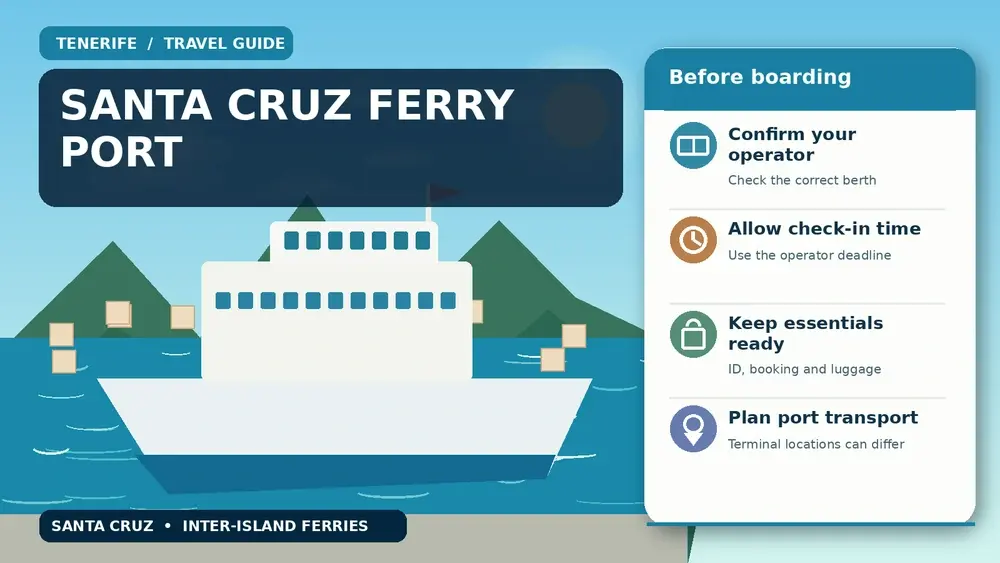
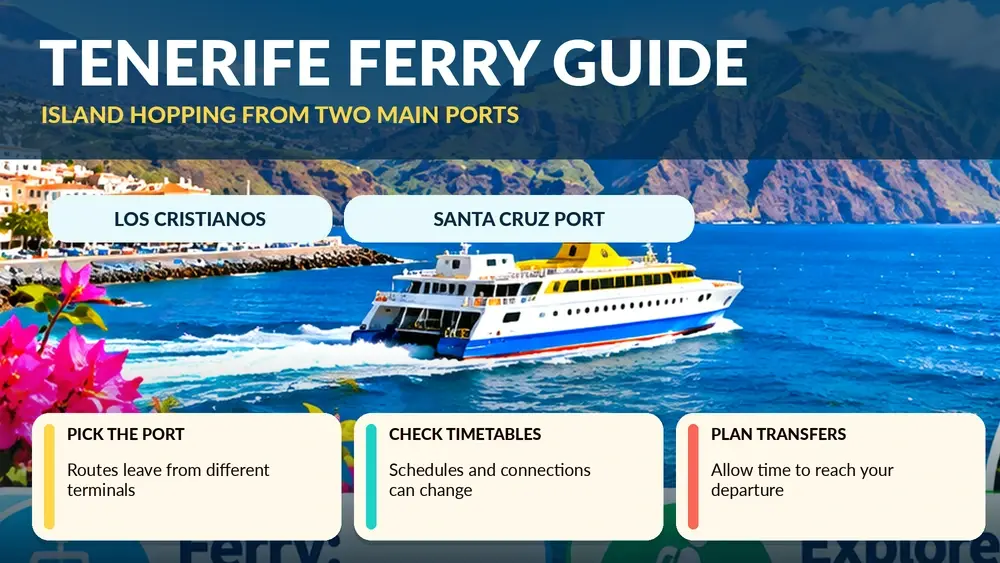
    Quick summary: Santa Cruz is Tenerife’s major capital-city port and an important ferry gateway, especially for connections involving Gran Canaria and inter-island networks. Unlike Los Cristianos, the port is spread along a large waterfront, so I check the operator, quay and access instructions before travelling. “Port of Santa Cruz” is not one tiny terminal door.

    Best forMajor inter-island connections and capital-city access
    City centreClose, but the exact ferry berth can still require a walk or shuttle
    TransportTaxi, TITSA, tram/bus connections in the city, vehicle access
    Key ruleConfirm operator, terminal/quay and boarding deadline

    Understanding the port layout

    Santa Cruz de Tenerife has a long working waterfront used by ferries, cruise ships, cargo and other traffic. I do not navigate simply to “Puerto de Santa Cruz” and hope to see my ship. I open the operator’s terminal instructions and enter the specific access point. Fred. Olsen identifies its Muelle Ribera terminal and gives separate road and pedestrian directions.

    The waterfront is close to central Santa Cruz, but “close” is relative when luggage, fencing, port security and large quays are involved. If I arrive by taxi, I show the ferry company and sailing rather than only saying “the port.” That reduces the risk of being dropped at a cruise terminal or another entrance.

    Which routes use Santa Cruz?

    Santa Cruz is central to Tenerife’s connections with Gran Canaria and can be part of wider inter-island itineraries. Routes, frequencies and vessel ports can change, so I search by exact date. Some western-island services are more naturally associated with Los Cristianos. The simplest rule is never to assume that every Tenerife ferry leaves from the same harbour.

    If I am building an island-hopping holiday, I check the port before booking the hotel and again before departure. A same-day connection that looks easy on a ferry search engine can become awkward if the first ship arrives in Los Cristianos and the second leaves from Santa Cruz.

    Foot passengers and luggage

    For foot passengers, I arrive early enough to locate the check-in area without stress. Fred. Olsen lists trolleys and a small luggage transport service at its Santa Cruz operation, but I still follow the specific fare and ticket conditions. Valuables, medication, travel documents and batteries stay with me.

    A small wheeled case is easier on the city-port transition than multiple loose bags. If I have several hours before check-in, I use a planned luggage-storage option rather than dragging cases through Santa Cruz. This is especially useful if I want to visit the market, TEA or the old centre before an afternoon sailing.

    Arriving by car

    Drivers approach the port from the city’s seafront road network and then follow operator signage. The exact entrance matters because the port perimeter is large. I add a margin for urban traffic and do not schedule refuelling after the advertised vehicle check-in cut-off. If the car is rented, I check ferry permission before the day of travel.

    Aerial View Of Santa Cruz De Tenerife

    Vehicle boarding is usually organised in staging lanes. I keep the booking accessible on my phone and, when possible, offline. Once on board, I remove the things I need during the crossing because access to the vehicle deck may be restricted.

    From the city centre to the ferry

    Santa Cruz is one of the few places in Tenerife where a ferry departure can pair naturally with a city stay. Taxis are the simplest option with luggage. Public transport can bring me into the metropolitan hub, but I still check the final walking route to the specific terminal. The tram is excellent for moving between Santa Cruz and La Laguna, but it does not replace the final port access step.

    If my hotel is central, I ask reception for the realistic taxi time to the operator’s terminal rather than measuring the straight-line distance. Port roads and security entrances can make a short map distance feel longer.

    Connections between Santa Cruz and Los Cristianos

    Fred. Olsen lists a complimentary ferry bus linking Santa Cruz and Los Cristianos for passengers on certain western-island services. I treat this as an operator connection, not a general free public bus. Eligibility, meeting point and timetable should be confirmed on the booking.

    Without an operator shuttle, the road journey between the two ports is substantial enough that I allow a generous margin. A traffic problem on TF-1 can break a tight connection. If two separate tickets are involved, I plan even more conservatively because the second carrier may not protect a missed connection.

    Parking and overnight strategy

    For a car that is not boarding the ferry, I check official or commercial parking close to the port and read the access hours. I avoid leaving a vehicle in an apparently convenient street space for several days without confirming signs and restrictions. In central Santa Cruz, a paid garage can be worth the predictability.

    For an early sailing, a city-centre night works well because restaurants and services are close. For a late arrival, I avoid stacking a long cross-island drive after the ferry if I know I will be tired. Tenerife’s roads are good, but fatigue is a poor way to begin or end an island-hopping leg.

    How I would build this into a real Tenerife trip

    I treat Santa Cruz Tenerife ferry port as one layer of the holiday rather than a reason to over-plan every hour. My usual method is to identify the one decision that could create a genuine problem—missing a ferry, choosing an unsuitable room, arriving after the last bus, or assuming a service exists at a beach—and verify that point first. Everything else can stay flexible. Tenerife is easy to enjoy when the important logistics are checked early and the day still has enough breathing room for weather, traffic and spontaneous stops.

    Auditorio De Tenerife Santa Cruz Coastline

    I also keep geography in mind. Tenerife may look compact on a map, but the TF-1, TF-5, mountain roads and the separation between the north, south and metropolitan area can turn a small planning error into a long detour. I group activities by area, avoid crossing the island unnecessarily, and leave a buffer around anything with a fixed departure or appointment. That same habit improves almost every trip, whether I am driving, using TITSA buses, catching a ferry or arranging an accessible transfer.

    Useful related guides on My Tenerife Experience

    Where I would stay

    I choose accommodation according to the hardest part of the itinerary, not simply the lowest nightly rate. For an early ferry I value a walkable or short-taxi location; for a no-car stay I prioritise bus connections; for accessibility I verify the exact route from the room to the entrance, restaurant and pool; and for a road trip I care more about straightforward parking than a postcard address. I compare places to stay in Tenerife and then read the most recent reviews for details that matter to my specific trip.

    Official information I would recheck before travelling

    Frequently asked questions

    Is Santa Cruz ferry port walkable from the centre?

    Parts of the port are close to central Santa Cruz, but the exact berth and secured access route matter. With luggage, a taxi can be easier.

    Is Santa Cruz the same port as Los Cristianos?

    No. They are separate ports on different parts of Tenerife.

    Should I book accommodation near the port for an early ferry?

    It can reduce stress, especially when the alternative is a long pre-dawn drive from the south or north.

    Final thoughts

    Santa Cruz ferry travel becomes much easier when I plan for the exact terminal instead of treating the whole waterfront as one small passenger station. My preference is to use official information for rules, timetables and safety-critical details, then use the rest of the day for the part of Tenerife I actually came to experience. A practical guide should reduce friction, not make the island feel complicated.

    Panoramic View Of Santa Cruz De Tenerife

    Extra practical note 1

    Confirm the exact quay because Santa Cruz is a large working port. I treat this as a small decision with a large payoff. Tenerife trips often combine airports, coast, cities and mountain roads in a single week, so a detail that seems minor at home can become important when plans are linked together. I verify the current rule or service, keep a realistic time buffer and avoid assuming that every municipality, operator or hotel works in exactly the same way. This approach gives me flexibility without turning the holiday into administration.

    I also think about the return journey. What is easy on arrival can be different when I am tired, carrying purchases, travelling after dark or working around a fixed flight or ferry. A short note saved on my phone—address, booking reference, official link or opening time—usually does more for the trip than a long list of generic tips. When circumstances change, I choose the simpler option and protect the part of the day that matters most.

    Extra practical note 2

    Use a taxi when luggage makes the pedestrian route awkward. I treat this as a small decision with a large payoff. Tenerife trips often combine airports, coast, cities and mountain roads in a single week, so a detail that seems minor at home can become important when plans are linked together. I verify the current rule or service, keep a realistic time buffer and avoid assuming that every municipality, operator or hotel works in exactly the same way. This approach gives me flexibility without turning the holiday into administration.

    I also think about the return journey. What is easy on arrival can be different when I am tired, carrying purchases, travelling after dark or working around a fixed flight or ferry. A short note saved on my phone—address, booking reference, official link or opening time—usually does more for the trip than a long list of generic tips. When circumstances change, I choose the simpler option and protect the part of the day that matters most.

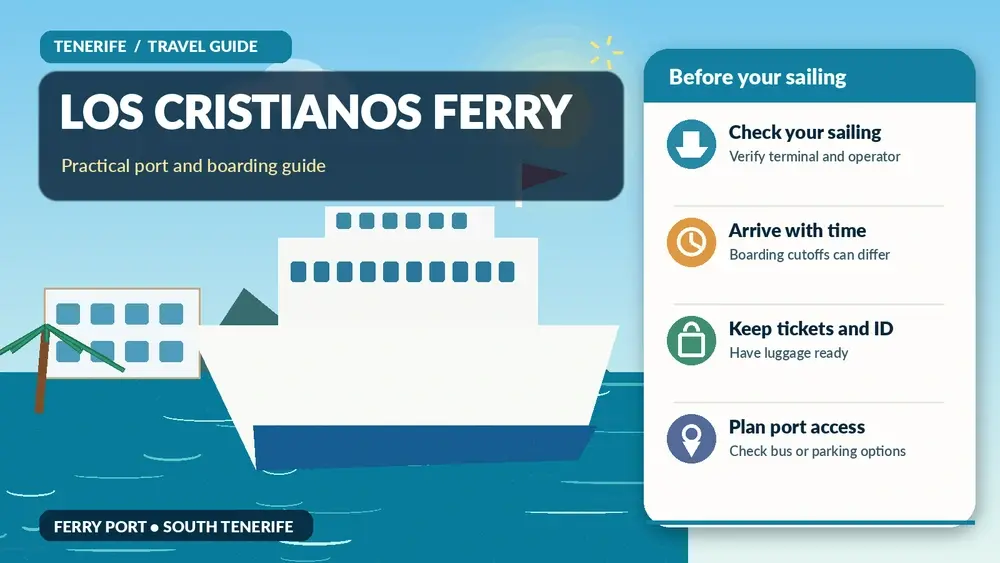
  • Los Cristianos Ferry Port Guide: Check-In, Parking, Buses, Luggage and Island Routes

    Los Cristianos Ferry Port Guide: Check-In, Parking, Buses, Luggage and Island Routes

    Quick summary: Los Cristianos is Tenerife’s key ferry gateway to La Gomera, La Palma and El Hierro. The port sits directly beside the resort centre, but the main bus station is not on the quay, vehicle boarding has earlier cut-offs than foot-passenger boarding, and busy sailing periods can make the access roads feel much tighter than the map suggests. I arrive with my ticket, ID and luggage plan already sorted.

    Main island routesLa Gomera, La Palma, El Hierro
    Nearest major airportTenerife South (TFS)
    Foot passengerAllow time to walk from bus/taxi drop-off to the correct operator area
    Vehicle passengerFollow operator check-in cut-offs; arrive earlier than pedestrians

    Why Los Cristianos matters for island hopping

    For the western Canary Islands, Los Cristianos is one of the most useful transport hubs in Tenerife. Fast ferries connect it with San Sebastián de La Gomera, Santa Cruz de La Palma and Valverde in El Hierro. Fred. Olsen currently publishes approximate crossing times of about 50 minutes to La Gomera, 150 minutes to La Palma and 140 minutes to El Hierro, although schedules and vessel assignments can change.

    The port’s biggest advantage is its location inside a major resort area. If I stay in Los Cristianos, I can often walk or take a very short taxi rather than building an airport-style transfer around the ferry. The disadvantage is that the surrounding streets can be busy, especially when ferry traffic, resort traffic and beach visitors converge.

    Foot-passenger check-in

    I save the ticket offline and keep the identification required by the booking easy to reach. Operator rules differ, so I use the cut-off shown on my ticket rather than a generic blog time. Fred. Olsen’s Los Cristianos terminal information currently states that foot-passenger boarding closes 20 minutes before departure unless the ticket says otherwise. I still aim to arrive earlier because finding the correct desk, using the toilet, checking luggage arrangements and walking to the boarding area all take time.

    Los Cristianos Beach Near The Port Tenerife

    If I am coming by TITSA bus, I remember that the main Los Cristianos bus station is around a 15-minute walk from the Fred. Olsen terminal according to the operator. With a suitcase, child or mobility limitation, I would either allow more time or use a taxi for the final section. A “15-minute walk” on a timetable is not the same experience for every traveller.

    Travelling with a car

    Vehicle check-in needs more margin. Fred. Olsen currently states that vehicle boarding closes 40 minutes before departure. I follow the operator’s signs into the pre-boarding area and avoid entering the port on a nearly empty fuel tank or with the rental paperwork unresolved. If the vehicle is hired, I check the rental company’s ferry policy before buying the car ticket.

    Once queued, I keep medicines, valuables, documents and anything I want during the crossing in a small bag that is easy to remove. Vehicle decks may not remain accessible during the voyage. I also photograph where I parked on the ship if the vessel is large; after an unfamiliar crossing, deck numbers are surprisingly easy to forget.

    Luggage at Los Cristianos

    Foot passengers should not assume every operator handles luggage exactly the same way. Fred. Olsen lists luggage racks/trolleys and a left-luggage transport service subject to conditions and availability. Naviera Armas may use its own procedures. I therefore check the ticket for baggage allowances and ask staff where larger cases should go rather than carrying everything blindly toward the passenger lounge.

    For a one-day trip, I travel light. A heavy suitcase turns the walk between the bus station, port and town into unnecessary work. If I am changing islands with full luggage, I protect fragile electronics and documents in my hand bag and label checked or trolley luggage clearly.

    Getting to the port

    From TFS, buses and taxis make Los Cristianos one of the easier ferry ports to reach. Fred. Olsen references TITSA route 40 from Tenerife South Airport and route 112 from Santa Cruz in its terminal directions, but I always check the current TITSA journey planner because line patterns can change. From Costa Adeje and nearby resorts, local buses or taxis are straightforward.

    Illustrated guide: Los Cristianos Ferry Port, with practical visitor tips
    Illustrated guide: Los Cristianos Ferry Port.

    By car, the usual approach is via TF-1 exit 72 and the local streets toward the harbour. I do not leave the final ten minutes to chance: queues near Los Cristianos can build, and the correct lane matters when ferry boarding is closing. For a very early ferry, staying locally the night before can be more relaxing than a long pre-dawn drive.

    Parking and waiting

    The port has parking/pre-boarding areas, but I distinguish between vehicle staging for a ferry and leaving a private car for a multi-day island trip. Long-stay parking availability, restrictions and prices can change, so I verify the current option rather than relying on an old forum recommendation. If I am staying in Los Cristianos, leaving the car at accommodation and walking can be simpler.

    When I arrive early as a foot passenger, the resort centre has cafés and services within walking distance, but I stay close enough that a relaxed coffee does not become a missed sailing. Boarding times are operational deadlines, not suggestions.

    Choosing between Los Cristianos and Santa Cruz ports

    The correct Tenerife port depends on the island and operator. Los Cristianos is particularly important for La Gomera, La Palma and El Hierro. Santa Cruz handles major connections toward Gran Canaria and other routes. I never search only “Tenerife ferry” and assume the first result uses the same port. The ticket must name the departure port clearly.

    Los Cristianos Peninsula Aerial View Tenerife

    This matters even more on a same-day connection: Los Cristianos and Santa Cruz are on different parts of Tenerife. Fred. Olsen offers a ferry bus on certain connecting itineraries, but I only rely on it when my booking confirms eligibility and timing.

    How I would build this into a real Tenerife trip

    I treat Los Cristianos ferry port as one layer of the holiday rather than a reason to over-plan every hour. My usual method is to identify the one decision that could create a genuine problem—missing a ferry, choosing an unsuitable room, arriving after the last bus, or assuming a service exists at a beach—and verify that point first. Everything else can stay flexible. Tenerife is easy to enjoy when the important logistics are checked early and the day still has enough breathing room for weather, traffic and spontaneous stops.

    I also keep geography in mind. Tenerife may look compact on a map, but the TF-1, TF-5, mountain roads and the separation between the north, south and metropolitan area can turn a small planning error into a long detour. I group activities by area, avoid crossing the island unnecessarily, and leave a buffer around anything with a fixed departure or appointment. That same habit improves almost every trip, whether I am driving, using TITSA buses, catching a ferry or arranging an accessible transfer.

    Useful related guides on My Tenerife Experience

    Where I would stay

    I choose accommodation according to the hardest part of the itinerary, not simply the lowest nightly rate. For an early ferry I value a walkable or short-taxi location; for a no-car stay I prioritise bus connections; for accessibility I verify the exact route from the room to the entrance, restaurant and pool; and for a road trip I care more about straightforward parking than a postcard address. I compare places to stay in Tenerife and then read the most recent reviews for details that matter to my specific trip.

    Official information I would recheck before travelling

    Frequently asked questions

    Which islands can I reach from Los Cristianos?

    The main direct ferry links are La Gomera, La Palma and El Hierro, with schedules varying by operator and date.

    How early should I arrive?

    Use your operator’s stated cut-off. Vehicle passengers generally need to be ready earlier than foot passengers.

    Is the bus station inside the port?

    No. The main Los Cristianos bus station is a walk from the ferry terminal, so add time if you have luggage.

    Final thoughts

    Los Cristianos is a convenient port once I treat the boarding deadline, bus-to-pier walk and luggage arrangements as part of the journey rather than details to solve at the gate. My preference is to use official information for rules, timetables and safety-critical details, then use the rest of the day for the part of Tenerife I actually came to experience. A practical guide should reduce friction, not make the island feel complicated.

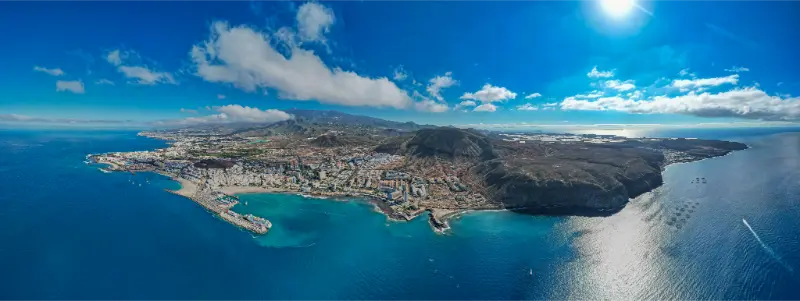
    Los Cristianos Tenerife Aerial View

    Extra practical note 1

    Check whether the ticket is through-booked or two separate reservations. I treat this as a small decision with a large payoff. Tenerife trips often combine airports, coast, cities and mountain roads in a single week, so a detail that seems minor at home can become important when plans are linked together. I verify the current rule or service, keep a realistic time buffer and avoid assuming that every municipality, operator or hotel works in exactly the same way. This approach gives me flexibility without turning the holiday into administration.

    I also think about the return journey. What is easy on arrival can be different when I am tired, carrying purchases, travelling after dark or working around a fixed flight or ferry. A short note saved on my phone—address, booking reference, official link or opening time—usually does more for the trip than a long list of generic tips. When circumstances change, I choose the simpler option and protect the part of the day that matters most.

  • Tenerife Car Rental Insurance Guide: Excess, Deposits, CDW and Damage Checks

    Tenerife Car Rental Insurance Guide: Excess, Deposits, CDW and Damage Checks

    Tenerife car rental insurance is a practical Tenerife topic that can save time, money or stress when the details are understood before the trip. The headline daily rate is only part of the real car-hire decision. I pay just as much attention to the excess, deposit, card rules, excluded damage and what happens if the car is returned outside office hours.

    I treat insurance as a contract question rather than a sales-counter question. The cheapest-looking booking can become expensive if the excess is high or the payment card does not meet the supplier conditions, while a more expensive rate may be easier to live with if it reduces financial exposure and paperwork.

    At a glance

    Main termsCDW/LDW, excess or deductible, deposit, exclusions and optional excess-reduction cover
    Card issueMany suppliers require a qualifying card in the main driver’s name; check the exact contract
    Collection habitPhotograph and video the entire vehicle, wheels, glass and fuel level before leaving
    Return habitKeep fuel receipts, photos and final paperwork until the deposit is released

    What I would know before the trip

    • Basic collision cover does not necessarily mean zero excess.
    • Tyres, wheels, glass, underside, keys and interior damage may be excluded from standard cover.
    • A third-party excess-reimbursement policy can work differently from the rental company’s own zero-excess product.
    • The deposit and the insurance excess are related but not identical concepts.
    • Do not rely on a comparison-site summary when the supplier terms say something different.

    Official sources I would save: European Consumer Centre Spain car-rental guidance.

    CDW, excess and deposit: the three numbers I separate

    Collision Damage Waiver usually limits liability for certain damage rather than eliminating it. The excess is the amount I may remain responsible for under the contract, while the deposit is the amount or card authorisation the supplier may hold during the rental. I read all three separately because a low deposit does not automatically mean low liability.

    If a quote says “fully insured”, I still open the conditions. Marketing labels are not a substitute for the contract. I want to know the maximum liability, what situations void cover and whether a police report or supplier approval is required after an incident.

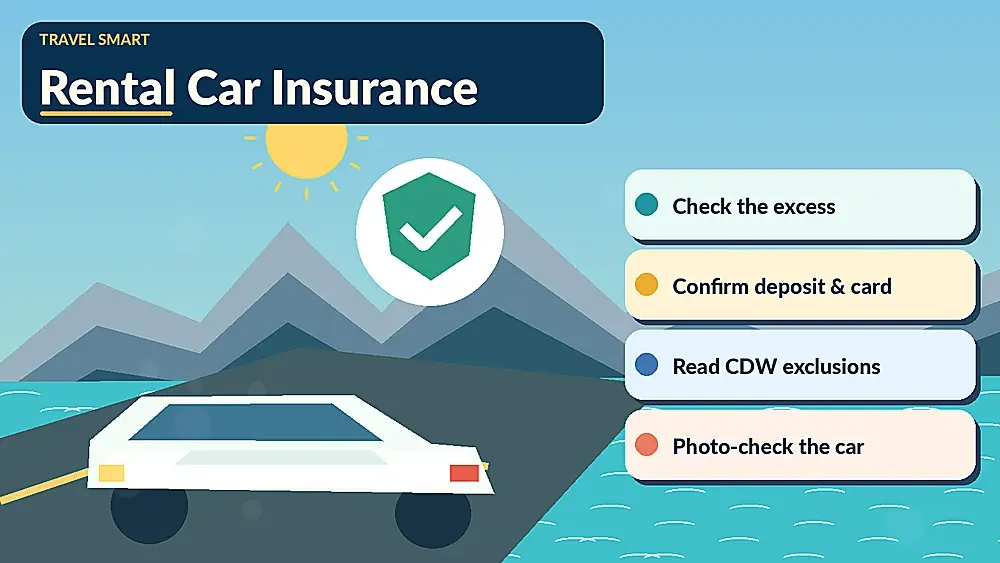
    Illustrated guide: Tenerife Car Rental Insurance, with practical visitor tips
    Illustrated guide: Tenerife Car Rental Insurance.

    Rental-company cover versus reimbursement insurance

    When I buy the rental company’s own excess-reduction package, the practical advantage is often simpler handling at the desk and after a covered claim. A separate reimbursement policy may be cheaper, but I may still need to pay the rental company first and claim the money back later.

    Neither model is automatically better. I compare the price, exclusions, claims process, documentation required and how comfortable I would be carrying a large temporary card charge.

    The exclusions I look for first

    I search the conditions for tyres, wheels, windscreen, mirrors, roof, underside, clutch, lost keys, wrong fuel, towing, negligent driving and unpaved-road restrictions. Tenerife has steep roads, tight parking spaces and volcanic landscapes, so these exclusions are not theoretical details.

    I also check whether driving on roads the contract classifies as unsuitable can invalidate cover. A viewpoint road that appears on a map is not automatically permitted by every rental agreement.

    Card, deposit and main-driver rules

    The European Consumer Centre in Spain specifically advises checking whether a credit or debit card is accepted and notes that a credit card in the driver’s name is commonly required at collection. I verify this before paying for the flight, not when standing at the airport desk.

    I also make sure the card has enough available limit for the deposit. A perfectly valid booking can become complicated if the card cannot support the pre-authorisation.

    My collection inspection

    Before moving the car I photograph every side, the roof where possible, bumpers, wheels, tyres, windscreen and interior. I take one slow video walk-around and make sure existing marks are recorded on the condition report.

    I confirm the fuel policy, kilometre allowance, emergency number and return location. If a warning light is already showing, I ask for it to be documented rather than assuming it is normal.

    Returning the car without creating an avoidable dispute

    I allow enough time for a staffed inspection when possible. I take fresh photos in the return area, including the fuel gauge and mileage, and keep the fuel receipt if the contract requires full-to-full.

    If the return is out of hours, I follow the key-drop instructions exactly and photograph where the car is parked. I keep the contract and images until the deposit is released and the final invoice shows no unexpected charge.

    When I would pay more for simpler cover

    I am more willing to pay for lower excess when the trip includes many driving days, several hotel changes or mountain routes where the car will be used constantly. I am less interested in premium cover when the vehicle will sit in a hotel car park for most of the week.

    Driving Through Teide National Park Tenerife

    The right choice is the one that matches both the financial risk I can absorb and the amount of administrative hassle I am willing to handle after a problem.

    How I would fit this into a real seven-night Tenerife trip

    I would not let tenerife car rental insurance dominate the holiday. I solve the key decisions before departure, then use the information as a safety net while the week remains about beaches, towns, food and landscapes. The first day stays intentionally simple so I can test how transport, accommodation and local routines work in practice.

    By the middle of the trip I have enough local context to make better decisions. I keep the final day light and close to the accommodation or airport route, because practical problems feel larger when there is no time buffer left.

    What I recheck 48 hours before travel

    I recheck only information that can genuinely change: official rules, weather alerts, opening or access status, airline messages, transport timetables and the contact details for anything I have booked. I save essential confirmations offline.

    For legal or safety questions I prefer the responsible authority over a travel forum. Recent reviews are useful for atmosphere and practical detail, but they are not my source for current law.

    What I keep on my phone

    I keep a small offline folder with booking references, insurance details, accommodation address, passport or ID reference information, emergency contacts and screenshots of any permit or assistance confirmation I may need to show. I avoid storing more sensitive data than necessary.

    I also pin the accommodation, airport terminal and one useful nearby service on my map. When something goes wrong, reducing the number of decisions is often more valuable than having a huge list of options.

    A simple budget approach

    I separate unavoidable costs from convenience costs. Insurance choices, transport and limited-access reservations go into the first group; taxis, premium tours and upgraded rooms are decisions I can make based on comfort and value.

    Tenerife still offers many excellent low-cost days—promenades, viewpoints, historic streets and beaches—so I would rather spend money on removing a real friction point than on an upgrade I will barely notice.

    Who benefits most from planning this before departure

    The travellers who benefit most from understanding tenerife car rental insurance are usually the ones with less flexibility once something changes: families, people with accessibility needs, short-break visitors and anyone using multiple bookings that depend on each other.

    Independent travellers benefit too, because advance clarity lets them stay spontaneous in the parts of the trip that actually can be spontaneous.

    My night-before checklist

    The night before an important travel day I check the first step only: where I need to be, what document or booking I need, how I am getting there and what would make me change the plan. Water, chargers and essential documents are prepared before I sleep.

    If the day starts badly, I drop the least important stop rather than trying to recover every lost minute. Tenerife is much more enjoyable when one delay does not force the rest of the itinerary into a race.

    The common mistake I try to avoid

    The most common mistake is solving the practical detail only after it has become urgent. I would rather spend ten calm minutes checking a rule, booking condition or support service at home than lose an hour of holiday trying to solve the same question under pressure.

    I also avoid copying an old answer simply because it sounds confident. Tenerife changes: access systems, airport procedures, traffic enforcement and attraction rules can be updated. The date and authority behind the information matter.

    Road Through Teide National Park Tenerife

    Useful related guides already on this site

    Tenerife by Car, Driving Licence & Car Hire Requirements, Parking in Tenerife, Car Breakdown or Accident Guide. These pages connect the topic with the wider Tenerife trip without repeating the same planning advice in every article.

    Where accommodation changes the experience

    For this kind of trip I choose the area before the hotel. Walkability, reception hours, parking, transport links and how easy it is to solve a problem can matter more than an extra resort facility. A convenient base often removes several small travel stresses at once.

    For current availability I use Booking.com accommodation in Tenerife, then I verify the exact location, cancellation terms and facilities before paying.

    Bookable activities and tours

    I use an organised activity when it removes a genuine planning problem: transport, specialist access, equipment or local interpretation. I still check the meeting point, cancellation conditions, accessibility and current operating rules before booking.

    Frequently asked questions

    Does CDW mean I cannot be charged for damage?

    No. CDW commonly limits liability but may leave an excess and may exclude certain parts or circumstances.

    Do I need a credit card to hire a car in Tenerife?

    It depends on the supplier, but many companies require a qualifying card in the main driver’s name. Check the exact terms before booking.

    Should I photograph the rental car?

    Yes. Clear time-stamped photos and a video at collection and return can help document the vehicle condition.

    Is third-party excess insurance the same as zero-excess cover from the rental company?

    No. A reimbursement policy may require you to pay the rental company first and make a separate claim.

    My final approach

    I choose Tenerife car hire by total risk, not by the first price on the search screen. Excess, deposit, exclusions and card conditions are part of the price even when they are not included in the headline figure.

    A ten-minute contract check and a thorough collection video are two of the simplest ways I know to make a Tenerife road trip calmer.

  • Tenerife Ocean Safety Guide: Beach Flags, Waves, Currents and Natural Pools

    Tenerife Ocean Safety Guide: Beach Flags, Waves, Currents and Natural Pools

    Tenerife Ocean Safety Guide is a practical topic I would rather understand before the trip than solve under pressure. Tenerife has beaches for almost every kind of traveller, but the Atlantic is not a swimming pool. Conditions can change between one bay and the next, and a calm-looking shoreline can still have surf, currents, slippery lava rock or a strong shore break. I treat the beach flag and the lifeguard as part of the plan, not as background scenery.

    This guide is about making simple decisions before entering the water. The Government of the Canary Islands uses the familiar green, yellow and red beach-flag system, while 112 Canarias regularly reminds residents and visitors to respect coastal alerts, avoid exposed piers and breakwaters during rough seas, and call 112 immediately in an emergency.

    At a glance

    Topic Tenerife ocean safety
    My approach Use official information for rules and safety, then keep a simple backup plan rather than overcomplicating the holiday.
    When to recheck Anything involving alerts, medical guidance, road rules, live infrastructure or beach conditions should be checked again close to the day.
    Emergency number 112 for urgent medical, rescue, fire or security emergencies in the Canary Islands.

    What I would know before the trip

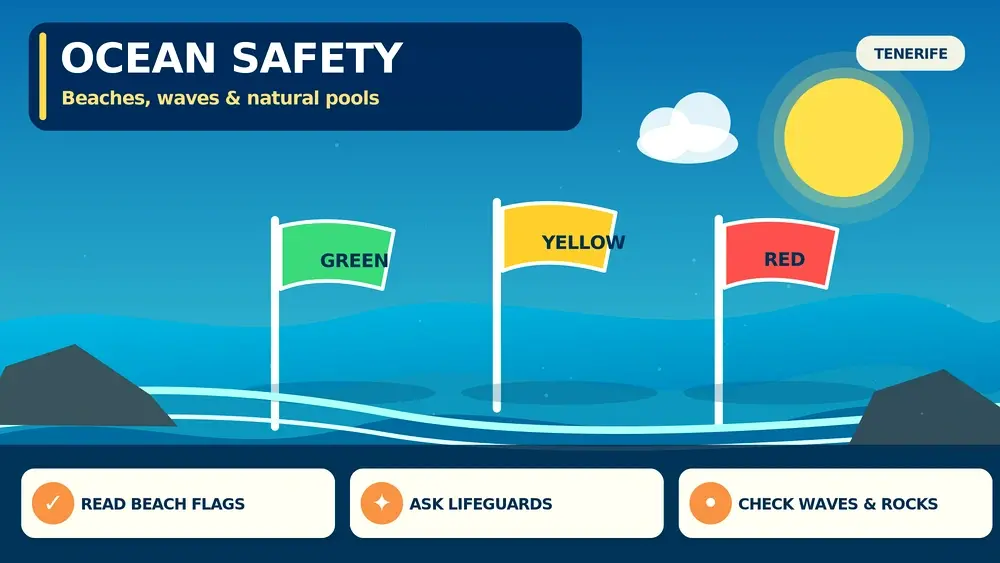
    • 112 Canarias states that a red flag means bathing is prohibited, yellow means caution and green means conditions are considered suitable for bathing.
    • Official Canary Islands emergency advice warns that north-coast beaches can be more exposed to wind, swell and currents than many sheltered southern beaches.
    • During coastal alerts, authorities advise avoiding piers, breakwaters and places where waves can sweep people into the sea.
    • Natural pools can become dangerous when swell overtops walls or lava shelves even if the water inside looked calm a few minutes earlier.
    • In any serious coastal emergency in Tenerife, 112 is the single emergency number for rescue, medical and security coordination.

    Official sources I would save: 112 Canarias sea-safety advice · 112 Canarias coastal alerts.

    How I read beach flags before swimming

    I look for the flag before I choose where to put the towel. A green flag does not mean there is zero risk; it means current conditions are considered suitable for bathing. Yellow tells me to reduce ambition, stay where I can stand or swim comfortably, and pay closer attention to the lifeguard. Red is simple: I do not enter the water.

    I also notice whether the flag has changed during the day. Wind and swell can build after a calm morning. If the lifeguard closes a section or asks swimmers to move, I follow that instruction immediately rather than judging the sea from the shore.

    Waves, shore break and currents

    The most common mistake I see is judging only the height of a wave. A modest-looking shore break can knock someone over in shallow water, while a current can pull a swimmer sideways or away from the easiest exit. I watch the water for several minutes before entering and choose a supervised section when I am unfamiliar with the beach.

    If I feel myself being carried or I am no longer comfortable, I stop trying to prove anything and signal for help. I do not exhaust myself fighting the sea. The exact response to a current depends on conditions and ability, so lifeguard instructions at that beach take priority over generic internet advice.

    Why natural pools need extra respect

    Tenerife natural pools are beautiful because they sit directly in volcanic coastline, but that also means they are exposed to swell. A pool can be calm inside while a larger set of waves suddenly crosses the outer wall. Wet lava is slippery, ladders can be difficult in surge, and spectators standing on the seaward edge can be at greater risk than swimmers.

    I only use a natural pool when local access is open and the sea state looks appropriate. If waves are overtopping the structure, if barriers are closed or if locals are staying back from the edge, I treat that as a clear sign to choose another activity.

    North coast versus south coast

    I never turn the phrase “the north is rougher” into a rule that the south is safe. It is simply a planning clue. North and west coasts are often more exposed to Atlantic swell, while several southern resort beaches have breakwaters and lifeguards. But local wind, tide and swell direction can reverse expectations on a particular day.

    For families or weaker swimmers, I prioritise a supervised beach with easy access and facilities rather than the most dramatic cove in a photograph. I save wild beaches for walking, photography or a dry-foot visit when conditions are uncertain.

    Coastal alerts and rough-sea days

    When the Canary Islands government issues a coastal warning, I do not drive around trying to find a place where the alert “does not look serious”. I postpone exposed swimming, cliff-edge photography and fishing from wave-washed rocks. Rough-sea incidents often happen to people who never intended to swim but were standing too close to breaking waves.

    A rough-sea day is easy to repurpose in Tenerife: historic towns, museums, inland viewpoints, food markets and sheltered urban walks can all work. I would rather lose one beach session than turn a holiday into a rescue.

    What I do if someone gets into difficulty

    If a lifeguard is present, I alert them immediately. If there is no professional rescue service, I call 112 and give the exact beach, nearest access point and what I can see. I avoid entering rough water for an improvised rescue unless I am trained and equipped, because a second casualty makes the incident harder.

    I keep my phone accessible rather than buried under everything in the beach bag. On remote coasts I also note the name of the beach or cove before going down, because describing an unnamed cliff from memory during an emergency wastes time.

    How I verify information on the day

    I use a simple source hierarchy. Safety and health information comes from the competent public authority; road rules come from DGT; live infrastructure comes from the operator or current map; hotel-specific details come from the property in writing. Traveller reviews are useful for atmosphere and recurring practical problems, but I do not use an old review to overrule a current official rule.

    I also pay attention to dates. Tenerife information can stay high in search results long after a restriction, warning system or operating procedure has changed. If a detail affects safety, health, money or whether I can legally use a service, I verify it again shortly before acting.

    What I keep offline on my phone

    I keep the accommodation address, one emergency contact, insurance details when relevant and the one official page I may need if mobile data becomes unreliable. I do not save dozens of screenshots. A small offline folder is useful only when I can find the answer quickly.

    For driving or remote days I also keep the rental-company assistance number, a charged power bank and the exact name of the place I am visiting. For health-related topics I carry the documentation or medication I have been advised to bring rather than assuming I can reconstruct everything after a problem begins.

    Common mistakes I would avoid

    The first mistake is turning a general travel tip into a legal or medical rule. The second is relying on a screenshot from a previous year. The third is taking a small inconvenience and solving it with a risky shortcut—swimming under a red flag, driving with the wrong child restraint, continuing with an almost empty fuel tank or ignoring a serious allergic reaction because the holiday schedule is busy.

    I would rather lose twenty minutes to a check than lose a day to a preventable problem. Good travel planning is not about removing uncertainty; it is about knowing which decisions deserve a reliable source and which can stay flexible.

    Useful related guides already on this site

    Best Beaches In Tenerife, Tenerife Safety Guide, Tenerife Weather By Month, Tenerife Travel Apps Guide. I use these pages to connect this practical topic with the wider Tenerife itinerary without repeating the same advice everywhere.

    Where accommodation changes the answer

    Accommodation can remove a surprising amount of friction. I compare the exact location, reception hours, parking or transport access, kitchen facilities and any service relevant to the trip. For current availability I use Booking.com accommodation in Tenerife, then verify the property details that matter before I pay.

    A central hotel can simplify emergency access and short transfers; an apartment can help with food routines, children or a longer stay; a rural house offers space but often increases driving and self-sufficiency. I choose the format that makes the specific itinerary easier rather than the one with the longest amenity list.

    Bookable activities and tours

    I use an organised activity when it solves a real planning problem such as transport, specialist equipment, local interpretation or a day when I do not want to drive. I still check meeting points, physical requirements, cancellation terms and current conditions before booking.

    Frequently asked questions

    What does a red flag mean on a Tenerife beach?

    Bathing is prohibited. I stay out of the water and follow lifeguard instructions.

    Is the north coast always dangerous?

    No, but many northern beaches are more exposed to Atlantic swell and currents. Conditions vary by beach and day.

    Are Tenerife natural pools safe in rough seas?

    They can become dangerous when swell overtops the walls or lava shelves. Use them only when access is open and sea conditions are suitable.

    What number should I call for a sea emergency?

    Call 112 in the Canary Islands for urgent rescue, medical or security assistance.

    Can I rely on a green flag all day?

    No. Conditions and flags can change, so I keep checking the sea and any lifeguard instructions.

    Final thoughts

    Tenerife ocean safety is easiest when I keep the decision tree short: know the main rule, save the right official source, prepare one backup and then get on with the holiday. Tenerife has enough variety that changing a beach, route or transport plan rarely means losing the entire day.

    I would use this page as a planning framework and recheck anything time-sensitive shortly before travel. That combination—good preparation without rigid scheduling—is what makes the practical side of Tenerife feel simple rather than stressful.

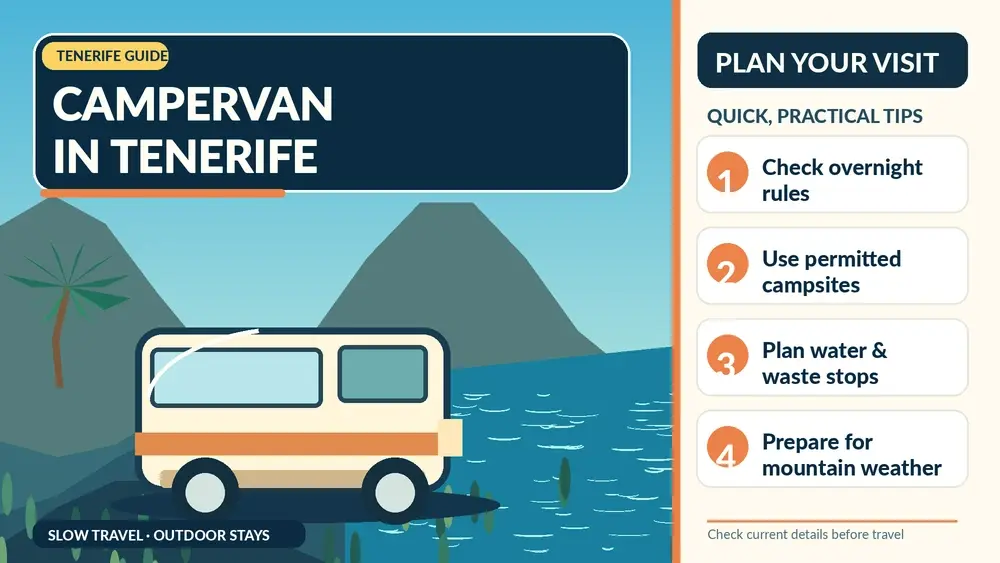
  • Tenerife Campervan and Motorhome Guide: Campsites, Overnight Rules and Practical Tips

    Tenerife Campervan and Motorhome Guide: Campsites, Overnight Rules and Practical Tips

    Tenerife Campervan and Motorhome Guide is the kind of practical Tenerife topic that can change the shape of an entire trip. I prefer to make the key decisions before arrival, then keep the daily plan flexible enough for weather, local rules and the way the island actually feels once I am there.

    This guide separates stable planning advice from details that can change. Where rules, access or services matter, I rely on official Tenerife or Canary Islands information and recommend checking again shortly before travel. I do not invent opening hours, prices or permissions when the current source does not guarantee them.

    At a glance

    TopicTravelling around tenerife by campervan or motorhome
    Best planning approachDecide the non-negotiables early, verify current rules, and leave room for Tenerife’s microclimates and local conditions.
    Who this guide helpsFirst-time visitors, repeat travellers and anyone whose accommodation, food, transport or trip style depends on this topic.
    My ruleUse official information for rules and safety; use travel advice for route order, convenience and trade-offs.

    What current official information confirms

    • Tenerife ON is the Cabildo de Tenerife’s official platform for routes, protected natural areas, facilities, alerts and reservations.
    • Official caravan-camping areas include high-altitude sites such as Chío and Las Lajas, where advance reservation is required.
    • At Chío and Las Lajas, official information warns that water points are not suitable for drinking and that there are no black/grey-water dumping points, electric hookups or drinking-water refill stations.
    • The official campsite conditions distinguish authorised camping pitches from ordinary parking areas; at these facilities, overnight stays in the parking area are forbidden.
    • Mountain campsites can sit above 1,500 metres, so temperatures can be very different from the coast even on the same day.

    Campervan freedom is real, but “park anywhere” is the wrong mindset

    A campervan can be one of the most flexible ways to explore Tenerife, especially if I want to combine sunrise in the pine forest, a village lunch and a coastal sunset without returning to the same hotel every night. What I would not do is treat the island as an unrestricted wild-camping destination. Protected landscapes, municipal rules, road-safety rules and specific campsite conditions all matter. The practical difference between parking a vehicle and establishing a campsite is important, but the safest planning approach is to use authorised overnight facilities and check the current rules for the exact place where I intend to stay.

    Tenerife ON is the resource I keep open throughout the trip because it combines official facilities, reservations and alerts. That matters more than old forum posts or a pin on a camper app. A place that was tolerated two years ago can be regulated differently today, and a legal parking space does not automatically give me permission to put out chairs, an awning or cooking equipment.

    What the official mountain areas are actually like

    The official Chío and Las Lajas motorhome areas are not resort-style campsites. They are mountain facilities in Canary pine forest, both at roughly 1,500 metres or higher. That is part of their appeal: dark skies, forest atmosphere and immediate access to the highlands. It also means colder nights, wind and large day-to-night temperature changes. I pack for altitude even if the coast is warm enough for shorts.

    View Of Mount Teide From Pine Forest Tenerife

    I also plan around limited services. The official information for these sites states that there is no black- or grey-water disposal, no electrical charging point and no potable-water filling point. Nearby recreational areas may provide toilets, tables and other facilities, but opening times and conditions vary. I arrive self-sufficient rather than assuming a European full-service motorhome aire.

    A route that works better than circling the island every day

    For a campervan road trip, I divide Tenerife into zones. I might spend one night around the south or southwest, move through Teide or the western highlands, then continue to Isla Baja or the north. That reduces repeated motorway kilometres and lets the landscape change naturally. The island looks small on a map, but mountain roads and viewpoint stops stretch driving time considerably.

    I avoid planning Teide, Anaga and Masca in one aggressive loop. A van is larger than a normal rental car, and narrow village roads, steep gradients and limited turning space can make ambitious routing tiring. My best days are the ones with one major road segment and several small stops, not six hours of moving the vehicle.

    Waste, water and cooking are the details that decide whether the trip feels easy

    Before each overnight stop, I know where I can legally deal with fresh water and waste. I never empty tanks outside authorised facilities, and I do not assume a forest-area tap is drinking water. Tenerife ON explicitly labels non-potable water at some official camping areas, so I carry a separate drinking-water supply and refill only where potable water is confirmed.

    Illustrated guide: Tenerife Campervan and Motorhome, with practical visitor tips
    Illustrated guide: Tenerife Campervan and Motorhome.

    Cooking rules can also be strict in natural areas because of wildfire risk. The official campsite conditions prohibit portable barbecues at the cited mountain areas and regulate gas use. Seasonal fire restrictions can become even tighter. I treat food preparation as a safety issue, not a lifestyle accessory, and I check current alerts before driving into forest zones.

    Where campervans are easy and where I would be cautious

    Wide coastal roads, motorway links and many rural routes are straightforward, but historic centres and mountain hamlets can be awkward in a larger vehicle. I would park outside compact centres such as Garachico, La Orotava or La Laguna and walk in. I also think twice before entering a road simply because a navigation app says it is technically possible.

    Masca and some Anaga roads demand particular concentration because of bends, buses, cyclists and limited space. If I am not comfortable with the vehicle dimensions, I use a safer parking point and public transport or walk for the final section. The goal is not to prove that the van can reach every viewpoint; it is to travel without blocking roads or turning a scenic day into a stressful one.

    My campervan checklist before each overnight stop

    I check four things: whether the overnight stay is authorised, whether a reservation is needed, whether I have enough potable water, and what the weather will do at that elevation. Then I confirm waste facilities and the next fuel stop. I also keep food sealed and the exterior tidy; wind in exposed areas can turn loose objects into litter quickly.

    Finally, I keep a conventional accommodation option in mind for one or two nights. A hotel or apartment can be useful after several days on the road, especially for laundry, a proper shower, charging equipment and a break from changing mountain weather. Campervan travel works best for me when flexibility includes the option not to sleep in the van every single night.

    Useful related guides already on this site

    I would plan this topic together with Camping in Tenerife, Tenerife by Car, Tenerife Hiking Permits and Trail Rules. For a broader second layer, I also use Chío Recreation Area. Those pages cover the transport, location or activity details that would make this article unnecessarily repetitive.

    How I turn this advice into an actual trip

    I start with the parts that are difficult to change: airport, accommodation area, any permit or reservation, and the days that depend on weather. Then I place travelling around Tenerife by campervan or motorhome inside that framework instead of allowing one concern to dominate the whole holiday. Tenerife is compact, but mountain roads, microclimates and busy resort zones make over-planning surprisingly easy.

    I keep one flexible half-day in every week. If Teide is cloudy, a trail closes, the sea is rough or a restaurant cannot accommodate what I need, I want a backup that still feels worthwhile. Santa Cruz, La Laguna, Puerto de la Cruz, local markets, museums and coastal promenades can all work as alternatives depending on the base.

    Choosing where to stay

    Location often solves more problems than an extra hotel star. The south gives the widest resort infrastructure and generally drier coastal weather; the north gives greener landscapes and easier access to many historic towns; Santa Cruz and La Laguna work well for urban travellers. I compare current accommodation on Booking.com, checking the exact map position rather than relying on the destination name.

    I read recent reviews for the detail that matters to this specific trip: parking, dietary handling, pet policy, noise, accessibility, kitchen facilities or transfer convenience. A high average score does not answer those questions.

    Practical habits I use on Tenerife

    I save official pages offline or bookmark them before a mountain or rural day. Mobile coverage is generally good in populated areas, but I do not want a rule, reservation or trail map to depend on perfect reception. I also carry water, sun protection and a light layer because the island can change temperature quickly with altitude.

    I avoid building a schedule around exact driving times from a map. Parking, viewpoints, buses, roadworks and slow mountain traffic can add time. If I have a fixed booking, I arrive early and make the stop before it optional rather than after it.

    How I handle information that changes

    Travel blogs are good for explaining choices; they are not the final authority for a current permit, temporary closure, health notice, hotel inclusion or municipal rule. I use the official source linked below close to the travel date and follow on-site instructions. This is especially important for protected natural areas, water, animals, dietary safety and camping.

    I also distinguish between a documented rule and my own preference. When I recommend a route, base or meal strategy, that is planning advice. When I state that a reservation is required or a facility has specific services, that should come from the current official information.

    Activities and tours

    I use organised tours selectively—mainly when they solve transport, permits, guiding or a safety/logistics problem. I compare current options below, but I do not book an excursion simply to fill every day.

    Frequently asked questions

    Can I wild camp anywhere in Tenerife?

    No. Do not assume roadside parking or a scenic pull-off allows camping or an overnight stay. Use official facilities and check current local and protected-area rules.

    Do official motorhome areas need booking?

    Some official Tenerife ON caravan-camping areas require an advance reservation; the current facility page is the place to check.

    Do Chío and Las Lajas have electric hookups and waste dumping?

    Their official facility pages state that they do not provide electrical charging or black/grey-water disposal.

    Is a campervan practical for Teide?

    It can be, but altitude, wind, temperature changes and vehicle size matter. Plan conservative routes and check alerts before entering mountain areas.

    Official information to check before travelling

    For the current rules or background used in this article, I check the relevant official Tenerife or Canary Islands information. I would recheck it close to departure because access conditions, hotel products, local regulations and public notices can change after an article is published.

    Final thoughts

    Tenerife Campervan and Motorhome Guide is most useful when it helps me make a few better decisions rather than adding another layer of complexity. Tenerife rewards flexible planning: choose the right base, respect current local rules, give mountain and ocean conditions room to change, and leave enough unscheduled time to enjoy the island rather than only manage it.

    That is the approach I would use for travelling around Tenerife by campervan or motorhome: verify the facts that matter, keep the itinerary realistic and let the rest of the holiday stay pleasantly adaptable.

  • Masca Road TF-436 Guide: Driving, Viewpoints, Buses and Safety

    Masca Road TF-436 Guide: Driving, Viewpoints, Buses and Safety

    The TF-436 through Masca is one of Tenerife’s most spectacular roads, but I think it is better described as a mountain road that happens to be scenic rather than as a sightseeing attraction built for drivers. It connects Santiago del Teide with Masca, Las Portelas, El Palmar and Buenavista del Norte through the Teno massif, using tight bends and steep gradients to cross a landscape that would otherwise feel almost inaccessible.

    The official Tenerife tourism page for Masca identifies TF-436 as the main road to the hamlet and notes its many curves and narrow sections. TITSA line 355 connects Buenavista del Norte, Masca and Santiago del Teide. That bus matters because it gives travellers an alternative to driving and reduces the temptation to park in an already constrained village.

    Quick planning facts

    RoadTF-436 through Teno Rural Park
    ConnectsSantiago del Teide – Masca – Las Portelas – El Palmar – Buenavista del Norte
    CharacterNarrow, winding mountain road
    Bus alternativeTITSA line 355
    Parking in MascaLimited
    Best forMountain scenery, viewpoints, villages and Teno landscapes
    Main ruleDrive slowly and never stop on unsafe bends

    Why the road deserves its own plan

    Masca is famous enough that many visitors think only about the village. I think the road is equally important. The changing views into ravines, terraces and ridges explain why the settlement developed in such a dramatic location. If I rush the drive, I miss the landscape and increase stress at the same time.

    My Masca guide covers the village and gorge separately. Here I focus on how to travel the road without turning it into a competition for parking or photos.

    Driving from Santiago del Teide toward Masca

    This is the direction many south-coast visitors use. After Santiago del Teide, the road climbs and then begins its twisting descent toward Masca. I use lower gears, keep a large following distance and expect buses to need more space on bends.

    If another driver wants to go faster, I use a safe pull-out when available rather than speeding up. The road rewards calm driving; pressure from the car behind is never a reason to enter a bend too quickly.

    Illustrated guide: Masca Road TF-436, with practical visitor tips
    Illustrated guide: Masca Road TF-436.

    Driving from Buenavista del Norte

    The northern approach passes El Palmar and Las Portelas before the most dramatic central section. I like this direction when I am already exploring Isla Baja because it creates a natural route from Buenavista into the Teno mountains.

    The road can feel narrower when I meet traffic on the inner sections. I watch well ahead for buses and use passing space cooperatively. Courtesy saves more time than aggressive driving.

    Cruz de Hilda and Altos de Baracán

    Official tourism information highlights viewpoints along TF-436 such as Cruz de Hilda, which overlooks Masca, and Altos de Baracán, where the ridge can reveal a striking climate contrast between the northern and southern slopes. These are the places I use for photos—not random bends.

    I still check whether parking is actually available before committing to a stop. If a viewpoint is full, I continue. There will be another view, and blocking traffic is never worth a photograph.

    Parking in Masca

    Parking is limited because the village sits in difficult terrain and the road itself has little spare space. I arrive early or use the bus when possible. I do not circle the central area repeatedly hoping someone will leave; that simply adds traffic to the exact place already under pressure.

    Masca Village And Gorge Tenerife

    If my goal includes the Masca Gorge, I follow the current booking and access instructions separately. A hiking reservation does not magically create a parking space.

    Why the TITSA 355 bus is useful

    The 355 connects Santiago del Teide, Masca and Buenavista del Norte, according to official destination information. Using it can make a Teno day much more relaxed, especially if I am uncomfortable with hairpin bends or want to walk between villages.

    I check the current timetable because rural frequencies matter. My Tenerife bus guide explains fares, ten+ cards and how I leave time for connections.

    Cyclists, hikers and buses

    TF-436 is not only a tourist road. Cyclists use it, residents depend on it and buses operate on it. I expect slower traffic and wait for a genuinely safe passing opportunity. I also watch for walkers near village sections and viewpoints.

    When a bus approaches on a narrow bend, I follow the driver’s cues and use available space. Local drivers know the road dimensions better than I do.

    Weather and visibility

    Teno can produce rapid changes in cloud and visibility. Altos de Baracán is famous precisely because the ridge can separate different weather conditions. I bring a light layer and accept that a misty drive may reveal fewer panoramas.

    After heavy rain or strong winds, I check current road information for rockfall or closures. Steep terrain means weather can affect roads even when the destination itself looks sunny.

    Combining the road with Teno villages

    I like a route that includes El Palmar, Teno Alto on a separate spur if time allows, and Buenavista del Norte. I do not try to combine all of these with a full Masca Gorge hike on the same day.

    Hairpin bends on the winding road through the Masca valley

    The Teno massif rewards slow travel. One village, one short walk and the road itself can be a better day than six rushed stops.

    A realistic driving itinerary

    • Start early from Santiago del Teide or Buenavista del Norte.
    • Stop only at signed viewpoints with legal space.
    • Visit Masca briefly if parking or bus timing allows.
    • Continue through Las Portelas and El Palmar rather than immediately turning around.
    • Have lunch in a village away from the busiest parking pressure.
    • Return by a wider main road if you do not want to repeat every hairpin.

    I check daylight before committing to a full loop, especially in winter. Mountain roads feel very different after dark.

    Who should not drive TF-436

    If hairpin bends, cliffside roads or meeting buses on narrow sections create serious anxiety, I would take the bus or join a well-run tour rather than forcing the drive. Travel is not improved by proving something to myself.

    I also avoid making TF-436 my first drive immediately after landing if I am tired or unfamiliar with the rental car. I prefer to learn the vehicle on easier roads first.

    Official information

    I use the official Masca destination page for current access context and the official viewpoint pages for locations such as Cruz de Hilda and Altos de Baracán. For same-day road issues I check current Cabildo traffic information.

    Masca Village Tenerife

    My Tenerife by car guide covers rental, parking and mountain-road basics across the island.

    Mistakes I would avoid

    • Stopping on a bend because the view looks good.
    • Assuming Masca has abundant parking.
    • Driving faster because a local car is close behind.
    • Ignoring buses and cyclists when overtaking.
    • Planning the road, gorge hike and multiple villages on an unrealistic timetable.

    A good TF-436 drive feels slow, controlled and scenic. If I am constantly braking hard or searching for parking, the plan is too aggressive.

    Frequently asked questions

    Is the Masca road dangerous?

    It is a narrow mountain road with many bends. In normal open conditions it is drivable, but it requires attention and calm speed.

    Can I avoid driving to Masca?

    Yes. TITSA line 355 connects Santiago del Teide, Masca and Buenavista del Norte.

    Is parking easy in Masca?

    No. Official tourism information describes parking as limited, so I plan an early arrival or use the bus.

    Which direction is better?

    Both are scenic. I choose based on the rest of the day rather than chasing a “best” direction.

    Can I drive it in a normal rental car?

    Yes when the road is open and conditions are normal; a special vehicle is not required.

    How I decide whether this fits my itinerary

    Before adding Masca road TF-436 to a Tenerife plan, I ask what role it plays in the day. If it is the main experience, I leave enough time for weather, transport and an unhurried visit. If it is a secondary stop, I keep expectations smaller and avoid turning a flexible day into a chain of deadlines. This distinction sounds simple, but it is one of the most useful ways I have found to plan an island with mountain roads and very different microclimates.

    Masca Mountain Valley Tenerife

    I also compare travel time with time actually spent at the destination. A place can look close on the map and still require slow roads, parking searches or bus connections. I would rather visit two places properly than spend the day moving between five. This is especially true in Anaga, Teno and the north coast, where the journey is often part of the experience.

    My practical backup plan

    I always choose a nearby alternative before leaving accommodation. If the sea is rough, I switch from swimming to a town, market or viewpoint. If cloud removes a mountain panorama, I walk in the forest or move to a different elevation. If parking is full, I do not wait indefinitely; I continue to the backup stop and return later only if it still makes sense.

    That flexibility is not a compromise. In Tenerife it is often the difference between a stressful day and a memorable one. The island is compact enough that several different landscapes may be available within the same region, so changing the plan does not mean losing the day.

    Responsible travel notes

    I treat small villages, beaches and natural areas as shared local spaces. I use legal parking, keep noise low near homes, stay on marked paths, take rubbish away and follow temporary closures even when other people ignore them. On the coast I avoid climbing barriers for photographs, and in protected landscapes I do not collect plants, rocks or other natural material.

    I also try to spend some money locally when it is appropriate: a coffee, lunch, market purchase or small shop can make a visit more connected to the community. Responsible travel is not about making a performance of being perfect; it is mostly a series of ordinary decisions that reduce pressure on places I want to remain enjoyable.

    My final take

    TF-436 is one of Tenerife’s memorable roads because the landscape is genuinely difficult terrain, not because someone designed a scenic route for tourists. I enjoy it most when I respect that fact: slow driving, legal viewpoint stops, realistic parking expectations and enough time to include the villages beyond Masca.

  • Tenerife Ferry Guide: La Gomera, Gran Canaria, La Palma and Island Hopping

    Tenerife Ferry Guide: La Gomera, Gran Canaria, La Palma and Island Hopping

    Tenerife is one of the best Canary Islands for building an island-hopping trip because ferries connect it directly with several neighbours. The important detail is that not every route uses the same Tenerife port. Los Cristianos is central for La Gomera and La Palma on major services, while Santa Cruz is important for Gran Canaria and longer connections.

    Current Fred. Olsen route information lists direct fast-ferry links from Tenerife to La Gomera in about 50 minutes, Gran Canaria in about 80 minutes and La Palma in about 150 minutes. Schedules, ships and operators can change, so I treat those as current planning figures rather than permanent promises.

    The two Tenerife ports I plan around

    Los Cristianos

    For travellers staying in the south, Los Cristianos is extremely convenient. Major fast-ferry services connect it with San Sebastián de La Gomera and Santa Cruz de La Palma. I still arrive early because the port area can be busy and boarding deadlines matter.

    Santa Cruz de Tenerife

    Santa Cruz is the main port for Gran Canaria fast-ferry services to Agaete and for some longer routes. If I am staying in Costa Adeje, I factor the cross-island transfer into the total journey rather than looking only at sailing time.

    Tenerife to La Gomera

    This is the easiest island-hopping add-on for many south-Tenerife visitors. Current Fred. Olsen information lists the direct Los Cristianos–San Sebastián crossing at around 50 minutes. That makes a day trip possible, although I prefer an overnight stay if I want to experience Garajonay and multiple parts of La Gomera without rushing.

    My La Gomera day trip guide explains the trade-off between independent ferry travel and organised tours.

    Tenerife to Gran Canaria

    Current fast-ferry information lists Santa Cruz de Tenerife to Agaete at around 80 minutes. The sailing is short enough for island hopping, but a same-day sightseeing trip becomes less simple once I add transfers from Agaete to Las Palmas or other parts of Gran Canaria.

    Illustrated guide: Tenerife Ferry, with practical visitor tips
    Illustrated guide: Tenerife Ferry.

    If I am moving hotels between islands, the ferry can be excellent because I can take more luggage and, on eligible sailings, a rental or private vehicle subject to the rental company’s rules. I never assume a rental car may leave Tenerife without explicit permission.

    Tenerife to La Palma

    Current Fred. Olsen route information lists Los Cristianos to Santa Cruz de La Palma at about 150 minutes. I see this as an overnight or multi-day connection rather than a casual day trip. La Palma deserves time, and the sailing itself uses a meaningful part of the day.

    Tenerife to El Hierro and other islands

    Connections to El Hierro and some farther islands can be direct or involve specific schedules and operators. I check both Fred. Olsen Express and Naviera Armas for the exact date. Routes and frequency can change seasonally, so I avoid publishing a rigid timetable inside my personal plan.

    Ferry with a car

    Taking a car can be useful for island hopping, but I check three separate things: ferry vehicle availability, rental-company permission and insurance conditions. A cheap rental rate means nothing if the contract prohibits inter-island transport.

    I also arrive earlier with a vehicle because check-in and loading take more time than travelling as a foot passenger.

    Foot passenger or car?

    For La Gomera, a car is helpful if I want independent access to mountain roads, but an organised day tour can be easier for a single day. For Gran Canaria or La Palma, I decide based on where I will sleep and how much of the island I want to explore.

    Seasickness

    Fast ferries are comfortable for many people, but Atlantic conditions vary. If I am prone to motion sickness, I choose a seat where movement feels more manageable, avoid a heavy meal immediately before departure and ask a pharmacist or doctor about appropriate medication rather than relying on random travel advice.

    How early I arrive

    I follow the operator’s current check-in rules and add a buffer, especially with a car or during holiday periods. Port parking and traffic can be the real source of stress, not the sailing itself. I never schedule an airport arrival and ferry departure so tightly that a small flight delay ruins the connection.

    Luggage

    Ferries can be easier than flights for luggage, but each operator still has rules. I label bags, keep medicines and valuables with me and avoid packing something I cannot move comfortably through a terminal.

    Booking strategy

    • Check both main operators for the date and route.
    • Compare the total door-to-door journey, not only sailing time.
    • Book earlier if travelling with a vehicle or during busy holiday periods.
    • Read fare-change and refund conditions before paying.
    • Save the booking offline and verify the departure port carefully.

    A common Tenerife port mistake

    The biggest planning error is assuming every ferry leaves from Los Cristianos. A route to Gran Canaria may use Santa Cruz, while La Gomera services commonly use Los Cristianos. Those ports are far apart. I confirm the exact terminal before booking accommodation, buses or transfers.

    Port Of San Sebastian De La Gomera

    Combining ferry and airport travel

    I leave a large margin if a ferry connects with a same-day flight. Wind, sea conditions, traffic and baggage all add uncertainty. If missing the flight would be expensive, an overnight buffer is often worth more than squeezing out one extra holiday evening.

    Common mistakes

    • Looking only at crossing time and ignoring transfer time.
    • Going to the wrong Tenerife port.
    • Assuming a rental car can travel between islands.
    • Booking a very tight ferry-to-flight connection.
    • Ignoring vehicle check-in deadlines.
    • Treating a distant island as a comfortable day trip just because the sailing looks short.

    Frequently asked questions

    How long is Tenerife to La Gomera by fast ferry?

    Current Fred. Olsen information lists the direct Los Cristianos to San Sebastián crossing at about 50 minutes.

    How long is Tenerife to Gran Canaria?

    Current Fred. Olsen information lists Santa Cruz de Tenerife to Agaete at around 80 minutes.

    How long is Tenerife to La Palma?

    Current route information lists Los Cristianos to Santa Cruz de La Palma at around 150 minutes.

    Can I take a rental car?

    Only if the rental contract allows it. I obtain explicit permission before booking a vehicle space on the ferry.

    My final take

    Ferries turn Tenerife from a single-island holiday into a flexible Canary Islands journey. I compare ports, schedules and total travel time, then choose the route that fits the trip. The key is simple: plan the ferry as a transport day, not just a crossing time.

    Aerial View Of Santa Cruz De La Palma

    Building margin into transport days

    I leave more time than the timetable suggests whenever a connection matters. A bus can meet traffic, a ferry can board earlier than I expected, and finding the correct stop or terminal can take time in an unfamiliar place. Extra margin feels inefficient on paper but makes the day calmer and protects expensive connections.

    When I would pay for a taxi instead

    Public transport is excellent when it fits the route. I switch to a taxi or prebooked transfer when I arrive very late, have heavy luggage, travel with a tired child, need to reach a remote accommodation or face a connection whose cost is much higher than the taxi fare. The cheapest option is not always the best value when missed time and stress are included.

    Tickets, screenshots and offline backups

    I keep the booking reference, ticket or travelcard information available offline. Ports, airports and rural stops are exactly the places where I do not want my plan to depend on a weak signal. For bus days I save stop names and the latest return time; for ferries I save the terminal, check-in deadline and booking locator. A few screenshots remove a surprising amount of stress.

    What I do when transport changes

    If a service is delayed or cancelled, I first protect the most important connection rather than trying to preserve every sightseeing plan. I check the operator, identify the next realistic option and only then decide what to do with the spare time. This prevents a small disruption from becoming a chain of rushed decisions across the rest of the day.

    Budgeting transport honestly

    I compare total cost, not just the headline fare. A cheap ticket can require a taxi to the terminal, luggage storage, a long transfer or an extra hotel night. Sometimes public transport remains clearly cheaper; sometimes a direct taxi or organised excursion is better value for two or three people. I include time and convenience in the calculation because holiday hours have value too.

    A final planning check before I leave

    The evening before this day, I verify the weather, current access information, transport, opening details where relevant and the amount of daylight I have. I save essential information offline and tell someone in my group what the main plan is. I also decide in advance what would make me switch to the backup plan. That small amount of preparation lets me enjoy Tenerife more spontaneously once I am actually there, because the important risks and logistics have already been considered.

    Practical details I confirm on the day

    Before leaving my accommodation I recheck the latest official information that could affect the plan: weather, road conditions, trail or beach access, public-transport times and any temporary restrictions. Tenerife changes quickly between coast, forest and high mountains, so yesterday’s conditions are not enough. I also make sure the phone is charged, essential addresses are saved offline and everyone in the group knows the backup plan. If the main activity depends on sea state, cloud, wind or a connection, I keep one nearby alternative that does not require a complicated detour. This simple routine helps me avoid turning a small change into a stressful day and makes the itinerary more resilient without removing spontaneity.