
Tenerife Honeymoon Guide is the kind of practical Tenerife topic that can change the shape of an entire trip. I prefer to make the key decisions before arrival, then keep the daily plan flexible enough for weather, local rules and the way the island actually feels once I am there.
This guide separates stable planning advice from details that can change. Where rules, access or services matter, I rely on official Tenerife or Canary Islands information and recommend checking again shortly before travel. I do not invent opening hours, prices or permissions when the current source does not guarantee them.
At a glance
| Topic | Planning a tenerife honeymoon that balances romantic downtime with the island’s landscapes |
|---|---|
| Best planning approach | Decide the non-negotiables early, verify current rules, and leave room for Tenerife’s microclimates and local conditions. |
| Who this guide helps | First-time visitors, repeat travellers and anyone whose accommodation, food, transport or trip style depends on this topic. |
| My rule | Use official information for rules and safety; use travel advice for route order, convenience and trade-offs. |
What current official information confirms
- Turismo de Tenerife promotes a dedicated luxury offer covering high-end hotels, villas, wellness, gastronomy and exclusive experiences.
- The island’s tourism strategy has explicitly treated weddings, honeymoons and romantic breaks as a distinct visitor segment.
- Tenerife offers very different honeymoon settings within short distances: dry southern resorts, volcanic highlands, green northern towns and dramatic western sunsets.
- Two airports make it practical to choose arrival and departure logistics around the part of the island where the couple stays.
- Whale watching, stargazing, spa time, fine dining, scenic drives and boutique heritage stays can all fit a honeymoon without requiring a beach-resort-only itinerary.
Choose the honeymoon mood before choosing the hotel
The most useful question is not ‘What is the best honeymoon hotel?’ but ‘What do we want the days to feel like?’. Costa Adeje works for polished resorts, spas and easy beach time. La Caleta is quieter and food-focused. The Abama/Guía de Isora area suits privacy and sunsets. Puerto de la Cruz or Garachico suits couples who prefer character, gardens and historic streets over a large resort complex.
Once the mood is clear, hotel comparison becomes much easier. I prioritise room privacy, balcony or terrace, noise level, pool style and walking access to dinner. A honeymoon suite is less valuable if the property’s location forces a taxi every evening for the experiences we actually want.
A honeymoon needs empty time
I would never schedule Tenerife as a checklist of attractions from 08:00 to 20:00 every day. The island has enough variety that it is tempting to do Teide, Anaga, Masca, whale watching and La Gomera in one week. That can turn a honeymoon into a logistics exercise.
My preferred rhythm alternates a bigger experience with a slower day. After Teide and stargazing, I keep the next morning relaxed. After a boat trip, I leave the evening flexible. This gives weather-dependent activities room to move and makes the expensive hotel or villa part of the holiday rather than only a place to sleep.
The romantic experiences that feel specifically Tenerife
Sunset with La Gomera on the horizon, high-altitude stargazing near Teide, a quiet dinner in La Caleta, a walk through La Orotava, a boat trip to see cetaceans responsibly, and a drive through volcanic landscapes all feel tied to the island. I choose these over generic ‘romance packages’ that could happen anywhere.
I also like one food-focused experience: a wine tasting, a special Canarian dinner or a market-and-village day. Shared memories become more distinctive when the place itself is part of them.
South versus north for couples
The south is easier for reliable sun, resort facilities and ocean-facing evenings. The north is greener, more atmospheric and often better for historic-town wandering. A split stay can work well on a 7- to 10-night honeymoon: four or five nights in the south and two or three in the north, or the reverse depending on priorities.
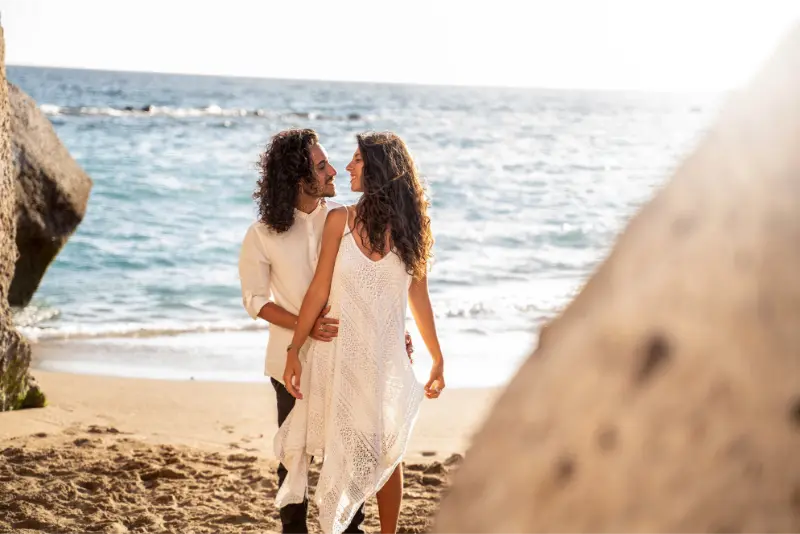
I would not split a short four-night trip. Packing and transfer time can consume the benefit. For a short honeymoon, I choose one base and use a private tour or rental car for the other side of the island.
How much should I pre-book?
I reserve the room, any high-demand Teide access or premium tour, and one or two important dinners. I leave the rest open. Weather can alter mountain plans, and couples often discover they want more pool or beach time than expected after the wedding period.
I also check cancellation terms carefully. Honeymoon trips often involve more expensive rooms and experiences, so flexible conditions can be worth paying a little more for.
Small details that improve the trip more than expensive upgrades
A well-timed airport transfer, a room away from nightlife, one sunset dinner booked for the right time, a late checkout if the flight is evening, and a realistic driving day can improve the honeymoon more than a decorative package in the room.
I tell the hotel it is a honeymoon, but I never plan around promised freebies. If an upgrade appears, it is a bonus. I book the room category I would be happy to keep.
Useful related guides already on this site
I would plan this topic together with Tenerife for Couples, Costa Adeje Travel Guide, Stargazing in Tenerife. For a broader second layer, I also use Whale Watching in Tenerife. Those pages cover the transport, location or activity details that would make this article unnecessarily repetitive.
How I turn this advice into an actual trip
I start with the parts that are difficult to change: airport, accommodation area, any permit or reservation, and the days that depend on weather. Then I place planning a Tenerife honeymoon that balances romantic downtime with the island’s landscapes inside that framework instead of allowing one concern to dominate the whole holiday. Tenerife is compact, but mountain roads, microclimates and busy resort zones make over-planning surprisingly easy.
I keep one flexible half-day in every week. If Teide is cloudy, a trail closes, the sea is rough or a restaurant cannot accommodate what I need, I want a backup that still feels worthwhile. Santa Cruz, La Laguna, Puerto de la Cruz, local markets, museums and coastal promenades can all work as alternatives depending on the base.
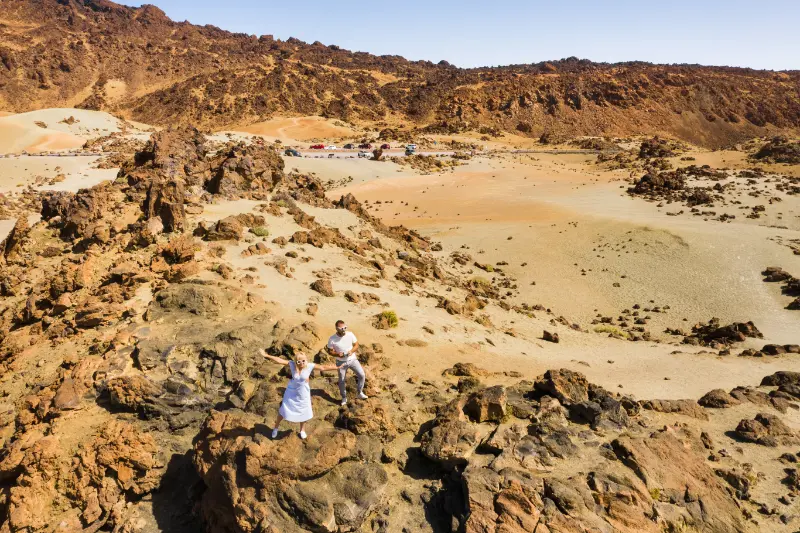
Choosing where to stay
Location often solves more problems than an extra hotel star. The south gives the widest resort infrastructure and generally drier coastal weather; the north gives greener landscapes and easier access to many historic towns; Santa Cruz and La Laguna work well for urban travellers. I compare current accommodation on Booking.com, checking the exact map position rather than relying on the destination name.
I read recent reviews for the detail that matters to this specific trip: parking, dietary handling, pet policy, noise, accessibility, kitchen facilities or transfer convenience. A high average score does not answer those questions.
Practical habits I use on Tenerife
I save official pages offline or bookmark them before a mountain or rural day. Mobile coverage is generally good in populated areas, but I do not want a rule, reservation or trail map to depend on perfect reception. I also carry water, sun protection and a light layer because the island can change temperature quickly with altitude.
I avoid building a schedule around exact driving times from a map. Parking, viewpoints, buses, roadworks and slow mountain traffic can add time. If I have a fixed booking, I arrive early and make the stop before it optional rather than after it.
How I handle information that changes
Travel blogs are good for explaining choices; they are not the final authority for a current permit, temporary closure, health notice, hotel inclusion or municipal rule. I use the official source linked below close to the travel date and follow on-site instructions. This is especially important for protected natural areas, water, animals, dietary safety and camping.
I also distinguish between a documented rule and my own preference. When I recommend a route, base or meal strategy, that is planning advice. When I state that a reservation is required or a facility has specific services, that should come from the current official information.
Activities and tours
I use organised tours selectively—mainly when they solve transport, permits, guiding or a safety/logistics problem. I compare current options below, but I do not book an excursion simply to fill every day.
Frequently asked questions
Is Tenerife good for a honeymoon?
Yes. It combines resort comfort with Teide, volcanic coast, historic towns, whale watching, food and year-round mild coastal weather.
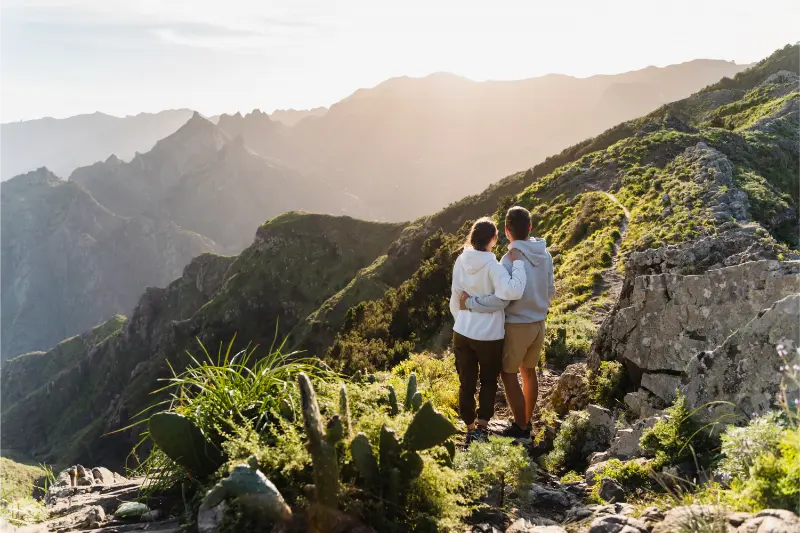
Which area is most romantic?
Costa Adeje and La Caleta are easy for polished beach-and-dining stays; Guía de Isora suits privacy, while Garachico and Puerto de la Cruz offer a more historic northern atmosphere.
Should we split the honeymoon between north and south?
For 7–10 nights it can work well. For a shorter stay, one base plus day trips is usually more relaxing.
What should we book early?
Book the accommodation, any permit- or capacity-limited Teide plans, premium boat/private tours and the few dinners that really matter to you.
Official information to check before travelling
For the current rules or background used in this article, I check the relevant official Tenerife or Canary Islands information. I would recheck it close to departure because access conditions, hotel products, local regulations and public notices can change after an article is published.
Final thoughts
Tenerife Honeymoon Guide is most useful when it helps me make a few better decisions rather than adding another layer of complexity. Tenerife rewards flexible planning: choose the right base, respect current local rules, give mountain and ocean conditions room to change, and leave enough unscheduled time to enjoy the island rather than only manage it.
That is the approach I would use for planning a Tenerife honeymoon that balances romantic downtime with the island’s landscapes: verify the facts that matter, keep the itinerary realistic and let the rest of the holiday stay pleasantly adaptable.