Category: Tenerife Travel Guide

Planning, seasonal advice and essential Tenerife travel information for first-time and repeat visitors.

  • Recycling in Tenerife: Bin Colours, Glass, Packaging, Paper and Visitor Tips

    Recycling in Tenerife: Bin Colours, Glass, Packaging, Paper and Visitor Tips

    Quick summary: Tenerife’s street recycling system is easy once I remember the main colours: yellow for light packaging, blue for paper/cardboard, green for glass containers, and grey or dark green for residual waste.

    Recycling is one of the easiest ways for a visitor to reduce waste in Tenerife, yet apartment kitchens and unfamiliar bin colours can make people give up after one day. The island’s official guidance is straightforward: separate common packaging, paper/cardboard and glass from residual waste, then use the appropriate municipal containers.

    The details matter because “made of plastic” does not automatically mean “yellow bin,” and “made of glass” does not mean every glass object belongs in the green container. I use the official Tenerife guidance rather than guessing based on the system in my home country.

    At a glance

    YellowLight packaging such as many plastic and metal containers and cartons
    BlueClean paper and cardboard
    GreenGlass bottles and jars, normally without lids
    Grey/dark greenResidual non-recyclable household waste; colour can vary by municipality

    Yellow bin: packaging, not every plastic object

    The yellow container is for light packaging. Official Tenerife guidance includes many plastic bottles and containers, metal cans, aluminium food containers, cartons and common packaging items. The key word is packaging. A plastic toy, bucket or toothbrush is not automatically yellow-bin material just because it is plastic.

    I empty containers and, when practical, keep them reasonably clean. Flattening bulky bottles or cartons helps save space, especially in a holiday apartment where the recycling bag can fill quickly.

    Blue bin: paper and cardboard

    The blue container is for paper and cardboard such as boxes, paper bags, newspapers, magazines and office paper. Greasy, contaminated or heavily laminated paper does not belong there. Pizza boxes can be a classic trap: clean cardboard sections can be separated, while oily food-soiled parts may need residual waste depending on local guidance.

    I flatten delivery boxes before taking them out. Leaving a full cardboard box beside a container because it does not fit is not a responsible shortcut.

    Green bin: glass containers

    The green container is for glass bottles and jars. It is not for drinking glasses, mirrors, ceramics, porcelain, window glass or light bulbs. Those materials melt or process differently and can contaminate the glass-container stream.

    I remove caps and lids and put those in the appropriate packaging stream when suitable. I never leave broken glass loose beside the container where it can injure waste workers, pedestrians or animals.

    Residual waste

    Grey or dark-green containers are commonly used for the remaining household waste, but municipal colours can vary. Hygiene products, heavily soiled paper and items that cannot go into the selective recycling streams generally belong here unless a specific collection exists.

    The goal is not perfection. If I genuinely do not know where a hazardous or unusual item belongs, I do not “wish-cycle” it into the nearest coloured bin. I check the municipal or Cabildo guidance.

    Cycling Around Tenerife

    Organic waste and local variation

    Organic collection is expanding and may be available in some municipalities or accommodation complexes. Because implementation can differ, I follow the labels on the containers where I am staying rather than assuming the same brown-bin system exists everywhere.

    Hotels may separate waste behind the scenes even if guest-room bins are simple. In an apartment, the host can usually point out the nearest container island and any building-specific system.

    Batteries, electronics and unusual waste

    Batteries, electronics, fluorescent tubes, chemicals and bulky items should not be dropped into ordinary street containers. Tenerife has authorised collection systems and puntos limpios for many special wastes. A short-stay visitor will rarely need a full waste centre, but batteries can often be returned through designated retail or municipal collection points.

    If an electronic item breaks during the trip, I ask the retailer or accommodation before throwing it away. Small devices contain materials that do not belong in residual household waste.

    Holiday apartments: the easiest routine

    I use two or three bags rather than trying to reproduce a complicated home recycling station. One for light packaging, one for paper/cardboard, and a small place for glass usually covers most visitor waste. Residual rubbish stays separate. When I leave the apartment, I take the sorted bags to the municipal containers.

    This routine is especially easy for self-catering travellers using my Tenerife grocery shopping guide. Buying fewer single-use bottles in the first place reduces the amount I need to sort.

    Water bottles and refill strategy

    Tenerife’s water situation is more nuanced than a simple “tap versus bottled” argument because taste and supply conditions can vary. I use my tap-water guide to decide what is practical for the area, then choose larger containers or refill systems where suitable instead of accumulating dozens of small bottles.

    If I do buy bottled water, the plastic container belongs in the yellow packaging stream when empty. The better environmental choice is often reducing the number of containers before recycling even starts.

    Protected areas and hiking waste

    On trails and in protected landscapes, the rule is simpler: I carry out everything I carry in. A banana peel, tissue or “biodegradable” snack wrapper does not become acceptable simply because it is organic. Food waste can affect wildlife and visible litter encourages more litter.

    My sustainable Tenerife guide covers broader choices around transport, wildlife and protected areas.

    Official bin guidance

    The Cabildo’s Cada residuo a su contenedor page summarises the main streams, while Tenerife + Sostenible gives detailed examples of what belongs in each container.

    I use those pages when an item is uncertain because local sorting rules should always beat a generic international recycling infographic.

    My practical planning checklist

    Before I build a day around recycling Tenerife, I separate the fixed facts from the details that can change. Fixed facts include the location, cultural context or legal framework explained above. Changing details include current opening hours, temporary road closures, airline products, event routes, service times and prices. I verify those close to the travel date rather than copying an old timetable into the itinerary.

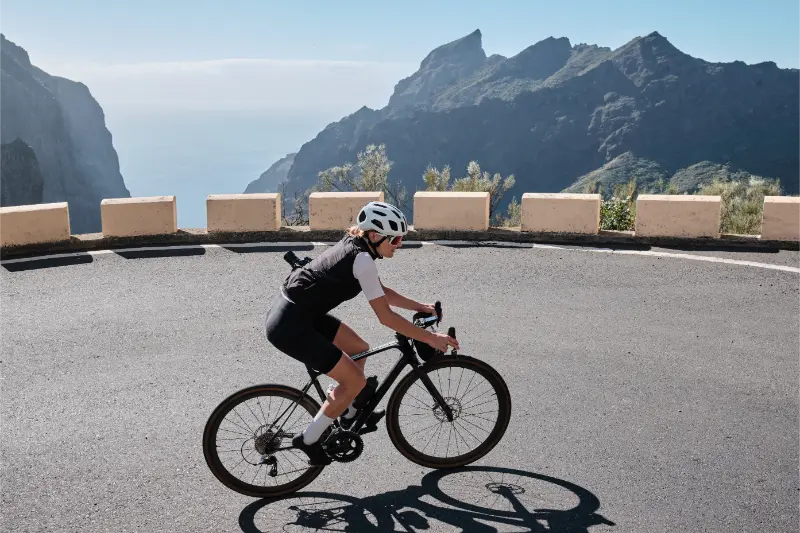
    Cycling On Mountain Road Tenerife
    • Save the official source offline or as a screenshot before leaving the hotel.
    • Keep one realistic backup plan in case weather, traffic, capacity or an operational change affects the original plan.
    • Do not schedule the next paid activity so tightly that a local event, meal or airport process becomes stressful.
    • Carry water, a charged phone and the basic layer or sun protection needed for the actual location rather than the resort forecast.
    • If a rule or sign on site conflicts with an older article, follow the current official instruction on site.

    I also keep the rest of the day geographically simple. Tenerife looks small on a map, but mountain roads, event traffic and the distance between north and south can turn an overfilled itinerary into hours in the car. One strong experience plus a nearby town, viewpoint or meal is usually better than chasing several unrelated stops.

    Useful Tenerife planning links

    Check Tenerife accommodation on Booking.com. I compare location first, then price, because a cheap room on the opposite side of the island can cost more in time and transport than it saves.

    For bookable tours and activities, I use the widget above as a comparison tool rather than assuming the first result is the best fit. I read cancellation terms, meeting points, age or mobility restrictions and the exact inclusions before paying.

    Frequently asked questions

    What goes in the yellow bin?

    Light packaging such as many plastic and metal containers and cartons—not every object made of plastic.

    Can drinking glasses go in the green glass bin?

    No. The green container is for glass packaging such as bottles and jars, not drinking glasses, mirrors or ceramics.

    What if my apartment has no recycling bins inside?

    Sort into simple bags and take them to the nearest municipal container point; ask the host where it is.

    Are bin colours identical everywhere?

    The main selective colours are widely used, but residual and organic systems can vary. Read local labels.

    Final thoughts

    The best way to use this guide is to treat recycling Tenerife as part of a wider Tenerife trip, not as an isolated checklist item. I verify the operational details, leave enough time to enjoy the experience at local pace and keep the plan flexible enough for weather or event changes. That combination—current information, realistic timing and respect for the place—usually matters more than trying to optimise every minute.

    How I would fit this into a real Tenerife itinerary

    I would not travel across Tenerife only to tick off recycling Tenerife unless it is the main reason for the holiday. Instead I look at the surrounding area and build a half-day or full-day cluster. That means checking where I will already be sleeping, how long the drive or bus journey really takes, where I can eat without rushing and what I can do if the first plan changes. On an island with strong microclimates and very different road conditions between the motorway coast and mountain interiors, this geographical discipline saves more time than almost any “travel hack.”

    For an early start, I pack the evening before and keep essential documents, medication, water and a light layer together. For an evening event, I reverse the logic: I keep the morning easy, eat before the busiest period if necessary and avoid planning a demanding Teide or Anaga hike on the same day. Families benefit from a clear toilet and snack plan; drivers benefit from deciding in advance whether alcohol, night driving or event road closures make local accommodation the better option.
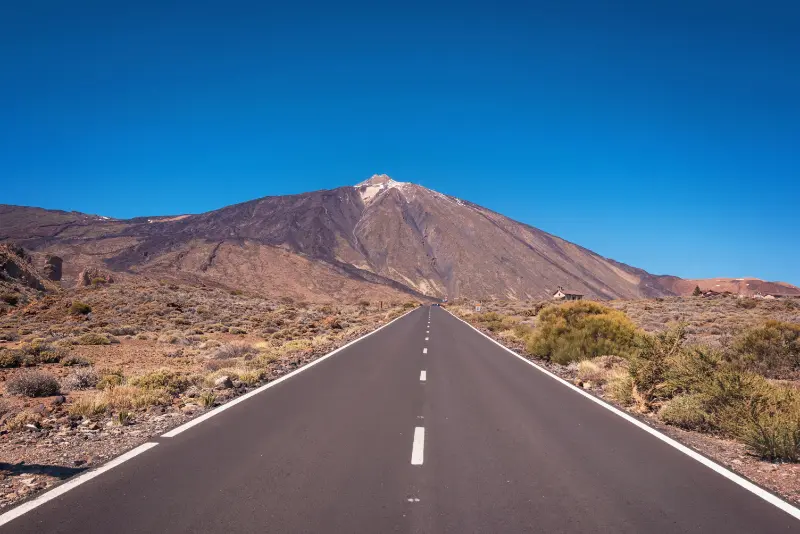
    Road Through Teide National Park Tenerife

    I also think about the exit before I arrive. At airports that means knowing where the gate or onward transport sits. At festivals it means identifying the road or tram stop that will still be accessible after closures. At restaurants it means knowing whether the kitchen is likely to close before I arrive. At religious or cultural events it means understanding whether leaving halfway through would be disruptive. These details sound small, but they are what make the difference between a flexible travel day and one that feels trapped by a timetable.

    Finally, I keep expectations proportional. A local celebration may be wonderful because it is small and ordinary, not because it produces a spectacular photograph every minute. A priority airport product may save only a short queue on a quiet day. A fixed lunch may be excellent value without being gourmet. Sustainable travel choices are often mundane. I prefer an accurate expectation and a pleasant surprise to an exaggerated promise that the destination then has to “live up to.”
  • Birthday & Anniversary in Tenerife: Romantic Dinners, Experiences, Cakes and Celebration Planning

    Birthday & Anniversary in Tenerife: Romantic Dinners, Experiences, Cakes and Celebration Planning

    Quick summary: Plan a birthday or anniversary in Tenerife with romantic dinners, sunset experiences, cakes, hotel surprises, private tours and practical celebration tips.

    Tenerife works well for birthdays and anniversaries because a celebration can be as simple as sunset and dinner or as elaborate as a private boat, photographer and tasting menu. The island offers enough variety that I can match the plan to the person rather than defaulting to one generic “romantic package.”

    I start with the moment that matters most: dinner, a boat, a proposal-style sunset, a family cake or a full surprise day. Then I build transport and timing around that one anchor. Too many prepaid activities can make a celebration feel like a schedule rather than a holiday.

    For milestone dates I confirm every important element in writing. Restaurant terraces, hotel decorations, cakes and transfers are all easier when expectations are explicit about date, time, dietary needs and what is included.

    At a glance

    Best forTravellers who want practical, current planning rather than guesswork
    Plan aheadAnything involving tickets, accessibility, transport or timed reservations
    Useful habitSave confirmations, addresses and official information offline
    My approachKeep one flexible backup instead of over-scheduling the day

    Choose the right base

    Costa Adeje is convenient for polished resort celebrations, sunset boats and a wide restaurant choice. Los Cristianos and Playa de las Américas suit a livelier evening. Puerto de la Cruz feels different and works well for a north-coast celebration, while La Laguna and Santa Cruz suit city dining and culture.

    I choose the area first, then compare hotels in the part of Tenerife that fits the celebration. A beautiful hotel on the wrong side of the island can turn the special evening into two long taxi rides.

    A romantic dinner without overcomplicating it

    I reserve the restaurant and mention the occasion, but I do not assume a free cake, terrace table or decoration. If a sea-view table is important, I ask whether it is guaranteed or only a preference.

    For dietary restrictions I confirm the menu before the day. Fine-dining restaurants often need advance notice for vegan, allergy or tasting-menu adaptations.

    Sunset and stargazing

    Teide sunset or stargazing can create a memorable anniversary, but mountain weather, road access and cold are real. I pack layers and keep the dinner plan flexible if the celebration depends on a clear sky.

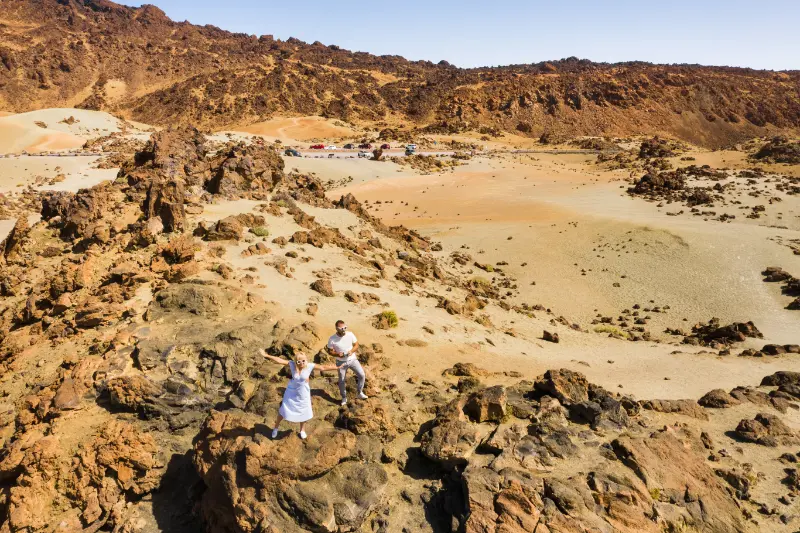
    Couple At Teide Volcano Crater Tenerife

    For a simpler option I choose a west- or southwest-facing coastal sunset and reserve dinner nearby. That reduces transport risk while keeping the day special.

    Boat or private charter

    A shared whale-watching trip can be excellent for a birthday, while a private charter offers more control over timing and atmosphere. I choose based on the person celebrating, not on what photographs best.

    I ask about seasickness, shade, toilet access, drinks and weather cancellation. A surprise is less romantic if the guest hates boats.

    Cakes, flowers and hotel surprises

    I ask the hotel whether it can arrange a cake, flowers, sparkling wine or room decoration and request the price before confirming. Outside suppliers may need reception approval or a delivery time window.

    If the cake is essential, I order early and state the exact name, age, message, allergens and collection/delivery details. I keep a written confirmation and a backup dessert plan.

    Celebrating with children or a group

    Family birthdays work best when the main activity suits the youngest and oldest person. A beach club or long tasting menu can be perfect for adults but difficult for a toddler. I often plan one shared daytime activity and give adults a separate evening option.

    For groups, I decide in advance who pays deposits and how costs are split. My Tenerife group-trip guide covers the logistics in more detail.

    Weather backup

    I always have an indoor or low-risk alternative for the key celebration window. Tenerife is sunny often, but wind can cancel boats and cloud can ruin a planned Teide sunset.

    A spa treatment, museum, tasting, indoor restaurant or flexible private transfer can save the day without making the backup feel second best.

    A simple celebration itinerary

    I keep the morning relaxed, book one meaningful experience in the afternoon, leave time to shower and change, then have dinner without another deadline afterwards. That rhythm feels more celebratory than stacking five attractions.

    I also protect the following morning. A late night is easier to enjoy when I have not booked a 06:00 pickup for Teide.

    My practical checklist

    • Confirm the date and restaurant in writing
    • Tell suppliers about allergies and dietary needs
    • Ask what hotel surprises actually cost
    • Keep one weather-proof backup
    • Plan transport after dinner
    • Avoid overloading the celebration day
    • Save all supplier contacts offline

    How I would fit this into a Tenerife holiday

    I treat this topic as part of the wider itinerary rather than an isolated task. Tenerife looks compact, but mountain roads, traffic, parking, weather and microclimates can turn a short map distance into a meaningful part of the day. I therefore choose the accommodation base and transport plan before locking in non-refundable details.

    I also leave a buffer around anything time-sensitive. A delayed flight, road closure, crowded car park or change of weather is easier to absorb when the schedule has one flexible hour rather than five back-to-back reservations.

    What I verify 48 hours before

    Two days before the relevant day I reopen the official source, booking or operator page and check times, access, prices and any service notice. I save the address and phone number offline, charge the phone and make sure the travelling group knows the plan rather than keeping all information on one person’s device.

    Couple Exploring Tenerife

    If the topic involves accessibility, transport or a specialist service, I confirm the exact need again in writing. “Accessible,” “nearby,” “included” and “open” can mean different things to different providers, so a specific question produces a more useful answer than a general assumption.

    Budget and hidden-cost check

    I compare the full cost rather than only the first price shown. Transport to the starting point, parking, deposits, luggage, food, delivery fees, equipment and cancellation rules can change the value of an option. The cheapest headline price is not always the cheapest day.

    For paid experiences I prefer clear cancellation terms and a provider that gives a precise meeting point. When weather can affect the plan, flexibility is worth paying for if the price difference is reasonable.

    Safety and responsible travel

    I follow current local instructions, respect private property and protected areas, and avoid treating an old social-media post as proof that access is still permitted. In Tenerife, trail status, ocean conditions, road access and operating hours can change faster than an evergreen article.

    If a problem becomes an emergency, I use 112 and give the location as clearly as possible. My Tenerife emergency-numbers guide explains the wider emergency framework.

    Where I would stay

    I choose accommodation for the part of Tenerife that matters most to this plan. A slightly higher room rate can be worthwhile when it removes repeated long transfers. Compare accommodation in Tenerife on Booking.com

    Useful related Tenerife guides

    Bookable experiences

    For an organised activity I compare the meeting point, duration, age or mobility restrictions, cancellation terms and whether transport is included before paying.

    Frequently asked questions

    Where is best for an anniversary in Tenerife?

    Costa Adeje is convenient for upscale resorts and sunset activities, while Puerto de la Cruz, La Laguna and Santa Cruz offer very different atmospheres.

    Can hotels arrange birthday cakes?

    Many can help, but I ask about price, notice period and dietary requirements rather than assuming it is included.

    What is a good weather-proof celebration?

    A spa, tasting menu, museum, workshop or indoor restaurant works well when wind or cloud affects outdoor plans.

    Should I book a private boat?

    Only if the guest enjoys boats and the budget suits. A high-quality shared excursion can be just as memorable.

    How far ahead should I book?

    For milestone dates, popular restaurants and private experiences, I book as early as practical and confirm details again shortly before the day.

    My final advice

    The best version of this plan is the one that matches the people travelling, current conditions and the rest of the holiday. I verify the details that can change, keep the essentials offline and leave enough margin for Tenerife to feel like a holiday rather than a sequence of deadlines.

    A realistic seven-day planning context

    On a one-week Tenerife holiday I would not allow this single subject to dominate every day. I normally protect one or two weather-sensitive days, one mountain or nature day, one slower beach or town day and enough unplanned time to move things around. This is particularly useful when travelling with children, older relatives or anyone who needs accessibility arrangements.

    Couple On A Tenerife Beach

    I keep arrival day simple and avoid putting a non-refundable specialist activity immediately after a late flight. I also keep the last day relatively light. Tenerife is much more enjoyable when the itinerary has room for a delayed meal, a better viewpoint or an unexpected change of weather.

    Questions I ask before paying

    • What exactly is included?
    • Where is the meeting point or entrance?
    • How early should I arrive?
    • What happens if the service is unavailable?
    • Are there age, mobility, documentation or equipment restrictions?
    • Can the booking be changed if plans move?
    • Who do I contact on the day?

    I keep screenshots of important terms. This small habit is useful if a web page changes, mobile data fails or different staff members give conflicting information.

  • Tenerife Car Rental Pickup & Return Checklist: Deposits, Damage Photos, Fuel and Airport Timing

    Tenerife Car Rental Pickup & Return Checklist: Deposits, Damage Photos, Fuel and Airport Timing

    Quick summary: Tenerife car rental pickup and return checklist: deposits, damage photos, fuel policy, airport timing, documents, tyres, keys and avoiding common disputes.

    Renting a car can be the easiest way to explore Tenerife, but the moments that create the most disputes are often not the mountain roads. They are the ten minutes at collection and the ten minutes at return. A rushed inspection, unclear fuel policy or forgotten deposit condition can cost more than a day of sightseeing.

    I treat collection as a short audit. I confirm the name on the booking, the insurance level, the deposit or card hold, the fuel rule and the actual car category before I drive away. Then I photograph the vehicle in good light, including wheels and windscreen. At return I repeat the process and keep the final receipt or return confirmation.

    This article complements my Tenerife car rental insurance guide. The insurance article explains excess and coverage; this checklist focuses on what I physically and administratively do at the desk, in the car park and when handing the vehicle back.

    At a glance

    Best forTravellers who want practical, current planning rather than guesswork
    Plan aheadAnything involving tickets, accessibility, transport or timed reservations
    Useful habitSave confirmations, addresses and official information offline
    My approachKeep one flexible backup instead of over-scheduling the day

    Before I reach the rental desk

    I keep the booking voucher, driving licence, identity document and payment card easy to reach. If the driver name, licence country or cardholder differs from the booking, I resolve that before the holiday rather than assuming the desk can simply change it.

    I also check the collection location. “Tenerife South Airport” may mean an in-terminal desk, a desk in a nearby car-rental building or an off-airport shuttle. Those are different experiences when a flight lands late or I am travelling with children.

    Deposit, excess and the card hold

    I ask the desk to show me the deposit or pre-authorisation amount and the excess that applies to the exact contract. A low headline rental price can still require a substantial credit-card hold. I do not rely on a comparison-site summary if the final supplier contract says something different.

    If I have separate excess insurance, I still expect the rental company to apply its own deposit rules. Third-party reimbursement insurance does not necessarily remove the supplier’s hold. I save the signed agreement so I know what I accepted.

    The damage photo routine I use

    Before moving the car, I walk around it slowly. I photograph every side, both bumpers, the windscreen, mirrors, roof where visible, wheels and tyres, fuel gauge and dashboard mileage. Video is useful for context, but clear still photographs are easier to compare later.

    I make sure existing scratches, dents or wheel damage appear on the condition report. If the car is in a dark garage, I use the phone torch and ask staff to add anything that is missing. A two-minute delay is preferable to a debate after the holiday.

    Tyres, warning lights and basic equipment

    I look at the tyres for obvious damage and check that no warning light remains illuminated after the engine starts. I confirm where the reflective vest, warning device or other required safety equipment is stored and what the company wants me to do after a breakdown.

    Tenerife mountain roads can be remote, so I save the rental assistance number offline. My breakdown and accident guide explains the 2026 V16 context and practical steps if something goes wrong.

    Fuel policy

    Full-to-full is straightforward when I receive a full tank and return it full. Other policies can include prepaid fuel or different charging methods, so I read the contract rather than assuming every company works the same way.

    On the final day I do not wait until the airport slip road to find fuel. I identify a sensible station in advance and keep the receipt if the contract could require proof. The Tenerife petrol-stations guide explains fuel types and refuelling.

    Volcanic Road In Teide National Park Tenerife

    Return timing at TFS or TFN

    I add time for refuelling, finding the correct rental return lane, unloading, the inspection and walking to the terminal. Returning a car at 07:55 for an 08:00 contractual deadline is not the same as being ready for airport security at 08:00.

    For an out-of-hours key drop I photograph the parked car, fuel gauge, mileage and location. I also check what the supplier considers the official return time, because leaving keys in a box can shift responsibility depending on the contract.

    After return

    I keep the return document, fuel receipt and photos until the deposit is released and the final charge is clear. If a charge appears, I compare the time, amount and description with the signed rental agreement before contacting the company.

    I do not delete photographs the moment I board the flight. Storage is cheap; reconstructing the condition of a vehicle without evidence is difficult.

    My practical checklist

    • Driving licence and ID ready
    • Correct payment card in the main driver’s name if required
    • Deposit and excess confirmed
    • All exterior damage photographed
    • Fuel and mileage photographed
    • Assistance number saved offline
    • Return location mapped before the final day
    • Final receipt and photos kept until the deposit clears

    How I would fit this into a Tenerife holiday

    I treat this topic as part of the wider itinerary rather than an isolated task. Tenerife looks compact, but mountain roads, traffic, parking, weather and microclimates can turn a short map distance into a meaningful part of the day. I therefore choose the accommodation base and transport plan before locking in non-refundable details.

    I also leave a buffer around anything time-sensitive. A delayed flight, road closure, crowded car park or change of weather is easier to absorb when the schedule has one flexible hour rather than five back-to-back reservations.

    Road Through Teide National Park Tenerife

    What I verify 48 hours before

    Two days before the relevant day I reopen the official source, booking or operator page and check times, access, prices and any service notice. I save the address and phone number offline, charge the phone and make sure the travelling group knows the plan rather than keeping all information on one person’s device.

    If the topic involves accessibility, transport or a specialist service, I confirm the exact need again in writing. “Accessible,” “nearby,” “included” and “open” can mean different things to different providers, so a specific question produces a more useful answer than a general assumption.

    Budget and hidden-cost check

    I compare the full cost rather than only the first price shown. Transport to the starting point, parking, deposits, luggage, food, delivery fees, equipment and cancellation rules can change the value of an option. The cheapest headline price is not always the cheapest day.

    For paid experiences I prefer clear cancellation terms and a provider that gives a precise meeting point. When weather can affect the plan, flexibility is worth paying for if the price difference is reasonable.

    Safety and responsible travel

    I follow current local instructions, respect private property and protected areas, and avoid treating an old social-media post as proof that access is still permitted. In Tenerife, trail status, ocean conditions, road access and operating hours can change faster than an evergreen article.

    If a problem becomes an emergency, I use 112 and give the location as clearly as possible. My Tenerife emergency-numbers guide explains the wider emergency framework.

    Where I would stay

    I choose accommodation for the part of Tenerife that matters most to this plan. A slightly higher room rate can be worthwhile when it removes repeated long transfers. Compare accommodation in Tenerife on Booking.com

    Useful related Tenerife guides

    Frequently asked questions

    Should I photograph a Tenerife rental car?

    Yes. I photograph the car at collection and return, especially existing damage, wheels, windscreen, fuel and mileage.

    Is a deposit the same as the insurance excess?

    No. They are related but different concepts. The rental company can place a card hold even when your potential liability is defined separately.

    Couple Driving Convertible In Tenerife

    What if I return the car out of hours?

    I follow the supplier instructions, photograph the condition and location, and keep evidence of the key-drop time.

    Should I keep the fuel receipt?

    I do when the contract uses a full-to-full policy or could require proof that the car was refuelled.

    How much time should I allow for airport return?

    I add enough margin for fuel, rental return, unloading and the airport process rather than treating the rental deadline as the flight-arrival deadline.

    My final advice

    The best version of this plan is the one that matches the people travelling, current conditions and the rest of the holiday. I verify the details that can change, keep the essentials offline and leave enough margin for Tenerife to feel like a holiday rather than a sequence of deadlines.

    A realistic seven-day planning context

    On a one-week Tenerife holiday I would not allow this single subject to dominate every day. I normally protect one or two weather-sensitive days, one mountain or nature day, one slower beach or town day and enough unplanned time to move things around. This is particularly useful when travelling with children, older relatives or anyone who needs accessibility arrangements.

    I keep arrival day simple and avoid putting a non-refundable specialist activity immediately after a late flight. I also keep the last day relatively light. Tenerife is much more enjoyable when the itinerary has room for a delayed meal, a better viewpoint or an unexpected change of weather.

    Questions I ask before paying

    • What exactly is included?
    • Where is the meeting point or entrance?
    • How early should I arrive?
    • What happens if the service is unavailable?
    • Are there age, mobility, documentation or equipment restrictions?
    • Can the booking be changed if plans move?
    • Who do I contact on the day?

    I keep screenshots of important terms. This small habit is useful if a web page changes, mobile data fails or different staff members give conflicting information.

  • Tenerife Tram Guide: Santa Cruz, La Laguna, Lines 1 & 2, Tickets and ten+ Tips

    Tenerife Tram Guide: Santa Cruz, La Laguna, Lines 1 & 2, Tickets and ten+ Tips

    Quick summary: Tenerife tram guide for Santa Cruz and La Laguna: Lines 1 and 2, ten+ tickets, fares, transfers, accessibility, useful stops and practical visitor tips.

    Tenerife does not have a railway network linking the whole island, but the metropolitan area has a modern tram that is extremely useful for visitors staying in Santa Cruz de Tenerife or San Cristóbal de La Laguna. The system is compact, easy to understand and often more convenient than driving between the two cities when parking is the main problem.

    Metrotenerife currently operates two lines. Line 1 is the route most visitors use because it connects Santa Cruz and La Laguna through major residential, shopping, hospital and university areas. Line 2 is shorter and serves the La Cuesta–Tíncer area with interchange possibilities. I treat the tram as an urban tool rather than an island-wide transport solution: it works very well for the metropolitan corridor, while TITSA buses remain essential for beaches, airports, Teide and most resorts.

    Tickets and fares can change, so I check the official Metrotenerife page before travelling. As of September 2026 the operator lists a single tram journey at €1.35 with a transit pass or €1.10 through the ten+ mobile system, and also offers day and week products. I would not build a budget around those numbers months in advance without rechecking them.

    At a glance

    Best forTravellers who want practical, current planning rather than guesswork
    Plan aheadAnything involving tickets, accessibility, transport or timed reservations
    Useful habitSave confirmations, addresses and official information offline
    My approachKeep one flexible backup instead of over-scheduling the day

    Line 1: the visitor-friendly backbone

    Line 1 is the route I would learn first. It links the Intercambiador area in Santa Cruz with La Trinidad in La Laguna and passes through central stops that make it useful for shopping, museums, appointments and a car-free day between the two cities. If I am sightseeing, I pair it with walking rather than trying to hop on for every short block.

    The route is particularly useful when I want a morning in Santa Cruz and an afternoon in La Laguna without finding two parking spaces. I still allow time for walking from the stop to the exact attraction because the tram does not run through every historic street.

    Santa Cruz De Tenerife Colorful Architecture

    Line 2: when it matters to a visitor

    Line 2 is much less likely to be the centre of a first Tenerife itinerary, but it matters if accommodation, friends, a medical appointment or another destination lies near the route. I check the map rather than assuming that every tram displaying a metropolitan destination runs all the way to central La Laguna.

    The two-line system is simple enough that I can understand it before leaving the hotel. I save the route map offline and identify the stop name for both directions, which prevents the common mistake of boarding correctly but getting off one stop too early or too late.

    Tickets, ten+ and validation

    Metrotenerife sells several ticket types, including single journeys and time-based products. The exact best choice depends on how often I will use TITSA buses as well as the tram. A day pass can make sense on a transport-heavy sightseeing day; a single journey is simpler if I only need the tram once.

    I always validate the travel product as required, including when transferring. The operator explicitly warns that passengers need a valid ticket and publishes penalties for travelling without one. I do not assume that buying or loading a card automatically validates the ride.

    Using the tram with luggage, children and pushchairs

    Low-floor access makes the tram practical with a pushchair, and the system has dedicated accessible areas. I keep aisles and doors clear and avoid peak commuter periods when possible if I have a large suitcase or stroller. For a normal sightseeing day, a compact day bag is far more comfortable than airport-sized luggage.

    For children, I check the current fare rules because resident concessions are not the same thing as tourist discounts. The operator currently says children under five travel free, but I verify age and ticket conditions again before relying on that detail.

    Accessibility

    Metrotenerife describes the tram as fully accessible and holds universal-accessibility certification. The network uses low-floor vehicles, adapted doors and spaces for wheelchairs and pushchairs; its accessibility reporting also describes audio information and voice navigation at ticket machines to support passengers with visual impairment.

    I still plan the whole journey, not only the vehicle. A destination may involve steep pavements, construction or a long final walk even when the tram itself is accessible. For airport journeys I use my Tenerife airport accessibility guide because the tram does not serve either airport.

    When the tram is better than a car

    I choose the tram when I am moving between Santa Cruz and La Laguna, especially if parking stress would reduce the enjoyment of the day. I choose a car when the same day includes rural Anaga, Teide, a remote beach or several viewpoints where public transport would create long waits.

    The useful question is not “tram or car for Tenerife?” but “which tool fits this particular day?” My Tenerife without a car guide and Tenerife by car guide help compare the trade-offs.

    A simple Santa Cruz–La Laguna day plan

    I would start near Santa Cruz Intercambiador, walk the central city, then take Line 1 toward La Laguna and finish with the UNESCO historic centre on foot. Reversing the order works just as well if I am staying in La Laguna. I avoid adding Teide or a south-coast resort to the same public-transport day because the result becomes more transfers than sightseeing.

    For food, I leave enough time to eat away from the immediate transport stop. The historic centres are part of the experience, so I use the tram to remove the parking problem rather than to rush between attractions.

    Santa Cruz De Tenerife Skyline And Auditorium

    My practical checklist

    • Check the official timetable and any service notices
    • Choose the ticket type before the first ride
    • Validate every journey correctly
    • Save the stop names for both directions
    • Avoid blocking doors with luggage or pushchairs
    • Allow walking time from the stop to the attraction
    • Use TITSA for destinations outside the tram network

    How I would fit this into a Tenerife holiday

    I treat this topic as part of the wider itinerary rather than an isolated task. Tenerife looks compact, but mountain roads, traffic, parking, weather and microclimates can turn a short map distance into a meaningful part of the day. I therefore choose the accommodation base and transport plan before locking in non-refundable details.

    I also leave a buffer around anything time-sensitive. A delayed flight, road closure, crowded car park or change of weather is easier to absorb when the schedule has one flexible hour rather than five back-to-back reservations.

    What I verify 48 hours before

    Two days before the relevant day I reopen the official source, booking or operator page and check times, access, prices and any service notice. I save the address and phone number offline, charge the phone and make sure the travelling group knows the plan rather than keeping all information on one person’s device.

    If the topic involves accessibility, transport or a specialist service, I confirm the exact need again in writing. “Accessible,” “nearby,” “included” and “open” can mean different things to different providers, so a specific question produces a more useful answer than a general assumption.

    Budget and hidden-cost check

    I compare the full cost rather than only the first price shown. Transport to the starting point, parking, deposits, luggage, food, delivery fees, equipment and cancellation rules can change the value of an option. The cheapest headline price is not always the cheapest day.

    For paid experiences I prefer clear cancellation terms and a provider that gives a precise meeting point. When weather can affect the plan, flexibility is worth paying for if the price difference is reasonable.

    Safety and responsible travel

    I follow current local instructions, respect private property and protected areas, and avoid treating an old social-media post as proof that access is still permitted. In Tenerife, trail status, ocean conditions, road access and operating hours can change faster than an evergreen article.

    If a problem becomes an emergency, I use 112 and give the location as clearly as possible. My Tenerife emergency-numbers guide explains the wider emergency framework.

    Where I would stay

    I choose accommodation for the part of Tenerife that matters most to this plan. A slightly higher room rate can be worthwhile when it removes repeated long transfers. Compare accommodation in Tenerife on Booking.com

    Useful related Tenerife guides

    Official information I would recheck

    The details most likely to change are fares, opening times, accessibility arrangements, service procedures and customs rules. I therefore recheck the official sources below close to the travel date.

    Frequently asked questions

    Does Tenerife have a train?

    There is no island-wide passenger railway. The metropolitan tram serves Santa Cruz, La Laguna and nearby urban areas.

    Aerial View Of Santa Cruz De Tenerife

    Can tourists use ten+?

    Yes, visitors can use available ten+ products, but resident-only passes and concessions have eligibility rules.

    Does the tram go to Tenerife South Airport?

    No. I use TITSA buses, taxi, transfer or rental car for TFS.

    Is the tram accessible?

    Metrotenerife describes the system as fully accessible, with low-floor vehicles and accessibility features.

    Can I use the tram for a La Laguna day trip?

    Yes. It is one of the easiest ways to combine Santa Cruz and La Laguna without parking twice.

    My final advice

    The best version of this plan is the one that matches the people travelling, current conditions and the rest of the holiday. I verify the details that can change, keep the essentials offline and leave enough margin for Tenerife to feel like a holiday rather than a sequence of deadlines.

  • Flying with Sports Equipment to Tenerife: Bikes, Surfboards, Golf Clubs and Airline Planning

    Flying with Sports Equipment to Tenerife: Bikes, Surfboards, Golf Clubs and Airline Planning

    Tenerife is a destination where bringing your own equipment can genuinely change the holiday. Road cyclists may want a familiar bike for Teide climbs, surfers may prefer their own boards, golfers often travel with clubs, and divers or photographers can arrive with bulky cases. The problem is that “sports equipment” is not one universal airline category. Price, size, weight, packaging and advance-booking rules can differ dramatically.

    Aena classifies oversized, heavy or unusually shaped items such as bicycles and golf bags as special baggage. The airport may process them separately from ordinary suitcases, while the airline decides whether it accepts the item, how much it costs and how it must be packed. I therefore book the flight only after checking the equipment policy, not the other way around.

    This guide focuses on the practical Tenerife end of the journey: getting the equipment accepted, protecting it, collecting it, fitting it into onward transport and deciding when renting locally is simpler.

    Quick planning summary

    QuestionMy approach
    What do I verify first?The current official rule or provider condition, not an old forum answer.
    What do I save offline?Booking confirmation, contact details, screenshots and any document I may need without mobile data.
    How much margin do I leave?Enough for Tenerife traffic, queues, weather and the possibility that a plan changes.
    What is my backup?A simpler option that does not depend on one fragile connection or one provider.

    Airline rules come before airport rules

    Aena’s current guidance is clear that each airline sets its own dimensions, weight and number-of-item limits. That means a bike included on one fare may be an expensive extra on another, and a surfboard accepted up to one length by one carrier may need special approval with another. I save the airline’s written sports-baggage conditions at the time of booking.

    I also check whether the fee is per flight, per direction or per journey with connections. A cheap ticket can become less attractive once equipment fees, checked baggage and seat or transfer costs are added.

    Bicycles: box, bag and preparation

    Aena recommends proper packaging for bicycles and gives examples such as folding the handlebars, removing pedals and deflating tyres for boxed transport. Airline instructions can be more specific, so I follow the carrier’s exact checklist. I photograph the bike before closing the case, protect the derailleur and frame contact points, and avoid loose tools that can move around inside.

    For Tenerife road cycling, the airport transfer is part of the decision. A normal taxi may not take a large rigid bike box, especially with several passengers. I pre-book a suitable vehicle or rental car and confirm luggage dimensions rather than assuming “large car” means bike-case compatible. My road cycling in Tenerife guide covers routes and climbing conditions once the bike is assembled.

    Surfboards, bodyboards and water-sport gear

    Board length is the first number I check. A surf bag that fits the airline’s category may still be awkward in a small rental car or hotel lift. I use strong nose and rail protection, remove or protect fins, and avoid leaving loose metal parts inside. For bodyboards the logistics are easier, but airlines can still count the bag as special or oversized baggage.

    If the trip is short, renting can be more rational than paying two flight sectors plus a larger car. My surfing in Tenerife guide and bodyboarding guide help decide whether local rental is practical for the areas you plan to use.

    Golf clubs and other rigid equipment

    Golf bags need protection around club heads and shafts, and I never assume the airline’s golf allowance includes shoes, clothing or extra personal items. Some carriers define exactly what can be inside the sports bag. I keep the policy screenshot with the booking.

    Golf Course Near Los Cristianos Tenerife

    Tenerife has courses in the south and north, so hotel location matters if clubs are part of the trip. The Tenerife golf guide compares the main areas and helps decide whether transporting personal clubs is worth the effort.

    Lithium batteries and electric sports equipment

    This is the area where I am most cautious. Aena states that battery-powered personal or sports transport devices such as many electric bicycles and electric scooters are generally not allowed in checked baggage or the cabin because their batteries commonly exceed normal passenger limits. I never turn up at the airport with a large lithium battery hoping staff will make an exception.

    If an e-bike holiday is the goal, I usually plan to rent the battery-equipped bike in Tenerife and bring only conventional accessories that are clearly permitted.

    Collecting special baggage and checking damage

    Special items may arrive at a separate belt or collection point rather than the normal carousel. I inspect the case before leaving the reclaim area and photograph any obvious damage immediately. If something is broken or missing, I report it before walking out of the baggage hall whenever possible.

    I keep receipts for high-value equipment and consider whether standard travel insurance covers sports equipment in transit. The travel insurance guide explains the broader insurance questions I review before a specialist trip.

    When renting locally is the better option

    I compare the total cost rather than only the rental price. Bringing equipment may involve an airline fee, larger rental car, storage space and the risk of damage. Renting can include current equipment, local setup advice and no airport handling. Bringing my own equipment wins when fit, familiarity or specialist specification matters enough to justify the logistics.

    My practical checklist

    • Read the airline sports-baggage policy before buying the ticket
    • Reserve the equipment space in advance when required
    • Use a purpose-built protective bag or case
    • Photograph valuable equipment before check-in
    • Plan a transfer vehicle that actually fits the case
    • Check lithium-battery restrictions carefully
    • Inspect equipment before leaving baggage reclaim

    How I fit this into a Tenerife itinerary

    I avoid letting one practical detail dominate the holiday. I solve the non-negotiable part before arrival, then keep the rest of the itinerary flexible. Tenerife has strong microclimates, busy resort periods and roads that can take longer than the map suggests. A plan that works only if every flight, bus, queue and check-in is perfect is not a plan I would trust.

    For a seven-day trip I put the most time-sensitive tasks early enough that there is a recovery option. I keep the final day lighter, avoid stacking a remote mountain excursion immediately before a flight and save confirmations offline. This is the same principle I use throughout my Tenerife travel planning: protect the parts that can ruin the trip and stay relaxed about the parts that can move.

    Golf Del Sur Volcanic Coast Tenerife

    Costs: compare the total, not the first price

    Small travel decisions often create hidden costs. A cheaper flight can need a private transfer; a low rental price can require delivery fees; a “free” hotel service may need an advance reservation; an oversized bag can trigger an airline charge. I write down the whole chain before deciding. That usually produces a better answer than choosing the cheapest individual component.

    Accommodation location is part of that calculation. A hotel that is slightly more expensive but close to the correct airport, bus station or service can save both time and transport money. When location matters, I compare accommodation prices in Tenerife only after I know which area fits the itinerary.

    Questions I ask before I book or pay

    • Is this information current for my exact travel date?
    • Who is responsible if the service is delayed or unavailable?
    • Are there size, age, weight, documentation or timing limits?
    • What is included in the price and what is charged separately?
    • Can I cancel or change the booking?
    • Where exactly do I need to go on the day?
    • What is the phone number or contact method if something goes wrong?

    I keep screenshots of any condition that materially affects the trip. Websites and app pages can change after booking, and having the confirmation, fare rules or equipment description makes a later conversation much easier.

    Common mistakes I would avoid

    The first mistake is relying on a single old article or social-media comment for a rule that can change. The second is booking the cheapest option before calculating transport and baggage. The third is leaving no time margin. The fourth is keeping every important document only inside an email account that might be difficult to access abroad.

    I also avoid solving everything at the airport. Airports are the worst place to discover a missing permit, wrong bag size, unsuitable transfer or medication problem. Anything predictable should be checked before the trip.

    Useful related Tenerife guides

    Official information I would recheck

    Rules, timetables and operating procedures can change. For the parts of this guide that depend on current policy, I use the official sources below shortly before travelling:

    Bookable experiences

    I use an organised activity when it solves a real problem: transport, specialist equipment, limited access or a day when I would rather not drive. I still check the meeting point, age limits and cancellation conditions before paying.

    Buenavista Golf Course Tenerife At Sunset

    Frequently asked questions

    Do airlines include a bike in normal checked baggage?

    Sometimes, but policies vary widely. I check the exact fare and sports-equipment conditions before booking.

    Can I fly to Tenerife with an e-bike battery?

    Large e-bike batteries are commonly outside normal passenger baggage limits. I check the airline and Aena rules and usually plan to rent an e-bike locally.

    Where do I collect a bike box at the airport?

    Special baggage can be delivered at a separate reclaim point. I follow the airport signs and airline handling instructions.

    Is it cheaper to rent a surfboard in Tenerife?

    For a short trip it often can be once airline fees and larger transport are included. For specialist boards or long stays, bringing your own may still make sense.

    Should I insure sports equipment?

    For expensive gear I check whether travel, home or specialist insurance covers transit, theft and activity use, including any excess and exclusions.

    My final advice

    I would solve this part of the Tenerife trip before it becomes urgent, keep the confirmation offline and leave enough margin for a real holiday rather than an over-optimised schedule. The island is easy to enjoy when the practical details are prepared and the daily plan still has room to change.

  • Proposing in Tenerife: Romantic Locations, Sunset Plans, Photographers and Backup Ideas

    Proposing in Tenerife: Romantic Locations, Sunset Plans, Photographers and Backup Ideas

    Tenerife gives a proposal planner an unusual range of settings within one island: a black-sand beach, sunset above the clouds, a historic Canarian courtyard, a quiet vineyard, a cliff viewpoint or a simple restaurant terrace by the Atlantic. The hardest part is not finding a dramatic background; it is choosing a place that suits the person being asked.

    I plan the proposal around comfort and meaning before spectacle. Someone who hates crowds will not enjoy becoming the centre of attention on a busy beach. Someone who gets carsick may not appreciate a surprise mountain drive. The best location is the one where both people can actually be present in the moment.

    Proposal settings I would consider

    Beach sunsetEasy and romantic, but privacy and wind vary
    Teide viewpointDramatic landscape; colder, higher and more weather-dependent
    Historic townElegant streets and courtyards in La Laguna, La Orotava or Garachico
    Private terrace or villaMaximum privacy and control
    Boat at sunsetMemorable but only if both people enjoy the sea
    Vineyard or rural fincaQuiet atmosphere with food and wine options

    Sunset: arrive earlier than the proposal time

    Sunset photographs are best before and after the exact moment the sun touches the horizon, and parking can be slower than expected. I arrive early, walk the final route and identify a backup spot. I do not make the proposal depend on standing on a dangerous cliff edge for the photograph.

    The western and south-western coast often offers classic ocean sunsets, while Teide can deliver extraordinary light above the cloud layer. Cloud and calima can also hide the horizon, so I keep expectations flexible.

    Teide proposals

    Teide is spectacular but not effortless. The temperature can be dramatically colder than at the hotel, the road may be windy and mountain weather can change. I choose an accessible legal viewpoint rather than an isolated trail unless both people are experienced hikers.

    At night, I use low light and respect stargazing groups. If the proposal is part of an organised astronomy tour, I tell the operator privately in advance rather than disrupting the guide’s programme.

    Beach proposals without the cliché problems

    I choose a beach the couple already likes or one that fits the accommodation. Playa del Duque offers polished surroundings; La Tejita feels more natural; black-sand beaches in the north provide a distinctly volcanic look. I check tide, wind and access because a perfect photo location can be uncomfortable in strong swell or sand-blasting wind.

    I keep the ring secured until the moment arrives. I do not bury it in sand, balance it on a rock beside the sea or hide it in food. Those ideas create more risk than romance.

    Hiring a photographer

    A hidden photographer works best when the location and timing are simple. I share photographs of the couple, clothing, exact meeting point and a Plan B. If the photographer needs to pretend to be a tourist, I agree on a signal so they know the proposal is about to happen.

    Couple On Holiday In Tenerife

    I also decide whether I want only the proposal documented or a short engagement session afterwards. The second option usually produces more relaxed photographs once the surprise has passed.

    Restaurants and private dinners

    A restaurant proposal is practical when weather is uncertain. I contact the restaurant directly, explain the plan and ask for a quiet table, but I avoid demanding a promise of total privacy in a public dining room. A hotel terrace or private villa dinner gives more control.

    If the ring is going to arrive with dessert, I make sure one named staff member is responsible and I confirm the plan on the day. I personally prefer to keep the ring in my possession.

    What if the weather turns bad?

    The backup should feel like a second good proposal, not a consolation prize. A historic indoor setting, hotel suite, covered terrace or excellent restaurant can be more intimate than forcing a rainy beach moment. Tenerife’s microclimates also allow a move from cloudy north to sunnier south on some days, but I do not spend the proposal day racing the forecast across the island.

    I keep the story simple enough that changing the location does not reveal the surprise.

    How I would fit a marriage proposal in Tenerife into a Tenerife holiday

    I treat a marriage proposal in Tenerife as one part of the trip rather than something that should distort the whole itinerary. Tenerife is small on a map but travel time changes quickly with mountain roads, resort traffic, parking and weather. I normally give one major objective to each day, add something nearby and keep enough margin to change the order if conditions are better elsewhere.

    I also avoid stacking two non-refundable activities back to back. A delayed flight, rough sea, road closure or simply a tired family can turn a theoretically efficient day into a stressful one. A flexible half-day is often worth more than squeezing in another attraction.

    Where I would stay

    For an ocean proposal I like Costa Adeje, La Caleta or a quieter west-coast base. For historic character I choose La Laguna, La Orotava or Garachico. For Teide, I stay somewhere that avoids a very long return after dark.

    My where-to-stay guide for Tenerife compares the south, north and metropolitan area in more detail. I choose a base for the activities that matter most, not simply for the lowest room rate.

    Compare accommodation in Tenerife on Booking.com

    Transport and timing

    I use a taxi or private transfer if champagne is part of the plan. For Teide or remote viewpoints I drive in daylight first when possible and never stop illegally for a photograph.

    Couple At Teide Volcano Crater Tenerife

    If I am not renting a car, my Tenerife without a car guide helps me judge what is realistic by bus, taxi and organised excursion. For arrivals and departures I also check the Tenerife airport-transfer guide.

    What I would pack or prepare

    • Ring in a secure zipped pocket or box
    • Light layer for sunset and Teide
    • Small bottle of water
    • Phone charged but silenced
    • Photographer contact saved offline
    • Backup location
    • Simple explanation for any necessary change of plan

    Tenerife has strong microclimates. A warm beach, windy coast, cool evening and cold high-altitude stop can all happen in the same holiday, so I use my Tenerife packing list as a final cross-check.

    Booking, cancellation and hidden-cost checks

    Before paying, I read exactly what is included. Transfers, equipment, parking, deposits, photographs, meals, baggage, fuel and cancellation conditions can change the real price. For anything weather-dependent I prefer a booking that can be moved or refunded when the price difference is reasonable.

    I save the confirmation, meeting point and contact number offline. That is a small habit, but it is useful when mobile data is weak, a booking email will not load or the meeting place has several entrances.

    Safety and responsible travel

    I follow official closures and local instructions, respect private property and protected areas, and do not treat an old social-media post as proof that a place is open or safe today. Ocean conditions, mountain access, road closures and operator procedures can change faster than an evergreen travel article.

    My responsible Tenerife travel guide covers lower-impact choices, while the Tenerife emergency-numbers guide explains when and how to use 112.

    Useful related Tenerife guides

    Bookable experiences

    I use an organised activity when it solves a real problem: specialist equipment, a difficult transfer, restricted access, local interpretation or a day when I would rather not drive. I still check the current meeting point, age limits and cancellation terms before paying.

    Frequently asked questions

    Where is the best place to propose in Tenerife?

    There is no single best place. I choose between beach, Teide, historic town, vineyard or private terrace based on the person and desired privacy.

    Can I propose on Mount Teide?

    Yes in permitted public areas, but I plan for altitude, cold, wind, parking and access rules.

    Should I hire a photographer?

    It is useful when photographs matter, but I keep the setup simple and agree on a backup plan.

    What time should I propose at sunset?

    I arrive well before sunset and use the golden-light window rather than planning the exact question for one minute.

    Couple Exploring Tenerife

    What is the best backup for bad weather?

    A covered terrace, historic interior, hotel suite or restaurant can preserve the occasion without forcing unsafe outdoor conditions.

    My final advice

    The best plan for a marriage proposal in Tenerife is the one that matches the people travelling, the current conditions and the rest of the holiday. I decide what is essential, keep one fallback and leave enough margin for Tenerife to be enjoyable rather than over-scheduled.

    A realistic way to plan this over seven days

    I avoid building an entire Tenerife week around one specialist topic. A balanced trip normally mixes one or two major experiences with beaches, a historic town, a mountain day and slower time near the accommodation. That means I can move this activity if weather, sea conditions or family energy changes without losing the whole itinerary.

    My practical rhythm is to put the most weather-sensitive plan in the first half of the holiday, leaving another possible day as backup. I keep arrival day simple, avoid a difficult mountain drive after a late flight and leave the final afternoon relatively light so a delayed excursion does not threaten the flight home.

    Questions I ask before I pay

    • Where exactly is the meeting point or entrance?
    • How early must I arrive?
    • What is included and what costs extra?
    • What happens if weather, sea conditions or access rules cancel the plan?
    • Are there age, weight, health, mobility or licence restrictions?
    • Is transport included or do I need parking?
    • Can I change the date if another day has better conditions?

    I keep screenshots of the final booking conditions rather than relying on the first promotional page I saw. This is especially useful when a product is sold by both the operator and third-party platforms with slightly different inclusions.

    What I check again on the morning

    I look at the current weather, any official access warning, the operator message and the real driving time. I fill water bottles, charge the phone and recheck clothing. Tenerife rewards flexible travellers because conditions can be very different on opposite sides of the island on the same day.

    How I keep the day enjoyable

    I add one nearby meal, viewpoint or easy walk rather than crossing the island for a second headline attraction. This creates space for parking, queues, photographs and an unplanned stop. It also makes the itinerary more resilient when the first activity starts late.

  • New Year’s Eve in Tenerife: Nochevieja, Grapes, Parties, Transport and Weather

    New Year’s Eve in Tenerife: Nochevieja, Grapes, Parties, Transport and Weather

    New Year’s Eve in Tenerife combines a mild winter climate with a very Spanish midnight ritual: the twelve grapes, one for each chime as the old year ends. Around that tradition, the island offers several very different ways to celebrate — a hotel gala in Costa Adeje, dinner and nightlife in Playa de las Américas, a municipal street party in La Laguna or Santa Cruz, or a quiet apartment balcony with a bottle of cava and an early walk on New Year’s Day.

    I would decide the style of celebration before choosing accommodation. Nochevieja is one of the nights when “we will just see what happens” can become expensive or inconvenient. Restaurants may use fixed menus, hotels can restrict gala access to guests or package holders, taxis are under heavy demand and public events change location and programme from year to year.

    Tenerife is warm compared with much of Europe, but midnight is not guaranteed to feel summery. The north and higher towns can be cool, wind changes the temperature quickly and outdoor events involve long periods standing still. I would pack a light jacket even if I spent the afternoon in a T-shirt.

    New Year’S Eve In Tenerife at a glance

    Classic midnight tradition12 grapes with the 12 chimes
    Best for nightlifePlaya de las Américas / Costa Adeje
    Best for historic atmosphereLa Laguna
    Best strategyBook dinner and return transport early
    Weather realityMild, but evenings can be cool or windy

    The twelve grapes tradition

    At midnight, many people in Spain eat twelve grapes in time with the clock chimes. The idea is simple; the execution can be surprisingly funny when the grapes are large or the chimes move faster than expected. Supermarkets sell small New Year packs, sometimes peeled or seedless, which makes the ritual easier.

    Do not start eating during the preliminary quarter chimes if you are following a televised broadcast. Wait for the twelve main strokes. If you have young children, cut grapes appropriately for safety rather than turning tradition into a choking risk. Families can copy the ritual with small sweets or another safer food.

    Where I would celebrate in the south

    Costa Adeje and Playa de las Américas are the easiest choices if you want a resort-based night with restaurants, hotel galas, bars and clubs. Los Cristianos is also lively but can feel slightly more mixed between residents, long-stay visitors and holidaymakers. Book restaurants weeks ahead if a specific place matters.

    If nightlife is central, stay within walking distance of the venue rather than relying on a late taxi across the resort zone. The Tenerife nightlife guide explains the character of the main areas. Remember that a normal bar on 29 December may operate very differently on the 31st.

    La Laguna and municipal street celebrations

    La Laguna often organises public New Year events in the historic city. For the welcome to 2026, the municipality announced a major party in Plaza del Cristo from 22:30 with orchestras continuing into the early hours, plus celebrations in several outlying districts. That specific programme is an example, not a promise for every year.

    This is why I would check the municipal programme in December rather than reusing an old itinerary. Public street events can move, expand or use access controls. La Laguna is also cooler than the southern resorts, so bring a layer even if the coast felt warm during the day.

    Santa Cruz, Puerto de la Cruz and local celebrations

    Santa Cruz has a stronger city feel and usually has Christmas programming, nightlife and events across the festive period. Puerto de la Cruz can be a good north-coast alternative with restaurants, plazas and a walkable centre. Smaller towns may run local parties that feel less tourist-oriented.

    The key is not to assume that the biggest event is automatically the best experience. A local plaza party close to your accommodation can be far more enjoyable than travelling an hour each way for a headline location.

    New Years Eve In Puerto De La Cruz Tenerife

    Dinner reservations and hotel gala nights

    Many hotels sell gala dinners or include them in festive packages. Check dress code, start time, whether drinks are included, whether children have a separate programme and whether the event is compulsory for guests on certain meal plans. “Half board” does not always mean an ordinary buffet on 31 December.

    Restaurants may switch to a set tasting menu. Ask about dietary needs before paying a deposit. The eating-out guide is useful for general restaurant timing and reservations.

    Transport after midnight

    Taxis are legal, metered and convenient, but New Year demand can be intense. I would not depend on getting one immediately outside the busiest party at 02:00. If a venue offers a transfer or your hotel is walkable, that can be worth more than saving money on accommodation farther away.

    Public transport may use special timetables, diversions or extra services, but these are year-specific. Check TITSA close to the date and screenshot the return options. If someone in your group is driving, alcohol limits still apply; the Tenerife alcohol rules guide covers that issue.

    What the weather feels like at midnight

    December on Tenerife is mild, but microclimates matter. Costa Adeje can be comfortable outdoors while La Laguna feels noticeably cooler. Wind can make a seafront party feel colder than the thermometer suggests, and mountain areas are not a sensible place to improvise a midnight celebration without proper cold-weather preparation.

    Use the weather-by-month guide for seasonal context, then check the local forecast on the day. I would pack layers rather than a single heavy coat.

    New Year with children

    Families do not need to keep children awake until the early hours. Some municipalities organise child-friendly end-of-year events earlier in the day; La Laguna has done this in recent years. Hotels may also run mini-discos or supervised programmes.

    If you celebrate in a crowded public space, agree on a meeting point and keep a contact number on younger children. Fireworks and loud music can be difficult for travellers with sensory needs; the sensory-needs guide has broader planning advice.

    New Year’s Day

    January 1 is a public holiday, so some businesses open later or remain closed. Do not schedule a complicated shopping list or a tightly timed sequence of small attractions. A beach walk, late breakfast, viewpoint or hotel pool is a more realistic start to the year.

    The public-holidays and Sunday-opening guide explains the practical impact of holiday dates. If you need groceries, medicine or baby supplies, buy essentials before the evening of the 31st.

    How I would plan it

    I would keep this experience geographically sensible. Tenerife is not difficult to travel around, but a short distance on the map can turn into a slow journey when the route crosses resort traffic, mountain roads or a busy historic centre. I choose one main area, add one or two nearby stops, and leave enough spare time for parking, queues, weather changes or a longer meal than expected.

    The evening before, I save the exact address or meeting point, opening information, a contact number and a backup plan. I also check the local forecast rather than a single island-wide symbol. Tenerife has strong microclimates, and conditions on the north coast, in La Laguna, at Teide and in Costa Adeje can be completely different on the same day.

    I avoid building a trip around old prices or screenshots. Opening hours, seasonal services, public events and commercial offers change. If a detail matters enough to make or break the day, I verify it on the official website shortly before travelling and keep the confirmation available offline on my phone.

    Check current information before you go

    Municipal programmes change every year. As an example, La Laguna published a dedicated 2025/26 Nochevieja programme. Check the current municipality and TITSA information in December for the year you travel.

    Tours and experiences

    If you want to compare current bookable experiences, meeting points and cancellation conditions, the widget below is useful as a starting point:

    Where to stay

    For a party-focused trip, stay within walking distance of the celebration in Costa Adeje, Playa de las Américas, Santa Cruz or La Laguna. For a quieter New Year, Puerto de la Cruz, Garachico or a rural stay can work well. Compare accommodation across Tenerife on Booking.com

    Aerial Night View Of Santa Cruz De Tenerife

    Frequently asked questions

    Do I need to book New Year’s Eve dinner in advance?

    Yes if you care about a particular restaurant or hotel gala. Popular venues may use fixed menus and deposits.

    Where is the biggest New Year atmosphere?

    The southern resorts and larger cities such as La Laguna and Santa Cruz usually offer the widest choice, but programmes change every year.

    What are the twelve grapes?

    A Spanish tradition of eating one grape with each of the twelve midnight chimes for the new year.

    Is it warm enough to celebrate outside?

    Often, especially in the south, but evenings can be cool or windy. Bring a light layer.

    Can I rely on a taxi after midnight?

    Taxis operate, but demand can be very high. Walking distance, a pre-arranged transfer or verified public transport can be more reliable.

    Final thoughts

    The easiest way to enjoy New Year’s Eve in Tenerife is to make three decisions early: where you will eat, where you will be at midnight and how you will get back. Once those are solved, the rest can stay flexible — buy the grapes, dress for the actual evening weather and enjoy the island without trying to chase every party.

  • Christmas in Tenerife: Weather, Traditions, Lights, Events and Holiday Planning

    Christmas in Tenerife: Weather, Traditions, Lights, Events and Holiday Planning

    Christmas in Tenerife is not a tropical version of northern Europe; it has its own Canarian rhythm, with mild coastal weather, illuminated historic centres, family celebrations and a festive season that continues through Three Kings on 6 January.

    What December weather really feels like

    At sea level, December is usually mild rather than hot in the guaranteed-summer sense, and the island’s microclimates still matter. The south is generally drier and sunnier, while the north can be greener, cloudier and wetter. Teide can be dramatically colder than the coast. I pack layers and use my best time to visit Tenerife guide rather than planning every day around a resort forecast.

    Where the Christmas atmosphere feels strongest

    Santa Cruz and La Laguna are natural choices for lights, shopping, concerts and city atmosphere. La Orotava and Puerto de la Cruz also have attractive historic settings, while southern resort areas add decorations and hotel programmes. I would choose one or two evenings specifically for festive streets rather than expecting every village to offer the same scale of display. My Santa Cruz guide and La Laguna guide help plan those evenings.

    The season runs beyond 25 December

    In Spain and the Canary Islands, the festive calendar does not end on Christmas Day. Christmas Eve on 24 December is a major family night, New Year’s Eve brings the twelve grapes tradition at midnight, and the Three Kings celebrations around 5–6 January are especially important for children. Visitors leaving on 26 December miss a large part of the local festive cycle.

    The Christmas concert and annual events

    Tenerife has recurring festive traditions, including the Christmas concert associated with Santa Cruz harbour, craft fairs, markets, nativity scenes and municipal programmes. I do not publish future event times as permanent facts because exact dates, tickets and locations can change. For a 2026 trip I would check the official Tenerife agenda and municipal websites once the seasonal programmes are released.

    Eating out over the holidays needs more planning

    Christmas Eve, Christmas Day and New Year can be very different from a normal week. Some family-run restaurants close, while hotels and tourist areas may offer special menus that need reservations. I book any meal I consider essential and keep groceries in the accommodation for backup. My eating out in Tenerife guide explains meal times and reservations more generally.

    Beach on Christmas Day? Possible, but weather still decides

    A sunny beach morning is entirely possible, especially in the south, but I do not promise myself a swim simply because the island is Tenerife. Wind, swell and cloud can change conditions. I choose sheltered beaches based on the day and respect flags. My family beaches guide is useful when travelling with children.

    What I would book early

    Christmas and New Year are popular travel periods, so I book flights and accommodation earlier than I would for a random week in November. I also reserve any special dinner, rental car or high-demand attraction that matters to the trip. I keep ordinary sightseeing flexible because festive opening hours can vary.

    Tenerife Coastal Sunset

    How I would fit this into a Tenerife itinerary

    I would not build an entire holiday around spending Christmas in Tenerife in isolation. I use it as one layer of a wider Tenerife trip and pair it with places that make geographical sense. I would combine one festive city evening with coast time and one inland or mountain day, rather than chasing events across the island. That approach reduces unnecessary driving and gives me time to notice the ordinary details that often become the most memorable part of the day: a local bakery, a quiet square, changing cloud on the slopes or a small viewpoint I had not planned. For a first visit, I compare the day with my Tenerife travel guide and keep one or two priorities rather than turning the route into a checklist.

    Transport and parking: what I plan before leaving

    Before setting out for spending Christmas in Tenerife, I decide whether a car actually improves the day. Tenerife has good bus links on many corridors, but timetables, transfers and the last connection matter more once I move away from the major resorts. With a car, I save the exact parking area or central street before departure and avoid assuming that a historic centre or coastal village has unlimited parking beside the main attraction. My getting around Tenerife guide explains the broader car, bus and taxi trade-offs.

    Weather and microclimates can change the plan

    Tenerife is compact on a map but not climatically uniform. For spending Christmas in Tenerife, I check the forecast for the exact area rather than relying on the weather at my hotel. Cloud, trade winds, calima and altitude can make two parts of the island feel completely different on the same day. I carry sun protection and water even when the morning looks mild, and I add a light layer whenever the route moves inland or uphill. My best time to visit Tenerife guide gives the island-wide seasonal context.

    Food stops: I keep them local and realistic

    I prefer to make one meal part of the experience instead of squeezing food between attractions. Around spending Christmas in Tenerife, that means looking for a local restaurant, bakery, market or simple café that fits the area rather than driving back to a resort simply because I recognise the menu. I keep a second option saved because opening days and kitchen hours can vary. For regional dishes and ordering ideas, I use my what to eat in Tenerife guide.

    What I would photograph — and what I would leave alone

    With spending Christmas in Tenerife, I look for context rather than only postcard angles. A wide image showing landscape, farming terraces, coast or surrounding streets often says more than a tightly framed landmark. I avoid blocking roads or doorways, respect private property and never cross barriers for a cleaner photograph. Early and late light can be attractive, but I do not create a complicated schedule solely for photography if it makes the rest of the day rushed.

    Accessibility and pace

    I never assume that a short distance means an easy visit. Around spending Christmas in Tenerife, paving, gradients, heat, stairs and parking location can matter more than kilometres. Travellers with limited mobility, small children or a slower preferred pace should choose fewer stops and verify current accessibility directly with the venue or municipality when it is essential. My accessible Tenerife guide covers the island more broadly.

    What I check on the morning of the visit

    On the day I visit spending Christmas in Tenerife, I check local weather, any official access notice and the route on a live map. If a museum, trail, beach facility or event is important, I also verify its opening or operating status. Tenerife changes quickly enough that a five-minute check is more valuable than an itinerary screenshot saved months earlier. I keep one nearby alternative so a closure, rough sea or unexpected cloud does not trigger a cross-island dash.

    Christmas In Tenerife

    My rule for avoiding an overpacked day

    I use a simple rule with spending Christmas in Tenerife: one main experience, one secondary stop and enough unscheduled time for lunch, walking and detours. Mountain roads and urban traffic can both take longer than expected. A looser plan also makes it easier to stay somewhere I like instead of leaving because the spreadsheet says the next stop begins at 15:10. The island feels far more distinctive when I give each area enough space.

    Who I think this experience suits best

    Spending christmas in tenerife works best for travellers who enjoy context and place rather than only headline attractions. It can suit couples, independent travellers and families, but the exact value depends on interests, mobility and where you are staying. I would not recommend adding it simply because it appears on a long “must-see” list. I include it when it adds a different side of Tenerife to the trip.

    Final planning thoughts

    My final advice for spending Christmas in Tenerife is to use this guide as a framework, then verify anything operational shortly before travelling. Tenerife rewards people who plan the essentials and leave the rest flexible. If I know the route, the likely weather, one food option and one backup, I consider the day ready. The rest can respond to the island rather than fighting it.

    Official information I would check before travelling

    For anything that can change, I use the current official information rather than treating a travel article as a timetable. The most useful starting point for this topic is official Tenerife events agenda. I check again close to the visit because opening hours, access restrictions, public events and local services can change after publication.

    Where I would stay for this part of the island

    If this area is a priority, staying nearby can turn a rushed day trip into a slower local experience. I compare location before star rating and look at walking access, parking and evening food options. For a current snapshot of availability I use Christmas accommodation in Tenerife, then compare it with my where to stay in Tenerife guide before booking.

    A half-day plan that keeps the route simple

    If I only had half a day for spending Christmas in Tenerife, I would start with the most distinctive element, add a short walk through the surrounding area and finish with one local food stop. I would not add a distant beach or mountain viewpoint simply to increase the number of pins on the map. Half-day plans work when the places share the same roads and parking logic. If transport is uncertain, I reverse the plan so the least time-sensitive element comes last.

  • Tenerife for Couples: Romantic Places, Hotels, Beaches and Experiences

    Tenerife for Couples: Romantic Places, Hotels, Beaches and Experiences

    Tenerife for couples works because the island can change mood several times in one day. A morning can begin with coffee in a historic town, continue through volcanic highlands and end with sunset beside the Atlantic. I would not build a romantic trip around a checklist of “couples attractions”; I would build it around privacy, beautiful settings and enough unscheduled time to enjoy being there together.

    The right base depends on the couple. Some want a luxury hotel and beach club, others prefer a rural house, a surf town or a walkable historic centre. Tenerife offers all of those without requiring a different island.

    Best areas for a couples trip

    Costa Adeje is the obvious choice for upscale hotels, spas, good restaurants and easy beach days. La Caleta feels quieter and more food-focused. El Médano suits couples who prefer a casual local atmosphere. Puerto de la Cruz combines gardens, old streets and the north-coast landscape. My where to stay in Tenerife guide compares the areas in detail.

    I choose the hotel by how we expect to spend evenings. A beautiful property far from restaurants can be perfect if we want resort time, but frustrating if we picture spontaneous walks to dinner every night.

    A romantic Teide day

    Teide is one of the strongest couples experiences because the landscape feels genuinely different from the coast. I drive through the pine forest, stop at selected viewpoints and leave time to sit rather than rushing from car park to car park. My Teide guide explains cable-car and permit planning.

    For a special evening, I combine sunset with stargazing, using the practical advice in my stargazing guide. Warm clothes matter; romance fades quickly if both people are shivering in beachwear at 2,000 metres.

    Sunset without the crowds

    I do not chase only the most famous Instagram viewpoint. A quieter coastal promenade, a legal roadside mirador or a terrace near the accommodation can be more enjoyable than competing for parking at a viral spot. The best sunset is one where we can stay for the changing light without watching the clock.

    On the west coast, the Los Gigantes area can be dramatic; in the south, the long promenade offers easy options; in Anaga, I prioritise a safe drive back before darkness if mountain roads are unfamiliar.

    Beaches for two different moods

    For an easy swimming day I choose a serviced beach such as Playa del Duque or Las Vistas when conditions are calm. For scenery I might visit Benijo without expecting a swim. My best beaches guide separates practical bathing beaches from wild landscape beaches.

    I avoid pretending that secluded automatically means better. Remote beaches can involve difficult access, strong surf and no facilities. Sometimes a comfortable sunbed, lunch nearby and a sunset walk are exactly the romantic day we want.

    Whale watching as a shared experience

    A small-group responsible whale-watching trip can be a memorable couple activity, especially when the operator focuses on wildlife rather than party music. I follow my whale-watching guide and look for authorised, responsible providers.

    Couple Exploring Tenerife

    I choose a morning or late-afternoon slot according to sea conditions and our tolerance for motion. I never book wildlife with a guarantee mindset; the experience is about being at sea in an important cetacean habitat, not collecting a promised photograph.

    Wine, food and guachinches

    A winery visit is a natural couples day if neither person needs to drive afterward. Tenerife’s volcanic soils and multiple wine regions make tasting more interesting when the producer explains altitude and grape varieties. My wine guide helps plan the region.

    For a casual meal, a guachinche can be more memorable than formal dining. My food guide covers local dishes. I mix one special restaurant with simple local meals rather than making every dinner an expensive event.

    Historic towns for a slower day

    La Laguna, La Orotava and Garachico are ideal when we want to walk, talk and stop for coffee without a strict timetable. Each has a different feel: UNESCO urban history in La Laguna, balconies and valley views in La Orotava, and volcanic coastal history in Garachico.

    I choose one or two towns in a day, not five. Couples trips improve when there is time to notice details instead of spending the afternoon getting in and out of a car.

    A spa or hotel day is not wasted time

    On a seven- or ten-night trip, I deliberately schedule half a day with no sightseeing. A spa, pool, long breakfast or private terrace can be part of the destination, especially after hiking or driving days.

    When choosing accommodation, I decide whether I will actually use resort facilities. If yes, paying a little more for the right hotel can produce better value than booking a basic room and then paying separately for every leisure activity. You can compare romantic and adults-focused stays in Tenerife while checking current guest reviews.

    Active couples: hiking and water sports

    For active couples I combine one mountain walk with one ocean activity. Anaga offers forest hiking, Teno gives rugged western landscapes, and El Médano is the obvious base for wind sports. My hiking guide and snorkeling and diving guide help choose realistic levels.

    I do not turn shared adventure into pressure. If one person is a confident diver and the other is not, a beginner session or boat day may be more enjoyable than forcing identical activities.

    Where I would stay for an anniversary or honeymoon

    For a special occasion, I prioritise room quality, quiet at night, breakfast and the immediate surroundings. A sea view matters only if the room orientation and balcony genuinely allow us to use it. I read recent reviews for construction noise and entertainment schedules.

    I also tell the hotel about a real anniversary or honeymoon when booking, but I never assume a free upgrade. If a specific room category matters, I book it rather than hoping for a surprise.

    A four-day couples plan inside a longer holiday

    My favourite sequence is: relaxed south-coast day, Teide and stars, a historic north-coast day, then whale watching or a beach afternoon. After that, I let the rest of the holiday follow energy and weather.

    Couple On A Tenerife Beach

    This rhythm creates contrast without turning romance into logistics. The most valuable ingredient is often an empty evening.

    Couples without a car

    A no-car couples holiday is easy from a walkable southern resort or Puerto de la Cruz. I use buses for cities and major corridors, taxis for occasional evenings and organised tours for a mountain day. My no-car guide explains the trade-offs.

    Not driving can actually improve a wine or nightlife evening because neither person has to stay sober for the return. I include transport in the activity budget rather than treating it as an afterthought.

    What I avoid on a romantic trip

    I avoid overbooking dinner reservations every night, changing hotels too often and planning sunrise after a late night simply because a social-media itinerary says to. I also avoid remote sunset drives if the driver is uncomfortable on mountain roads in darkness.

    A romantic itinerary should reduce friction. Fewer transitions, better timing and a room we genuinely like are more important than the number of attractions visited.

    Frequently asked questions

    Is Tenerife good for couples?

    Yes. The island combines beaches, mountain scenery, restaurants, wineries, historic towns and upscale resorts, so couples can build very different styles of trip.

    Couple On Holiday In Tenerife

    Which area is best for couples?

    Costa Adeje is convenient for upscale resort stays, while La Caleta, El Médano, Puerto de la Cruz and rural areas suit different moods.

    What is the most romantic Tenerife experience?

    There is no single answer, but Teide sunset and stargazing, a quiet coastal dinner, winery visit or small-group boat trip can all work beautifully.

    Do couples need a car?

    Not necessarily. A walkable resort plus buses, taxis and selected tours can be easier if neither person wants to drive.

    How many nights are ideal?

    A week gives enough time for beach relaxation and several landscape days. Ten nights is even better if you want north and south without rushing.

    Photographs without turning the trip into a photo shoot

    I choose one or two places where we genuinely want photographs and keep the rest of the day normal. A small tripod or asking another visitor for one picture is enough. I avoid climbing barriers, entering private terraces or blocking viewpoints for staged images.

    The pictures I value most usually come from ordinary moments: coffee in La Laguna, wind in El Médano, a quiet bench above the ocean. Tenerife provides enough scenery that there is no need to manufacture drama.

    Planning a surprise without creating stress

    If I want to arrange a birthday dinner, proposal, private spa treatment or special excursion, I confirm the logistics directly with the venue and build spare time around it. I do not schedule the surprise immediately after a long mountain drive or a flight because delays turn romance into pressure. For restaurants, I mention dietary needs and whether an outdoor table depends on weather. For a proposal at a viewpoint or beach, I also respect access rules and other visitors rather than trying to reserve a public landscape for ourselves.

  • Tenerife Travel Guide: Everything I Would Know Before a First Trip

    Tenerife Travel Guide: Everything I Would Know Before a First Trip

    Tenerife is one of those islands that looks simple on a map and becomes much more varied as soon as you start exploring it. The sunny resorts of the south, the green valleys of the north, the volcanic highlands around Mount Teide, historic towns such as La Laguna and small coastal villages can feel like different destinations within the same holiday. That contrast is exactly why I think a first trip works best when you plan around experiences rather than trying to stay in one resort for the entire time.

    This guide is the starting point I would use for a first Tenerife holiday. It covers where to base yourself, how long to stay, the places that deserve priority, transport choices, beaches, food, weather and the practical details that make the island easier to enjoy. For deeper planning, I have linked the specialist guides throughout the article so you can build a trip that suits your pace rather than follow a rigid checklist.

    Tenerife at a glance: what kind of destination is it?

    Tenerife is the largest of the Canary Islands and its appeal goes well beyond winter sun. The south is generally drier and sunnier, which helps explain the popularity of Costa Adeje, Playa de las Américas and Los Cristianos. The north is greener, more humid and often feels more local, with Puerto de la Cruz, La Orotava and the fertile Orotava Valley as natural bases. Higher up, the landscape changes completely: pine forest gives way to the extraordinary volcanic scenery of Teide National Park.

    For most travellers, the island is best understood as a combination of four experiences: coast, volcano, historic towns and nature. If you include all four, Tenerife feels much richer than a standard resort break. Families can add water parks and easy beaches, hikers can spend several days in Anaga or Teno, and food-focused travellers can build days around guachinches, markets, wineries and traditional Canarian dishes.

    How many days do you need in Tenerife?

    A long weekend is enough for sunshine and one or two highlights, but it is not enough to understand the island. For a first visit I would aim for seven days. That gives you time for a Teide day, an Anaga or La Laguna day, at least one north-coast excursion, several beach periods and a flexible day for weather changes. With ten to fourteen days you can slow the pace, add Teno, Garachico, whale watching, more hiking and a day trip to another Canary Island.

    Trip lengthWhat it suitsSuggested priorities
    3–4 daysShort escapeSouth coast, Teide, one scenic day
    7 daysFirst complete visitSouth + Teide + north + Anaga + beaches
    10–14 daysSlow travelAdd Teno, hiking, villages, food and boat trips

    If you already know you want a balanced first week, use my 7-day Tenerife itinerary as a practical day-by-day framework.

    Where to stay on a first trip

    Choosing the right base matters more in Tenerife than many first-time visitors expect. If reliable beach weather, restaurants and easy tourist services are the priority, Costa Adeje is the safest all-round choice. Los Cristianos works well for a walkable resort atmosphere and ferry connections, while Playa de las Américas is better if nightlife matters. For a more traditional city-and-sea combination, Puerto de la Cruz is attractive, especially if you plan to explore the north.

    I would not choose accommodation only by hotel rating. Look at the exact neighbourhood, gradient, parking situation and walking distance to the places you will actually use. Tenerife has steep areas, and a property that seems close to the sea on a map can involve a demanding uphill return. My detailed where to stay in Tenerife guide compares the main bases by travel style. You can also check current hotel prices in Tenerife once you have chosen the right area.

    The places I would prioritise

    1. Teide National Park

    Mount Teide is not just a single viewpoint. The whole high-altitude landscape is one of Tenerife’s defining experiences: lava fields, strange rock formations, immense caldera scenery and rapidly changing light. Even if you do not hike to the summit, driving through the park and stopping at viewpoints is worth the journey. The cable car can take visitors to La Rambleta at about 3,555 metres, but summit access and some high-mountain trails have separate reservation requirements. Always check the current rules before travelling.

    View Across Tenerife Valley Toward Mount Teide

    2. San Cristóbal de La Laguna and Anaga

    La Laguna is one of the island’s best cultural stops and combines naturally with Anaga Rural Park. I like this pairing because the day moves from colourful historic streets and cafés to laurel forest, ridges and remote coastal scenery. Weather can change quickly in Anaga, so carry a light layer even when the coast is warm.

    3. The north coast: La Orotava, Garachico and Puerto de la Cruz

    The north offers some of the strongest contrasts with the resort south. La Orotava has historic architecture and hillside views; Garachico is known for its volcanic coastline and natural pools; Puerto de la Cruz mixes an older resort tradition with gardens, seafront walks and easy access to the Orotava Valley. These places are especially rewarding if you enjoy wandering rather than moving from attraction to attraction.

    4. Los Gigantes and Teno

    The cliffs of Los Gigantes create one of Tenerife’s most dramatic coastal landscapes. The western side of the island also gives access to Teno, Masca and several viewpoints where the terrain feels rugged and remote. Roads can be slow and winding, so I treat this as a full excursion rather than something to squeeze into a beach afternoon.

    Beaches: do not expect only golden sand

    Tenerife’s volcanic origin is visible on the coast. Some of its most memorable beaches have dark sand or pebbles, while several popular tourist beaches have lighter sand and extensive services. Playa de Las Teresitas near Santa Cruz is very different from Playa del Duque in Costa Adeje, El Médano in the southeast or the wild northern beaches beneath Anaga. The best beach depends on whether you want calm water, family facilities, surf, scenery or a local atmosphere.

    Ocean conditions matter. The Atlantic can be powerful, and a beach that looks inviting may have currents or waves that make swimming unsafe. Respect flags and local warnings, especially at less-developed beaches. I compare the most useful options in the best beaches in Tenerife guide.

    Getting around: car or public transport?

    A rental car gives the most flexibility, especially for Teide, viewpoints, small villages and multi-stop days. It also lets you change plans when cloud covers one side of the island. The downside is parking in busy resorts, historic centres and popular natural areas. If you do not want to drive, Tenerife’s TITSA bus network is extensive and connects the airports, major towns and tourist areas. The ten+ system includes tourist travelcards and stored-value options; current fares should always be checked on the official TITSA website.

    Aerial View Of Tenerife Resort Coast

    For a first trip, I often think the best solution is hybrid: use a car for a few exploration days and walk, bus or taxi on resort days. My getting around Tenerife guide explains the practical differences, including the two airports.

    Weather and the north–south difference

    Tenerife’s famous mild climate is real, but ‘eternal spring’ can be misunderstood. The island has strong microclimates. The south generally gets more sunshine and is drier, while the north is greener and more humid. In the mountains, conditions can be dramatically colder than at sea level. Official tourism information describes average conditions as mild year-round, with coastal temperatures roughly in the high teens in winter and the mid-to-high twenties in the warmest months.

    Pack for layers rather than one climate. Beachwear can be perfect in Costa Adeje while a fleece or windproof layer is useful near Teide. If you are choosing travel dates, see my best time to visit Tenerife guide for seasons, crowds and trip styles.

    What to eat in Tenerife

    Do not spend the whole holiday inside international resort menus. Traditional food is one of the easiest ways to make a Tenerife trip feel more distinctive. Look for papas arrugadas with mojo, grilled fish, octopus, goat dishes, Canarian cheeses, gofio-based recipes and local wines. Guachinches—traditionally simple establishments associated with local wine—are especially linked with the north, although the term is now used more broadly.

    A good strategy is to keep resort meals convenient when you need them, then deliberately plan two or three food-focused stops elsewhere. The Tenerife food guide explains dishes, ordering tips and the kinds of places I look for.

    Atlantic Ocean View From Tenerife

    Tenerife for families, couples and active travellers

    Families usually appreciate the south because of the concentration of accommodation, beaches and attractions, but the island also offers easy nature walks, botanical gardens, boat trips and volcanic landscapes that work well with children. Couples can mix resort comfort with sunsets, wine country and quieter northern towns. Active travellers have hiking, cycling, diving, surfing, paragliding and high-altitude routes. The important point is not to assume one part of the island has to provide everything.

    For parents, my Tenerife with kids guide focuses on realistic driving times, beach choices, altitude, heat and balancing big attractions with easier days. Hikers should continue with the hiking and nature guide.

    My practical planning rules for a smoother first trip

    • Do not schedule Teide on the only day you can visit: mountain weather and cable-car operations can change.
    • Keep at least one flexible day so you can follow the better weather between north and south.
    • Download offline maps before mountain drives and hikes.
    • Book high-demand activities and regulated hiking access in advance, but avoid overbooking every day.
    • Carry water, sun protection and a warm layer in the car; altitude changes the conditions quickly.
    • Treat driving times on mountain roads as estimates, not promises.
    • Choose accommodation for location first and hotel facilities second.
    • Respect beach flags, protected areas and trail closures even when other visitors appear to ignore them.

    Useful official resources

    For changing conditions, I rely on official sources rather than old screenshots or social-media comments. Check Tenerife ON for regulated nature access and trail information, TITSA for buses, and the official Tenerife tourism website for destination information. For flights, Aena operates both Tenerife South (TFS) and Tenerife North–Ciudad de La Laguna (TFN).

    A simple first-trip formula

    If I were building a first Tenerife holiday from zero, I would choose one convenient base, reserve a full day for Teide, one day for La Laguna and Anaga, one north-coast day, one west-coast day and keep the remaining time for beaches, food and spontaneous stops. That is enough structure to see the island’s range without turning the holiday into a race. The biggest mistake is not missing a specific attraction; it is spending seven days in one resort and assuming you have seen Tenerife.

    Once you know the style of trip you want, move next to the 7-day itinerary, accommodation and transport guides linked above. Together, those three decisions—where you stay, how you move and which days you keep flexible—have a bigger effect on the quality of a Tenerife holiday than any long list of must-see places.