Category: Food & Culture

Tenerife food, Canarian dishes, wine, markets and cultural experiences for curious travellers.

  • Plaza del Príncipe Santa Cruz Guide: Gardens, History and City-Centre Walk

    Plaza del Príncipe Santa Cruz Guide: Gardens, History and City-Centre Walk

    Plaza del Príncipe Santa Cruz is the kind of place I add when I want Tenerife to feel like more than a sequence of beaches and viewpoints. It gives a specific window into how the island’s towns developed and how people used architecture, public space, religion, defence, trade or civic institutions.

    Work on Plaza del Príncipe began in 1857 under architect Manuel de Oraá y Arcocha on land that had belonged to the former San Francisco convent.

    Quick facts

    PlaceSanta Cruz de Tenerife
    Best forHistory, architecture and a slow old-town walk
    Time I allow30–90 minutes depending on interior access
    Planning ruleCheck current access on the official source before travelling

    What makes this place important

    Work on Plaza del Príncipe began in 1857 under architect Manuel de Oraá y Arcocha on land that had belonged to the former San Francisco convent.

    The plaza is known for Indian laurels brought from Cuba in 1866 by the Santa Cruz sailor Domingo Serís Granier, giving the square much of its mature shade today.

    Allegorical sculptures representing Spring and Summer, together with ornamental vases, date from the same nineteenth-century phase described in the municipal heritage guide.

    Its location makes it one of the easiest places to understand nineteenth-century Santa Cruz on foot, with museums, churches and commercial streets close by.

    A nineteenth-century square rather than a colonial relic

    One reason I like Plaza del Príncipe is that it adds a different historical layer to Santa Cruz. The city is not only sixteenth- and eighteenth-century military history. This square reflects the nineteenth-century expansion of civic life, landscaped public space and a more bourgeois urban identity.

    The laurels are part of the monument

    The Indian laurels brought from Cuba in 1866 are not background decoration. They connect the square with Atlantic mobility and with the long historical ties between the Canary Islands and the Caribbean. Their mature canopy now shapes how the space feels, especially on a warm Santa Cruz day.

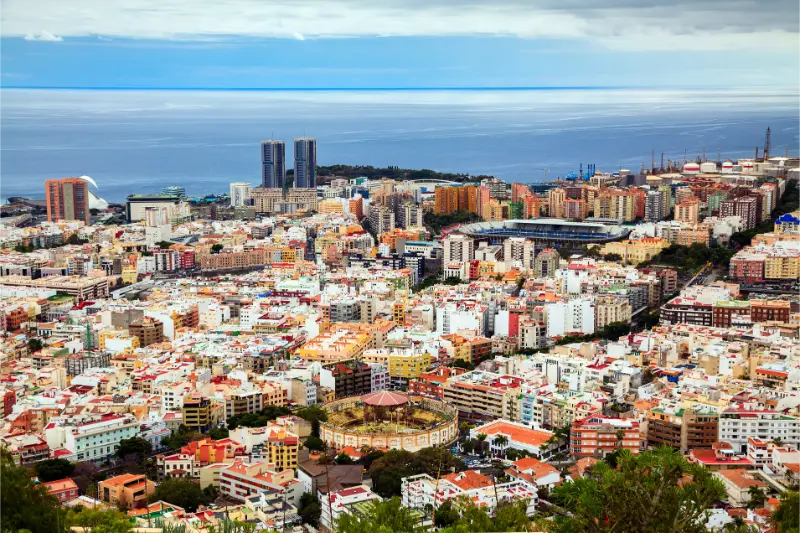
    Auditorio De Tenerife Santa Cruz Coastline

    How I plan the visit

    I treat this as part of a neighbourhood rather than an isolated pin on a map. My preferred approach is to choose one main historical or cultural stop, add two or three nearby places that tell a related story, and leave enough time for a coffee, a shaded square or an unplanned street. This produces a much better sense of Tenerife than racing between attractions simply because they appear on a checklist.

    I also separate permanent facts from operational information. Architecture, historical dates and the basic location change slowly. Opening hours, temporary exhibitions, restoration works, religious services and access rules can change at short notice. If seeing the interior is essential to my day, I recheck the official source the same week and again on the morning of the visit when practical.

    What I look for instead of just taking a photograph

    I start with the relationship between the building or space and its surroundings. Historic Tenerife makes more sense when I notice street width, courtyards, volcanic stone, timber balconies, orientation to a square, old water infrastructure and the distance from the former coastline. These details explain how a place functioned, not only how it looks today.

    I also look for evidence of adaptation. Many important buildings have been homes, churches, defensive structures, administrative offices, schools, warehouses or cultural venues at different moments. Reuse is part of the island’s history. I avoid judging a site only by whether every original room or object survives.

    Best time of day

    For urban heritage I usually prefer the first half of the morning. Streets are quieter, façades are easier to study and I can adjust the rest of the day if access is different from what I expected. Late afternoon can be more atmospheric, but it is less forgiving if a site closes earlier than anticipated.

    Tenerife’s microclimates matter even in town. Santa Cruz is commonly warmer and drier than La Laguna, while Adeje’s old town can feel very different from the resort coast. I carry water and sun protection everywhere, plus a light layer for La Laguna and the north when cloud builds.

    Accessibility and family considerations

    I never assume a heritage site is step-free because the pavement outside looks flat. Thresholds, old staircases, uneven stone, narrow doors and internal courtyards can all affect access. For a wheelchair, reduced mobility or a pushchair, I check the exact building rather than relying on a general statement about the neighbourhood.

    With children I keep the visit short and concrete. A story about pirates, sugar, an unusual balcony, a hidden fort or the first island council is usually more memorable than a long chronological explanation. I combine indoor stops with a plaza, garden or pedestrian street so the day does not become a sequence of quiet rooms.

    Photography and respectful behaviour

    I photograph from public areas and follow any interior restrictions. In active churches I avoid flash, lower my voice and never treat worshippers or a service as part of a tourist display. Around archives, municipal offices and working institutions I remember that the building may be heritage but the people inside are at work.

    For the strongest photographs I usually step back. A wide frame that includes the square, adjoining houses or landscape often explains more than a tight doorway shot. Mid-morning side light can reveal stone and timber texture particularly well.

    Getting around without wasting time

    In Santa Cruz and La Laguna I normally park once or use public transport, then continue on foot. Repeated short drives through one-way streets and parking entrances can consume more time than walking. Adeje’s historic centre is also compact enough to link several heritage stops on foot if mobility allows.
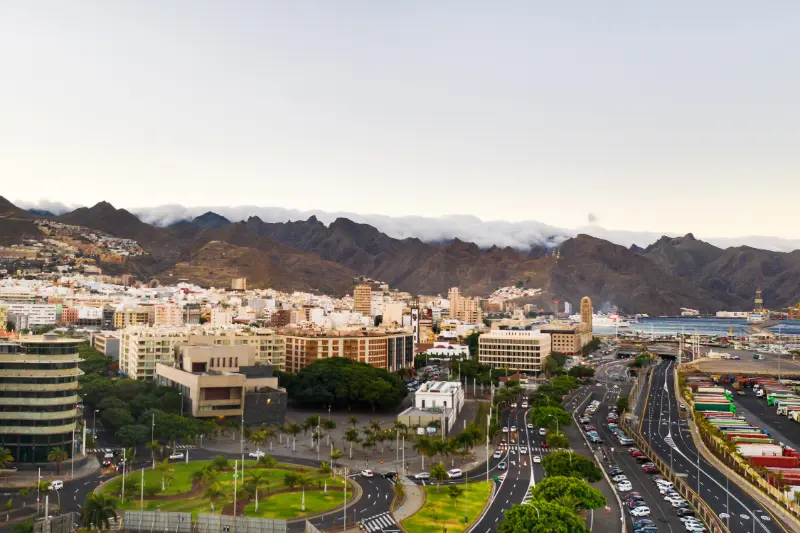
    Panoramic View Of Santa Cruz De Tenerife

    If I am using buses, I check the return journey before starting rather than after finishing. I also allow extra margin on festival days, during processions and around major civic events, because street closures can affect normal routes.

    Common mistakes I avoid

    • Assuming that a historic building is automatically a museum with regular public opening hours.
    • Copying an old timetable from a travel blog without checking the official source.
    • Driving between nearby old-town sights that are easier to connect on foot.
    • Focusing only on the façade and missing the surrounding urban context.
    • Trying to visit too many churches or houses in one day until they all start to feel the same.
    • Ignoring local services, ceremonies, civic work or temporary exhibitions that can change access.

    Why this kind of stop matters on a Tenerife trip

    Beaches and Teide are obvious reasons to visit Tenerife, but the island becomes much more interesting when I understand the systems behind the scenery: water, sugar, defence, religion, trade, municipal government and migration. Small urban heritage sites often explain those themes more clearly than a broad overview because the evidence is right in front of me.

    They also create better geographic balance in an itinerary. Instead of crossing Tenerife every day, I can spend a focused morning in one historic centre and then pair it with a nearby beach, viewpoint, market or restaurant. That keeps driving down and gives me more time to notice local life.

    What I combine nearby

    I use these links to build a compact cluster rather than driving across the island for unrelated stops. A geographically coherent half-day usually feels richer and leaves more room for meals, weather changes and spontaneous discoveries.

    Where I would stay

    If I wanted more time in this area, I would compare accommodation in Santa Cruz de Tenerife. Staying nearby is useful when I want early streets and evening atmosphere without turning every day into a long drive.

    Official information

    Before travelling I check the official information source for Plaza del Príncipe Santa Cruz. I use official pages for current hours, temporary closures, events and access because those details can change after this article is published.
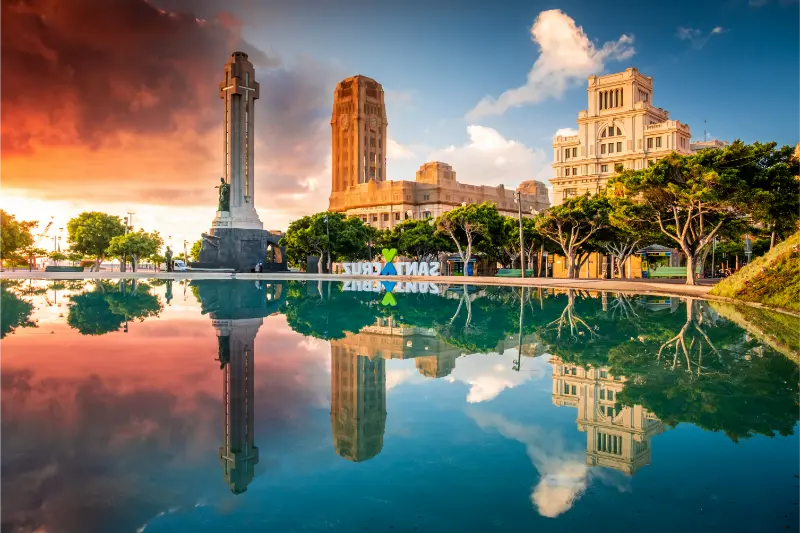
    Plaza De Espana Santa Cruz De Tenerife

    Frequently asked questions

    Is this worth adding to a first Tenerife trip?

    Yes if I am already spending time in the same town or neighbourhood. I would not normally cross the whole island only for one small heritage stop, but it can add real depth to a well-planned half-day.

    Do I need a car?

    Not necessarily for central Santa Cruz or La Laguna. In Adeje a car can be convenient, but I still prefer to park once and explore the compact historic centre on foot where possible.

    How long should I allow?

    For an exterior-focused stop, 20–40 minutes can be enough. A museum or accessible interior deserves longer, and I add extra time if I am combining several nearby sites.

    Can opening hours change?

    Yes. Museums, civic buildings, churches and cultural venues can change hours for holidays, restoration, services or events. I always verify operational details shortly before visiting.

    Final thoughts

    Plaza del Príncipe Santa Cruz works best when I see it in context. I do not rush it and I do not over-plan it. A focused visit, a few nearby stops and enough flexibility for local life usually produces a more memorable Tenerife day than trying to collect ten attractions from different parts of the island.

  • Castillo de San Cristóbal Interpretation Centre Guide: Santa Cruz Defence History

    Castillo de San Cristóbal Interpretation Centre Guide: Santa Cruz Defence History

    Castillo de San Cristóbal Santa Cruz is the kind of place I add when I want Tenerife to feel like more than a sequence of beaches and viewpoints. It gives a specific window into how the island’s towns developed and how people used architecture, public space, religion, defence, trade or civic institutions.

    The interpretation centre preserves and explains remains of the former Castillo de San Cristóbal beneath the Plaza de España area, linking today’s city centre with the old defensive waterfront.

    Quick facts

    PlaceSanta Cruz de Tenerife
    Best forHistory, architecture and a slow old-town walk
    Time I allow30–90 minutes depending on interior access
    Planning ruleCheck current access on the official source before travelling

    What makes this place important

    The interpretation centre preserves and explains remains of the former Castillo de San Cristóbal beneath the Plaza de España area, linking today’s city centre with the old defensive waterfront.

    The museum belongs to the Museo de Historia y Antropología de Tenerife network and focuses on the defensive system of Santa Cruz, including the events associated with the British attack of 1797.

    In July 2026 Museos de Tenerife announced the incorporation of a new cannon into the interpretation centre, showing that the display continues to evolve rather than functioning as a frozen archaeological room.

    The site works especially well when combined with Plaza de España, the waterfront and other surviving pieces of the city’s military history.

    Why the fort is hidden beneath modern Santa Cruz

    The old Castillo de San Cristóbal once stood on the waterfront, but the city expanded and changed around it. The surviving archaeological remains are now interpreted below the modern Plaza de España area. I find that contrast useful: it shows how dramatically Santa Cruz’s relationship with the sea has changed through reclamation, port works and urban development.

    The 1797 attack in context

    The centre is closely associated with the defence of Santa Cruz during the British attack commanded by Horatio Nelson in July 1797. I do not reduce the visit to a single heroic anecdote. I use it to understand why coastal batteries, forts and local militia mattered, and then connect the story with the Museo Histórico Militar and surviving defensive traces elsewhere in the city.

    Aerial View Of Santa Cruz De Tenerife

    How I plan the visit

    I treat this as part of a neighbourhood rather than an isolated pin on a map. My preferred approach is to choose one main historical or cultural stop, add two or three nearby places that tell a related story, and leave enough time for a coffee, a shaded square or an unplanned street. This produces a much better sense of Tenerife than racing between attractions simply because they appear on a checklist.

    I also separate permanent facts from operational information. Architecture, historical dates and the basic location change slowly. Opening hours, temporary exhibitions, restoration works, religious services and access rules can change at short notice. If seeing the interior is essential to my day, I recheck the official source the same week and again on the morning of the visit when practical.

    What I look for instead of just taking a photograph

    I start with the relationship between the building or space and its surroundings. Historic Tenerife makes more sense when I notice street width, courtyards, volcanic stone, timber balconies, orientation to a square, old water infrastructure and the distance from the former coastline. These details explain how a place functioned, not only how it looks today.

    I also look for evidence of adaptation. Many important buildings have been homes, churches, defensive structures, administrative offices, schools, warehouses or cultural venues at different moments. Reuse is part of the island’s history. I avoid judging a site only by whether every original room or object survives.

    Best time of day

    For urban heritage I usually prefer the first half of the morning. Streets are quieter, façades are easier to study and I can adjust the rest of the day if access is different from what I expected. Late afternoon can be more atmospheric, but it is less forgiving if a site closes earlier than anticipated.

    Tenerife’s microclimates matter even in town. Santa Cruz is commonly warmer and drier than La Laguna, while Adeje’s old town can feel very different from the resort coast. I carry water and sun protection everywhere, plus a light layer for La Laguna and the north when cloud builds.

    Accessibility and family considerations

    I never assume a heritage site is step-free because the pavement outside looks flat. Thresholds, old staircases, uneven stone, narrow doors and internal courtyards can all affect access. For a wheelchair, reduced mobility or a pushchair, I check the exact building rather than relying on a general statement about the neighbourhood.

    With children I keep the visit short and concrete. A story about pirates, sugar, an unusual balcony, a hidden fort or the first island council is usually more memorable than a long chronological explanation. I combine indoor stops with a plaza, garden or pedestrian street so the day does not become a sequence of quiet rooms.

    Photography and respectful behaviour

    I photograph from public areas and follow any interior restrictions. In active churches I avoid flash, lower my voice and never treat worshippers or a service as part of a tourist display. Around archives, municipal offices and working institutions I remember that the building may be heritage but the people inside are at work.

    For the strongest photographs I usually step back. A wide frame that includes the square, adjoining houses or landscape often explains more than a tight doorway shot. Mid-morning side light can reveal stone and timber texture particularly well.

    Getting around without wasting time

    In Santa Cruz and La Laguna I normally park once or use public transport, then continue on foot. Repeated short drives through one-way streets and parking entrances can consume more time than walking. Adeje’s historic centre is also compact enough to link several heritage stops on foot if mobility allows.

    Auditorio De Tenerife Santa Cruz Coastline

    If I am using buses, I check the return journey before starting rather than after finishing. I also allow extra margin on festival days, during processions and around major civic events, because street closures can affect normal routes.

    Common mistakes I avoid

    • Assuming that a historic building is automatically a museum with regular public opening hours.
    • Copying an old timetable from a travel blog without checking the official source.
    • Driving between nearby old-town sights that are easier to connect on foot.
    • Focusing only on the façade and missing the surrounding urban context.
    • Trying to visit too many churches or houses in one day until they all start to feel the same.
    • Ignoring local services, ceremonies, civic work or temporary exhibitions that can change access.

    Why this kind of stop matters on a Tenerife trip

    Beaches and Teide are obvious reasons to visit Tenerife, but the island becomes much more interesting when I understand the systems behind the scenery: water, sugar, defence, religion, trade, municipal government and migration. Small urban heritage sites often explain those themes more clearly than a broad overview because the evidence is right in front of me.

    They also create better geographic balance in an itinerary. Instead of crossing Tenerife every day, I can spend a focused morning in one historic centre and then pair it with a nearby beach, viewpoint, market or restaurant. That keeps driving down and gives me more time to notice local life.

    What I combine nearby

    I use these links to build a compact cluster rather than driving across the island for unrelated stops. A geographically coherent half-day usually feels richer and leaves more room for meals, weather changes and spontaneous discoveries.

    Where I would stay

    If I wanted more time in this area, I would compare accommodation in Santa Cruz de Tenerife. Staying nearby is useful when I want early streets and evening atmosphere without turning every day into a long drive.

    Panoramic View Of Santa Cruz De Tenerife

    Official information

    Before travelling I check the official information source for Castillo de San Cristóbal Santa Cruz. I use official pages for current hours, temporary closures, events and access because those details can change after this article is published.

    Frequently asked questions

    Is this worth adding to a first Tenerife trip?

    Yes if I am already spending time in the same town or neighbourhood. I would not normally cross the whole island only for one small heritage stop, but it can add real depth to a well-planned half-day.

    Do I need a car?

    Not necessarily for central Santa Cruz or La Laguna. In Adeje a car can be convenient, but I still prefer to park once and explore the compact historic centre on foot where possible.

    How long should I allow?

    For an exterior-focused stop, 20–40 minutes can be enough. A museum or accessible interior deserves longer, and I add extra time if I am combining several nearby sites.

    Can opening hours change?

    Yes. Museums, civic buildings, churches and cultural venues can change hours for holidays, restoration, services or events. I always verify operational details shortly before visiting.

    Final thoughts

    Castillo de San Cristóbal Santa Cruz works best when I see it in context. I do not rush it and I do not over-plan it. A focused visit, a few nearby stops and enough flexibility for local life usually produces a more memorable Tenerife day than trying to collect ten attractions from different parts of the island.

  • Iglesia de San Francisco Santa Cruz Guide: Baroque Art and Local Devotion

    Iglesia de San Francisco Santa Cruz Guide: Baroque Art and Local Devotion

    Iglesia de San Francisco de Asís is one of the Santa Cruz interiors I would not judge from the street alone. The church originated as part of a Franciscan convent that no longer survives, and inside it preserves a collection of religious sculpture with strong artistic and devotional importance. The best-known image is the Señor de las Tribulaciones, made in Ecuador from maize paste and deeply connected with local memory after a procession during the 1893 cholera epidemic. The church is also a useful stop for understanding the baroque layer of a city more often associated with modern waterfront architecture.

    Quick visit facts

    LocationCalle San Francisco 13, Santa Cruz
    OriginsChurch of a former Franciscan convent
    StyleCanarian insular baroque with later exterior elements
    Key devotionSeñor de las Tribulaciones
    Visit typeActive church; sightseeing must respect worship

    The interior is the main reason I visit

    The central altarpiece, associated with the Andalusian school and dating from the eighteenth century, gives the interior a much richer visual character than the relatively restrained exterior suggests. Images of San Francisco, the Immaculate Conception and Santo Domingo are part of the main ensemble.

    I spend more time looking at the relationship between altarpieces, sculpture and chapels than trying to identify every object. The church works best when I treat it as a living religious space with layers added over centuries.

    The Señor de las Tribulaciones story

    The image has an unusual material history because it was made in Ecuador from maize paste. Its importance in Santa Cruz grew strongly after the cholera epidemic of 1893, when a procession became part of the city’s devotional memory.

    I present this as religious and historical tradition rather than as a medical explanation. The value for a visitor lies in understanding why the image matters so deeply to local worship.

    The lost convent and the square outside

    The Franciscan convent disappeared, but its former garden is closely linked to the later creation of Plaza del Príncipe. That means the church can be understood together with the urban transformation of this part of the city.

    I walk from the church into Plaza del Príncipe and then toward the Museo Municipal de Bellas Artes. This creates a compact route through religious, civic and cultural history.

    Visiting etiquette

    I avoid sightseeing during Mass, keep my voice low and never use flash without permission. If the doors are closed, I do not assume the church is permanently inaccessible; active churches often follow liturgical rather than museum schedules.

    I also dress as I would for any functioning place of worship. A short respectful visit is better than forcing a long tourist stop when a religious service is underway.

    How I fit this stop into a real Tenerife day

    I rarely cross the island for a single small monument. I get much more from these places when I build a compact half-day around them: one main sight, two or three nearby stops, a local lunch or coffee and enough unscheduled time to notice streets, viewpoints and everyday life. That approach reduces driving and makes the historical context easier to understand.

    I also separate permanent information from operational details. A building’s history, location and architectural features change slowly; opening hours, access conditions, temporary works and event schedules can change at short notice. If entering the interior is essential to my plan, I always recheck the official source shortly before travelling.

    Getting there without creating unnecessary stress

    In Santa Cruz I prefer to park once or arrive by tram or bus and continue on foot through the centre. The historic core is compact, but traffic, one-way streets and underground parking entrances can make repeated short car journeys inefficient. In Los Realejos, a car is useful for combining the historic centres with Rambla de Castro, although buses serve several main stops.

    Aerial View Of Santa Cruz De Tenerife

    When I use public transport, I check the return journey first. This is especially important for coastal viewpoints and walking routes, where a missed connection can turn a simple visit into a long wait. I also leave margin around church services, local festivals and municipal events because these can change normal access patterns.

    Accessibility and family planning

    I do not assume that a historic site is fully step-free because the entrance looks easy. Old pavements, thresholds, terraces, steep slopes and interior staircases can all matter. For wheelchairs, reduced mobility or a pushchair, I verify the exact route rather than relying on a generic accessibility label.

    With children, I keep the history practical. One memorable story, a visible detail and a nearby open space usually work better than a long explanation. Squares, gardens and viewpoints are particularly useful because they let me alternate cultural stops with movement and breaks.

    Photography and respectful visiting

    I first look at the place before photographing it. A wide view often explains more than a close-up: the way a palace faces a square, how a church anchors a neighbourhood, or how an industrial ruin sits on a cliff. In active religious buildings I avoid flash, lower my voice and never treat a service as a tourist performance.

    At viewpoints and ruins I stay behind barriers and on established paths. A dramatic photograph is not worth stepping onto unstable masonry, cliff edges or protected vegetation. This is particularly important on the north coast, where wet surfaces and steep drops can be deceptive.

    Weather and timing

    Santa Cruz is often warmer and drier than the north coast, but shade between buildings can still make mornings pleasant. Los Realejos can change quickly from bright sun to low cloud or light rain. I carry water, sun protection and a light layer even when the day starts clear.

    Auditorio De Tenerife Santa Cruz Coastline

    Morning is my favourite time for urban heritage because streets are quieter and light is softer. Late afternoon can be better for coastal viewpoints. If an attraction is free and outdoors, I keep it flexible and move it around the day according to weather and crowds.

    Common mistakes I avoid

    • Assuming a heritage building is always open inside.
    • Driving between sights that are only a few minutes apart on foot.
    • Using an old blog timetable instead of the current official source.
    • Arriving at a church during a service only to take photographs.
    • Underestimating stairs, cobbles or steep coastal paths.
    • Trying to fit too many similar monuments into one day.

    How I read Santa Cruz beyond a checklist

    Santa Cruz makes more sense when I follow the relationship between port, squares and civic buildings. The old settlement grew because of the harbour, then expanded inland as military, commercial and administrative power increased. The result is a centre where a plaza can explain shipping, defence, politics and social life at the same time.

    I therefore walk slowly between the waterfront and the older streets rather than treating each monument as an isolated pin on a map. Plaza de España, Plaza de la Candelaria, the lower end of Calle del Castillo and the streets around San Francisco form a particularly useful sequence. Distances are short, but the historical layers change quickly.

    Food, shade and practical breaks

    The centre has plenty of cafés, bakeries and restaurants, so I do not carry a rigid lunch plan unless I have a reservation. I prefer to stop when the route naturally needs a break. Mercado Nuestra Señora de África works well for a food-focused detour, while Parque García Sanabria gives me a greener pause if the day becomes too urban.

    On cruise-ship days some central areas can feel busier around late morning. I respond by visiting the smaller streets first and returning to the main squares later. Because most of these sights are free, changing the order rarely creates a problem.

    What makes these small stops worth an article of their own

    A famous city guide tells me what not to miss; a dedicated page helps me understand why a place matters and whether it deserves ten minutes or an hour. For repeat visitors, these smaller stops are often where Santa Cruz becomes more than a transit point on the way to beaches or Anaga.

    What I would combine nearby

    I use these nearby stops to build a geographically compact route. The aim is not to collect attractions but to let each place add a different layer—architecture, landscape, food, everyday city life or local history.

    Where I would stay

    If I wanted more time in this part of Tenerife, I would compare accommodation in Santa Cruz. Staying nearby is especially useful when I want early streets, evening atmosphere and enough time to explore without turning every day into a long drive.

    Panoramic View Of Santa Cruz De Tenerife

    Official information

    For current access, opening hours, temporary closures and local events I check Turismo de Tenerife – Iglesia de San Francisco shortly before travelling. I use the official source for operational details because these can change after an article is published.

    Frequently asked questions

    Is San Francisco an active church?

    Yes. I treat it first as a place of worship and adapt sightseeing to services.

    What is the most famous image?

    The Señor de las Tribulaciones, an Ecuadorian maize-paste image with strong local devotion.

    Is the church baroque?

    It is an important example of insular baroque from the seventeenth and eighteenth centuries.

    What is nearby?

    Plaza del Príncipe and the Museo Municipal de Bellas Artes are only a short walk away.

    Final thoughts

    Iglesia de San Francisco Santa Cruz is the kind of place I value more when I understand its context. I would not rush it, but I also would not over-plan it: a focused visit, a few nearby stops and enough flexibility for local life usually produces a better Tenerife day than a long checklist.

  • Palacio de Carta Santa Cruz Guide: Baroque History and Tourist Office

    Palacio de Carta Santa Cruz Guide: Baroque History and Tourist Office

    Palacio de Carta is one of the buildings I would choose to explain the transition from port settlement to prosperous eighteenth-century city. Construction began in 1721 for Matías Bernardo Rodríguez Carta y Abarca and was completed in 1752 by his son. The basalt-stone façade mixes Canarian baroque character with a more classical language, which is why the building feels both decorative and unusually formal. Today it has a practical role too: the restored palace houses a Santa Cruz tourist information office, so this is one historic building where entering can be part of ordinary trip planning rather than a rare special event.

    Quick visit facts

    LocationPlaza de la Candelaria, Santa Cruz
    ConstructionBegun 1721; completed 1752
    HeritageBien de Interés Cultural / Monument
    Current useTourist information office and cultural activity space
    Current listed tourist-office hoursMon–Fri 09:00–17:00; Sat–Sun 09:00–14:00 on official tourism information

    Why the façade is worth a slow look

    The palace is one of the clearest examples of elite civil architecture in old Santa Cruz. Basalt masonry gives the façade weight, while the proportions and details move toward a more classical style than many traditional Canarian houses.

    I stand on the opposite side of Plaza de la Candelaria first. From there, the building reads as part of the square rather than an isolated façade.

    The Carta family and the Atlantic economy

    The family behind the palace was connected with military and commercial life, including Atlantic trade. That matters because the building is a material result of Santa Cruz becoming wealthier through its port and international connections.

    I avoid reducing the story to architectural style alone. The palace is also evidence of who held economic and political influence in eighteenth-century Tenerife.

    Why the current tourist-office use is helpful

    The official island tourism directory currently lists the Santa Cruz information office at Palacio de Carta, with weekday opening to 17:00 and shorter weekend hours. That makes the building a practical first stop if I want maps, local event information or advice about current closures.

    I still verify hours before relying on them, especially around public holidays. Cultural events can also affect how much of the interior is accessible beyond the information-office area.

    How much time I allow

    If I am only collecting information and seeing the main accessible spaces, 20–30 minutes can be enough. If an exhibition or guided activity is running, I allow longer.

    I pair the palace with Plaza de la Candelaria and Plaza de España because all three explain the old relationship between commerce, public space and the port.

    How I fit this stop into a real Tenerife day

    I rarely cross the island for a single small monument. I get much more from these places when I build a compact half-day around them: one main sight, two or three nearby stops, a local lunch or coffee and enough unscheduled time to notice streets, viewpoints and everyday life. That approach reduces driving and makes the historical context easier to understand.

    I also separate permanent information from operational details. A building’s history, location and architectural features change slowly; opening hours, access conditions, temporary works and event schedules can change at short notice. If entering the interior is essential to my plan, I always recheck the official source shortly before travelling.

    Getting there without creating unnecessary stress

    In Santa Cruz I prefer to park once or arrive by tram or bus and continue on foot through the centre. The historic core is compact, but traffic, one-way streets and underground parking entrances can make repeated short car journeys inefficient. In Los Realejos, a car is useful for combining the historic centres with Rambla de Castro, although buses serve several main stops.

    Santa Cruz De Tenerife Skyline And Auditorium

    When I use public transport, I check the return journey first. This is especially important for coastal viewpoints and walking routes, where a missed connection can turn a simple visit into a long wait. I also leave margin around church services, local festivals and municipal events because these can change normal access patterns.

    Accessibility and family planning

    I do not assume that a historic site is fully step-free because the entrance looks easy. Old pavements, thresholds, terraces, steep slopes and interior staircases can all matter. For wheelchairs, reduced mobility or a pushchair, I verify the exact route rather than relying on a generic accessibility label.

    With children, I keep the history practical. One memorable story, a visible detail and a nearby open space usually work better than a long explanation. Squares, gardens and viewpoints are particularly useful because they let me alternate cultural stops with movement and breaks.

    Photography and respectful visiting

    I first look at the place before photographing it. A wide view often explains more than a close-up: the way a palace faces a square, how a church anchors a neighbourhood, or how an industrial ruin sits on a cliff. In active religious buildings I avoid flash, lower my voice and never treat a service as a tourist performance.

    At viewpoints and ruins I stay behind barriers and on established paths. A dramatic photograph is not worth stepping onto unstable masonry, cliff edges or protected vegetation. This is particularly important on the north coast, where wet surfaces and steep drops can be deceptive.

    Weather and timing

    Santa Cruz is often warmer and drier than the north coast, but shade between buildings can still make mornings pleasant. Los Realejos can change quickly from bright sun to low cloud or light rain. I carry water, sun protection and a light layer even when the day starts clear.

    Aerial View Of Santa Cruz De Tenerife

    Morning is my favourite time for urban heritage because streets are quieter and light is softer. Late afternoon can be better for coastal viewpoints. If an attraction is free and outdoors, I keep it flexible and move it around the day according to weather and crowds.

    Common mistakes I avoid

    • Assuming a heritage building is always open inside.
    • Driving between sights that are only a few minutes apart on foot.
    • Using an old blog timetable instead of the current official source.
    • Arriving at a church during a service only to take photographs.
    • Underestimating stairs, cobbles or steep coastal paths.
    • Trying to fit too many similar monuments into one day.

    How I read Santa Cruz beyond a checklist

    Santa Cruz makes more sense when I follow the relationship between port, squares and civic buildings. The old settlement grew because of the harbour, then expanded inland as military, commercial and administrative power increased. The result is a centre where a plaza can explain shipping, defence, politics and social life at the same time.

    I therefore walk slowly between the waterfront and the older streets rather than treating each monument as an isolated pin on a map. Plaza de España, Plaza de la Candelaria, the lower end of Calle del Castillo and the streets around San Francisco form a particularly useful sequence. Distances are short, but the historical layers change quickly.

    Food, shade and practical breaks

    The centre has plenty of cafés, bakeries and restaurants, so I do not carry a rigid lunch plan unless I have a reservation. I prefer to stop when the route naturally needs a break. Mercado Nuestra Señora de África works well for a food-focused detour, while Parque García Sanabria gives me a greener pause if the day becomes too urban.

    On cruise-ship days some central areas can feel busier around late morning. I respond by visiting the smaller streets first and returning to the main squares later. Because most of these sights are free, changing the order rarely creates a problem.

    What makes these small stops worth an article of their own

    A famous city guide tells me what not to miss; a dedicated page helps me understand why a place matters and whether it deserves ten minutes or an hour. For repeat visitors, these smaller stops are often where Santa Cruz becomes more than a transit point on the way to beaches or Anaga.

    What I would combine nearby

    I use these nearby stops to build a geographically compact route. The aim is not to collect attractions but to let each place add a different layer—architecture, landscape, food, everyday city life or local history.

    Where I would stay

    If I wanted more time in this part of Tenerife, I would compare accommodation in central Santa Cruz. Staying nearby is especially useful when I want early streets, evening atmosphere and enough time to explore without turning every day into a long drive.

    Auditorio De Tenerife Santa Cruz Coastline

    Official information

    For current access, opening hours, temporary closures and local events I check Turismo de Tenerife – tourist offices shortly before travelling. I use the official source for operational details because these can change after an article is published.

    Frequently asked questions

    Can I go inside Palacio de Carta?

    The building currently houses the Santa Cruz tourist information office, so there is regular public access to the office area during opening hours.

    What are the current office hours?

    The official island tourism directory currently lists Monday–Friday 09:00–17:00 and Saturday–Sunday 09:00–14:00.

    When was the palace built?

    Construction began in 1721 and was completed in 1752.

    Is it near Plaza de España?

    Yes. It stands on Plaza de la Candelaria, only a short walk from Plaza de España.

    Final thoughts

    Palacio de Carta Santa Cruz is the kind of place I value more when I understand its context. I would not rush it, but I also would not over-plan it: a focused visit, a few nearby stops and enough flexibility for local life usually produces a better Tenerife day than a long checklist.

  • Plaza de la Constitución La Orotava Guide: Kiosk, Views and Historic Walk

    Plaza de la Constitución La Orotava Guide: Kiosk, Views and Historic Walk

    Plaza de la Constitución is the square I would use as a pause point in La Orotava rather than treat as a monument to rush through. Municipal tourism material explains that the space was once known as Llano de San Roque and took its present constitutional name in the early nineteenth century. The paving dates from 1902, while the central bandstand was built in the early twentieth century in a neo-Mudéjar style. Around the square, Iglesia de San Agustín, the Liceo de Taoro and the approach to Jardines Victoria create one of the town’s best architectural compositions.

    Quick visit facts

    LocationCentral La Orotava, beside San Agustín
    Older nameLlano de San Roque
    Current nameLinked to the Spanish Constitution of 1812
    PavingPresent stone paving dates from 1902
    LandmarkEarly-20th-century neo-Mudéjar bandstand / kiosk

    Why the square matters

    The square is not large, but it connects several layers of the town. The church represents the seventeenth-century religious complex, the kiosk reflects early twentieth-century civic life and the Liceo above expresses the confidence of a later urban elite.

    I like stopping here before climbing farther into the historic centre because the square gives me a clear sense of orientation. The slope toward the Liceo and gardens makes La Orotava’s topography obvious.

    La Orotava Historic Center And Mountains Tenerife

    The kiosk

    The central kiosk is one of the plaza’s defining features. Municipal interpretation identifies its neo-Mudéjar style, a revival language that reused decorative ideas associated with Mudéjar architecture through modern materials and early twentieth-century design.

    Bandstands like this were not only decorative. They were stages for municipal music and public gathering, so they belong to the social history of the square as much as to its architecture.

    What I can see from the plaza

    Iglesia de San Agustín closes one side of the space, while the Liceo de Taoro rises above landscaped terraces. The entrance toward Jardines Victoria is close enough that I treat the square and gardens as one continuous visit.

    From here I can also continue toward La Concepción, Hijuela del Botánico and the traditional houses without needing a vehicle.

    Best use in an itinerary

    I use the plaza for 15–30 minutes, longer if I stop for a drink or wait for softer light. It is a useful place to reset the pace between more information-heavy museum and church visits.

    If mobility is limited, I pay attention to the gradients around the historic centre. The plaza itself is straightforward, but routes toward some higher streets and gardens can involve noticeable slopes.

    How I plan this stop without overloading the day

    I get more from small Tenerife attractions when I place them inside a compact area rather than drive across the island for a single doorway, garden or viewpoint. My rule is one anchor attraction, two nearby secondary stops and enough unscheduled time for a café, a market or an unexpected street. That is especially useful in historic towns, where the best details are often between the official sights.

    I also separate permanent facts from operational information. Architecture, landscape and historical context change slowly; opening hours, ticket prices, access rules and temporary works can change quickly. I therefore recheck the official page close to the visit, particularly if entry to an interior is essential to the day.

    Getting there and parking

    In historic centres I normally park once and walk. Narrow streets, one-way systems and limited spaces can make repeated short car moves slower than simply continuing on foot. For rural or edge-of-town attractions I check the final approach on a map before leaving, because the closest bus stop or parking pin can still involve a short walk on uneven ground.

    When I use public transport, I look at the return connection before I arrive rather than when the attraction closes. This matters most on weekends and around rural sites where frequency may be lower. I keep a little margin between the official closing time and the last practical connection.

    Accessibility, children and pace

    I never assume a heritage building is step-free because the entrance looks level in photographs. Old thresholds, internal staircases, steep garden terraces and cobbled streets can all matter. If wheelchair access or a pushchair route is essential, I confirm it directly with the venue. For families, I shorten the historical explanation to one strong story and alternate indoor stops with a garden, square or snack break.

    What I bring

    Even for an urban visit I carry water, sun protection and a light layer. North Tenerife can change from bright sun to cloud surprisingly quickly, while south-coast agricultural visits can feel hot even in winter. Comfortable footwear matters more than it seems because a day of short museum and church stops can still add up to several kilometres of walking.

    Common mistakes I avoid

    • Trusting an old review instead of the current official source.
    • Assuming every protected historic building has regular interior access.
    • Driving between attractions that are only a few minutes apart on foot.
    • Scheduling too many similar interiors in a row.
    • Arriving just before closing when the site needs at least 45–60 minutes.
    • Forgetting that religious buildings remain active places of worship.

    What I would combine nearby

    These combinations keep the day geographically coherent and reduce unnecessary driving. I prefer a route where each stop adds a different layer—architecture, landscape, local food or everyday culture—rather than repeating the same type of attraction several times.

    Where I would stay

    If I wanted more than a quick day trip, I would compare accommodation in La Orotava. Staying locally is useful when I want early streets, a slower dinner and enough time to see several nearby places without turning the day into a motorway itinerary.

    Official information

    For current access, opening times, temporary closures and event information I check La Orotava municipal tourism page shortly before travelling. I treat this as the final word for operational details because schedules can change after publication.

    La Orotava Historic Center Panorama Tenerife

    Frequently asked questions

    Why is it called Plaza de la Constitución?

    The name dates to the early nineteenth century and honours the Spanish Constitution of 1812.

    When was the current paving laid?

    Municipal tourism information dates the present paving to 1902.

    What is the building above the square?

    The prominent red mansion is the Liceo de Taoro, housed in Casa Ascanio.

    Is the square a good starting point?

    Yes. San Agustín, Jardines Victoria and the Liceo are immediately nearby, with the rest of the old town a short walk away.

    Jardines Victoria Fountain La Orotava Tenerife

    How I photograph and observe the place

    I try not to make photography the only purpose of the stop. I first walk through once without constantly raising the phone, then return to the details that best explain the site: a façade seen from across the street, a change of level in a garden, the relationship between a church and its square, or the working structure of an agricultural property. This usually produces better pictures and a better memory of the visit.

    When people are worshipping, working or guiding a group, I give them priority. I do not use flash in religious interiors unless it is explicitly permitted, and on farms I stay on marked routes rather than stepping into planted areas for a cleaner composition.

    How this stop fits different travel styles

    For a first-time visitor, I would use the place as part of a broad introduction to the area rather than build an entire day around one small attraction. Repeat visitors can go deeper, pairing it with specialist museums, neighbourhood streets or local food. Travellers without a car should prioritise clusters where several worthwhile stops are reachable on foot, while drivers can use the attraction as a bridge between towns.

    On a short Tenerife trip I keep the schedule selective. On a two-week stay I am much more willing to spend a morning on small museums, gardens and heritage buildings because they reveal the island beyond the headline sights. That slower layer is often what makes a second or third visit feel genuinely different.

    Weather and seasonal considerations

    Tenerife’s microclimates matter even for culture days. La Orotava, Icod and La Laguna can be cooler or cloudier than the southern resorts, so I carry a light layer. Outdoor gardens and viewpoints are more rewarding in clear weather, while museums and churches become useful alternatives when cloud or showers move in.

    During local festivals, religious celebrations and school holidays, normal access can change. A closed street is not necessarily a problem—it may be part of a valuable local event—but I allow extra time and avoid assuming parking or interior access will work exactly as on an ordinary weekday.

    How I photograph and observe the place

    I try not to make photography the only purpose of the stop. I first walk through once without constantly raising the phone, then return to the details that best explain the site: a façade seen from across the street, a change of level in a garden, the relationship between a church and its square, or the working structure of an agricultural property. This usually produces better pictures and a better memory of the visit.

    When people are worshipping, working or guiding a group, I give them priority. I do not use flash in religious interiors unless it is explicitly permitted, and on farms I stay on marked routes rather than stepping into planted areas for a cleaner composition.

    How this stop fits different travel styles

    For a first-time visitor, I would use the place as part of a broad introduction to the area rather than build an entire day around one small attraction. Repeat visitors can go deeper, pairing it with specialist museums, neighbourhood streets or local food. Travellers without a car should prioritise clusters where several worthwhile stops are reachable on foot, while drivers can use the attraction as a bridge between towns.

    On a short Tenerife trip I keep the schedule selective. On a two-week stay I am much more willing to spend a morning on small museums, gardens and heritage buildings because they reveal the island beyond the headline sights. That slower layer is often what makes a second or third visit feel genuinely different.

    Weather and seasonal considerations

    Tenerife’s microclimates matter even for culture days. La Orotava, Icod and La Laguna can be cooler or cloudier than the southern resorts, so I carry a light layer. Outdoor gardens and viewpoints are more rewarding in clear weather, while museums and churches become useful alternatives when cloud or showers move in.

    During local festivals, religious celebrations and school holidays, normal access can change. A closed street is not necessarily a problem—it may be part of a valuable local event—but I allow extra time and avoid assuming parking or interior access will work exactly as on an ordinary weekday.

    Final thoughts

    Plaza de la Constitución La Orotava is most rewarding when I use it to understand a wider part of Tenerife rather than treat it as another box to tick. I would give the place enough time for its context to emerge, connect it with nearby stops and keep the practical plan flexible enough to respond to weather, access or local events.

  • Iglesia de Santo Domingo La Orotava Guide: Convent History and Art

    Iglesia de Santo Domingo La Orotava Guide: Convent History and Art

    Iglesia de Santo Domingo is one of the La Orotava churches I would choose when I want to understand the town’s convent history rather than only its most famous façade. Municipal heritage information traces the Dominican complex to the seventeenth century, built over the earlier hermitage of San Benito Abad. The church expanded over time, while its tower was completed in 1794. The adjoining former convent now houses the Museo de Artesanía Iberoamericana, so this is an unusually efficient place to connect architecture, religious art and the town’s wider cultural collections.

    Quick visit facts

    LocationLa Orotava historic centre, beside MAIT
    OriginDominican convent complex on the site of the earlier San Benito hermitage
    Main period17th century with later additions
    TowerCompleted in 1794
    Nearby museumFormer convent houses the Museo de Artesanía Iberoamericana (MAIT)

    A convent church that grew over time

    The earliest seventeenth-century church had a simpler Latin-cross plan. Over the following decades additional naves and chapels expanded the building, creating the more complex interior seen today. This gradual growth is typical of successful religious institutions that accumulated patrons, confraternities and devotional needs.

    The tower is especially important because local heritage material identifies it as the only surviving example of a tower associated with a convent church in this context. It also forms one of La Orotava’s recognisable skyline combinations with the towers of La Concepción.

    Art inside the church

    Municipal descriptions highlight devotional sculptures such as Jesús Nazareno, San Juan, La Dolorosa and the Virgen del Rosario. The carved and polychrome pulpit is attributed to Antonio de Orbarán, while important paintings include a Flemish panel of the Virgin of Consolation and works by Canarian artists.

    I use those works to see the church as a collection built through centuries rather than a perfectly unified interior. Different styles and dates reflect changing tastes and the dispersal of art after the confiscation of religious property.

    The connection with MAIT

    The former Dominican convent is now home to the Museo de Artesanía Iberoamericana. That makes Santo Domingo one of the best places to build a thematic visit: first the church and convent history, then craft traditions and transatlantic cultural links inside the museum.

    I would not rush both. If MAIT is open, I allow at least another hour so the museum does not become an afterthought.

    Best way to include it

    I place Santo Domingo on the lower side of a La Orotava historic-centre loop, then continue uphill toward La Concepción and the traditional houses. The slope is noticeable, so I build in a café or garden stop rather than schedule a continuous chain of interiors.

    Historic Street In La Orotava Tenerife

    Because the church remains active, I check local access and respect services. The exterior and tower are still worth seeing even when the doors are closed.

    How I plan this stop without overloading the day

    I get more from small Tenerife attractions when I place them inside a compact area rather than drive across the island for a single doorway, garden or viewpoint. My rule is one anchor attraction, two nearby secondary stops and enough unscheduled time for a café, a market or an unexpected street. That is especially useful in historic towns, where the best details are often between the official sights.

    I also separate permanent facts from operational information. Architecture, landscape and historical context change slowly; opening hours, ticket prices, access rules and temporary works can change quickly. I therefore recheck the official page close to the visit, particularly if entry to an interior is essential to the day.

    Getting there and parking

    In historic centres I normally park once and walk. Narrow streets, one-way systems and limited spaces can make repeated short car moves slower than simply continuing on foot. For rural or edge-of-town attractions I check the final approach on a map before leaving, because the closest bus stop or parking pin can still involve a short walk on uneven ground.

    When I use public transport, I look at the return connection before I arrive rather than when the attraction closes. This matters most on weekends and around rural sites where frequency may be lower. I keep a little margin between the official closing time and the last practical connection.

    Accessibility, children and pace

    I never assume a heritage building is step-free because the entrance looks level in photographs. Old thresholds, internal staircases, steep garden terraces and cobbled streets can all matter. If wheelchair access or a pushchair route is essential, I confirm it directly with the venue. For families, I shorten the historical explanation to one strong story and alternate indoor stops with a garden, square or snack break.

    What I bring

    Even for an urban visit I carry water, sun protection and a light layer. North Tenerife can change from bright sun to cloud surprisingly quickly, while south-coast agricultural visits can feel hot even in winter. Comfortable footwear matters more than it seems because a day of short museum and church stops can still add up to several kilometres of walking.

    Common mistakes I avoid

    • Trusting an old review instead of the current official source.
    • Assuming every protected historic building has regular interior access.
    • Driving between attractions that are only a few minutes apart on foot.
    • Scheduling too many similar interiors in a row.
    • Arriving just before closing when the site needs at least 45–60 minutes.
    • Forgetting that religious buildings remain active places of worship.

    What I would combine nearby

    These combinations keep the day geographically coherent and reduce unnecessary driving. I prefer a route where each stop adds a different layer—architecture, landscape, local food or everyday culture—rather than repeating the same type of attraction several times.

    Where I would stay

    If I wanted more than a quick day trip, I would compare accommodation in La Orotava. Staying locally is useful when I want early streets, a slower dinner and enough time to see several nearby places without turning the day into a motorway itinerary.

    La Orotava Historic Center And Mountains Tenerife

    Official information

    For current access, opening times, temporary closures and event information I check La Orotava municipal heritage page shortly before travelling. I treat this as the final word for operational details because schedules can change after publication.

    Frequently asked questions

    When was Santo Domingo built?

    The convent church developed mainly during the seventeenth century, with later additions; the tower was completed in 1794.

    What is in the former convent today?

    The former convent houses the Museo de Artesanía Iberoamericana, MAIT.

    Is it worth visiting if the church is closed?

    Yes. The exterior, tower and relationship with the former convent still make sense as part of a historic-centre route.

    How long should I allow?

    Around 20–40 minutes for the church, plus at least an hour if I also visit MAIT.

    How I photograph and observe the place

    I try not to make photography the only purpose of the stop. I first walk through once without constantly raising the phone, then return to the details that best explain the site: a façade seen from across the street, a change of level in a garden, the relationship between a church and its square, or the working structure of an agricultural property. This usually produces better pictures and a better memory of the visit.

    When people are worshipping, working or guiding a group, I give them priority. I do not use flash in religious interiors unless it is explicitly permitted, and on farms I stay on marked routes rather than stepping into planted areas for a cleaner composition.

    How this stop fits different travel styles

    For a first-time visitor, I would use the place as part of a broad introduction to the area rather than build an entire day around one small attraction. Repeat visitors can go deeper, pairing it with specialist museums, neighbourhood streets or local food. Travellers without a car should prioritise clusters where several worthwhile stops are reachable on foot, while drivers can use the attraction as a bridge between towns.

    On a short Tenerife trip I keep the schedule selective. On a two-week stay I am much more willing to spend a morning on small museums, gardens and heritage buildings because they reveal the island beyond the headline sights. That slower layer is often what makes a second or third visit feel genuinely different.

    Weather and seasonal considerations

    Tenerife’s microclimates matter even for culture days. La Orotava, Icod and La Laguna can be cooler or cloudier than the southern resorts, so I carry a light layer. Outdoor gardens and viewpoints are more rewarding in clear weather, while museums and churches become useful alternatives when cloud or showers move in.

    La Orotava Historic Center Panorama Tenerife

    During local festivals, religious celebrations and school holidays, normal access can change. A closed street is not necessarily a problem—it may be part of a valuable local event—but I allow extra time and avoid assuming parking or interior access will work exactly as on an ordinary weekday.

    Final thoughts

    Iglesia de Santo Domingo La Orotava is most rewarding when I use it to understand a wider part of Tenerife rather than treat it as another box to tick. I would give the place enough time for its context to emerge, connect it with nearby stops and keep the practical plan flexible enough to respond to weather, access or local events.

  • Iglesia de La Concepción La Orotava Guide: Baroque Architecture and Sacred Art

    Iglesia de La Concepción La Orotava Guide: Baroque Architecture and Sacred Art

    Iglesia de Nuestra Señora de la Concepción is the architectural landmark I would use as the centre of a first walk through La Orotava. The current church is the third major building on the site. Municipal heritage sources explain that earlier structures were damaged after the earthquakes associated with the 1704–1705 volcanic activity, and the present church was built from 1768 to 1788. The result combines an exceptionally theatrical Baroque stone façade with a more classical interior and a dome that has become one of the town’s visual symbols.

    Quick visit facts

    LocationHistoric centre of La Orotava
    Present buildingConstructed 1768–1788
    HeritageDeclared a national historic monument in 1948
    ArchitectureBaroque exterior with strong neoclassical interior elements
    MuseumSacred art collection displayed in former sacristy spaces

    Why the façade matters

    The façade is one of the most distinctive Baroque compositions in the Canary Islands. Its curved movement, stone portal and twin towers make the church look dynamic rather than flat. Two globe motifs are often linked to the Atlantic connections that helped finance the rebuilding, including trade with the Americas.

    I first look from the square rather than standing directly against the wall. A little distance makes the curvature and relationship between the central portal, towers and dome much easier to read.

    Inside the church

    The interior changes architectural language. Municipal descriptions emphasise the more classical or neoclassical character, with three naves, columns and a monumental tabernacle of Genoese marble and jasper designed by Giuseppe Gaggini in 1823.

    The church also contains sculpture, painting, silverwork and textiles from different periods. I do not try to absorb every object on one visit. I choose a few works and use them to understand how a wealthy Atlantic town expressed religious identity over several centuries.

    The sacred art museum

    The former sacristies contain a sacred art museum organised in multiple exhibition rooms. This is useful because it gives context to objects that would otherwise be difficult to see during normal worship. Access and opening arrangements can vary, so I check directly before making the museum the main reason for the visit.

    The museum also helps explain the economic history behind the church. Wine exports, links with America, local patronage and support from the Crown all contributed to the building and its collections.

    How I combine it with the old town

    From La Concepción I can walk easily to Casa de los Balcones, Hijuela del Botánico, MAIT, the carpet museum, Jardines Victoria and Plaza de la Constitución. The church works as an anchor because so many of the town’s strongest sights sit within a short radius.

    I would allow 30–45 minutes for a respectful church visit, more if the museum is open and I want to examine the collection properly.

    How I plan this stop without overloading the day

    I get more from small Tenerife attractions when I place them inside a compact area rather than drive across the island for a single doorway, garden or viewpoint. My rule is one anchor attraction, two nearby secondary stops and enough unscheduled time for a café, a market or an unexpected street. That is especially useful in historic towns, where the best details are often between the official sights.

    Historic Center Of La Orotava Tenerife

    I also separate permanent facts from operational information. Architecture, landscape and historical context change slowly; opening hours, ticket prices, access rules and temporary works can change quickly. I therefore recheck the official page close to the visit, particularly if entry to an interior is essential to the day.

    Getting there and parking

    In historic centres I normally park once and walk. Narrow streets, one-way systems and limited spaces can make repeated short car moves slower than simply continuing on foot. For rural or edge-of-town attractions I check the final approach on a map before leaving, because the closest bus stop or parking pin can still involve a short walk on uneven ground.

    When I use public transport, I look at the return connection before I arrive rather than when the attraction closes. This matters most on weekends and around rural sites where frequency may be lower. I keep a little margin between the official closing time and the last practical connection.

    Accessibility, children and pace

    I never assume a heritage building is step-free because the entrance looks level in photographs. Old thresholds, internal staircases, steep garden terraces and cobbled streets can all matter. If wheelchair access or a pushchair route is essential, I confirm it directly with the venue. For families, I shorten the historical explanation to one strong story and alternate indoor stops with a garden, square or snack break.

    What I bring

    Even for an urban visit I carry water, sun protection and a light layer. North Tenerife can change from bright sun to cloud surprisingly quickly, while south-coast agricultural visits can feel hot even in winter. Comfortable footwear matters more than it seems because a day of short museum and church stops can still add up to several kilometres of walking.

    Common mistakes I avoid

    • Trusting an old review instead of the current official source.
    • Assuming every protected historic building has regular interior access.
    • Driving between attractions that are only a few minutes apart on foot.
    • Scheduling too many similar interiors in a row.
    • Arriving just before closing when the site needs at least 45–60 minutes.
    • Forgetting that religious buildings remain active places of worship.

    What I would combine nearby

    These combinations keep the day geographically coherent and reduce unnecessary driving. I prefer a route where each stop adds a different layer—architecture, landscape, local food or everyday culture—rather than repeating the same type of attraction several times.

    Where I would stay

    If I wanted more than a quick day trip, I would compare accommodation in La Orotava. Staying locally is useful when I want early streets, a slower dinner and enough time to see several nearby places without turning the day into a motorway itinerary.

    Historic Street In La Orotava Tenerife

    Official information

    For current access, opening times, temporary closures and event information I check La Orotava municipal heritage page shortly before travelling. I treat this as the final word for operational details because schedules can change after publication.

    Frequently asked questions

    When was the present church built?

    The current building was constructed between 1768 and 1788 after earlier churches on the site were damaged and replaced.

    Is it Baroque or Neoclassical?

    Both influences matter: the exterior is strongly Baroque, while the interior includes important classical and neoclassical elements.

    Is there a museum?

    Yes, sacred art is displayed in former sacristy rooms, but I verify current access and hours before relying on a museum visit.

    How long should I allow?

    Around 30–45 minutes for the church alone, longer if the sacred art museum is open.

    How I photograph and observe the place

    I try not to make photography the only purpose of the stop. I first walk through once without constantly raising the phone, then return to the details that best explain the site: a façade seen from across the street, a change of level in a garden, the relationship between a church and its square, or the working structure of an agricultural property. This usually produces better pictures and a better memory of the visit.

    When people are worshipping, working or guiding a group, I give them priority. I do not use flash in religious interiors unless it is explicitly permitted, and on farms I stay on marked routes rather than stepping into planted areas for a cleaner composition.

    How this stop fits different travel styles

    For a first-time visitor, I would use the place as part of a broad introduction to the area rather than build an entire day around one small attraction. Repeat visitors can go deeper, pairing it with specialist museums, neighbourhood streets or local food. Travellers without a car should prioritise clusters where several worthwhile stops are reachable on foot, while drivers can use the attraction as a bridge between towns.

    On a short Tenerife trip I keep the schedule selective. On a two-week stay I am much more willing to spend a morning on small museums, gardens and heritage buildings because they reveal the island beyond the headline sights. That slower layer is often what makes a second or third visit feel genuinely different.

    Weather and seasonal considerations

    Tenerife’s microclimates matter even for culture days. La Orotava, Icod and La Laguna can be cooler or cloudier than the southern resorts, so I carry a light layer. Outdoor gardens and viewpoints are more rewarding in clear weather, while museums and churches become useful alternatives when cloud or showers move in.

    La Orotava Historic Center And Mountains Tenerife

    During local festivals, religious celebrations and school holidays, normal access can change. A closed street is not necessarily a problem—it may be part of a valuable local event—but I allow extra time and avoid assuming parking or interior access will work exactly as on an ordinary weekday.

    Final thoughts

    Iglesia de La Concepción La Orotava is most rewarding when I use it to understand a wider part of Tenerife rather than treat it as another box to tick. I would give the place enough time for its context to emerge, connect it with nearby stops and keep the practical plan flexible enough to respond to weather, access or local events.

  • Iglesia de San Agustín La Orotava Guide: History, Art and Plaza

    Iglesia de San Agustín La Orotava Guide: History, Art and Plaza

    Iglesia de San Agustín gives Plaza de la Constitución much of its historic character. Municipal heritage information dates the start of construction to 1671, with work completed around 1694. The adjoining convent later passed out of Augustinian hands during nineteenth-century confiscations and was used as a military barracks; the municipality acquired it in 1976 and adapted the former convent for cultural uses. I like this site because the church and ex-convent tell two parallel stories: continuity of worship on one side and repeated civic reuse on the other.

    Quick visit facts

    LocationPlaza de la Constitución, La Orotava
    ConstructionBegun 1671; completed around 1694
    Religious orderOriginally Augustinian
    Former conventLater military barracks; municipal cultural use since the 20th century
    Notable artNuestra Señora de Gracia and other important devotional sculptures

    The church and former convent

    The church is only one part of a larger historical complex. After the nineteenth-century expropriation of religious property, the former convent was used by the military. Municipal information notes that the town acquired it in 1976 and converted it for cultural purposes, including music, art and folklore education.

    That change of use is visible in the urban setting. I do not need a long museum-style explanation to understand that this block has served religion, the military and civic culture at different times.

    What to notice inside

    The main chapel is associated with the image of Nuestra Señora de Gracia, attributed to Portuguese sculptor Manuel Pereira. Municipal heritage descriptions also highlight works such as Santa Mónica and several important devotional images connected with Holy Week and local religious traditions.

    I visit quietly and avoid turning the interior into a checklist. Lighting can be low, services can be taking place and some chapels may not be accessible at every moment.

    The exterior and Plaza de la Constitución

    The north side preserves a sequence of semicircular arches, most now closed, that help explain the earlier relationship between the church and the convent complex. From the square, the whole ensemble reads better than it does from a close-up photograph.

    I combine the church with the neo-Mudéjar kiosk in the plaza, the Liceo de Taoro above and the entrance to Jardines Victoria. This is one of the densest heritage corners in La Orotava.

    Jardines Victoria Fountain La Orotava Tenerife

    Religious etiquette

    Because San Agustín remains a church, tourism has to adapt to worship rather than the other way around. I keep my voice low, avoid flash, do not photograph people during prayer and step outside if a service begins and I am only sightseeing.

    If a particular artwork or interior feature is essential to the visit, I confirm access in advance. Church doors can follow liturgical schedules that do not match general tourism timetables.

    How I plan this stop without overloading the day

    I get more from small Tenerife attractions when I place them inside a compact area rather than drive across the island for a single doorway, garden or viewpoint. My rule is one anchor attraction, two nearby secondary stops and enough unscheduled time for a café, a market or an unexpected street. That is especially useful in historic towns, where the best details are often between the official sights.

    I also separate permanent facts from operational information. Architecture, landscape and historical context change slowly; opening hours, ticket prices, access rules and temporary works can change quickly. I therefore recheck the official page close to the visit, particularly if entry to an interior is essential to the day.

    Getting there and parking

    In historic centres I normally park once and walk. Narrow streets, one-way systems and limited spaces can make repeated short car moves slower than simply continuing on foot. For rural or edge-of-town attractions I check the final approach on a map before leaving, because the closest bus stop or parking pin can still involve a short walk on uneven ground.

    When I use public transport, I look at the return connection before I arrive rather than when the attraction closes. This matters most on weekends and around rural sites where frequency may be lower. I keep a little margin between the official closing time and the last practical connection.

    Accessibility, children and pace

    I never assume a heritage building is step-free because the entrance looks level in photographs. Old thresholds, internal staircases, steep garden terraces and cobbled streets can all matter. If wheelchair access or a pushchair route is essential, I confirm it directly with the venue. For families, I shorten the historical explanation to one strong story and alternate indoor stops with a garden, square or snack break.

    What I bring

    Even for an urban visit I carry water, sun protection and a light layer. North Tenerife can change from bright sun to cloud surprisingly quickly, while south-coast agricultural visits can feel hot even in winter. Comfortable footwear matters more than it seems because a day of short museum and church stops can still add up to several kilometres of walking.

    Common mistakes I avoid

    • Trusting an old review instead of the current official source.
    • Assuming every protected historic building has regular interior access.
    • Driving between attractions that are only a few minutes apart on foot.
    • Scheduling too many similar interiors in a row.
    • Arriving just before closing when the site needs at least 45–60 minutes.
    • Forgetting that religious buildings remain active places of worship.

    What I would combine nearby

    These combinations keep the day geographically coherent and reduce unnecessary driving. I prefer a route where each stop adds a different layer—architecture, landscape, local food or everyday culture—rather than repeating the same type of attraction several times.

    Where I would stay

    If I wanted more than a quick day trip, I would compare accommodation in La Orotava. Staying locally is useful when I want early streets, a slower dinner and enough time to see several nearby places without turning the day into a motorway itinerary.

    Official information

    For current access, opening times, temporary closures and event information I check La Orotava municipal heritage page shortly before travelling. I treat this as the final word for operational details because schedules can change after publication.

    Historic Center Of La Orotava Tenerife

    Frequently asked questions

    When was San Agustín built?

    Construction began in 1671 and the main work was completed around 1694.

    What happened to the convent?

    After nineteenth-century confiscation it was used as an infantry barracks; the municipality later adapted it for cultural uses.

    Can I visit during Mass?

    The church is an active place of worship, so I avoid sightseeing during services and follow any local instructions.

    What is nearby?

    Plaza de la Constitución, Liceo de Taoro and Jardines Victoria are immediately around the church.

    How I photograph and observe the place

    I try not to make photography the only purpose of the stop. I first walk through once without constantly raising the phone, then return to the details that best explain the site: a façade seen from across the street, a change of level in a garden, the relationship between a church and its square, or the working structure of an agricultural property. This usually produces better pictures and a better memory of the visit.

    When people are worshipping, working or guiding a group, I give them priority. I do not use flash in religious interiors unless it is explicitly permitted, and on farms I stay on marked routes rather than stepping into planted areas for a cleaner composition.

    How this stop fits different travel styles

    For a first-time visitor, I would use the place as part of a broad introduction to the area rather than build an entire day around one small attraction. Repeat visitors can go deeper, pairing it with specialist museums, neighbourhood streets or local food. Travellers without a car should prioritise clusters where several worthwhile stops are reachable on foot, while drivers can use the attraction as a bridge between towns.

    On a short Tenerife trip I keep the schedule selective. On a two-week stay I am much more willing to spend a morning on small museums, gardens and heritage buildings because they reveal the island beyond the headline sights. That slower layer is often what makes a second or third visit feel genuinely different.

    Weather and seasonal considerations

    Tenerife’s microclimates matter even for culture days. La Orotava, Icod and La Laguna can be cooler or cloudier than the southern resorts, so I carry a light layer. Outdoor gardens and viewpoints are more rewarding in clear weather, while museums and churches become useful alternatives when cloud or showers move in.

    Historic Street In La Orotava Tenerife

    During local festivals, religious celebrations and school holidays, normal access can change. A closed street is not necessarily a problem—it may be part of a valuable local event—but I allow extra time and avoid assuming parking or interior access will work exactly as on an ordinary weekday.

    How I photograph and observe the place

    I try not to make photography the only purpose of the stop. I first walk through once without constantly raising the phone, then return to the details that best explain the site: a façade seen from across the street, a change of level in a garden, the relationship between a church and its square, or the working structure of an agricultural property. This usually produces better pictures and a better memory of the visit.

    When people are worshipping, working or guiding a group, I give them priority. I do not use flash in religious interiors unless it is explicitly permitted, and on farms I stay on marked routes rather than stepping into planted areas for a cleaner composition.

    How this stop fits different travel styles

    For a first-time visitor, I would use the place as part of a broad introduction to the area rather than build an entire day around one small attraction. Repeat visitors can go deeper, pairing it with specialist museums, neighbourhood streets or local food. Travellers without a car should prioritise clusters where several worthwhile stops are reachable on foot, while drivers can use the attraction as a bridge between towns.

    On a short Tenerife trip I keep the schedule selective. On a two-week stay I am much more willing to spend a morning on small museums, gardens and heritage buildings because they reveal the island beyond the headline sights. That slower layer is often what makes a second or third visit feel genuinely different.

    Weather and seasonal considerations

    Tenerife’s microclimates matter even for culture days. La Orotava, Icod and La Laguna can be cooler or cloudier than the southern resorts, so I carry a light layer. Outdoor gardens and viewpoints are more rewarding in clear weather, while museums and churches become useful alternatives when cloud or showers move in.

    During local festivals, religious celebrations and school holidays, normal access can change. A closed street is not necessarily a problem—it may be part of a valuable local event—but I allow extra time and avoid assuming parking or interior access will work exactly as on an ordinary weekday.

    Final thoughts

    Iglesia de San Agustín La Orotava is most rewarding when I use it to understand a wider part of Tenerife rather than treat it as another box to tick. I would give the place enough time for its context to emerge, connect it with nearby stops and keep the practical plan flexible enough to respond to weather, access or local events.

  • Jardines Victoria La Orotava Guide: Masonic Mausoleum, Views and Free Visit

    Jardines Victoria La Orotava Guide: Masonic Mausoleum, Views and Free Visit

    Jardines Victoria is one of the places I would use to explain La Orotava in a single view: formal terraces, a nineteenth-century family story, the unusual presence of Masonic symbolism and a panorama that drops through the historic town toward the Atlantic. The municipal tourism material describes the gardens, also known as the Jardines del Marquesado de la Quinta Roja, as a protected symbolic garden and confirms that entry is free. The white marble mausoleum at the top was designed for Diego Ponte del Castillo after a conflict over his burial because of his Freemasonry, but it ultimately remained empty. That tension between private grief, religion and nineteenth-century society gives the garden much more depth than a simple photo stop.

    Quick visit facts

    LocationHistoric centre of La Orotava, beside Liceo de Taoro
    TypeTerraced historic garden and viewpoint
    HeritageBien de Interés Cultural / protected historic garden
    Key featureMasonic mausoleum designed by Adolphe Coquet
    EntryMunicipal tourism information states free entry

    Why the garden is unusual

    The stepped layout is not accidental decoration. Municipal heritage material presents the garden as a symbolic composition rising through successive terraces toward the mausoleum. Some interpretations read the ascent as a metaphor for human or spiritual progress. I would not treat every symbolic reading as proven fact, but the design clearly invites movement upward rather than a simple loop around flowerbeds.

    The story begins with the death of Diego Ponte del Castillo, the eighth Marquis of Quinta Roja, in 1880. His mother, Sebastiana del Castillo, commissioned a mausoleum after the family suffered a humiliating dispute over burial because Diego was a Freemason. The later resolution meant his remains were placed elsewhere, so the monument never served the purpose for which it had been built.

    What I look for while walking

    I start at the lower terraces and climb slowly. Fountains, clipped vegetation, walls and changes in level frame different views of the old town. The garden works best when I keep turning around: the relationship between the terraces, roofs, Atlantic and the higher slopes becomes clearer with each level.

    At the top, the marble mausoleum is the visual focus. I spend a few minutes looking at its position rather than only the façade. It was designed to dominate the composition, so the approach is part of the experience.

    The view over La Orotava

    The municipal page specifically highlights the view from the upper garden, from the lower town toward Teide. On a clear day this is one of the easiest places to understand La Orotava’s vertical geography: historic streets in the middle, cultivated slopes above and the coast far below.

    Cloud can completely change the atmosphere. I would still visit in overcast weather because the garden itself remains interesting, but I would not promise a Teide panorama on every day of the year.

    Jardines Victoria La Orotava Aerial View Tenerife

    Best time of day

    Morning is my first choice if I want quieter paths and softer light on the historic buildings. Late afternoon can be excellent for the view, but I would check current access rather than assume the garden remains open until sunset in every season.

    Because the garden is free and central, I do not build the entire day around it. I use it as a 30–60 minute stop between the nearby church, Hijuela del Botánico and Casa de los Balcones.

    How I plan this stop without overloading the day

    I get more from small Tenerife attractions when I place them inside a compact area rather than drive across the island for a single doorway, garden or viewpoint. My rule is one anchor attraction, two nearby secondary stops and enough unscheduled time for a café, a market or an unexpected street. That is especially useful in historic towns, where the best details are often between the official sights.

    I also separate permanent facts from operational information. Architecture, landscape and historical context change slowly; opening hours, ticket prices, access rules and temporary works can change quickly. I therefore recheck the official page close to the visit, particularly if entry to an interior is essential to the day.

    Getting there and parking

    In historic centres I normally park once and walk. Narrow streets, one-way systems and limited spaces can make repeated short car moves slower than simply continuing on foot. For rural or edge-of-town attractions I check the final approach on a map before leaving, because the closest bus stop or parking pin can still involve a short walk on uneven ground.

    When I use public transport, I look at the return connection before I arrive rather than when the attraction closes. This matters most on weekends and around rural sites where frequency may be lower. I keep a little margin between the official closing time and the last practical connection.

    Accessibility, children and pace

    I never assume a heritage building is step-free because the entrance looks level in photographs. Old thresholds, internal staircases, steep garden terraces and cobbled streets can all matter. If wheelchair access or a pushchair route is essential, I confirm it directly with the venue. For families, I shorten the historical explanation to one strong story and alternate indoor stops with a garden, square or snack break.

    What I bring

    Even for an urban visit I carry water, sun protection and a light layer. North Tenerife can change from bright sun to cloud surprisingly quickly, while south-coast agricultural visits can feel hot even in winter. Comfortable footwear matters more than it seems because a day of short museum and church stops can still add up to several kilometres of walking.

    Common mistakes I avoid

    • Trusting an old review instead of the current official source.
    • Assuming every protected historic building has regular interior access.
    • Driving between attractions that are only a few minutes apart on foot.
    • Scheduling too many similar interiors in a row.
    • Arriving just before closing when the site needs at least 45–60 minutes.
    • Forgetting that religious buildings remain active places of worship.

    What I would combine nearby

    These combinations keep the day geographically coherent and reduce unnecessary driving. I prefer a route where each stop adds a different layer—architecture, landscape, local food or everyday culture—rather than repeating the same type of attraction several times.

    Where I would stay

    If I wanted more than a quick day trip, I would compare accommodation in La Orotava. Staying locally is useful when I want early streets, a slower dinner and enough time to see several nearby places without turning the day into a motorway itinerary.

    Official information

    For current access, opening times, temporary closures and event information I check La Orotava municipal tourism page shortly before travelling. I treat this as the final word for operational details because schedules can change after publication.

    Frequently asked questions

    Is Jardines Victoria free?

    Yes. The municipal tourism page currently states free entry.

    Jardines Victoria La Orotava Garden Tenerife

    Was the marquis buried in the mausoleum?

    No. The monument was built for him, but the burial dispute was eventually resolved and the mausoleum remained unused.

    How long do I need?

    Around 30–60 minutes works well for the garden itself, longer if I combine it with the surrounding historic centre.

    Is it worth visiting without clear Teide views?

    Yes. The symbolic layout, mausoleum and town views are still worthwhile even when high cloud hides Teide.

    How I photograph and observe the place

    I try not to make photography the only purpose of the stop. I first walk through once without constantly raising the phone, then return to the details that best explain the site: a façade seen from across the street, a change of level in a garden, the relationship between a church and its square, or the working structure of an agricultural property. This usually produces better pictures and a better memory of the visit.

    When people are worshipping, working or guiding a group, I give them priority. I do not use flash in religious interiors unless it is explicitly permitted, and on farms I stay on marked routes rather than stepping into planted areas for a cleaner composition.

    How this stop fits different travel styles

    For a first-time visitor, I would use the place as part of a broad introduction to the area rather than build an entire day around one small attraction. Repeat visitors can go deeper, pairing it with specialist museums, neighbourhood streets or local food. Travellers without a car should prioritise clusters where several worthwhile stops are reachable on foot, while drivers can use the attraction as a bridge between towns.

    On a short Tenerife trip I keep the schedule selective. On a two-week stay I am much more willing to spend a morning on small museums, gardens and heritage buildings because they reveal the island beyond the headline sights. That slower layer is often what makes a second or third visit feel genuinely different.

    Weather and seasonal considerations

    Tenerife’s microclimates matter even for culture days. La Orotava, Icod and La Laguna can be cooler or cloudier than the southern resorts, so I carry a light layer. Outdoor gardens and viewpoints are more rewarding in clear weather, while museums and churches become useful alternatives when cloud or showers move in.

    During local festivals, religious celebrations and school holidays, normal access can change. A closed street is not necessarily a problem—it may be part of a valuable local event—but I allow extra time and avoid assuming parking or interior access will work exactly as on an ordinary weekday.

    Final thoughts

    Jardines Victoria La Orotava is most rewarding when I use it to understand a wider part of Tenerife rather than treat it as another box to tick. I would give the place enough time for its context to emerge, connect it with nearby stops and keep the practical plan flexible enough to respond to weather, access or local events.

  • Palacio Salazar La Laguna Guide: Baroque Façade, Courtyard and History

    Palacio Salazar La Laguna Guide: Baroque Façade, Courtyard and History

    Palacio Salazar is one of the best façades in La Laguna for seeing how Canarian domestic architecture could become deliberately monumental. The house was developed in the seventeenth century for the Salazar family, and its richly carved stone front was commissioned in 1681. Today it remains the episcopal residence, so I do not treat it as a conventional museum with guaranteed room-by-room access. The right way to visit is to appreciate the exterior, look for any publicly accessible courtyard or cultural activity and respect the building’s continuing institutional use.

    Quick visit facts

    LocationCalle San Agustín, historic La Laguna
    Main constructionPresent palace developed in the mid-17th century
    FaçadeNoble stone façade commissioned in 1681
    Later useAcquired as an episcopal residence and still used by the Nivariense diocese
    Modern historyA major accidental fire in January 2006 led to reconstruction

    Why the façade stands out

    The palace has two high storeys, a central doorway, large windows protected by projecting ironwork and upper openings framed with classical columns and pediments. The composition culminates in the Salazar coat of arms in white Carrara marble and two corner turrets that rise above the main façade line.

    I like to compare this façade with Palacio de Nava. Both are aristocratic statements, but Salazar feels more insistently baroque in the way stone, columns, pediments and heraldry are concentrated toward the street.

    The courtyard and internal sequence

    Official heritage information describes an entrance leading to an interior courtyard with columns on decorated plinths and a three-flight stone staircase under an octagonal coffered ceiling. That sequence is typical of the way important Canarian houses used a patio to organise circulation while also creating a semi-public reception space.

    Access to institutional areas is not something I assume. If the gate or courtyard is open to visitors, I remain within the clearly public zone and do not interpret an open door as permission to explore offices or private episcopal rooms.

    The 2006 fire and restoration

    A serious accidental fire on 23 January 2006 damaged the palace. The building was subsequently reconstructed for the diocese. Knowing that changes the way I look at the apparent historic continuity: much of the value lies not only in surviving fabric but also in the careful reconstruction of a landmark that the city chose to preserve.

    This is a useful theme across Tenerife’s historic centres. Fire, earthquakes, storms, decay and changing use have repeatedly forced decisions about what to conserve and how to rebuild.

    How I combine Palacio Salazar with San Agustín street

    Calle San Agustín is one of La Laguna’s strongest heritage corridors. I would combine the palace with Casa Lercaro, Fundación Cristino de Vera and the former convent or educational buildings along the same axis. Walking the street slowly reveals different approaches to portals, timber, stone and patios without needing to cross the whole city.

    San Cristobal De La Laguna Panoramic View Tenerife

    If I only have an hour, this concentrated route gives more architectural context than rushing between distant headline attractions.

    How I would plan the visit

    I build the stop into a compact local route rather than drive across Tenerife for one doorway. That reduces parking stress and gives the site context. Historic centres and small museums are often more rewarding when I can compare them with the streets, squares, markets or landscapes that produced them.

    I also leave flexibility. Opening hours can change for public holidays, conservation work, religious services, private events or temporary exhibitions. My practical rule is simple: if entering the building is essential to the day, I check the official source again that morning. If the exterior or surrounding district is valuable by itself, I can be more spontaneous.

    How much time I would allow

    I separate time inside from total visit time. A compact museum may need only 45 minutes, yet the real stop can take 90 minutes once I include walking, ticketing, photography and a nearby coffee. A church or palace may be quicker if only the exterior is accessible, but I still avoid scheduling another fixed-time activity immediately afterwards.

    For a culture-heavy day, I rarely stack more than three substantial interiors in one half-day. Alternating an indoor visit with a square, garden, lunch or short walk keeps attention higher and makes details easier to remember.

    Photography, accessibility and families

    Photography rules are not universal. I keep flash off around artworks and living collections, look for signs and ask before filming extensively. In active religious sites I never photograph worshippers without permission, and in gardens or wildlife spaces I avoid handling plants or animals for a better picture.

    Accessibility also has to be checked site by site. A pedestrian historic centre can be easy to reach while a heritage staircase, old threshold or narrow gallery is not. When step-free access is essential, I contact the venue rather than infer accessibility from a modern-looking entrance. With children, I shorten the visit and give them one or two things to look for; that usually works better than expecting them to read every label.

    When I would go

    Weekday mornings are usually the easiest time for combining cultural attractions with open museums, but they are not automatically the quietest during school visits or organised groups. Late afternoon often gives better street atmosphere, while indoor opening can be more limited. I choose according to the experience I want rather than chasing a mythical hour with no other visitors.

    Tenerife’s local fiestas, Carnival, religious celebrations and heritage weekends can transform normal access. Those dates can be wonderful, but they require a different plan. I check road closures, event programmes and special opening rules before assuming an ordinary timetable still applies.

    Where I would stay if I wanted a slower visit

    For a day trip, I would normally return to my main base. If I want two culture-heavy days without repeated driving, I sometimes compare accommodation in San Cristóbal de La Laguna. Staying locally is most useful when I want early streets, evening restaurants or several attractions that open on different schedules.

    La Laguna Colorful Historic Street Tenerife

    Common mistakes I would avoid

    • Using an old Google review as the only source for opening hours.
    • Assuming an open gate means every interior room is public.
    • Driving from monument to monument inside a walkable historic centre.
    • Trying to photograph everything instead of spending time with a few details.
    • Ignoring services, worship, conservation work or local events that can temporarily change access.

    What I would combine nearby

    I prefer these combinations because they keep the day geographically coherent. The point is not to collect the largest possible number of attractions; it is to understand one part of Tenerife more deeply while spending less time in traffic.

    Official source

    For current access, opening information and temporary changes I check the official information for this site before travelling.

    Frequently asked questions

    Is Palacio Salazar a normal museum?

    No. It is an important heritage building that still serves as the episcopal residence, so public access can be limited.

    When was the façade built?

    The noble stone façade was commissioned in 1681.

    What happened in 2006?

    An accidental fire severely damaged the palace, after which it was reconstructed for the diocese.

    What should I notice from outside?

    Look at the paired columns, pediments, projecting ironwork, Carrara-marble coat of arms and corner turrets.

    Final thoughts

    Palacio Salazar La Laguna earns a place in a Tenerife itinerary when I treat it as part of its neighbourhood rather than an isolated pin on a map. I would verify the practical details, give the site enough time to reveal its context and then continue on foot to nearby places. That slower approach is usually what turns a short stop into something I actually remember after the trip.

    La Laguna Pedestrian Street Tenerife

    A slower way to experience San Cristóbal de La Laguna

    One reason I prefer a slower plan is that the surrounding streets often explain details that a label cannot. Building materials, balconies, gardens, shopfronts, church bells, small courtyards and changes in elevation all connect an attraction to the town around it. I stop before and after the visit, compare what I have just seen with neighbouring buildings and note how locals actually use the area. That simple habit turns heritage from background scenery into a readable landscape.

    I also avoid making every decision around headline attractions. A small museum, quiet square or specialist garden can be more memorable than a famous site when it matches my interests. Tenerife rewards this kind of selective travel because the island packs very different histories and ecosystems into short distances. Giving one neighbourhood a full morning often teaches me more than driving to three distant highlights.

    My practical checklist before leaving

    The night before, I check the official page, public transport or parking plan, expected weather and whether a local event changes access. I carry water even on an urban day, keep a light layer for La Laguna or the north, and leave enough phone battery for tickets and maps. I save the attraction name and address offline in case mobile data becomes unreliable inside a thick-walled heritage building.

    On arrival, I read the entrance signs before buying anything or joining a queue. If the current situation differs from what I found online, I trust the staff and posted information. That may sound obvious, but it is the simplest way to avoid turning a small schedule change into a frustrating day.