Category: Beaches & Coast

Tenerife beaches, natural pools and coastal experiences, with practical access and safety advice.

  • El Médano Tenerife Guide: Beaches, Windsurfing, Montaña Roja and Where to Stay

    El Médano Tenerife Guide: Beaches, Windsurfing, Montaña Roja and Where to Stay

    El Médano is the Tenerife beach town I recommend when someone wants the south without the polished resort feel of Costa Adeje. It is close to Tenerife South Airport, built around a walkable seafront and known for windsurfing and kitesurfing. The constant presence of boards, sails and wind gives it an identity that feels more active and informal than the large hotel zones farther west.

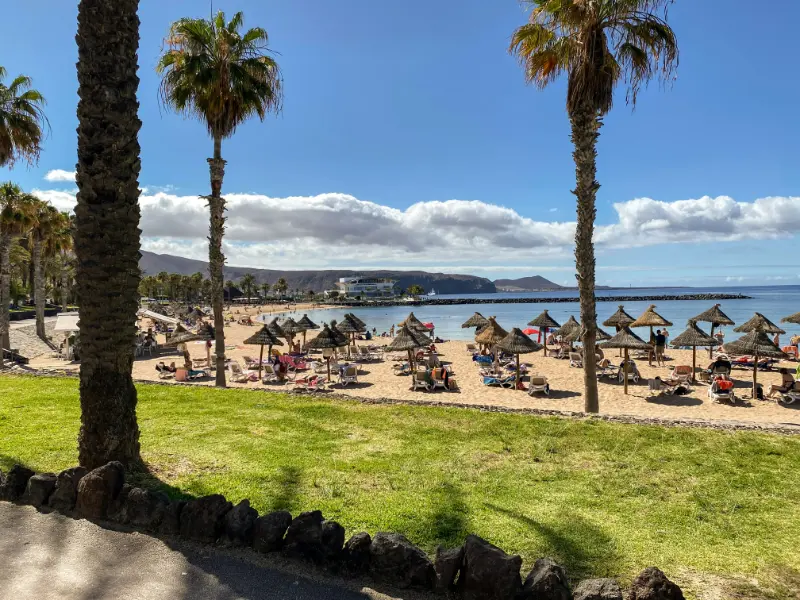
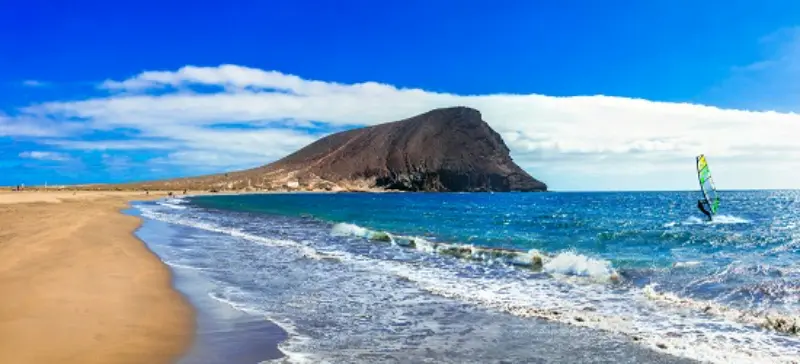
    The official tourism site describes the main El Médano beach as a 750-metre urban beach of fine grey sand, with the calmer section near the town suiting families and the farther section attracting wind and kite sports. Montaña Roja dominates the view and makes the coastline immediately recognisable.

    Who I think El Médano suits

    I would shortlist El Médano for independent travellers, surfers, wind- and kite-sport enthusiasts, couples who prefer apartments and cafés to large resorts, and repeat Tenerife visitors who want a different south-coast base. It can also work for families who understand that wind is part of the destination rather than an occasional inconvenience.

    I would not choose it for a traveller whose top priority is the calmest possible beach every day, a huge resort pool complex or luxury shopping. Costa Adeje is better for that. My where to stay in Tenerife guide compares the areas directly.

    The main beach and town waterfront

    The town end is the easiest place for a casual swim because cafés, restaurants and services are close. I like being able to leave the beach for lunch without changing the entire day’s plan. The atmosphere becomes sportier as you move along the coast, and on windy days the sky can fill with kites and sails.

    Even if I am not participating, I keep well clear of launch and landing areas used by kite- and windsurfers. Equipment moves quickly and riders need predictable space. A beach is shared infrastructure, and respecting sport zones is basic safety.

    Windsurfing and kitesurfing

    El Médano’s reputation is built on wind. Beginners should use a qualified local school rather than rent advanced equipment because the conditions, launch zones and right-of-way rules require instruction. Experienced riders still need current local information about wind direction, tides, restricted areas and beach zoning.

    I would never promise a specific wind strength months in advance. If watersports are the main reason for the trip, I plan a longer stay and accept that nature chooses the schedule. On lighter days I explore the town, Montaña Roja area, southern villages or other beaches.

    Montaña Roja and the protected landscape

    The red volcanic cone beside El Médano is one of the south’s most distinctive landmarks. I treat the surrounding protected area as a nature visit, not extra beach parking. I stay on authorised routes, respect temporary restrictions and carry water because the exposed landscape has little shade.
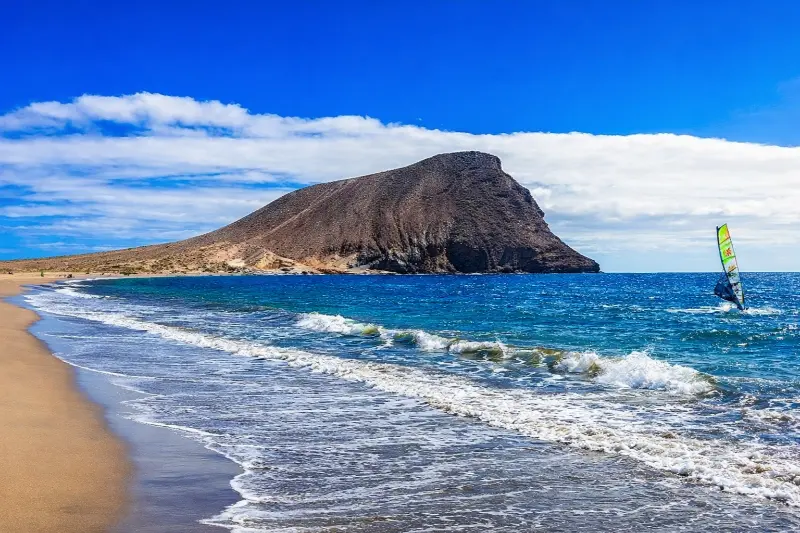
    El Medano Beach Tenerife

    A walk in this area gives El Médano more depth than a standard resort. In a few hours you can move from a café-lined town beach to a dry volcanic landscape with wide coastal views. That transition is exactly what I enjoy about Tenerife.

    Wind: advantage or disadvantage?

    Both. The breeze can make hot summer days comfortable and powers the sports culture that gives El Médano its personality. It can also make beach umbrellas impractical, cool a winter afternoon and irritate travellers who imagined completely still resort conditions. I choose the town because of the wind, not in spite of it.

    El Médano with children

    The calmer town-side section can work well for families, and having restaurants and services within a short walk simplifies the day. I would still choose accommodation carefully because a family with a stroller may value a flat central location more than a slightly cheaper apartment farther inland.

    For a first family trip where water parks, broad sandy resort beaches and extensive hotel entertainment are priorities, Costa Adeje may be easier. For a family that enjoys a local-town feel and outdoor sports, El Médano can be excellent. See Tenerife with kids for a wider comparison.

    Restaurants and evenings

    The centre has a relaxed café-and-restaurant culture, and I find evenings more informal than in the luxury parts of Costa Adeje. I would use a stay here to eat local fish, Canarian dishes and simple international food rather than search for a formal resort dining scene. The seafront is naturally the focus of an evening walk.

    Getting there and airport proximity

    El Médano is close to Tenerife South Airport, which is convenient on arrival and departure days. Proximity also means aircraft may be noticeable depending on location and conditions, so a traveller sensitive to noise should read recent accommodation reviews and examine the map before booking. I value the easy transfer enough that the trade-off does not bother me for a short stay.

    Public buses connect the area with other southern points, but a car is useful if I want to explore remote beaches, Teide and the north. For a trip without driving, I would stay centrally and plan around bus corridors rather than assume every scenic location is easy to reach. See Tenerife without a car.

    Day trips from El Médano

    • Teide National Park via a planned mountain day.
    • Costa Adeje for Siam Park or resort beaches.
    • Los Cristianos for ferries and a different seafront atmosphere.
    • Vilaflor and the high southern slopes for a landscape change.
    • Candelaria or Santa Cruz when travelling toward the northeast.

    I do not use El Médano as a base for repeated late-night drives from the far north. The island looks small on a map, but a holiday becomes tiring when every interesting place is treated as a return journey.

    El Medano Shoreline Tenerife

    Where to stay in El Médano

    I prefer accommodation within easy walking distance of the main seafront if the town atmosphere is the reason for staying. A rental car does not compensate for an inconvenient apartment when I want to walk out for breakfast or a sunset drink. You can compare current El Médano accommodation.

    A simple one-day plan

    I start with coffee in town, spend the morning on the main beach or in a watersports lesson, have lunch near the seafront and use the afternoon for a protected-landscape walk if conditions are comfortable. I return for sunset rather than drive immediately to another attraction. The point of El Médano is its rhythm, not a checklist.

    Official beach information

    For current facilities I check Tenerife Tourism’s official Playa de El Médano page. It describes the beach as 750 metres long, with the town-side section more family-friendly and the farther section particularly associated with windsurfing and kitesurfing.

    Frequently asked questions

    Is El Médano always windy?

    No place has identical conditions every day, but wind is a defining feature of the area. I would not book the town expecting the sheltered feel of a protected resort bay.

    Is it good for non-surfers?

    Yes. I enjoy the walkable centre, cafés, beach and volcanic scenery even without doing watersports. The question is whether you like the active, breezy atmosphere.

    Do I need a car?

    Not for the town itself. A car expands your island options, but buses and taxis can support a simple south-focused holiday.

    Would I stay here on a first Tenerife trip?

    Yes if the town’s personality matches the traveller. For someone who wants maximum resort convenience and calm beaches, I would choose Costa Adeje instead.

    A note on choosing accommodation in a windy town

    I pay attention to balcony orientation, window quality and the route to the beach, not only the apartment’s interior photographs. A sea-view terrace can be wonderful, but if it is fully exposed to the prevailing wind it may be less usable than expected. Recent guest reviews often reveal whether a building feels sheltered or noisy better than marketing text.

    For a longer stay I also value a washing machine or drying space because wind-sport clothing and beach towels accumulate quickly. Small practical features matter more in El Médano than a grand lobby. The town rewards travellers who live locally for a week rather than move between hotel facilities.

    How I would split a three-night stay in El Médano

    With three nights I would give the first day almost entirely to the town and beach, the second to a southern or Teide excursion and the third to watersports or Montaña Roja depending on the wind. That balance lets El Médano remain a place I actually experience rather than merely sleep in.

    I also leave room for a morning when the wind or sea changes my plan. A café breakfast, a market visit, a walk toward the quieter coastline or a bus to another southern town can replace a cancelled lesson without making the day feel lost. That adaptability is one of the reasons the town suits independent travellers so well.

    Final planning advice

    For my own El Medano Tenerife guide planning, I keep the day flexible, verify the latest official information, avoid overloading the schedule and leave enough time for transport, food and weather changes. Tenerife rewards realistic pacing. The most memorable part of a day is often the unplanned coffee, viewpoint or conversation that only fits when the itinerary has margin. I also keep a simple backup plan so a closure, wind change or delayed bus does not turn one adjustment into a wasted day.

    El Medano South Tenerife Coast
  • Playa de Las Teresitas Guide: Tenerife’s Golden-Sand Beach Near Santa Cruz

    Playa de Las Teresitas Guide: Tenerife’s Golden-Sand Beach Near Santa Cruz

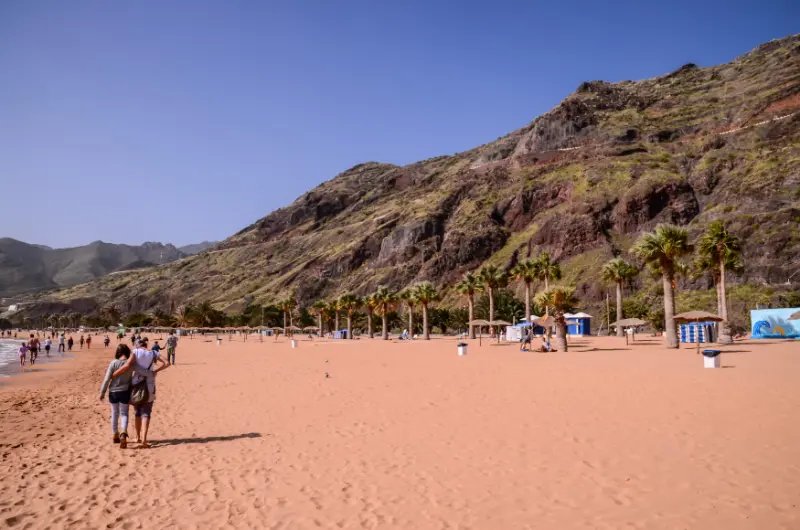
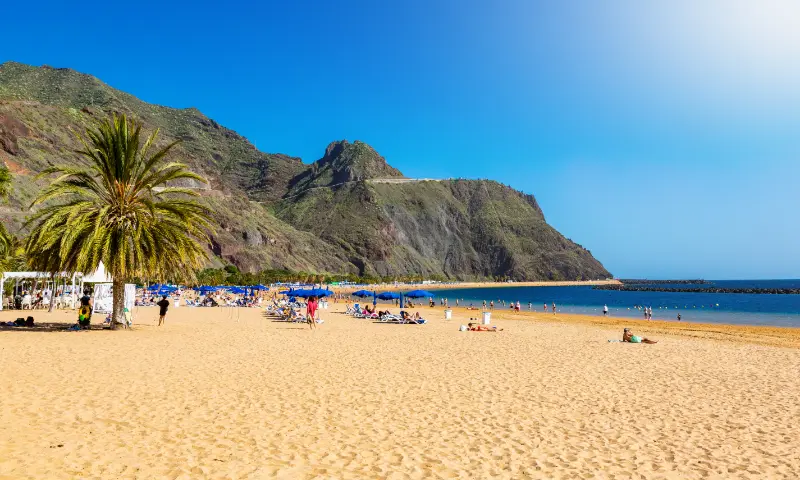
    Playa de Las Teresitas is the beach I would add to a Santa Cruz or Anaga day when I want an easy swim rather than a wild Atlantic beach. It sits beside the village of San Andrés, northeast of Santa Cruz, and its pale sand, palms and sheltered water look very different from the black volcanic beaches found elsewhere on Tenerife. The contrast is part of the appeal.

    The official Tenerife tourism site describes Las Teresitas as roughly 1.3 kilometres long, around 80 metres wide, family-oriented and protected by breakwaters that reduce wave action. It also lists practical services such as toilets, showers, lifeguarding, accessible facilities, bars and restaurants. Those features make it one of the simplest beaches to recommend to first-time visitors who want comfort.

    Why Las Teresitas feels different

    Many travellers picture Tenerife as a dark-sand volcanic island, so Las Teresitas can be surprising. The light-coloured sand and rows of palms create a softer, almost resort-like visual atmosphere even though the beach is next to a local fishing village rather than a major hotel strip. Behind it rise the dry lower slopes of Anaga, which gives the beach a dramatic natural frame.

    I would not call it Tenerife’s ‘best’ beach in every sense because beach preferences are personal. For wild scenery I prefer Benijo; for easy south-coast hotel access I would choose Fañabé or Del Duque; for wind sports, El Médano. Las Teresitas is strongest when calm water, space, services and proximity to Santa Cruz matter.

    Swimming and family use

    The breakwater usually makes the shoreline calmer than many open Atlantic beaches, which is one reason families like it. I still treat the ocean as the ocean: I follow flags and lifeguard instructions, keep young children within reach and do not assume that calm-looking water means zero risk. Weather, currents and local conditions can change.

    With children I choose a base near the services, create shade early and avoid the hottest middle part of the day if possible. The beach is long enough that walking farther from the busiest access points can change the atmosphere noticeably.

    How to get there from Santa Cruz

    Las Teresitas is close enough to Santa Cruz that I do not consider a rental car essential. Urban buses serve San Andrés and the beach area, and a taxi can be practical for a family. If I am already driving for an Anaga day, I use the beach as the last stop and accept that parking is easier at some times than others.

    The advantage of public transport is that I do not spend part of a beach day circling for a space during a busy weekend. The advantage of a car is flexibility if I am continuing toward Anaga viewpoints. My Tenerife without a car guide and driving guide compare both approaches.

    Parking

    There is parking by the beach, but I never interpret the existence of a car park as a guarantee of an easy space at midday on a sunny weekend. If driving, I arrive earlier, avoid blocking access roads and never leave valuables visible in the vehicle. For a relaxed city-and-beach day, I often prefer leaving the car in Santa Cruz and using public transport.

    San Andrés: do not skip the village

    The small village immediately beside Las Teresitas is part of the experience. Instead of eating only at a beach kiosk, I like the option of walking into San Andrés for fish or Canarian food. A long lunch there gives the day a local rhythm that is different from the southern resorts.

    Playa De Las Teresitas Beach Tenerife

    I also respect that San Andrés is a residential place, not an extension of the beach. I park legally, keep beach gear out of doorways and avoid treating narrow streets as photo sets. Small habits matter in places that receive large numbers of day visitors.

    What to bring

    • Shade or sun protection, especially for children.
    • Water even if you plan to use beach bars.
    • A light layer if combining the beach with higher Anaga viewpoints.
    • Secure footwear if you plan a long walk beyond the sand.
    • Only the valuables you genuinely need.

    I usually bring less to Las Teresitas than to a remote beach because services are close. That is one of the reasons I recommend it to travellers who do not want a logistical expedition every time they swim.

    Best combinations for one day

    Santa Cruz + Las Teresitas

    This is the easiest combination. I spend the morning in Santa Cruz—market, historic streets, TEA or the Auditorio area—then travel to San Andrés for lunch and beach time. My Santa Cruz guide provides a realistic city plan.

    Anaga + Las Teresitas

    If I drive, I can start in La Laguna or Cruz del Carmen, enjoy selected Anaga viewpoints and finish at Las Teresitas when I no longer want mountain roads. I keep the hiking modest because wet laurel forest and a hot beach day require different clothing and energy. Read my Anaga Rural Park guide before planning trails.

    Las Teresitas only

    There is nothing wrong with dedicating a full slow day to the beach and San Andrés. Not every Tenerife day needs three attractions. In fact, a relaxed day here can be the ideal counterweight after Teide or a long road trip.

    Best time of day

    I like morning for easier logistics and softer light, or late afternoon for a calmer end to a Santa Cruz day. Midday can be perfectly enjoyable if you want a classic beach day and have shade. Weekends and holidays can feel busier because the beach is popular with local residents as well as visitors.

    Weather differences from the south

    The northeast can be cloudier or windier than Costa Adeje even when the south is bright. I look at the local forecast rather than the island-wide symbol on a weather app. If Las Teresitas is grey while the south is sunny, that does not mean the forecast was ‘wrong’; Tenerife’s relief creates real microclimates.

    Playa De Las Teresitas Tenerife From Above

    Is Las Teresitas good without a car?

    Yes, particularly if you are staying in Santa Cruz or La Laguna. It is one of the island beaches I am comfortable recommending to travellers who do not rent a car because public transport reaches the area and the beach itself has services. The challenge is not the beach; it is adding remote Anaga stops on the same day.

    Where to stay

    For repeated beach visits combined with city life, I would stay in Santa Cruz rather than search for a resort directly on Las Teresitas. The capital gives far more restaurants, transport and evening options. You can compare Santa Cruz accommodation.

    Official information

    For current services and beach information, I use Tenerife Tourism’s official Las Teresitas page. It currently lists the beach as 1,300 metres long, family-friendly and equipped with services including toilets, showers, lifeguarding, accessible access and food options.

    Frequently asked questions

    Is Las Teresitas natural golden sand?

    The beach’s appearance has been heavily shaped by human intervention, including imported light-coloured sand and breakwaters. I visit for the present-day beach experience rather than treating it as an untouched natural cove.

    Playa De Las Teresitas Tenerife Promenade

    Can I visit from Costa Adeje?

    Yes, but I would combine it with Santa Cruz or Anaga so the long cross-island journey has more purpose. For a beach-only day from the south, closer beaches are more efficient.

    Is it safe for children?

    It is popular with families and generally more sheltered than many open-ocean beaches, but I still follow flags, lifeguards and normal water-safety rules.

    How long would I stay?

    Two to four hours works well as part of a city day; a full day is worthwhile if the goal is simple beach relaxation with lunch in San Andrés.

    How I decide whether to include Las Teresitas in a first-week plan

    If I already have several south-coast beach days, I include Las Teresitas only when it is attached to Santa Cruz or Anaga. That way the journey adds a genuinely different part of Tenerife rather than simply another stretch of sand. If the holiday is based in the capital, the decision reverses: Las Teresitas becomes the easy local beach and the southern resorts become the long excursion.

    This is a useful general rule for Tenerife. I group places by geography and experience instead of chasing a list of famous names. The island feels smaller, the driving falls and I spend more time actually being somewhere.

    Photography, shade and a slower beach rhythm

    Las Teresitas is especially photogenic when the mountains behind San Andrés are clear, but I do not build the visit around obtaining one exact postcard image. Light, haze and cloud change quickly in the northeast. I take a few photographs, then put the phone away and use the beach for what it does best: easy swimming, walking and a long break from sightseeing.

    If I plan several hours here, shade becomes part of the itinerary. The pale sand and open waterfront can feel bright even on a mild day, and reflected light adds to sun exposure. I reapply sunscreen after swimming and give children regular shaded breaks instead of waiting until everyone feels overheated.

  • Best Natural Pools in Tenerife: Volcanic Charcos, Safety and Where to Swim

    Best Natural Pools in Tenerife: Volcanic Charcos, Safety and Where to Swim

    Tenerife’s natural pools and volcanic charcos are one of the best ways to understand the island’s coastline. Instead of a conventional sandy beach, you swim in seawater held between lava formations, sometimes in a carefully adapted pool with steps and facilities and sometimes in a much wilder rock basin shaped by the Atlantic. The photographs can make every charco look calm; reality is more nuanced, because waves, tides and local closures decide whether a place is suitable on a particular day.

    I therefore plan natural-pool days differently from beach days. I choose one or two places, check conditions, keep an alternative nearby and never assume that a rock barrier makes the water automatically safe. The official Tenerife tourism site maintains a useful overview of natural pools and charcos around the island.

    Why Tenerife has so many natural pools

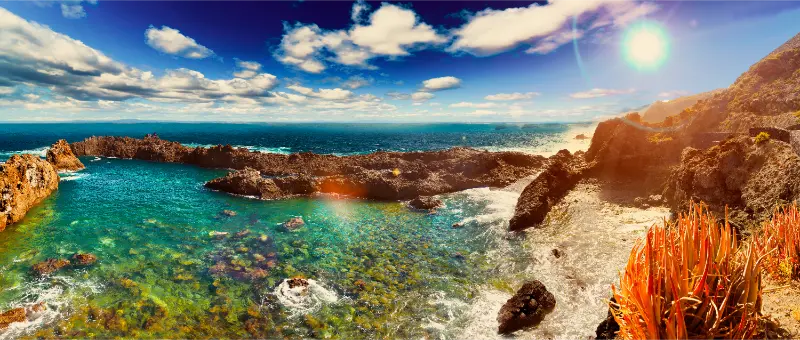
    Volcanic eruptions created an irregular coast of lava flows, ledges and cavities. In many places the sea enters these formations and leaves behind protected or semi-protected pools. Some were later adapted with steps, terraces and changing facilities, while others remain almost completely natural. That distinction matters because the level of comfort and supervision varies enormously.

    I like natural pools because they combine swimming with geology. You can literally see how lava met the ocean. But I also respect them more than a hotel pool: a large wave can cross a wall that looked high a minute earlier. My rule is to observe the water before entering and follow any local signs, barriers or staff instructions.

    El Caletón in Garachico

    El Caletón is the natural-pool experience I recommend most often to a first-time visitor because it sits in the historic town of Garachico. The pools are formed in lava on the waterfront, so you can combine a swim with old streets, churches, cafés and viewpoints without dedicating the entire day to bathing.

    Garachico was dramatically reshaped by the 1706 Trevejo eruption, and the volcanic coast is part of the town’s identity. On a calm day, El Caletón can feel surprisingly accessible compared with wilder charcos. On a rough day, however, sections may be unsafe or closed. I never climb around barriers for a photograph. My Garachico guide covers the town in more detail.

    Bajamar pools

    Bajamar, on the north coast near La Laguna, has adapted seawater pools that are easier to understand for families than an undeveloped rock charco. The setting still feels strongly Atlantic, but there are structured bathing areas and a promenade. I like Bajamar when I want the natural-pool atmosphere without the same level of scrambling over rocks.

    The north coast is exposed, so waves can be impressive even when the pool itself looks protected. That is part of the visual drama, but it is also why local safety instructions matter. I check the sea first, then decide how long to stay rather than committing the entire afternoon in advance.

    Jóver and the northeast coast

    Jóver is another place I consider when exploring the northeast. It feels less like a major tourist attraction and more like a local coastal stop, which is exactly the appeal. The trade-off is that services and parking can be more limited, and a place that feels wonderfully quiet at one hour can become awkward if everyone arrives at once.

    I would combine Jóver with La Laguna, Bajamar or Punta del Hidalgo instead of driving from the south solely for the pool. That produces a richer day and gives me alternatives if the sea is not cooperative. For the cultural half of the itinerary, see my La Laguna guide.

    Charco del Viento and other north-coast rock pools

    The coast around La Guancha, Icod and neighboring municipalities contains beautiful volcanic bathing places, including Charco del Viento. These are the locations where I pay the closest attention to swell and access. A wild charco can look completely different depending on tide and ocean energy, so yesterday’s social-media video is not a safety forecast for today.

    If the sea is active, I switch the plan to viewpoints, towns or a conventional beach. There is no prize for entering a natural pool in marginal conditions. The north is full of alternatives: Icod de los Vinos, La Orotava, Puerto de la Cruz and Garachico all work well as backup sightseeing.

    Tenerife Volcanic Coast Natural Pool

    Natural pools near Los Gigantes and the west

    Western Tenerife also has volcanic bathing areas and rock pools, although I choose carefully because exposed coastlines can receive strong swell. Around Los Gigantes and Puerto de Santiago, the cliffs are the main attraction, and I prefer to make swimming a bonus rather than the only purpose of the day. If conditions are wrong, a coastal walk or whale-watching trip can replace the swim.

    My Los Gigantes guide explains how I structure a west-coast day without overloading it. This is particularly useful if you also want to see Masca or Punta de Teno.

    How I check safety before swimming

    I look at the ocean for several minutes before approaching the water. I watch where waves break, whether water is washing across the pool edge and whether local swimmers are avoiding a section. I obey closure signs and do not assume that good swimmers are immune to impact from waves or slippery rock.

    Footwear matters too. Volcanic surfaces can be sharp, wet algae can be extremely slippery and access ladders may be exposed to surge. Water shoes can help in suitable places, but they do not make dangerous sea conditions safe. With children, I choose adapted pools, stay within arm’s reach where appropriate and avoid wild charcos in rough weather.

    What to bring

    • Secure footwear for wet volcanic surfaces.
    • A towel and dry layer, especially on the breezier north coast.
    • Water and sun protection.
    • A small waterproof bag for essentials, while leaving valuables at the accommodation.
    • A flexible itinerary with a nearby town or beach as Plan B.

    Natural pools versus beaches

    I do not see one as better than the other. Beaches such as Las Teresitas, El Médano or the southern resort bays are easier for long swimming and sunbathing days. Natural pools are more about landscape and the sensation of being inside Tenerife’s volcanic coast. On a one-week trip I would include both.

    Tenerife Volcanic Natural Pool At Sunset

    If you are choosing between locations, my best beaches in Tenerife article covers the conventional options, while this guide is for days when rock, lava and the Atlantic are the main attraction.

    Best natural-pool itinerary in the north

    A relaxed route could start in La Laguna, continue to Bajamar for a swim if conditions are good, then follow the north coast on another day toward Garachico and Icod. I would not try to visit six charcos in one day. The pleasure comes from staying long enough to swim, dry off and explore the surrounding town.

    For travellers using a rental car, I also avoid leaving bags visible in the vehicle while swimming. Natural pools often involve parking a short walk away, and a car full of luggage is unnecessary risk. My Tenerife by car guide includes broader road-trip and parking advice.

    Where to stay

    Puerto de la Cruz is a good base if north-coast pools are a priority because it puts several towns within manageable reach and gives you restaurants and evening life afterward. La Laguna is better for the northeast, while Garachico suits a slower rural-style trip. The south is still possible, but you will spend more time driving.

    You can compare Tenerife accommodation and then judge the route from the exact property rather than the resort name. On Tenerife, altitude and winding roads can make apparently short distances misleading.

    Frequently asked questions

    Are Tenerife’s natural pools free?

    Many are free public bathing areas, but facilities and access arrangements vary. I always check the current local information for the specific pool.

    Tenerife Volcanic Natural Pool

    Are they safe in winter?

    Safety depends on the sea on that day, not simply the season. Winter can bring energetic Atlantic swell to the north coast, so flexibility matters.

    Which pool is easiest for a first visit?

    I like El Caletón because it combines well with Garachico, and adapted complexes such as Bajamar are more straightforward than wild rock pools.

    Can children use them?

    Some adapted pools can work very well for families in calm conditions. Wild charcos require much more caution and are not places where I would relax supervision.

    What is the main rule?

    If the ocean looks wrong, do something else. Tenerife offers enough towns, beaches and viewpoints that there is never a reason to force a swim.

    How I choose a pool on the day

    I make the final choice in the morning rather than weeks in advance. I check the weather on the specific coast, look at sea conditions and then decide whether I want a structured pool such as Bajamar or a wilder charco. If I am travelling with older relatives or children, I give accessibility and easy entry far more weight than how photogenic the rocks look online.

    I also time the visit around the rest of the day. A natural pool is ideal after sightseeing because you can swim for an hour, dry off and continue to dinner without committing to a full beach day. On the north coast I keep a dry change of clothes in the car because wind can make wet swimwear uncomfortable quickly. This simple flexibility is what turns Tenerife’s charcos from a risky checklist into one of the island’s most enjoyable coastal experiences.

  • Playa de Benijo Guide: Black Sand, Anaga Scenery, Access and Safety Tips

    Playa de Benijo Guide: Black Sand, Anaga Scenery, Access and Safety Tips

    Playa de Benijo is the Tenerife beach I think of when someone asks for dramatic scenery rather than an easy resort day. Black volcanic sand, the Roques de Anaga rising offshore and the steep green slopes of the Anaga massif give the place a raw character that feels very different from the manicured beaches of Costa Adeje. It is also a beach that deserves respect. Access involves steps, parking is limited and the Atlantic can be powerful, so I would never describe Benijo as a simple all-purpose swimming beach.

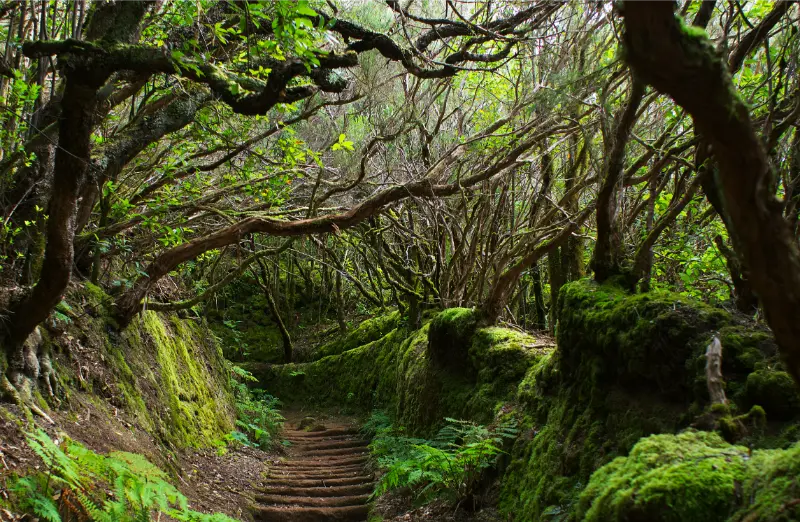
    For me, the best way to experience Benijo is as part of a wider day in northeastern Tenerife. I would combine it with Taganana, a viewpoint or short walk in Anaga and a meal in one of the small coastal settlements rather than driving across the island only for an hour on the sand. If you have not explored this side of Tenerife before, my Anaga Rural Park guide explains how the forests, mountain roads and coastal villages fit together.

    Anaga Laurel Forest Tenerife

    Why Playa de Benijo is special

    Benijo is not famous because it has the calmest water or the largest list of services. Its appeal is the setting. The beach sits below a rugged section of the Anaga coast, with dark sand in the foreground and volcanic rock formations offshore. At low light, especially around sunset, the contrast between black sand, white surf and the silhouettes of the roques can be extraordinary.

    The official Tenerife tourism information describes Benijo as an isolated beach near Taganana, around 300 metres long, reached on foot by a path with stairs. It also warns that the waves can be strong. I treat that warning as central to the visit, not as a footnote. On days with rough sea conditions, I am perfectly happy to enjoy Benijo from the shore without swimming. You can check the official Playa de Benijo information before setting out.

    How to get to Benijo

    By car, the route through Anaga is scenic but slower than the map distance suggests. The roads twist around steep slopes, visibility changes with cloud and there are sections where patient driving matters more than speed. If I am coming from Santa Cruz or La Laguna, I build generous time into the day and avoid creating a schedule that depends on arriving at an exact minute.

    Parking around Benijo is limited. The official tourism page indicates fewer than 50 parking spaces, which is another reason I avoid arriving at the busiest part of a sunny weekend afternoon. If the closest spaces are full, I do not improvise by blocking narrow roads or entrances. I would rather park legally farther away if possible, change the order of the day or return at another time.

    Public transport can also work, but I check the current TITSA route and timetable immediately before travelling because rural services are less frequent than buses in the main resorts. A bus-based Anaga day is entirely possible if you choose a small number of stops. For the wider network, see my Tenerife without a car guide.

    The stairs and beach access

    The final access is on foot using a path and stairs. That matters if you are travelling with a stroller, have reduced mobility or simply expect a flat promenade like the beaches of the south. Benijo is not the place I would choose for a visitor who needs step-free access. Good footwear is useful even if the plan is just to spend time on the sand, particularly if the steps are damp or you continue to viewpoints and village streets afterward.

    I also keep the return climb in mind. Descending to the beach can feel easy when you are excited by the view; climbing back after sunset, carrying beach gear, is another matter. I bring only what I really need and make sure I have enough daylight to return comfortably.

    Can you swim at Playa de Benijo?

    Sometimes people do, but I would never promise safe swimming conditions. The beach is exposed to Atlantic swell and currents, and the official guidance specifically urges caution because the waves are often strong. I judge the sea on the day, follow any local warnings and stay out when the conditions look uncertain. A beautiful beach does not become less worthwhile just because I decide not to enter the water.

    For families with young children, I generally prefer a sheltered beach with easier access and lifeguard infrastructure. My best beaches in Tenerife guide includes more practical options for swimming days. Benijo works better as a landscape experience for many families, with the beach visit kept short and flexible.

    Sunset at Benijo

    Sunset is the moment most people imagine when they see photographs of Benijo, and it can be magnificent. The mistake is to focus only on the sunset itself and forget the road out. Mountain roads in Anaga become more demanding after dark, especially if cloud or mist forms higher up. If I stay for the last light, I make sure the driver is comfortable with the return journey and I do not drink alcohol with dinner before driving.

    I arrive early enough to walk down without rushing, choose a safe place well above the reach of unexpected waves and keep an eye on the tide. I also bring a light layer. Even after a warm afternoon, wind and humidity can make the coast feel cooler once the sun disappears.

    Taganana, Almáciga and Roque de las Bodegas

    Benijo makes more sense when you treat it as part of the Taganana coast. Taganana itself has a traditional village atmosphere tucked into the Anaga landscape, while the coast around Roque de las Bodegas and Almáciga offers other views, beaches and places to eat. I like to stop for a simple Canarian lunch or fish rather than racing directly from one photo stop to another.

    If I have a full day, I might start with a forest viewpoint in the higher part of Anaga, descend toward Taganana, have lunch near the coast and finish at Benijo later in the afternoon. That route shows why Tenerife can feel like several islands in one: laurel forest, steep ravines, tiny villages and black-sand coastline all appear within a relatively small area.

    Anaga Laurel Forest Trail Tenerife

    What to bring

    • Supportive shoes for the stairs and uneven surfaces.
    • Water, sunscreen and a hat even when the mountains are cloudy.
    • A light layer for wind or cooler conditions after sunset.
    • Only a small amount of beach gear; the return climb is easier when you travel light.
    • A charged phone, while remembering that mountain coverage can be less reliable than in resort areas.

    Best time of day

    There is no single perfect time. Morning can be quieter and makes the return drive simple. Late afternoon gives better light and the possibility of sunset. Midday works if the sea is calm and you are already touring the coast, but the harsh light can flatten the landscape in photographs and parking may be more difficult. I choose according to the weather and the rest of my Anaga plan rather than chasing a fixed formula.

    Season also changes the character of the beach. Tenerife is a year-round destination, but ocean conditions vary from day to day. My best time to visit Tenerife guide explains the island’s broader seasonal differences without pretending that any month guarantees calm seas.

    Where to stay for Benijo

    If Benijo and Anaga are priorities, I would consider Santa Cruz or La Laguna rather than the far southwest. You gain easier access to the northeast and can combine the coast with the capital, UNESCO streets and mountain walks. Travellers who want nightlife and resort beaches can still visit from Costa Adeje, but the driving day is much longer.

    You can compare accommodation across Tenerife and then check the exact map position rather than booking by town name alone. In mountain areas, a property that looks close in a straight line may involve a surprisingly long road journey.

    A realistic Benijo day plan

    My preferred plan is intentionally simple. I leave after breakfast, stop at one or two Anaga viewpoints, descend toward Taganana, have lunch, visit the coast and keep Benijo as the final major stop. If the sea is rough, I photograph and walk instead of swimming. If parking is impossible, I do not let that ruin the day; the Anaga coast has plenty of other beautiful places.

    Anaga Tenerife

    I also resist the temptation to combine Benijo with Teide or the far west on the same day. Tenerife may look compact on a map, but mountain roads turn ambitious itineraries into hours behind the wheel. Benijo deserves a day that feels slow enough to notice the landscape.

    Frequently asked questions

    Is Playa de Benijo suitable for children?

    The scenery can be wonderful for a family outing, but the stairs, exposed water and limited services make it less convenient than Tenerife’s main family beaches. I would supervise children very closely and choose another beach for easy swimming.

    Is Benijo a nudist beach?

    The official tourism information notes that the beach is frequented by naturists. In practice, visitors should simply respect other beach users and the relaxed character of the place.

    Are there restaurants nearby?

    Yes, there are places to eat in the surrounding coastal area and around Taganana. Opening days and hours can vary, so I do not build a late remote meal around one specific restaurant without checking first.

    Do I need a full day?

    Not for the beach alone, but I strongly prefer a full Anaga day because the forest, viewpoints and villages are part of what makes Benijo memorable.

    What is the biggest mistake?

    Treating Benijo like a normal resort beach. The best visit comes from accepting limited parking, stairs, changing ocean conditions and a slower mountain-road journey.

  • Los Gigantes Tenerife Guide: Cliffs, Whale Watching, Beaches and Where to Stay

    Los Gigantes Tenerife Guide: Cliffs, Whale Watching, Beaches and Where to Stay

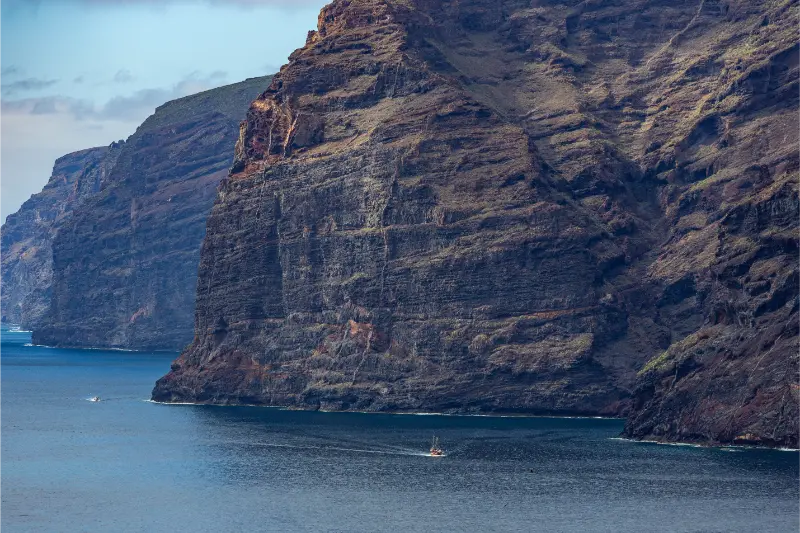
    Los Gigantes is one of the best places in Tenerife to experience the island from the sea. The resort itself is small and easy to understand, but the reason I come is the enormous wall of the Teno cliffs rising beyond the harbour. From land they dominate the horizon; from a boat their scale becomes much more convincing. In places the cliffs reach around 600 metres above the Atlantic.

    The area works as a day trip from Costa Adeje, but it can also be a very good base for travellers who prefer a quieter west-coast atmosphere. Puerto de Santiago and Playa de la Arena sit nearby, creating a broader resort zone with beaches, apartments and restaurants. I would choose Los Gigantes for sunsets, boat trips and access to Teno rather than for nightlife.

    The cliffs: what makes them special

    The Acantilados de Los Gigantes form part of the dramatic western edge of Teno Rural Park. Their near-vertical faces are the product of Tenerife’s old volcanic terrain and long erosion. Viewpoints on land are useful, but the perspective from the water shows how abruptly the mountains meet the ocean.

    If you have only a few hours, see the harbour and one good viewpoint. If you have half a day, add a boat trip. I would not spend the whole visit driving between minor viewpoints because parking and steep streets can consume more time than expected.

    Whale and dolphin watching

    Southwest Tenerife is one of the island’s main areas for cetacean-watching excursions. Los Gigantes harbour has authorised operators, and the combination of wildlife observation with cliff views makes it especially attractive. I choose companies that follow the island’s regulations and treat animal welfare as more important than guaranteeing close encounters.

    The official Tenerife tourism site publishes information about authorised whale-watching companies and boats. Use that as a filter before comparing price, vessel size and trip duration. Wildlife sightings can be frequent, but they remain wildlife sightings—not a performance.

    Boat trips beneath the cliffs

    Even travellers who are less interested in wildlife may enjoy a shorter scenic trip because the cliffs themselves are the attraction. Sea conditions determine comfort, so check the forecast if you are sensitive to motion. A small fast boat and a large catamaran provide very different experiences; choose based on comfort as much as duration.

    Some trips include swimming stops when conditions permit. Treat those as optional, follow crew instructions and remember that open-ocean conditions are different from a sheltered beach.

    Playa de los Guíos

    The small dark-sand beach near the cliffs gives you an easy way to combine sea time with the harbour. Its scale and facilities are more limited than the large southern beaches, but the setting is unique. I would choose it for scenery and convenience rather than expect a full resort-beach infrastructure day.

    For a more substantial beach nearby, Playa de la Arena in the Puerto de Santiago area is another option. My Tenerife beach guide compares west-coast stops with other parts of the island.

    Natural pools and ocean safety

    The west coast has rocky bathing areas and natural pools, but conditions can become dangerous when swell increases. Never enter because other people are doing so or because a photo makes the water look calm. Follow closures, barriers and local warnings.

    Los Gigantes and Masca

    Los Gigantes is closely associated with Masca because the cliffs form the coastal edge of the Teno landscape and the regulated Masca Gorge descent currently exits by boat from Masca Bay toward the Los Gigantes area. If you are hiking, the logistics need to be booked under the official system rather than improvised at the harbour.

    Los Gigantes Cliffs From The Sea Tenerife

    Read my Masca guide for the 2026 access rules before connecting the two experiences.

    A west-coast day without the Masca hike

    My easier west-coast day would start with a morning boat trip from Los Gigantes, continue with lunch near the harbour or Puerto de Santiago, then finish at a beach or viewpoint. If you have a car and enough daylight, add Santiago del Teide or a Teno viewpoint—but not every stop on the map.

    This version works well after a major Teide or Anaga day because it gives you scenery without another demanding hike.

    Where to stay

    BaseBest forCharacter
    Los GigantesHarbour and cliff viewsCompact, quiet resort
    Puerto de SantiagoApartments and local servicesMore spread out
    Playa de la ArenaBeach-focused stayRelaxed and practical
    Costa AdejeMore resort choice, day trip to westBusier and farther away

    Los Gigantes can feel wonderfully calm in the evening compared with the main southern resorts. If you value that, compare accommodation in Los Gigantes and check the exact gradient between the hotel and harbour; streets can be steep.

    Los Gigantes Resort And Marina Tenerife

    Getting there

    Driving from the south is straightforward for much of the route, but parking becomes the main practical issue near the harbour. Arrive before a booked boat trip with a generous buffer. TITSA buses serve the area, and organised excursions are another option if you do not want to drive.

    For transport across the island, use my Tenerife transport guide.

    Food and sunset

    I would save time for a proper lunch or early dinner rather than eat quickly between activities. Fish and Canarian dishes make sense on the west coast, and sunset can be excellent when the horizon is clear. The light on La Gomera and the cliffs is often more memorable than another attraction.

    Los Gigantes with children

    Families can enjoy a short boat trip and beach time, but vessel choice matters. Shade, toilet access, trip length, seasickness and the age of the children are more important than marketing claims. Do not schedule a long boat excursion immediately after a winding mountain drive if someone in the family is prone to motion sickness.

    For family pacing, see Tenerife with kids.

    When to visit

    The west and southwest are generally sunny, making Los Gigantes viable year-round. Boat conditions still depend on wind and swell, and summer heat can make midday walks on steep streets tiring. I prefer to book the sea activity first and keep the land portion flexible.

    My ideal Los Gigantes visit

    I would arrive early enough to park without stress, take a responsible whale- or cliff-watching trip, have lunch near the harbour, walk to a viewpoint and then choose either Playa de los Guíos or Playa de la Arena. If sunset is important, stay rather than racing back across the island before the best light.

    For current background on the cliffs and visitor information, see the official Tenerife tourism page for Los Gigantes cliffs.

    Los Gigantes Cliffs And Resort Tenerife

    Choosing the right boat

    Look beyond duration and price. Ask how much shade there is, how many passengers the boat carries, whether there is a toilet, how wildlife viewing is managed and what happens if conditions change. Smaller boats can feel more intimate but also more exposed to motion; larger vessels can be more comfortable for some travellers. The best choice depends on your group, not on one universal ranking.

    Accessibility and steep streets

    Los Gigantes is compact but not flat. Some accommodation sits well above the harbour, so travellers with mobility limitations should inspect the route carefully. A spectacular cliff view from a balcony may come with a steep return walk. When the harbour is central to your plans, proximity at the same elevation can be more useful than a panoramic hotel high on the slope.

    Practical planning notes I would save before the trip

    For Los Gigantes Tenerife guide, I save the accommodation address, parking or bus information, one official information link and the route back to my base before leaving. Tenerife is easy to travel around, but mountain roads, microclimates and busy coastal areas can turn a simple day into a slower one. I therefore keep one optional stop that can be removed without losing the main purpose of the day.

    I also carry water, sun protection and a light layer whenever the day leaves the immediate coast. Even short journeys can move from warm sunshine to wind, cloud or cooler high ground. That small amount of preparation makes it easier to respond to the island as it actually is rather than force a schedule created before arrival.

    Finally, I avoid judging a destination by the busiest thirty minutes of the day. Arriving earlier, staying later, walking one street beyond the obvious viewpoint and sitting down for a proper meal often changes the experience completely. My goal with these guides is not to collect attractions but to make each place easier to understand and enjoy at a realistic pace.

    I also keep the final hour of the day deliberately open. Traffic, parking, weather and a meal that lasts longer than expected are normal parts of travel in Tenerife, not problems to solve by rushing. Leaving that margin means I can stop at an unexpected viewpoint, wait for safer sea conditions, or simply stay longer in a town that I am enjoying. It also makes the return drive more comfortable because I am not trying to recover time lost earlier in the itinerary. For me, that flexibility is one of the most useful habits on an island where short distances can hide very different roads and conditions.

  • Best Beaches in Tenerife: From Easy Family Bays to Wild Volcanic Shores

    Best Beaches in Tenerife: From Easy Family Bays to Wild Volcanic Shores

    Tenerife’s beaches are more varied than the classic image of a Canary Islands resort suggests. You can spend the morning on a pale, sheltered beach with sunbeds and cafés, then drive to a black-sand bay framed by volcanic cliffs or a windy stretch of coast where surfers and kitesurfers dominate the horizon. That variety is why I do not rank one beach as the single best on the island; I choose according to the kind of day I want.

    This guide focuses on beaches that are useful for real trip planning: family-friendly choices, scenic black-sand beaches, surf areas, beaches near major resorts and places that combine well with sightseeing. Always check local conditions and beach flags before swimming because Atlantic waves and currents can change quickly.

    Playa del Duque: polished and convenient

    Playa del Duque in Costa Adeje is one of the easiest beaches for travellers who want comfort. The surrounding area has hotels, restaurants, a promenade and extensive tourist services. The beach is attractive, organised and straightforward for a resort day, which is why it works especially well for couples and families who do not want complicated logistics.

    It is not the beach I would choose for a wild or local atmosphere. Its strength is convenience. If you are staying in Costa Adeje, I would use Playa del Duque for a relaxed half-day and save the rental car for beaches that are genuinely different rather than driving elsewhere simply because another name appears on a top-ten list.

    Playa de Las Vistas: one of the easiest family options

    Between Los Cristianos and Playa de las Américas, Las Vistas is broad, central and supported by a long promenade. It is useful for families because food, toilets and other services are close, and you can walk to a large range of accommodation. Conditions still vary, but it is a much simpler proposition than a remote natural beach.

    I like Las Vistas on days when the goal is not adventure but an uncomplicated swim, lunch and walk. If you have children, that kind of easy day becomes more valuable after a long Teide or Anaga excursion.

    Playa de Las Teresitas: the classic beach near Santa Cruz

    Las Teresitas is one of Tenerife’s most recognisable beaches, a long arc of light-coloured sand near the village of San Andrés, northeast of Santa Cruz. It is a natural addition to a day in the capital or a scenic drive toward Anaga. The bay setting and mountain backdrop make it visually very different from the southern resort beaches.

    Because it is popular with residents as well as visitors, weekends and good-weather days can be busy. I prefer arriving earlier, then combining the beach with lunch in San Andrés or continuing into the northeast if the weather is suitable.

    Tenerife Beach With Palm Trees

    El Médano and Playa de la Tejita: for wind, space and Montaña Roja

    El Médano is one of Tenerife’s best-known wind-sports areas. The beach merges with a relaxed town atmosphere, and the view toward Montaña Roja gives the coast a distinctive identity. It is a good place to watch windsurfing or kitesurfing even if you are not participating.

    On the other side of Montaña Roja, Playa de la Tejita feels more open and natural. Wind can be strong, and there is less resort-style shelter, so I see it as a beach for travellers who enjoy space and landscape rather than guaranteed calm water. Respect protected areas around the natural reserve and avoid leaving marked paths where restrictions apply.

    Playa Jardín and the Puerto de la Cruz coast

    The northern coast has a darker, more volcanic character. Beaches around Puerto de la Cruz are useful if you are staying in the north, but I choose them with conditions in mind. Waves can be stronger than at sheltered southern beaches. The value of the area is the combination: black sand, gardens, promenades, town life and easy access to La Orotava and other northern sights.

    A north-coast beach day also works well when the south is extremely hot or when you want a break from resort scenery. Just remember that the weather can be cloudier on the northern side even when the south is bright.

    Playa de Benijo: scenery first

    Benijo, beneath the Anaga mountains, is one of the most dramatic beaches on Tenerife. The attraction is the setting: dark sand, powerful Atlantic water and offshore rock formations. I treat it primarily as a landscape stop rather than promising myself a swim. Sea conditions can be serious, access involves steps, and the road through Anaga deserves time and concentration.

    For me, Benijo fits best into an Anaga day rather than a beach-hopping schedule. Arrive with proper footwear, check daylight, and never enter the water just because other people are swimming. The safest decision can be to enjoy the view from shore.

    Playa de Abama: beautiful but access needs planning

    The small beach below the Abama resort area is known for sheltered water and a photogenic setting. Public access to beaches in Spain is not the same as having easy resort-style access to every facility, so understand the walking route, parking situation and practical limitations before making a special trip. It can be pleasant, but I would not cross the island only for one small beach if your itinerary is already full.

    Black sand or golden sand?

    Tenerife’s volcanic beaches are part of the island’s identity. Black sand can become extremely hot under strong sun, so footwear is useful. Lighter beaches may feel more familiar, but colour tells you little about swimming conditions. Exposure, swell, wind, tide and local protection matter much more than sand colour.

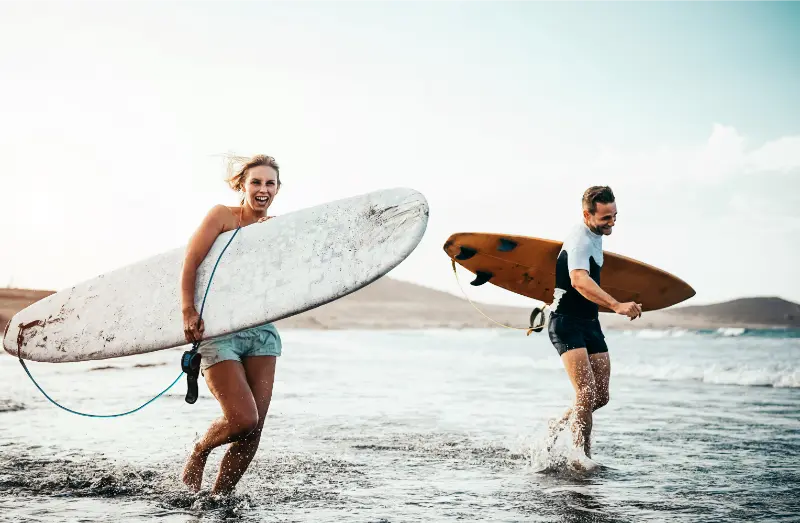
    Surfers On A Tenerife Beach
    If you want…Try…Why
    Resort comfortPlaya del DuqueServices and promenade
    Family convenienceLas VistasCentral and easy facilities
    Scenery near Santa CruzLas TeresitasMountain-backed bay
    Wind sportsEl MédanoConsistent active atmosphere
    Wild volcanic sceneryBenijoDramatic Anaga setting
    North-coast characterPuerto de la Cruz beachesBlack sand and town access

    Natural pools: an alternative to the beach

    Tenerife also has natural swimming pools and volcanic bathing areas, especially around the north and west. Garachico is the most famous example, but access can be restricted when the sea is rough. These places should never be treated like ordinary hotel pools. Waves can wash across platforms and conditions can change rapidly. Follow closures and local instructions.

    Natural pools are especially useful on a sightseeing day because you can combine a short swim with historic towns and viewpoints. I would not promise children a swim until I have seen the conditions in person.

    Beach safety in Tenerife

    The Atlantic deserves respect. Flags, lifeguard instructions, barriers and local warnings are more important than any recommendation in a travel guide. A red flag means do not enter the water. Even on a sunny day, swell can produce strong shore break or currents. Remote beaches may not have lifeguards at all.

    • Check the flag and observe the water before swimming.
    • Keep children within immediate reach, not just within sight.
    • Avoid rocky entries when waves are breaking.
    • Do not swim after drinking alcohol.
    • Protect feet from hot dark sand and sharp volcanic rock.
    • Use reef-safe habits and take all rubbish away from natural beaches.
    • If locals leave the water because conditions worsen, pay attention.

    Best beaches without a car

    If you do not have a car, the easiest strategy is to stay in a coastal area with several beaches connected by promenade or bus. Costa Adeje, Los Cristianos and Playa de las Américas are obvious choices. Las Teresitas is reachable from Santa Cruz by public transport, while El Médano is connected by bus routes but requires more planning depending on your starting point.

    Playa De Las Teresitas Sandy Beach Tenerife

    TITSA covers the island extensively, but a beach day becomes less relaxing if you are watching multiple transfers. Use the official journey planner and choose one good beach rather than trying to collect three in a day. My transport guide explains how I plan car-free days.

    Beaches with children

    For family days I prioritise easy access, toilets, food, shade options and lifeguard presence over dramatic scenery. Las Vistas and the main Costa Adeje beaches are usually more practical than remote northern coves. Even then, calm-looking water can change. Small children do not need a long list of beaches; they need one safe, convenient place where the adults are not stressed.

    For a broader family plan, see Tenerife with kids.

    When to go to the beach

    Tenerife can support beach days throughout much of the year, but the best coast may change with wind and cloud. The south generally receives more sunshine, while the north can be greener and cloudier. In summer, sand and exposed promenades can be very hot at midday. In winter, the sun may feel warm while the ocean remains refreshing and mountain air is much colder.

    That is why I keep beach plans flexible. A cloudy morning in the north can become a sunny afternoon in the south, and a windy day at El Médano may feel much calmer in a sheltered bay elsewhere. See my weather and best-time guide for the seasonal picture.

    My beach-planning rule

    I would choose two or three beaches for a week-long holiday, not ten. Pick one convenient beach near your accommodation, one beach that offers a completely different landscape and perhaps one that pairs naturally with sightseeing. This reduces driving, parking and the temptation to judge each place after twenty hurried minutes.

    If you stay in the south, a balanced combination could be Playa del Duque or Las Vistas for convenience, Las Teresitas on a Santa Cruz/Anaga day and Benijo purely for scenery if sea conditions and daylight are appropriate. That gives you three different sides of Tenerife’s coast without turning the holiday into a beach checklist.