Category: Beaches & Coast

Tenerife beaches, natural pools and coastal experiences, with practical access and safety advice.

  • Playa de Almáciga Guide: Wild Black Sand, Surf and Anaga Coast

    Playa de Almáciga Guide: Wild Black Sand, Surf and Anaga Coast

    Playa de Almáciga is the Anaga beach I would choose for wild scenery and Atlantic character, not for a guaranteed calm swim. It sits below the small settlement of Almáciga on the north coast, between the landscapes of Taganana and Benijo, with black volcanic sand, steep green slopes and the Roques de Anaga offshore.

    Official Tenerife tourism information describes Almáciga as roughly 300 metres long, with rock and sand, road access, limited parking and waves that are often strong throughout the year. That last point shapes my entire visit. I am happy to spend time here without entering the water when the sea looks powerful.

    Why Almáciga feels different from resort beaches

    There are no rows of large hotels behind the sand and no protected harbour turning the ocean into a pool. The setting feels exposed to the Atlantic. Surfers value that energy, but casual swimmers need to be more conservative. I look at the water for several minutes before deciding whether even shallow paddling makes sense.

    If I want calm water and easy facilities, I choose a different beach. If I want to understand the raw coastal side of Anaga, Almáciga is excellent. My best beaches in Tenerife guide explains how I match beaches to the type of day rather than ranking them on scenery alone.

    Quick facts

    LocationAlmáciga, Taganana area, Santa Cruz de Tenerife
    Beach typeBlack volcanic sand and rock
    LengthAbout 300 m according to official tourism information
    SwimmingCan be rough; assess conditions carefully
    SurfPopular because of regular waves
    ParkingLimited
    FacilitiesBasic; more food options around Roque de las Bodegas

    Swimming and ocean safety

    I never use the presence of other people in the water as proof that conditions are safe for me. Atlantic currents, shore break and changing sets can make a beach dangerous even when the surface looks attractive. If red flags or local warnings are present, I stay out. If there are no flags, I still use my own judgement and remain conservative.

    For families with young children or weak swimmers, I would choose a more protected beach elsewhere. My Tenerife safety guide covers the practical signs I look for before swimming on exposed beaches.

    Surfing at Almáciga

    Almáciga is known for surf, and official tourism information specifically notes surf activity. I would not treat that as an invitation for a first independent attempt. Beginners are better with a reputable school that chooses conditions appropriate to ability. Experienced surfers will still want local knowledge because rocks, currents and wave direction matter.

    How to get there

    The drive through Anaga is part of the day. Roads are narrow and winding, and I budget more time than the kilometre count suggests. From Santa Cruz or La Laguna, I would combine the beach with a forest stop or Taganana rather than making a rushed return journey.

    Anaga Laurel Forest Trail Tenerife

    Public transport is possible, but I verify the current TITSA timetable before leaving. Rural frequencies can be limited, so I always know the time of the last practical return connection before walking down to the beach.

    Parking

    Official information indicates fewer than 50 spaces. On popular days, that is not much. I arrive early, avoid blocking the road and never create an improvised parking place on a bend. If parking is impossible, Roque de las Bodegas, Taganana or another Anaga stop can become the main plan instead.

    Facilities and food

    Almáciga itself is simple. I bring water and whatever I need for a low-service beach visit. For a meal, the nearby coastal area around Roque de las Bodegas has more options. I like stopping for local fish or Canarian food after the beach rather than carrying a full picnic down to the sand.

    Best light and photography

    Cloudy Anaga weather can create dramatic photographs because the black sand and green slopes gain texture without harsh contrast. Around lower light, the offshore roques become strong silhouettes. I keep my camera away from spray and never walk backward toward the water while framing a shot.

    A half-day itinerary

    • Morning forest stop at Cruz del Carmen or another Anaga viewpoint.
    • Continue through Taganana at an unhurried pace.
    • Spend time at Almáciga for scenery, photography or surfing if conditions suit.
    • Eat around Roque de las Bodegas or Taganana.
    • Add Benijo only if parking, daylight and sea conditions make the extra stop comfortable.

    Almáciga versus Benijo

    The two beaches are close but feel slightly different. Benijo is often chosen for the iconic view toward offshore rocks and sunset atmosphere, while Almáciga has a strong surf identity and easier visual connection to the small settlement above it. I would not force both if one is already busy; a slower visit to one beach is often better.

    Who I would recommend it to

    I recommend Almáciga to photographers, surfers, repeat Tenerife visitors and travellers who appreciate wild coastlines. I would not make it my first recommendation for toddlers, mobility limitations or anyone whose main priority is easy swimming with full services.

    Common mistakes

    • Assuming black-sand beauty means easy swimming.
    • Arriving at the busiest time with no parking alternative.
    • Underestimating the slow Anaga road.
    • Expecting resort-level facilities.
    • Ignoring changing waves because the beach looked calm on arrival.

    Frequently asked questions

    Is Almáciga good for swimming?

    It can be swimmable on suitable days, but the beach is exposed and often wavy. I judge the sea conservatively and stay out when conditions are rough.

    Is Almáciga good for surfing?

    Yes, it is a recognised surf beach. Beginners should use a qualified school rather than choosing the spot independently.

    Can I reach it by car?

    Yes. The official tourism page lists road access and parking, though spaces are limited.

    Are there restaurants on the beach?

    Services are basic at Almáciga itself; I look toward nearby Roque de las Bodegas and Taganana for a meal.

    My final take

    Playa de Almáciga is memorable because it still feels exposed to the landscape around it. I go for black sand, surf energy and Anaga scenery, not because I need a perfect swimming beach. With that expectation, it is one of the coast’s most atmospheric stops.
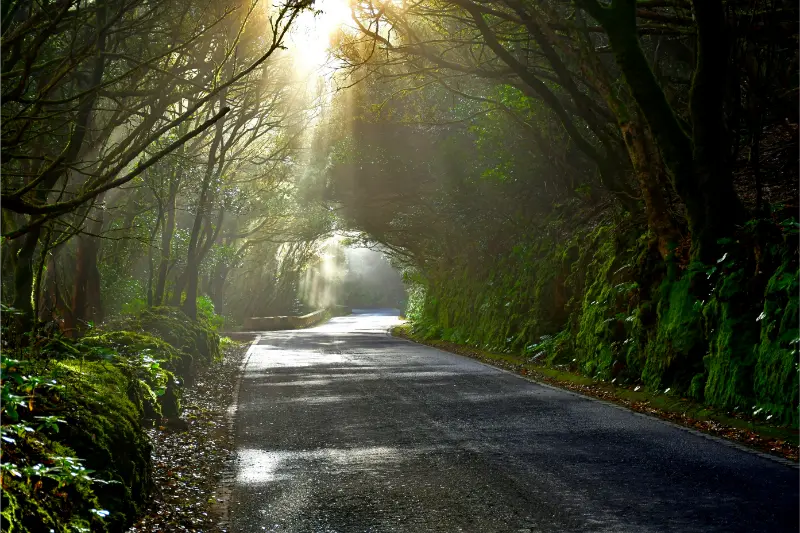
    Anaga Tenerife

    How I read an exposed beach

    Before putting down my bag, I spend time watching the sea. I look for where waves are breaking, whether water is moving sideways along the shore and whether swimmers are struggling to return to the same place. I also check flags and local warnings. Ten quiet minutes of observation tell me more than a photograph taken on a different day.

    What I keep in the car

    For remote-coast days I keep spare water, dry clothes, a light layer and shoes that can handle steps or rough ground. I also keep a simple backup plan: another beach, a village meal or a viewpoint. That prevents me from forcing a swim when the Atlantic conditions are not suitable.

    How I choose whether to swim

    I make the decision only after I arrive. Photos, forecasts and even yesterday’s conditions are not enough. I compare wave size, current, flags, local behaviour and my own swimming ability. If I feel uncertain, I switch the goal of the visit from swimming to walking, photography or lunch nearby. That is not a failed beach day; it is a sensible response to an ocean that changes constantly.

    Sun, shade and hydration

    Exposed beaches can feel cooler because of wind while the sun is still strong. I use sunscreen, reapply it and drink water even when I am not sweating heavily. On beaches with little natural shade, I avoid spending the entire middle of the day in direct sun. A short break in a café or village can make the second half of the visit much more comfortable.

    Leaving the coast safely

    I keep enough energy for the return to the road or car, especially where stairs or rough paths separate the beach from parking. Wet feet and sand make steps more tiring than they looked on arrival. If sunset is part of the plan, I know exactly how long the climb back takes and carry a small light rather than relying on a phone battery.

    A final planning check before I leave

    The evening before this day, I verify the weather, current access information, transport, opening details where relevant and the amount of daylight I have. I save essential information offline and tell someone in my group what the main plan is. I also decide in advance what would make me switch to the backup plan. That small amount of preparation lets me enjoy Tenerife more spontaneously once I am actually there, because the important risks and logistics have already been considered.

    Why I prefer a slower itinerary

    Tenerife rewards time. Distances can look short on a map while mountain roads, parking, viewpoints and meals make the real day much longer. I therefore leave unscheduled space instead of treating every hour as an appointment. That gives me room to stop at an unexpected viewpoint, wait for cloud to clear, spend longer over lunch or simply leave early if conditions are not right. In practice, the slower version usually produces better memories and fewer transport mistakes.

    Practical details I confirm on the day

    Before leaving my accommodation I recheck the latest official information that could affect the plan: weather, road conditions, trail or beach access, public-transport times and any temporary restrictions. Tenerife changes quickly between coast, forest and high mountains, so yesterday’s conditions are not enough. I also make sure the phone is charged, essential addresses are saved offline and everyone in the group knows the backup plan. If the main activity depends on sea state, cloud, wind or a connection, I keep one nearby alternative that does not require a complicated detour. This simple routine helps me avoid turning a small change into a stressful day and makes the itinerary more resilient without removing spontaneity.

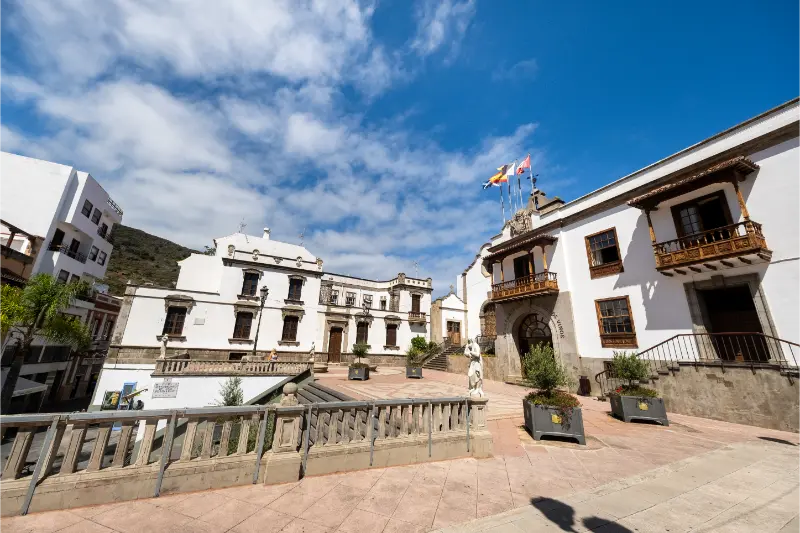
    Anaga Forest Tenerife
  • Playa de San Marcos Guide: Black Sand, Calm Bay and Icod Coast Tips

    Playa de San Marcos Guide: Black Sand, Calm Bay and Icod Coast Tips

    Playa de San Marcos is one of the north-coast beaches I would consider when I want black sand and a more sheltered setting than the exposed Atlantic beaches nearby. The bay belongs to Icod de los Vinos and has a curved, shell-like shape that helps protect it from some of the swell that affects other northern beaches. That does not make the water permanently calm, but it gives San Marcos a different character from surf-oriented or open-coast beaches.

    Tenerife Tourism lists the beach at around 160 metres long and 40 metres wide, with black volcanic sand, easy pedestrian access, adapted access, toilets, showers, restaurants and parking. It is an urban beach, so I would come for convenience and local atmosphere rather than for an untouched natural setting.

    Playa de San Marcos at a glance

    LocationSan Marcos, Icod de los Vinos
    LengthAbout 160 m
    SandBlack volcanic sand
    CharacterSheltered urban bay
    AccessibilityAdapted access listed officially
    Best forNorth-coast beach time, families in suitable conditions, combining with Icod

    I would check the official Playa de San Marcos page for current services before relying on a specific facility.

    What makes the bay different

    The shape of San Marcos is the key. The surrounding headlands and curved bay reduce direct exposure compared with many stretches of the north coast. Tenerife Tourism describes it as one of the calmer beaches in northern Tenerife, and that is the main reason I would choose it for a swimming day.

    I would still watch the sea carefully. A sheltered bay can have surge, shore break or changing currents, especially when Atlantic swell is larger. I would never use the beach’s reputation as a substitute for flags and local conditions.

    The atmosphere

    San Marcos feels like a small coastal settlement rather than a major resort. Apartment buildings, restaurants and terraces frame the bay, and the beach can become lively with local families in summer. I would not expect the polished promenade scale of Costa Adeje or Las Vistas.

    For me, that is part of the appeal. I can spend a few hours by the water, have lunch overlooking the bay and then drive uphill to Icod’s historic centre without committing to a full resort day.

    Black sand: beautiful and hot

    The volcanic sand gives the beach its visual identity, but it can become hot under strong sun. I would bring sandals and be especially careful with children. The north can feel cooler and cloudier than the south, yet UV exposure remains important even when the sky is not perfectly clear.

    I also find black-sand beaches easier to enjoy when I bring a second small towel for feet and keep electronics protected from fine sand.

    Swimming and family use

    When conditions are calm, the sheltered setting can work well for families. I would choose the central bathing area, stay within any supervised zone and keep younger children close. In summer, when the beach is busier, I would arrive before peak midday hours to find a comfortable space.

    If the sea is rough, I would not force the swim. Icod gives me several inland alternatives, including the Drago area, historic centre and Cueva del Viento if I have a reservation.

    Facilities and accessibility

    The official listing includes toilets, showers, cleaning, restaurants and adapted access. Parking is also available, although the page notes fewer than fifty spaces. That is a useful warning: on busy days I would not assume I can arrive at lunchtime and park immediately beside the water.

    If accessibility is essential, I would confirm the exact beach service and route from parking to sand in advance. My accessible Tenerife guide helps compare alternatives around the island.

    Parking strategy

    San Marcos is reached by descending from Icod toward the coast. I would drive slowly, follow legal parking signs and avoid blocking residential access while searching for a closer space. The final approach is part of a lived-in coastal neighbourhood, not a giant beach car park.

    During summer weekends I would either arrive earlier or accept that I may need to walk farther. I would not create a stressful start to the day by circling indefinitely.

    Combining San Marcos with Icod de los Vinos

    This is the pairing I would recommend most strongly. Icod’s historic centre and famous Drago Milenario are close enough that the town and beach can share the same day without feeling rushed. I would use the morning for Icod when streets are cooler, then descend to the bay for lunch and a swim if conditions are good.

    Parque Del Drago Milenario Icod De Los Vinos Tenerife

    My Icod de los Vinos guide covers the historic centre, Drago and other practical stops.

    Adding Cueva del Viento

    Cueva del Viento can turn the day into something much more distinctive, but I would only add it with a confirmed booking. Cave visits operate on fixed arrangements and are not something I would assume I can join spontaneously. I would leave enough time between the cave and beach rather than schedule them back to back.

    My Cueva del Viento guide explains clothing, booking and what to expect.

    Where to eat

    The bay has restaurants and terraces, making lunch easy. I would look at current menus rather than choosing only by the closest table to the sand. Fresh fish and Canarian dishes make sense here, but I would clarify prices for seafood sold by weight before ordering.

    If I prefer a guachinche experience, I would eat inland around the north rather than expect the beachfront to provide the same atmosphere.

    Where to stay

    San Marcos can be a peaceful base for travellers who want the north coast and do not need a large nightlife scene. I would compare accommodation around Icod de los Vinos on Booking.com and check whether a property is in the historic town, at the coast or on the slopes between them. Those locations feel very different without being far apart on the map.

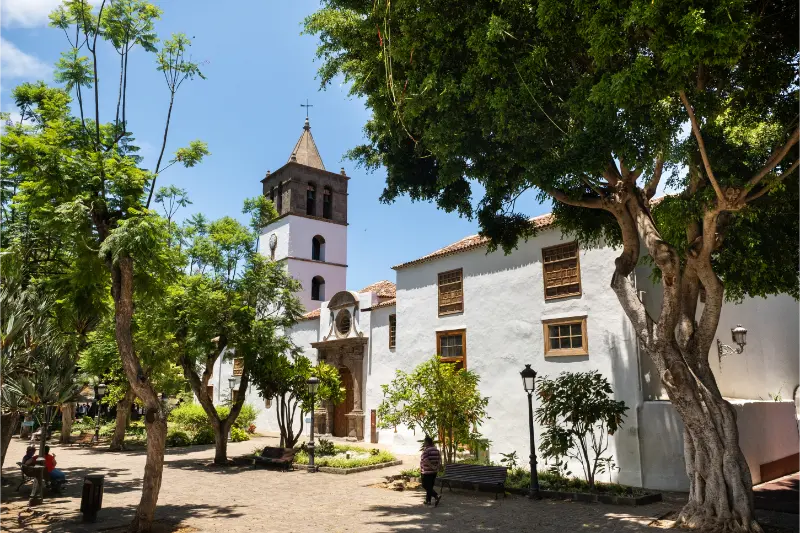
    Church In Icod De Los Vinos Tenerife

    How San Marcos compares with other north beaches

    For drama, I would choose Benijo. For surf atmosphere, El Socorro. For a more secluded volcanic setting near La Orotava, El Bollullo. San Marcos is the practical choice when I want a sheltered urban bay with food and parking nearby.

    My black-sand beaches guide helps compare these different experiences.

    Best time to visit

    I would choose a day when the north-coast forecast and sea conditions are favourable. Morning often gives easier parking and a quieter beach. Summer brings more local families and a livelier atmosphere; winter can still produce beautiful beach days but the ocean deserves extra respect.

    I would not cancel solely because Puerto de la Cruz looks cloudy on an app. North-coast cloud can shift locally, and the bay may still be pleasant. I would combine weather and sea forecasts with real-time observation.

    A realistic half-day plan

    If I were building a half day around San Marcos, I would start in Icod de los Vinos before the historic centre becomes busier, spend time around the Drago and old streets, then descend to the coast for lunch. After eating, I would check the sea from the promenade before deciding whether to swim. This order avoids making the beach the only reason for the trip and gives me an easy fallback if the water is rough.

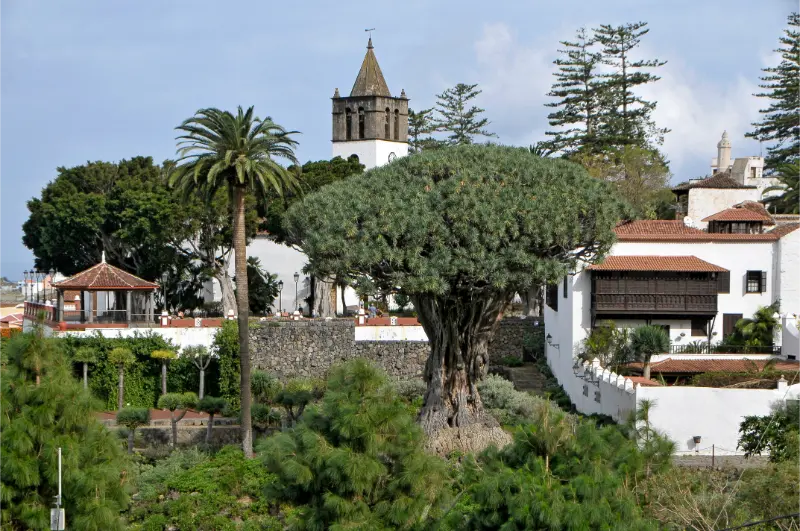
    Dragon Tree In Icod De Los Vinos Tenerife

    I would leave at least a little unplanned time after the beach. Northern Tenerife often rewards small detours: a viewpoint, a bakery, a short walk or simply a second coffee can be more memorable than forcing another major attraction into the afternoon.

    Why I would not rush onward to Garachico

    Garachico is close enough that it is tempting to add it automatically, but I would do so only if I have already seen Icod or if the beach stop is short. Garachico deserves its own walking time, and combining two historic towns, a cave booking and a beach in one day is more driving than it appears on a map. I prefer to leave something for the next day.

    Common mistakes I would avoid

    • Assuming “sheltered” means the sea is always safe.
    • Arriving at peak summer lunch time with no parking plan.
    • Walking barefoot on hot black sand.
    • Trying to fit Icod, Cueva del Viento, Garachico and a long beach session into one rushed day.
    • Choosing a hotel without understanding the vertical difference between Icod town and the coast.

    Frequently asked questions

    Is Playa de San Marcos good for swimming?

    It is often calmer than more exposed north-coast beaches because of the bay shape, but I would always follow current flags and conditions.

    Is it a black-sand beach?

    Yes. The sand is volcanic and dark, typical of much of Tenerife’s northern coast.

    Is it close to Icod de los Vinos?

    Yes. The beach belongs to Icod and is easy to combine with the historic centre and Drago area.

    Does it have restaurants?

    Yes. The urban bay has restaurants and terraces close to the beach.

    Is parking easy?

    Parking exists, but official information indicates limited capacity. I would arrive earlier during busy periods.

    My final take

    Playa de San Marcos is a useful north-Tenerife beach because it combines volcanic character, a relatively sheltered bay and easy access to Icod de los Vinos. I would not cross the island only to collect another beach, but if I am exploring Icod or the northwest, it is exactly the kind of coastal stop that can turn a sightseeing day into a more balanced holiday day.

  • El Caletón Garachico Guide: Natural Pools, Safety and Volcanic History

    El Caletón Garachico Guide: Natural Pools, Safety and Volcanic History

    El Caletón is one of those Tenerife swimming places where the landscape tells the story before I read a single information panel. The natural pools sit directly beside the historic centre of Garachico, formed in a coastline reshaped by volcanic activity. They are beautiful, photogenic and easy to combine with a town visit, but I would never treat them like a hotel pool. The same ocean that fills the lava pools can become powerful enough to make bathing unsafe.

    Tenerife Tourism describes El Caletón as a group of natural bathing pools and one of Garachico’s main attractions. It notes that the water is often calm inside the pools but specifically warns visitors to be cautious because the sea in this area can be strong. That warning is central to how I would plan the visit.

    El Caletón at a glance

    LocationGarachico, north Tenerife
    TypeVolcanic natural pools/charcos
    Best forSwimming in suitable conditions, volcanic scenery, combining with historic Garachico
    Main riskAtlantic swell and waves entering exposed sections
    Planning styleFlexible: visit the town even if the pools are unsafe for swimming

    I would use the official El Caletón page for current visitor information and then judge conditions on site.

    Why El Caletón is different from an ordinary beach

    The experience is shaped by lava. Instead of a long sand shoreline, I move between rock formations, pools and man-made access points. The water feels more enclosed than the open Atlantic, but the pools remain connected to the sea. That is why waves can suddenly matter even when the section where I am standing looks protected.

    I would come for the combination of geology and swimming, not because I expect a large area for sunbathing. Space can feel limited on busy summer days, and the most attractive rock edges are not always the safest places to sit.

    The volcanic story behind Garachico

    Garachico was once one of Tenerife’s important ports before the 1706 eruption changed the coastline and damaged the old harbour. The lava that transformed the town also contributed to the rocky shore that now makes El Caletón so distinctive. I find the pools more meaningful when I see them as part of Garachico’s history rather than as a standalone Instagram stop.

    My Garachico guide connects the pools with the historic streets, churches, old fortifications and the wider story of the town.

    When I would swim — and when I would not

    I would swim only when access is open, local conditions look controlled and there are no warnings indicating danger. I would watch the outer ocean for several minutes before entering. A wave cycle can have quiet intervals that create false confidence.

    If waves are washing strongly over exposed rock or people are being pushed around inside a pool, I would not enter. Natural pools can create an illusion of protection, but their edges, ladders and channels can become slippery or turbulent. I would never climb barriers or ignore closures for a photograph.

    Footwear and moving around the pools

    Wet volcanic rock can be sharp and slippery. I would use secure sandals or water shoes with grip rather than flip-flops that can slide or float away. I would move slowly, use handrails where provided and keep both hands free when descending ladders.

    For children, I would choose the most protected accessible section and stay within arm’s reach. I would not let a child stand on the outer rocks to watch waves, even if other visitors are doing it.

    Water temperature and comfort

    The pools contain ocean water, so they follow the seasonal feel of the Atlantic rather than warming like a shallow hotel pool. On a sunny day the contrast between warm rock and cooler water can be refreshing; on a cloudy northern day it can feel much cooler.

    I would bring a towel and a dry layer if the weather is breezy. My Tenerife sea-temperature guide explains what swimming generally feels like across the year.

    Best time to visit

    I would arrive earlier in the day during busy periods. El Caletón is directly beside a famous historic town, so it can attract both swimmers and sightseeing visitors. Early arrival gives me more space and a better chance to understand conditions before the area becomes crowded.

    I would not choose the time only from the weather icon. Swell is more important than sunshine. A grey calm morning can be better for swimming than a bright day with a powerful sea.

    What to do if swimming is unsafe

    This is where El Caletón has a major advantage over remote natural pools: Garachico is right there. If the sea is too rough, I have not wasted the journey. I can walk the historic centre, visit the waterfront, have lunch and watch the ocean from a safe distance.

    Garachico Natural Pools And Coast Tenerife

    That is why I consider El Caletón a strong all-weather planning stop. The swim is a bonus, not the only reason to come.

    Parking in Garachico

    I would park legally in the town or designated public areas and walk. Garachico’s historic streets were not designed for modern visitor traffic, and searching for the closest possible space can create unnecessary stress.

    On weekends and summer days I would add a parking buffer. If I have a lunch reservation or another fixed activity, I would not calculate the schedule from ideal traffic conditions.

    Where to stay

    Garachico can work as a quiet northwestern base for travellers who prefer historic atmosphere to large resorts. I would compare Garachico accommodation on Booking.com, paying attention to parking and stairs in older properties.

    If I am staying elsewhere, El Caletón works well as a day trip from Puerto de la Cruz or as part of a northwest itinerary.

    What I would combine with El Caletón

    I would keep the day geographically coherent. Garachico plus Icod de los Vinos is an obvious pair. Another option is Garachico plus Los Silos and Buenavista del Norte. If I continue toward Punta de Teno, I would check current access rules and avoid overloading the day.

    My best natural pools in Tenerife guide is useful if I want to compare El Caletón with Bajamar, Punta del Hidalgo and other coastal swimming areas.

    Photography without taking risks

    The contrast between dark lava, white water and Garachico’s architecture is extremely photogenic. I would use a zoom or wider composition from a stable position rather than stepping onto wet outer rocks. Waves are unpredictable, and a photograph is not worth a fall into a surge channel.

    I would also keep electronics in a secure waterproof bag. Even a relatively small splash can travel farther than expected when it hits vertical rock.

    Food after the swim

    Garachico has enough restaurants and cafés that I would plan lunch in town rather than carry a large picnic onto the pools. Tenerife Tourism specifically suggests pairing the swim with local seafood and Canarian food.

    After salt water and sun, I would choose a relaxed meal and leave time for a walk before driving mountain roads.

    El Caletón with limited mobility

    I would investigate the exact access before promising a swim to someone with mobility limitations. The surrounding seafront is easy to include in a town visit, but natural-pool access can involve ladders, wet surfaces and irregular rock. Conditions and usable sections matter.

    For travellers prioritizing adapted bathing facilities, I would compare more engineered pools and beaches in my accessible Tenerife guide.

    How I would decide whether to bring children

    El Caletón can be memorable with children, but I would make the decision from the sea rather than from the calendar. On a calm day, older children who are confident in the water may enjoy the protected sections. On a rough day, I would turn the visit into a geology-and-town stop and choose a more controlled beach or pool elsewhere. I would never promise children a swim before seeing conditions, because that can create pressure to enter when the sensible choice is to stay out.

    I would also keep snacks, dry clothes and footwear close. Natural pools often involve more getting in and out, waiting for waves and moving between sections than a normal beach, so comfort becomes part of safety.

    Common mistakes I would avoid

    • Treating the pools like a closed swimming facility rather than part of the ocean.
    • Entering because other people are swimming even when waves look stronger than I am comfortable with.
    • Wearing slippery footwear on wet lava.
    • Driving into the historic centre at the busiest time solely to save a short walk.
    • Leaving the town immediately if the pools are closed; Garachico itself is worth several hours.

    Frequently asked questions

    Are the El Caletón pools natural?

    Yes. They are volcanic coastal pools formed within the lava shoreline, with access adapted for bathing.

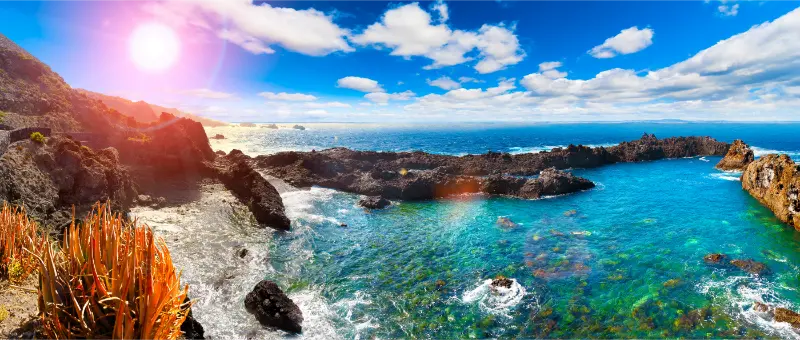
    Tenerife Volcanic Natural Pools At Sunset

    Is El Caletón always safe for swimming?

    No. The official tourism page warns about strong sea conditions. I would decide from current warnings and the actual swell.

    Do I need water shoes?

    They are not mandatory, but secure grippy footwear can make moving across wet volcanic surfaces more comfortable.

    Can I visit without swimming?

    Absolutely. The pools sit beside historic Garachico, so the area is worthwhile even when the sea is too rough.

    How long would I spend there?

    For the pools alone, perhaps one to three hours depending on conditions. Combined with Garachico, I would allow at least half a day.

    My final take

    El Caletón is at its best when I treat it as a volcanic landscape first and a swimming place second. In calm conditions it can be one of the most memorable places to enter the ocean in northern Tenerife. In rough conditions, I would enjoy the geology and historic town from land and come back another time rather than challenge the Atlantic.

  • Playa de Las Vistas Guide: Calm Water, Accessibility and Los Cristianos Tips

    Playa de Las Vistas Guide: Calm Water, Accessibility and Los Cristianos Tips

    Playa de Las Vistas is one of the easiest beaches in southern Tenerife to recommend when convenience matters as much as scenery. It is not a hidden cove and I would not visit expecting solitude, but that is exactly why it works so well for families, travellers with reduced mobility, people staying without a car and anyone who wants a straightforward beach day with restaurants, toilets and a long promenade close at hand. Its light-coloured sand and sheltered water also make it feel very different from the wilder black-sand beaches of the north.

    The official Tenerife tourism page lists Las Vistas as an urban beach in Arona, around 850 metres long and 80 metres wide, with adapted access, toilets, showers, sunbed and umbrella rental, food nearby and parking. The beach is protected by breakwaters, so the water is generally calmer than at many open-coast beaches. I would still judge the actual sea on the day rather than treating “calm” as a guarantee.

    Las Vistas at a glance

    LocationArona, between Los Cristianos and Playa de las Américas
    LengthAbout 850 m
    SandLight/golden sand
    CharacterUrban, easy-access, family-friendly
    AccessibilityAdapted access is listed by the official tourism authority
    Best forSwimming, families, long promenade walks, easy beach days

    I would check the official Las Vistas beach page for the latest service information before relying on a specific facility.

    Why Las Vistas is so practical

    Some Tenerife beaches are destinations in themselves; Las Vistas works more like part of a continuous resort coastline. I can arrive on foot from Los Cristianos, spend a few hours swimming, walk toward Playa de las Américas for lunch and return without needing a car. That makes it especially useful on the first or last day of a holiday, when I do not want a complicated excursion.

    The promenade is one of the beach’s biggest strengths. Instead of being trapped in a single bay, I can move between different stretches of coast, cafés and viewpoints. For travellers who become restless after two hours on a towel, that flexibility matters.

    What the beach actually feels like

    I would describe Las Vistas as open, bright and organised rather than wild. The pale sand, broad width and developed seafront create a classic resort-beach atmosphere. An artificial island and fountain in the water are recognizable visual features, and the scale of the beach means that even when it is busy I can usually find a different section rather than leaving immediately.

    Because it is urban, I would expect noise, families, beach vendors, watersports and plenty of movement. If I wanted dramatic volcanic cliffs and fewer services, I would choose somewhere else. If I wanted a comfortable swim close to my hotel, this would be high on my list.

    Swimming conditions and safety

    The official description emphasizes the beach’s very calm swell, helped by protective breakwaters. That is one reason Las Vistas is popular with families. Even so, I would always check flags, lifeguard instructions and the actual water before entering. A sheltered beach can still have changing currents, wind chop or temporary restrictions.

    For children, I would focus on the shallow entry, but I would not treat any ocean beach like a swimming pool. I would stay close, keep flotation toys under control in wind and use water shoes only if someone prefers them; the sand itself is generally comfortable for bare feet.

    Accessibility: one of the main reasons to choose Las Vistas

    Las Vistas is a strong option for travellers who need a more accessible beach environment. Tenerife Tourism lists adapted access, and the surrounding promenade is much easier to navigate than steep natural coves or beaches reached by long stairs. I would still verify current seasonal assistance, amphibious-chair availability or specific mobility services if they are essential to the trip.

    My accessible Tenerife guide compares beaches and attractions more broadly. Accessibility is not one universal category: a beach can have ramps but still have soft sand, long distances or changing service hours, so I would plan around the actual needs of the traveller.

    Las Vistas with children

    If I were staying in Los Cristianos with young children, Las Vistas would be one of my default choices. The combination of calmer water, toilets, food, shade options and an easy promenade removes many of the logistical problems that make beach days tiring for parents.

    Los Cristianos Port Tenerife

    I would arrive with sun protection already applied, bring water even though shops are close, and choose a meeting point in case older children wander along the wide beach. The southern sun can be intense even when the breeze feels comfortable. My family beaches guide gives alternatives if Las Vistas feels too busy.

    Where Las Vistas sits between Los Cristianos and Playa de las Américas

    One of the most useful things to understand is that the beach is part of a larger walkable resort strip. To one side I have Los Cristianos, with its harbour, older resort fabric and ferry connections. In the other direction the promenade leads toward Playa de las Américas, where the atmosphere becomes more nightlife- and entertainment-oriented.

    That means I can choose accommodation based on the neighbourhood I prefer without losing access to Las Vistas. My Los Cristianos guide and Playa de las Américas guide explain the differences.

    Los Cristianos At Sunset Tenerife

    Best time of day

    I would choose the morning for the calmest start, easier sunbed availability and a less crowded promenade. Late afternoon is better if I want softer light and a beach-to-dinner transition. Around midday, especially in peak holiday periods, the beach can feel much busier and the sun is strongest.

    I would not arrive only for sunset expecting a dramatic west-facing horizon like Playa de la Arena or Los Gigantes. Las Vistas is more about an easy full beach session than a single spectacular evening view.

    Sunbeds, umbrellas and shade

    The official page lists sunbed and umbrella rental, but prices and operating arrangements can change. I would treat rental availability as a convenience rather than something to build the entire day around. If shade is essential for a baby or someone sensitive to sun, I would bring a backup plan and check local rules for personal beach shelters.

    The promenade has many opportunities to step out of the sun for food or drinks, which is one advantage over remote beaches.

    Food and drink nearby

    I would not carry a full picnic unless I specifically wanted one. The seafront has a wide range of restaurants, cafés and shops, and walking a few minutes away from the most obvious beachfront tables can sometimes give me more choice and better value.

    For a simple beach lunch I would choose something that does not make the afternoon feel heavy: grilled fish, salad, a sandwich or Canarian dishes shared at the table. I would keep valuables with me rather than leaving a bag unattended while everyone goes to eat.

    Parking and arriving by car

    Tenerife Tourism lists parking, but this is a dense resort area and I would not assume I can park directly beside the sand in high season. I would aim for an established public car park or a legal street space and accept a short walk. Circling narrow resort streets for the “perfect” spot is rarely worth the time.

    If my accommodation is within Los Cristianos or Playa de las Américas, walking is usually the better option. Public buses also serve the broader resort area, making Las Vistas one of the easier Tenerife beaches to visit without a rental car.

    Where I would stay for easy access

    For travellers who want to walk to the beach daily, Los Cristianos is the most obvious base, with Playa de las Américas also very close. I would compare accommodation on Booking.com in Los Cristianos and check the map carefully; “near the beach” can still mean a steep uphill walk in parts of southern Tenerife.

    What I would combine with Las Vistas

    I would keep combinations local. A walk through Los Cristianos harbour, a seafront lunch, Playa del Camisón or an evening in Playa de las Américas all make sense. I would not drive to Teide or Anaga after spending most of the day here; that turns a relaxing beach day into unnecessary logistics.

    Los Cristianos Bay Tenerife

    If I had only one beach day in the south and wanted maximum convenience, Las Vistas would be a strong choice. If I wanted luxury atmosphere I might prefer Playa del Duque; for a broader Costa Adeje resort day, Fañabé is another option.

    Common mistakes I would avoid

    • Assuming calm water means there is no need to check beach flags.
    • Driving into the busiest streets at midday expecting parking beside the sand.
    • Forgetting that the southern sun can be very strong even with a breeze.
    • Choosing accommodation only by distance without checking hills and walking routes.
    • Expecting a secluded “secret Tenerife” atmosphere from a major urban beach.

    Frequently asked questions

    Is Playa de Las Vistas good for families?

    Yes. Its generally calm water, broad sand, services and adapted access make it one of the more practical family beaches in the south.

    Is the sand natural?

    The beach is known for its light-coloured imported sand and engineered protection. I would visit for comfort and accessibility rather than wilderness.

    Can I walk there from Los Cristianos?

    Yes. Las Vistas is directly connected to Los Cristianos by the seafront promenade.

    Can I continue walking to Playa de las Américas?

    Yes. The promenade makes this one of the easiest continuous coastal walks in the resort zone.

    Is Las Vistas accessible?

    The official tourism authority lists adapted access. I would verify any specific seasonal assistance service in advance if it is essential.

    My final take

    I would choose Playa de Las Vistas when I want an uncomplicated swimming beach with strong facilities and a walkable location. It is not Tenerife’s wildest coast, but it is one of the island’s most useful beaches for families, first-time visitors and travellers who value accessibility and convenience. The key is to enjoy it for what it is: a very well-connected urban beach rather than a hidden natural escape.

  • Playas de Troya Guide: Blue Flag Beaches, Swimming and Playa de las Américas Tips

    Playas de Troya Guide: Blue Flag Beaches, Swimming and Playa de las Américas Tips

    Playas de Troya are the classic central beaches of the Playa de las Américas and Costa Adeje resort strip, and their biggest advantage is how easy they are to use. Troya I and II form a long urban beachfront with grey volcanic sand, Blue Flag recognition, adapted access and a promenade full of services. I would choose them when I want swimming and resort energy without needing a car. This guide is built around the details I would want before leaving my accommodation: what is actually worth my time, how I would get there, where the friction points are, and what I would combine with the visit without turning the day into a race.

    Quick planning facts

    LocationAdeje / Playa de las Américas resort area
    Combined lengthAbout 650 metres
    Typical widthAbout 20 metres
    SandGrey volcanic sand
    Quality recognitionBlue Flag
    AccessibilityOfficial information lists adapted access

    The first thing I would do is open the official Tenerife tourism page for Playas de Troya. I use the official source for the elements most likely to change — opening times, admission, access restrictions or temporary closures — and use the rest of my itinerary as a flexible framework. I never judge a Tenerife beach only by a photograph. The same stretch of coast can feel completely different with a change in swell, wind or tide. I check the flag or local warning signs on arrival, follow lifeguard instructions where a service is present, and keep an alternative nearby. A flexible beach plan is safer and usually more enjoyable than trying to force the original schedule.

    Why I would put Playas de Troya on an itinerary

    Troya is about location. Hotels, apartments, restaurants, shops, taxis and nightlife are all close, so a beach day can begin and end on foot. That is valuable for travellers who want to reduce driving or who are staying in the heart of Playa de las Américas.

    The grey sand also gives visitors a gentle introduction to Tenerife’s volcanic identity without the remoteness or stronger conditions found at some natural black-sand beaches. I would not call it wild, but it is unmistakably part of a volcanic island.

    What the experience is really like

    The official tourism information describes the usual wave conditions as calm and presents the beaches as suitable for families and water activities. I still read the flag and look at the actual sea before swimming. Urban protection and breakwaters can reduce wave energy, but they do not eliminate ocean risk.

    The atmosphere changes through the day. Morning can feel more relaxed, afternoons are busier, and the surrounding resort comes alive toward evening. I like the ability to swim, shower, change pace and then continue straight into a promenade dinner without another transfer.

    Two connected resort beaches

    Troya I and II function as one broader beachfront experience for most visitors. I do not worry too much about where one name ends and the other begins; I choose the section that looks comfortable on the day.

    Walking the entire stretch first can help me find the right balance of space, water activity and proximity to facilities.

    Grey volcanic sand

    The sand is grey rather than the pale resort sand found on some other southern beaches. That colour is part of the island’s geology and creates a different visual character from Fañabé or Las Teresitas.

    Dark sand can become very hot in strong sun, so I keep footwear accessible rather than leaving it buried under towels.

    Services and adapted access

    The official listing includes showers, foot-wash points, cleaning, loungers, parasols, bars, restaurants and adapted access. That makes Troya practical for a broad range of travellers.

    As always, I verify any specific accessibility equipment or assistance schedule locally if it is essential.

    The promenade and resort atmosphere

    The beachfront avenue is a major part of the experience. I can move between the beach, cafés, shops and hotel areas without repeatedly changing transport.

    This is especially useful at night because I can finish the swim, shower and continue directly into the evening rather than driving after a long beach day.

    Water activities

    Water sports are offered from the area, but I choose operators carefully and ask what is included before paying. I do not assume that a busy beach means every activity is equally suitable for beginners.

    For surf specifically, I use my Tenerife surfing guide because the best conditions and spots vary around the coast.

    How I would get there

    For anyone staying in Playa de las Américas or nearby Costa Adeje, walking is the obvious choice. The beach is built into the resort, and driving a few hundred metres usually creates more hassle than it solves.

    Parque Santiago Iii Playa De Las Americas Tenerife

    There is no dedicated beach parking listed, but parking exists in surrounding areas and buses serve the resort. If I am arriving from another town, I decide in advance whether public transport or a paid car park is simpler than searching residential streets. If I am comparing transport options across the island, I use my getting around Tenerife guide and, for road-based days, my Tenerife by car guide rather than relying on a route estimate that ignores parking, mountain roads or the walk from the final stop.

    How much time I would allow

    I can spend an entire day here, but I think Troya is especially good for flexible half-days. A morning swim can lead into lunch and another attraction; an afternoon swim can turn naturally into dinner and nightlife.

    That flexibility is one of the beach’s strongest advantages. I do not need a rigid arrival or departure time because almost every practical service is nearby.

    When I would go

    Morning gives me the best chance of a quieter beach and cooler sand. Late afternoon is excellent if I want the transition into the resort evening.

    I avoid judging conditions solely by the forecast for Tenerife South Airport. Local wind and swell can differ even across a short stretch of coast. For the broader seasonal picture, my best time to visit Tenerife guide explains why conditions can differ so much between coasts and elevations.

    Families, accessibility and different travel styles

    The beach’s calm-water reputation and facilities make it practical for families, but I still supervise children continuously. Inflatables, breakwaters and crowds can create a false sense of security.

    Adapted access is listed by the official tourism site. If I need a specific assisted-bathing service, I confirm the current provision locally rather than relying on a general accessibility icon. I never assume that the words “easy” or “accessible” mean the same thing for every traveller, so I check gradients, surfaces, toilets, shade and the distance from parking or public transport. My accessible Tenerife guide gives the wider planning context, while my Tenerife with kids guide is useful for family pacing.

    What I would bring

    Sunscreen, water, hat, sandals and a simple valuables plan are enough for most visitors because food and facilities are close. I do not overpack a resort beach.

    I also carry a light cover-up for restaurants and shops so I can move from sand to promenade without returning to the hotel for every small need. I keep the day bag small enough that I am not tempted to leave valuables visible in a parked car. My Tenerife packing list goes deeper into clothing and gear for mixed beach, city and mountain days.

    What I would combine with it

    Troya pairs naturally with Playa de las Américas itself. I can make a full resort day without adding transport.

    Playa De Las Americas At Sunset Tenerife

    For contrast, I would use another day for La Tejita or Benijo, where the coast feels much less urban.

    Food and breaks nearby

    I have enormous choice around Troya, which is both useful and overwhelming. I would check menus and recent reviews before hunger peaks rather than choose the first place with a promoter outside.

    For a quick beach lunch, convenience wins. For dinner, I am willing to walk farther along the resort strip or inland for somewhere that feels less dependent on passing beach traffic. For local dishes and ordering habits, I use my what to eat in Tenerife guide and eating out in Tenerife guide.

    Where I would stay

    Troya is ideal for travellers who want nightlife, restaurants and beach access within walking distance. It is less suited to people seeking a quiet residential base.

    I compare live accommodation around the area on Booking.com, then check the exact map position before booking. A hotel name can suggest one neighbourhood while the real walk to the beach, bus stop or attraction is much less convenient. My where to stay in Tenerife guide explains how I choose a base by trip style rather than star rating alone.

    A realistic half-day or full-day plan

    I would swim in the morning, walk the full beachfront, choose a shaded lunch, then either return to the beach or take a long break at the hotel during the strongest sun.

    Late afternoon I would come back for another walk and let the beach day turn into dinner or evening entertainment. That is when staying nearby delivers the most value.

    Mistakes I would avoid

    • Driving from a nearby resort hotel when walking is easier.
    • Assuming calm-water reputation means no need to check flags.
    • Walking barefoot on dark sand at the hottest part of the day.
    • Choosing a water-sports operator without asking about safety and total price.
    • Expecting a quiet natural beach atmosphere in the centre of a major resort.

    Most disappointing Tenerife days are not caused by choosing the wrong place; they come from mismatched expectations. I would rather do fewer things with enough time for parking, walking, weather and a proper meal than collect rushed stops that all blur together.

    Frequently asked questions

    Are Playas de Troya sandy?

    Yes. The official description lists grey sand and a combined beachfront of about 650 metres.

    Do they have a Blue Flag?

    Yes, the official tourism page lists Blue Flag recognition.

    Are they accessible?

    Adapted access is listed. I would verify any specific assisted-bathing equipment or service before travelling.

    Are the waves calm?

    The beaches are described as usually having calm wave conditions, but I always check the actual sea and flags on the day.

    Is there parking?

    The official page says there is no dedicated beach parking, although parking can be found in surrounding areas.

    My final take

    Playas de Troya are about convenience, central location and a classic Playa de las Américas atmosphere. I would choose them for a simple urban beach day, respect the Atlantic despite the usual calm-water reputation, and enjoy the fact that the promenade lets the day continue without another journey.

    Playa De Las Americas Bay Aerial View Tenerife
  • Playa de Fañabé Guide: Blue Flag, Swimming, Facilities and Costa Adeje Tips

    Playa de Fañabé Guide: Blue Flag, Swimming, Facilities and Costa Adeje Tips

    Playa de Fañabé is one of the easiest Costa Adeje beaches to recommend when convenience matters as much as scenery. It is an urban, serviced beach with a Blue Flag, light-coloured sand, a long promenade and a broad choice of restaurants and water activities. I would choose it for a comfortable resort beach day rather than for solitude or wild volcanic character. This guide is built around the details I would want before leaving my accommodation: what is actually worth my time, how I would get there, where the friction points are, and what I would combine with the visit without turning the day into a race.

    Quick planning facts

    LocationCosta Adeje
    LengthAbout 600 metres
    WidthAbout 40 metres
    TypeUrban, serviced beach
    AccessibilityOfficial tourism information lists adapted access
    ServicesToilets, showers, foot-wash points, loungers, parasols, children’s area, bars and restaurants

    The first thing I would do is open the official Tenerife tourism beach page. I use the official source for the elements most likely to change — opening times, admission, access restrictions or temporary closures — and use the rest of my itinerary as a flexible framework. I never judge a Tenerife beach only by a photograph. The same stretch of coast can feel completely different with a change in swell, wind or tide. I check the flag or local warning signs on arrival, follow lifeguard instructions where a service is present, and keep an alternative nearby. A flexible beach plan is safer and usually more enjoyable than trying to force the original schedule.

    Why I would put Playa de Fañabé on an itinerary

    Fañabé solves practical problems. I can find food without moving the car, rent a lounger, use a proper promenade and reach the water without a difficult trail. That matters on days when the goal is simply to swim, read, walk and eat rather than turn every beach into an expedition.

    It is also useful for mixed groups. One person can stay on the sand, another can walk the promenade, children have facilities nearby, and someone who wants more activity can look at water-sports operators. The beach is social and developed, but that is exactly its function.

    What the experience is really like

    The sand is light compared with Tenerife’s classic black-sand beaches, and the official tourism page describes the usual wave conditions as calm. I still make my swimming decision on the day, because “usually calm” is not the same as guaranteed safe.

    The promenade is almost as important as the beach. It connects Fañabé into the wider Costa Adeje waterfront, making it easy to walk toward Torviscas or continue in the direction of Playa del Duque. I often judge Costa Adeje beaches by the whole pedestrian experience, not just the patch of sand.

    A comfortable swimming beach

    For many visitors the main attraction is simple: accessible water, a broad beach and a developed setting where I do not need to carry everything from the hotel.

    I still watch flags, lifeguard instructions and local conditions. A Blue Flag recognises quality criteria; it does not make the Atlantic predictable.

    The promenade

    The promenade gives the day flexibility. If the beach feels crowded, I can walk, stop for coffee or continue to another section of coast without getting back into a car.

    This is why I particularly like Fañabé for travellers staying nearby. The area rewards leaving the keys in the hotel room.

    Facilities and accessibility

    Official information lists toilets, showers, foot-wash points, lounger and parasol rental, children’s facilities and adapted access. That level of infrastructure is a real advantage for families and travellers who do not want a remote beach.

    Availability can still vary by season or maintenance, so I never promise a specific piece of equipment without checking locally.

    Water activities

    A range of water sports is normally offered from the beach area. I choose operators based on safety briefing, insurance and clear pricing rather than the loudest salesperson on the promenade.

    For more specialist activities I compare the experience with my snorkelling and diving guide instead of assuming every coastal activity is equally good everywhere.

    Walking to Playa del Duque

    One of the best additions is the easy waterfront walk toward Playa del Duque. The atmosphere gradually changes, and the walk helps me understand Costa Adeje as a sequence of connected beaches rather than separate resort names.

    Costa Adeje Resort View Tenerife

    I would do this early morning or near sunset in hot weather, not necessarily at the hottest point of the afternoon.

    How I would get there

    If I am staying in Costa Adeje, walking is usually the simplest option. The whole point of choosing this resort area is that beaches, restaurants and accommodation can be connected on foot.

    There is parking in the broader area and interurban bus access, but I would not drive to Fañabé from a nearby hotel merely to avoid a short promenade walk. If I am coming from elsewhere, I compare parking stress with bus or taxi convenience. If I am comparing transport options across the island, I use my getting around Tenerife guide and, for road-based days, my Tenerife by car guide rather than relying on a route estimate that ignores parking, mountain roads or the walk from the final stop.

    How much time I would allow

    Fañabé can fill an entire day, but I rarely plan it by the hour. I set one anchor — perhaps lunch or a sunset walk — and let swimming conditions, heat and energy determine the rest.

    For a shorter visit, two or three hours is enough for a swim and promenade. That makes the beach easy to combine with a morning attraction or an evening meal.

    When I would go

    Morning is quieter and cooler; late afternoon has a more social promenade atmosphere. Midday gives the strongest sun, so I take shade seriously rather than relying on sea breeze to make UV exposure feel harmless.

    Costa Adeje is one of Tenerife’s more reliable areas for resort-style beach weather, but wind and swell still vary. I always check the actual beach when I arrive. For the broader seasonal picture, my best time to visit Tenerife guide explains why conditions can differ so much between coasts and elevations.

    Puerto Colon Costa Adeje Tenerife

    Families, accessibility and different travel styles

    Families benefit from the urban facilities, gentler-water reputation and nearby food. I still keep children within arm’s reach in the water and do not substitute inflatables for supervision.

    The official tourism page lists adapted access. If I need a specific amphibious chair, assisted-bathing schedule or accessible toilet detail, I verify the current service with the local authority or beach team before relying on it. I never assume that the words “easy” or “accessible” mean the same thing for every traveller, so I check gradients, surfaces, toilets, shade and the distance from parking or public transport. My accessible Tenerife guide gives the wider planning context, while my Tenerife with kids guide is useful for family pacing.

    What I would bring

    High-SPF sunscreen, a hat, water and a reusable bottle are basics even when I rent a lounger. I also bring simple footwear for the promenade because hot sand and pavement can be uncomfortable.

    I do not bring valuables I cannot keep with me. Urban beaches are convenient, but convenience is not a reason to leave phones or wallets unattended while swimming. I keep the day bag small enough that I am not tempted to leave valuables visible in a parked car. My Tenerife packing list goes deeper into clothing and gear for mixed beach, city and mountain days.

    What I would combine with it

    The easiest combination is a waterfront day that includes Fañabé, Torviscas and Playa del Duque. I would walk rather than drive between them.

    If I want a completely different beach another day, Benijo or Tenerife’s black-sand beaches show the island’s wilder side.

    Food and breaks nearby

    Fañabé has abundant restaurants, cafés and bars. I would walk one street back from the busiest frontage as well as checking the promenade, because the best fit for my budget is not always directly beside the sand.

    For a special meal I might continue toward La Caleta; for a simple family lunch I prioritise shade, speed and something everyone actually wants to eat. For local dishes and ordering habits, I use my what to eat in Tenerife guide and eating out in Tenerife guide.

    Where I would stay

    Fañabé is one of the most practical places to stay for a car-light southern holiday. I would check the exact slope from accommodation to the beach because “near the sea” can still mean a steep return walk inland.

    I compare live accommodation around the area on Booking.com, then check the exact map position before booking. A hotel name can suggest one neighbourhood while the real walk to the beach, bus stop or attraction is much less convenient. My where to stay in Tenerife guide explains how I choose a base by trip style rather than star rating alone.

    A realistic half-day or full-day plan

    I would arrive in the morning, swim while the day is cooler, take a long shaded lunch, then decide whether to return to the sand or walk toward Playa del Duque.

    Around sunset I would stay on the promenade rather than rushing back to the hotel. Costa Adeje’s waterfront is at its best when I treat the evening walk as part of the beach day, not an afterthought.

    Costa Adeje Coast Tenerife

    Mistakes I would avoid

    • Assuming a Blue Flag means the ocean is safe in every condition.
    • Driving between neighbouring Costa Adeje beaches that are easy to connect on foot.
    • Underestimating UV exposure because the sea breeze feels cool.
    • Booking a hotel by straight-line distance without checking the uphill walk back.
    • Leaving valuables unattended while swimming.

    Most disappointing Tenerife days are not caused by choosing the wrong place; they come from mismatched expectations. I would rather do fewer things with enough time for parking, walking, weather and a proper meal than collect rushed stops that all blur together.

    Frequently asked questions

    Is Playa de Fañabé good for families?

    Yes. Its calm-water reputation, services, children’s facilities and promenade make it one of the easiest family beaches in Costa Adeje.

    Is it accessible?

    Official tourism information lists adapted access. I would verify any specific assisted-bathing equipment or schedule before relying on it.

    Does it have showers and toilets?

    Yes, the official beach information lists toilets, showers and foot-wash points among the services.

    Can I rent loungers?

    Lounger and parasol rental is listed as a normal service, subject to daily availability.

    Can I walk to Playa del Duque?

    Yes. The connected Costa Adeje promenade makes this a natural waterfront walk.

    My final take

    Playa de Fañabé is not the beach I would choose for solitude; it is the beach I would choose when I want a comfortable, well-serviced Costa Adeje day with easy swimming access, food and a long promenade. I would treat the ocean with the same respect as anywhere else and let the waterfront walking be part of the experience.

  • Playa Jardín Puerto de la Cruz Guide: Black Sand, César Manrique and Safety Tips

    Playa Jardín Puerto de la Cruz Guide: Black Sand, César Manrique and Safety Tips

    Playa Jardín is one of the clearest examples of how Puerto de la Cruz blends black volcanic sand with designed public space: beach, gardens, waterfalls and stonework were shaped into a single seafront landscape associated with César Manrique.

    What the Playa Jardín complex includes

    The official tourism authority describes Complejo Playa Jardín as including Playa Jardín, Playa Chica and Punta Brava. The environment was designed by César Manrique and integrates gardens with endemic plants, water features and stone caves. I therefore think of the area as more than one rectangular beach; moving along the complex is part of the appeal.

    Black sand and north-coast atmosphere

    The volcanic sand immediately distinguishes Playa Jardín from the light-sand resort beaches of Costa Adeje. On a clear day the green Orotava Valley backdrop can make the contrast even stronger. The north coast, however, is exposed to Atlantic energy, and visual drama is often linked to conditions that require more caution in the water.

    Breakwaters help, but they do not eliminate risk

    The official page notes that several breakwaters create more comfortable swimming areas but warns that outside their protection the swell can be stronger. I follow lifeguard directions and flags rather than deciding that the water “looks fine.” Even inside an urban beach with services, the Atlantic deserves respect.

    Facilities and an easy city-beach day

    Playa Jardín has the services expected from a major tourist beach, and the surrounding area makes it easy to combine swimming with food, walking and shopping. This is one reason I recommend it to visitors staying in Puerto de la Cruz who do not want a car-dependent beach day.

    Close to Loro Parque

    The complex is near Loro Parque, but I would think carefully before combining a major attraction and a proper beach day. It is geographically convenient, yet both can absorb more time than expected. If I do combine them, I decide in advance which is the main event and keep the other deliberately short.

    Walking from central Puerto de la Cruz

    From many central areas I prefer to walk along the seafront. That makes the transition from city to beach part of the day and removes parking from the equation. My Puerto de la Cruz guide maps out the broader town experience, while my black-sand beaches guide gives alternatives around the island.

    Puerto De La Cruz City And Atlantic Ocean Tenerife

    Official information I use

    I check the official Tenerife tourism page for Complejo Playa Jardín for current services and safety context.

    Photography and the black-sand contrast

    Dark sand can make white surf, green planting and colourful buildings look especially strong. I photograph when side light gives texture rather than at the harshest noon hour. After rain or heavy swell the beach can look completely different, so I treat each visit as a changing landscape rather than expecting a postcard duplicate.

    Who should choose Playa Jardín

    I recommend it most to travellers staying in Puerto de la Cruz, people who want black sand without a remote drive, and visitors who value services. Someone seeking calm, reliably gentle water may prefer a managed pool such as Lago Martiánez on a rough-sea day.

    How I fit Playa Jardín into a Tenerife itinerary

    I would not plan Playa Jardín in isolation. I first look at the geography of the day and decide what belongs naturally before or after it. I would combine Playa Jardín with Punta Brava and a walk back through Puerto de la Cruz. Loro Parque can fit geographically, but I do not force both into one day unless I am happy with a short beach stop. That approach keeps driving or bus time under control and leaves enough margin for weather, queues, a longer lunch or simply staying somewhere because it is better than expected. For wider planning I use my Puerto de la Cruz travel guide and then build the day around one main experience rather than a collection of unrelated pins.

    When I would go

    I prefer a bright, settled morning or early afternoon when the beach flag is favourable. North-coast cloud is not a problem for walking, but it changes a sunbathing day. Tenerife is a year-round destination, but the best hour for a specific place can matter more than the best month. I think about light, heat, wind, crowds and whether the surrounding streets are lively or congested. I also check the exact local forecast instead of relying on a forecast for the island as a whole; altitude and exposure create very different conditions over short distances.

    How long I would allow

    Two to four hours is enough for a swim, garden walk and lunch; a dedicated beach day can of course be longer. I prefer a realistic visit that includes arrival, orientation and a few pauses. The number printed on a map rarely includes parking, walking from a bus stop, buying a ticket, using changing facilities or finding lunch. Building those small transitions into the plan is one of the easiest ways to make a Tenerife day feel relaxed rather than rushed.

    Getting there without wasting half the day

    Walking is ideal from central Puerto de la Cruz. Buses also serve the area, while drivers should use legal public parking rather than enter narrow neighbourhood streets. If I use public transport, I check both the outward and return timetable before leaving, not when I am ready to go home. If I drive, I save a legal parking option and a second choice on the map. Tenerife distances can look short, but urban traffic, steep roads and limited parking can change the real journey time. My getting around Tenerife guide explains the wider trade-offs between car, bus and taxi.

    Puerto De La Cruz Skyline Tenerife

    What I would bring

    I bring swimwear, towel, sunscreen and footwear comfortable on warm dark sand and promenade paving. A light layer can be useful when cloud or breeze develops. I keep the day bag light: water, sun protection, a charged phone, and a thin layer if the visit may continue into evening or a higher area. For swimming places I add footwear suitable for hot paving or rough surfaces and never assume lockers or shaded space will be available. For museums or religious buildings I prefer simple, respectful clothing and a small bag that is easy to carry.

    Accessibility and travelling at a slower pace

    I verify the current accessible route and seasonal beach assistance if required, because specific equipment and staffing may change. Accessibility is not only about a wheelchair symbol: slopes, cobbles, stairs, distance from parking, toilets and shaded seating all matter. When step-free access is essential I confirm the current arrangements directly before travelling. My accessible Tenerife guide is a useful starting point for broader planning.

    Where I would eat nearby

    The surrounding urban area gives me many choices. I often walk a few minutes away from the most obvious beach frontage before deciding where to eat. I usually separate the attraction from lunch unless there is a genuinely good reason to eat on site. That gives me more choice and prevents a queue at the café from dictating the day. I look for a local restaurant, bakery or simple bar within the same area and keep one backup saved. For context on island dishes and restaurant habits, see my what to eat in Tenerife guide and eating out in Tenerife guide.

    Where to stay if this place is a priority

    Puerto de la Cruz is the natural base for Playa Jardín and gives access to the wider north without needing to move hotels. I choose accommodation by map position rather than marketing description. A property that looks close can still be awkward on foot if there is a steep road, motorway barrier or long detour. I compare live options with Puerto de la Cruz accommodation and then cross-check the neighbourhood in my where to stay in Tenerife guide.

    Aerial View Of Puerto De La Cruz City Tenerife

    Common mistakes I would avoid

    • Swimming outside protected areas when the swell is stronger.
    • Assuming black sand means a wild beach with no services.
    • Trying to squeeze a full Loro Parque visit and a full beach day together.
    • Forgetting that dark sand can become very hot in strong sun.

    The common thread is simple: I try not to turn Playa Jardín into a box-ticking stop. Tenerife rewards a little spare time, especially in places where the surrounding promenade, historic streets, gardens or coastline are part of the experience.

    What I check on the day

    Before leaving I verify the official opening or access information, local weather, any temporary closure and the route back. I check the beach flag and local sea conditions first; if swimming is restricted, I turn the visit into a coastal walk rather than arguing with the ocean. I save the official page and any ticket or reservation offline. This takes only a few minutes and is much more reliable than assuming that an old screenshot, blog post or map listing is still correct.

    My final take

    Playa Jardín is at its best when I use it as a Puerto de la Cruz city beach with artistic landscaping and Atlantic character. The gardens and black sand are memorable, but respecting the sea is what makes the day work.

    Frequently asked questions

    Is it a good swimming place every day?

    No beach or ocean pool in Tenerife is guaranteed safe every day. I check flags, lifeguard instructions, swell and wind on the day and change plans if conditions are poor.

    Do I need a car?

    Not necessarily. The answer depends on where I stay. I compare the direct bus or walking option with the real cost of driving and parking, not only the distance on a map.

    Can I combine it with another beach?

    Yes, but I usually prefer one main swim and one secondary coastal stop. Moving repeatedly between beaches can turn a relaxed day into a parking exercise.

  • Playa del Duque Guide: Swimming, Facilities, Accessibility and Costa Adeje Tips

    Playa del Duque Guide: Swimming, Facilities, Accessibility and Costa Adeje Tips

    Playa del Duque is the polished side of Tenerife’s south coast: an urban beach with extensive services, easy promenade access and a location that makes it one of Costa Adeje’s simplest beaches to build into a resort holiday.

    What the official beach information says

    Playa del Duque is in Adeje and the official tourism page currently lists it at about 390 metres long and 60 metres wide. It has a Blue Flag and a broad range of services including toilets, foot showers, showers, changing facilities, cleaning, bars, restaurants and sunbed/umbrella rental. The same listing identifies accessible beach access and parking with more than 100 spaces.

    Why it feels different from Tenerife’s wild beaches

    This is not Benijo, El Bollullo or a remote black-sand cove. The beach sits in one of the island’s most developed high-end resort areas and is bordered by hotels, restaurants, shops and a landscaped promenade. I choose it when convenience matters: families, older travellers, a short beach day between other activities, or anyone who wants facilities close at hand.

    The promenade is part of the experience

    The official tourism authority notes that the coastal promenade connects Playa del Duque with more than eight beaches. That means I can turn a beach visit into a long, easy coastal walk rather than staying on one patch of sand all day. My best coastal walks guide gives broader ideas, while the Costa Adeje guide explains the resort area.

    Playa Del Duque Beachfront Costa Adeje Tenerife

    Swimming conditions

    Playa del Duque is developed and generally easier for recreational bathing than many exposed northern beaches, but I still check the beach flag and lifeguard instructions every time. A Blue Flag is not a promise that the ocean is safe under every condition. Atlantic swell, wind and local currents can change the day, and I never use yesterday’s conditions as evidence for today.

    Accessibility

    The official listing marks the beach as accessible, which makes it one of the more useful south-coast options to investigate for travellers with reduced mobility. I still verify the exact seasonal services I need—such as amphibious chairs, assisted bathing times or accessible changing facilities—because those operational details can change even when the physical access remains.

    Parking versus walking

    If I stay in Costa Adeje, I would walk. Driving a short distance to search for a prime parking space often creates more stress than it saves. If I arrive from elsewhere, the official page lists parking and interurban bus access. I aim for a legal car park, accept a few minutes on foot and avoid waiting for a perfect curbside space.

    Official information I use

    I check the official Tenerife tourism page for Playa del Duque for current services, access and beach characteristics.

    Families, couples and solo travellers

    Families benefit from services and a promenade, couples may prefer late afternoon and dinner nearby, and solo travellers can use the area without needing a car if they stay in Costa Adeje. I would not pay a premium to stay here simply because it is called exclusive; I pay for location when I will actually walk to the beach repeatedly.

    Sunbeds versus bringing my own setup

    Rental loungers can be convenient, but I do not assume availability or price. A towel and minimal beach kit give me more flexibility to move along the promenade. On very sunny days shade matters more than aesthetics, so I prioritise protection rather than trying to spend every minute in direct sun.

    How I fit Playa del Duque into a Tenerife itinerary

    I would not plan Playa del Duque in isolation. I first look at the geography of the day and decide what belongs naturally before or after it. I would combine the beach with a promenade walk toward Fañabé or La Caleta, a relaxed lunch and perhaps an evening in Costa Adeje. I would not waste the day driving to another beach simply to add a second name. That approach keeps driving or bus time under control and leaves enough margin for weather, queues, a longer lunch or simply staying somewhere because it is better than expected. For wider planning I use my Costa Adeje travel guide and then build the day around one main experience rather than a collection of unrelated pins.

    Playa Del Duque Coastline Costa Adeje Tenerife

    When I would go

    Morning gives me a calmer start and easier choice of space. Late afternoon is excellent for a promenade and sunset atmosphere, especially when I no longer need a full day of sunbathing. Tenerife is a year-round destination, but the best hour for a specific place can matter more than the best month. I think about light, heat, wind, crowds and whether the surrounding streets are lively or congested. I also check the exact local forecast instead of relying on a forecast for the island as a whole; altitude and exposure create very different conditions over short distances.

    How long I would allow

    For swimming and relaxing I allow half a day; for a swim plus promenade and meal I can easily spend most of the day in the area. I prefer a realistic visit that includes arrival, orientation and a few pauses. The number printed on a map rarely includes parking, walking from a bus stop, buying a ticket, using changing facilities or finding lunch. Building those small transitions into the plan is one of the easiest ways to make a Tenerife day feel relaxed rather than rushed.

    Getting there without wasting half the day

    Walking is best if I stay in Costa Adeje. From elsewhere, buses and car both work, but parking demand rises at popular times. If I use public transport, I check both the outward and return timetable before leaving, not when I am ready to go home. If I drive, I save a legal parking option and a second choice on the map. Tenerife distances can look short, but urban traffic, steep roads and limited parking can change the real journey time. My getting around Tenerife guide explains the wider trade-offs between car, bus and taxi.

    What I would bring

    Swimwear, sunscreen, water and sandals are enough for most visitors because facilities are close. I still carry a light cover for restaurants and stronger sun protection than I think I need. I keep the day bag light: water, sun protection, a charged phone, and a thin layer if the visit may continue into evening or a higher area. For swimming places I add footwear suitable for hot paving or rough surfaces and never assume lockers or shaded space will be available. For museums or religious buildings I prefer simple, respectful clothing and a small bag that is easy to carry.

    Accessibility and travelling at a slower pace

    The official listing identifies accessible access, but I confirm the exact assisted-bathing or equipment service if that is required on my date. Accessibility is not only about a wheelchair symbol: slopes, cobbles, stairs, distance from parking, toilets and shaded seating all matter. When step-free access is essential I confirm the current arrangements directly before travelling. My accessible Tenerife guide is a useful starting point for broader planning.

    Where I would eat nearby

    This is one of the easiest beaches for food choices because restaurants line the wider resort area. I compare menus a little inland as well as directly on the promenade. I usually separate the attraction from lunch unless there is a genuinely good reason to eat on site. That gives me more choice and prevents a queue at the café from dictating the day. I look for a local restaurant, bakery or simple bar within the same area and keep one backup saved. For context on island dishes and restaurant habits, see my what to eat in Tenerife guide and eating out in Tenerife guide.

    Where to stay if this place is a priority

    Staying near Playa del Duque suits travellers who prioritise a polished beach environment and walkable resort services. I choose accommodation by map position rather than marketing description. A property that looks close can still be awkward on foot if there is a steep road, motorway barrier or long detour. I compare live options with hotels around Playa del Duque and then cross-check the neighbourhood in my where to stay in Tenerife guide.

    Playa Del Duque Tenerife Beach

    Common mistakes I would avoid

    • Assuming a Blue Flag means the sea is always safe.
    • Driving from a nearby Costa Adeje hotel instead of walking.
    • Paying only for the beachfront location without checking menu value.
    • Ignoring the long promenade and treating the beach as an isolated strip of sand.

    The common thread is simple: I try not to turn Playa del Duque into a box-ticking stop. Tenerife rewards a little spare time, especially in places where the surrounding promenade, historic streets, gardens or coastline are part of the experience.

    What I check on the day

    Before leaving I verify the official opening or access information, local weather, any temporary closure and the route back. I check the beach flag, wind and swell forecast and any current service notice, especially if accessible bathing support is essential. I save the official page and any ticket or reservation offline. This takes only a few minutes and is much more reliable than assuming that an old screenshot, blog post or map listing is still correct.

    My final take

    Playa del Duque is not the beach I choose for wilderness; it is the beach I choose when I want comfort, services and a smooth day. Used that way, it is one of the strongest urban-beach options in Tenerife.

    Frequently asked questions

    Is it a good swimming place every day?

    No beach or ocean pool in Tenerife is guaranteed safe every day. I check flags, lifeguard instructions, swell and wind on the day and change plans if conditions are poor.

    Do I need a car?

    Not necessarily. The answer depends on where I stay. I compare the direct bus or walking option with the real cost of driving and parking, not only the distance on a map.

    Can I combine it with another beach?

    Yes, but I usually prefer one main swim and one secondary coastal stop. Moving repeatedly between beaches can turn a relaxed day into a parking exercise.

  • Bajamar Natural Pools Guide: Blue Flag Swimming, Facilities and Safety Tips

    Bajamar Natural Pools Guide: Blue Flag Swimming, Facilities and Safety Tips

    Bajamar is one of my favourite examples of Tenerife making the Atlantic accessible without pretending it is tame: you can swim in managed seawater pools while powerful waves break dramatically against the outer defences.

    What the complex includes

    The official Tenerife tourism page describes two large natural seawater pools plus a smaller children’s pool. The complex carries Blue Flag recognition and includes changing rooms, lifeguards, nearby restaurants and other visitor services. That makes it very different from an undeveloped rock pool reached by scrambling over lava.

    Tenerife Rocky Coast And Natural Pool

    Why the waves are part of the attraction—and the risk

    Bajamar is famous for seeing Atlantic waves hit the outer wall while swimmers remain in the protected pools. I enjoy the spectacle from a safe position, but I never approach exposed edges for a dramatic photo. Large swell can send water unexpectedly across walkways, and municipal staff may restrict access when conditions demand it.

    Family use

    The dedicated small children’s pool and lifeguard presence make Bajamar attractive to families. I still treat supervision as my responsibility. Children should not play close to exposed seawalls simply because a pool itself looks calm. Water shoes can help on wet surfaces, and I choose a base where I can see the whole family easily.

    Accessibility

    The official listing specifically says the complex has adapted access for older people and visitors with reduced mobility, including ramps and handrails. That is useful information because many natural pools elsewhere on Tenerife involve uneven rock or ladders. If I need assisted water entry or a particular changing facility, I confirm the current service before travelling.

    Bajamar versus Punta del Hidalgo

    The two La Laguna coastal settlements are close enough to combine and different enough to be interesting. My Bajamar and Punta del Hidalgo guide explains the broader area. I prefer choosing one main swim and using the other stop for a walk or meal rather than changing pools repeatedly.

    The famous autumn swells

    The tourism authority notes the “mareas del Pino” period around September and October, when very large waves can create spectacular scenes on this coast. Spectacle does not mean permission to take risks. I watch from protected public areas and follow closures or police instructions immediately.

    Official information I use

    I check the official Tenerife tourism page for Bajamar natural pools for current services and accessibility information.

    Photography of big waves: where I draw the line

    Bajamar can tempt photographers to move closer every time a wave looks larger. I do the opposite: as swell increases, I move farther from exposed edges and use zoom. Wet pavement is another risk, so I keep both feet stable before framing a shot. The best photograph is never worth being knocked down or swept into water.

    Who I think Bajamar suits

    It is excellent for families who want facilities, local travellers looking for a swim outside the resort south, and anyone who enjoys Atlantic scenery. It is less suitable if the day’s swell forces closures or if someone expects warm, still, hotel-pool conditions. I let the sea decide the activity.

    How I fit Bajamar Natural Pools into a Tenerife itinerary

    I would not plan Bajamar Natural Pools in isolation. I first look at the geography of the day and decide what belongs naturally before or after it. I would pair the pools with a coastal walk and lunch in Bajamar or Punta del Hidalgo. La Laguna can be added earlier or later, but I prefer not to mix wet swim gear with a rushed museum schedule. That approach keeps driving or bus time under control and leaves enough margin for weather, queues, a longer lunch or simply staying somewhere because it is better than expected. For wider planning I use my Bajamar and Punta del Hidalgo guide and then build the day around one main experience rather than a collection of unrelated pins.

    When I would go

    I go when sea conditions and the municipal status are favourable. Morning often gives a calmer rhythm, while dramatic swell days are for watching safely, not forcing a swim. Tenerife is a year-round destination, but the best hour for a specific place can matter more than the best month. I think about light, heat, wind, crowds and whether the surrounding streets are lively or congested. I also check the exact local forecast instead of relying on a forecast for the island as a whole; altitude and exposure create very different conditions over short distances.

    How long I would allow

    Two to three hours works well for a swim and relaxed break; half a day lets me add the promenade and a meal. I prefer a realistic visit that includes arrival, orientation and a few pauses. The number printed on a map rarely includes parking, walking from a bus stop, buying a ticket, using changing facilities or finding lunch. Building those small transitions into the plan is one of the easiest ways to make a Tenerife day feel relaxed rather than rushed.

    Getting there without wasting half the day

    Bajamar is reachable by bus from the La Laguna side of the island, while a car gives more flexibility for combining nearby coastal stops. Parking can fill on popular days. If I use public transport, I check both the outward and return timetable before leaving, not when I am ready to go home. If I drive, I save a legal parking option and a second choice on the map. Tenerife distances can look short, but urban traffic, steep roads and limited parking can change the real journey time. My getting around Tenerife guide explains the wider trade-offs between car, bus and taxi.

    What I would bring

    Swimwear, towel, water, sun protection and non-slip footwear are my basics. I keep electronics away from wave-splash zones even when I am not swimming. I keep the day bag light: water, sun protection, a charged phone, and a thin layer if the visit may continue into evening or a higher area. For swimming places I add footwear suitable for hot paving or rough surfaces and never assume lockers or shaded space will be available. For museums or religious buildings I prefer simple, respectful clothing and a small bag that is easy to carry.

    Accessibility and travelling at a slower pace

    This is one of the stronger natural-pool options to investigate for reduced mobility because the official listing notes ramps and handrails. I still verify specific assistance services. Accessibility is not only about a wheelchair symbol: slopes, cobbles, stairs, distance from parking, toilets and shaded seating all matter. When step-free access is essential I confirm the current arrangements directly before travelling. My accessible Tenerife guide is a useful starting point for broader planning.

    Tenerife Volcanic Coast Natural Pool

    Where I would eat nearby

    Restaurants and cafés around Bajamar make it easy to stay locally for lunch rather than drive immediately after swimming. I usually separate the attraction from lunch unless there is a genuinely good reason to eat on site. That gives me more choice and prevents a queue at the café from dictating the day. I look for a local restaurant, bakery or simple bar within the same area and keep one backup saved. For context on island dishes and restaurant habits, see my what to eat in Tenerife guide and eating out in Tenerife guide.

    Where to stay if this place is a priority

    Bajamar suits travellers who want a quiet local coast and are comfortable being away from the main southern resort zone. I choose accommodation by map position rather than marketing description. A property that looks close can still be awkward on foot if there is a steep road, motorway barrier or long detour. I compare live options with accommodation around Bajamar and then cross-check the neighbourhood in my where to stay in Tenerife guide.

    Common mistakes I would avoid

    • Standing on exposed edges for wave photos.
    • Assuming a calm pool means the surrounding ocean is harmless.
    • Relying on a Blue Flag instead of lifeguard instructions.
    • Arriving on a major swell day and insisting on swimming.

    The common thread is simple: I try not to turn Bajamar Natural Pools into a box-ticking stop. Tenerife rewards a little spare time, especially in places where the surrounding promenade, historic streets, gardens or coastline are part of the experience.

    Tenerife Volcanic Natural Pool

    What I check on the day

    Before leaving I verify the official opening or access information, local weather, any temporary closure and the route back. I check local sea conditions and any municipal closure or warning before travelling. This is one place where the day’s ocean state can change the entire plan. I save the official page and any ticket or reservation offline. This takes only a few minutes and is much more reliable than assuming that an old screenshot, blog post or map listing is still correct.

    My final take

    Bajamar is excellent when I want the drama of Tenerife’s north-east coast with the structure of a managed bathing complex. The safest mindset is to enjoy the Atlantic from the protected side of the wall and let conditions decide whether swimming is sensible.

    Frequently asked questions

    Is it a good swimming place every day?

    No beach or ocean pool in Tenerife is guaranteed safe every day. I check flags, lifeguard instructions, swell and wind on the day and change plans if conditions are poor.

    Do I need a car?

    Not necessarily. The answer depends on where I stay. I compare the direct bus or walking option with the real cost of driving and parking, not only the distance on a map.

    Can I combine it with another beach?

    Yes, but I usually prefer one main swim and one secondary coastal stop. Moving repeatedly between beaches can turn a relaxed day into a parking exercise.

  • Playa El Bollullo Guide: Black Sand, Access and Swimming Near La Orotava

    Playa El Bollullo Guide: Black Sand, Access and Swimming Near La Orotava

    El Bollullo is one of the north Tenerife beaches I visit for atmosphere first and swimming second. Set below cliffs in El Rincón, La Orotava, the beach combines fine black volcanic sand with a green agricultural backdrop and a much wilder Atlantic feel than the resort beaches of the south. Turismo de Tenerife currently lists it at about 200 metres long and 40 metres wide, with access on foot or by car, a small parking capacity and a walking option from Puerto de la Cruz of roughly 45 minutes. The same official information warns that waves are often strong, which is the detail I take most seriously.

    Why El Bollullo feels different

    The setting is the main reason I come. Dark sand, cliffs, banana-growing countryside and open Atlantic water make the beach feel detached from nearby urban areas even though Puerto de la Cruz is not far away. I would not describe it as secret, but the limited access prevents it from feeling like a large resort strand.

    The beach belongs naturally in a north-coast itinerary with La Orotava or Puerto de la Cruz. My La Orotava guide is the obvious companion if I want culture before or after the sea.

    Jardines Victoria Fountain La Orotava Tenerife

    Walking from Puerto de la Cruz

    Official tourism information gives roughly 45 minutes on foot from Puerto de la Cruz. I like this option because the approach through El Rincón turns the beach into a small outing rather than a parking exercise. The return includes climbing and can feel warm, so I carry water.

    I use a map rather than following random footpaths through agricultural land. Working farms and private access deserve the same respect as protected nature.

    Driving and parking

    The road access is narrow in places and parking is limited, officially listed at fewer than 50 spaces. I arrive earlier and avoid assuming I can park right beside the beach in peak season. If access feels stressful, the walking route is often the better experience.

    I never block a farm entrance or force a passing manoeuvre on a narrow lane. The last kilometre of a beach trip should not become the most difficult part of the day.

    The steps down to the beach

    From the upper access, the final approach includes steps. They are manageable for most active visitors but make the beach less suitable for wheelchairs, pushchairs or anyone with significant mobility limitations. Turismo de Tenerife currently lists no adapted access.

    I carry only what I actually need. A heavy cooler and several bags feel much heavier on the climb back up.

    Waves, currents and swimming

    El Bollullo often has strong surf. I watch conditions, flags and lifeguard guidance where present and do not enter simply because other people are in the water. Northern beaches can have powerful currents even when the shore break looks manageable from above.

    If swimming is the priority, I keep an alternative beach in mind. My black-sand beaches guide compares several options rather than presenting one beach as ideal every day.

    Facilities

    Official information currently lists food and drink services, cleaning, sunbed and umbrella rental, but I still bring water because beach services can vary by season and day. I also take all rubbish back up with me.

    The beach is more enjoyable when I do not depend on having every resort facility. Its appeal is precisely that the setting remains relatively natural.

    Best time of day

    I prefer morning for easier parking and a calmer arrival. Late afternoon can be beautiful for light, but cliffs may cast shade and I do not want to climb the access path after dark. Midday is hotter on the steps and often busier.

    Cloudy northern weather does not ruin El Bollullo. Dark sand and green cliffs can look especially dramatic under softer light.

    Who should visit

    I recommend El Bollullo to travellers staying in Puerto de la Cruz or La Orotava, photographers and beach lovers who understand that wild Atlantic conditions are part of the experience. I would choose a more accessible, protected beach for toddlers, weak swimmers or anyone who wants guaranteed calm water.

    For families, my family beaches guide offers easier alternatives.

    How I would plan it

    I would arrive in the morning, spend a few hours on the beach only if sea conditions are comfortable, then continue to La Orotava or Puerto de la Cruz for lunch.

    Historic Center Of La Orotava Tenerife

    Before swimming I check current flags and conditions; for static access details I use the official El Bollullo page.

    What I bring

    I take water, sun protection, compact beach gear, footwear suitable for the steps and a light layer if the north is cloudy. I avoid carrying valuables into rough water and keep electronics protected from black sand, which gets into bags more easily than expected.

    Where I would stay nearby

    Puerto de la Cruz is easiest for restaurants and evening life, while La Orotava offers a more historic atmosphere. I compare Puerto de la Cruz accommodation with La Orotava based on whether walking access to the coast or an old-town base matters more.

    Historic Street In La Orotava Tenerife

    What I would check before leaving

    Before setting out for Playa El Bollullo, I check the current weather, any trail or beach alerts, road access and the amount of daylight I realistically have left. Tenerife can change character quickly between the coast and higher ground, so I do not assume that conditions at my hotel describe the place I am about to visit. I save the route offline, carry more water than I expect to need and keep one nearby alternative in mind rather than relying on a single perfect plan.

    How I fit it into a wider Tenerife itinerary

    I would place Playa El Bollullo on a day that already focuses on the same part of the island. That sounds obvious, but it prevents a lot of unnecessary driving. I prefer one strong natural experience plus a nearby town, viewpoint or meal rather than trying to cross Tenerife for a second headline attraction. This approach leaves enough time to stop when the light is good, deal with parking calmly and follow local instructions without feeling that the schedule is collapsing.

    The pace I recommend for a first visit

    For a first visit to Playa El Bollullo, I deliberately allow more time than the minimum duration shown on a map. Natural places are enjoyable because I can slow down, look at the terrain and adapt to wind, cloud or sea state. Rushing encourages poor decisions, especially near exposed coasts or on volcanic ground. If the visit ends earlier than expected, I use the spare time for a café, a short village walk or another nearby stop rather than adding a distant attraction.

    What I would avoid

    I would avoid treating Playa El Bollullo as a location that has to work in every condition. Strong sun, wind, swell, low cloud or a temporary closure can change the experience completely. I also avoid leaving marked routes for a better photograph, parking where access is clearly restricted and assuming that quiet places have no rules. Tenerife’s most memorable landscapes are often protected precisely because they are fragile, so the best visit is the one that leaves the setting looking unchanged.

    A useful backup plan

    My backup plan for Playa El Bollullo stays geographically close. If the weather or access is wrong, I choose a nearby village, museum, promenade, sheltered beach or viewpoint rather than driving across the island. This makes the day more resilient and keeps the trip enjoyable even when the original idea has to change. Tenerife offers enough variety within each region that a cancelled walk or rough sea does not need to become a wasted day.

    Why I verify operational details again

    Conditions connected with Playa El Bollullo can change after any article is published. Trail status, parking arrangements, lifeguard services, road restrictions and weather warnings are operational details rather than permanent facts. I use this guide to understand the place, then check the relevant official source shortly before going. That final check is especially important after storms, heat alerts, wildfires or periods of heavy swell.

    A note on footwear and small practical details

    For Playa El Bollullo, small practical choices usually matter more than specialist equipment. I wear footwear that matches the surface, carry sun protection and keep hands free on rough ground. I also avoid bringing more gear than I need. A lighter bag makes climbs, steps and beach access easier, and it reduces the temptation to leave belongings unattended while I move closer to water or viewpoints.

    Why I leave room for the unexpected

    One of the reasons I enjoy Playa El Bollullo is that the best moment is not always the one I planned. A cloud may lift, the light may improve, wildlife may appear or a quiet corner may simply deserve more time. I therefore avoid booking the next activity too tightly. Leaving an hour of margin is often what lets a natural place feel like an experience rather than another appointment on the itinerary.

    My final rule for a better visit

    My final rule for Playa El Bollullo is simple: I would rather leave with one strong memory than with proof that I visited every nearby stop. I keep the route realistic, respect the setting and change plans when conditions suggest it. That approach usually produces better photographs, safer decisions and a much more relaxed day, while also leaving a reason to return to this part of Tenerife on a future trip.