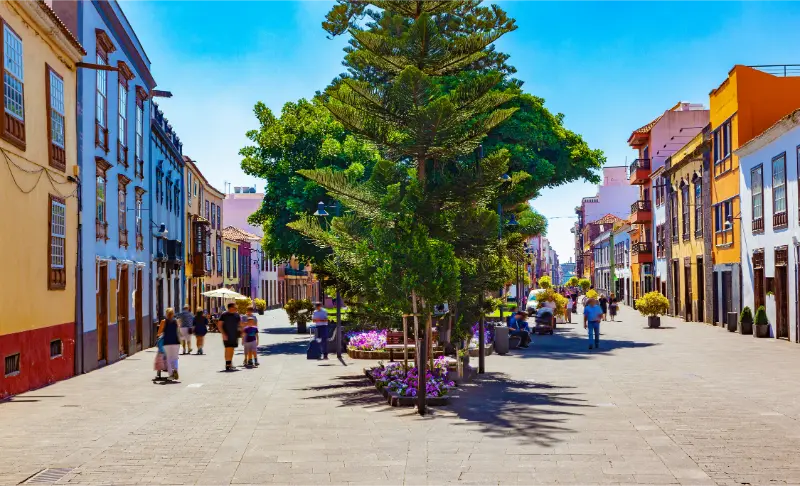
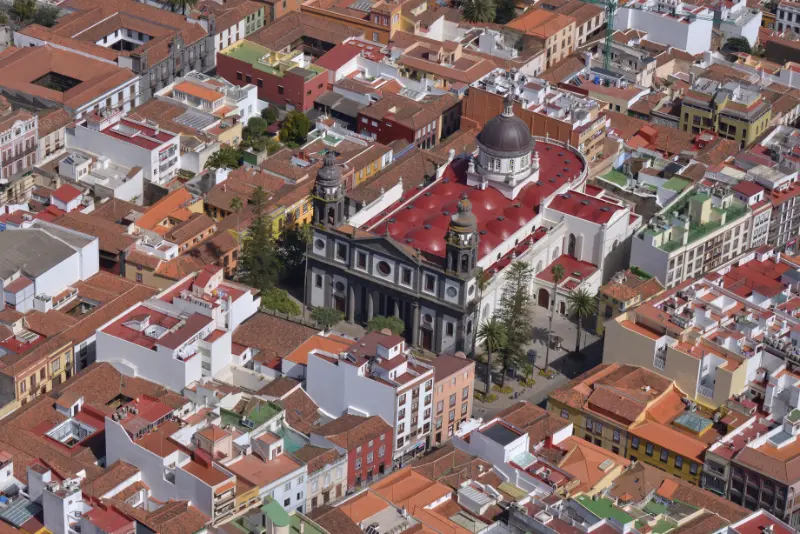
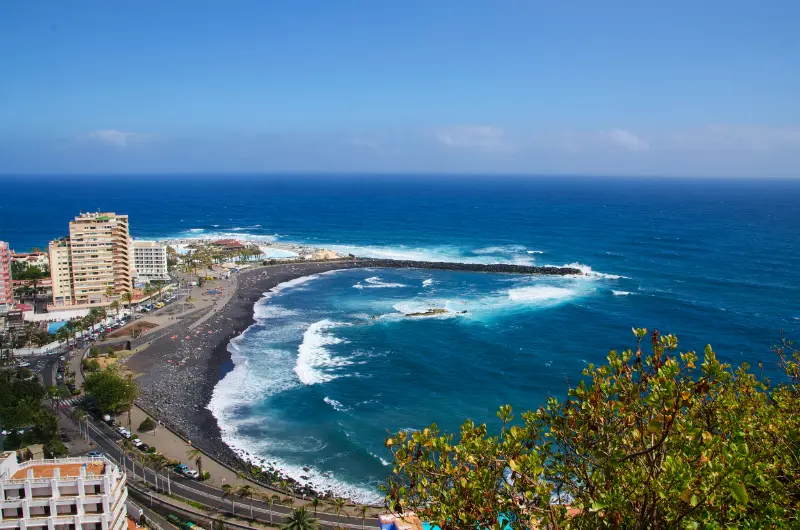
Author: Patricia

  • Iglesia de La Concepción La Orotava Guide: Baroque Architecture and Sacred Art

    Iglesia de La Concepción La Orotava Guide: Baroque Architecture and Sacred Art

    Iglesia de Nuestra Señora de la Concepción is the architectural landmark I would use as the centre of a first walk through La Orotava. The current church is the third major building on the site. Municipal heritage sources explain that earlier structures were damaged after the earthquakes associated with the 1704–1705 volcanic activity, and the present church was built from 1768 to 1788. The result combines an exceptionally theatrical Baroque stone façade with a more classical interior and a dome that has become one of the town’s visual symbols.

    Quick visit facts

    LocationHistoric centre of La Orotava
    Present buildingConstructed 1768–1788
    HeritageDeclared a national historic monument in 1948
    ArchitectureBaroque exterior with strong neoclassical interior elements
    MuseumSacred art collection displayed in former sacristy spaces

    Why the façade matters

    The façade is one of the most distinctive Baroque compositions in the Canary Islands. Its curved movement, stone portal and twin towers make the church look dynamic rather than flat. Two globe motifs are often linked to the Atlantic connections that helped finance the rebuilding, including trade with the Americas.

    I first look from the square rather than standing directly against the wall. A little distance makes the curvature and relationship between the central portal, towers and dome much easier to read.

    Inside the church

    The interior changes architectural language. Municipal descriptions emphasise the more classical or neoclassical character, with three naves, columns and a monumental tabernacle of Genoese marble and jasper designed by Giuseppe Gaggini in 1823.

    The church also contains sculpture, painting, silverwork and textiles from different periods. I do not try to absorb every object on one visit. I choose a few works and use them to understand how a wealthy Atlantic town expressed religious identity over several centuries.

    The sacred art museum

    The former sacristies contain a sacred art museum organised in multiple exhibition rooms. This is useful because it gives context to objects that would otherwise be difficult to see during normal worship. Access and opening arrangements can vary, so I check directly before making the museum the main reason for the visit.

    The museum also helps explain the economic history behind the church. Wine exports, links with America, local patronage and support from the Crown all contributed to the building and its collections.

    How I combine it with the old town

    From La Concepción I can walk easily to Casa de los Balcones, Hijuela del Botánico, MAIT, the carpet museum, Jardines Victoria and Plaza de la Constitución. The church works as an anchor because so many of the town’s strongest sights sit within a short radius.

    I would allow 30–45 minutes for a respectful church visit, more if the museum is open and I want to examine the collection properly.

    How I plan this stop without overloading the day

    I get more from small Tenerife attractions when I place them inside a compact area rather than drive across the island for a single doorway, garden or viewpoint. My rule is one anchor attraction, two nearby secondary stops and enough unscheduled time for a café, a market or an unexpected street. That is especially useful in historic towns, where the best details are often between the official sights.
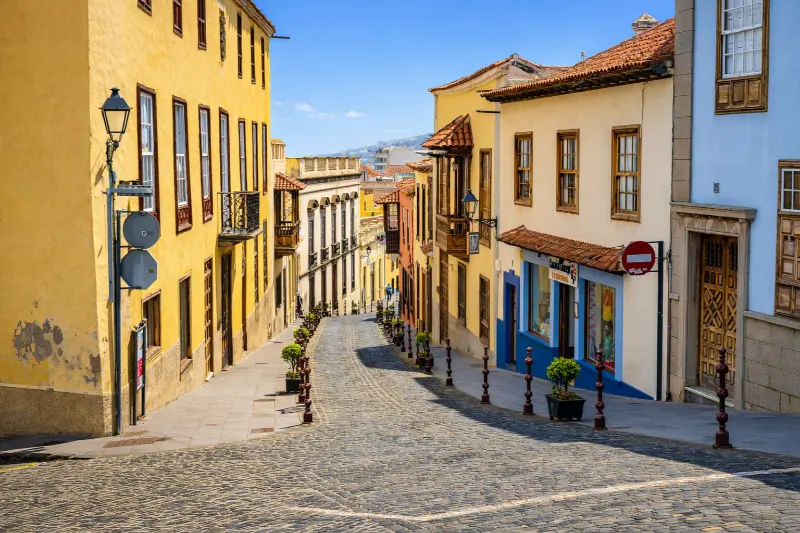
    Historic Center Of La Orotava Tenerife

    I also separate permanent facts from operational information. Architecture, landscape and historical context change slowly; opening hours, ticket prices, access rules and temporary works can change quickly. I therefore recheck the official page close to the visit, particularly if entry to an interior is essential to the day.

    Getting there and parking

    In historic centres I normally park once and walk. Narrow streets, one-way systems and limited spaces can make repeated short car moves slower than simply continuing on foot. For rural or edge-of-town attractions I check the final approach on a map before leaving, because the closest bus stop or parking pin can still involve a short walk on uneven ground.

    When I use public transport, I look at the return connection before I arrive rather than when the attraction closes. This matters most on weekends and around rural sites where frequency may be lower. I keep a little margin between the official closing time and the last practical connection.

    Accessibility, children and pace

    I never assume a heritage building is step-free because the entrance looks level in photographs. Old thresholds, internal staircases, steep garden terraces and cobbled streets can all matter. If wheelchair access or a pushchair route is essential, I confirm it directly with the venue. For families, I shorten the historical explanation to one strong story and alternate indoor stops with a garden, square or snack break.

    What I bring

    Even for an urban visit I carry water, sun protection and a light layer. North Tenerife can change from bright sun to cloud surprisingly quickly, while south-coast agricultural visits can feel hot even in winter. Comfortable footwear matters more than it seems because a day of short museum and church stops can still add up to several kilometres of walking.

    Common mistakes I avoid

    • Trusting an old review instead of the current official source.
    • Assuming every protected historic building has regular interior access.
    • Driving between attractions that are only a few minutes apart on foot.
    • Scheduling too many similar interiors in a row.
    • Arriving just before closing when the site needs at least 45–60 minutes.
    • Forgetting that religious buildings remain active places of worship.

    What I would combine nearby

    These combinations keep the day geographically coherent and reduce unnecessary driving. I prefer a route where each stop adds a different layer—architecture, landscape, local food or everyday culture—rather than repeating the same type of attraction several times.

    Where I would stay

    If I wanted more than a quick day trip, I would compare accommodation in La Orotava. Staying locally is useful when I want early streets, a slower dinner and enough time to see several nearby places without turning the day into a motorway itinerary.

    Official information

    For current access, opening times, temporary closures and event information I check La Orotava municipal heritage page shortly before travelling. I treat this as the final word for operational details because schedules can change after publication.

    Frequently asked questions

    When was the present church built?

    The current building was constructed between 1768 and 1788 after earlier churches on the site were damaged and replaced.

    Is it Baroque or Neoclassical?

    Both influences matter: the exterior is strongly Baroque, while the interior includes important classical and neoclassical elements.

    Is there a museum?

    Yes, sacred art is displayed in former sacristy rooms, but I verify current access and hours before relying on a museum visit.

    How long should I allow?

    Around 30–45 minutes for the church alone, longer if the sacred art museum is open.

    How I photograph and observe the place

    I try not to make photography the only purpose of the stop. I first walk through once without constantly raising the phone, then return to the details that best explain the site: a façade seen from across the street, a change of level in a garden, the relationship between a church and its square, or the working structure of an agricultural property. This usually produces better pictures and a better memory of the visit.

    When people are worshipping, working or guiding a group, I give them priority. I do not use flash in religious interiors unless it is explicitly permitted, and on farms I stay on marked routes rather than stepping into planted areas for a cleaner composition.

    How this stop fits different travel styles

    For a first-time visitor, I would use the place as part of a broad introduction to the area rather than build an entire day around one small attraction. Repeat visitors can go deeper, pairing it with specialist museums, neighbourhood streets or local food. Travellers without a car should prioritise clusters where several worthwhile stops are reachable on foot, while drivers can use the attraction as a bridge between towns.

    On a short Tenerife trip I keep the schedule selective. On a two-week stay I am much more willing to spend a morning on small museums, gardens and heritage buildings because they reveal the island beyond the headline sights. That slower layer is often what makes a second or third visit feel genuinely different.

    Weather and seasonal considerations

    Tenerife’s microclimates matter even for culture days. La Orotava, Icod and La Laguna can be cooler or cloudier than the southern resorts, so I carry a light layer. Outdoor gardens and viewpoints are more rewarding in clear weather, while museums and churches become useful alternatives when cloud or showers move in.

    During local festivals, religious celebrations and school holidays, normal access can change. A closed street is not necessarily a problem—it may be part of a valuable local event—but I allow extra time and avoid assuming parking or interior access will work exactly as on an ordinary weekday.

    Final thoughts

    Iglesia de La Concepción La Orotava is most rewarding when I use it to understand a wider part of Tenerife rather than treat it as another box to tick. I would give the place enough time for its context to emerge, connect it with nearby stops and keep the practical plan flexible enough to respond to weather, access or local events.

  • Iglesia de San Agustín La Orotava Guide: History, Art and Plaza

    Iglesia de San Agustín La Orotava Guide: History, Art and Plaza

    Iglesia de San Agustín gives Plaza de la Constitución much of its historic character. Municipal heritage information dates the start of construction to 1671, with work completed around 1694. The adjoining convent later passed out of Augustinian hands during nineteenth-century confiscations and was used as a military barracks; the municipality acquired it in 1976 and adapted the former convent for cultural uses. I like this site because the church and ex-convent tell two parallel stories: continuity of worship on one side and repeated civic reuse on the other.

    Quick visit facts

    LocationPlaza de la Constitución, La Orotava
    ConstructionBegun 1671; completed around 1694
    Religious orderOriginally Augustinian
    Former conventLater military barracks; municipal cultural use since the 20th century
    Notable artNuestra Señora de Gracia and other important devotional sculptures

    The church and former convent

    The church is only one part of a larger historical complex. After the nineteenth-century expropriation of religious property, the former convent was used by the military. Municipal information notes that the town acquired it in 1976 and converted it for cultural purposes, including music, art and folklore education.

    That change of use is visible in the urban setting. I do not need a long museum-style explanation to understand that this block has served religion, the military and civic culture at different times.

    What to notice inside

    The main chapel is associated with the image of Nuestra Señora de Gracia, attributed to Portuguese sculptor Manuel Pereira. Municipal heritage descriptions also highlight works such as Santa Mónica and several important devotional images connected with Holy Week and local religious traditions.

    I visit quietly and avoid turning the interior into a checklist. Lighting can be low, services can be taking place and some chapels may not be accessible at every moment.

    The exterior and Plaza de la Constitución

    The north side preserves a sequence of semicircular arches, most now closed, that help explain the earlier relationship between the church and the convent complex. From the square, the whole ensemble reads better than it does from a close-up photograph.

    I combine the church with the neo-Mudéjar kiosk in the plaza, the Liceo de Taoro above and the entrance to Jardines Victoria. This is one of the densest heritage corners in La Orotava.

    Fountain and gardens in front of the pink Liceo de Taoro building in La Orotava

    Religious etiquette

    Because San Agustín remains a church, tourism has to adapt to worship rather than the other way around. I keep my voice low, avoid flash, do not photograph people during prayer and step outside if a service begins and I am only sightseeing.

    If a particular artwork or interior feature is essential to the visit, I confirm access in advance. Church doors can follow liturgical schedules that do not match general tourism timetables.

    How I plan this stop without overloading the day

    I get more from small Tenerife attractions when I place them inside a compact area rather than drive across the island for a single doorway, garden or viewpoint. My rule is one anchor attraction, two nearby secondary stops and enough unscheduled time for a café, a market or an unexpected street. That is especially useful in historic towns, where the best details are often between the official sights.

    I also separate permanent facts from operational information. Architecture, landscape and historical context change slowly; opening hours, ticket prices, access rules and temporary works can change quickly. I therefore recheck the official page close to the visit, particularly if entry to an interior is essential to the day.

    Getting there and parking

    In historic centres I normally park once and walk. Narrow streets, one-way systems and limited spaces can make repeated short car moves slower than simply continuing on foot. For rural or edge-of-town attractions I check the final approach on a map before leaving, because the closest bus stop or parking pin can still involve a short walk on uneven ground.

    When I use public transport, I look at the return connection before I arrive rather than when the attraction closes. This matters most on weekends and around rural sites where frequency may be lower. I keep a little margin between the official closing time and the last practical connection.

    Accessibility, children and pace

    I never assume a heritage building is step-free because the entrance looks level in photographs. Old thresholds, internal staircases, steep garden terraces and cobbled streets can all matter. If wheelchair access or a pushchair route is essential, I confirm it directly with the venue. For families, I shorten the historical explanation to one strong story and alternate indoor stops with a garden, square or snack break.

    What I bring

    Even for an urban visit I carry water, sun protection and a light layer. North Tenerife can change from bright sun to cloud surprisingly quickly, while south-coast agricultural visits can feel hot even in winter. Comfortable footwear matters more than it seems because a day of short museum and church stops can still add up to several kilometres of walking.

    Common mistakes I avoid

    • Trusting an old review instead of the current official source.
    • Assuming every protected historic building has regular interior access.
    • Driving between attractions that are only a few minutes apart on foot.
    • Scheduling too many similar interiors in a row.
    • Arriving just before closing when the site needs at least 45–60 minutes.
    • Forgetting that religious buildings remain active places of worship.

    What I would combine nearby

    These combinations keep the day geographically coherent and reduce unnecessary driving. I prefer a route where each stop adds a different layer—architecture, landscape, local food or everyday culture—rather than repeating the same type of attraction several times.

    Where I would stay

    If I wanted more than a quick day trip, I would compare accommodation in La Orotava. Staying locally is useful when I want early streets, a slower dinner and enough time to see several nearby places without turning the day into a motorway itinerary.

    Official information

    For current access, opening times, temporary closures and event information I check La Orotava municipal heritage page shortly before travelling. I treat this as the final word for operational details because schedules can change after publication.

    Historic Center Of La Orotava Tenerife

    Frequently asked questions

    When was San Agustín built?

    Construction began in 1671 and the main work was completed around 1694.

    What happened to the convent?

    After nineteenth-century confiscation it was used as an infantry barracks; the municipality later adapted it for cultural uses.

    Can I visit during Mass?

    The church is an active place of worship, so I avoid sightseeing during services and follow any local instructions.

    What is nearby?

    Plaza de la Constitución, Liceo de Taoro and Jardines Victoria are immediately around the church.

    How I photograph and observe the place

    I try not to make photography the only purpose of the stop. I first walk through once without constantly raising the phone, then return to the details that best explain the site: a façade seen from across the street, a change of level in a garden, the relationship between a church and its square, or the working structure of an agricultural property. This usually produces better pictures and a better memory of the visit.

    When people are worshipping, working or guiding a group, I give them priority. I do not use flash in religious interiors unless it is explicitly permitted, and on farms I stay on marked routes rather than stepping into planted areas for a cleaner composition.

    How this stop fits different travel styles

    For a first-time visitor, I would use the place as part of a broad introduction to the area rather than build an entire day around one small attraction. Repeat visitors can go deeper, pairing it with specialist museums, neighbourhood streets or local food. Travellers without a car should prioritise clusters where several worthwhile stops are reachable on foot, while drivers can use the attraction as a bridge between towns.

    On a short Tenerife trip I keep the schedule selective. On a two-week stay I am much more willing to spend a morning on small museums, gardens and heritage buildings because they reveal the island beyond the headline sights. That slower layer is often what makes a second or third visit feel genuinely different.

    Weather and seasonal considerations

    Tenerife’s microclimates matter even for culture days. La Orotava, Icod and La Laguna can be cooler or cloudier than the southern resorts, so I carry a light layer. Outdoor gardens and viewpoints are more rewarding in clear weather, while museums and churches become useful alternatives when cloud or showers move in.

    During local festivals, religious celebrations and school holidays, normal access can change. A closed street is not necessarily a problem—it may be part of a valuable local event—but I allow extra time and avoid assuming parking or interior access will work exactly as on an ordinary weekday.

    Final thoughts

    Iglesia de San Agustín La Orotava is most rewarding when I use it to understand a wider part of Tenerife rather than treat it as another box to tick. I would give the place enough time for its context to emerge, connect it with nearby stops and keep the practical plan flexible enough to respond to weather, access or local events.

  • Jardines Victoria La Orotava Guide: Masonic Mausoleum, Views and Free Visit

    Jardines Victoria La Orotava Guide: Masonic Mausoleum, Views and Free Visit

    Jardines Victoria is one of the places I would use to explain La Orotava in a single view: formal terraces, a nineteenth-century family story, the unusual presence of Masonic symbolism and a panorama that drops through the historic town toward the Atlantic. The municipal tourism material describes the gardens, also known as the Jardines del Marquesado de la Quinta Roja, as a protected symbolic garden and confirms that entry is free. The white marble mausoleum at the top was designed for Diego Ponte del Castillo after a conflict over his burial because of his Freemasonry, but it ultimately remained empty. That tension between private grief, religion and nineteenth-century society gives the garden much more depth than a simple photo stop.

    Quick visit facts

    Location Historic centre of La Orotava, beside Liceo de Taoro
    Type Terraced historic garden and viewpoint
    Heritage Bien de Interés Cultural / protected historic garden
    Key feature Masonic mausoleum designed by Adolphe Coquet
    Entry Municipal tourism information states free entry

    Why the garden is unusual

    The stepped layout is not accidental decoration. Municipal heritage material presents the garden as a symbolic composition rising through successive terraces toward the mausoleum. Some interpretations read the ascent as a metaphor for human or spiritual progress. I would not treat every symbolic reading as proven fact, but the design clearly invites movement upward rather than a simple loop around flowerbeds.

    The story begins with the death of Diego Ponte del Castillo, the eighth Marquis of Quinta Roja, in 1880. His mother, Sebastiana del Castillo, commissioned a mausoleum after the family suffered a humiliating dispute over burial because Diego was a Freemason. The later resolution meant his remains were placed elsewhere, so the monument never served the purpose for which it had been built.

    What I look for while walking

    I start at the lower terraces and climb slowly. Fountains, clipped vegetation, walls and changes in level frame different views of the old town. The garden works best when I keep turning around: the relationship between the terraces, roofs, Atlantic and the higher slopes becomes clearer with each level.

    At the top, the marble mausoleum is the visual focus. I spend a few minutes looking at its position rather than only the façade. It was designed to dominate the composition, so the approach is part of the experience.

    The view over La Orotava

    The municipal page specifically highlights the view from the upper garden, from the lower town toward Teide. On a clear day this is one of the easiest places to understand La Orotava’s vertical geography: historic streets in the middle, cultivated slopes above and the coast far below.

    Cloud can completely change the atmosphere. I would still visit in overcast weather because the garden itself remains interesting, but I would not promise a Teide panorama on every day of the year.

    Best time of day

    Morning is my first choice if I want quieter paths and softer light on the historic buildings. Late afternoon can be excellent for the view, but I would check current access rather than assume the garden remains open until sunset in every season.

    Because the garden is free and central, I do not build the entire day around it. I use it as a 30–60 minute stop between the nearby church, Hijuela del Botánico and Casa de los Balcones.

    How I plan this stop without overloading the day

    I get more from small Tenerife attractions when I place them inside a compact area rather than drive across the island for a single doorway, garden or viewpoint. My rule is one anchor attraction, two nearby secondary stops and enough unscheduled time for a café, a market or an unexpected street. That is especially useful in historic towns, where the best details are often between the official sights.

    I also separate permanent facts from operational information. Architecture, landscape and historical context change slowly; opening hours, ticket prices, access rules and temporary works can change quickly. I therefore recheck the official page close to the visit, particularly if entry to an interior is essential to the day.

    Getting there and parking

    In historic centres I normally park once and walk. Narrow streets, one-way systems and limited spaces can make repeated short car moves slower than simply continuing on foot. For rural or edge-of-town attractions I check the final approach on a map before leaving, because the closest bus stop or parking pin can still involve a short walk on uneven ground.

    When I use public transport, I look at the return connection before I arrive rather than when the attraction closes. This matters most on weekends and around rural sites where frequency may be lower. I keep a little margin between the official closing time and the last practical connection.

    Accessibility, children and pace

    I never assume a heritage building is step-free because the entrance looks level in photographs. Old thresholds, internal staircases, steep garden terraces and cobbled streets can all matter. If wheelchair access or a pushchair route is essential, I confirm it directly with the venue. For families, I shorten the historical explanation to one strong story and alternate indoor stops with a garden, square or snack break.

    What I bring

    Even for an urban visit I carry water, sun protection and a light layer. North Tenerife can change from bright sun to cloud surprisingly quickly, while south-coast agricultural visits can feel hot even in winter. Comfortable footwear matters more than it seems because a day of short museum and church stops can still add up to several kilometres of walking.

    Common mistakes I avoid

    • Trusting an old review instead of the current official source.
    • Assuming every protected historic building has regular interior access.
    • Driving between attractions that are only a few minutes apart on foot.
    • Scheduling too many similar interiors in a row.
    • Arriving just before closing when the site needs at least 45–60 minutes.
    • Forgetting that religious buildings remain active places of worship.

    What I would combine nearby

    These combinations keep the day geographically coherent and reduce unnecessary driving. I prefer a route where each stop adds a different layer—architecture, landscape, local food or everyday culture—rather than repeating the same type of attraction several times.

    Where I would stay

    If I wanted more than a quick day trip, I would compare accommodation in La Orotava. Staying locally is useful when I want early streets, a slower dinner and enough time to see several nearby places without turning the day into a motorway itinerary.

    Official information

    For current access, opening times, temporary closures and event information I check La Orotava municipal tourism page shortly before travelling. I treat this as the final word for operational details because schedules can change after publication.

    Frequently asked questions

    Is Jardines Victoria free?

    Yes. The municipal tourism page currently states free entry.

    Was the marquis buried in the mausoleum?

    No. The monument was built for him, but the burial dispute was eventually resolved and the mausoleum remained unused.

    How long do I need?

    Around 30–60 minutes works well for the garden itself, longer if I combine it with the surrounding historic centre.

    Is it worth visiting without clear Teide views?

    Yes. The symbolic layout, mausoleum and town views are still worthwhile even when high cloud hides Teide.

    How I photograph and observe the place

    I try not to make photography the only purpose of the stop. I first walk through once without constantly raising the phone, then return to the details that best explain the site: a façade seen from across the street, a change of level in a garden, the relationship between a church and its square, or the working structure of an agricultural property. This usually produces better pictures and a better memory of the visit.

    When people are worshipping, working or guiding a group, I give them priority. I do not use flash in religious interiors unless it is explicitly permitted, and on farms I stay on marked routes rather than stepping into planted areas for a cleaner composition.

    How this stop fits different travel styles

    For a first-time visitor, I would use the place as part of a broad introduction to the area rather than build an entire day around one small attraction. Repeat visitors can go deeper, pairing it with specialist museums, neighbourhood streets or local food. Travellers without a car should prioritise clusters where several worthwhile stops are reachable on foot, while drivers can use the attraction as a bridge between towns.

    On a short Tenerife trip I keep the schedule selective. On a two-week stay I am much more willing to spend a morning on small museums, gardens and heritage buildings because they reveal the island beyond the headline sights. That slower layer is often what makes a second or third visit feel genuinely different.

    Weather and seasonal considerations

    Tenerife’s microclimates matter even for culture days. La Orotava, Icod and La Laguna can be cooler or cloudier than the southern resorts, so I carry a light layer. Outdoor gardens and viewpoints are more rewarding in clear weather, while museums and churches become useful alternatives when cloud or showers move in.

    During local festivals, religious celebrations and school holidays, normal access can change. A closed street is not necessarily a problem—it may be part of a valuable local event—but I allow extra time and avoid assuming parking or interior access will work exactly as on an ordinary weekday.

    Final thoughts

    Jardines Victoria La Orotava is most rewarding when I use it to understand a wider part of Tenerife rather than treat it as another box to tick. I would give the place enough time for its context to emerge, connect it with nearby stops and keep the practical plan flexible enough to respond to weather, access or local events.
  • Casa del Plátano Icod Guide: Banana Plantation, Tickets and What to Expect

    Casa del Plátano Icod Guide: Banana Plantation, Tickets and What to Expect

    Casa del Plátano is the Icod attraction I would choose when I want to understand something Tenerife grows rather than only something Tenerife built. The small museum and plantation occupy an old hacienda near the historic centre and focus on the Canarian banana through an actual growing area, different varieties, cultivation practices and the crop’s local history. It is not a giant theme attraction, which is part of the appeal. I would use it as a compact, tangible stop between the Drago area and the rest of Icod rather than expect a half-day agricultural park.

    Quick visit facts

    AddressCalle Hércules 4, Icod de los Vinos
    ExperienceOld hacienda with an authentic banana-growing area and interpretation of cultivation and history
    General ticket€5 on the official site
    Under 15€3 on the official site
    Under 5Free under the stated ticket conditions; Canary-resident discounts are also published

    Why a banana museum belongs in an Icod itinerary

    Bananas are visually familiar across Tenerife, but familiarity can hide how much infrastructure and labour sit behind a plantation. Irrigation, wind protection, bunch management, harvesting and transport all shape the landscape visitors see from roads and viewpoints. A short visit gives those fields more meaning for the rest of the trip.

    The attraction also connects naturally with the broader history of export agriculture in the Canary Islands. I would pair it with a wine or food stop rather than treat it as a stand-alone novelty.

    What the plantation section adds

    The official site describes a route through a real banana plantation where visitors can see different banana varieties. That matters because photographs of bunches do not convey the architecture of the plant, the density of cultivation or how the leaves create a humid, shaded micro-environment.

    I would look at the stages of growth rather than only search for the biggest bunch. If staff or signs explain the flower, fruit development or harvest cycle, those are the details that make the visit useful for children and adults alike.

    Current ticket prices and what is not clear online

    As checked in September 2026, the official website lists general admission at €5, €3 for visitors under 15 and free entry for children under five, with lower Canary-resident rates. The site provides a ‘view hours’ function but the searchable page does not expose a simple evergreen timetable in the same way it exposes prices.

    For that reason I would check the official page immediately before visiting rather than repeat an opening time copied from a third-party listing. Icod is easy to explore on foot, so a schedule change does not ruin the day if I have the Drago, old town and butterfly park as nearby alternatives.

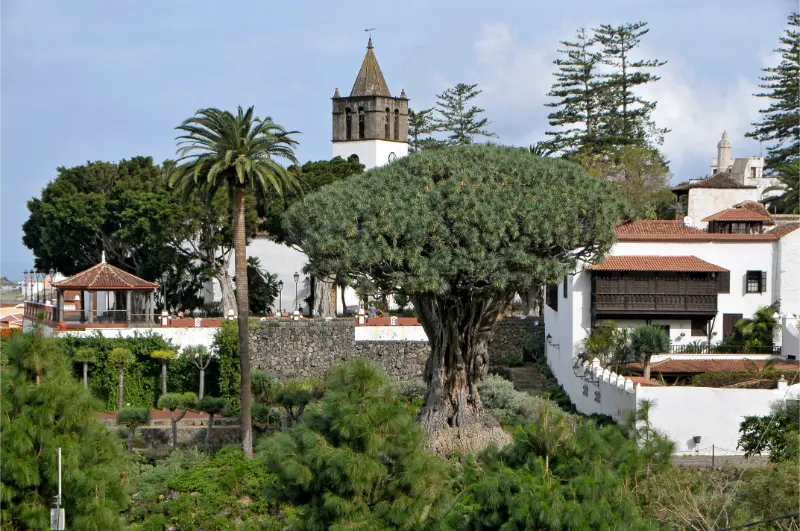
    Parque Del Drago Milenario Icod De Los Vinos Tenerife

    The shop and edible souvenirs

    The official site also highlights a shop focused on Canarian products, including items made with bananas. I treat this as an extension of the interpretation rather than a requirement to buy something. If I do shop, I look for products with clear local provenance and ingredients rather than generic Tenerife packaging.

    For a deeper food context, I would connect the visit with the island’s banana history, gofio, honey and cheese rather than assume one crop tells the entire story of Canarian agriculture.

    How I would plan the visit

    I build the stop into a compact local route rather than drive across Tenerife for one doorway. That reduces parking stress and gives the site context. Historic centres and small museums are often more rewarding when I can compare them with the streets, squares, markets or landscapes that produced them.

    I also leave flexibility. Opening hours can change for public holidays, conservation work, religious services, private events or temporary exhibitions. My practical rule is simple: if entering the building is essential to the day, I check the official source again that morning. If the exterior or surrounding district is valuable by itself, I can be more spontaneous.

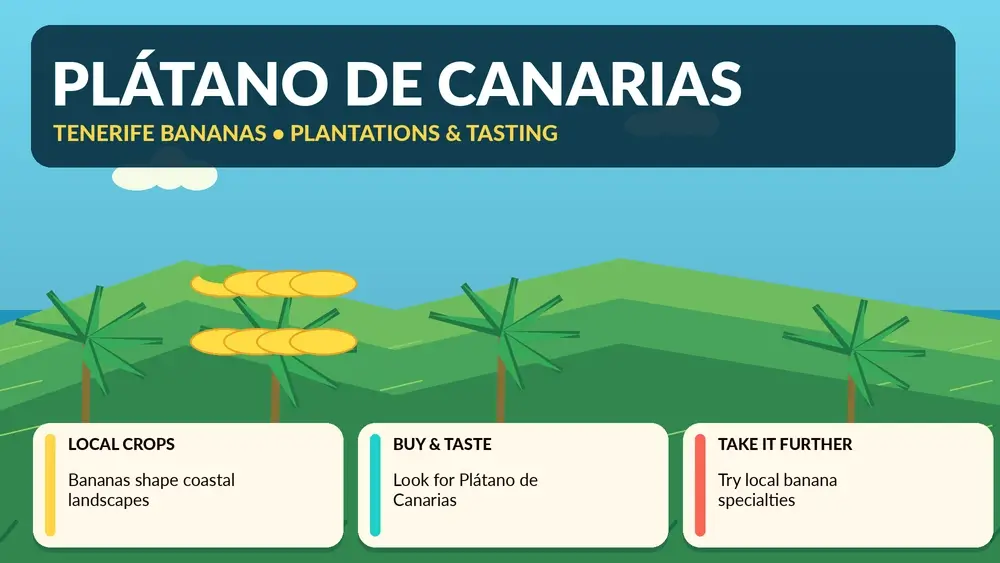
    Illustrated guide: Canarian Bananas, with practical visitor tips
    Illustrated guide: Canarian Bananas.

    How much time I would allow

    I separate time inside from total visit time. A compact museum may need only 45 minutes, yet the real stop can take 90 minutes once I include walking, ticketing, photography and a nearby coffee. A church or palace may be quicker if only the exterior is accessible, but I still avoid scheduling another fixed-time activity immediately afterwards.

    For a culture-heavy day, I rarely stack more than three substantial interiors in one half-day. Alternating an indoor visit with a square, garden, lunch or short walk keeps attention higher and makes details easier to remember.

    Photography, accessibility and families

    Photography rules are not universal. I keep flash off around artworks and living collections, look for signs and ask before filming extensively. In active religious sites I never photograph worshippers without permission, and in gardens or wildlife spaces I avoid handling plants or animals for a better picture.

    Accessibility also has to be checked site by site. A pedestrian historic centre can be easy to reach while a heritage staircase, old threshold or narrow gallery is not. When step-free access is essential, I contact the venue rather than infer accessibility from a modern-looking entrance. With children, I shorten the visit and give them one or two things to look for; that usually works better than expecting them to read every label.

    When I would go

    Weekday mornings are usually the easiest time for combining cultural attractions with open museums, but they are not automatically the quietest during school visits or organised groups. Late afternoon often gives better street atmosphere, while indoor opening can be more limited. I choose according to the experience I want rather than chasing a mythical hour with no other visitors.

    Tenerife’s local fiestas, Carnival, religious celebrations and heritage weekends can transform normal access. Those dates can be wonderful, but they require a different plan. I check road closures, event programmes and special opening rules before assuming an ordinary timetable still applies.

    Where I would stay if I wanted a slower visit

    For a day trip, I would normally return to my main base. If I want two culture-heavy days without repeated driving, I sometimes compare accommodation in Icod de los Vinos. Staying locally is most useful when I want early streets, evening restaurants or several attractions that open on different schedules.

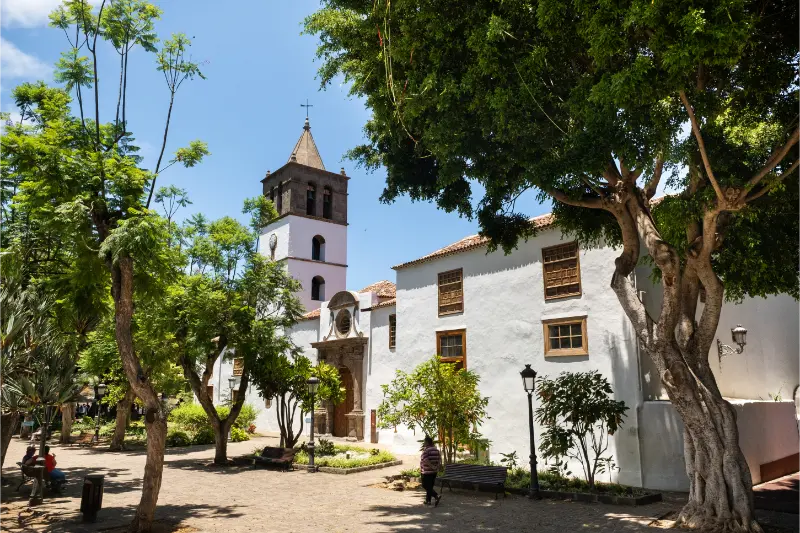
    Church In Icod De Los Vinos Tenerife

    Common mistakes I would avoid

    • Using an old Google review as the only source for opening hours.
    • Assuming an open gate means every interior room is public.
    • Driving from monument to monument inside a walkable historic centre.
    • Trying to photograph everything instead of spending time with a few details.
    • Ignoring services, worship, conservation work or local events that can temporarily change access.

    What I would combine nearby

    I prefer these combinations because they keep the day geographically coherent. The point is not to collect the largest possible number of attractions; it is to understand one part of Tenerife more deeply while spending less time in traffic.

    Official source

    For current access, opening information and temporary changes I check the official information for this site before travelling.

    Frequently asked questions

    How much is Casa del Plátano?

    The official site currently lists €5 general admission, €3 for under-15s and free entry for children under five, with Canary-resident discounts.

    Is it a real plantation?

    The attraction describes its route as passing through an authentic banana-growing area in an old hacienda.

    How long should I allow?

    I would plan roughly 45–75 minutes, depending on how much time you spend reading and in the shop.

    Can I combine it with the Drago Milenario?

    Yes. Both are in central Icod and work naturally in the same walking itinerary.

    Final thoughts

    Casa del Plátano Icod earns a place in a Tenerife itinerary when I treat it as part of its neighbourhood rather than an isolated pin on a map. I would verify the practical details, give the site enough time to reveal its context and then continue on foot to nearby places. That slower approach is usually what turns a short stop into something I actually remember after the trip.

    A slower way to experience Icod de los Vinos

    One reason I prefer a slower plan is that the surrounding streets often explain details that a label cannot. Building materials, balconies, gardens, shopfronts, church bells, small courtyards and changes in elevation all connect an attraction to the town around it. I stop before and after the visit, compare what I have just seen with neighbouring buildings and note how locals actually use the area. That simple habit turns heritage from background scenery into a readable landscape.

    I also avoid making every decision around headline attractions. A small museum, quiet square or specialist garden can be more memorable than a famous site when it matches my interests. Tenerife rewards this kind of selective travel because the island packs very different histories and ecosystems into short distances. Giving one neighbourhood a full morning often teaches me more than driving to three distant highlights.

    My practical checklist before leaving

    The night before, I check the official page, public transport or parking plan, expected weather and whether a local event changes access. I carry water even on an urban day, keep a light layer for La Laguna or the north, and leave enough phone battery for tickets and maps. I save the attraction name and address offline in case mobile data becomes unreliable inside a thick-walled heritage building.

    On arrival, I read the entrance signs before buying anything or joining a queue. If the current situation differs from what I found online, I trust the staff and posted information. That may sound obvious, but it is the simplest way to avoid turning a small schedule change into a frustrating day.

  • Palacio Salazar La Laguna Guide: Baroque Façade, Courtyard and History

    Palacio Salazar La Laguna Guide: Baroque Façade, Courtyard and History

    Palacio Salazar is one of the best façades in La Laguna for seeing how Canarian domestic architecture could become deliberately monumental. The house was developed in the seventeenth century for the Salazar family, and its richly carved stone front was commissioned in 1681. Today it remains the episcopal residence, so I do not treat it as a conventional museum with guaranteed room-by-room access. The right way to visit is to appreciate the exterior, look for any publicly accessible courtyard or cultural activity and respect the building’s continuing institutional use.

    Quick visit facts

    LocationCalle San Agustín, historic La Laguna
    Main constructionPresent palace developed in the mid-17th century
    FaçadeNoble stone façade commissioned in 1681
    Later useAcquired as an episcopal residence and still used by the Nivariense diocese
    Modern historyA major accidental fire in January 2006 led to reconstruction

    Why the façade stands out

    The palace has two high storeys, a central doorway, large windows protected by projecting ironwork and upper openings framed with classical columns and pediments. The composition culminates in the Salazar coat of arms in white Carrara marble and two corner turrets that rise above the main façade line.

    I like to compare this façade with Palacio de Nava. Both are aristocratic statements, but Salazar feels more insistently baroque in the way stone, columns, pediments and heraldry are concentrated toward the street.

    The courtyard and internal sequence

    Official heritage information describes an entrance leading to an interior courtyard with columns on decorated plinths and a three-flight stone staircase under an octagonal coffered ceiling. That sequence is typical of the way important Canarian houses used a patio to organise circulation while also creating a semi-public reception space.

    Access to institutional areas is not something I assume. If the gate or courtyard is open to visitors, I remain within the clearly public zone and do not interpret an open door as permission to explore offices or private episcopal rooms.

    The 2006 fire and restoration

    A serious accidental fire on 23 January 2006 damaged the palace. The building was subsequently reconstructed for the diocese. Knowing that changes the way I look at the apparent historic continuity: much of the value lies not only in surviving fabric but also in the careful reconstruction of a landmark that the city chose to preserve.

    This is a useful theme across Tenerife’s historic centres. Fire, earthquakes, storms, decay and changing use have repeatedly forced decisions about what to conserve and how to rebuild.

    How I combine Palacio Salazar with San Agustín street

    Calle San Agustín is one of La Laguna’s strongest heritage corridors. I would combine the palace with Casa Lercaro, Fundación Cristino de Vera and the former convent or educational buildings along the same axis. Walking the street slowly reveals different approaches to portals, timber, stone and patios without needing to cross the whole city.

    San Cristobal De La Laguna Panoramic View Tenerife

    If I only have an hour, this concentrated route gives more architectural context than rushing between distant headline attractions.

    How I would plan the visit

    I build the stop into a compact local route rather than drive across Tenerife for one doorway. That reduces parking stress and gives the site context. Historic centres and small museums are often more rewarding when I can compare them with the streets, squares, markets or landscapes that produced them.

    I also leave flexibility. Opening hours can change for public holidays, conservation work, religious services, private events or temporary exhibitions. My practical rule is simple: if entering the building is essential to the day, I check the official source again that morning. If the exterior or surrounding district is valuable by itself, I can be more spontaneous.

    How much time I would allow

    I separate time inside from total visit time. A compact museum may need only 45 minutes, yet the real stop can take 90 minutes once I include walking, ticketing, photography and a nearby coffee. A church or palace may be quicker if only the exterior is accessible, but I still avoid scheduling another fixed-time activity immediately afterwards.

    For a culture-heavy day, I rarely stack more than three substantial interiors in one half-day. Alternating an indoor visit with a square, garden, lunch or short walk keeps attention higher and makes details easier to remember.

    Photography, accessibility and families

    Photography rules are not universal. I keep flash off around artworks and living collections, look for signs and ask before filming extensively. In active religious sites I never photograph worshippers without permission, and in gardens or wildlife spaces I avoid handling plants or animals for a better picture.

    Accessibility also has to be checked site by site. A pedestrian historic centre can be easy to reach while a heritage staircase, old threshold or narrow gallery is not. When step-free access is essential, I contact the venue rather than infer accessibility from a modern-looking entrance. With children, I shorten the visit and give them one or two things to look for; that usually works better than expecting them to read every label.

    When I would go

    Weekday mornings are usually the easiest time for combining cultural attractions with open museums, but they are not automatically the quietest during school visits or organised groups. Late afternoon often gives better street atmosphere, while indoor opening can be more limited. I choose according to the experience I want rather than chasing a mythical hour with no other visitors.

    Tenerife’s local fiestas, Carnival, religious celebrations and heritage weekends can transform normal access. Those dates can be wonderful, but they require a different plan. I check road closures, event programmes and special opening rules before assuming an ordinary timetable still applies.

    Where I would stay if I wanted a slower visit

    For a day trip, I would normally return to my main base. If I want two culture-heavy days without repeated driving, I sometimes compare accommodation in San Cristóbal de La Laguna. Staying locally is most useful when I want early streets, evening restaurants or several attractions that open on different schedules.

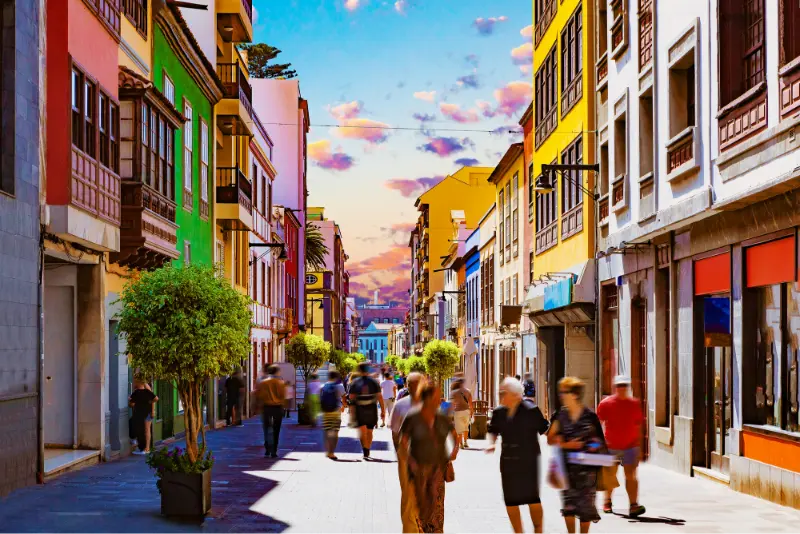
    La Laguna Colorful Historic Street Tenerife

    Common mistakes I would avoid

    • Using an old Google review as the only source for opening hours.
    • Assuming an open gate means every interior room is public.
    • Driving from monument to monument inside a walkable historic centre.
    • Trying to photograph everything instead of spending time with a few details.
    • Ignoring services, worship, conservation work or local events that can temporarily change access.

    What I would combine nearby

    I prefer these combinations because they keep the day geographically coherent. The point is not to collect the largest possible number of attractions; it is to understand one part of Tenerife more deeply while spending less time in traffic.

    Official source

    For current access, opening information and temporary changes I check the official information for this site before travelling.

    Frequently asked questions

    Is Palacio Salazar a normal museum?

    No. It is an important heritage building that still serves as the episcopal residence, so public access can be limited.

    When was the façade built?

    The noble stone façade was commissioned in 1681.

    What happened in 2006?

    An accidental fire severely damaged the palace, after which it was reconstructed for the diocese.

    What should I notice from outside?

    Look at the paired columns, pediments, projecting ironwork, Carrara-marble coat of arms and corner turrets.

    Final thoughts

    Palacio Salazar La Laguna earns a place in a Tenerife itinerary when I treat it as part of its neighbourhood rather than an isolated pin on a map. I would verify the practical details, give the site enough time to reveal its context and then continue on foot to nearby places. That slower approach is usually what turns a short stop into something I actually remember after the trip.

    A slower way to experience San Cristóbal de La Laguna

    One reason I prefer a slower plan is that the surrounding streets often explain details that a label cannot. Building materials, balconies, gardens, shopfronts, church bells, small courtyards and changes in elevation all connect an attraction to the town around it. I stop before and after the visit, compare what I have just seen with neighbouring buildings and note how locals actually use the area. That simple habit turns heritage from background scenery into a readable landscape.

    La Laguna Pedestrian Street Tenerife

    I also avoid making every decision around headline attractions. A small museum, quiet square or specialist garden can be more memorable than a famous site when it matches my interests. Tenerife rewards this kind of selective travel because the island packs very different histories and ecosystems into short distances. Giving one neighbourhood a full morning often teaches me more than driving to three distant highlights.

    My practical checklist before leaving

    The night before, I check the official page, public transport or parking plan, expected weather and whether a local event changes access. I carry water even on an urban day, keep a light layer for La Laguna or the north, and leave enough phone battery for tickets and maps. I save the attraction name and address offline in case mobile data becomes unreliable inside a thick-walled heritage building.

    On arrival, I read the entrance signs before buying anything or joining a queue. If the current situation differs from what I found online, I trust the staff and posted information. That may sound obvious, but it is the simplest way to avoid turning a small schedule change into a frustrating day.

  • Palacio de Nava La Laguna Guide: Architecture and 2026 Access Status

    Palacio de Nava La Laguna Guide: Architecture and 2026 Access Status

    Palacio de Nava is one of the façades that makes Plaza del Adelantado feel like the ceremonial centre of old La Laguna. It is also a building that rewards caution in travel planning. The palace is architecturally important and easy to appreciate from outside, but interior access is not an everyday guarantee. In September 2026 the city is offering exceptional guided access during Las Noches del Patrimonio while conservation work continues, which underlines the point: I would plan first for the exterior and treat any interior opening as a bonus confirmed through the official programme.

    Quick visit facts

    LocationNorth side of Plaza del Adelantado, La Laguna
    ConstructionWork began in 1585 on a site associated with Jorge Grimón
    Major remodellingTomás Nava y Grimón y Porlier transformed the building in 1776
    ProtectionBien de Interés Cultural, Monument category, since 2000
    Current accessNormally limited; September 2026 heritage events include exceptional guided access while conservation work continues

    A façade built by several centuries

    The palace is often described through the mixture of mannerist, baroque and neoclassical elements visible on its stone façade. That mixture is not accidental decoration. It reflects successive building campaigns, especially the substantial eighteenth-century transformation that gave the house much of its present appearance.

    I find it more useful to look for changes in proportion, ornament and stonework than to force the whole façade into one stylistic label. The building is interesting precisely because it resists that simplification.

    The house behind the façade

    Official heritage information describes a rectangular plan with two interior courtyards and a rear garden. Those spaces are important for understanding elite domestic architecture in La Laguna, where the street façade was only one part of a larger sequence from entrance hall to patio, stairs, principal rooms and service or garden areas.

    Because the interior is not routinely open, photographs and special guided visits are often the only way most visitors encounter that spatial organisation. I therefore avoid promising rooms that may be inaccessible on an ordinary day.

    San Cristobal De La Laguna Historic Center Tenerife

    2026 conservation and exceptional opening

    On 17 September 2026 the city announced exceptional access to the palace during Las Noches del Patrimonio on 18 and 19 September. The municipal notice also says the building has been closed to the public for years while conservation interventions continue, with the special route limited and guided for preservation reasons.

    That is exactly the kind of status that can change. If I am visiting after the heritage weekend, I assume the exterior is the reliable experience unless the tourism office confirms another opening. This prevents a disappointing detour based on a social-media photo from a one-off event.

    How to appreciate it when the doors are closed

    I start across the square rather than directly under the façade. The distance lets me see the composition, the stone skin and how the palace relates to the scale of Plaza del Adelantado. Then I move closer for the portal, balconies and carved details.

    After that, I compare it with Palacio Salazar and Casa de los Capitanes elsewhere in the centre. The contrast between these houses is more informative than trying to decide which is the ‘most beautiful’. Each represents a different phase and expression of elite architecture in Tenerife.

    How I would plan the visit

    I build the stop into a compact local route rather than drive across Tenerife for one doorway. That reduces parking stress and gives the site context. Historic centres and small museums are often more rewarding when I can compare them with the streets, squares, markets or landscapes that produced them.

    I also leave flexibility. Opening hours can change for public holidays, conservation work, religious services, private events or temporary exhibitions. My practical rule is simple: if entering the building is essential to the day, I check the official source again that morning. If the exterior or surrounding district is valuable by itself, I can be more spontaneous.

    How much time I would allow

    I separate time inside from total visit time. A compact museum may need only 45 minutes, yet the real stop can take 90 minutes once I include walking, ticketing, photography and a nearby coffee. A church or palace may be quicker if only the exterior is accessible, but I still avoid scheduling another fixed-time activity immediately afterwards.

    For a culture-heavy day, I rarely stack more than three substantial interiors in one half-day. Alternating an indoor visit with a square, garden, lunch or short walk keeps attention higher and makes details easier to remember.

    Photography, accessibility and families

    Photography rules are not universal. I keep flash off around artworks and living collections, look for signs and ask before filming extensively. In active religious sites I never photograph worshippers without permission, and in gardens or wildlife spaces I avoid handling plants or animals for a better picture.

    Accessibility also has to be checked site by site. A pedestrian historic centre can be easy to reach while a heritage staircase, old threshold or narrow gallery is not. When step-free access is essential, I contact the venue rather than infer accessibility from a modern-looking entrance. With children, I shorten the visit and give them one or two things to look for; that usually works better than expecting them to read every label.

    When I would go

    Weekday mornings are usually the easiest time for combining cultural attractions with open museums, but they are not automatically the quietest during school visits or organised groups. Late afternoon often gives better street atmosphere, while indoor opening can be more limited. I choose according to the experience I want rather than chasing a mythical hour with no other visitors.

    Tenerife’s local fiestas, Carnival, religious celebrations and heritage weekends can transform normal access. Those dates can be wonderful, but they require a different plan. I check road closures, event programmes and special opening rules before assuming an ordinary timetable still applies.

    Where I would stay if I wanted a slower visit

    For a day trip, I would normally return to my main base. If I want two culture-heavy days without repeated driving, I sometimes compare accommodation in San Cristóbal de La Laguna. Staying locally is most useful when I want early streets, evening restaurants or several attractions that open on different schedules.

    San Cristobal De La Laguna Panoramic View Tenerife

    Common mistakes I would avoid

    • Using an old Google review as the only source for opening hours.
    • Assuming an open gate means every interior room is public.
    • Driving from monument to monument inside a walkable historic centre.
    • Trying to photograph everything instead of spending time with a few details.
    • Ignoring services, worship, conservation work or local events that can temporarily change access.

    What I would combine nearby

    I prefer these combinations because they keep the day geographically coherent. The point is not to collect the largest possible number of attractions; it is to understand one part of Tenerife more deeply while spending less time in traffic.

    Official source

    For current access, opening information and temporary changes I check the official information for this site before travelling.

    Frequently asked questions

    Can I normally tour Palacio de Nava inside?

    Not as a standard everyday attraction. Interior access is limited and special guided openings can occur, so check the official La Laguna programme.

    When did the palace take its present form?

    Construction began in the sixteenth century, but a major remodelling in 1776 strongly shaped the present appearance.

    What styles can I see?

    The façade combines elements generally described as mannerist, baroque and neoclassical.

    Is the exterior worth seeing if it is closed?

    Yes. Its stone façade and position on Plaza del Adelantado are central to understanding the historic centre.

    Final thoughts

    Palacio de Nava La Laguna earns a place in a Tenerife itinerary when I treat it as part of its neighbourhood rather than an isolated pin on a map. I would verify the practical details, give the site enough time to reveal its context and then continue on foot to nearby places. That slower approach is usually what turns a short stop into something I actually remember after the trip.

    A slower way to experience San Cristóbal de La Laguna

    One reason I prefer a slower plan is that the surrounding streets often explain details that a label cannot. Building materials, balconies, gardens, shopfronts, church bells, small courtyards and changes in elevation all connect an attraction to the town around it. I stop before and after the visit, compare what I have just seen with neighbouring buildings and note how locals actually use the area. That simple habit turns heritage from background scenery into a readable landscape.

    La Laguna Colorful Historic Street Tenerife

    I also avoid making every decision around headline attractions. A small museum, quiet square or specialist garden can be more memorable than a famous site when it matches my interests. Tenerife rewards this kind of selective travel because the island packs very different histories and ecosystems into short distances. Giving one neighbourhood a full morning often teaches me more than driving to three distant highlights.

    My practical checklist before leaving

    The night before, I check the official page, public transport or parking plan, expected weather and whether a local event changes access. I carry water even on an urban day, keep a light layer for La Laguna or the north, and leave enough phone battery for tickets and maps. I save the attraction name and address offline in case mobile data becomes unreliable inside a thick-walled heritage building.

    On arrival, I read the entrance signs before buying anything or joining a queue. If the current situation differs from what I found online, I trust the staff and posted information. That may sound obvious, but it is the simplest way to avoid turning a small schedule change into a frustrating day.

  • Plaza del Adelantado Guide: La Laguna History, Fountain and Walking Route

    Plaza del Adelantado Guide: La Laguna History, Fountain and Walking Route

    Plaza del Adelantado is the square I use to understand La Laguna’s ‘Villa de Abajo’. It looks pleasant enough as a place to sit under trees, but its real value comes from the buildings and institutions around it. The square took its name from Alonso Fernández de Lugo, the Adelantado associated with the conquest and early government of Tenerife, and for centuries it functioned as one of the city’s principal civic stages. I would not treat it as a two-minute photo stop: it is a useful orientation point for reading the planned part of the UNESCO city.

    Quick visit facts

    LocationHistoric centre of San Cristóbal de La Laguna
    NameNamed after Adelantado Alonso Fernández de Lugo
    First paving1798
    Garden layoutInterior garden areas arranged in 1843
    FountainMarble fountain commissioned from a French workshop and installed in 1870

    Why this square matters to the city plan

    La Laguna developed with a contrast between the less formally planned early settlement and the more geometric lower town. Plaza del Adelantado became the civic heart of that ordered section, surrounded by government, religious and aristocratic buildings. Looking outward from the square makes the city’s urban history much easier to grasp than reading a plaque in isolation.

    I like to stand near the centre and turn slowly through the four sides. The sequence of façades is the lesson: Palacio de Nava, municipal buildings, Casa Anchieta and the convent area each represent a different kind of power or social role.

    The fountain and the nineteenth-century square

    The square changed with the city. Official tourism information records its first paving in 1798, the arrangement of interior garden areas in 1843 and the installation of the present marble fountain in 1870 after it was commissioned from a French workshop. Those dates matter because the landscaped square visitors see today is not simply a surviving sixteenth-century space.

    Aerial View Of La Laguna Tenerife

    This is a good example of how historic centres accumulate layers. The location is early, the urban importance is early, but the visible furniture and landscaping reflect later ideas about civic beauty and public space.

    What to look at around the edges

    The north side is dominated by the stone presence of Palacio de Nava, while nearby buildings connect the square with municipal and religious history. Casa Anchieta adds another layer because of its association with José de Anchieta and its modern cultural use. The convent of Santa Catalina introduces a still-living religious community to the same urban frame.

    Instead of photographing only the fountain, I would use the square as a base for short five- to ten-minute detours. Each return to the plaza makes the relationships between the monuments clearer.

    The best time to stop

    Morning is practical if I want to combine the square with museums and heritage interiors. Late afternoon is better if my priority is atmosphere, outdoor cafés and softer light on the stone façades. Because the square also hosts civic and cultural activity, the feel can change dramatically during festivals and special heritage events.

    I avoid designing a visit around an exact promise of silence. Plaza del Adelantado is a functioning city space, not an archaeological enclosure, and that everyday use is part of its appeal.

    How I would plan the visit

    I build the stop into a compact local route rather than drive across Tenerife for one doorway. That reduces parking stress and gives the site context. Historic centres and small museums are often more rewarding when I can compare them with the streets, squares, markets or landscapes that produced them.

    I also leave flexibility. Opening hours can change for public holidays, conservation work, religious services, private events or temporary exhibitions. My practical rule is simple: if entering the building is essential to the day, I check the official source again that morning. If the exterior or surrounding district is valuable by itself, I can be more spontaneous.

    How much time I would allow

    I separate time inside from total visit time. A compact museum may need only 45 minutes, yet the real stop can take 90 minutes once I include walking, ticketing, photography and a nearby coffee. A church or palace may be quicker if only the exterior is accessible, but I still avoid scheduling another fixed-time activity immediately afterwards.

    For a culture-heavy day, I rarely stack more than three substantial interiors in one half-day. Alternating an indoor visit with a square, garden, lunch or short walk keeps attention higher and makes details easier to remember.

    Photography, accessibility and families

    Photography rules are not universal. I keep flash off around artworks and living collections, look for signs and ask before filming extensively. In active religious sites I never photograph worshippers without permission, and in gardens or wildlife spaces I avoid handling plants or animals for a better picture.

    Accessibility also has to be checked site by site. A pedestrian historic centre can be easy to reach while a heritage staircase, old threshold or narrow gallery is not. When step-free access is essential, I contact the venue rather than infer accessibility from a modern-looking entrance. With children, I shorten the visit and give them one or two things to look for; that usually works better than expecting them to read every label.

    When I would go

    Weekday mornings are usually the easiest time for combining cultural attractions with open museums, but they are not automatically the quietest during school visits or organised groups. Late afternoon often gives better street atmosphere, while indoor opening can be more limited. I choose according to the experience I want rather than chasing a mythical hour with no other visitors.

    Tenerife’s local fiestas, Carnival, religious celebrations and heritage weekends can transform normal access. Those dates can be wonderful, but they require a different plan. I check road closures, event programmes and special opening rules before assuming an ordinary timetable still applies.

    Where I would stay if I wanted a slower visit

    For a day trip, I would normally return to my main base. If I want two culture-heavy days without repeated driving, I sometimes compare accommodation in San Cristóbal de La Laguna. Staying locally is most useful when I want early streets, evening restaurants or several attractions that open on different schedules.

    San Cristobal De La Laguna Historic Center Tenerife

    Common mistakes I would avoid

    • Using an old Google review as the only source for opening hours.
    • Assuming an open gate means every interior room is public.
    • Driving from monument to monument inside a walkable historic centre.
    • Trying to photograph everything instead of spending time with a few details.
    • Ignoring services, worship, conservation work or local events that can temporarily change access.

    What I would combine nearby

    I prefer these combinations because they keep the day geographically coherent. The point is not to collect the largest possible number of attractions; it is to understand one part of Tenerife more deeply while spending less time in traffic.

    Official source

    For current access, opening information and temporary changes I check the official information for this site before travelling.

    Frequently asked questions

    Is Plaza del Adelantado free to visit?

    Yes. It is a public square in the historic centre.

    How old is the fountain?

    The marble fountain was installed in 1870 after being commissioned from a French workshop.

    Why is it called Plaza del Adelantado?

    It takes its name from Alonso Fernández de Lugo, the Adelantado associated with the conquest and early government of Tenerife.

    Is it a good starting point for La Laguna?

    Yes. Several major heritage buildings stand on or very close to the square, making it an excellent orientation point.

    Final thoughts

    Plaza del Adelantado earns a place in a Tenerife itinerary when I treat it as part of its neighbourhood rather than an isolated pin on a map. I would verify the practical details, give the site enough time to reveal its context and then continue on foot to nearby places. That slower approach is usually what turns a short stop into something I actually remember after the trip.

    A slower way to experience San Cristóbal de La Laguna

    One reason I prefer a slower plan is that the surrounding streets often explain details that a label cannot. Building materials, balconies, gardens, shopfronts, church bells, small courtyards and changes in elevation all connect an attraction to the town around it. I stop before and after the visit, compare what I have just seen with neighbouring buildings and note how locals actually use the area. That simple habit turns heritage from background scenery into a readable landscape.

    San Cristobal De La Laguna Panoramic View Tenerife

    I also avoid making every decision around headline attractions. A small museum, quiet square or specialist garden can be more memorable than a famous site when it matches my interests. Tenerife rewards this kind of selective travel because the island packs very different histories and ecosystems into short distances. Giving one neighbourhood a full morning often teaches me more than driving to three distant highlights.

    My practical checklist before leaving

    The night before, I check the official page, public transport or parking plan, expected weather and whether a local event changes access. I carry water even on an urban day, keep a light layer for La Laguna or the north, and leave enough phone battery for tickets and maps. I save the attraction name and address offline in case mobile data becomes unreliable inside a thick-walled heritage building.

    On arrival, I read the entrance signs before buying anything or joining a queue. If the current situation differs from what I found online, I trust the staff and posted information. That may sound obvious, but it is the simplest way to avoid turning a small schedule change into a frustrating day.

  • Real Santuario del Cristo de La Laguna Guide: History and Visit Tips

    Real Santuario del Cristo de La Laguna Guide: History and Visit Tips

    The Real Santuario del Cristo de La Laguna is not simply another historic church on a UNESCO walking route. It remains an active place of devotion around one of Tenerife’s most important religious images, and its story is tied to the Franciscan convent of San Miguel de las Victorias founded after the conquest. I approach it differently from a museum: first as a living sanctuary, then as an architectural and historical site. That change of attitude makes the visit quieter and more meaningful, especially if there is a service or someone praying in front of the Cristo.

    Quick visit facts

    SettingPlaza del Cristo, San Cristóbal de La Laguna
    OriginsFranciscan convent founded after the conquest; construction began in 1506
    Later historyThe complex suffered floods in 1713 and a major fire in 1810
    Key featureThe main sanctuary houses the venerated Cristo de La Laguna and a striking silver-covered high altarpiece
    Visit styleActive religious site: worship takes priority over sightseeing

    From convent to sanctuary

    The complex began with the Franciscan foundation of San Miguel de las Victorias. Official heritage material places the start of construction in 1506 and notes that the work appears to have been substantially completed by around 1560. The site changed repeatedly after that, and natural disaster as well as fire altered what survived.

    This history explains why I do not expect a perfectly intact sixteenth-century monastery. The value lies in the continuity of the place: Franciscan presence, devotional use, rebuilding and civic memory all overlap around the same square.

    The Cristo and the silver altarpiece

    The sanctuary’s focus is the image of the Santísimo Cristo de La Laguna. The official description also draws attention to the main altarpiece covered in repoussé silver, a visually unusual setting that changes the atmosphere of the single nave. The contrast between the relatively sober architecture and the concentrated richness of the presbytery is one of the details I remember most.

    I would give the image and altar space without treating them as decorative props. For local worshippers they have a devotional meaning that is different from the tourist’s architectural interest. Quiet observation, modest photography and attention to signs are the right approach.

    What the disasters changed

    The convent and church were not untouched by Tenerife’s environmental history. Flooding in 1713 and the fire of 1810 are specifically noted in the heritage record. The present complex therefore contains rebuilding and adaptation rather than one unbroken original fabric.

    That makes the sanctuary a good place to think about resilience in La Laguna. Many historic buildings survived because they were repaired, repurposed and maintained, not because time left them alone.

    La Laguna Pedestrian Street Tenerife

    Plaza del Cristo and the wider city

    The large open plaza in front of the sanctuary feels very different from the tighter pedestrian streets around the cathedral and La Concepción. I use that contrast to slow the route down. It is also a practical point from which to understand how religious festivals can occupy urban space at a scale that a small church forecourt never could.

    From here I either continue toward the historic centre or use the stop as the end of a longer circuit. The sanctuary is close enough to the main UNESCO streets to walk, but far enough from the densest visitor flow to feel like a change of rhythm.

    How I would plan the visit

    I build the stop into a compact local route rather than drive across Tenerife for one doorway. That reduces parking stress and gives the site context. Historic centres and small museums are often more rewarding when I can compare them with the streets, squares, markets or landscapes that produced them.

    I also leave flexibility. Opening hours can change for public holidays, conservation work, religious services, private events or temporary exhibitions. My practical rule is simple: if entering the building is essential to the day, I check the official source again that morning. If the exterior or surrounding district is valuable by itself, I can be more spontaneous.

    How much time I would allow

    I separate time inside from total visit time. A compact museum may need only 45 minutes, yet the real stop can take 90 minutes once I include walking, ticketing, photography and a nearby coffee. A church or palace may be quicker if only the exterior is accessible, but I still avoid scheduling another fixed-time activity immediately afterwards.

    For a culture-heavy day, I rarely stack more than three substantial interiors in one half-day. Alternating an indoor visit with a square, garden, lunch or short walk keeps attention higher and makes details easier to remember.

    Photography, accessibility and families

    Photography rules are not universal. I keep flash off around artworks and living collections, look for signs and ask before filming extensively. In active religious sites I never photograph worshippers without permission, and in gardens or wildlife spaces I avoid handling plants or animals for a better picture.

    Accessibility also has to be checked site by site. A pedestrian historic centre can be easy to reach while a heritage staircase, old threshold or narrow gallery is not. When step-free access is essential, I contact the venue rather than infer accessibility from a modern-looking entrance. With children, I shorten the visit and give them one or two things to look for; that usually works better than expecting them to read every label.

    When I would go

    Weekday mornings are usually the easiest time for combining cultural attractions with open museums, but they are not automatically the quietest during school visits or organised groups. Late afternoon often gives better street atmosphere, while indoor opening can be more limited. I choose according to the experience I want rather than chasing a mythical hour with no other visitors.

    Tenerife’s local fiestas, Carnival, religious celebrations and heritage weekends can transform normal access. Those dates can be wonderful, but they require a different plan. I check road closures, event programmes and special opening rules before assuming an ordinary timetable still applies.

    Where I would stay if I wanted a slower visit

    For a day trip, I would normally return to my main base. If I want two culture-heavy days without repeated driving, I sometimes compare accommodation in San Cristóbal de La Laguna. Staying locally is most useful when I want early streets, evening restaurants or several attractions that open on different schedules.

    Aerial View Of La Laguna Tenerife

    Common mistakes I would avoid

    • Using an old Google review as the only source for opening hours.
    • Assuming an open gate means every interior room is public.
    • Driving from monument to monument inside a walkable historic centre.
    • Trying to photograph everything instead of spending time with a few details.
    • Ignoring services, worship, conservation work or local events that can temporarily change access.

    What I would combine nearby

    I prefer these combinations because they keep the day geographically coherent. The point is not to collect the largest possible number of attractions; it is to understand one part of Tenerife more deeply while spending less time in traffic.

    Official source

    For current access, opening information and temporary changes I check the official information for this site before travelling.

    Frequently asked questions

    Is the Santuario del Cristo a museum?

    No. It is an active religious sanctuary, so services and devotional use take priority over sightseeing.

    When did the complex begin?

    Construction of the Franciscan complex began in 1506 after the conquest of Tenerife.

    What is the main artistic feature?

    The sanctuary centres on the Cristo de La Laguna, set in a richly silver-covered main altarpiece.

    Can I combine it with the UNESCO centre on foot?

    Yes. It is an easy extension of a La Laguna historic-centre walk.

    Final thoughts

    Real Santuario del Cristo de La Laguna earns a place in a Tenerife itinerary when I treat it as part of its neighbourhood rather than an isolated pin on a map. I would verify the practical details, give the site enough time to reveal its context and then continue on foot to nearby places. That slower approach is usually what turns a short stop into something I actually remember after the trip.

    A slower way to experience San Cristóbal de La Laguna

    One reason I prefer a slower plan is that the surrounding streets often explain details that a label cannot. Building materials, balconies, gardens, shopfronts, church bells, small courtyards and changes in elevation all connect an attraction to the town around it. I stop before and after the visit, compare what I have just seen with neighbouring buildings and note how locals actually use the area. That simple habit turns heritage from background scenery into a readable landscape.

    San Cristobal De La Laguna Historic Center Tenerife

    I also avoid making every decision around headline attractions. A small museum, quiet square or specialist garden can be more memorable than a famous site when it matches my interests. Tenerife rewards this kind of selective travel because the island packs very different histories and ecosystems into short distances. Giving one neighbourhood a full morning often teaches me more than driving to three distant highlights.

    My practical checklist before leaving

    The night before, I check the official page, public transport or parking plan, expected weather and whether a local event changes access. I carry water even on an urban day, keep a light layer for La Laguna or the north, and leave enough phone battery for tickets and maps. I save the attraction name and address offline in case mobile data becomes unreliable inside a thick-walled heritage building.

    On arrival, I read the entrance signs before buying anything or joining a queue. If the current situation differs from what I found online, I trust the staff and posted information. That may sound obvious, but it is the simplest way to avoid turning a small schedule change into a frustrating day.

  • Catedral de La Laguna Guide: History, Art and 2026 Access Status

    Catedral de La Laguna Guide: History, Art and 2026 Access Status

    The Catedral de La Laguna is one of the places where Tenerife’s history is easiest to read in layers. It began as the church of Los Remedios in the sixteenth century, became the cathedral of the new Nivariense diocese in the nineteenth century and was substantially rebuilt in the early twentieth century. The result is not a single-period monument: a neoclassical façade from the earlier building stands in front of a later interior with neo-Gothic vaulting, while the chapels preserve works that are older than both. I would include it in a first La Laguna walk even when interior access is restricted, because the building still explains the city’s religious and civic evolution from the street.

    Quick visit facts

    LocationHistoric centre of San Cristóbal de La Laguna
    OriginsLos Remedios church began in the early 16th century
    Cathedral statusElevated to cathedral in the 19th century after creation of the Nivariense diocese
    ArchitectureNeoclassical façade with a largely early-20th-century neo-Gothic interior
    Current noteAn official Tenerife tourism page currently warns that the cathedral is under renovation and cannot be visited; verify before going

    Why the cathedral is more complicated than it first looks

    The façade can make the building appear older and more stylistically unified than it really is. The earlier church suffered repeated structural problems, and by the end of the nineteenth century much of it had to be replaced. The early-twentieth-century reconstruction retained the main façade while rebuilding the body of the church. That is why I look at the exterior and interior as two chapters rather than one seamless design.

    This layered character is exactly what makes the cathedral interesting. La Laguna was the political and ecclesiastical centre of Tenerife for centuries, and the building changed as institutions, engineering techniques and tastes changed. It is a useful reminder that heritage cities are not frozen in the century in which they were founded.

    The artworks I would look for when access is possible

    The cathedral’s collection is as important as its architecture. Official tourism material highlights the Retablo de Mazuelos, whose Flemish panels are linked to Hendrick van Balen’s circle, the Carrara-marble pulpit by the Genoese sculptor Pasquale Bocciardo, the image of the Virgen de los Remedios and other paintings and sculptures connected with Canary, Flemish, Genoese and Spanish workshops.

    I would not try to see everything at once. A better approach is to choose three anchors: the main chapel, the marble pulpit and one devotional image or painting. That leaves enough attention to notice the spatial effect of the vaults and ambulatory rather than turning the visit into a list of names.

    Current 2026 access: the detail I would check first

    There is a practical reason not to rely on an old travel blog here. As checked on 18 September 2026, one official Turismo de Tenerife architecture page explicitly says the cathedral is under renovation and, for the moment, cannot be visited. Other official destination pages still describe it as part of the normal historic-centre route. I treat the closure warning as the safer information and verify again on the day.

    Even during a closure, the cathedral remains worth including in a walking route because the exterior, square and surrounding street pattern make sense together. I would simply avoid building a tightly timed itinerary around an interior visit until the official status confirms reopening.

    How I would place it in a La Laguna walking route

    I would approach from the pedestrian centre rather than drive directly to the door. The cathedral sits naturally between the Villa de Arriba and Villa de Abajo parts of the historic centre, so it works well after the Iglesia de La Concepción and before the palaces around Plaza del Adelantado.

    La Laguna Colorful Historic Street Tenerife

    That sequence also helps with interpretation: La Concepción represents the older parish focus, the cathedral shows the later ecclesiastical centre, and the palaces explain the civil elite of the UNESCO city. In a compact area, the walk becomes a story rather than a collection of isolated monuments.

    How I would plan the visit

    I build the stop into a compact local route rather than drive across Tenerife for one doorway. That reduces parking stress and gives the site context. Historic centres and small museums are often more rewarding when I can compare them with the streets, squares, markets or landscapes that produced them.

    I also leave flexibility. Opening hours can change for public holidays, conservation work, religious services, private events or temporary exhibitions. My practical rule is simple: if entering the building is essential to the day, I check the official source again that morning. If the exterior or surrounding district is valuable by itself, I can be more spontaneous.

    How much time I would allow

    I separate time inside from total visit time. A compact museum may need only 45 minutes, yet the real stop can take 90 minutes once I include walking, ticketing, photography and a nearby coffee. A church or palace may be quicker if only the exterior is accessible, but I still avoid scheduling another fixed-time activity immediately afterwards.

    For a culture-heavy day, I rarely stack more than three substantial interiors in one half-day. Alternating an indoor visit with a square, garden, lunch or short walk keeps attention higher and makes details easier to remember.

    Photography, accessibility and families

    Photography rules are not universal. I keep flash off around artworks and living collections, look for signs and ask before filming extensively. In active religious sites I never photograph worshippers without permission, and in gardens or wildlife spaces I avoid handling plants or animals for a better picture.

    Accessibility also has to be checked site by site. A pedestrian historic centre can be easy to reach while a heritage staircase, old threshold or narrow gallery is not. When step-free access is essential, I contact the venue rather than infer accessibility from a modern-looking entrance. With children, I shorten the visit and give them one or two things to look for; that usually works better than expecting them to read every label.

    When I would go

    Weekday mornings are usually the easiest time for combining cultural attractions with open museums, but they are not automatically the quietest during school visits or organised groups. Late afternoon often gives better street atmosphere, while indoor opening can be more limited. I choose according to the experience I want rather than chasing a mythical hour with no other visitors.

    Tenerife’s local fiestas, Carnival, religious celebrations and heritage weekends can transform normal access. Those dates can be wonderful, but they require a different plan. I check road closures, event programmes and special opening rules before assuming an ordinary timetable still applies.

    Where I would stay if I wanted a slower visit

    For a day trip, I would normally return to my main base. If I want two culture-heavy days without repeated driving, I sometimes compare accommodation in San Cristóbal de La Laguna. Staying locally is most useful when I want early streets, evening restaurants or several attractions that open on different schedules.

    La Laguna Pedestrian Street Tenerife

    Common mistakes I would avoid

    • Using an old Google review as the only source for opening hours.
    • Assuming an open gate means every interior room is public.
    • Driving from monument to monument inside a walkable historic centre.
    • Trying to photograph everything instead of spending time with a few details.
    • Ignoring services, worship, conservation work or local events that can temporarily change access.

    What I would combine nearby

    I prefer these combinations because they keep the day geographically coherent. The point is not to collect the largest possible number of attractions; it is to understand one part of Tenerife more deeply while spending less time in traffic.

    Official source

    For current access, opening information and temporary changes I check the official information for this site before travelling.

    Frequently asked questions

    Can I visit the cathedral inside in September 2026?

    I would not assume so. An official Tenerife tourism page currently states that it is under renovation and not visitable, so check the latest official status before planning an interior visit.

    Is the façade the same age as the interior?

    No. The main façade is an earlier neoclassical survival, while much of the present church body dates from the early twentieth-century reconstruction.

    Why is it important to La Laguna?

    It became the cathedral of the Nivariense diocese and contains major religious artworks connected with Tenerife’s long Atlantic cultural links.

    Is it easy to combine with other sights?

    Yes. It is in the pedestrian historic centre and fits naturally with La Concepción, Casa Lercaro, Teatro Leal and Plaza del Adelantado.

    Final thoughts

    Catedral de La Laguna earns a place in a Tenerife itinerary when I treat it as part of its neighbourhood rather than an isolated pin on a map. I would verify the practical details, give the site enough time to reveal its context and then continue on foot to nearby places. That slower approach is usually what turns a short stop into something I actually remember after the trip.

  • El Penitente Puerto de la Cruz Guide: Historic Pier, Viewpoint and Harbour Story

    El Penitente Puerto de la Cruz Guide: Historic Pier, Viewpoint and Harbour Story

    El Penitente is one of the easiest historic features in Puerto de la Cruz to walk past without understanding. The pier lies behind Plaza de Europa and the town hall, projecting into the coast as a reminder of the early twentieth-century attempt to improve banana-export infrastructure. Construction began in 1911 and, after economic, wartime and natural interruptions, was not completed until 1930. Its commercial role was short-lived, but that failure is precisely what makes the structure interesting: ports evolve, trade routes shift and expensive infrastructure can become obsolete surprisingly quickly.

    Quick visit facts

    LocationBehind Plaza de Europa and the town hall
    Original purposeAdditional pier/landing facility for banana export
    ConstructionStarted in 1911 and completed in 1930 after repeated interruptions
    Later declineLost commercial importance after the Civil War period as Santa Cruz port dominated traffic
    TodayUsed as a coastal viewpoint and by recreational fishers

    Why bananas needed more port infrastructure

    Banana exports transformed parts of the Canary economy, and Puerto de la Cruz needed ways to move fruit efficiently to ships. The older harbour was limited, so El Penitente was conceived as additional infrastructure.

    I find this a useful reminder that the picturesque historic centre was also a logistics system. Warehouses, roads, piers and merchant houses existed because goods had to move quickly enough to remain profitable.

    A project that took almost two decades

    Construction began in 1911 but was delayed by financial problems, war and natural factors before completion in 1930. By the time it was finished, the economic and port context had changed.

    That timeline is more interesting to me than a simple opening date. It shows how infrastructure can be overtaken by events. The pier’s limited commercial success does not make it unimportant; it makes it a case study in changing technology and trade geography.

    Puerto De La Cruz And Lago Martianez Tenerife

    The local legend behind the name

    Municipal tourism material records a popular story that the name El Penitente came from a pirate who met a woman while disguised in a penitential robe, leading people to mistake him for a friar. I treat this as local legend, not documented port history.

    Including the story with a clear label is worthwhile because folklore is part of how communities remember places. The mistake would be presenting the legend as established fact.

    How I use El Penitente today

    I use the pier as a viewpoint and historical pause rather than a major attraction. It looks toward the Martiánez side of the coast and remains associated with local fishing. I keep clear of anyone casting lines and pay attention to wind and wet surfaces.

    From here I continue to Plaza de Europa, Casa de la Aduana, the battery and the fishing harbour. In less than an hour I can trace several centuries of waterfront history.

    How I would plan the visit

    I build this stop into a geographically coherent day rather than cross Tenerife for one doorway or viewpoint. That approach matters especially in the north, where parking, one-way streets, cloud and short opening windows can turn a simple plan into wasted time. I identify one main experience, two nearby options and a place for lunch, then leave enough flexibility to change the order.

    Operational details are the first thing I recheck. Opening hours, services, event schedules and interior access can change. If entering a building or joining a tour is essential, I verify the official source again on the morning of the visit. If the value is mainly the exterior, street or landscape, I can be more spontaneous.

    How much time I would allow

    I separate the time physically spent at the attraction from the time the stop consumes in the itinerary. A small museum may take 45 minutes but easily use 90 once I include parking, walking, tickets, a coffee and the transition to the next place. An exterior heritage stop may take only 15 minutes yet become an hour when I follow the surrounding historic route.

    I also avoid stacking too many similar places. Three churches or five historic houses in succession blur together. I alternate an interior with a square, seafront walk, garden, market or meal so each place keeps its identity.

    Getting there and moving around

    For central historic areas I prefer walking once I have arrived. Repeatedly moving the car a few hundred metres usually wastes time and creates more parking stress. For rural wineries and museums, I check the final approach carefully because a bus stop shown in the same village does not necessarily mean public transport reaches the entrance.

    If I do drive, I never leave luggage visible in the car and I do not plan alcohol tastings around uncertain driving arrangements. For public transport, I keep the return option in mind before the visit rather than checking it only when the attraction closes.

    Accessibility, families and pace

    Historic buildings can have thresholds, stairs and narrow interiors even when the surrounding town is relatively accessible. When step-free access is essential, I contact the venue rather than infer it from photos. Outdoor heritage sites may also have uneven stone, slopes or wet seafront surfaces.

    With children, I shorten the history lesson and give the place one clear story: a pirate defence, a trading house, a craft, a grape variety or a famous local figure. That usually works better than expecting everyone to absorb every date and name.

    What I would bring

    For a town visit I carry water, sun protection and a light layer because north-Tenerife cloud can change quickly. For rural stops I add footwear with reliable grip and avoid assuming a tasting room or small museum has the same facilities as a large attraction. I also keep enough phone battery for maps, booking confirmations and current transport information.

    Where I would stay for a slower visit

    If this area is more than a day trip, I sometimes compare accommodation in Puerto de la Cruz. Staying locally is most useful when I want early streets, evening restaurants or several attractions that open on different schedules. I would not move hotels for one small sight, but a two- or three-night north-Tenerife base can make a culture-heavy itinerary much calmer.

    Puerto De La Cruz At Sunset Tenerife

    Common mistakes I would avoid

    • Relying on an old review for current opening hours.
    • Assuming a historic building is a public museum because the exterior is protected.
    • Trying to drive between every stop in a compact old town.
    • Scheduling a wine tasting without deciding who will drive afterwards.
    • Ignoring sea conditions around urban waterfront heritage.
    • Photographing worshippers or private interiors without permission.

    What I would combine nearby

    I prefer these combinations because they keep the day geographically coherent. Less driving gives me more time to notice street details, viewpoints, cafés and local life that are often more memorable than an extra rushed attraction.

    Official source

    For current access, schedules and temporary changes I check the official or municipal information for this place shortly before travelling.

    Frequently asked questions

    What was El Penitente built for?

    It was intended as an additional pier to support port activity, particularly banana exports.

    When was it built?

    Work began in 1911 and was completed in 1930 after significant delays.

    Is the pirate story true?

    It is recorded as a popular local legend, not something I would present as verified historical fact.

    Is it a major attraction?

    No. I see it as a short, worthwhile stop within a broader Puerto de la Cruz waterfront walk.

    How I turn a short stop into useful context

    I spend a few minutes before arrival understanding why the place is where it is. A customs house beside a harbour, a chapel beside a sailors’ promenade, a rural museum in the medianías or a winery on a volcanic slope all make more sense when location is treated as evidence rather than background. That habit also helps me remember the visit after the holiday because the facts attach to a physical landscape.

    Puerto De La Cruz City And Atlantic Ocean Tenerife

    After the visit I compare the place with one nearby site that tells a different part of the same story. Trade works well with defence, wine with agriculture, craft with forest resources, and a religious building with the public square around it. I would rather make two strong connections than collect ten unrelated attractions.

    What can change after publication

    Hours, prices, exhibitions, tour schedules, interior access, road works and event programmes are all operational information, not permanent facts. I therefore distinguish them from history and architecture. The historical section of a guide may remain useful for years; the timetable should always be checked again close to travel.

    When official sources disagree, I do not silently pick the version that makes the itinerary look easiest. I mention the discrepancy and plan around the more conservative interpretation. That is especially important for late-afternoon arrivals, rural transport and attractions with small teams.

    My practical final check

    Before leaving accommodation I save the destination name, official page and a nearby alternative. I check weather at the actual location, not only at the resort, and I look at the return route before committing to a tasting or long walk. These are small habits, but they remove most of the avoidable friction from independent travel in Tenerife.

    Final thoughts

    El Penitente Puerto de la Cruz is most rewarding when I use it to understand a wider piece of Tenerife rather than treat it as another box to tick. I verify the practical details, give the place enough time for its context to emerge and then continue to nearby stops on foot or with a short, logical transfer. That is the style of travel that makes a dense island itinerary feel calmer and more personal.