
The Teide Observatory is one of the places I would add when I want to understand why Tenerife is internationally important for astronomy, not just admire a dark sky. The observatory at Izaña is an active scientific facility operated within the Instituto de Astrofísica de Canarias network. That matters: visits are controlled around research, weather and safety rather than functioning like a museum where I can simply walk in.
The IAC’s current 2026 visitor information says private and group visits require prior reservation. Its 2026 open days were held on 20–21 June and filled completely. The IAC also notes that visits can be affected by adverse weather, while commercial guided daytime visits currently advertise an approximate 1 hour 30 minute experience, minimum age of eight and arrival at least 30 minutes before the scheduled start. I would always re-check the official booking page because prices, calendars and access rules can change.
Quick planning facts
| Location | Izaña, Tenerife highlands |
|---|---|
| Altitude | About 2,400 m |
| Type of place | Active astronomical research observatory |
| Walk-in visits | No — I would book an authorised visit in advance |
| Typical guided daytime visit | About 1.5 hours according to the current visitor operator |
| Age note | Current guided visitor information excludes children under 8 |
My first source would be the IAC Teide Observatory visits page. For the bookable public daytime tour, I would also check the current guided Observatory visit information.
Why the observatory is worth adding to a Tenerife trip
Stargazing from a viewpoint and visiting a research observatory are different experiences. A night under the stars is emotional and visual; the observatory adds instruments, scientific context and an explanation of how astronomers actually study the Sun and universe.
I would choose the observatory if I am curious about science, travelling with older children or teenagers, or already planning a Teide day and want one structured activity. I would not choose it merely because it sits near Teide; the visit makes most sense when the astronomy itself interests me.
What a guided daytime visit can include
The current commercial daytime visit describes solar observation through filtered telescopes, entry into a night-sky telescope and an astrophysics workshop, subject to operational conditions. I would treat the exact telescope access as variable because this is a working observatory. Research priorities and weather can affect what visitors see.
I would listen more than photograph. The value is understanding instruments, wavelengths, solar observation and why the Canary Islands have become such important astronomy locations.
Booking: do not arrive hoping to improvise
I would book before driving up. The IAC explicitly requires prior arrangements for visitor access, and the open days can fill quickly. This is not an attraction where I would rely on same-day availability.
I would save the confirmation offline and bring the identification required by the operator. Current guided-tour information says visitors should arrive at the access gate at least 30 minutes early. I would build a larger buffer because mountain roads and parking take longer than a flat city journey.
Altitude: the detail I would take seriously
The observatory is around 2,400 metres above sea level. At that altitude some people notice shortness of breath, headache or fatigue. Current visitor information advises against the visit for people with certain health problems such as heart, respiratory issues or anaemia and notes that the site has walking on paths and stairs.
If I had any medical concern about altitude, I would ask my own healthcare professional rather than rely on a travel article. I would also move slowly, drink water and avoid arriving dehydrated after a long hike.
Accessibility and mobility
The current guided daytime tour says it is not recommended for people with reduced mobility because the visit involves paths and stairs. That is an important distinction from a museum-style attraction. I would contact the operator before booking if mobility needs are significant.
I would never assume that “low difficulty” means fully accessible. Difficulty describes physical effort broadly; accessibility depends on surfaces, steps and site design.
Children: check the age rule
Current public guided-tour information says children under eight are not allowed on the daytime Observatory visit. I would verify that rule at booking because it may apply differently to special educational programmes or future events.
For older children, I would prepare them with a simple explanation of what they will see. An observatory visit becomes more interesting when a child already understands that the telescopes are research instruments rather than giant binoculars for tourists.
Weather can cancel the visit
High-altitude weather is not the same as resort weather. The operator specifically warns that snow, ice, rockfall risk and other adverse conditions can affect access and lead to cancellations. I would keep the rest of my mountain day flexible and never schedule the Observatory immediately before a flight or another inflexible commitment.
If the tour is cancelled, I would not try to access the facility independently. I would switch to lower-altitude plans or another Teide viewpoint only if roads and authorities indicate conditions are safe.

What to wear
I would bring closed shoes, layers, sun protection and a windproof outer layer. Even when the coast is hot, Izaña can feel much cooler and windier. Strong sun at altitude is another reason to use sunscreen and sunglasses.
I would avoid arriving in beachwear because the visit involves walking around a scientific facility at elevation, not relaxing at a resort.
Getting there
Current visitor information says access requires private transport or a booked transfer service for the guided visit, and bicycles are not permitted inside the facility. If I use a taxi, I would clarify the return arrangement because the driver may need to wait outside until the activity ends.
For most visitors, a rental car or organised transfer is simplest. My getting around Tenerife guide explains the broader transport options.
Combining the Observatory with Teide National Park
This is the obvious combination, but I would not overbook. I would choose either a major Teide hike or the Observatory as the structured centre of the day, then use viewpoints and short walks around it. Trying to fit a summit permit, cable car, full observatory tour and sunset stargazing into one day can become exhausting.
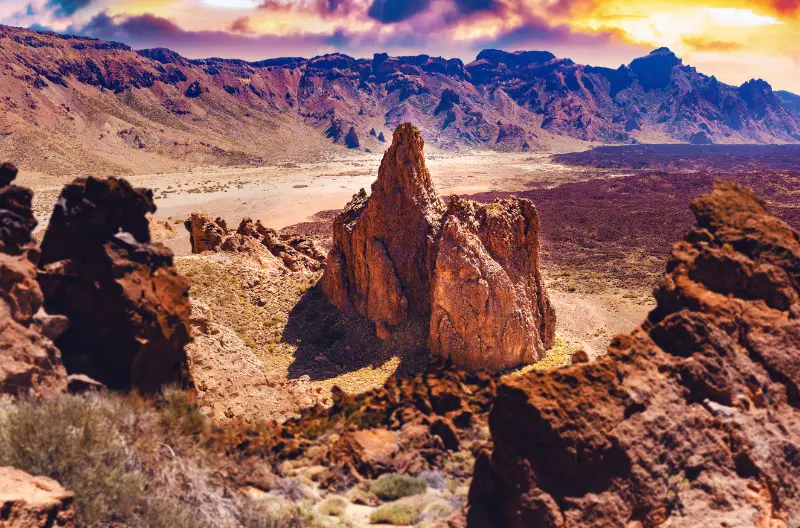
My Mount Teide guide and Roques de García guide help build a realistic route.
Observatory visit versus stargazing tour
If I want science and instruments, I would choose the Observatory. If I want a night experience under dark skies, constellations and visual observing, I would choose a stargazing activity. They complement each other but are not substitutes.
My stargazing in Tenerife guide explains night-sky planning, clothing and location choices.
2026 open days: useful context, not a permanent schedule
The IAC held 2026 open days on 20 and 21 June, free in Spanish and lasting three hours, and the places filled. I would mention this only as an example of how special access works, not as something future visitors can use. Open-day dates change by year.
If I am planning for another year, I would monitor the IAC’s official announcements rather than copy the 2026 dates into my calendar.
Where to stay
I would not choose a hotel solely to be near the Observatory because the highland site is not a normal accommodation zone. La Laguna, Puerto de la Cruz, Santa Cruz or southern resorts can all work depending on the rest of the itinerary.
For a mountain-focused trip I would compare Tenerife accommodation on Booking.com and choose based on the full holiday, not one 90-minute activity.
Photography and behaviour at an active observatory
I would follow staff instructions about where photography is allowed. Research facilities have operational areas, equipment and safety rules that are not negotiable for a visitor. I would not wander away from the group for a better image.
I would also keep noise and phone use under control during explanations. The point is to understand the facility, not simply collect a photograph of a dome.
Common mistakes I would avoid
- Driving up without a confirmed reservation.
- Underestimating the effect of 2,400 m altitude.
- Wearing only beach clothes because the coast is hot.
- Arriving late and expecting the tour to wait.
- Combining too many fixed Teide activities in one day.
- Assuming the observatory is a public viewpoint that can be entered freely.
Frequently asked questions
Can I visit Teide Observatory without booking?
I would not plan on it. The IAC requires prior arrangements for visitor access, and public tours are reservation-based.

How high is the observatory?
About 2,400 metres above sea level.
Can young children visit?
The current guided daytime visitor information excludes children under eight. I would confirm the rule for the exact activity booked.
How long does the visit take?
The current commercial daytime guided visit is advertised at approximately 1 hour 30 minutes, while special open-day programmes can be longer.
Can bad weather cancel the visit?
Yes. High-altitude road and site conditions can lead to cancellations for safety.
My final take
The Teide Observatory is most rewarding when I visit with the right expectation: this is a working scientific facility that happens to allow carefully managed public access. I would book ahead, respect altitude and weather, arrive early and use the experience to add scientific depth to a Teide day rather than treating it as another quick sightseeing stop.