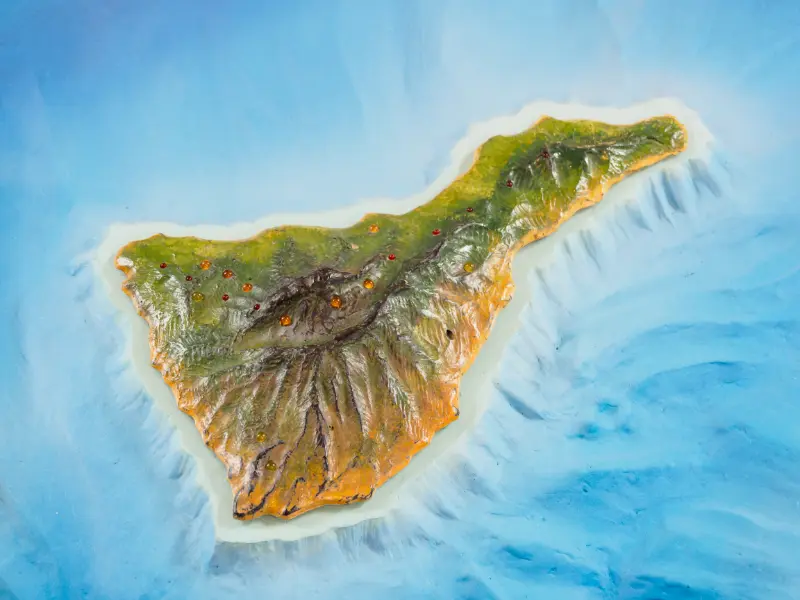
A seven-day Tenerife itinerary should show you the island’s contrasts without making every day a long drive. My preferred approach is to build the week around three big exploration days—Teide, Anaga/La Laguna and the west or north coast—then alternate them with easier beach and local days. That rhythm leaves room for weather changes and makes the holiday feel like a holiday rather than a logistical challenge.
This itinerary assumes one main base, preferably in the south for first-time visitors, and a rental car for the exploration days. If you stay in Puerto de la Cruz or La Laguna, reverse some routes. The exact order is flexible; in Tenerife, flexibility is a strength because weather can differ dramatically between coast and mountains.
Day 1: arrive, settle in and learn your neighbourhood
Do not waste the first afternoon racing to a famous attraction unless your flight arrives very early. Check in, buy water and basic supplies, walk the seafront and learn where you will park or catch the bus. If you are in Costa Adeje or Los Cristianos, use the promenade for an easy introduction to the south coast.
I like to make the first dinner local but simple—fish, papas arrugadas, grilled meat or Canarian cheese—then get an early night. A Tenerife week becomes much easier if you start the first full day rested instead of recovering from travel.
Day 2: Teide National Park
Make Teide the first major day but not the day immediately after a midnight arrival. Check the mountain forecast, road status, any required trail reservations and cable-car operation before leaving. Drive up through a scenic route, stop at selected viewpoints and allow time for Roques de García and the volcanic landscape. If you have cable-car tickets, arrive with enough buffer rather than speeding between stops.
Remember that the upper station is at high altitude and the summit route requires separate permission. Wear layers and closed shoes even if the coast is hot. My full Mount Teide guide explains permits, altitude and cable-car planning.
Day 3: beach morning + Costa Adeje or Los Cristianos
After the mountain day, slow down. Spend the morning at a convenient southern beach such as Playa del Duque or Las Vistas. Have a long lunch, walk the promenade and avoid feeling guilty about doing ‘less’. This recovery day is what makes the rest of the itinerary sustainable.
If you want an activity in the afternoon, choose something close to your base: a short boat trip, shopping, a sunset walk or a relaxed visit to another nearby beach. Families may prefer to place a water-park day here instead; couples might book a later dinner or spa session.
Day 4: La Laguna and Anaga Rural Park
Start in San Cristóbal de La Laguna, where historic streets, courtyards and cafés provide a cultural contrast to the resorts. Then continue into Anaga, where roads climb into laurel forest and mountain ridges. Choose a few viewpoints and, if you have the time and correct conditions, a walk appropriate to your ability.
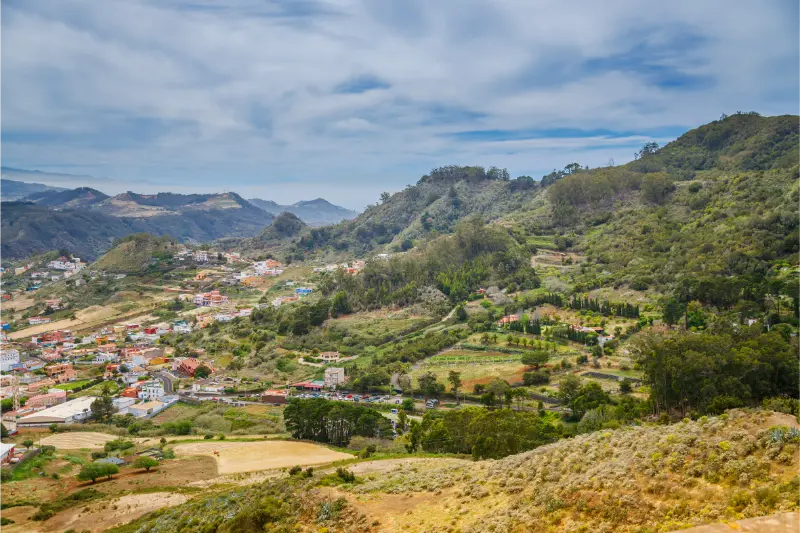
Do not try to visit every Anaga road and beach in one day. Distances look short but bends and stops add time. If Benijo is part of your plan, treat it as a scenic end point and keep an eye on daylight. Weather can be cool or misty in the forest even when Santa Cruz is sunny.
Day 5: north Tenerife – La Orotava, Puerto de la Cruz and Garachico
This is a town-and-coast day. I would begin in La Orotava, where walking the historic centre is most enjoyable before the busiest part of the day. Continue to Puerto de la Cruz for lunch or a seafront walk, then decide whether to spend more time there or continue west toward Garachico.
Garachico’s volcanic coast, old streets and natural pools create a strong finale, but swimming is not guaranteed because sea conditions can close bathing areas. The goal is not to complete three towns; it is to enjoy two or three places without constantly checking the clock. If you dislike long multi-stop days, drop one destination.
Day 6: Los Gigantes, Teno and a west-coast sunset
The west coast offers a different landscape again. Los Gigantes is the easiest starting point, with views of the cliffs and access to boat excursions. A responsible whale-watching trip can fit here if it is a priority. Look for operators that follow local sustainability and wildlife-observation standards rather than choosing only by the cheapest ticket.
Depending on access rules and your comfort with mountain roads, you can add viewpoints toward Teno or Masca. Do not underestimate the roads. If you book a boat trip, keep the rest of the day light so that delays or sea conditions do not create stress. End with a west-coast sunset if the weather cooperates.
Day 7: flexible day – choose what the week was missing
I deliberately leave the last full day open. If Teide was cloudy, this is your backup. If the children want another beach, use it for that. If you fell in love with the north, return. If you have energy, consider Santa Cruz and Las Teresitas, a food-focused day, a winery visit, another hike or simply a pool day.
Flexibility is not wasted time. In an island with microclimates and weather-sensitive mountain activities, the unplanned day often becomes the best day because you can respond to actual conditions rather than an itinerary written months earlier.
A one-week itinerary at a glance
| Day | Main plan | Pace |
|---|---|---|
| 1 | Arrival and local area | Easy |
| 2 | Teide National Park | Big day |
| 3 | South-coast beach | Easy |
| 4 | La Laguna + Anaga | Big day |
| 5 | North-coast towns | Medium/Big |
| 6 | Los Gigantes + west | Medium |
| 7 | Flexible weather/interest day | Your choice |
Where to stay for this itinerary
For a first trip, Costa Adeje or Los Cristianos makes the logistics easy and gives you good recovery days between excursions. A northern base reduces driving for La Orotava and Anaga but increases it for some southern activities. My where to stay in Tenerife guide explains the trade-offs.
If you have more than ten nights, a split stay can work well. With only seven nights, I normally prefer one base because changing hotels takes more time than it saves.
Do you need a rental car for this plan?
You can reproduce much of the itinerary with buses and excursions, but not with the same flexibility. A car is especially valuable for Teide, Anaga viewpoints and multi-stop northern days. If you dislike mountain driving, book organised trips for the hardest days and use TITSA or taxis locally.
The official TITSA network covers the island, including both airports and tourist areas. Current tourist travelcards and fares are listed on its website. See my getting around Tenerife guide before deciding whether to rent for seven days or only three or four.
How to adapt the itinerary for children
With young children, I would remove at least one multi-stop day and add another easy beach or pool day. Teide should be shorter and altitude considered carefully. Anaga can be reduced to La Laguna plus a few viewpoints. Families often enjoy a water-park day, but placing it between two long driving days is more comfortable than adding it to an already full schedule.
My family guide to Tenerife gives a slower version with practical safety considerations.
How to adapt it for hikers
Hikers can turn Day 4 into a dedicated Anaga route, Day 6 into a Teno hiking day and add a lower-altitude walk on Day 7. High-mountain Teide routes require more preparation, reservations and equipment than casual sightseeing. Do not stack three demanding hikes on consecutive days if you are not used to the terrain.
Use my Tenerife hiking guide to choose routes by landscape and difficulty rather than simply by social-media popularity.
How to adapt it without a car
Base yourself somewhere with strong transport links, such as Los Cristianos, Costa Adeje, Puerto de la Cruz, Santa Cruz or La Laguna. Use organised excursions for Teide and potentially Anaga, then public buses for town days. Avoid building days that depend on four or five separate bus legs; they look efficient on paper but leave little margin when you want to stop for lunch or stay longer somewhere.

Food stops I would build into the week
A seven-day trip deserves more than resort restaurants. Use the north-coast day for a traditional lunch, try Canarian cheese and local wine, order fresh fish near a fishing harbour and look for papas arrugadas with different mojos. If you are curious about guachinches, plan them deliberately rather than assuming every restaurant using the name is a traditional one.
See what to eat in Tenerife for dishes and practical ordering ideas.
The weather rule that makes this itinerary work
Do not tie the days to the numbers. Tie them to conditions. If the Teide forecast is poor on Day 2 but the coast is sunny, move the beach day forward. If Anaga is covered in heavy cloud and rain, visit Santa Cruz or the north-coast towns instead. Tenerife’s microclimates reward travellers who are willing to swap days.
The official tourism board describes the south as generally sunnier and drier, with the north greener and more humid. For seasonal planning, use my best time to visit Tenerife guide.
What I would not try to fit into seven days
- A day trip to another Canary Island unless it is a major personal priority
- Every famous beach on the island
- Multiple theme parks plus all major natural areas
- A summit hike without proper planning just because Teide is already on the itinerary
- Both a long boat trip and a long mountain-road day together
- Moving hotels twice
Final advice for your first week
The best one-week Tenerife itinerary is not the one with the most pins on Google Maps. It is the one that gives you contrast while leaving enough time to enjoy each place. Teide, Anaga, the north coast and the west provide the variety; the beach and flexible days keep the trip enjoyable.
If I had to simplify this plan even further, I would protect three experiences—Teide, Anaga/La Laguna and one northern or western coastal day—then let the rest of the week follow the weather and your energy. That is enough to return home feeling that you actually saw Tenerife rather than only travelled through it.
Leave a Reply