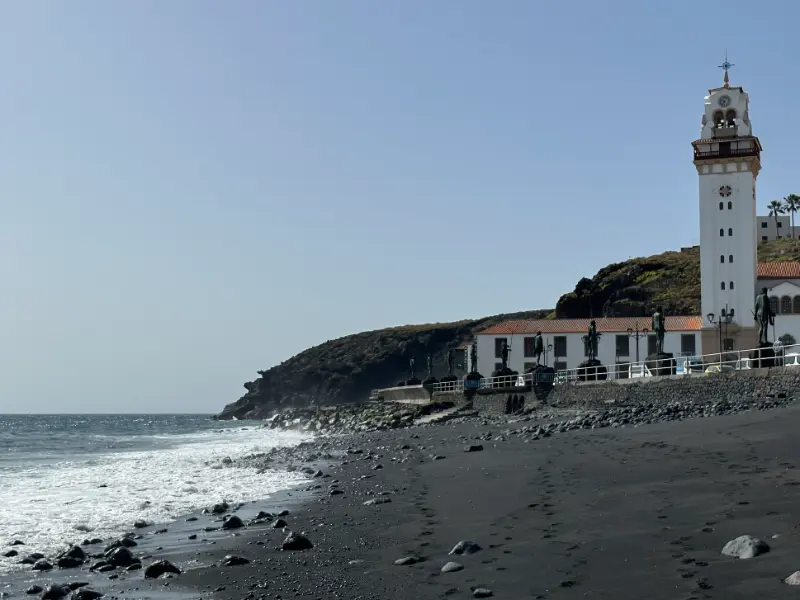
At a glance
| Place | El Rosario to the Candelaria pilgrimage landscape |
|---|---|
| Address / access | Official reference point: Plaza Gabriel Cruz, 38291 El Rosario |
| Best for | Historic walking, pilgrimage culture and ethnographic landscapes |
| Time to allow | Allow a half-day for a selected section; verify the exact route and return plan |
| Planning rule | Check current access/conditions and group nearby places rather than crossing the island for one small stop |
Why this place deserves its own page
For me, the strength of the Camino is that it connects movement, agriculture, religion and settlement. A historic path is easy to reduce to kilometres and elevation, but the real story lies in why people crossed the terrain, where they sheltered, what they cultivated and how the annual pilgrimage kept the route socially meaningful.
History and context: what the official record confirms
The Camino Histórico de Candelaria was declared a Bien de Interés Cultural in 2008 for its historical and ethnographic value.
Official tourism information describes it as a route that was vital to island communications in earlier centuries.
Old threshing floors can be seen around the route, linking the path with agricultural life.
The Casa del Pirata and Ermita de Nuestra Señora del Rosario are key heritage landmarks associated with the route.
Pilgrims continue to use the historic way during journeys to the Villa de Candelaria.
The official tourism page uses Plaza Gabriel Cruz in El Rosario as an access reference.
What I would pay attention to
Choose a section, not a vague idea of “the old road”
Historic ways can have variants, road crossings and locally signed sections. I decide exactly which segment I am walking before departure and use current official mapping rather than improvising from a general web description.
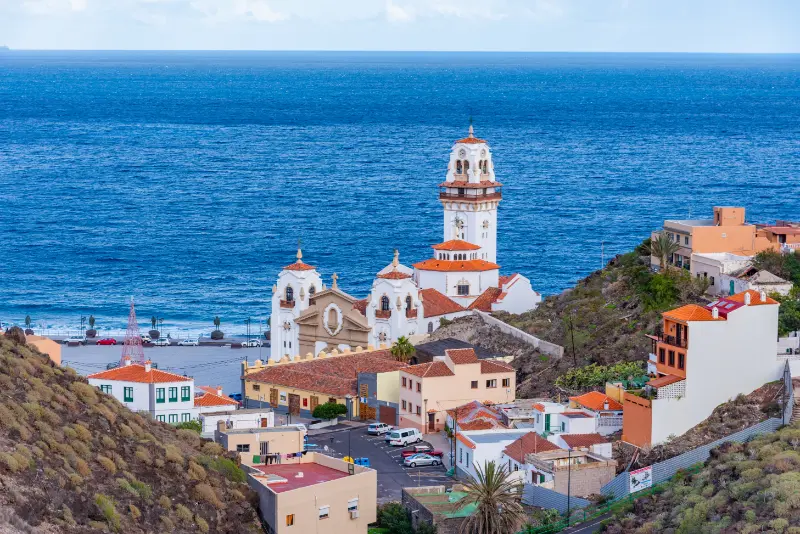
Look for working-landscape clues
Threshing floors and rural structures matter because they reveal that this was not only a ceremonial pilgrimage line. People moved through a productive landscape. I pay attention to old surfaces, walls, field boundaries and settlement patterns as much as to the better-known landmarks.
The chapel and Casa del Pirata form a natural heritage cluster
Around Machado, the Ermita de Nuestra Señora del Rosario and the Casa del Pirata give the route a concentrated historical stop. The chapel is linked to the needs of pilgrims, while the ruined country house adds a different layer of local history and legend.
Respect pilgrimage days
When the route is busy with pilgrims, I do not treat the event as an obstacle to a private hike. The living tradition is part of the heritage. I give groups space, avoid blocking narrow sections and expect transport or road arrangements to differ from an ordinary day.
Do not invent a time estimate from a map
Because travellers may walk different sections, I avoid giving one universal duration. I plan a half-day for a meaningful segment and confirm distance, elevation and return transport for the exact section I have chosen.
How I would build it into a Tenerife day
I would build the day around one geographical area and one main outdoor objective. Tenerife’s road map can make places look close even when elevation changes, mountain roads and parking add considerable time. A short walk is more enjoyable when I am not watching the clock for a reservation on the opposite side of the island.
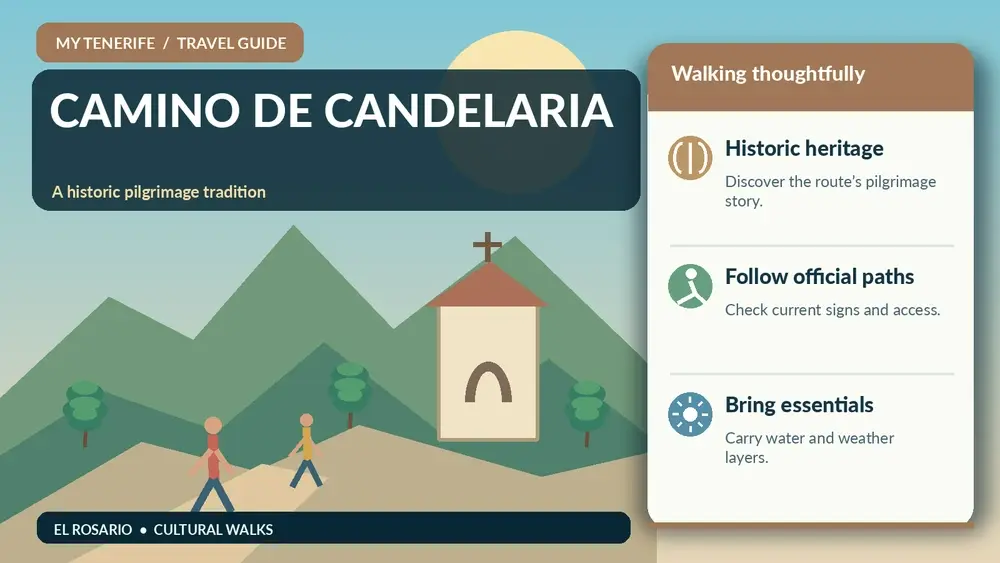
For a mixed itinerary, I add one nearby village or cultural stop before or after the walk. That creates contrast without turning the day into a chain of car journeys. If weather changes, the cultural stop can also become the fallback plan.
Safety and responsible planning
Tenerife’s short-looking walks can be deceptive because volcanic ground, steep gradients, cloud, heat and wind all change the effort required. I check the official trail page and weather before leaving, carry more water than I expect to need, and use proper footwear rather than relying on distance alone as a measure of difficulty.
If an official authority closes a trail or section, I treat that as a hard stop. Detours around barriers can enter fragile habitat, private land or unstable terrain. I also download the route or keep an offline map because mobile coverage can vary in ravines and forested areas.
What to bring
My minimum kit is supportive footwear, water, sun protection, a light insulating layer and a charged phone. For longer walks I add food, a compact rain shell and a small first-aid kit. Cloud in the north can make the air feel cool while ultraviolet exposure remains strong, so sunscreen still matters.
Walking with children
I judge a family walk by terrain, exposure and the return logistics, not only by kilometres. A linear route needs a transport plan at the end, and a steep descent can be harder on knees and concentration than a gentle climb. With younger children I choose a shorter section or use the place as a nature stop rather than forcing completion of the full route.
Leave the landscape as you found it
I stay on established paths, carry out all rubbish and avoid collecting plants, rocks or archaeological material. In rural areas, gates and tracks may serve farms and residents; I leave access clear and respect signs even when a shortcut looks obvious.
Nearby guides to keep open
Where to stay nearby
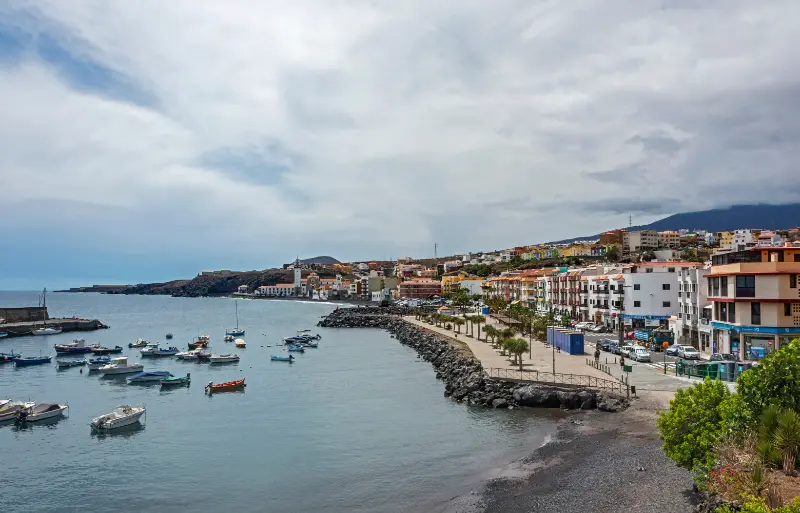
If this area is more than a day trip, I compare accommodation in the same municipality or nearby north/west base rather than automatically returning to the southern resorts. Staying locally can make early walks and evening village time much easier. Check accommodation around Candelaria on Booking.com.
Practical checklist before you go
- Check the latest official access, trail or municipal information on the day of travel.
- Use legal parking and avoid blocking residents, farm tracks, gates or emergency access.
- Carry water and sun protection even when the north of Tenerife is cloudy.
- Use footwear suited to the actual surface, especially after rain.
- Keep the plan geographically compact so a closure does not ruin the whole day.
- Respect religious services, private property, barriers and conservation signs.
Frequently asked questions
Why is the Camino Histórico de Candelaria important?
It was a major communication route and has strong ethnographic and pilgrimage value. That combined significance led to BIC protection in 2008.
Is it still used?
Yes. Official tourism information notes that pilgrims continue to walk it toward Candelaria.
What can I see along the route?
Depending on the section, historic threshing floors, rural landscapes, the Casa del Pirata and the Ermita de Nuestra Señora del Rosario are key points.
How long does it take?
There is no single useful answer without defining the exact section. I plan a half-day for a selected segment and verify current mapping and return logistics first.
Do I need hiking shoes?
For historic paths with uneven volcanic or rural surfaces, supportive footwear is a safer choice than city shoes, especially after rain.
Can I combine it with Candelaria?
Yes, especially if you are interested in the pilgrimage story, but build the transport plan first so the walk does not leave you stranded far from your car or accommodation.
Official information
For the documented historical or route details used in this guide, see the official Tenerife or municipal information page. I always re-check the source shortly before travelling because access, events and trail conditions can change.
Final thoughts
This is the kind of Tenerife experience that works best when the route itself is the point. I would rather walk slowly, understand the landscape and finish with enough daylight and energy than chase a distance target. Combined with one nearby town or heritage stop, it adds depth to an island itinerary without competing with Teide, Anaga or the major beaches.