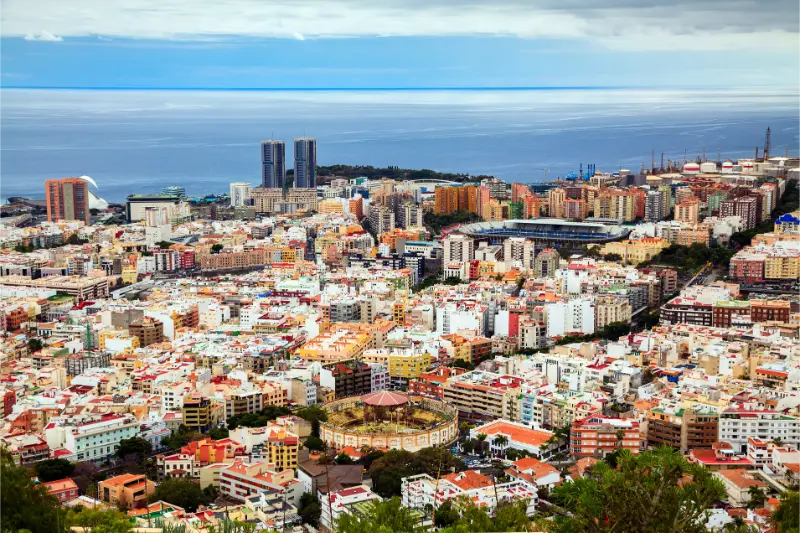
Quick summary: Cruces de Mayo in Santa Cruz de Tenerife is worth planning as a real local event, not as a normal sightseeing stop with extra decoration. Around may 3, the city’s founding date and one of the symbolic high points of the fiestas de mayo. My approach is to choose one or two key moments from the official programme, arrive earlier than I think I need to, use public transport when roads are affected, and leave enough flexibility for crowds, weather and last-minute programme changes.
| Where | Santa Cruz de Tenerife |
|---|---|
| When to look for it | around May 3, the city’s founding date and one of the symbolic high points of the Fiestas de Mayo |
| Best for | Canarian culture, local traditions, photography and repeat visitors |
| Main planning issue | Crowds, temporary road closures and annual programme changes |
| My key rule | Check the official programme again 24–48 hours before travelling |
Why this festival deserves its own Tenerife itinerary
The experience is not a single monument. It is a walking festival of crosses decorated with flowers and other materials, tied to the city name, the founding celebrations and neighbourhood participation.
That is why I would not squeeze this into the middle of a Teide day, a long beach circuit or a cross-island road trip. The value is being present long enough to understand what is happening: who is participating, which parts are religious, which are popular or folkloric, how local people use the streets and why certain moments draw much larger crowds than others.
A festival also changes the practical geography of a town. A street that is normally easy to cross may be closed, the nearest car park may be full, a bus stop may be moved and a restaurant that normally accepts walk-ins may be completely booked. I therefore plan the event first and build the rest of the day around it, not the other way around.
When it takes place
Around may 3, the city’s founding date and one of the symbolic high points of the fiestas de mayo. Annual festivals keep a strong traditional framework, but concert dates, procession times, road closures and supporting events can move. I treat any previous-year schedule as historical context rather than a promise.
For 2026, Santa Cruz reported 72 crosses displayed in neighbourhoods and streets for the city’s 532nd anniversary, alongside contests for natural-flower crosses and other Fiestas de Mayo activities.

For a future visit I check the municipality or official tourism page as soon as the new programme is published. If the exact date is essential to my trip, I also avoid booking a non-refundable activity across the same evening until the timetable is confirmed.
What I would expect to see
The experience is not a single monument. It is a walking festival of crosses decorated with flowers and other materials, tied to the city name, the founding celebrations and neighbourhood participation.
I separate the event into three layers. The first is the core tradition: the procession, romería, decorated structures, ceremony or civic ritual that gives the celebration its identity. The second is the supporting programme: concerts, folklore, children’s activities, fairs, sports or food events. The third is the town itself, which is still worth seeing before the busiest hours because architecture and local context make the festival easier to understand.
If I have only half a day, I choose the core tradition plus one nearby heritage stop. If I have a full day, I arrive before the main crowd, explore the town, eat early and then settle into a good viewing area rather than constantly changing location.
Where to position yourself
The centre and Rambla are convenient starting points, but displays can appear in multiple districts. I would use the official annual map or programme rather than assuming last year’s exact locations.
I do not automatically choose the absolute front row. A slightly wider position often gives a better view, more room to move and a safer exit. This matters especially with carts, animals, pyrotechnics, maritime edges or narrow historic streets. Official barriers and steward instructions are part of the event design, not obstacles to work around.
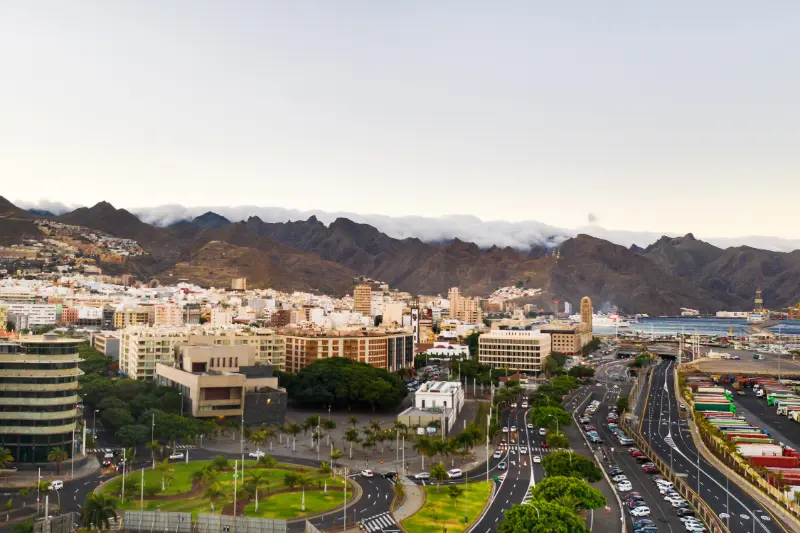
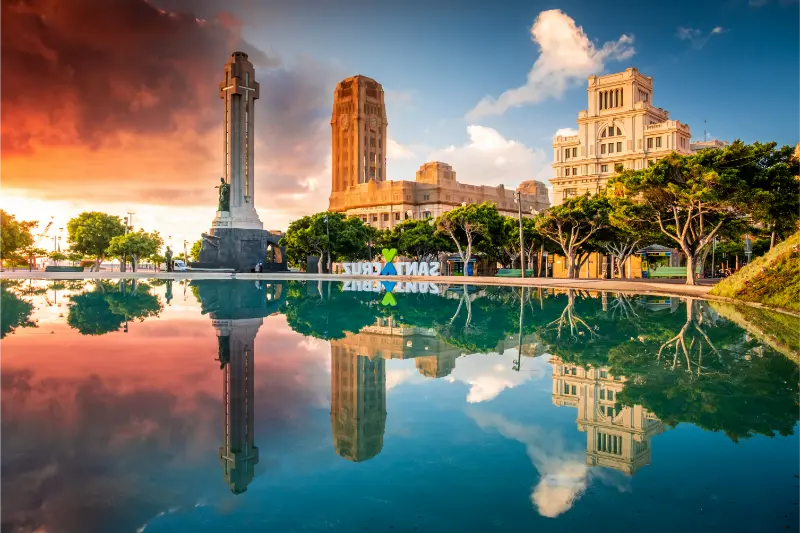
For photography I look for a place where the background explains Tenerife: a church façade, old balconies, a plaza, the harbour or a sloping historic street. That usually produces a more meaningful image than a close-up with no sense of place.
Crowds, traffic and public transport
May 3 is lively but can be easier to experience than a tightly packed procession because the displays are distributed. I would go early for quieter photographs and return later if I want the evening atmosphere.
I check current TITSA and, where relevant, Metrotenerife information on the day because temporary diversions can affect stops. For a major night event I plan the return before I leave the hotel: last bus, taxi rank, walking distance to a quieter pickup point and a backup if mobile networks become slow in a dense crowd.
Driving can still make sense if I am staying in a rural area, travelling with mobility equipment or combining the event with another nearby stop. In that case I aim for a legal car park outside the ceremonial core and accept a longer walk. I never block resident access, emergency lanes, farm entrances or a procession route to save ten minutes.
What to wear
Comfort matters more than trying to imitate participants. Traditional Canarian clothing has cultural meaning and specific forms; I would not buy a novelty costume simply to “fit in.” If an event explicitly encourages traditional dress, I follow the organiser’s guidance and choose respectful clothing rather than a caricature.
For ordinary visitors I prioritise comfortable shoes, sun protection and a light layer for evening. La Laguna and north-coast towns can feel cooler than the south, while summer daytime events can be hot. At religious services or inside churches I dress more conservatively and keep hats, food and loud conversation outside.
Food and drink
A slow centre walk pairs naturally with breakfast, lunch or merienda. I would not plan the day around temporary stalls alone; Santa Cruz has enough permanent cafés and restaurants to keep the itinerary flexible.
I carry water but avoid glass bottles in dense events. Alcohol can be part of some popular celebrations, yet I keep the day manageable: crowds, heat, uneven streets and transport are easier when I am fully alert. I also carry a small amount of cash because temporary stalls or busy payment networks do not always behave like a normal restaurant.
Going with children
This works well as a low-pressure family walk because children can look for different designs rather than sit through a long ceremony. I would keep the route short and add a park stop.
My family plan is deliberately simple: identify toilets, shade and a meeting point first; add one snack stop; then choose one main spectacle. Children do not need to see every event in the programme for the day to feel special. For fireworks or loud bands, child-appropriate hearing protection can make a major difference.
Accessibility and sensory planning
Historic Tenerife can involve cobbles, slopes, temporary barriers and very dense pedestrian areas. If step-free access is essential, I contact the organiser or municipality about the specific event route rather than relying on a general accessibility description of the town. A venue can be accessible on an ordinary day but difficult during a procession.
For sensory needs, I favour the beginning or end of an event, a side street with a clear view, or a daytime programme instead of the loudest night. I save a calm retreat point—a café, hotel, parked vehicle or quieter plaza—before the crowd builds.
Photography etiquette
Natural-flower crosses reward close details as well as wider street scenes. I keep doorways free, avoid touching arrangements and remember that some crosses have devotional meaning, not just decorative value.
I avoid flash during worship, do not climb monuments or barriers, and never ask a participant to interrupt a procession for a portrait. Children deserve particular privacy. When I photograph identifiable people at close range, a quick gesture or question is better than assuming festival clothing makes everyone a model.
How I would combine the festival with nearby places
- Santa Cruz de Tenerife guide
- Fiestas de Mayo guide
- Churches and Mass in Tenerife
- Día de Canarias in Tenerife
I keep the cluster local. Tenerife looks small on a map, but a festival day is the wrong moment to add unnecessary motorway kilometres. Parking delays, road closures and a slow meal can easily use the time that looked “free” in a spreadsheet itinerary.
A realistic festival-day plan
- Morning: arrive before the busiest period, walk the historic area and confirm barriers, stages or procession routes.
- Late morning: visit one nearby church, museum, market or viewpoint from the local cluster.
- Lunch: eat before the peak crowd and use a reservation when the town is known to fill.
- Afternoon: take a rest, hydrate and move toward the chosen viewing area with time to spare.
- Main event: stay in one good position rather than repeatedly crossing the route.
- Departure: wait ten or fifteen minutes if necessary for the first crowd surge to thin, then use the transport plan prepared earlier.
Where to stay
Staying in or close to Santa Cruz de Tenerife can turn a stressful late-night transfer into an easy walk, especially when the main event finishes after normal sightseeing hours. I compare the exact map position, not just the town name, because hills and road closures matter. Compare accommodation around Santa Cruz de Tenerife on Booking.com.
Other Tenerife activities
If I am building several days around the festival, I keep one flexible day for Teide, the coast or a guided experience. Availability changes, so I prefer a live activity widget to hard-coding a tour that may later disappear.
Common mistakes I would avoid
- Using an old programme as if the times cannot change.
- Driving into the centre just before the main event and expecting easy parking.
- Trying to combine a major festival with a full cross-island sightseeing day.
- Standing inside a procession, cart or emergency corridor for photographs.
- Assuming every popular tradition is staged for tourists rather than for the local community.
- Depending on mobile data alone for the return journey; I save tickets, maps and addresses offline.
- Leaving food, cups or confetti in historic streets or on beaches after the celebration.
How this differs from Tenerife Carnival
Carnival is Tenerife’s internationally famous mass celebration, but local patronal festivals are often more useful for understanding everyday island identity. They are smaller in scale, more closely linked to a town, parish, agricultural tradition or local history, and often mix sacred and secular activities without a clear boundary between “show” and community life.
I therefore approach them differently. I spend more time learning what the central ritual means, I photograph less aggressively and I expect fewer English-language explanations. The reward is a more specific sense of place.
Frequently asked questions
Do I need a ticket?
The central outdoor tradition is generally public, but concerts, reserved tables, dinners or special activities can require tickets or prior registration. The annual official programme is the final reference.
Can I wear traditional Canarian clothes?
If the event invites traditional dress, visitors can participate respectfully, but authentic clothing is not a costume. I follow local guidance and avoid novelty versions.
Is it worth visiting if I do not speak Spanish?
Yes. The visual and musical parts are easy to enjoy, but I translate the official programme in advance so I understand the sequence and any safety notices.
Should I rent a car for the festival?
Not necessarily. For central urban events I often prefer public transport; for rural or late-night events a car may be useful if I can park legally outside the closed area.
What if the weather changes?
Outdoor programmes can be modified for wind, rain, heat or fire risk. I check the municipality’s same-day channels instead of assuming an event will run exactly as printed weeks earlier.
Official information
For the current programme, routes, safety restrictions and last-minute changes I use the official source: official information for Cruces de Mayo in Santa Cruz de Tenerife. The dates and examples in this guide include 2026 context, but the official programme for the year of travel always takes priority.
Final thoughts
I would include Cruces de Mayo in Santa Cruz de Tenerife in a Tenerife trip when the dates line up naturally, not because every visitor needs another item on a checklist. A local festival works best when I slow down, choose one meaningful moment and let the town be the destination for the day. That approach produces a better experience than arriving late, photographing the crowd and immediately driving away.
Leave a Reply