
Parque García Sanabria is the kind of place I add when I want Tenerife to feel like more than a sequence of beaches and viewpoints. It gives a specific window into how the island’s towns developed and how people used architecture, public space, religion, defence, trade or civic institutions.
The Santa Cruz municipality describes Parque García Sanabria as a 55,000-square-metre urban garden with more than 200 plant species from around the world.
Quick facts
| Place | Santa Cruz de Tenerife |
|---|---|
| Best for | History, architecture and a slow old-town walk |
| Time I allow | 30–90 minutes depending on interior access |
| Planning rule | Check current access on the official source before travelling |
What makes this place important
The Santa Cruz municipality describes Parque García Sanabria as a 55,000-square-metre urban garden with more than 200 plant species from around the world.
The park combines botanical interest with fountains, ponds, children’s areas, monuments and a notable collection of outdoor sculpture.
The idea of a large public park for the city was discussed from the late nineteenth century, while the municipal process that led to the park took concrete shape in the early twentieth century.
For travellers, its value is practical as well as historical: it offers shade and a slower green interval within an otherwise urban day.
How to use the park rather than simply cross it
I give Parque García Sanabria at least 45 minutes if I enjoy gardens. The municipal description of more than 200 plant species is a reminder that this is closer to an informal botanical collection than a simple lawn. I wander secondary paths, look for labels and sculptures, and avoid turning the visit into a straight line from one gate to another.
Art in the landscape
The park’s sculptures are important because they turn a botanical walk into an open-air cultural visit. I prefer to notice how artworks sit among palms, flowering plants and shaded paths rather than treating them as a separate checklist. Children often enjoy this kind of discovery more than a conventional gallery.
How I plan the visit
I treat this as part of a neighbourhood rather than an isolated pin on a map. My preferred approach is to choose one main historical or cultural stop, add two or three nearby places that tell a related story, and leave enough time for a coffee, a shaded square or an unplanned street. This produces a much better sense of Tenerife than racing between attractions simply because they appear on a checklist.
I also separate permanent facts from operational information. Architecture, historical dates and the basic location change slowly. Opening hours, temporary exhibitions, restoration works, religious services and access rules can change at short notice. If seeing the interior is essential to my day, I recheck the official source the same week and again on the morning of the visit when practical.
What I look for instead of just taking a photograph
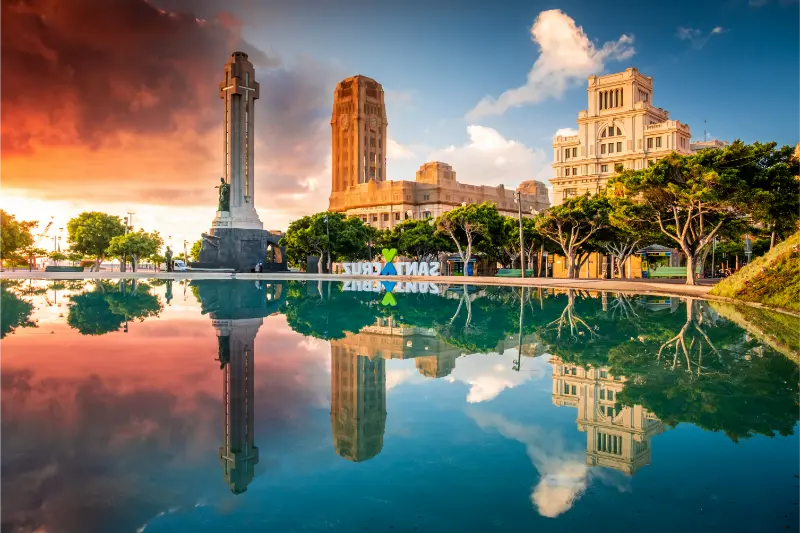
I start with the relationship between the building or space and its surroundings. Historic Tenerife makes more sense when I notice street width, courtyards, volcanic stone, timber balconies, orientation to a square, old water infrastructure and the distance from the former coastline. These details explain how a place functioned, not only how it looks today.
I also look for evidence of adaptation. Many important buildings have been homes, churches, defensive structures, administrative offices, schools, warehouses or cultural venues at different moments. Reuse is part of the island’s history. I avoid judging a site only by whether every original room or object survives.
Best time of day
For urban heritage I usually prefer the first half of the morning. Streets are quieter, façades are easier to study and I can adjust the rest of the day if access is different from what I expected. Late afternoon can be more atmospheric, but it is less forgiving if a site closes earlier than anticipated.
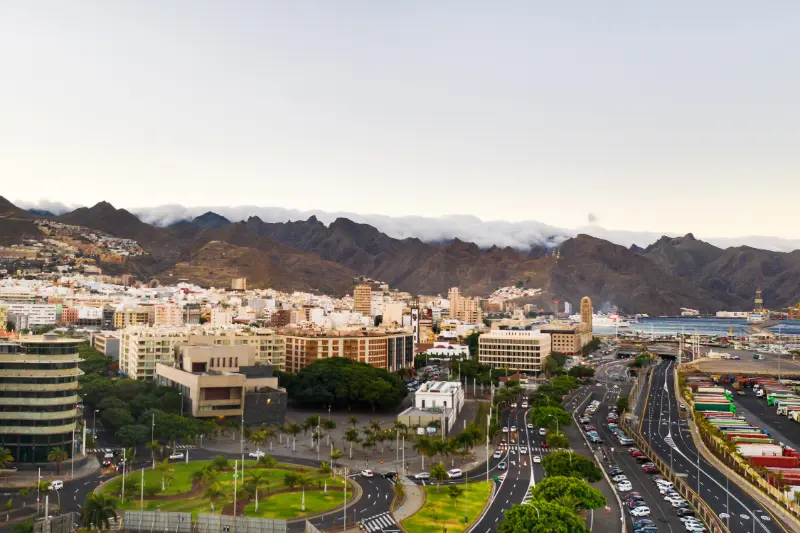
Tenerife’s microclimates matter even in town. Santa Cruz is commonly warmer and drier than La Laguna, while Adeje’s old town can feel very different from the resort coast. I carry water and sun protection everywhere, plus a light layer for La Laguna and the north when cloud builds.
Accessibility and family considerations
I never assume a heritage site is step-free because the pavement outside looks flat. Thresholds, old staircases, uneven stone, narrow doors and internal courtyards can all affect access. For a wheelchair, reduced mobility or a pushchair, I check the exact building rather than relying on a general statement about the neighbourhood.
With children I keep the visit short and concrete. A story about pirates, sugar, an unusual balcony, a hidden fort or the first island council is usually more memorable than a long chronological explanation. I combine indoor stops with a plaza, garden or pedestrian street so the day does not become a sequence of quiet rooms.
Photography and respectful behaviour
I photograph from public areas and follow any interior restrictions. In active churches I avoid flash, lower my voice and never treat worshippers or a service as part of a tourist display. Around archives, municipal offices and working institutions I remember that the building may be heritage but the people inside are at work.
For the strongest photographs I usually step back. A wide frame that includes the square, adjoining houses or landscape often explains more than a tight doorway shot. Mid-morning side light can reveal stone and timber texture particularly well.
Getting around without wasting time
In Santa Cruz and La Laguna I normally park once or use public transport, then continue on foot. Repeated short drives through one-way streets and parking entrances can consume more time than walking. Adeje’s historic centre is also compact enough to link several heritage stops on foot if mobility allows.
If I am using buses, I check the return journey before starting rather than after finishing. I also allow extra margin on festival days, during processions and around major civic events, because street closures can affect normal routes.
Common mistakes I avoid
- Assuming that a historic building is automatically a museum with regular public opening hours.
- Copying an old timetable from a travel blog without checking the official source.
- Driving between nearby old-town sights that are easier to connect on foot.
- Focusing only on the façade and missing the surrounding urban context.
- Trying to visit too many churches or houses in one day until they all start to feel the same.
- Ignoring local services, ceremonies, civic work or temporary exhibitions that can change access.
Why this kind of stop matters on a Tenerife trip
Beaches and Teide are obvious reasons to visit Tenerife, but the island becomes much more interesting when I understand the systems behind the scenery: water, sugar, defence, religion, trade, municipal government and migration. Small urban heritage sites often explain those themes more clearly than a broad overview because the evidence is right in front of me.
They also create better geographic balance in an itinerary. Instead of crossing Tenerife every day, I can spend a focused morning in one historic centre and then pair it with a nearby beach, viewpoint, market or restaurant. That keeps driving down and gives me more time to notice local life.
What I combine nearby
I use these links to build a compact cluster rather than driving across the island for unrelated stops. A geographically coherent half-day usually feels richer and leaves more room for meals, weather changes and spontaneous discoveries.
Where I would stay
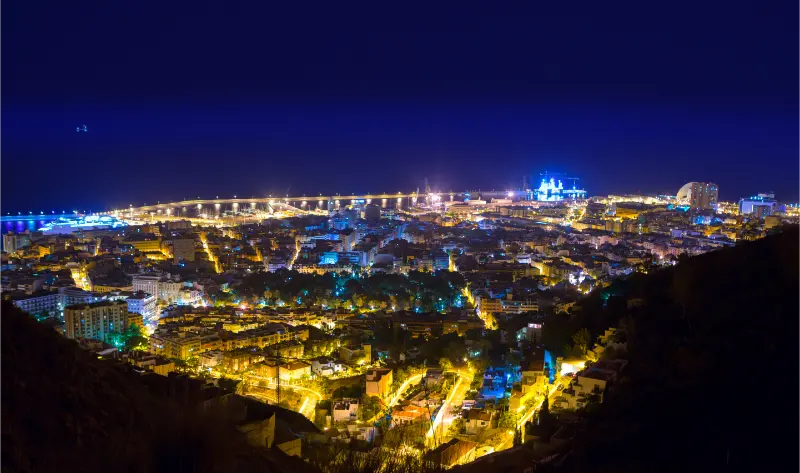
If I wanted more time in this area, I would compare accommodation in Santa Cruz de Tenerife. Staying nearby is useful when I want early streets and evening atmosphere without turning every day into a long drive.
Official information
Before travelling I check the official information source for Parque García Sanabria. I use official pages for current hours, temporary closures, events and access because those details can change after this article is published.
Frequently asked questions
Is this worth adding to a first Tenerife trip?
Yes if I am already spending time in the same town or neighbourhood. I would not normally cross the whole island only for one small heritage stop, but it can add real depth to a well-planned half-day.
Do I need a car?
Not necessarily for central Santa Cruz or La Laguna. In Adeje a car can be convenient, but I still prefer to park once and explore the compact historic centre on foot where possible.
How long should I allow?
For an exterior-focused stop, 20–40 minutes can be enough. A museum or accessible interior deserves longer, and I add extra time if I am combining several nearby sites.
Can opening hours change?
Yes. Museums, civic buildings, churches and cultural venues can change hours for holidays, restoration, services or events. I always verify operational details shortly before visiting.
Final thoughts
Parque García Sanabria works best when I see it in context. I do not rush it and I do not over-plan it. A focused visit, a few nearby stops and enough flexibility for local life usually produces a more memorable Tenerife day than trying to collect ten attractions from different parts of the island.