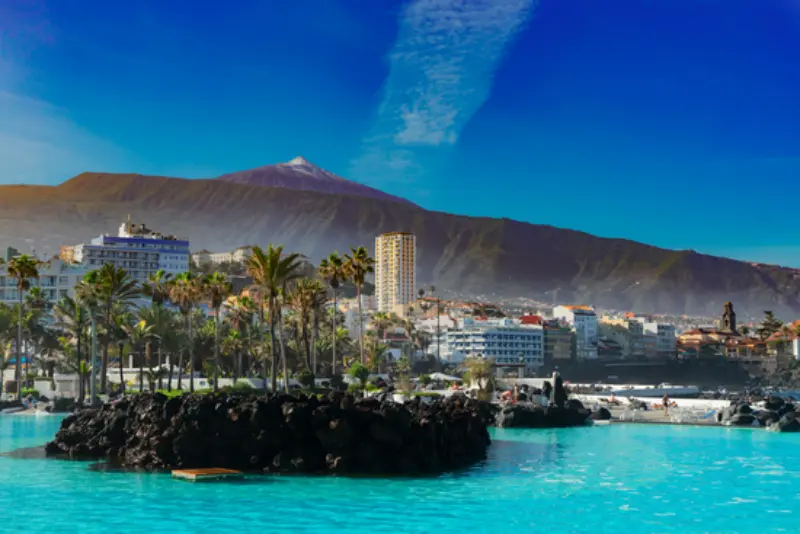
Castillo de San Felipe is the kind of small fortress that becomes much more interesting when I understand the coastline around it. The seventeenth-century structure stands beside the western seafront of Puerto de la Cruz near Playa Jardín and the old mouth of Barranco de San Felipe. It was built to protect a port economy exposed to piracy and privateering, later lost its artillery role and accumulated a surprising list of uses. Today the building is a cultural venue for exhibitions, talks and concerts, so a visit combines military architecture with whatever programme happens to be on.
Quick visit facts
| Address | Paseo Luis Lavaggi, 12, Puerto de la Cruz |
|---|---|
| Origin | 17th-century coastal fortification |
| Design | Project associated with engineer Próspero Cassola, 1634 |
| Heritage status | Historic-Artistic Monument / protected cultural heritage |
| Current role | Cultural centre and exhibition venue |
| Published venue hours | Municipal business/tourism listing gives Tue–Sat 11:00–13:00 and 17:00–20:00; event-specific hours can differ |
Why a fort was needed here
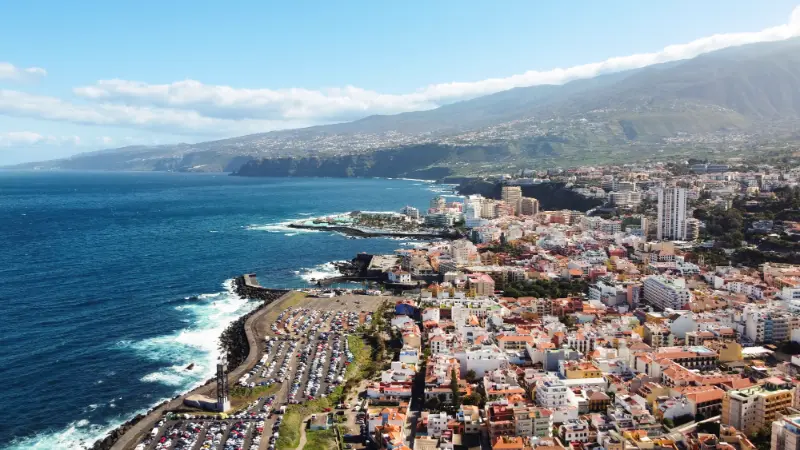
Puerto de la Cruz grew around Atlantic trade, first under La Orotava and later as a more independent urban centre. Wine exports and maritime traffic brought wealth but also exposure. The municipality’s historical overview explains that coastal fortifications such as San Felipe and the Santa Bárbara battery helped protect the harbour and population during the seventeenth century.
I would stand outside and look at the line between the fort, the ravine and the sea. The building makes more sense as one element in a defensive coastal system than as an isolated stone object.
Architecture and later uses
Municipal tourism material describes a pentagonal, two-level colonial-style structure. Historically it had a moat and drawbridge; the present fixed access is later. The form visible today reflects nineteenth-century alterations as well as the older defensive core.
After being disarmed in 1878, the building served uses as varied as infirmary, lazaretto, store, residential space, shooting society and restaurant. That adaptive history is one of the reasons it survived as more than a ruin.
From fort to cultural venue
Today San Felipe functions as an active cultural space, regularly hosting visual-art exhibitions, presentations, talks and music. In 2026 the municipality has continued using it for exhibitions linked to maritime history and contemporary artists, and the current events calendar lists new book and art activities in September.
Because the programme changes, I check what is inside before I go. A fortress visit can feel completely different when the temporary exhibition happens to relate directly to Puerto de la Cruz and the Atlantic.
Current hours: why two official pages can differ
The municipal tourism/business listing publishes a general Tuesday–Saturday schedule of 11:00–13:00 and 17:00–20:00. Individual 2026 exhibition announcements sometimes publish their own hours, including different morning slots. I therefore treat the permanent listing as a baseline, not a guarantee for every exhibition.
This is exactly the kind of venue where checking the current municipal agenda on the day saves disappointment.
How I would plan the visit
I treat this as a cultural attraction, not as a box to tick between two unrelated stops. The useful question is how much context I want before I arrive. If I already know the basic history of Puerto de la Cruz, I can focus on details inside the building or site. If it is my first day in the area, I prefer to walk the surrounding streets first so the architecture, urban position and historical references make more sense when I enter.
I also leave a little flexibility around the visit. Cultural buildings in Tenerife can host services, rehearsals, exhibitions, private events, restoration work or municipal activities that temporarily change access. A plan with a 30–60 minute buffer is more realistic than an itinerary where every door has to open at the exact minute shown in an old search result.
Getting there without turning the visit into a parking problem
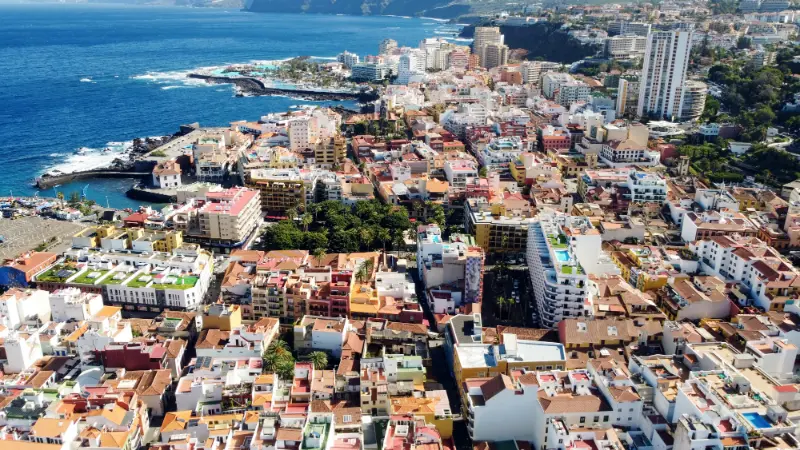
For central Puerto de la Cruz sights, I generally prefer public transport or a single car park followed by walking. Historic centres were not designed around modern traffic, and driving from one monument to the next often wastes more time than it saves. If I am arriving from another part of Tenerife, I check the nearest tram, TITSA or municipal parking option before setting off and then build a compact walking loop.
If I want an early start or an evening event, I sometimes compare accommodation in Puerto de la Cruz rather than drive across the island twice. That is not necessary for every visitor, but it can make a culture-heavy day much calmer, especially when the programme includes a performance, a temporary exhibition or dinner in the historic centre.
How long I would allow
I separate “door-to-door time” from “time inside”. A small museum can take 45 minutes but still occupy two hours once I include the walk from transport, reading exterior interpretation, a coffee and a nearby square. A theatre may be a ten-minute façade stop on an ordinary day and a full evening if I have a ticket. A church can be a brief architectural visit or much longer if I want to understand its chapels and historical layers.
My rule is to avoid stacking more than three substantial indoor visits in the same half-day. After that, attention drops and collections blur together. Tenerife’s historic towns work particularly well when I alternate an interior with streets, courtyards, markets, viewpoints or a meal.
Photography and respectful behaviour
I assume that photography rules can vary by room, exhibition and event. I look for signs before using a camera, keep flash off around artworks and documents, and never photograph people in a religious setting without permission. In theatres I do not assume that the rules for the lobby also apply during a performance. In active churches and convents, worship always takes priority over sightseeing.
I also travel light inside older buildings. Narrow corridors, historic furniture and delicate surfaces are easier to enjoy without a large backpack. If a site has staff at reception, I ask before leaning a bag against a wall, using a tripod or filming extensively. Those small habits protect the place and make the visit more comfortable for everyone.
Accessibility: what I check rather than assume
Historic architecture can create a mismatch between a site’s cultural importance and its physical accessibility. A restored building may have lifts and ramps; another may still have thresholds, steps or narrow historic openings. I check the current official accessibility information when mobility, stroller access or fatigue is important, and I contact the venue if a specific route through the building matters.
I also distinguish between getting to the entrance and seeing every space. A central pedestrian street can be easy to reach while an upper gallery, tower or heritage room remains difficult. That distinction is useful when planning with a wheelchair user, an older traveller or a young child.
Visiting with children
I would not automatically exclude a cultural stop from a family itinerary. The key is scale. One strong object, a courtyard, a fortress wall, a theatre interior or a story about a historical character can be more memorable to a child than a long sequence of display cases. I keep the visit shorter, explain what to look for before entering and give children a simple mission such as finding a coat of arms, a cannon, a painted ceiling or a particular architectural detail.
For very young children, I pair the indoor stop with a nearby square or park. That changes the rhythm of the day and makes it easier for adults to enjoy the site without expecting a child to behave like a museum researcher for two hours.
What I would combine nearby
I prefer combinations that explain the same place from different angles. A history museum plus a historic street, or a fortress plus the old port, usually feels more coherent than crossing the island for a second attraction just because it has a high review score. These clusters also reduce driving and make it easier to stop for lunch somewhere local rather than eating according to the car park.
Current status: what I would verify again
The municipal listing publishes Tuesday–Saturday 11:00–13:00 and 17:00–20:00 as the general schedule. However, specific 2026 exhibitions and events have sometimes used different hours. I therefore check the current Puerto de la Cruz agenda for the exact programme and opening time on my date.
Because this is information that can change, I save the official page on my phone and check it again on the morning of the visit. I do not rely on a photo of an opening-hours board from an old review, particularly around public holidays, Carnival, local fiestas or renovation periods.
Official source
For the latest practical information I use Puerto de la Cruz’s municipal Castillo de San Felipe listing rather than a third-party timetable.
Frequently asked questions
Is Castillo de San Felipe still a military site?
No. It is a protected historic fort that now functions as a cultural and exhibition venue.
When was it built?
Its seventeenth-century defensive development is associated with a 1634 project by engineer Próspero Cassola.
Is it close to Playa Jardín?
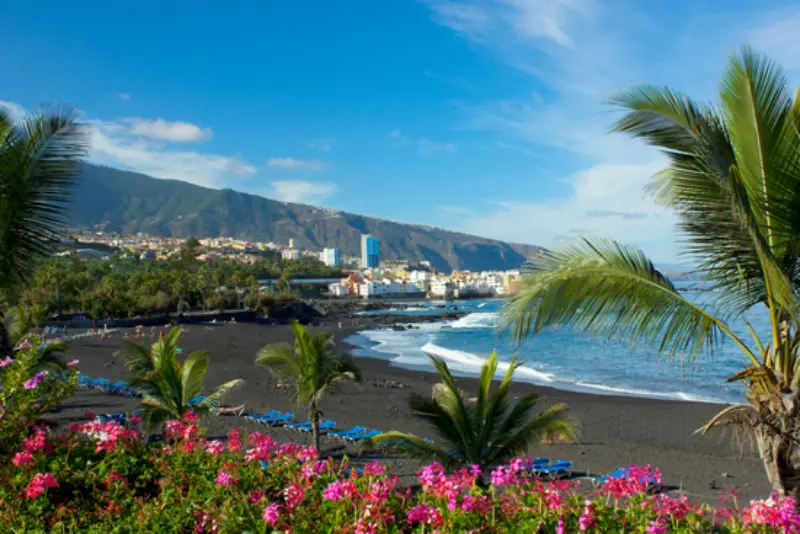
Yes. The castle sits beside the western Puerto de la Cruz seafront near Playa Jardín.
Are the hours always the same?
Not necessarily. A general municipal timetable is published, but individual exhibitions may announce their own hours, so I check the current agenda.
Final thoughts
San Felipe is small enough to combine with the beach or historic centre, but I would not rush it as a photo stop. The building links Puerto de la Cruz’s trade, coastal defence and modern cultural life in one compact place. When the exhibition programme is good, it becomes one of the most satisfying short visits in town.