
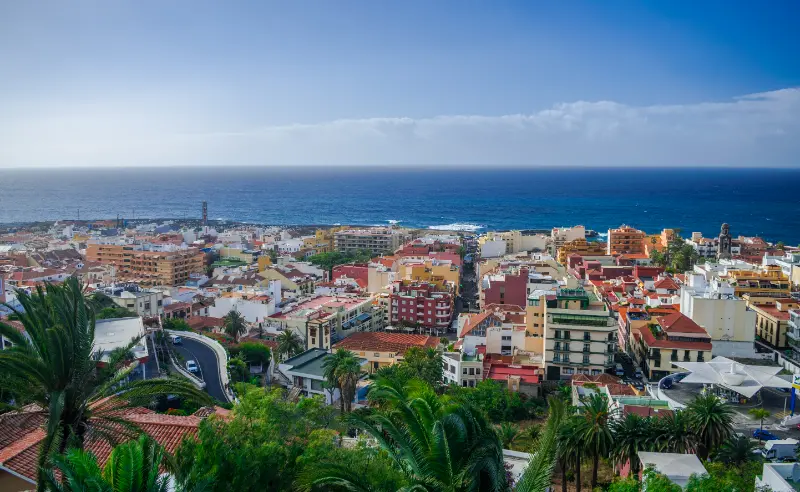
Puerto de la Cruz is where I would stay in Tenerife when I want the convenience of a tourist town without losing the feeling that I am in the north of the island. It has hotels, restaurants and attractions, but it also has an old fishing harbour, historic streets, black-sand beaches, gardens and the green Orotava Valley rising behind it. The atmosphere is very different from Costa Adeje or Los Cristianos.
It is also historically important to tourism in the Canary Islands. Puerto de la Cruz was receiving international visitors long before the large southern resorts existed. That older tourism tradition is still visible in its promenades, gardens and hotels, while neighbourhoods such as La Ranilla keep a more intimate street pattern. I would choose it for walking, food, northern scenery and easy access to La Orotava, Teide and the northwest.
Why stay in Puerto de la Cruz?
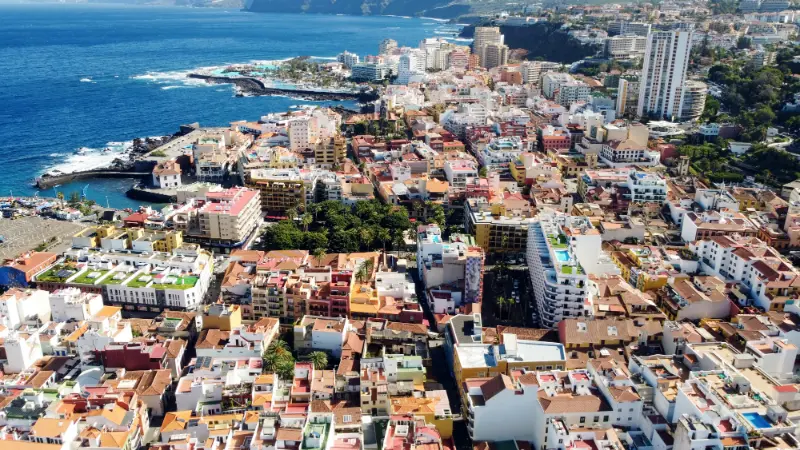
The strongest reason is variety within a compact area. You can walk from Lago Martiánez along the waterfront, pass San Telmo, reach Plaza del Charco and the old harbour, then continue into La Ranilla without needing a car. Cafés, shops and restaurants fill the spaces between. For a visitor who likes to leave the hotel and immediately be somewhere interesting, that is a major advantage.
The trade-off is weather. The north is greener because it is generally cloudier and more humid than the south. That does not mean constant rain, but if guaranteed pool-and-beach sunshine is your only priority, Costa Adeje is the safer choice. If landscape, culture and local atmosphere matter more, Puerto de la Cruz deserves serious consideration. Compare the options in where to stay in Tenerife.
Plaza del Charco and the historic centre
Plaza del Charco is the natural orientation point for a first walk. From here, I would wander without a rigid route: the old harbour, Casa de la Real Aduana, Plaza de Europa and nearby streets reveal the city’s relationship with the sea. Tenerife’s official tourism information notes that the protected historic centre contains more than 140 protected buildings, which explains why the town feels more layered than a purpose-built resort.
Do not rush this part. The appeal is not one spectacular monument but the sequence of balconies, squares, churches, seafront views and everyday life. It is ideal for the first afternoon after arrival because you can understand the town at walking pace.
La Ranilla and street art
La Ranilla began as a fishing neighbourhood and is now one of the most enjoyable areas for an evening wander. Traditional streets sit beside contemporary murals, small restaurants and creative businesses. Puerto Street Art turned large walls in the historic district into an open-air art route, giving the neighbourhood a character that feels more current than a conventional old town.
I like to visit in daylight to see the murals and then return for dinner. It is a good example of why Puerto de la Cruz works well for travellers who want to spend time in the place they are staying rather than leave the resort every morning.
Lago Martiánez and the seafront
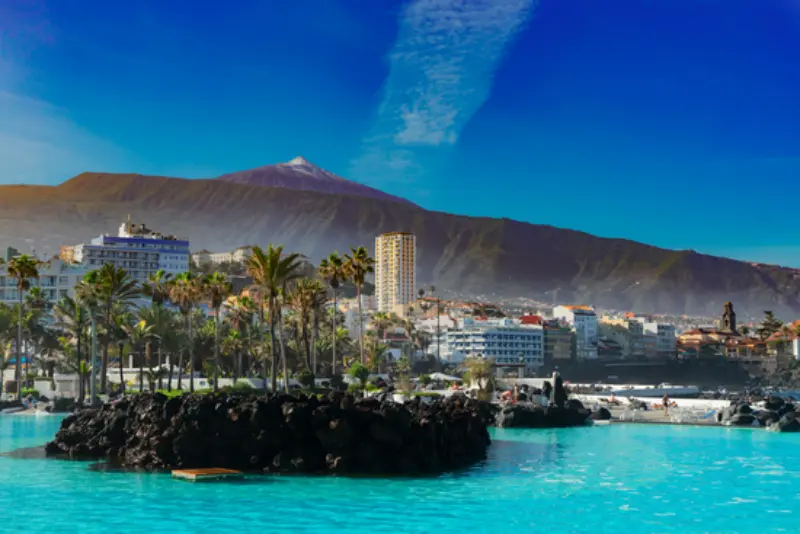
Lago Martiánez is one of the visual symbols of Puerto de la Cruz: a landscaped complex of seawater pools by the Atlantic, designed with the influence of Canarian artist César Manrique. It can be a useful alternative when the ocean is rough or when you want a relaxed pool day without staying at the hotel.
Conditions, maintenance and opening arrangements can change, so I always check official local information before planning a full day around any bathing complex. The seafront itself is worth walking even if you do not enter.
Beaches and ocean conditions
The north-coast beaches are volcanic and the Atlantic often feels more powerful here than at sheltered southern beaches. Playa Jardín is the best-known beach area near the town, while smaller bathing points sit along the coast. Always respect flags and temporary closures. Northern surf and water quality conditions can change after weather events, so current signs matter more than what an old travel article says.
If beach time is a major part of your holiday, combine Puerto de la Cruz with selected coastal stops around the island. My Tenerife beach guide explains the differences between sheltered resort beaches, black-sand beaches and natural pools.
Gardens and Loro Parque
Puerto de la Cruz is known for its gardens and long tourism tradition, and many visitors also come specifically for Loro Parque. Whether that attraction fits your personal views on wildlife tourism is an individual decision. If you visit, I would plan it as a major part of the day rather than trying to combine it with La Orotava, Garachico and a long drive.
For a quieter alternative, build a day around gardens, the historic centre and food. The town is rewarding even without ticketed attractions.
Day trips from Puerto de la Cruz
- La Orotava: only a short journey away and one of the island’s strongest historic centres.
- Teide National Park: excellent access from the Orotava Valley; plan for a major altitude change.
- Garachico: a beautiful northwest town with volcanic coastal history.
- Icod de los Vinos: useful to combine with Garachico or a wine-focused day.
- La Laguna and Anaga: a strong full-day trip east for architecture and laurel forest.
Puerto de la Cruz is especially good for slow travel because many interesting places are close enough that you do not need to cross the entire island each day.
Getting around
The town itself is walkable, although some neighbourhoods sit uphill. TITSA buses connect Puerto de la Cruz with other major towns and attractions, and a rental car is helpful for village days or flexible mountain routes. Parking in the centre can take patience, so I prefer accommodation with parking if I know I will drive every day.
If you are deciding between public transport and a car, read getting around Tenerife. For Teide, always check road and mountain conditions regardless of how you travel.
Where to stay
| Area | Best for | Character |
|---|---|---|
| Historic centre / Plaza del Charco | Walking, restaurants, atmosphere | Lively and central |
| Martiánez / Avenida de Colón | Seafront and Lago Martiánez | Classic tourism zone |
| La Paz / Botánico | Quieter hotels and views | Uphill from the centre |
| Punta Brava / Playa Jardín side | Coast and western access | More residential feel |
I would choose the historic centre for atmosphere or La Paz for a calmer hotel stay, but I would check the exact hill and parking situation before confirming. You can compare current Puerto de la Cruz accommodation once the neighbourhood is clear.
Food and evenings
Puerto de la Cruz is an easy place to eat well without planning every meal. The centre has a high density of restaurants, but I still look for menus that reflect northern Tenerife: fish, Canarian cheeses, potatoes with mojo, grilled meats and local wines. La Ranilla is especially pleasant for a relaxed dinner after a day trip.
For a more traditional food experience, drive into the Orotava Valley or nearby wine areas and try a guachinche where appropriate. My Tenerife food guide explains what to order and how guachinches differ from ordinary restaurants.
Best time to stay in Puerto de la Cruz
I like the north most when I am travelling for scenery, walking and food rather than chasing uninterrupted beach sunshine. Spring can be especially green; summer is popular with Spanish visitors; winter remains mild but cloud and showers are more likely than in the southwest. Bring a light layer even when the forecast looks warm.
The upside of that moisture is the landscape. The vegetation of the Orotava Valley and northern slopes is part of what makes the region special. Use my weather and season guide if you are deciding between north and south.
A one-day Puerto de la Cruz plan
If you are visiting rather than staying, I would begin near Martiánez, walk the seafront toward San Telmo, continue to Plaza del Charco and the old harbour, explore La Ranilla, have a slow lunch and then choose one final activity rather than three. Depending on your interests, that could be Lago Martiánez, a garden, Playa Jardín or simply another hour in the historic streets.
For current municipal information and walking ideas, I also use the official Tenerife tourism page for Puerto de la Cruz.
Why I like the town for repeat visitors
On a second Tenerife trip, Puerto de la Cruz becomes even more attractive because you may feel less pressure to spend every day visiting headline sights. You can use the town as a base for small northern excursions, come back for dinner, and enjoy cloudy periods without feeling the holiday has failed. That makes it particularly good for travellers who value atmosphere over guaranteed tanning weather.
Accessibility and hills
The waterfront and central streets are manageable for many visitors, but La Paz and other higher neighbourhoods involve substantial gradients. If mobility is limited, choose accommodation close to the level you expect to use most often. A beautiful view from high above town may mean repeated taxi journeys if the walk becomes uncomfortable.
Leave a Reply