Tag: Tenerife wine

  • Tenerife for Couples: Romantic Places, Hotels, Beaches and Experiences

    Tenerife for Couples: Romantic Places, Hotels, Beaches and Experiences

    Tenerife for couples works because the island can change mood several times in one day. A morning can begin with coffee in a historic town, continue through volcanic highlands and end with sunset beside the Atlantic. I would not build a romantic trip around a checklist of “couples attractions”; I would build it around privacy, beautiful settings and enough unscheduled time to enjoy being there together.

    The right base depends on the couple. Some want a luxury hotel and beach club, others prefer a rural house, a surf town or a walkable historic centre. Tenerife offers all of those without requiring a different island.

    Best areas for a couples trip

    Costa Adeje is the obvious choice for upscale hotels, spas, good restaurants and easy beach days. La Caleta feels quieter and more food-focused. El Médano suits couples who prefer a casual local atmosphere. Puerto de la Cruz combines gardens, old streets and the north-coast landscape. My where to stay in Tenerife guide compares the areas in detail.

    I choose the hotel by how we expect to spend evenings. A beautiful property far from restaurants can be perfect if we want resort time, but frustrating if we picture spontaneous walks to dinner every night.

    A romantic Teide day

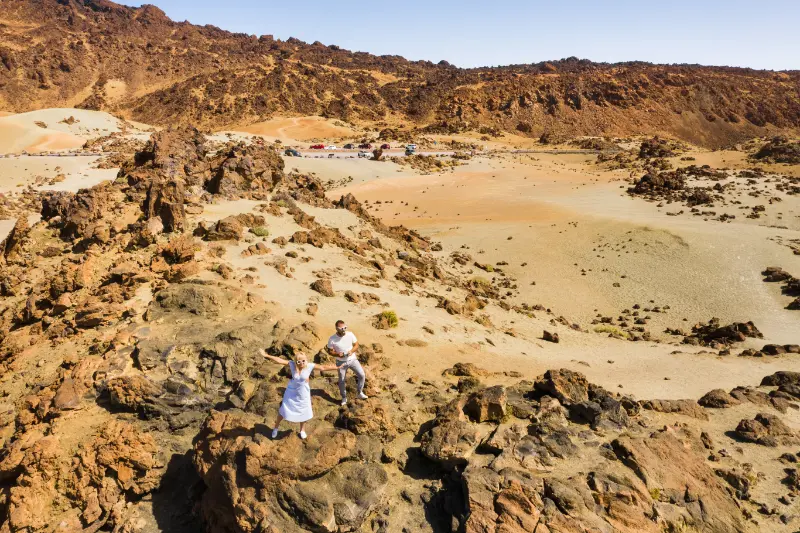
    Teide is one of the strongest couples experiences because the landscape feels genuinely different from the coast. I drive through the pine forest, stop at selected viewpoints and leave time to sit rather than rushing from car park to car park. My Teide guide explains cable-car and permit planning.

    For a special evening, I combine sunset with stargazing, using the practical advice in my stargazing guide. Warm clothes matter; romance fades quickly if both people are shivering in beachwear at 2,000 metres.

    Illustrated guide: Tenerife for Couples, with practical visitor tips
    Illustrated guide: Tenerife for Couples.

    Sunset without the crowds

    I do not chase only the most famous Instagram viewpoint. A quieter coastal promenade, a legal roadside mirador or a terrace near the accommodation can be more enjoyable than competing for parking at a viral spot. The best sunset is one where we can stay for the changing light without watching the clock.

    On the west coast, the Los Gigantes area can be dramatic; in the south, the long promenade offers easy options; in Anaga, I prioritise a safe drive back before darkness if mountain roads are unfamiliar.

    Beaches for two different moods

    For an easy swimming day I choose a serviced beach such as Playa del Duque or Las Vistas when conditions are calm. For scenery I might visit Benijo without expecting a swim. My best beaches guide separates practical bathing beaches from wild landscape beaches.

    I avoid pretending that secluded automatically means better. Remote beaches can involve difficult access, strong surf and no facilities. Sometimes a comfortable sunbed, lunch nearby and a sunset walk are exactly the romantic day we want.

    Whale watching as a shared experience

    A small-group responsible whale-watching trip can be a memorable couple activity, especially when the operator focuses on wildlife rather than party music. I follow my whale-watching guide and look for authorised, responsible providers.
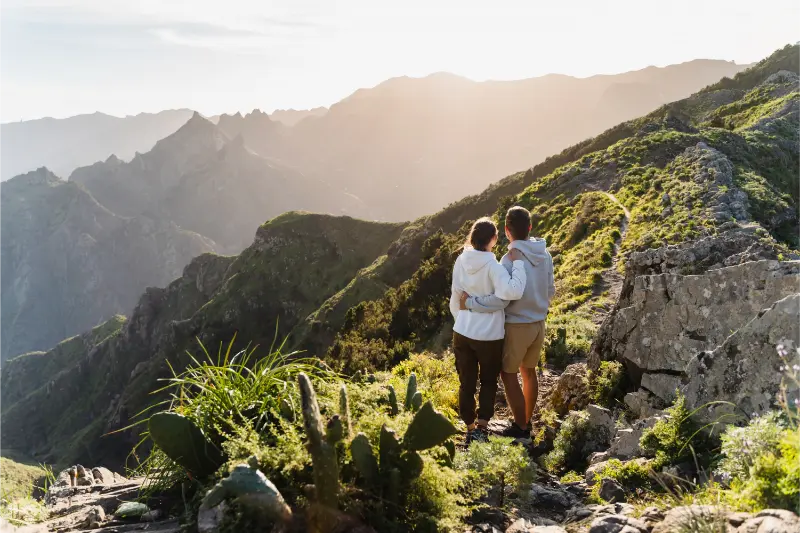
    Couple Exploring Tenerife

    I choose a morning or late-afternoon slot according to sea conditions and our tolerance for motion. I never book wildlife with a guarantee mindset; the experience is about being at sea in an important cetacean habitat, not collecting a promised photograph.

    Wine, food and guachinches

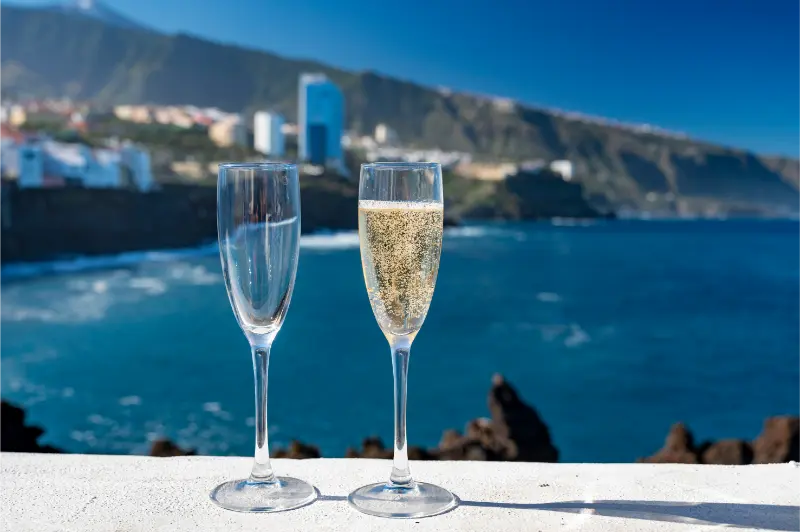
    A winery visit is a natural couples day if neither person needs to drive afterward. Tenerife’s volcanic soils and multiple wine regions make tasting more interesting when the producer explains altitude and grape varieties. My wine guide helps plan the region.

    For a casual meal, a guachinche can be more memorable than formal dining. My food guide covers local dishes. I mix one special restaurant with simple local meals rather than making every dinner an expensive event.

    Historic towns for a slower day

    La Laguna, La Orotava and Garachico are ideal when we want to walk, talk and stop for coffee without a strict timetable. Each has a different feel: UNESCO urban history in La Laguna, balconies and valley views in La Orotava, and volcanic coastal history in Garachico.

    I choose one or two towns in a day, not five. Couples trips improve when there is time to notice details instead of spending the afternoon getting in and out of a car.

    A spa or hotel day is not wasted time

    On a seven- or ten-night trip, I deliberately schedule half a day with no sightseeing. A spa, pool, long breakfast or private terrace can be part of the destination, especially after hiking or driving days.

    When choosing accommodation, I decide whether I will actually use resort facilities. If yes, paying a little more for the right hotel can produce better value than booking a basic room and then paying separately for every leisure activity. You can compare romantic and adults-focused stays in Tenerife while checking current guest reviews.

    Active couples: hiking and water sports

    For active couples I combine one mountain walk with one ocean activity. Anaga offers forest hiking, Teno gives rugged western landscapes, and El Médano is the obvious base for wind sports. My hiking guide and snorkeling and diving guide help choose realistic levels.

    I do not turn shared adventure into pressure. If one person is a confident diver and the other is not, a beginner session or boat day may be more enjoyable than forcing identical activities.

    Where I would stay for an anniversary or honeymoon

    For a special occasion, I prioritise room quality, quiet at night, breakfast and the immediate surroundings. A sea view matters only if the room orientation and balcony genuinely allow us to use it. I read recent reviews for construction noise and entertainment schedules.

    I also tell the hotel about a real anniversary or honeymoon when booking, but I never assume a free upgrade. If a specific room category matters, I book it rather than hoping for a surprise.

    A four-day couples plan inside a longer holiday

    My favourite sequence is: relaxed south-coast day, Teide and stars, a historic north-coast day, then whale watching or a beach afternoon. After that, I let the rest of the holiday follow energy and weather.

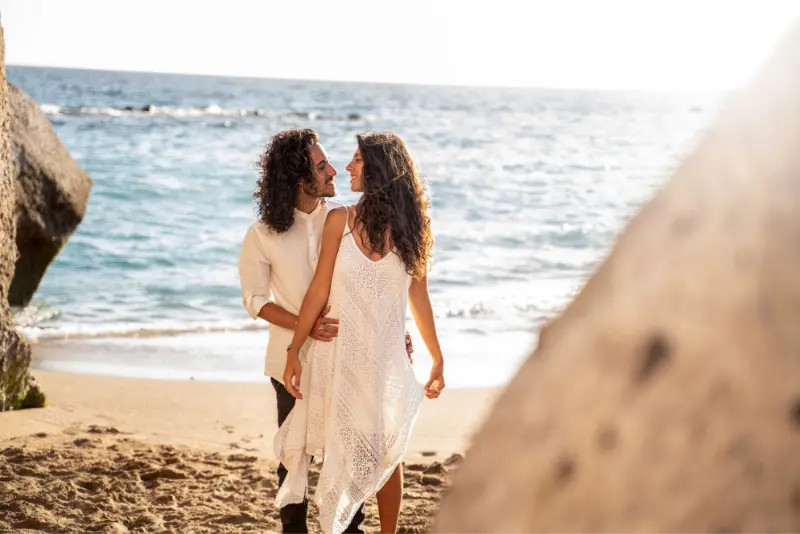
    Couple On A Tenerife Beach

    This rhythm creates contrast without turning romance into logistics. The most valuable ingredient is often an empty evening.

    Couples without a car

    A no-car couples holiday is easy from a walkable southern resort or Puerto de la Cruz. I use buses for cities and major corridors, taxis for occasional evenings and organised tours for a mountain day. My no-car guide explains the trade-offs.

    Not driving can actually improve a wine or nightlife evening because neither person has to stay sober for the return. I include transport in the activity budget rather than treating it as an afterthought.

    What I avoid on a romantic trip

    I avoid overbooking dinner reservations every night, changing hotels too often and planning sunrise after a late night simply because a social-media itinerary says to. I also avoid remote sunset drives if the driver is uncomfortable on mountain roads in darkness.

    A romantic itinerary should reduce friction. Fewer transitions, better timing and a room we genuinely like are more important than the number of attractions visited.

    Frequently asked questions

    Is Tenerife good for couples?

    Yes. The island combines beaches, mountain scenery, restaurants, wineries, historic towns and upscale resorts, so couples can build very different styles of trip.

    Which area is best for couples?

    Costa Adeje is convenient for upscale resort stays, while La Caleta, El Médano, Puerto de la Cruz and rural areas suit different moods.

    What is the most romantic Tenerife experience?

    There is no single answer, but Teide sunset and stargazing, a quiet coastal dinner, winery visit or small-group boat trip can all work beautifully.

    Do couples need a car?

    Not necessarily. A walkable resort plus buses, taxis and selected tours can be easier if neither person wants to drive.

    How many nights are ideal?

    A week gives enough time for beach relaxation and several landscape days. Ten nights is even better if you want north and south without rushing.

    Photographs without turning the trip into a photo shoot

    I choose one or two places where we genuinely want photographs and keep the rest of the day normal. A small tripod or asking another visitor for one picture is enough. I avoid climbing barriers, entering private terraces or blocking viewpoints for staged images.
    Couple On Holiday In Tenerife

    The pictures I value most usually come from ordinary moments: coffee in La Laguna, wind in El Médano, a quiet bench above the ocean. Tenerife provides enough scenery that there is no need to manufacture drama.

    Planning a surprise without creating stress

    If I want to arrange a birthday dinner, proposal, private spa treatment or special excursion, I confirm the logistics directly with the venue and build spare time around it. I do not schedule the surprise immediately after a long mountain drive or a flight because delays turn romance into pressure. For restaurants, I mention dietary needs and whether an outdoor table depends on weather. For a proposal at a viewpoint or beach, I also respect access rules and other visitors rather than trying to reserve a public landscape for ourselves.
  • What to Eat in Tenerife: Local Dishes, Guachinches and Food Tips

    What to Eat in Tenerife: Local Dishes, Guachinches and Food Tips

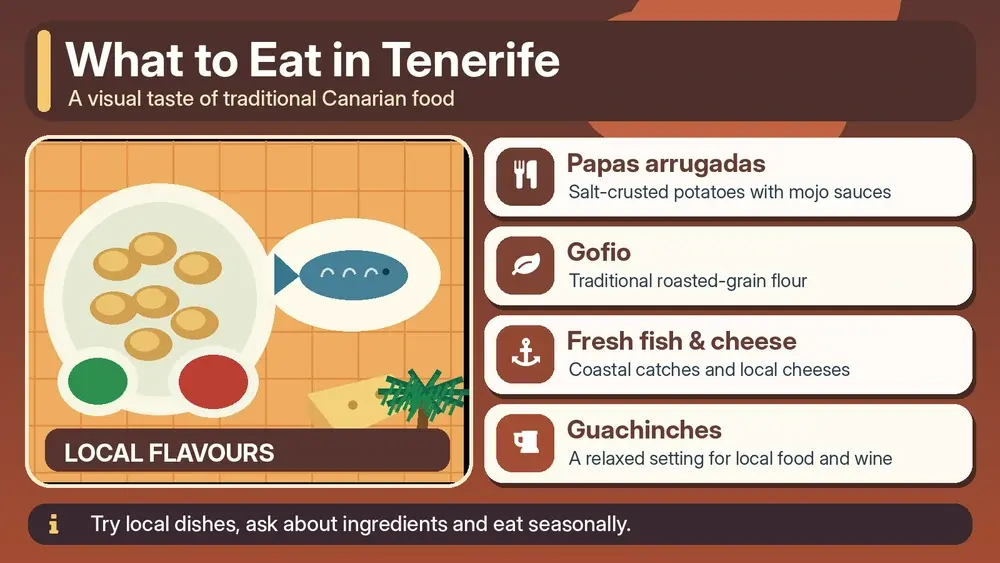
    Food is one of the easiest ways to move beyond the resort version of Tenerife. The island’s cooking reflects the wider Canary Islands tradition—simple ingredients, strong sauces, potatoes, fish, meat, cheese and gofio—while local wine regions and the contrast between coast and agricultural north add their own character. You do not need to chase famous restaurants to eat well; some of my favourite Tenerife food experiences are uncomplicated.

    This guide is about what to look for on menus and how to build food into a holiday naturally. I would mix traditional lunches, market stops, casual fish meals and the occasional guachinche-style experience rather than trying to make every meal a culinary event.

    Papas arrugadas and mojo

    The dish most travellers encounter first is papas arrugadas: small potatoes traditionally cooked with plenty of salt and served with mojo. Mojo rojo usually brings red pepper or paprika flavours and can range from mild to spicy; mojo verde commonly uses herbs such as coriander or parsley. Recipes vary from place to place.

    Order them as a side or shared starter. The useful lesson is that ‘mojo’ is not one standard sauce. Try it in several places and you will notice differences in acidity, garlic, heat and texture.

    Gofio: older than the tourist menu

    Gofio is roasted grain flour with deep roots in Canarian food culture. It can appear in soups, desserts, drinks or mixed preparations such as escaldón. Its toasted flavour can surprise travellers who expect a conventional flour. I recommend trying a small traditional preparation rather than buying a large bag as a souvenir before you know whether you enjoy it.

    Vegetable Soup At A Masca Village Inn Tenerife

    Fresh fish and coastal meals

    Tenerife’s fishing towns and coastal restaurants are natural places to look for local fish. The exact catch changes, so I prefer asking what is fresh rather than ordering a species only because it appeared in a guide. Grilled or simply prepared fish lets the ingredient remain the focus. Octopus, limpets and other seafood also appear on menus, but availability and preparation vary.

    A good coastal meal works especially well on a day around Los Abrigos, Garachico, Puerto de la Cruz or smaller fishing communities. I would choose a restaurant with a clear menu and recent local reviews rather than assuming every waterfront table is automatically authentic.

    Canarian cheeses

    Canary Islands cheeses are worth seeking out, particularly goat and mixed-milk styles. They can be served fresh, semi-cured or cured, sometimes grilled and paired with mojo or palm-derived accompaniments. A cheese plate is an easy way for two people to compare several styles without committing to a heavy main course.

    Meat dishes: goat, rabbit and grilled meats

    Traditional menus may include goat, rabbit in salmorejo-style marinades and simple grilled pork or beef dishes. These foods are especially associated with inland and rural restaurants. Portions can be generous, so shared starters plus one main per person may already be plenty.

    If you are uncomfortable ordering an unfamiliar meat, ask how it is prepared. A rural menu does not need to become a test of bravery; the point is to understand local cooking, not to order the most unusual item.

    What is a guachinche?

    The word guachinche is heavily used in Tenerife marketing, but traditionally it refers to simple, seasonal establishments linked to local wine production and homemade food, especially in the north. Modern usage is broader, and not every business with the word on its sign follows the historic model.

    I go for the spirit of the experience: local wine, a short menu, simple Canarian dishes and a relaxed setting. Expect less polished service than at a resort restaurant and see that as part of the difference. If you have dietary restrictions, ask clearly because menus may be brief and ingredients less standardised.

    Tenerife wine

    Tenerife has several wine-growing areas shaped by volcanic soils, altitude and microclimates. Local whites can be especially refreshing with fish, while reds and rosés vary by producer and zone. You may encounter grape varieties that are unfamiliar outside the Canary Islands.

    If wine is a major interest, visit a bodega or plan a tasting rather than trying to learn the whole island from supermarket shelves. Do not drive after tasting; combine a winery with a taxi, tour or designated driver.

    Markets and food shopping

    Markets are useful for fruit, cheese, baked goods and a glimpse of everyday food culture. They also help on apartment holidays because you can build simple breakfasts or picnic lunches. Opening days and stall activity vary, so verify the current schedule before making a long detour.

    Aperitif In Tenerife

    Canarian bananas are an obvious local product, but also look for seasonal tropical fruit, avocados, tomatoes and local preserves. For hiking days, I buy practical food the evening before rather than searching for an open shop in a mountain village at 7 a.m.

    What to order on your first traditional meal

    • Papas arrugadas with mojo to share
    • A local cheese starter
    • Fresh fish or a simple Canarian meat dish
    • A seasonal vegetable or salad
    • A glass of local wine if you are not driving
    • A small dessert or coffee rather than over-ordering from the start

    Eating in Costa Adeje, Los Cristianos and resort areas

    The south has an enormous restaurant selection, from Canarian food to international cuisine. I do not avoid resort restaurants completely; convenience matters. Instead, I use them strategically. Have an easy dinner near the hotel after Teide, then use a north-coast or inland day for a more traditional lunch.

    Walk a few streets away from the most obvious seafront strip and compare menus. A long menu covering ten cuisines is not automatically bad, but it is not where I would start if my goal is to understand Tenerife food.

    Eating in north Tenerife

    The north is particularly rewarding for food-focused travellers because rural restaurants, wine areas and traditional towns are close together. La Orotava, Tacoronte-Acentejo areas, Puerto de la Cruz and smaller communities can all fit into a food-oriented driving day. I would rather reserve time for one long lunch than collect five towns and eat a sandwich in the car.

    Vegetarian and vegan travellers

    Tenerife’s tourist areas have plenty of vegetarian and vegan options, but traditional menus can be meat- and fish-heavy. Papas, salads, vegetable dishes and some gofio preparations may work, yet sauces or broths can contain animal products. Ask rather than assume. In rural establishments with very short menus, advance checking is useful.

    Tenerife Seafront Restaurant Terrace

    Allergies and dietary restrictions

    Use clear Spanish wording for serious allergies and do not rely only on an app translation. European allergen rules help, but cross-contact can still occur in small kitchens. If a condition is medically significant, carry the necessary medication and choose restaurants where staff can confidently explain ingredients.

    Coffee, breakfast and timing

    Breakfast habits vary with accommodation. If I have hotel breakfast included, I keep it simple and save appetite for lunch. In towns, café culture makes a morning coffee and pastry an enjoyable break between sightseeing stops. Dinner in tourist areas can be early by Spanish standards, but more local restaurants may follow later rhythms.

    Food budget strategy

    I balance one or two memorable meals with inexpensive breakfasts, casual lunches and supermarket supplies. Ordering shared starters keeps costs and waste down. Wine, waterfront location and highly tourist-focused zones raise prices more than simple local dishes themselves.

    Food experiences that combine well with sightseeing

    Area/dayFood idea
    La Orotava / northTraditional lunch + local wine
    Los Gigantes / westFish or seafood after a coastal morning
    La LagunaCafé and tapas-style meal around the historic centre
    El MédanoCasual lunch after beach or wind-sports time
    Teide dayPicnic/snacks for the mountain, proper meal after descent

    My rule for finding good food

    I look for a clear identity. A fish restaurant should feel like it cares about fish; a rural Canarian place should not need an enormous menu; a wine-focused establishment should be able to tell you what is local. Recent reviews are useful for consistency, but I do not chase a place only because it is viral.

    The goal is to let food connect the different landscapes of the island. Eat seafood on the coast, try wine and rustic cooking inland, and use markets to understand what grows locally. Combined with the main Tenerife travel guide and 7-day itinerary, food becomes part of the route rather than a separate list of restaurants.

    Restaurant habits that improve the experience

    • Ask what is local or seasonal rather than only what is “most popular”.
    • Share starters so you can try more dishes without waste.
    • If a fish is priced by weight, ask for the approximate size before ordering.
    • Do not drive after a wine tasting.
    • Carry a written allergy card in Spanish for serious dietary needs.
    • Reserve popular weekend rural restaurants when possible.

    Souvenirs I would actually take home

    Local wine, mojo products, selected cheeses where transport rules allow, gofio, honey and small artisan foods are more meaningful to me than generic island-branded gifts. Check airline and destination rules for liquids, fresh foods and animal products before packing them.