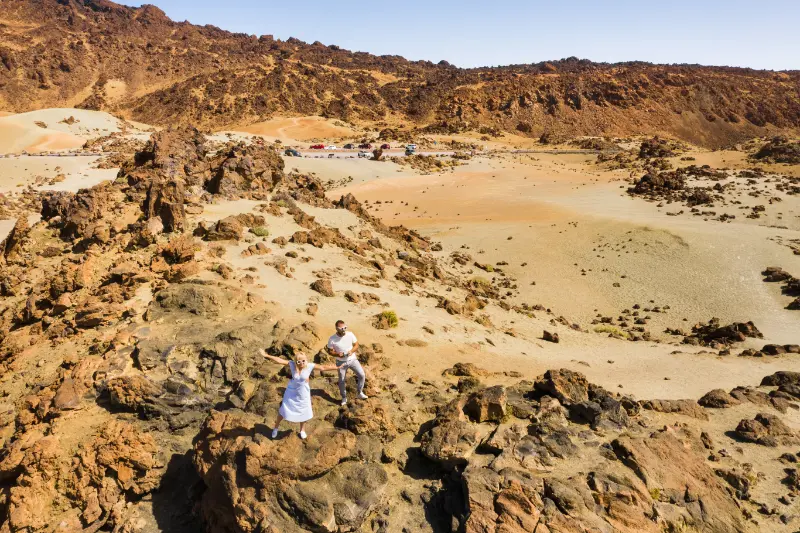
Quick summary: For couples, I think Tenerife works best when the itinerary leaves room for conversation and spontaneity. I would rather plan one memorable anchor per day than chase a sunrise, boat, tasting, viewpoint and fine-dining reservation in the same twelve hours. The island already provides the drama: volcanic landscapes, Atlantic cliffs, vineyards and old towns. The romantic part is having enough time to notice them.
Who this itinerary is for
This week suits couples on a first or second Tenerife trip, including anniversaries and honeymoons, but it is deliberately not a “luxury only” plan. A picnic at a viewpoint, a market lunch or a black-sand walk can be as memorable as a hotel spa. I mix paid experiences with ordinary island time.
The base I would choose
Costa Adeje is easy for comfortable hotels, beaches and dining; Puerto de la Cruz gives more northern character; a split stay can work for seven nights only if the couple enjoys changing hotels. My default is one good base plus one special rural or boutique night only when that overnight is itself part of the experience.
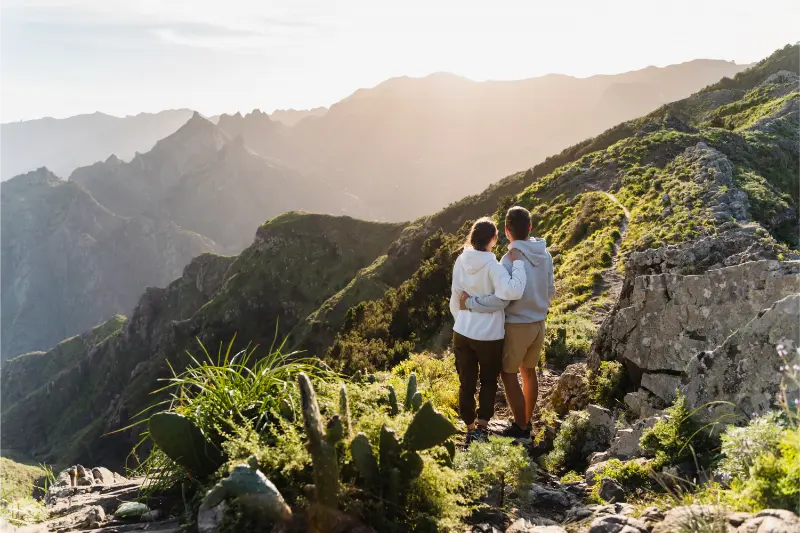
Itinerary at a glance
| Day | Main area | Why it works |
|---|---|---|
| Day 1 | Slow arrival and sunset close to the hotel | Unpack, walk the coast and choose a relaxed dinner. Do not begin a romantic trip with an argument about a mountain road after a delayed flight. |
| Day 2 | Teide and volcanic landscapes | Use the daylight for Teide, Roques de García and viewpoints. Add stargazing only if the day is not already exhausting and the return drive is comfortable. |
| Day 3 | Beach, spa or long lunch | Leave the schedule almost empty. Choose one beach, pool or wellness experience and protect the evening for a restaurant you genuinely want. |
| Day 4 | La Laguna + Anaga | Historic streets in the morning, a forest or viewpoint in the afternoon, then return before the mountain roads become tiring. |
| Day 5 | Wine country and north-coast food | Explore La Orotava, Tacoronte-Acentejo or another wine area. If tasting, use a driver, tour or public transport rather than negotiating who stays sober. |
| Day 6 | Los Gigantes or responsible whale watching | Use the west for cliffs, a boat trip and sunset. Keep the sea schedule flexible because wildlife and conditions are not staged. |
| Day 7 | Favourite place, proposal/anniversary option and departure | Repeat a place you loved or plan one meaningful final meal. Do not make the final morning dependent on a long transfer. |
Day 1: Slow arrival and sunset close to the hotel
Unpack, walk the coast and choose a relaxed dinner. Do not begin a romantic trip with an argument about a mountain road after a delayed flight.
I keep this day geographically compact. Tenerife rewards clustering because the hidden time is rarely the motorway itself; it is parking, mountain bends, finding the correct entrance and stopping at places that were not in the original plan. One area explored well usually feels richer than three areas photographed quickly.
Day 2: Teide and volcanic landscapes
Use the daylight for Teide, Roques de García and viewpoints. Add stargazing only if the day is not already exhausting and the return drive is comfortable.
I check official Teide information and Tenerife ON before leaving. I separate the park experience from summit ambitions: viewpoints, lava landscapes and established walks are already a complete day. If a cable-car or controlled trail is part of the plan, I treat the reservation and current access rules as fixed, then keep the rest of the day flexible.
Day 3: Beach, spa or long lunch
Leave the schedule almost empty. Choose one beach, pool or wellness experience and protect the evening for a restaurant you genuinely want.
On the coast I let sea conditions decide the swimming part of the day. I use the Tenerife safety guide and respect flags, lifeguards and local closures. A coastal day is still worthwhile when the ocean is too rough to swim: promenades, harbours, food and viewpoints remain available.
Day 4: La Laguna + Anaga
Historic streets in the morning, a forest or viewpoint in the afternoon, then return before the mountain roads become tiring.
In Anaga I plan for cloud, narrow roads and slower travel than the map suggests. Cruz del Carmen is a practical anchor because it gives me visitor information and access to shorter walks. I do not assume that a clear south-coast morning means a dry ridge in the northeast.
Day 5: Wine country and north-coast food
Explore La Orotava, Tacoronte-Acentejo or another wine area. If tasting, use a driver, tour or public transport rather than negotiating who stays sober.
On the coast I let sea conditions decide the swimming part of the day. I use the Tenerife safety guide and respect flags, lifeguards and local closures. A coastal day is still worthwhile when the ocean is too rough to swim: promenades, harbours, food and viewpoints remain available.
Day 6: Los Gigantes or responsible whale watching
Use the west for cliffs, a boat trip and sunset. Keep the sea schedule flexible because wildlife and conditions are not staged.
On the coast I let sea conditions decide the swimming part of the day. I use the Tenerife safety guide and respect flags, lifeguards and local closures. A coastal day is still worthwhile when the ocean is too rough to swim: promenades, harbours, food and viewpoints remain available.
Day 7: Favourite place, proposal/anniversary option and departure
Repeat a place you loved or plan one meaningful final meal. Do not make the final morning dependent on a long transfer.
I keep this day geographically compact. Tenerife rewards clustering because the hidden time is rarely the motorway itself; it is parking, mountain bends, finding the correct entrance and stopping at places that were not in the original plan. One area explored well usually feels richer than three areas photographed quickly.
Sunset without turning it into a race
I use the sunset guide to choose a place near the day’s route. I do not cross Tenerife simply because social media says one viewpoint is “the most romantic.” A calm sunset ten minutes from dinner usually beats a famous one followed by ninety minutes of night driving.
Wine and food as part of the route
The island’s wine culture is easiest to appreciate when it is attached to a north-coast day. I combine Tenerife wine with a market, historic town or guachinche instead of treating tasting as a detached excursion. If alcohol is involved, transport is planned before the first glass.
When I would add a special occasion
For a proposal or anniversary I use the proposal guide or the celebration guide and keep a weather-proof backup. The best plan is meaningful even if cloud hides the sunset.
Transport: the decision that changes the whole itinerary
I compare the route with my Tenerife by car guide and the no-car guide. A rental car is valuable for Teide, Anaga, Teno and multi-stop days, but it can be unnecessary on beaches, city walks and evenings. Selective rental often gives the best balance: drive when the car creates access, and leave it parked when it only creates a parking problem.

I build extra margin around the first and last day. Airport pickup, baggage, fuel return and traffic are not sightseeing, but they consume real time. I would rather arrive at dinner early than turn a delayed flight into a rushed mountain drive. On departure day I work backward from the airline’s check-in and security requirements and then add the road or public-transport margin.
Weather and microclimates: why I keep one day flexible
Tenerife can place sun, cloud, wind and high-altitude cold inside the same itinerary. I use the Tenerife weather forecast guide and move the most weather-sensitive day when I can. Teide needs visibility and safe high-altitude conditions; Anaga can be wet or foggy; north-coast swimming depends on swell. A flexible day is not empty time—it is insurance for the experience I care about most.
I pack layers even when the hotel forecast looks warm. A light jacket, water, sun protection and shoes suitable for the day are more useful than trying to predict one island-wide temperature. If an official alert, road closure or protected-area restriction changes the plan, I treat that as a reason to switch area, not as a challenge to find a shortcut.
Where I would stay
I choose accommodation by evening life and morning logistics, not only by star rating. For current availability I compare Tenerife accommodation on Booking.com. I check the exact map position, slope, parking or bus stop, reception hours and how long the first major day will take from the property. A good base can save more holiday time than a slightly cheaper room on the wrong side of the island.
What I would book in advance—and what I would keep open
I book the things where capacity or a fixed slot matters: accommodation, any controlled high-altitude or protected trail, a specific boat departure, a major attraction on a peak day and a restaurant that is genuinely central to the trip. I keep ordinary beaches, viewpoints, cafés and many town visits open. Tenerife is more enjoyable when weather and energy can still change the order of the week.
For activities, I read the cancellation terms before paying and check whether transport, equipment or permits are actually included. A cheap headline price can be poor value if it requires a separate transfer or locks me into a weather-sensitive day. When a guided excursion solves real logistics, I am happy to use one.
Food rhythm: how I avoid eating badly because the itinerary is too full
I use my Tenerife food guide to choose a few local dishes, then keep meals close to the day’s geography. A long lunch in La Orotava makes sense on a north-coast day; a harbour fish meal belongs with the coast. I carry water and a small snack so hunger does not force an unnecessary detour just before a hike, boat or sunset.
The planning mistakes I would avoid
- Treating the driving time shown on a map as the total time needed for the stop.
- Booking the most weather-sensitive experience on the only day that cannot move.
- Changing hotels too often on a short itinerary and losing hours to packing and check-in.
- Trying to combine Teide, Anaga, Masca and a beach simply because they fit on one island map.
- Using old screenshots for trail, transport or attraction rules instead of checking the current operator or authority.
- Saving every good restaurant for dinner after a long drive instead of using lunch to anchor the region I am already visiting.
Frequently asked questions
Is Tenerife romantic outside the resorts?
Very much so. Vineyards, old towns, forest roads, volcanic viewpoints and quiet coastlines create a broader couples trip than a hotel-only break.
Should couples rent a car?
A car is useful for flexible scenic days, but I avoid driving after wine tastings and use tours or taxis when that makes the evening easier.
Where is the best base for couples?
Costa Adeje for polished resort comfort, Puerto de la Cruz for northern character, La Laguna for culture, and rural properties for a quieter stay.
Is a split stay worth it for seven days?
Only if both accommodations are part of the experience. Otherwise one base saves time and keeps the week relaxed.
What is the most important romantic-planning tip?
Leave gaps. A couple’s trip becomes less romantic when every sunset and dinner is a timed appointment.

My final advice
The best tenerife couples itinerary is the one I can still enjoy when one detail changes. I protect the big experiences with sensible geography, current information and enough margin, then leave the smaller choices open. Tenerife has too many good alternatives for a holiday to depend on one perfect sequence.
I treat this itinerary as a framework rather than a promise that every road, trail, beach or timetable will behave exactly the same on the travel date. Before any activity where access, safety, weather or a paid booking matters, I recheck the official source. That habit lets me travel more freely because the important constraints are handled before the day begins.