Tag: Tenerife North

  • North Tenerife Itinerary: 5 Days from La Laguna to Garachico

    North Tenerife Itinerary: 5 Days from La Laguna to Garachico

    Quick summary: North Tenerife deserves its own itinerary because it is not just “the cloudier side.” The north holds the historic university city of La Laguna, Anaga’s laurel forest, the Orotava Valley, Puerto de la Cruz, volcanic Garachico and the quieter Isla Baja. In five days I can connect those places without commuting from a southern resort every morning.

    Who this itinerary is for

    This route suits travellers who value historic streets, green landscapes, black-sand coast, local food and walking more than resort nightlife. It is also excellent for a second Tenerife trip. I still keep one Teide option available because the northern approach into the highlands is one of the island’s great landscape changes.

    The base I would choose

    Puerto de la Cruz is the easiest single base for this five-day route. La Laguna is better for Anaga and urban culture, while Garachico or Los Silos suits a deliberately slow northwest stay. A two-base plan can work: two nights near La Laguna, then three around Puerto de la Cruz or Isla Baja.

    Itinerary at a glance

    DayMain areaWhy it works
    Day 1La LagunaWalk the UNESCO centre, courtyards and churches, eat locally and use the afternoon for Tegueste or a short viewpoint rather than rushing into Anaga.
    Day 2Anaga Rural ParkStart at Cruz del Carmen, choose one walk, then add Taganana or the coast only if road and weather conditions make the day comfortable.
    Day 3Puerto de la Cruz + La OrotavaSplit the day between seafront Puerto de la Cruz and historic La Orotava. This works well without constant car movement.
    Day 4Garachico + Icod or Los SilosUse the lava-coast history of Garachico as the anchor, then choose one neighbouring town. Swim in natural pools only when conditions are safe.
    Day 5Isla Baja or north-side Teide approachChoose Buenavista/El Tanque for a slow northwest finish, or climb toward Teide if weather is clear and the flight is not immediately afterwards.

    Day 1: La Laguna

    Walk the UNESCO centre, courtyards and churches, eat locally and use the afternoon for Tegueste or a short viewpoint rather than rushing into Anaga.

    I keep this day geographically compact. Tenerife rewards clustering because the hidden time is rarely the motorway itself; it is parking, mountain bends, finding the correct entrance and stopping at places that were not in the original plan. One area explored well usually feels richer than three areas photographed quickly.

    Day 2: Anaga Rural Park

    Start at Cruz del Carmen, choose one walk, then add Taganana or the coast only if road and weather conditions make the day comfortable.

    In Anaga I plan for cloud, narrow roads and slower travel than the map suggests. Cruz del Carmen is a practical anchor because it gives me visitor information and access to shorter walks. I do not assume that a clear south-coast morning means a dry ridge in the northeast.

    Light filtering through the laurel forest in Anaga

    Day 3: Puerto de la Cruz + La Orotava

    Split the day between seafront Puerto de la Cruz and historic La Orotava. This works well without constant car movement.

    I keep this day geographically compact. Tenerife rewards clustering because the hidden time is rarely the motorway itself; it is parking, mountain bends, finding the correct entrance and stopping at places that were not in the original plan. One area explored well usually feels richer than three areas photographed quickly.

    Day 4: Garachico + Icod or Los Silos

    Use the lava-coast history of Garachico as the anchor, then choose one neighbouring town. Swim in natural pools only when conditions are safe.

    I keep this day geographically compact. Tenerife rewards clustering because the hidden time is rarely the motorway itself; it is parking, mountain bends, finding the correct entrance and stopping at places that were not in the original plan. One area explored well usually feels richer than three areas photographed quickly.

    Day 5: Isla Baja or north-side Teide approach

    Choose Buenavista/El Tanque for a slow northwest finish, or climb toward Teide if weather is clear and the flight is not immediately afterwards.

    I check official Teide information and Tenerife ON before leaving. I separate the park experience from summit ambitions: viewpoints, lava landscapes and established walks are already a complete day. If a cable-car or controlled trail is part of the plan, I treat the reservation and current access rules as fixed, then keep the rest of the day flexible.

    Why I do not commute from Costa Adeje every day

    The motorway makes north-south travel possible, but a five-day north itinerary is much better when the evening base is actually in the region. I use Puerto de la Cruz, La Laguna and Isla Baja to decide which atmosphere I want after sightseeing.

    Weather in the north is part of the experience

    Cloud and humidity create the green landscapes visitors come to see. I pack a light layer and keep the coast, towns and forests interchangeable. A grey morning in Puerto de la Cruz does not mean the whole day is lost; Teide or another coast can be clear.

    How I connect Garachico without overloading the day

    Garachico can absorb several hours once I include the historic centre, volcanic story and lunch. I add either Icod, Los Silos or Buenavista, not all three. That gives me time to notice the northwest rather than simply photograph its town signs.
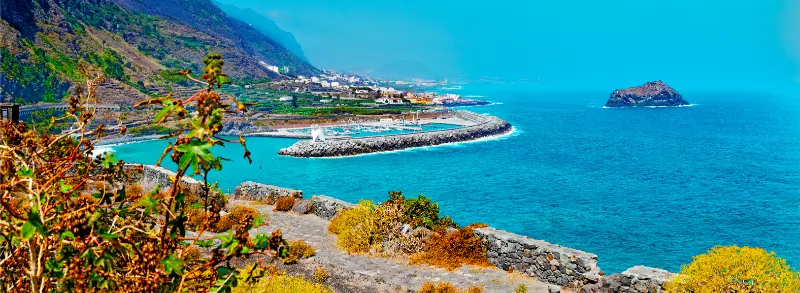
    The Garachico coastline and offshore Roque de Garachico

    Transport: the decision that changes the whole itinerary

    I compare the route with my Tenerife by car guide and the no-car guide. A rental car is valuable for Teide, Anaga, Teno and multi-stop days, but it can be unnecessary on beaches, city walks and evenings. Selective rental often gives the best balance: drive when the car creates access, and leave it parked when it only creates a parking problem.

    I build extra margin around the first and last day. Airport pickup, baggage, fuel return and traffic are not sightseeing, but they consume real time. I would rather arrive at dinner early than turn a delayed flight into a rushed mountain drive. On departure day I work backward from the airline’s check-in and security requirements and then add the road or public-transport margin.

    Weather and microclimates: why I keep one day flexible

    Tenerife can place sun, cloud, wind and high-altitude cold inside the same itinerary. I use the Tenerife weather forecast guide and move the most weather-sensitive day when I can. Teide needs visibility and safe high-altitude conditions; Anaga can be wet or foggy; north-coast swimming depends on swell. A flexible day is not empty time—it is insurance for the experience I care about most.

    I pack layers even when the hotel forecast looks warm. A light jacket, water, sun protection and shoes suitable for the day are more useful than trying to predict one island-wide temperature. If an official alert, road closure or protected-area restriction changes the plan, I treat that as a reason to switch area, not as a challenge to find a shortcut.

    San Cristobal De La Laguna Panoramic View Tenerife

    Where I would stay

    I choose accommodation by evening life and morning logistics, not only by star rating. For current availability I compare Tenerife accommodation on Booking.com. I check the exact map position, slope, parking or bus stop, reception hours and how long the first major day will take from the property. A good base can save more holiday time than a slightly cheaper room on the wrong side of the island.

    What I would book in advance—and what I would keep open

    I book the things where capacity or a fixed slot matters: accommodation, any controlled high-altitude or protected trail, a specific boat departure, a major attraction on a peak day and a restaurant that is genuinely central to the trip. I keep ordinary beaches, viewpoints, cafés and many town visits open. Tenerife is more enjoyable when weather and energy can still change the order of the week.

    For activities, I read the cancellation terms before paying and check whether transport, equipment or permits are actually included. A cheap headline price can be poor value if it requires a separate transfer or locks me into a weather-sensitive day. When a guided excursion solves real logistics, I am happy to use one.

    Food rhythm: how I avoid eating badly because the itinerary is too full

    I use my Tenerife food guide to choose a few local dishes, then keep meals close to the day’s geography. A long lunch in La Orotava makes sense on a north-coast day; a harbour fish meal belongs with the coast. I carry water and a small snack so hunger does not force an unnecessary detour just before a hike, boat or sunset.

    The planning mistakes I would avoid

    • Treating the driving time shown on a map as the total time needed for the stop.
    • Booking the most weather-sensitive experience on the only day that cannot move.
    • Changing hotels too often on a short itinerary and losing hours to packing and check-in.
    • Trying to combine Teide, Anaga, Masca and a beach simply because they fit on one island map.
    • Using old screenshots for trail, transport or attraction rules instead of checking the current operator or authority.
    • Saving every good restaurant for dinner after a long drive instead of using lunch to anchor the region I am already visiting.

    Frequently asked questions

    Is North Tenerife worth five days?

    Yes. Five days lets the north feel like a destination in its own right rather than a series of day trips from the south.

    Is Puerto de la Cruz the best base?

    It is the easiest all-round base for most visitors, but La Laguna is better for Anaga and Garachico/Los Silos is better for slow northwest travel.

    Does it rain all the time in the north?

    No. The north is generally greener and more humid, but conditions vary by altitude and day. I plan with microclimates rather than stereotypes.

    Do I need a car?

    A car is helpful for Anaga and Isla Baja, although La Laguna, Puerto de la Cruz and some major routes work well by public transport.

    Can I include Teide?

    Yes. I use the northern approach on the clearest day and avoid attaching it to a tight airport schedule.

    My final advice

    The best north tenerife itinerary is the one I can still enjoy when one detail changes. I protect the big experiences with sensible geography, current information and enough margin, then leave the smaller choices open. Tenerife has too many good alternatives for a holiday to depend on one perfect sequence.

    I treat this itinerary as a framework rather than a promise that every road, trail, beach or timetable will behave exactly the same on the travel date. Before any activity where access, safety, weather or a paid booking matters, I recheck the official source. That habit lets me travel more freely because the important constraints are handled before the day begins.

  • Bajamar and Punta del Hidalgo Guide: Natural Pools and Tenerife’s Northeast Coast

    Bajamar and Punta del Hidalgo Guide: Natural Pools and Tenerife’s Northeast Coast

    Bajamar and Punta del Hidalgo are where I go when I want a Tenerife coast day built around ocean swimming, walking and seafood rather than a sandy beach. Both sit on the northeast edge of San Cristóbal de La Laguna municipality, with Anaga rising behind them and the Atlantic directly in front. The coast feels open, local and much less resort-like than the southwest.

    The headline attractions are the seawater pools, but I like the whole rhythm: a morning swim if conditions allow, a long promenade walk, lunch with a view and then an Anaga or La Laguna stop on the way back. I always keep the ocean in charge. A natural pool can be closed or unsafe when swell is strong, and no itinerary is worth ignoring that.

    Bajamar: easy-access seawater pools

    Bajamar is known for developed ocean pools protected from much of the open sea. The area has changing rooms, places to sit and a seafront setting that makes it practical for families and travellers who prefer infrastructure. My broader natural pools guide compares Bajamar with other volcanic bathing areas around the island.

    I arrive earlier on sunny weekends because local residents use these pools too. I do not treat them as a private resort facility; I keep belongings compact, avoid occupying extra space and follow any posted closure or safety instructions.

    Punta del Hidalgo pools

    Tenerife’s official tourism page describes Punta del Hidalgo’s seawater pools as Blue Flag bathing facilities with surveillance, showers and adapted access for people with reduced mobility. The official Punta del Hidalgo page is worth checking before the day.

    The setting is more open and dramatic than an inland swimming pool, with mountains and ocean framing the water. Even in a protected pool, spray and surge can increase during rough seas, so I listen to lifeguards and never cross barriers.

    The coastal walk between sea and mountains

    One of the best reasons to visit is simply walking beside the Atlantic. The road and promenade sections around Punta del Hidalgo reveal the abrupt meeting of Anaga and the sea, and the light changes constantly as cloud moves across the mountains.

    I bring sun protection even when the hills are cloudy. Coastal wind can make the temperature feel mild while UV remains strong. For a longer walk, I carry water because cafés may be spaced farther apart than in a southern resort promenade.

    Swimming versus watching the ocean

    I decide whether to swim only after I arrive. If flags, lifeguards or closures indicate poor conditions, I switch to walking and lunch. The northeast is beautiful precisely because it is exposed to the Atlantic; that exposure can produce rough days.

    This approach removes disappointment. A trip to Bajamar and Punta del Hidalgo is still worthwhile for scenery, food and atmosphere even without entering the water. I prefer that mindset to taking risks simply because I brought a swimsuit.

    Where to eat

    Fresh fish and simple Canarian dishes fit this coast perfectly. I look for daily fish, grilled options, potatoes with mojo and local desserts rather than searching for elaborate fine dining. Punta del Hidalgo in particular has a strong association with seafood restaurants.

    My food guide explains common island dishes. I ask about the fish and price by weight when relevant so there are no surprises at the end of the meal.

    Combine the coast with La Laguna

    Bajamar and Punta del Hidalgo are natural extensions of a La Laguna day. I might spend the morning in the historic centre, have lunch near the coast and swim in the afternoon, or reverse the order in hot weather.

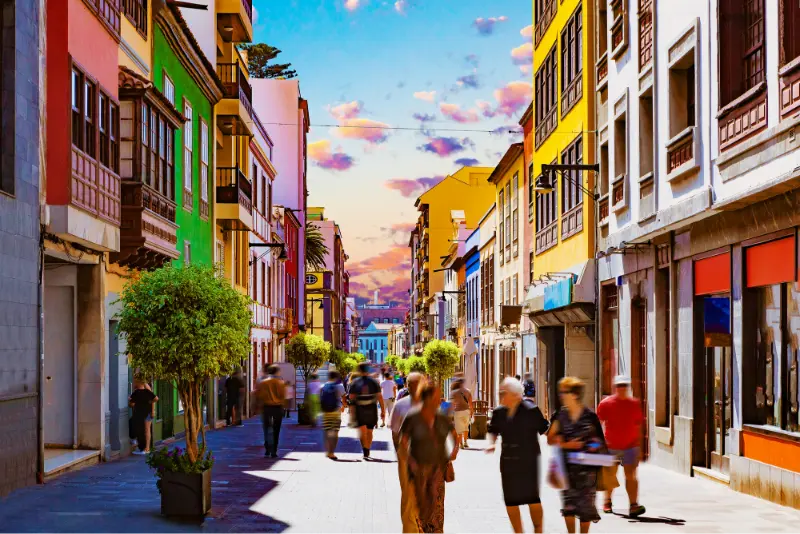
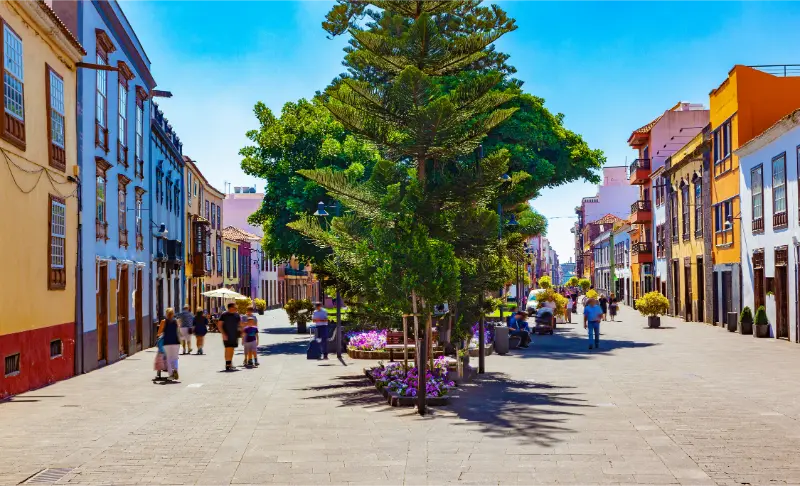
    Tree-lined pedestrian street in the historic centre of La Laguna

    The city and coast have noticeably different microclimates. I keep a light layer in the car or bag because La Laguna can feel cooler, especially later in the day, even when the seafront is pleasant.

    Combine the coast with Anaga

    Punta del Hidalgo sits at the edge of the Anaga landscape, so it can be paired with selected viewpoints or a hike. I use my Anaga guide to choose a realistic route rather than trying to cross the entire massif after swimming.

    A good combination is one substantial activity plus the coast. If I hike for four or five hours, I keep the pool stop simple. If I want a relaxed swim and long lunch, I choose only a short forest walk or viewpoint.

    Getting there by car

    From La Laguna, roads descend toward the northeast coast through Tejina and Bajamar. Driving is generally less dramatic than deep Anaga roads, but local streets and coastal parking can become busy. My Tenerife driving guide covers general parking habits.

    I avoid leaving valuables visible in the car and do not park where a narrow lane becomes harder for residents or buses. If the closest spaces are full, I would rather walk a few extra minutes than create a problem.

    Getting there by bus

    The coast is one of the easier non-resort areas to visit by public transport from La Laguna because TITSA services connect the city with Bajamar and Punta del Hidalgo. I check current schedules before leaving and save the return options, particularly in the evening. My no-car guide explains travelcards and route planning.

    I build extra time around the bus because a coastal day should not feel like a race. If I miss one connection, a coffee by the ocean is a better response than stressing through the final hour.

    Accessibility and comfort

    Developed pools are a better choice than wild lava charcos for travellers who need railings, showers and easier entries. Punta del Hidalgo’s official listing specifically notes adapted access. I still check the exact facility I plan to use because maintenance or temporary closures can change what is available.

    I bring non-slip sandals, a warm layer for after swimming and a dry bag for phone and wallet. Wet volcanic surfaces can be slippery even where the pool itself is well designed.

    Best time to visit

    I prefer a calm-weather morning, then use the afternoon for lunch and walking. Weekdays can feel quieter than sunny weekends. In winter, air temperatures are often mild, but the water and wind may feel cool when I get out.

    I check marine conditions rather than just the weather icon. A sunny day can still have strong swell. That distinction matters at every natural pool in Tenerife.

    Where to stay

    Punta del Hidalgo appeals to travellers who want a quiet edge-of-island base, walking access to the sea and proximity to Anaga rather than nightlife. Bajamar feels slightly more practical for pool-focused stays. I compare accommodation around Bajamar, Punta del Hidalgo and La Laguna and read recent comments about parking and road noise.

    For a first Tenerife holiday, I usually keep La Laguna or Puerto de la Cruz as the broader base and visit the northeast coast for the day. For a repeat trip, staying here can be wonderfully slow.

    My half-day and full-day plans

    For a half day, I choose one pool, take a coastal walk and have lunch. For a full day, I add La Laguna or a short Anaga walk. I do not add Santa Cruz, Las Teresitas and Taganana as well unless the purpose of the day is simply driving.

    The northeast feels best when there is time to sit by the ocean. I leave gaps in the plan because tide, swell and appetite decide the pace better than a minute-by-minute schedule.

    Frequently asked questions

    Are Bajamar and Punta del Hidalgo good for swimming?

    Yes, their developed seawater pools are popular, but ocean conditions still matter. I obey closures and lifeguard instructions.

    Which is better, Bajamar or Punta del Hidalgo?

    Bajamar is very convenient for pool time, while Punta del Hidalgo has a stronger edge-of-Anaga atmosphere and long coastal views. They are close enough to see both.

    Can I visit without a car?

    Yes. Public buses connect the area with La Laguna, making it one of the easier local coast trips without a car.

    Are the pools free?

    Public pool access is generally free, but I check current local information because services and maintenance arrangements can change.

    Can I combine the area with Anaga?

    Yes, but I choose a short Anaga element unless I am prepared for a long active day.

    What I bring for a natural-pool day

    My small kit is simple: swimsuit, towel, non-slip sandals, sunscreen, water, a light layer and a waterproof pouch for valuables. I do not bring inflatable toys into rough ocean pools unless local rules and conditions clearly allow them. Large inflatables can become dangerous when wind or surge increases.

    After swimming, I change into dry clothes before a long bus ride or drive. The northeast breeze can make wet swimwear surprisingly uncomfortable even on an otherwise warm day.

    I also keep a small snack in the bag because a pool morning can easily extend into a long coastal walk. If the cafés are busy, I do not let hunger push me into rushing the return journey. A relaxed natural-pool day works best when I have enough water, something simple to eat and no strict reservation immediately afterward.

  • San Cristóbal de La Laguna Guide: UNESCO Streets, History and Anaga Day Trips

    San Cristóbal de La Laguna Guide: UNESCO Streets, History and Anaga Day Trips

    San Cristóbal de La Laguna is the Tenerife town I recommend when someone tells me they want history, architecture and local life rather than another resort afternoon. Its historic centre is compact enough to explore on foot, yet it rewards slow attention: wooden balconies, inner courtyards, churches, colourful façades, university energy and cafés all sit inside a street plan with global historical importance.

    UNESCO inscribed La Laguna as a World Heritage Site in 1999. The city is often described as the first non-fortified Spanish colonial town whose planned layout later influenced settlements in the Americas. You do not need to be an architecture specialist to appreciate it. The key is to walk rather than drive through, because much of the experience comes from the relationship between streets, squares and building fronts.

    Why La Laguna belongs in a first Tenerife itinerary

    Tenerife’s landscapes are so dramatic that cultural stops can get pushed aside. La Laguna fixes that imbalance. It gives context to the island’s colonial history and creates a natural gateway to Anaga. I would often combine the two: La Laguna in the morning, lunch in or near the city, then a carefully chosen Anaga route or viewpoint in the afternoon.

    Because the city sits at roughly 600 metres above sea level, it can feel noticeably cooler than the southern coast. A light layer is useful even when you leave a warm beach resort. This north–south and coast–altitude contrast is one of the recurring themes of Tenerife; see my Tenerife weather guide for more.

    How to explore the historic centre

    I would start near Plaza del Adelantado and walk toward the main pedestrian streets without worrying about a perfect route. Calle Obispo Rey Redondo, often called La Carrera, and Calle Herradores are natural axes. From them, detour into courtyards, churches and quieter side streets as they catch your attention.

    The city is best when you give yourself permission to stop for coffee. A two-hour march through landmarks misses the university-town atmosphere that makes La Laguna feel lived-in rather than preserved behind glass.

    Cathedral and Iglesia de la Concepción

    The Cathedral of San Cristóbal de La Laguna and the Church of La Concepción are two of the historic centre’s main religious landmarks. Opening hours can change around services, events and restoration work, so I check locally rather than building a rigid schedule around interior access. Even from outside, they help orient a walk through the old town.

    San Cristobal De La Laguna Panoramic View Tenerife

    The tower of La Concepción is also one of the city’s recognisable vertical landmarks. If access is available and you are comfortable with the climb, it can add a different perspective over the tiled roofs and urban grid.

    Historic houses and courtyards

    La Laguna’s real architectural pleasure is in its domestic buildings. Look for wooden balconies, stone portals, patios and the way houses turn inward around courtyards. Some historic buildings are public institutions or cultural spaces, while others remain private, so respect access signs rather than assuming every photogenic doorway is open.

    This is where a guided walking tour can add value. The stories of merchants, religious orders, political power and Atlantic trade explain details you might otherwise pass without noticing.

    University atmosphere, cafés and shopping

    La Laguna is home to the University of La Laguna, the first university in the Canary Islands, and that student population keeps the centre energetic. Cafés, bars, bookstores and independent shops prevent the World Heritage area from feeling like a museum. I like visiting on a weekday when normal city life is active.

    For lunch, this is a good place to look beyond resort menus. Try Canarian dishes or modern restaurants using island ingredients. For a food checklist, use what to eat in Tenerife.

    La Laguna and Anaga

    The pairing is almost too obvious to ignore. From La Laguna, roads climb quickly toward Cruz del Carmen and the laurel forests of Anaga. The landscape can change from urban streets to misty woodland in a remarkably short time. I would choose one trail or a few viewpoints, not try to cover the entire rural park after lunch.

    Some Anaga areas require reservations and temporary closures are possible, so check Tenerife ON before setting off. My Anaga Rural Park guide explains how I plan the nature half of the day.

    La Laguna Colorful Historic Street Tenerife

    Getting to La Laguna

    The tram from Santa Cruz is one of the easiest transport options and avoids parking. Tenerife North Airport is nearby, which makes La Laguna a practical first or last-night base for some itineraries. Buses connect it with other towns and parts of Anaga. If you drive, I prefer to park outside the pedestrian core and explore the centre on foot.

    My Tenerife transport guide covers buses, airports and rental-car strategy across the island.

    Where to stay

    Staying overnight changes the experience. Day visitors leave, restaurants settle into an evening rhythm and the streets feel more local. I would stay here for a culture-focused city break, an early Tenerife North Airport flight, several Anaga hikes or a split itinerary that includes both north and south.

    Accommodation choice is smaller than in the major resorts, which is part of the appeal. Look for a central guesthouse, boutique hotel or apartment within walking distance of the historic core. You can compare accommodation in La Laguna after checking the exact street and parking arrangements.

    How long do you need?

    Time availableWhat I would do
    2–3 hoursHistoric-centre walk, coffee and one interior visit
    Half dayAdd lunch, courtyards and slower shopping
    Full dayCombine with a light Anaga visit
    1–2 nightsUse La Laguna as a base for Anaga and Santa Cruz

    For a first visit, half a day is enough to understand why the city matters. A full day is better if architecture and food interest you. Staying overnight makes sense when you want to explore the northeast without repeatedly driving from the southern resorts.

    La Laguna with children

    The pedestrian centre is easier with children than a car-based sightseeing day, but younger children may lose interest in a long architectural route. I would keep the history portion short, add a pastry or ice-cream break, and then move to an outdoor stop. Combining the town with a very short Anaga walk can work better than expecting children to appreciate every historic house.

    For family pacing across the island, see Tenerife with kids.

    What to wear and weather

    Do not dress for La Laguna based only on the weather at Costa Adeje. Its elevation and northeastern position make it cooler and sometimes mistier. Comfortable walking shoes are more useful than beach sandals on old streets, and a light waterproof or wind layer can save the day before heading into Anaga.

    My ideal La Laguna visit

    I would arrive in the morning, walk slowly from Plaza del Adelantado through the pedestrian core, choose one or two buildings to explore properly, have lunch somewhere that serves island produce and then decide whether the weather favours Anaga. If clouds are thick in the mountains, stay longer in the city rather than forcing a scenic drive with no visibility.

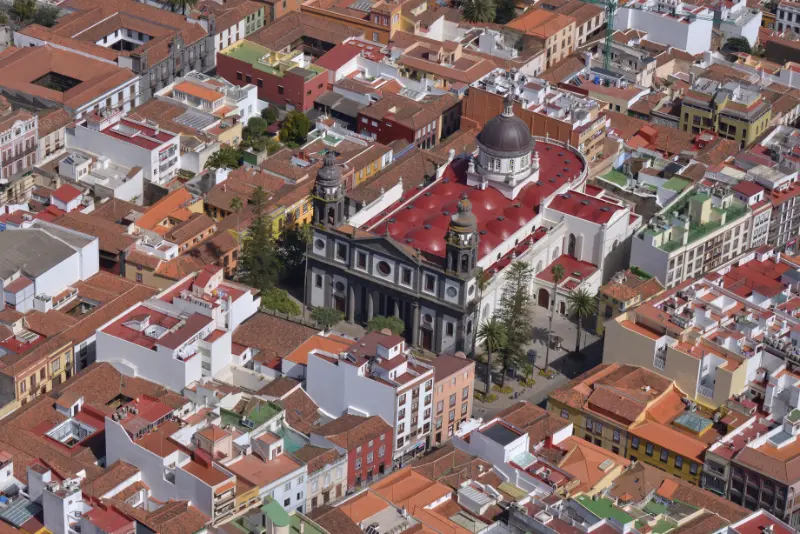
    Aerial View Of La Laguna Tenerife

    For official background and current visitor information, use the Tenerife tourism page for San Cristóbal de La Laguna.

    Photography without missing the city

    La Laguna is extremely photogenic, but I try not to experience it entirely through a camera. Courtyards, doorways and balconies deserve attention, yet many are private spaces. I photograph from public streets, respect signs and spend at least part of the walk without trying to collect every façade. The city makes more sense as a whole than as a sequence of isolated Instagram frames.

    A cooler base in summer

    Travellers who struggle with summer heat may appreciate La Laguna’s elevation, particularly in the evening. It is not a guarantee of cool weather, but conditions often feel different from the coast. That can make it a useful split-stay base when a trip includes both beach days and serious walking in the northeast.

    Practical planning notes I would save before the trip

    For La Laguna Tenerife guide, I save the accommodation address, parking or bus information, one official information link and the route back to my base before leaving. Tenerife is easy to travel around, but mountain roads, microclimates and busy coastal areas can turn a simple day into a slower one. I therefore keep one optional stop that can be removed without losing the main purpose of the day.

    I also carry water, sun protection and a light layer whenever the day leaves the immediate coast. Even short journeys can move from warm sunshine to wind, cloud or cooler high ground. That small amount of preparation makes it easier to respond to the island as it actually is rather than force a schedule created before arrival.

    Finally, I avoid judging a destination by the busiest thirty minutes of the day. Arriving earlier, staying later, walking one street beyond the obvious viewpoint and sitting down for a proper meal often changes the experience completely. My goal with these guides is not to collect attractions but to make each place easier to understand and enjoy at a realistic pace.