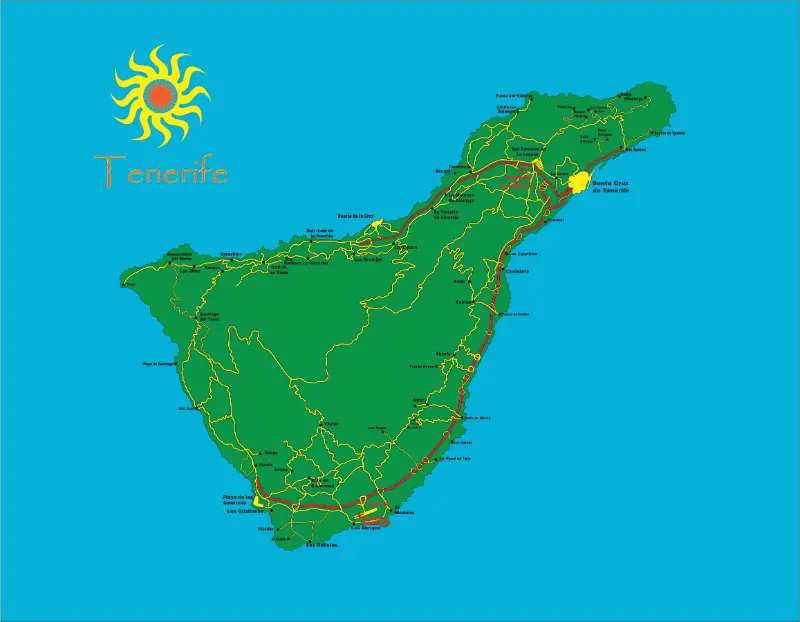
Tenerife is one of those islands that looks simple on a map and becomes much more varied as soon as you start exploring it. The sunny resorts of the south, the green valleys of the north, the volcanic highlands around Mount Teide, historic towns such as La Laguna and small coastal villages can feel like different destinations within the same holiday. That contrast is exactly why I think a first trip works best when you plan around experiences rather than trying to stay in one resort for the entire time.
This guide is the starting point I would use for a first Tenerife holiday. It covers where to base yourself, how long to stay, the places that deserve priority, transport choices, beaches, food, weather and the practical details that make the island easier to enjoy. For deeper planning, I have linked the specialist guides throughout the article so you can build a trip that suits your pace rather than follow a rigid checklist.
Tenerife at a glance: what kind of destination is it?
Tenerife is the largest of the Canary Islands and its appeal goes well beyond winter sun. The south is generally drier and sunnier, which helps explain the popularity of Costa Adeje, Playa de las Américas and Los Cristianos. The north is greener, more humid and often feels more local, with Puerto de la Cruz, La Orotava and the fertile Orotava Valley as natural bases. Higher up, the landscape changes completely: pine forest gives way to the extraordinary volcanic scenery of Teide National Park.
For most travellers, the island is best understood as a combination of four experiences: coast, volcano, historic towns and nature. If you include all four, Tenerife feels much richer than a standard resort break. Families can add water parks and easy beaches, hikers can spend several days in Anaga or Teno, and food-focused travellers can build days around guachinches, markets, wineries and traditional Canarian dishes.
How many days do you need in Tenerife?
A long weekend is enough for sunshine and one or two highlights, but it is not enough to understand the island. For a first visit I would aim for seven days. That gives you time for a Teide day, an Anaga or La Laguna day, at least one north-coast excursion, several beach periods and a flexible day for weather changes. With ten to fourteen days you can slow the pace, add Teno, Garachico, whale watching, more hiking and a day trip to another Canary Island.
| Trip length | What it suits | Suggested priorities |
|---|---|---|
| 3–4 days | Short escape | South coast, Teide, one scenic day |
| 7 days | First complete visit | South + Teide + north + Anaga + beaches |
| 10–14 days | Slow travel | Add Teno, hiking, villages, food and boat trips |
If you already know you want a balanced first week, use my 7-day Tenerife itinerary as a practical day-by-day framework.
Where to stay on a first trip
Choosing the right base matters more in Tenerife than many first-time visitors expect. If reliable beach weather, restaurants and easy tourist services are the priority, Costa Adeje is the safest all-round choice. Los Cristianos works well for a walkable resort atmosphere and ferry connections, while Playa de las Américas is better if nightlife matters. For a more traditional city-and-sea combination, Puerto de la Cruz is attractive, especially if you plan to explore the north.
I would not choose accommodation only by hotel rating. Look at the exact neighbourhood, gradient, parking situation and walking distance to the places you will actually use. Tenerife has steep areas, and a property that seems close to the sea on a map can involve a demanding uphill return. My detailed where to stay in Tenerife guide compares the main bases by travel style. You can also check current hotel prices in Tenerife once you have chosen the right area.
The places I would prioritise
1. Teide National Park
Mount Teide is not just a single viewpoint. The whole high-altitude landscape is one of Tenerife’s defining experiences: lava fields, strange rock formations, immense caldera scenery and rapidly changing light. Even if you do not hike to the summit, driving through the park and stopping at viewpoints is worth the journey. The cable car can take visitors to La Rambleta at about 3,555 metres, but summit access and some high-mountain trails have separate reservation requirements. Always check the current rules before travelling.

2. San Cristóbal de La Laguna and Anaga
La Laguna is one of the island’s best cultural stops and combines naturally with Anaga Rural Park. I like this pairing because the day moves from colourful historic streets and cafés to laurel forest, ridges and remote coastal scenery. Weather can change quickly in Anaga, so carry a light layer even when the coast is warm.
3. The north coast: La Orotava, Garachico and Puerto de la Cruz
The north offers some of the strongest contrasts with the resort south. La Orotava has historic architecture and hillside views; Garachico is known for its volcanic coastline and natural pools; Puerto de la Cruz mixes an older resort tradition with gardens, seafront walks and easy access to the Orotava Valley. These places are especially rewarding if you enjoy wandering rather than moving from attraction to attraction.
4. Los Gigantes and Teno
The cliffs of Los Gigantes create one of Tenerife’s most dramatic coastal landscapes. The western side of the island also gives access to Teno, Masca and several viewpoints where the terrain feels rugged and remote. Roads can be slow and winding, so I treat this as a full excursion rather than something to squeeze into a beach afternoon.
Beaches: do not expect only golden sand
Tenerife’s volcanic origin is visible on the coast. Some of its most memorable beaches have dark sand or pebbles, while several popular tourist beaches have lighter sand and extensive services. Playa de Las Teresitas near Santa Cruz is very different from Playa del Duque in Costa Adeje, El Médano in the southeast or the wild northern beaches beneath Anaga. The best beach depends on whether you want calm water, family facilities, surf, scenery or a local atmosphere.
Ocean conditions matter. The Atlantic can be powerful, and a beach that looks inviting may have currents or waves that make swimming unsafe. Respect flags and local warnings, especially at less-developed beaches. I compare the most useful options in the best beaches in Tenerife guide.
Getting around: car or public transport?
A rental car gives the most flexibility, especially for Teide, viewpoints, small villages and multi-stop days. It also lets you change plans when cloud covers one side of the island. The downside is parking in busy resorts, historic centres and popular natural areas. If you do not want to drive, Tenerife’s TITSA bus network is extensive and connects the airports, major towns and tourist areas. The ten+ system includes tourist travelcards and stored-value options; current fares should always be checked on the official TITSA website.

For a first trip, I often think the best solution is hybrid: use a car for a few exploration days and walk, bus or taxi on resort days. My getting around Tenerife guide explains the practical differences, including the two airports.
Weather and the north–south difference
Tenerife’s famous mild climate is real, but ‘eternal spring’ can be misunderstood. The island has strong microclimates. The south generally gets more sunshine and is drier, while the north is greener and more humid. In the mountains, conditions can be dramatically colder than at sea level. Official tourism information describes average conditions as mild year-round, with coastal temperatures roughly in the high teens in winter and the mid-to-high twenties in the warmest months.
Pack for layers rather than one climate. Beachwear can be perfect in Costa Adeje while a fleece or windproof layer is useful near Teide. If you are choosing travel dates, see my best time to visit Tenerife guide for seasons, crowds and trip styles.
What to eat in Tenerife
Do not spend the whole holiday inside international resort menus. Traditional food is one of the easiest ways to make a Tenerife trip feel more distinctive. Look for papas arrugadas with mojo, grilled fish, octopus, goat dishes, Canarian cheeses, gofio-based recipes and local wines. Guachinches—traditionally simple establishments associated with local wine—are especially linked with the north, although the term is now used more broadly.
A good strategy is to keep resort meals convenient when you need them, then deliberately plan two or three food-focused stops elsewhere. The Tenerife food guide explains dishes, ordering tips and the kinds of places I look for.
Tenerife for families, couples and active travellers
Families usually appreciate the south because of the concentration of accommodation, beaches and attractions, but the island also offers easy nature walks, botanical gardens, boat trips and volcanic landscapes that work well with children. Couples can mix resort comfort with sunsets, wine country and quieter northern towns. Active travellers have hiking, cycling, diving, surfing, paragliding and high-altitude routes. The important point is not to assume one part of the island has to provide everything.
For parents, my Tenerife with kids guide focuses on realistic driving times, beach choices, altitude, heat and balancing big attractions with easier days. Hikers should continue with the hiking and nature guide.
My practical planning rules for a smoother first trip
- Do not schedule Teide on the only day you can visit: mountain weather and cable-car operations can change.
- Keep at least one flexible day so you can follow the better weather between north and south.
- Download offline maps before mountain drives and hikes.
- Book high-demand activities and regulated hiking access in advance, but avoid overbooking every day.
- Carry water, sun protection and a warm layer in the car; altitude changes the conditions quickly.
- Treat driving times on mountain roads as estimates, not promises.
- Choose accommodation for location first and hotel facilities second.
- Respect beach flags, protected areas and trail closures even when other visitors appear to ignore them.
Useful official resources
For changing conditions, I rely on official sources rather than old screenshots or social-media comments. Check Tenerife ON for regulated nature access and trail information, TITSA for buses, and the official Tenerife tourism website for destination information. For flights, Aena operates both Tenerife South (TFS) and Tenerife North–Ciudad de La Laguna (TFN).
A simple first-trip formula
If I were building a first Tenerife holiday from zero, I would choose one convenient base, reserve a full day for Teide, one day for La Laguna and Anaga, one north-coast day, one west-coast day and keep the remaining time for beaches, food and spontaneous stops. That is enough structure to see the island’s range without turning the holiday into a race. The biggest mistake is not missing a specific attraction; it is spending seven days in one resort and assuming you have seen Tenerife.
Once you know the style of trip you want, move next to the 7-day itinerary, accommodation and transport guides linked above. Together, those three decisions—where you stay, how you move and which days you keep flexible—have a bigger effect on the quality of a Tenerife holiday than any long list of must-see places.