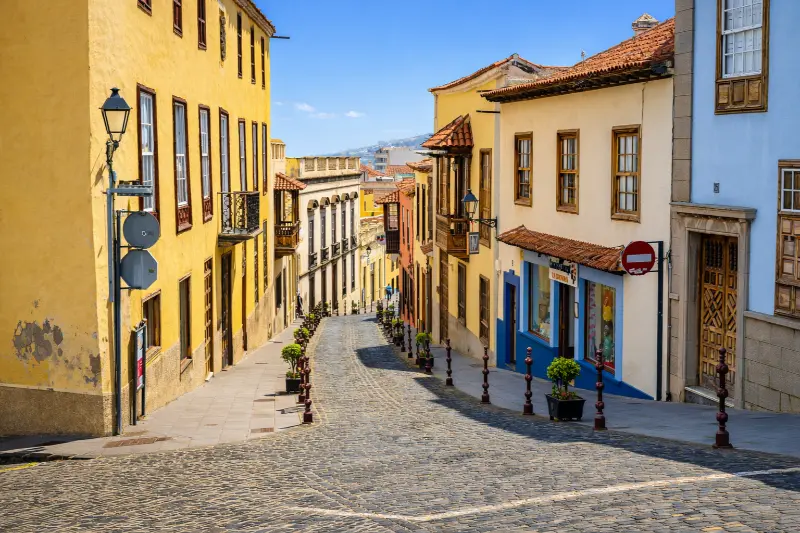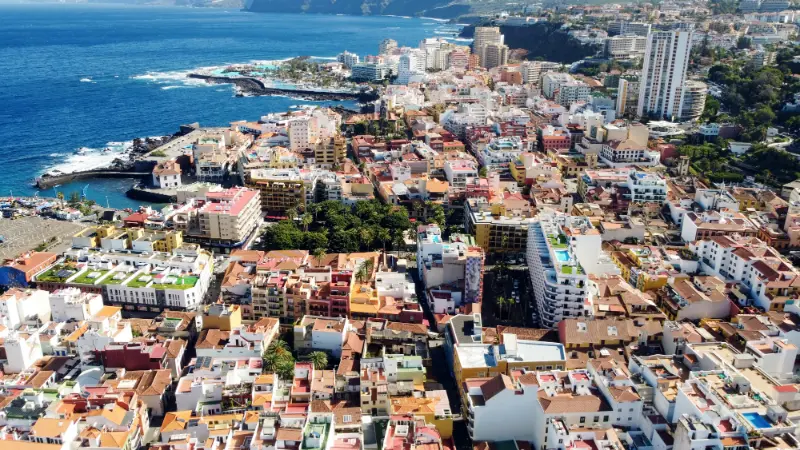
Parque Taoro is the Puerto de la Cruz place I choose when I want views and greenery without leaving town for a full nature excursion. It occupies the slopes of Montaña Taoro above the centre, with gardens, paths, viewpoints, fountains and historic buildings. The climb is real, but the reward is a completely different perspective over Puerto de la Cruz.
Turismo de Tenerife describes the park as roughly 100,000 square metres divided into three main areas: La Atalaya, Camino de La Sortija and the Taoro gardens. The official page also notes a children’s area and food-and-drink facilities.
Quick planning facts
| Location | Upper Puerto de la Cruz / Montaña Taoro |
|---|---|
| Size | About 100,000 m² |
| Main zones | La Atalaya, Camino de La Sortija, Taoro gardens |
| Best for | Views, walking, running, gardens, sunset, family break |
| Price | Free |
| Access | Road access plus steep pedestrian approaches from lower town |
| Notable history | Gran Hotel Taoro and Anglican Church |
Why I visit
Puerto de la Cruz is experienced mostly at sea level: harbour, Playa Jardín, Lago Martiánez and the old streets. Taoro gives me the overview. From higher paths I understand the town’s position between Atlantic coast and the steep Orotava Valley.
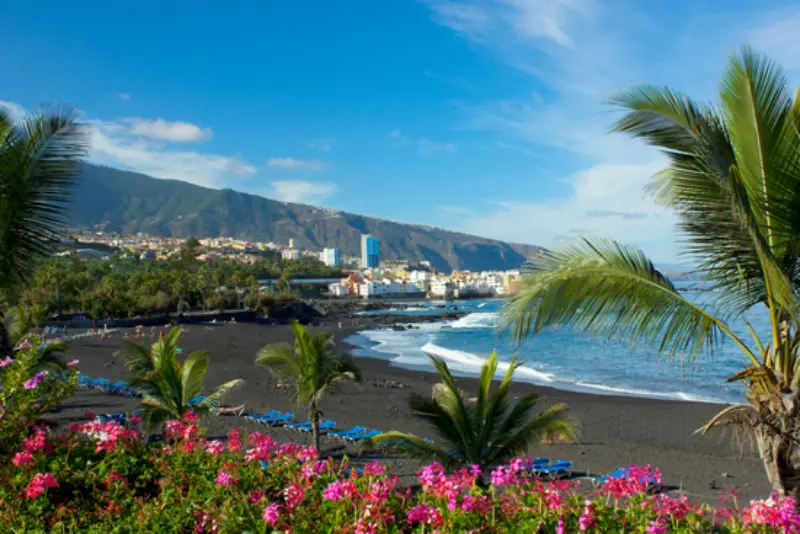
I combine it with my Puerto de la Cruz guide rather than treating the park as a separate day trip.
The three areas
La Atalaya is the part I associate most with viewpoints, including the Dulce María Loynaz viewpoint. Camino de La Sortija is used heavily by local runners and walkers. The Taoro gardens add landscaped paths, water features and a more formal park atmosphere.
I do not try to follow a perfect circuit. I pick the area that matches my energy and enter from the most convenient side.
The climb from town
Walking up from central Puerto de la Cruz can be steep. On a hot or humid day, that climb changes the character of the visit. I bring water and allow more time than the map distance suggests.
Travellers with limited mobility may prefer road access or a taxi to the upper park, then a gentler walk. I confirm the most suitable entrance rather than assuming every path is accessible.
Views and photography
The best views are broad city-and-coast compositions rather than one iconic object. I like early morning for clearer air and late afternoon for softer light.
Cloud can sit over the Orotava Valley while the coast remains bright. I treat changing weather as part of the scene instead of waiting only for a postcard-blue sky.
Gran Hotel Taoro and Agatha Christie context
The park area is tied to the history of the old Gran Hotel Taoro, opened in 1890 and associated with important visitors. Turismo de Tenerife specifically notes that Agatha Christie stayed there.
That history connects the park to Puerto de la Cruz’s long role as an international resort, well before modern package tourism. I find it a useful counterpoint to the contemporary seafront.
Running and exercise
Camino de La Sortija is popular with people exercising. If I am only sightseeing, I stay aware of runners and avoid spreading across the path.
For a travel workout, Taoro is more interesting than a hotel treadmill, but I do not underestimate the gradient. Heat and humidity can make a short run surprisingly demanding.
Families
The park can be a good decompression stop with children because there is room to move and an official children’s area. I still supervise near slopes, roads and water features.
I pair it with a lighter attraction rather than another full-day park. The Botanical Garden is a natural same-day combination if the family enjoys plants.
Evening and water features
The official tourism page currently says the waterfalls and aquatic gardens operate daily from 18:00. I treat that as current information, not a permanent guarantee, and check if the water features are important to my visit.
Evening is pleasant, but I decide in advance whether I am walking back down or using a taxi. Dark, steep routes are less enjoyable when I am tired.
Official information
I check Turismo de Tenerife’s Parque Taoro page for current facility notes. The park is listed as free and permanently accessible, but specific amenities can close for maintenance.
Frequently asked questions
Is Parque Taoro free?
Yes, the official tourism page currently lists free admission.
Is it walkable from central Puerto de la Cruz?
Yes for reasonably fit visitors, but the route is steep. A taxi or car is easier for mobility limitations.
How long do I need?
About one to two hours works for a relaxed walk and viewpoints. Runners, families or garden lovers may stay longer.
Final thoughts
Parque Taoro is not a headline Tenerife attraction, and that is part of its value. It gives me a local park, a physical sense of Puerto de la Cruz’s steep setting and some of the best easy city views in the north.
How I fit this stop into a full day
I give the attraction a clear role: morning culture stop, midday break or late-afternoon visit. I avoid booking another timed activity immediately afterward because parking, queues and the temptation to stay longer can make the schedule brittle.
I save the address, current hours and official page offline. If the place is unexpectedly closed, I already know the nearest alternative rather than spending half an hour searching from the pavement.
Photography and visitor etiquette
I check whether indoor photography is allowed and keep flash off around delicate objects, plants or exhibitions unless explicitly permitted. I also avoid turning narrow paths into a photo studio. Other visitors should be able to move through the space normally.
Accessibility questions I ask before going
Historic buildings and gardens can contain steps, cobbles, slopes and narrow doors. “Accessible” may apply to only part of a site. If mobility is important, I confirm the actual route, toilet access and parking rather than relying on a generic accessibility icon.
Why small attractions matter in a long Tenerife trip
A major park or famous viewpoint can be spectacular, but smaller cultural and garden stops prevent the itinerary from becoming repetitive. They are where I learn details that make later food, architecture and landscape easier to interpret.
A final planning rule I use on Tenerife
I leave at least one hour of unscheduled margin around rural, mountain or cultural stops. That buffer absorbs parking problems, weather changes, a longer lunch or a road that is slower than expected. It also gives me permission to stay when a place turns out to be more interesting than the itinerary suggested.
Before driving away, I check the next fuel, food and return option. This small habit matters most in the parts of Tenerife where tourism infrastructure is deliberately light. Good planning should make the day feel freer, not more rigid.
Why this article belongs in a complete Tenerife plan
The island becomes much more interesting when I connect major sights with smaller landscapes and cultural stops. This experience adds context rather than another box to tick, which is exactly what I want from a second or third day away from the main resort areas.

Small details that improve the visit
I check opening hours or access information on the same day whenever the experience depends on a museum, visitor centre, tasting, campsite or protected route. Tenerife is easy to travel around, but it is still frustrating to cross the island for a facility that has changed its schedule. A two-minute check before departure is one of the most useful habits in my planning.
I also keep cash and a bank card, water, a light layer and a charged phone with me. None of those items is dramatic, but together they solve many of the small problems that can turn a relaxed day into unnecessary stress.
What I would not try to combine on the same day
I avoid attaching a long Teide hike, a late-night drive or several fixed-time attractions to a day that already involves rural roads, tasting, museums or protected landscapes. The island looks compact on a map, but the most rewarding places often deserve more time than their distance suggests.
When I have extra time, I use it for a cafe, a short walk or a viewpoint rather than adding another far-away destination. That usually creates a better travel day and makes the article useful as a realistic plan rather than an impossible checklist.
Before I leave
I take one last look at the return journey before starting the visit. In Tenerife, a place that feels close on the map can sit on the opposite side of a ridge or at a very different altitude. Knowing whether I am returning by motorway, town roads or a mountain route helps me decide when to leave and prevents the final hour of the day from becoming rushed.
I also keep the plan flexible enough to stop if the weather, light or atmosphere is better than expected. That flexibility is especially valuable in the north and in the mountains, where conditions can change quickly and a short unplanned stop can become the most memorable part of the day.
Who I think will enjoy it most
This experience works best for travellers who want more than the headline attractions and enjoy understanding how local culture, landscape and everyday life fit together. It is less suitable for anyone trying to maximize the number of famous sights in a single day, and that is exactly why I consider it valuable in a longer Tenerife itinerary.