Tag: Tenerife food

  • Tenerife Food & Culture Itinerary: 7 Days of Markets, Wine and Historic Towns

    Tenerife Food & Culture Itinerary: 7 Days of Markets, Wine and Historic Towns

    Quick summary: A food-and-culture week in Tenerife works best when meals are attached to places, not collected as a separate checklist. I want the market before the lunch, the wine landscape before the tasting and the historic town before the pastry stop. That creates context: volcanic soil, fishing ports, old trade routes and agricultural valleys become part of what is on the plate.

    Who this itinerary is for

    This itinerary is for travellers who would happily exchange one theme-park day for a long lunch, a market or a small museum. It still includes Teide because the volcanic landscape is part of the island’s food and wine story, but the pace is deliberately slower. I leave room for restaurants that do not need to be famous to be memorable.

    The base I would choose

    Puerto de la Cruz, La Laguna or a split north/south stay works especially well, because many traditional food experiences are easier in the north. Costa Adeje is still practical if the hotel matters most, but I would plan several northbound days and avoid drinking when I am the driver.

    Itinerary at a glance

    DayMain areaWhy it works
    Day 1Santa Cruz market and city foodStart at Mercado de Nuestra Señora de África, walk the centre, then choose a simple lunch focused on local produce or fish.
    Day 2La Laguna heritage + pastries and traditional lunchUse the UNESCO streets and historic buildings as the day’s backbone. Stop for coffee, bakery food and a proper Canarian meal rather than racing through monuments.
    Day 3La Orotava, Orotava Valley and guachinche countryExplore La Orotava, then move into the wine-and-agriculture landscape. If tasting, plan transport in advance.
    Day 4Teide landscapes + VilaflorConnect volcanic geology with high-altitude agriculture and island wine. Keep the food stops simple and the driving sober.
    Day 5Garachico and northwest seafoodUse the historic port story and lava coast, then look for fish, octopus or traditional stews in the northwest.
    Day 6Wine-focused dayChoose a winery area and book only what you can enjoy without rushing. Add cheese or a market rather than multiple tastings.
    Day 7Slow brunch, favourite dish and souvenirsRepeat the dish you liked, buy local products thoughtfully, and leave luggage and airport logistics simple.

    Day 1: Santa Cruz market and city food

    Start at Mercado de Nuestra Señora de África, walk the centre, then choose a simple lunch focused on local produce or fish.

    I keep this day geographically compact. Tenerife rewards clustering because the hidden time is rarely the motorway itself; it is parking, mountain bends, finding the correct entrance and stopping at places that were not in the original plan. One area explored well usually feels richer than three areas photographed quickly.

    Day 2: La Laguna heritage + pastries and traditional lunch

    Use the UNESCO streets and historic buildings as the day’s backbone. Stop for coffee, bakery food and a proper Canarian meal rather than racing through monuments.

    I keep this day geographically compact. Tenerife rewards clustering because the hidden time is rarely the motorway itself; it is parking, mountain bends, finding the correct entrance and stopping at places that were not in the original plan. One area explored well usually feels richer than three areas photographed quickly.

    Day 3: La Orotava, Orotava Valley and guachinche country

    Explore La Orotava, then move into the wine-and-agriculture landscape. If tasting, plan transport in advance.

    I keep this day geographically compact. Tenerife rewards clustering because the hidden time is rarely the motorway itself; it is parking, mountain bends, finding the correct entrance and stopping at places that were not in the original plan. One area explored well usually feels richer than three areas photographed quickly.

    Day 4: Teide landscapes + Vilaflor

    Connect volcanic geology with high-altitude agriculture and island wine. Keep the food stops simple and the driving sober.

    I check official Teide information and Tenerife ON before leaving. I separate the park experience from summit ambitions: viewpoints, lava landscapes and established walks are already a complete day. If a cable-car or controlled trail is part of the plan, I treat the reservation and current access rules as fixed, then keep the rest of the day flexible.

    Day 5: Garachico and northwest seafood

    Use the historic port story and lava coast, then look for fish, octopus or traditional stews in the northwest.

    I keep this day geographically compact. Tenerife rewards clustering because the hidden time is rarely the motorway itself; it is parking, mountain bends, finding the correct entrance and stopping at places that were not in the original plan. One area explored well usually feels richer than three areas photographed quickly.

    Day 6: Wine-focused day

    Choose a winery area and book only what you can enjoy without rushing. Add cheese or a market rather than multiple tastings.

    I keep this day geographically compact. Tenerife rewards clustering because the hidden time is rarely the motorway itself; it is parking, mountain bends, finding the correct entrance and stopping at places that were not in the original plan. One area explored well usually feels richer than three areas photographed quickly.

    Day 7: Slow brunch, favourite dish and souvenirs

    Repeat the dish you liked, buy local products thoughtfully, and leave luggage and airport logistics simple.

    I keep this day geographically compact. Tenerife rewards clustering because the hidden time is rarely the motorway itself; it is parking, mountain bends, finding the correct entrance and stopping at places that were not in the original plan. One area explored well usually feels richer than three areas photographed quickly.

    The dishes I deliberately look for

    I use the Tenerife food guide as a starting point, then choose specific dishes such as sancocho, conejo en salmorejo, potaje de berros or costillas con papas y piña. I do not expect every restaurant to serve every dish every day.

    Tenerife Seafront Restaurant Terrace

    Markets and guachinches are not interchangeable

    Markets are best for seeing produce and buying ingredients; guachinches are tied to local wine and simple food traditions. I use the guachinche guide to understand the context rather than treating the word as a guarantee of authenticity.

    How I handle wine and transport

    I plan a driver, taxi or organised experience before tasting. Tenerife’s wine regions are spread across real roads, not a pedestrian tasting district. The Tenerife wine guide helps me choose one region instead of trying to sample the entire island in one day.

    Transport: the decision that changes the whole itinerary

    I compare the route with my Tenerife by car guide and the no-car guide. A rental car is valuable for Teide, Anaga, Teno and multi-stop days, but it can be unnecessary on beaches, city walks and evenings. Selective rental often gives the best balance: drive when the car creates access, and leave it parked when it only creates a parking problem.
    Coffee And Cappuccino In Tenerife

    I build extra margin around the first and last day. Airport pickup, baggage, fuel return and traffic are not sightseeing, but they consume real time. I would rather arrive at dinner early than turn a delayed flight into a rushed mountain drive. On departure day I work backward from the airline’s check-in and security requirements and then add the road or public-transport margin.

    Weather and microclimates: why I keep one day flexible

    Tenerife can place sun, cloud, wind and high-altitude cold inside the same itinerary. I use the Tenerife weather forecast guide and move the most weather-sensitive day when I can. Teide needs visibility and safe high-altitude conditions; Anaga can be wet or foggy; north-coast swimming depends on swell. A flexible day is not empty time—it is insurance for the experience I care about most.

    I pack layers even when the hotel forecast looks warm. A light jacket, water, sun protection and shoes suitable for the day are more useful than trying to predict one island-wide temperature. If an official alert, road closure or protected-area restriction changes the plan, I treat that as a reason to switch area, not as a challenge to find a shortcut.

    Where I would stay

    I choose accommodation by evening life and morning logistics, not only by star rating. For current availability I compare Tenerife accommodation on Booking.com. I check the exact map position, slope, parking or bus stop, reception hours and how long the first major day will take from the property. A good base can save more holiday time than a slightly cheaper room on the wrong side of the island.

    What I would book in advance—and what I would keep open

    I book the things where capacity or a fixed slot matters: accommodation, any controlled high-altitude or protected trail, a specific boat departure, a major attraction on a peak day and a restaurant that is genuinely central to the trip. I keep ordinary beaches, viewpoints, cafés and many town visits open. Tenerife is more enjoyable when weather and energy can still change the order of the week.

    For activities, I read the cancellation terms before paying and check whether transport, equipment or permits are actually included. A cheap headline price can be poor value if it requires a separate transfer or locks me into a weather-sensitive day. When a guided excursion solves real logistics, I am happy to use one.

    Food rhythm: how I avoid eating badly because the itinerary is too full

    Food is the itinerary here, so I never treat lunch as a gap between attractions. I leave enough time to read a short menu, ask what is seasonal and accept that the best meal may change the afternoon. If a traditional dish is unavailable, I order what the kitchen is actually cooking rather than turning lunch into a hunt for one checklist item.

    Eating Paella In Tenerife

    The planning mistakes I would avoid

    • Treating the driving time shown on a map as the total time needed for the stop.
    • Booking the most weather-sensitive experience on the only day that cannot move.
    • Changing hotels too often on a short itinerary and losing hours to packing and check-in.
    • Trying to combine Teide, Anaga, Masca and a beach simply because they fit on one island map.
    • Using old screenshots for trail, transport or attraction rules instead of checking the current operator or authority.
    • Saving every good restaurant for dinner after a long drive instead of using lunch to anchor the region I am already visiting.

    Frequently asked questions

    Is Tenerife good for a food-focused week?

    Yes. The combination of local wine, fish, goat cheese, potatoes, gofio, stews, markets and regional towns easily supports a week.

    Do I need reservations?

    For sought-after restaurants, winery visits and special tastings, yes. Ordinary local lunches can often stay flexible.

    Where are guachinches concentrated?

    They are historically associated with wine-producing areas, especially in the north. I use current local information rather than assuming every venue using the name is the same.

    Can vegetarians follow this itinerary?

    Yes, but traditional menus can be meat- and fish-heavy. I communicate clearly and use the site’s vegetarian guide for dedicated options.

    What food souvenirs make sense?

    Wine, mojo products, honey, cheese where transport rules allow, gofio and local sweets are more meaningful when I understand their origin and storage needs.

    My final advice

    The best tenerife food and culture itinerary is the one I can still enjoy when one detail changes. I protect the big experiences with sensible geography, current information and enough margin, then leave the smaller choices open. Tenerife has too many good alternatives for a holiday to depend on one perfect sequence.

    I treat this itinerary as a framework rather than a promise that every road, trail, beach or timetable will behave exactly the same on the travel date. Before any activity where access, safety, weather or a paid booking matters, I recheck the official source. That habit lets me travel more freely because the important constraints are handled before the day begins.

  • Tenerife Food Souvenirs Guide: Mojo, Gofio, Honey, Cheese and Wine

    Tenerife Food Souvenirs Guide: Mojo, Gofio, Honey, Cheese and Wine

    The best Tenerife food souvenirs are the ones that still make sense when I get home. I would rather carry a small bottle of good local mojo, a packet of gofio, a jar of honey or a carefully chosen cheese than fill a suitcase with generic “Canary Islands” products that could have come from anywhere.

    Food shopping is also a way to understand the island. Tenerife’s volcanic soils, altitude differences and long agricultural history show up in wine, potatoes, honey, cheese and traditional pantry ingredients. I use markets, specialist shops and producers to learn what I am actually buying.

    Mojo: the easiest flavour to take home

    Mojo rojo and mojo verde are among the most recognisable Canarian sauces. Recipes vary: red versions often use peppers or paprika, while green versions may lean on coriander or parsley. I check the label rather than assuming every jar tastes the same.

    For air travel, commercially sealed jars or bottles are simpler than homemade containers. If travelling with hand luggage, I remember airport liquid rules. Powdered spice mixes can be an alternative if I want to recreate mojo at home.

    Gofio

    Gofio is roasted grain flour and one of the most culturally meaningful foods I can buy. It is used in both savoury and sweet preparations and has deep roots in Canarian food history. A sealed packet is easy to transport and gives me something I can actually use in a kitchen after the trip.

    I would ask how locals use the specific grain blend instead of buying it as a novelty. Some versions are based on maize, others on wheat or mixed cereals.

    Tenerife honey

    Honey is a compact souvenir with strong connection to local landscapes. Different floral sources and altitude zones can create noticeably different flavours. I buy from a reputable producer or market stall with clear origin information and keep the jar protected inside luggage.

    Cheese

    Canarian cheeses can be excellent souvenirs, but transport needs more thought. I prefer vacuum-packed products from a reputable seller and ask how long they can safely remain unrefrigerated. For long journeys, I would not guess: I follow the producer’s storage advice and destination-country import rules.

    Goat cheese is particularly associated with island traditions, and smoked or cured styles may travel more easily than very fresh cheese. Again, packaging and customs rules matter.

    Vegetable Soup At A Masca Village Inn Tenerife

    Wine from Tenerife

    Tenerife has several wine regions and volcanic soils that make local bottles an obvious gift. I choose wine after tasting rather than buying only because the label says Tenerife. My Tenerife wine guide explains the island’s main wine areas and tasting strategy.

    If flying, I protect bottles carefully in checked luggage and verify airline baggage limits. Shipping from the winery can sometimes be easier, especially for several bottles, but I compare cost and customs requirements first.

    Sea salt and seasoning products

    Salt, herb blends and spice products are lightweight and useful. I check whether the product is genuinely made or packed in the Canary Islands rather than buying something with only tourist branding. Small labels can tell me much more than the front of the package.

    Traditional sweets

    Almond sweets, biscuits and local pastries can work well when packaged for travel. Fresh bakery products are best eaten during the trip, while sealed sweets are easier to carry. I ask about shelf life instead of assuming every traditional dessert will survive a warm suitcase.

    Coffee and local roasting

    The Canary Islands have a growing specialty-coffee scene, and a bag roasted in Tenerife can be a good souvenir even when the beans were grown elsewhere. I distinguish between “roasted locally” and “grown locally” so I understand what I am buying.

    Where I shop

    Municipal markets, farmers’ markets, wine shops and producer stores are my first choices. In Santa Cruz, Mercado Nuestra Señora de África is useful because I can compare fruit, cheese, fish and packaged products in one place. My market guide explains how I approach a visit.

    Supermarkets are also useful, especially for ordinary brands locals actually buy. A good souvenir does not need boutique packaging; sometimes a familiar sauce or biscuit is more authentic precisely because it is everyday food.

    What I check on the label

    • Where the product was made or produced.
    • Ingredients and allergens.
    • Storage instructions.
    • Best-before date.
    • Whether refrigeration is required.
    • Bottle or jar size if I am flying with hand luggage.
    • Any protected-origin or producer information that helps verify authenticity.

    Customs and airline rules

    Food that is legal to buy in Tenerife is not automatically legal to import into every destination. Meat, dairy, fresh fruit, seeds and plant products can face restrictions. I check the rules for the country I am entering, especially if travelling outside the EU.

    For flights, liquid restrictions apply to sauces, honey and wine in hand luggage. I pack breakable items in checked baggage only when allowed and use sealed bags around anything that could leak.

    Aperitif In Tenerife

    Souvenirs I would skip

    I skip products with unclear origin, damaged seals or no ingredient information. I also avoid buying large quantities of fragile food on the first day of a trip. Heat in a parked car or hotel room can ruin something long before the flight home.

    A simple food-souvenir shopping list

    • One mojo that you tasted and genuinely liked.
    • A packet of gofio for cooking at home.
    • A small jar of Tenerife honey.
    • A vacuum-packed cured cheese if storage and import rules allow it.
    • One bottle of local wine if baggage space makes sense.
    • A lightweight sweet or biscuit for sharing.

    How I make the souvenir more meaningful

    I write down where I bought it and what I ate with it. A jar of mojo is more interesting when I remember the papas arrugadas served beside it; a bottle of wine means more when I remember the valley or bodega. Food becomes a travel memory when I connect it to a place.

    Frequently asked questions

    Can I take mojo in hand luggage?

    It is generally treated as a liquid or paste for airport-security purposes, so container-size rules can apply. I check the latest airport rules for my route.

    Is gofio easy to transport?

    Yes. A sealed dry packet is one of the simplest Tenerife food products to pack.

    Can I bring cheese home?

    Possibly, but storage and import rules depend on destination. I buy sealed cheese and check customs rules before travelling.

    Where should I buy Tenerife wine?

    A winery, specialist wine shop or good market is ideal because I can ask questions and choose based on taste rather than label design.

    My final take

    The food souvenirs I value most are small, usable and connected to a real experience on the island. Mojo, gofio, honey, cheese and wine tell a better Tenerife story than generic gift-shop products, especially when I know where they came from and how to use them at home.

    Tenerife Seafront Restaurant Terrace

    Buying directly from producers

    When possible I ask the seller where the product was made, how it is normally eaten and how it should be stored. Those questions quickly separate a meaningful local purchase from a generic souvenir. They also give me ideas for using the product at home instead of leaving it unopened in a cupboard.

    Packing strategy

    I buy fragile jars near the end of the trip, wrap them in clothing and place them inside a sealed bag before putting them in checked luggage. Dry products go in the middle of the suitcase where packaging is less likely to tear. I keep receipts for expensive items and photograph labels if I want to find the producer again later.

    Tasting before buying

    Whenever possible I taste a product first. Tenerife has enough variation in mojo, honey, cheese and wine that the most famous category is not automatically the flavour I will enjoy most. A quick tasting also gives me language to ask better questions about ingredients, sweetness, smoke, ageing or spice. That makes the purchase more personal and reduces the chance of bringing home something chosen only for packaging.

    Gifts for people with dietary restrictions

    If I am buying for someone else, I read the ingredient list rather than assuming a traditional product is simple. Sauces can contain nuts or gluten-containing thickeners, sweets may include dairy or eggs, and flavoured products can have additives I was not expecting. Clear labelling matters more than a decorative box when the gift is meant to be eaten safely.

    Keeping quality intact until home

    I protect food from heat during the rest of the holiday. A bottle of wine or jar of honey can sit safely in a room, while cheese and some sweets may need cooler conditions. I never leave sensitive food for hours in a parked car. The last stage of the trip is part of the purchase: good storage preserves the quality I paid for.

    A final planning check before I leave

    The evening before this day, I verify the weather, current access information, transport, opening details where relevant and the amount of daylight I have. I save essential information offline and tell someone in my group what the main plan is. I also decide in advance what would make me switch to the backup plan. That small amount of preparation lets me enjoy Tenerife more spontaneously once I am actually there, because the important risks and logistics have already been considered.

  • Mercado Nuestra Señora de África Guide: What to Eat and Buy in Santa Cruz

    Mercado Nuestra Señora de África Guide: What to Eat and Buy in Santa Cruz

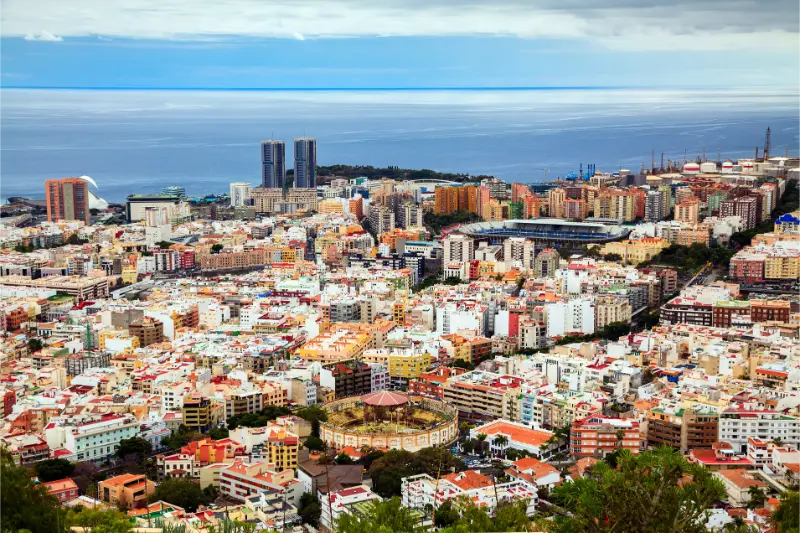
    Mercado Nuestra Señora de África is the place I would visit in Santa Cruz when I want the city to feel like somewhere people actually live, shop and eat rather than a sequence of monuments. Known locally as La Recova, the market is one of the capital’s most distinctive everyday spaces: fruit, vegetables, meat, fish, cheese, flowers and prepared food sit within a historic market complex that is still part of local routines.

    Tenerife Tourism describes it as the main market of Santa Cruz, founded in the 1940s and home to more than 200 traders. Its current market guide lists opening hours of 06:00–14:00 Monday to Saturday and 07:00–14:00 on Sunday. Because individual stalls and food businesses can keep different hours, I would arrive in the morning rather than build a visit around the final hour.

    Quick planning facts

    LocationSanta Cruz de Tenerife
    Common nameLa Recova / Mercado Nuestra Señora de África
    General market hoursMon–Sat 06:00–14:00; Sun 07:00–14:00 according to Tenerife Tourism
    Best time for visitorsMorning, especially before late-morning crowds
    What I would look forLocal fruit, cheese, honey, fish, meat, Canarian products and prepared food

    I would check the official Tenerife Tourism market page and the broader Tenerife markets information before travelling if timing is important.

    Why I would put the market near the start of a Santa Cruz day

    Markets are better in the morning. Produce displays are fuller, fish activity is livelier, and I can have coffee or a snack before the city gets hotter. I would then continue on foot toward the historic centre, TEA, MUNA or the waterfront.

    Starting here also changes how I see Santa Cruz. Instead of approaching the capital only through shopping streets and architecture, I begin with food, conversation and everyday logistics. That gives the rest of the city more context.

    What I would buy

    I would prioritize products that actually connect me to Tenerife: island-grown fruit and vegetables, Canarian cheeses, honey, local sauces, dried products and packaged specialties that travel well. I would ask vendors what is in season rather than arrive with a rigid souvenir list.

    For cheese, I would look at milk type and maturity instead of assuming “local” means one style. For honey, I would read the label and origin. For fruit, I would buy only what I can realistically eat during the trip; a hotel room full of ripe tropical fruit is not a good souvenir strategy.

    The fish area

    The fish section is one of the most interesting parts even if I am not self-catering. It gives me a better idea of what appears later on restaurant menus and how Tenerife’s relationship with the sea differs from a generic “Spanish seafood” image.

    If I am staying in an apartment, I would ask what is easiest to cook and how the fish is typically prepared. I would not buy something unfamiliar simply because it looks impressive if I do not have the equipment or confidence to prepare it properly.

    Eating at the market

    One of the best reasons to visit is that the market is not only for grocery shopping. Tenerife Tourism notes that markets such as Nuestra Señora de África have food stalls and cafés where visitors can try local products and simple prepared dishes. I would arrive hungry enough for a second breakfast, tapas or an early lunch.

    I would avoid assuming that every popular stall has instant seating. At busy times I would be flexible, share small plates and treat the market as a tasting stop rather than demand a formal restaurant experience.

    Products I would look for as edible souvenirs

    For luggage-friendly gifts, I would consider sealed mojo sauces, honey, local salt or packaged sweets, always checking airline and destination-country rules. Cheese can be excellent but needs better temperature planning. Wine is an obvious Tenerife souvenir, but checked-baggage weight and breakage risk matter.

    My Tenerife food guide explains the dishes and ingredients I would learn to recognize before visiting the market.

    How the market fits with Santa Cruz sights

    The market is close enough to several important places that I would not visit it as an isolated destination. MUNA is a natural next stop if I want archaeology, Guanche history and natural science. TEA works if I prefer contemporary art and architecture. From there I can continue toward the Auditorio and waterfront or walk back into the centre.

    Aerial View Of Santa Cruz De Tenerife

    My Santa Cruz guide, MUNA guide and TEA guide make an easy cultural route.

    My ideal half-day around La Recova

    I would arrive around breakfast time, walk the market slowly, have coffee and buy a few local products. I would then visit MUNA or TEA, continue toward Plaza de España and the historic streets, and have lunch in the centre. If the weather is good and I have a car or bus plan, Las Teresitas can become the afternoon.

    This is a better rhythm than trying to visit the market after a beach day, when many stalls may already be closed.

    Sunday or weekday?

    The official tourism information says the market opens on Sunday, which is useful for weekend trips. I would still choose a weekday or Saturday if I specifically want the broadest possible mix of traditional food shopping and city activity, because individual traders may vary.

    Sunday can be excellent for atmosphere, but I would verify any particular stall before travelling across the island solely for it.

    Paying: cash or card?

    I would carry both. Many businesses accept cards, but small purchases are easier when I have some cash. I would not withdraw large amounts from an unfamiliar tourist ATM just for the market; my money in Tenerife guide explains the practical approach I use.

    Parking and arriving without a car

    The official tourism listing notes parking for customers, but I would not rely on a guaranteed space at peak time. Santa Cruz also works well by tram and bus, depending on where I am coming from. If I am staying in the city centre, I would walk.

    Auditorio De Tenerife Santa Cruz Coastline

    For a city day, leaving the car parked once is better than moving it between every attraction. Santa Cruz is most enjoyable when I treat the central area as a walking itinerary.

    Where I would stay in Santa Cruz

    If the market, museums and local restaurants matter more than resort beaches, staying in the capital can be a smart choice. I would compare Santa Cruz accommodation on Booking.com and check whether the hotel has parking if I am also exploring Anaga or the north by car.

    Market etiquette I would follow

    I would not photograph vendors at close range without asking, touch produce unnecessarily or block a working counter while filming. I would greet people, ask questions when the stall is not busy and accept that this is a functioning market before it is a visitor attraction.

    If I sample something, I would be prepared to buy if I genuinely like it. Respectful curiosity usually creates a better experience than treating every counter as free entertainment.

    How La Recova differs from farmers’ markets

    Nuestra Señora de África is an urban municipal market with a wide range of traders and food businesses. Tenerife also has farmers’ markets where producers sell more directly from agricultural areas. I would visit both if food is a major interest because they reveal different parts of the island’s food system.

    My Tenerife markets guide helps compare the options.

    Common mistakes I would avoid

    • Arriving close to closing time and expecting every stall to be operating.
    • Buying fresh products that will not survive the rest of the travel day.
    • Treating the market as a museum rather than a workplace.
    • Planning to drive between every central Santa Cruz attraction.
    • Buying food souvenirs without checking baggage and customs rules for the destination country.

    Frequently asked questions

    What time does Mercado Nuestra Señora de África open?

    Tenerife Tourism currently lists 06:00–14:00 Monday to Saturday and 07:00–14:00 on Sunday. Individual businesses can vary.

    Can I eat there?

    Yes. The market includes food and café options, making it useful for breakfast, snacks or an early lunch.

    Is it worth visiting if I am not cooking?

    Yes. I would visit for the food culture, prepared dishes, local products and atmosphere even if I am staying in a hotel.

    What should I buy as a souvenir?

    Sealed honey, mojo, sweets and other packaged Canarian products are practical; I would always check travel restrictions.

    How long do I need?

    About one to two hours works for most visitors, longer if I eat there or enjoy food shopping.

    My final take

    Mercado Nuestra Señora de África is one of the places where I would go to understand Santa Cruz through food rather than through sightseeing alone. I would visit early, eat something, ask what is seasonal, buy only what I can use and then continue through the city on foot. It is simple, local and far more revealing than another generic souvenir shop.

    Panoramic View Of Santa Cruz De Tenerife
  • What to Eat in Tenerife: Local Dishes, Guachinches and Food Tips

    What to Eat in Tenerife: Local Dishes, Guachinches and Food Tips

    Food is one of the easiest ways to move beyond the resort version of Tenerife. The island’s cooking reflects the wider Canary Islands tradition—simple ingredients, strong sauces, potatoes, fish, meat, cheese and gofio—while local wine regions and the contrast between coast and agricultural north add their own character. You do not need to chase famous restaurants to eat well; some of my favourite Tenerife food experiences are uncomplicated.

    This guide is about what to look for on menus and how to build food into a holiday naturally. I would mix traditional lunches, market stops, casual fish meals and the occasional guachinche-style experience rather than trying to make every meal a culinary event.

    Papas arrugadas and mojo

    The dish most travellers encounter first is papas arrugadas: small potatoes traditionally cooked with plenty of salt and served with mojo. Mojo rojo usually brings red pepper or paprika flavours and can range from mild to spicy; mojo verde commonly uses herbs such as coriander or parsley. Recipes vary from place to place.

    Order them as a side or shared starter. The useful lesson is that ‘mojo’ is not one standard sauce. Try it in several places and you will notice differences in acidity, garlic, heat and texture.

    Gofio: older than the tourist menu

    Gofio is roasted grain flour with deep roots in Canarian food culture. It can appear in soups, desserts, drinks or mixed preparations such as escaldón. Its toasted flavour can surprise travellers who expect a conventional flour. I recommend trying a small traditional preparation rather than buying a large bag as a souvenir before you know whether you enjoy it.

    Fresh fish and coastal meals

    Tenerife’s fishing towns and coastal restaurants are natural places to look for local fish. The exact catch changes, so I prefer asking what is fresh rather than ordering a species only because it appeared in a guide. Grilled or simply prepared fish lets the ingredient remain the focus. Octopus, limpets and other seafood also appear on menus, but availability and preparation vary.

    A good coastal meal works especially well on a day around Los Abrigos, Garachico, Puerto de la Cruz or smaller fishing communities. I would choose a restaurant with a clear menu and recent local reviews rather than assuming every waterfront table is automatically authentic.

    Canarian cheeses

    Canary Islands cheeses are worth seeking out, particularly goat and mixed-milk styles. They can be served fresh, semi-cured or cured, sometimes grilled and paired with mojo or palm-derived accompaniments. A cheese plate is an easy way for two people to compare several styles without committing to a heavy main course.

    Vegetable Soup At A Masca Village Inn Tenerife

    Meat dishes: goat, rabbit and grilled meats

    Traditional menus may include goat, rabbit in salmorejo-style marinades and simple grilled pork or beef dishes. These foods are especially associated with inland and rural restaurants. Portions can be generous, so shared starters plus one main per person may already be plenty.

    If you are uncomfortable ordering an unfamiliar meat, ask how it is prepared. A rural menu does not need to become a test of bravery; the point is to understand local cooking, not to order the most unusual item.

    What is a guachinche?

    The word guachinche is heavily used in Tenerife marketing, but traditionally it refers to simple, seasonal establishments linked to local wine production and homemade food, especially in the north. Modern usage is broader, and not every business with the word on its sign follows the historic model.

    I go for the spirit of the experience: local wine, a short menu, simple Canarian dishes and a relaxed setting. Expect less polished service than at a resort restaurant and see that as part of the difference. If you have dietary restrictions, ask clearly because menus may be brief and ingredients less standardised.

    Tenerife wine

    Tenerife has several wine-growing areas shaped by volcanic soils, altitude and microclimates. Local whites can be especially refreshing with fish, while reds and rosés vary by producer and zone. You may encounter grape varieties that are unfamiliar outside the Canary Islands.

    If wine is a major interest, visit a bodega or plan a tasting rather than trying to learn the whole island from supermarket shelves. Do not drive after tasting; combine a winery with a taxi, tour or designated driver.

    Markets and food shopping

    Markets are useful for fruit, cheese, baked goods and a glimpse of everyday food culture. They also help on apartment holidays because you can build simple breakfasts or picnic lunches. Opening days and stall activity vary, so verify the current schedule before making a long detour.

    Aperitif In Tenerife

    Canarian bananas are an obvious local product, but also look for seasonal tropical fruit, avocados, tomatoes and local preserves. For hiking days, I buy practical food the evening before rather than searching for an open shop in a mountain village at 7 a.m.

    What to order on your first traditional meal

    • Papas arrugadas with mojo to share
    • A local cheese starter
    • Fresh fish or a simple Canarian meat dish
    • A seasonal vegetable or salad
    • A glass of local wine if you are not driving
    • A small dessert or coffee rather than over-ordering from the start

    Eating in Costa Adeje, Los Cristianos and resort areas

    The south has an enormous restaurant selection, from Canarian food to international cuisine. I do not avoid resort restaurants completely; convenience matters. Instead, I use them strategically. Have an easy dinner near the hotel after Teide, then use a north-coast or inland day for a more traditional lunch.

    Walk a few streets away from the most obvious seafront strip and compare menus. A long menu covering ten cuisines is not automatically bad, but it is not where I would start if my goal is to understand Tenerife food.

    Eating in north Tenerife

    The north is particularly rewarding for food-focused travellers because rural restaurants, wine areas and traditional towns are close together. La Orotava, Tacoronte-Acentejo areas, Puerto de la Cruz and smaller communities can all fit into a food-oriented driving day. I would rather reserve time for one long lunch than collect five towns and eat a sandwich in the car.

    Vegetarian and vegan travellers

    Tenerife’s tourist areas have plenty of vegetarian and vegan options, but traditional menus can be meat- and fish-heavy. Papas, salads, vegetable dishes and some gofio preparations may work, yet sauces or broths can contain animal products. Ask rather than assume. In rural establishments with very short menus, advance checking is useful.

    Allergies and dietary restrictions

    Use clear Spanish wording for serious allergies and do not rely only on an app translation. European allergen rules help, but cross-contact can still occur in small kitchens. If a condition is medically significant, carry the necessary medication and choose restaurants where staff can confidently explain ingredients.

    Coffee, breakfast and timing

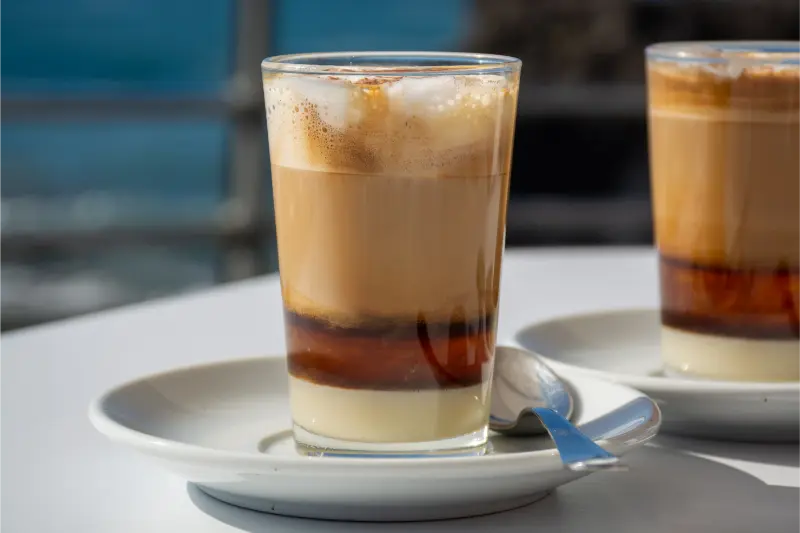
    Breakfast habits vary with accommodation. If I have hotel breakfast included, I keep it simple and save appetite for lunch. In towns, café culture makes a morning coffee and pastry an enjoyable break between sightseeing stops. Dinner in tourist areas can be early by Spanish standards, but more local restaurants may follow later rhythms.

    Food budget strategy

    I balance one or two memorable meals with inexpensive breakfasts, casual lunches and supermarket supplies. Ordering shared starters keeps costs and waste down. Wine, waterfront location and highly tourist-focused zones raise prices more than simple local dishes themselves.

    Food experiences that combine well with sightseeing

    Area/dayFood idea
    La Orotava / northTraditional lunch + local wine
    Los Gigantes / westFish or seafood after a coastal morning
    La LagunaCafé and tapas-style meal around the historic centre
    El MédanoCasual lunch after beach or wind-sports time
    Teide dayPicnic/snacks for the mountain, proper meal after descent

    My rule for finding good food

    I look for a clear identity. A fish restaurant should feel like it cares about fish; a rural Canarian place should not need an enormous menu; a wine-focused establishment should be able to tell you what is local. Recent reviews are useful for consistency, but I do not chase a place only because it is viral.

    Tenerife Seafront Restaurant Terrace

    The goal is to let food connect the different landscapes of the island. Eat seafood on the coast, try wine and rustic cooking inland, and use markets to understand what grows locally. Combined with the main Tenerife travel guide and 7-day itinerary, food becomes part of the route rather than a separate list of restaurants.

    Restaurant habits that improve the experience

    • Ask what is local or seasonal rather than only what is “most popular”.
    • Share starters so you can try more dishes without waste.
    • If a fish is priced by weight, ask for the approximate size before ordering.
    • Do not drive after a wine tasting.
    • Carry a written allergy card in Spanish for serious dietary needs.
    • Reserve popular weekend rural restaurants when possible.

    Souvenirs I would actually take home

    Local wine, mojo products, selected cheeses where transport rules allow, gofio, honey and small artisan foods are more meaningful to me than generic island-branded gifts. Check airline and destination rules for liquids, fresh foods and animal products before packing them.