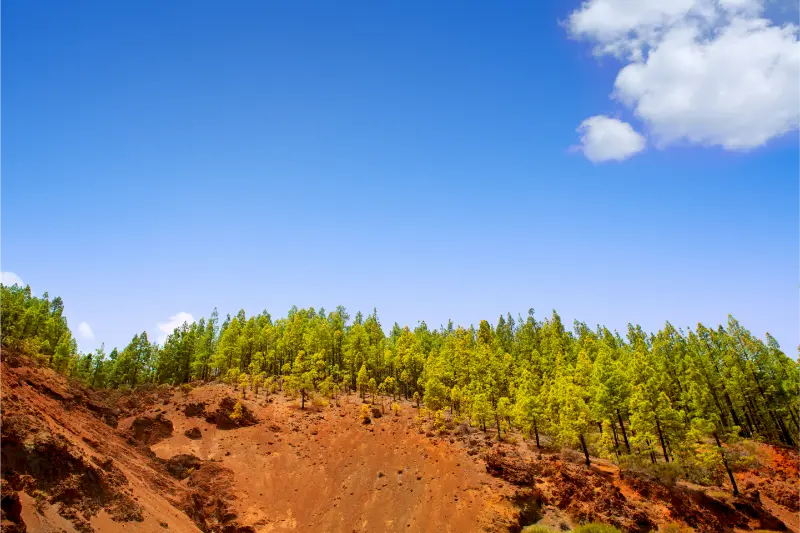
Camping in Tenerife is possible, but I would never treat the island as a place where I can pitch a tent wherever a scenic road happens to end. Tenerife’s protected landscapes are actively managed, and the official Tenerife ON system lists camping areas, nature camps, caravan camping and authorised overnight bivouac zones. Some facilities require advance reservations; certain high-mountain areas have separate permits; temporary fire-risk restrictions can change access at short notice. For me, the attraction is sleeping close to pine forest or starting a mountain day early, but the experience works only when I plan around the rules rather than around a romantic idea of wild camping.
Start with Tenerife ON, not with an old camping blog
Tenerife ON is the official planning platform for the island’s natural areas and is where I check current facilities, alerts and reservation requirements. Its facility directory distinguishes recreational areas, camping areas, nature camps, caravan camping and authorised bivouac areas. That distinction matters because a picnic area is not automatically a legal overnight campsite. I search the exact facility and date, read its current information sheet and reserve when the system requires it.
I also check alerts on the day of travel. Fire risk, maintenance, weather or environmental measures can affect access after a trip has already been planned. My Tenerife hiking permits guide explains the same principle for trails: official current information overrides an older itinerary.
Forest camping areas and nature camps
The island has managed facilities in forest areas, including sites shown by Tenerife ON in zones such as La Esperanza and the northern pine forests. Facilities vary, so I never assume drinking water, showers, electricity or a shop will be available simply because the word “camping” appears on a map. I read the resource sheet line by line and bring enough water and food for the specific stay.
Forest camping is particularly appealing in warm months because the altitude can be cooler than the coast, but that same elevation creates cold nights. I pack for the overnight low rather than the daytime temperature at my beach accommodation.
Camping is not the same as using a recreational area
Tenerife has many recreational picnic areas, but the Cabildo’s general rules state that ordinary recreational-area use is tied to daylight hours unless a specific overnight facility or authorisation applies. This is why I do not decide to sleep at a picnic table after a late barbecue. I separate daytime picnic planning from overnight accommodation and check the status of each site.
Fire rules also deserve special attention. Restrictions can tighten during hot or dry periods, and summer measures may limit cooking or close facilities entirely. I prefer a cold-meal backup so dinner does not depend on being allowed to light a stove or use a barbecue.
Teide bivouac: a very different experience
Authorised bivouac near Teide is not standard tent camping. Tenerife ON describes designated overnight bivouac zones on high routes where prior booking is compulsory. In the Teide authorised bivouac area, tents and similar shelters are prohibited; the concept is sleeping or resting in the open with a sleeping bag or bivvy-type protection without altering the environment. Separate trail permission may also be required for the approach.
At more than 2,500 metres, temperature, wind and sun exposure can be severe. I would only attempt this with mountain experience, suitable equipment and a conservative weather forecast. It is not an inexpensive substitute for a hotel. It is a high-altitude activity with genuine consequences if equipment or judgement is poor.
Campervans and motorhomes
A campervan does not automatically create permission to sleep anywhere a vehicle can park. Tenerife ON distinguishes caravan-camping resources, and municipal or protected-area rules can affect overnight use. I check the exact legal status of the intended stop rather than relying on the presence of other vans. A crowded roadside pull-off may simply mean several people are making the same assumption.

I also plan waste and water responsibly. Grey water, toilets and rubbish need proper facilities. The freedom of a van holiday only works if overnight behaviour does not turn viewpoints and beaches into informal campsites.
What I pack for a Tenerife camping night
My packing list changes with altitude. On the coast I prioritise ventilation, sun protection and wind stability; in pine forest I add warmer layers; near Teide I prepare for mountain cold, strong UV and rapid weather change. A sleeping mat matters as much as a sleeping bag because volcanic or compacted ground can draw heat quickly.
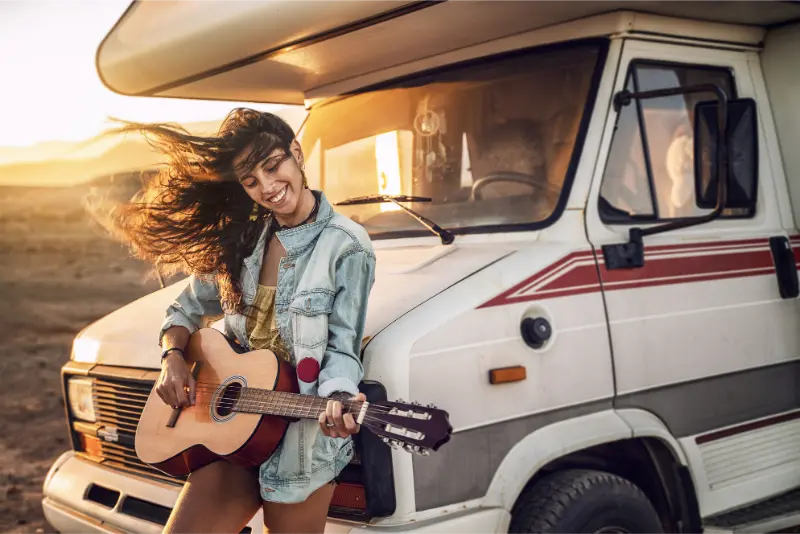
I carry a headlamp, enough water, power bank, rubbish bags and offline directions. I also save the booking confirmation locally in case reception is poor. For any remote site, someone outside the group knows where I intend to stay.
Food, fire and leave-no-trace habits
I plan food that can be eaten without flame. Even when cooking is normally permitted, temporary fire restrictions can make a stove unusable. I keep all food contained, pack out rubbish and never leave organic waste because it can alter wildlife behaviour. I use toilets where provided and follow the site’s rules when they are not.
The goal is to leave no evidence that I slept there. That includes noise and light: forest camps are not resort entertainment areas, and bright lights or music affect both other campers and wildlife.
Who camping in Tenerife suits best
I recommend managed camping to hikers, cyclists and nature-focused travellers who are comfortable with simple facilities and changing weather. I would not choose it simply to save money on a first family holiday unless the group already enjoys camping. The island has enough affordable apartments and rural stays that discomfort is unnecessary if outdoor sleeping is not part of the experience itself.
For a mixed trip, one or two legal camping nights can be more enjoyable than trying to camp every night. I like combining a forest stay with a normal base where I can shower, recharge equipment and adapt if the weather changes.
How I would plan it
Before every overnight stay I would check the exact facility on Tenerife ON facilities and verify current alerts and reservation conditions.
For nights when camping is not practical, I compare Tenerife accommodation rather than improvising an unauthorised roadside stay.
Reservations and last-minute changes
I save both the reservation and the cancellation rules. If wind, heat or a forest alert makes the original site unsuitable, I would rather lose part of a plan than force an overnight stay in poor conditions. This is one of the advantages of treating camping as a nature activity rather than as fixed accommodation.
How camping fits a longer Tenerife itinerary
A forest night pairs naturally with hiking, stargazing or a cycling route, but I keep the following morning light. Packing camp, driving mountain roads and beginning a long trail before breakfast can create an unnecessarily demanding day. I build recovery time into the itinerary just as I would after a hard Teide hike.
Planning camping in Tenerife around the rest of the trip
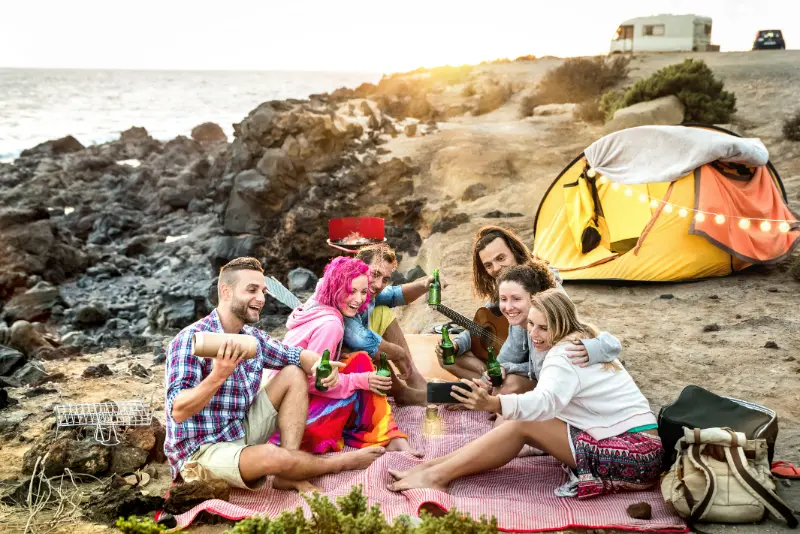
I would not let camping in Tenerife dominate every day of the holiday. Tenerife works best when active or detailed plans are balanced with a slower meal, a short walk or time by the sea. I group nearby places together, leave a realistic margin for parking and changing conditions, and avoid crossing the island simply to add one more stop. That makes this part of the trip feel intentional rather than squeezed between unrelated attractions.
What I check the evening before
The evening before this part of the trip, I confirm weather, access, opening information and the exact route from my accommodation. For camping in Tenerife, small practical changes can matter more than they appear on a static itinerary. I save essential information offline, charge the phone and keep a nearby alternative in mind. That preparation means a closure, stronger wind or slower traffic changes the plan without ruining the day.
How I keep the day geographically sensible
I build this day around one section of Tenerife. Even when camping in tenerife: campsites, permits, bivouac rules and tenerife on sounds easy to combine with several famous attractions, mountain roads and elevation can turn short map distances into long travel times. I prefer adding one nearby village, beach, viewpoint or lunch stop. The result is less time in the car and more time actually experiencing the area.
The pace I recommend for a first visit
For a first experience of camping in Tenerife, I deliberately leave more time than the minimum suggested by a map or booking page. I want room to stop, understand the setting and adapt to local conditions. Tenerife rewards that slower approach because weather, light and atmosphere change quickly. Finishing with spare energy is more useful than proving that I managed to fit another distant attraction into the same day.
A useful backup plan
My backup plan for camping in Tenerife is always something close by and simple: a town centre, sheltered café, promenade, museum, market or viewpoint that does not depend on the same conditions. I do not choose an alternative on the opposite coast. Keeping the backup local prevents a weather change or closure from becoming an exhausting cross-island drive and makes the itinerary much more resilient.