
Teatro Leal is not simply an evening venue in La Laguna. Its 1915 building is part of the historic centre’s cultural identity, with an eclectic façade, modernist details and an interior decorated with murals and paintings. In September 2026 it is actively programming the 2026–27 season after the summer break, so this is one of the places where heritage and current city life genuinely overlap. I would see the exterior by day even without a ticket, but the most complete experience is to attend a performance and watch the building do the job it was designed to do.
Quick visit facts
| Address | C/ Obispo Rey Redondo, 50, San Cristóbal de La Laguna |
|---|---|
| Opened | 1915 |
| Architect | Antonio Pintor |
| Current status | Active; 2026–27 season underway |
| Ticket office | Mon–Sat 11:00–13:00 and 18:00–20:00; Sunday opens 2 hours before a performance, according to current event information |
The building and its 1915 ambition
The theatre was promoted by Antonio Leal Martín, whose surname it carries, with plans by architect Antonio Pintor. Official heritage material dates its completion and inauguration to 1915. The façade is symmetrical and eclectic, with modernist decorative language, masks, vegetation and later medallions honouring Lope de Vega and Calderón de la Barca.
Inside, four levels and decorative paintings create a much richer space than the relatively narrow street façade suggests. Historical descriptions also note the old mechanical system that could raise the stalls floor to stage level for dances and social events—an excellent example of a theatre designed as a flexible civic interior.
Cinema as part of the story
Soon after opening, the theatre was adapted for film projection, and La Laguna heritage sources emphasise its role in important early cinema screenings. That matters because it shows how quickly theatres had to absorb new media rather than remain dedicated only to stage performance.
When I visit today, I keep that layered use in mind. The Leal has been theatre, social space, cinema and cultural symbol, with periods of closure and restoration along the way.
What the 2026–27 season means for visitors
The City Council announced the new season reopening on 2 September 2026 with music, comedy, dance, theatre and family programming. For a traveller, that variety is useful: I do not need to understand Spanish perfectly to enjoy every kind of event, especially music and dance.
I check the programme before fixing my La Laguna day. If there is an evening performance, I shift museums to the morning, leave time for dinner and stay in the pedestrian centre rather than driving away at sunset.
Buying tickets and choosing an event
Current municipal event pages list the box office Monday to Saturday from 11:00 to 13:00 and 18:00 to 20:00, with Sunday opening two hours before the show. PMR seating is handled through the box office by phone or in person, so I would arrange accessibility needs before the performance date rather than at the door.
For sold-out comedy or popular music, advance purchase makes sense. For an unfamiliar local company, I often treat the event as part of the travel experience rather than needing to know the performers beforehand.
How I would plan the visit
I treat this as a cultural attraction, not as a box to tick between two unrelated stops. The useful question is how much context I want before I arrive. If I already know the basic history of San Cristóbal de La Laguna, I can focus on details inside the building or site. If it is my first day in the area, I prefer to walk the surrounding streets first so the architecture, urban position and historical references make more sense when I enter.

I also leave a little flexibility around the visit. Cultural buildings in Tenerife can host services, rehearsals, exhibitions, private events, restoration work or municipal activities that temporarily change access. A plan with a 30–60 minute buffer is more realistic than an itinerary where every door has to open at the exact minute shown in an old search result.
Getting there without turning the visit into a parking problem
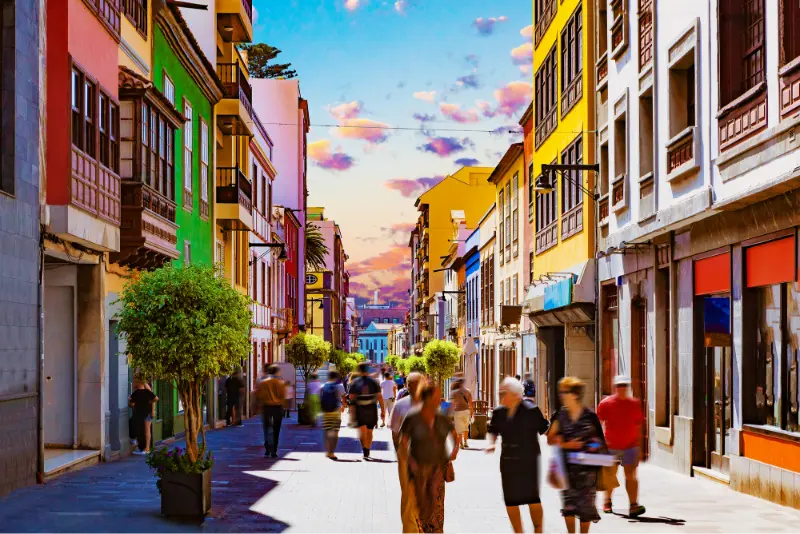
For central San Cristóbal de La Laguna sights, I generally prefer public transport or a single car park followed by walking. Historic centres were not designed around modern traffic, and driving from one monument to the next often wastes more time than it saves. If I am arriving from another part of Tenerife, I check the nearest tram, TITSA or municipal parking option before setting off and then build a compact walking loop.
If I want an early start or an evening event, I sometimes compare accommodation in San Cristóbal de La Laguna rather than drive across the island twice. That is not necessary for every visitor, but it can make a culture-heavy day much calmer, especially when the programme includes a performance, a temporary exhibition or dinner in the historic centre.
How long I would allow
I separate “door-to-door time” from “time inside”. A small museum can take 45 minutes but still occupy two hours once I include the walk from transport, reading exterior interpretation, a coffee and a nearby square. A theatre may be a ten-minute façade stop on an ordinary day and a full evening if I have a ticket. A church can be a brief architectural visit or much longer if I want to understand its chapels and historical layers.
My rule is to avoid stacking more than three substantial indoor visits in the same half-day. After that, attention drops and collections blur together. Tenerife’s historic towns work particularly well when I alternate an interior with streets, courtyards, markets, viewpoints or a meal.
Photography and respectful behaviour
I assume that photography rules can vary by room, exhibition and event. I look for signs before using a camera, keep flash off around artworks and documents, and never photograph people in a religious setting without permission. In theatres I do not assume that the rules for the lobby also apply during a performance. In active churches and convents, worship always takes priority over sightseeing.
I also travel light inside older buildings. Narrow corridors, historic furniture and delicate surfaces are easier to enjoy without a large backpack. If a site has staff at reception, I ask before leaning a bag against a wall, using a tripod or filming extensively. Those small habits protect the place and make the visit more comfortable for everyone.
Accessibility: what I check rather than assume
Historic architecture can create a mismatch between a site’s cultural importance and its physical accessibility. A restored building may have lifts and ramps; another may still have thresholds, steps or narrow historic openings. I check the current official accessibility information when mobility, stroller access or fatigue is important, and I contact the venue if a specific route through the building matters.
I also distinguish between getting to the entrance and seeing every space. A central pedestrian street can be easy to reach while an upper gallery, tower or heritage room remains difficult. That distinction is useful when planning with a wheelchair user, an older traveller or a young child.
Visiting with children
I would not automatically exclude a cultural stop from a family itinerary. The key is scale. One strong object, a courtyard, a fortress wall, a theatre interior or a story about a historical character can be more memorable to a child than a long sequence of display cases. I keep the visit shorter, explain what to look for before entering and give children a simple mission such as finding a coat of arms, a cannon, a painted ceiling or a particular architectural detail.
For very young children, I pair the indoor stop with a nearby square or park. That changes the rhythm of the day and makes it easier for adults to enjoy the site without expecting a child to behave like a museum researcher for two hours.
What I would combine nearby
I prefer combinations that explain the same place from different angles. A history museum plus a historic street, or a fortress plus the old port, usually feels more coherent than crossing the island for a second attraction just because it has a high review score. These clusters also reduce driving and make it easier to stop for lunch somewhere local rather than eating according to the car park.
Current status: what I would verify again
The theatre is active in September 2026, with the 2026–27 season underway. Current municipal event pages list the box office Monday–Saturday 11:00–13:00 and 18:00–20:00, with Sunday opening two hours before the performance. Programme times and prices vary by event.
Because this is information that can change, I save the official page on my phone and check it again on the morning of the visit. I do not rely on a photo of an opening-hours board from an old review, particularly around public holidays, Carnival, local fiestas or renovation periods.
Official source
For the latest practical information I use Teatro Leal’s official website rather than a third-party timetable.
Frequently asked questions
Is Teatro Leal open in 2026?
Yes. The theatre reopened its seasonal programme in September 2026 and is actively hosting events.
Can I visit without seeing a show?
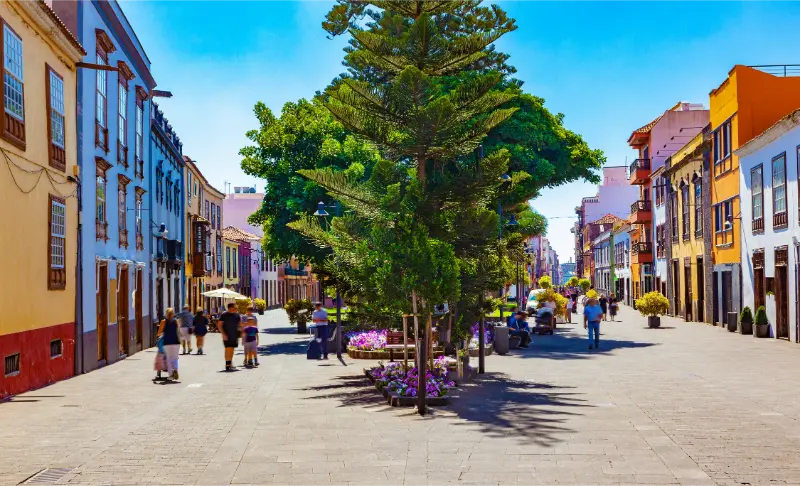
You can always appreciate the façade from the pedestrian street, but interior access outside events or organised visits should be checked rather than assumed.
When was it built?
The theatre was completed and inaugurated in 1915.
Is it accessible for wheelchair users?
The theatre provides PMR seating arrangements; current event information asks visitors to contact or visit the box office for those seats.
Final thoughts
Teatro Leal is one of the easiest ways to experience La Laguna as a living city rather than a preserved historic centre. I would see the façade during the day, then return for a performance if the programme fits. The contrast between the UNESCO streets outside and an active century-old auditorium inside is exactly what makes the stop worthwhile.