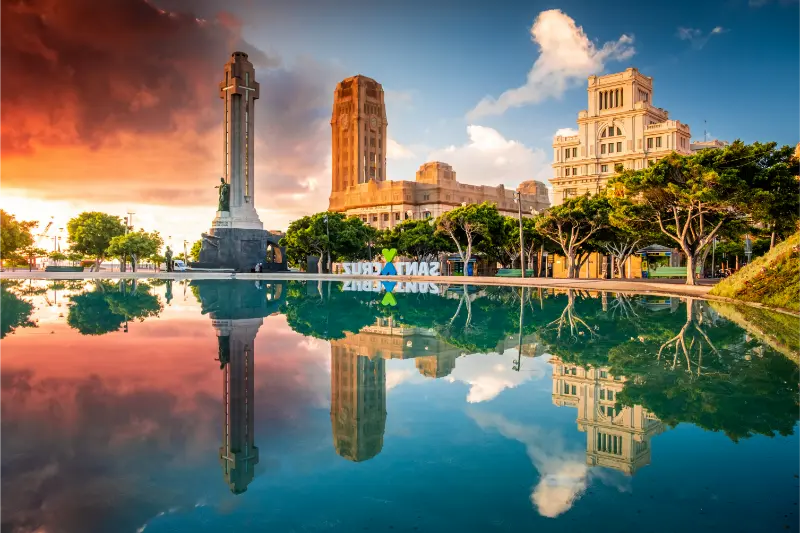
Mercado Nuestra Señora de África is the place I would visit in Santa Cruz when I want the city to feel like somewhere people actually live, shop and eat rather than a sequence of monuments. Known locally as La Recova, the market is one of the capital’s most distinctive everyday spaces: fruit, vegetables, meat, fish, cheese, flowers and prepared food sit within a historic market complex that is still part of local routines.
Tenerife Tourism describes it as the main market of Santa Cruz, founded in the 1940s and home to more than 200 traders. Its current market guide lists opening hours of 06:00–14:00 Monday to Saturday and 07:00–14:00 on Sunday. Because individual stalls and food businesses can keep different hours, I would arrive in the morning rather than build a visit around the final hour.
Quick planning facts
| Location | Santa Cruz de Tenerife |
|---|---|
| Common name | La Recova / Mercado Nuestra Señora de África |
| General market hours | Mon–Sat 06:00–14:00; Sun 07:00–14:00 according to Tenerife Tourism |
| Best time for visitors | Morning, especially before late-morning crowds |
| What I would look for | Local fruit, cheese, honey, fish, meat, Canarian products and prepared food |
I would check the official Tenerife Tourism market page and the broader Tenerife markets information before travelling if timing is important.
Why I would put the market near the start of a Santa Cruz day
Markets are better in the morning. Produce displays are fuller, fish activity is livelier, and I can have coffee or a snack before the city gets hotter. I would then continue on foot toward the historic centre, TEA, MUNA or the waterfront.
Starting here also changes how I see Santa Cruz. Instead of approaching the capital only through shopping streets and architecture, I begin with food, conversation and everyday logistics. That gives the rest of the city more context.
What I would buy
I would prioritize products that actually connect me to Tenerife: island-grown fruit and vegetables, Canarian cheeses, honey, local sauces, dried products and packaged specialties that travel well. I would ask vendors what is in season rather than arrive with a rigid souvenir list.
For cheese, I would look at milk type and maturity instead of assuming “local” means one style. For honey, I would read the label and origin. For fruit, I would buy only what I can realistically eat during the trip; a hotel room full of ripe tropical fruit is not a good souvenir strategy.
The fish area
The fish section is one of the most interesting parts even if I am not self-catering. It gives me a better idea of what appears later on restaurant menus and how Tenerife’s relationship with the sea differs from a generic “Spanish seafood” image.
If I am staying in an apartment, I would ask what is easiest to cook and how the fish is typically prepared. I would not buy something unfamiliar simply because it looks impressive if I do not have the equipment or confidence to prepare it properly.
Eating at the market
One of the best reasons to visit is that the market is not only for grocery shopping. Tenerife Tourism notes that markets such as Nuestra Señora de África have food stalls and cafés where visitors can try local products and simple prepared dishes. I would arrive hungry enough for a second breakfast, tapas or an early lunch.
I would avoid assuming that every popular stall has instant seating. At busy times I would be flexible, share small plates and treat the market as a tasting stop rather than demand a formal restaurant experience.
Products I would look for as edible souvenirs
For luggage-friendly gifts, I would consider sealed mojo sauces, honey, local salt or packaged sweets, always checking airline and destination-country rules. Cheese can be excellent but needs better temperature planning. Wine is an obvious Tenerife souvenir, but checked-baggage weight and breakage risk matter.
My Tenerife food guide explains the dishes and ingredients I would learn to recognize before visiting the market.
How the market fits with Santa Cruz sights
The market is close enough to several important places that I would not visit it as an isolated destination. MUNA is a natural next stop if I want archaeology, Guanche history and natural science. TEA works if I prefer contemporary art and architecture. From there I can continue toward the Auditorio and waterfront or walk back into the centre.
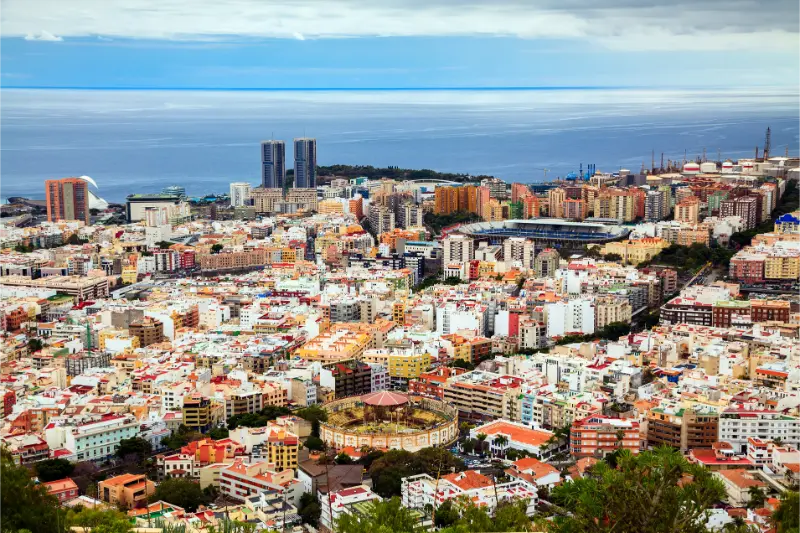
My Santa Cruz guide, MUNA guide and TEA guide make an easy cultural route.
My ideal half-day around La Recova
I would arrive around breakfast time, walk the market slowly, have coffee and buy a few local products. I would then visit MUNA or TEA, continue toward Plaza de España and the historic streets, and have lunch in the centre. If the weather is good and I have a car or bus plan, Las Teresitas can become the afternoon.
This is a better rhythm than trying to visit the market after a beach day, when many stalls may already be closed.
Sunday or weekday?
The official tourism information says the market opens on Sunday, which is useful for weekend trips. I would still choose a weekday or Saturday if I specifically want the broadest possible mix of traditional food shopping and city activity, because individual traders may vary.
Sunday can be excellent for atmosphere, but I would verify any particular stall before travelling across the island solely for it.
Paying: cash or card?
I would carry both. Many businesses accept cards, but small purchases are easier when I have some cash. I would not withdraw large amounts from an unfamiliar tourist ATM just for the market; my money in Tenerife guide explains the practical approach I use.
Parking and arriving without a car
The official tourism listing notes parking for customers, but I would not rely on a guaranteed space at peak time. Santa Cruz also works well by tram and bus, depending on where I am coming from. If I am staying in the city centre, I would walk.
For a city day, leaving the car parked once is better than moving it between every attraction. Santa Cruz is most enjoyable when I treat the central area as a walking itinerary.
Where I would stay in Santa Cruz
If the market, museums and local restaurants matter more than resort beaches, staying in the capital can be a smart choice. I would compare Santa Cruz accommodation on Booking.com and check whether the hotel has parking if I am also exploring Anaga or the north by car.
Market etiquette I would follow
I would not photograph vendors at close range without asking, touch produce unnecessarily or block a working counter while filming. I would greet people, ask questions when the stall is not busy and accept that this is a functioning market before it is a visitor attraction.
If I sample something, I would be prepared to buy if I genuinely like it. Respectful curiosity usually creates a better experience than treating every counter as free entertainment.
How La Recova differs from farmers’ markets
Nuestra Señora de África is an urban municipal market with a wide range of traders and food businesses. Tenerife also has farmers’ markets where producers sell more directly from agricultural areas. I would visit both if food is a major interest because they reveal different parts of the island’s food system.
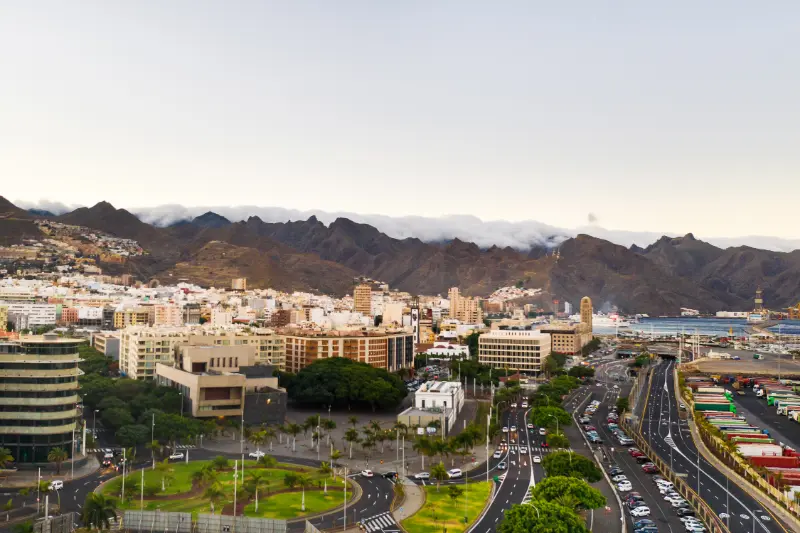
My Tenerife markets guide helps compare the options.
Common mistakes I would avoid
- Arriving close to closing time and expecting every stall to be operating.
- Buying fresh products that will not survive the rest of the travel day.
- Treating the market as a museum rather than a workplace.
- Planning to drive between every central Santa Cruz attraction.
- Buying food souvenirs without checking baggage and customs rules for the destination country.
Frequently asked questions
What time does Mercado Nuestra Señora de África open?
Tenerife Tourism currently lists 06:00–14:00 Monday to Saturday and 07:00–14:00 on Sunday. Individual businesses can vary.
Can I eat there?
Yes. The market includes food and café options, making it useful for breakfast, snacks or an early lunch.
Is it worth visiting if I am not cooking?
Yes. I would visit for the food culture, prepared dishes, local products and atmosphere even if I am staying in a hotel.
What should I buy as a souvenir?
Sealed honey, mojo, sweets and other packaged Canarian products are practical; I would always check travel restrictions.
How long do I need?
About one to two hours works for most visitors, longer if I eat there or enjoy food shopping.
My final take
Mercado Nuestra Señora de África is one of the places where I would go to understand Santa Cruz through food rather than through sightseeing alone. I would visit early, eat something, ask what is seasonal, buy only what I can use and then continue through the city on foot. It is simple, local and far more revealing than another generic souvenir shop.