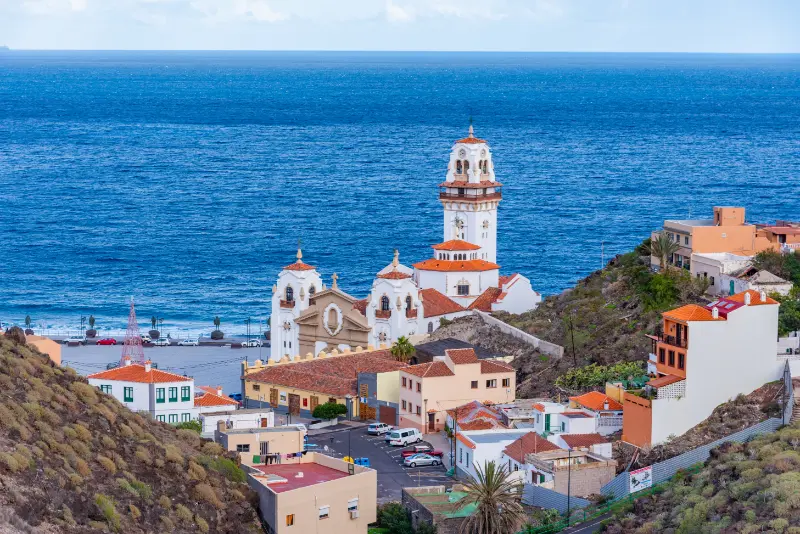
Iglesia de Santa Ana Candelaria is a heritage stop I would add when I want a Tenerife itinerary to explain the island rather than simply collect the biggest attractions. I would include Santa Ana after the Basilica rather than before it. The contrast works well: first experience the grand regional pilgrimage centre, then see the smaller parish heritage that grew within the town itself.
This guide separates documented facts from practical travel advice. I use official Tenerife tourism information for the historical, natural or architectural details, while recommendations about timing, parking and how to combine the stop are planning suggestions rather than guaranteed conditions.
At a glance
| Place | Candelaria |
|---|---|
| Address / access reference | Calle Santa Ana, 38, 38509 Candelaria |
| Best for | history, architecture and a compact local walk |
| Time to allow | 45–90 minutes for the core stop; 2–4 hours with nearby places |
| Planning rule | Check current access and opening information before travelling specifically for an interior |
Why this place deserves its own page
I would include Santa Ana after the Basilica rather than before it. The contrast works well: first experience the grand regional pilgrimage centre, then see the smaller parish heritage that grew within the town itself.
What the official record confirms
The church was founded by local residents in 1575.
Official tourism information highlights a rich artistic heritage inside.
The image of Santa Ana dates from the eighteenth century.
A wooden Crucified Christ in Baroque style dates from the seventeenth century.
The church stands in the Santa Ana quarter, a short walk from the main Basilica and historic seafront area.
What I would pay attention to
See it as a neighbourhood church
The Basilica dominates most Candelaria itineraries, but Santa Ana shows a different scale of religious life: a church created by local residents for their own community.
Give the older crucifix attention
A seventeenth-century wooden Baroque Christ is one of the specific works highlighted by the official tourism page and gives the interior a deeper chronology than the eighteenth-century titular image alone.
Walk the connection to the main square
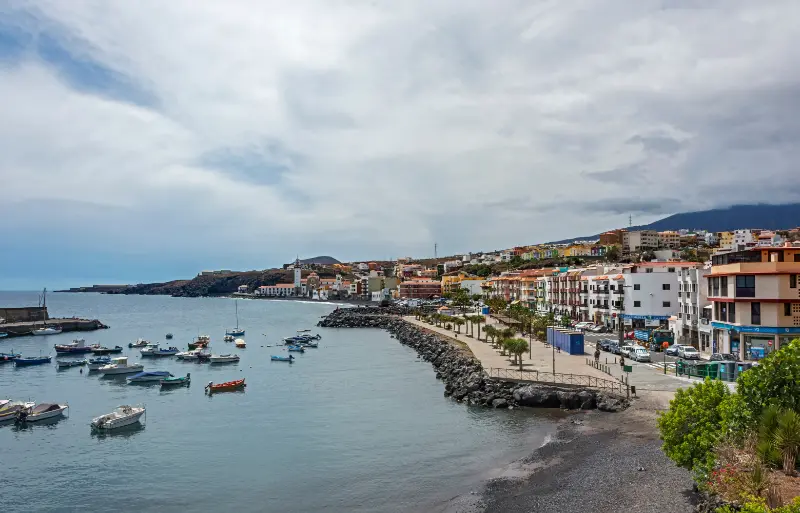
The short distance from the Basilica makes this an easy addition. Moving between the monumental pilgrimage centre and the quieter Santa Ana quarter reveals two sides of Candelaria.
How I would build it into a Tenerife day
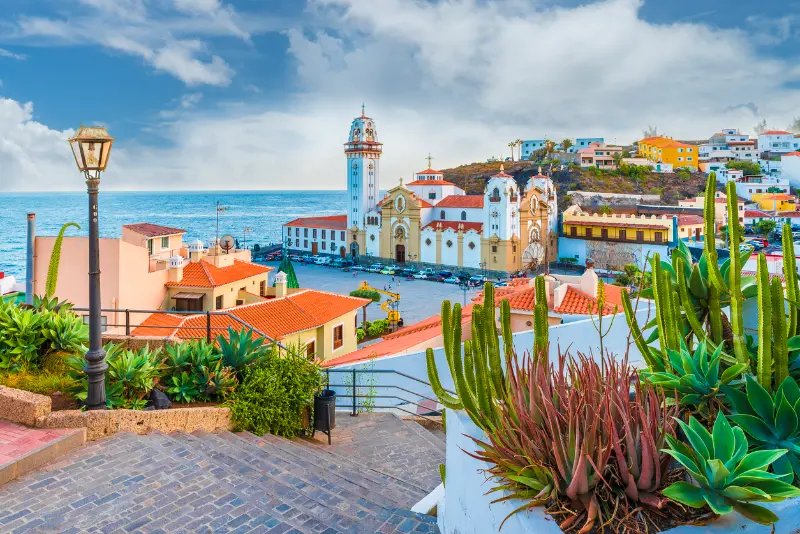
From Plaza de la Patrona, walk through the historic centre toward Santa Ana and Casa de las Miquelas. If the church is closed, the neighbourhood still works as part of the walking route; do not structure the whole day around guaranteed interior access.
Why I keep the itinerary compact
Tenerife rewards short geographic loops. When I keep several stops in the same area, I spend less time in the car and notice the transitions between coast, medianías and forest. That context is especially valuable for small monuments because the surrounding settlement explains why they are where they are.
Getting there sensibly
For rural Tenerife, the last kilometre matters more than the headline driving time. I check the route before leaving, avoid blindly following a navigation app onto a steep lane, and use signed roads or public paths. If conditions look different from the official information, local signs take priority.
Weather, clothing and the best time of day
Tenerife’s microclimates matter even on a short visit. The coast can be hot while the medianías are cloudy or windy, and exposed volcanic ground can feel much hotter than the air temperature suggests. I carry water, sun protection and a light layer in the car. For photography and walking, early morning or later afternoon often gives softer light and less heat, but I would never trade safe access or a confirmed opening time just to chase perfect light.
Interior access and opening times
Small churches, historic houses and civic rooms often have variable access. Unless the official source publishes a current timetable, I do not invent one. I plan the exterior and surrounding walk as worthwhile on their own, then treat an open interior, exhibition or guided visit as an extra. This makes the article useful even when local schedules change.
Responsible visiting
Small heritage places remain pleasant only if visitors behave as guests. I keep voices low near homes and churches, take all rubbish away, stay on public routes and obey barriers. At archaeological or ruined sites, touching, collecting or rearranging material can permanently damage what makes the place valuable.
Families and slower travellers
This can work well for families when expectations are adjusted. A small site does not need to fill two hours. I pair it with a square, picnic, garden or short walk and keep water and sun protection handy. Strollers may be awkward on old paving, steep lanes or unpaved paths, so I check surfaces before committing.
Food break strategy
A coffee or lunch stop is not wasted itinerary time here. It gives you a reason to stay in the town long enough to notice everyday life. I look for a place within the same cluster and avoid making a long detour solely because an online list labels one restaurant a must.
A simple half-day plan
- Arrive with one legal parking plan and one backup.
- Spend enough time at the main place to understand its story instead of only taking a photograph.
- Walk to one or two nearby stops from the same cluster.
- Add a local coffee, lunch or picnic rather than driving immediately to another part of the island.
- Keep the final hour flexible for weather, closures or a viewpoint you discover along the way.
Nearby guides to keep open
Where to stay nearby
If this area is more than a day trip, I compare accommodation in the same part of Tenerife rather than automatically returning to the busiest southern resorts. Staying locally can make early walks, evening village time and mountain-road days much easier. Compare accommodation around Candelaria on Booking.com.
Common mistakes to avoid
I would not rely on old blog opening times, assume a closed gate can be bypassed, or treat rural lanes as parking bays. Another common mistake is skipping the surrounding town. The context often explains the site better than an isolated façade photograph ever can.
Practical checklist before you go
- Re-check current opening, access or trail status on an official source.
- Use legal parking and keep residents’ entrances, agricultural tracks and emergency access clear.
- Carry water, sun protection and a light layer for altitude changes.
- Wear footwear suited to old paving, dirt or volcanic surfaces.
- Respect services, barriers, private property and archaeological material.
- Keep the day geographically compact so one closure does not ruin the entire itinerary.
Frequently asked questions
When was Iglesia de Santa Ana founded?
Official tourism information dates its foundation by local residents to 1575.
What important artworks are inside?
The official listing highlights an eighteenth-century image of Santa Ana and a seventeenth-century wooden Baroque crucifix.
Is it the same church as the Basilica?
No. Santa Ana is a separate historic church in the Santa Ana quarter of Candelaria.
Can I walk there from the Basilica?
Yes. It is part of the compact historic-centre route and pairs naturally with Casa de las Miquelas.
How long should I allow?
About 20–40 minutes for the church itself, or longer for the full Candelaria walking loop.
What if a service is underway?
Wait or return later; sightseeing should never interrupt worship.
Official information
For the documented details used in this guide, see official Tenerife tourism page for Iglesia de Santa Ana. I re-check official information shortly before travelling because opening patterns, trail status, events and access arrangements can change.
Final thoughts
This is not a place I would oversell as a universal must-see. Its strength is the detail it adds to Tenerife: a layer of geology, craft, agriculture, migration, devotion or everyday infrastructure that is easy to miss on a first trip. Combined with nearby guides from the same cluster, it helps turn a generic island itinerary into one that actually explains the places you are passing through.
Why this stop works in the wider Candelaria cluster
On a map it is tempting to see every point of interest as independent. In practice, Candelaria makes more sense as a network of streets, paths, farming land and nearby settlements. I use this stop as a reference point, then look outward: where did residents travel, what resources were produced nearby, which road connected the community to the coast or mountains, and which landscape features limited development? Those questions turn a short visit into something memorable without requiring invented anecdotes.
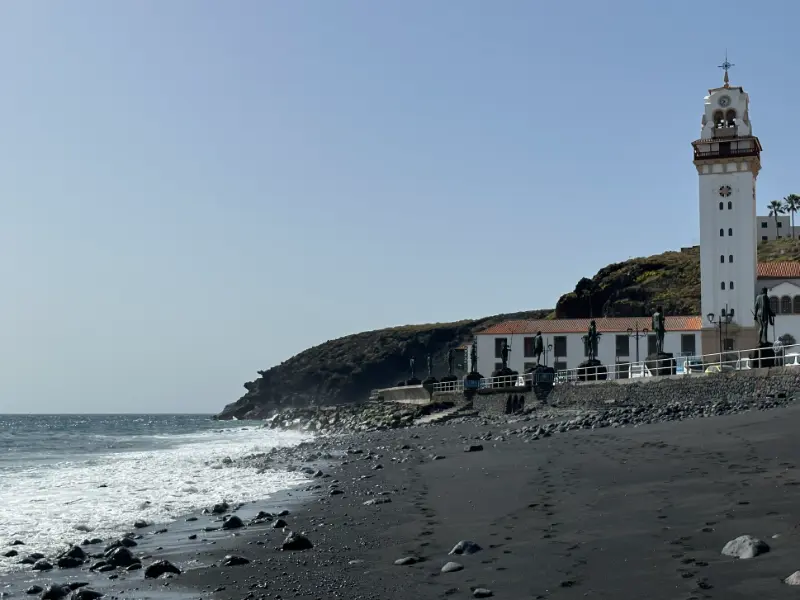
I also keep the pace realistic. A detailed half-day in one municipality often gives me more than a full day spent crossing Tenerife repeatedly. It reduces fuel and parking time, gives room for weather changes and makes internal links between the site and its neighbours visible in the real landscape rather than only on a screen.
What I would research the evening before
I check three things: the official access or opening status, the weather at the correct altitude, and the driving or walking route for the final kilometre. I do not rely on an old screenshot because road works, religious services, fire restrictions or trail maintenance can change quickly. If the site is small, I also save one nearby alternative so the outing remains worthwhile even if the main door is closed.
For rural and historic Tenerife, that small amount of preparation is usually enough. I do not need an hour-by-hour schedule; I need a reliable first stop, a coherent cluster and enough flexibility to respond to the island as I find it.