
Hijuela del Botánico is one of the small La Orotava stops I like precisely because it does not demand half a day. Hidden behind the town hall, this historic botanical garden covers about 4,000 square metres and contains roughly a hundred species. It works beautifully as a quiet pause between churches, balconies and the steep streets of the historic centre.
Turismo de Tenerife states that the garden was created in 1788 and has been a Bien de Interés Cultural since 2008. It was conceived as a complementary site to the acclimatization garden that is now the Jardín Botánico in Puerto de la Cruz.
Quick planning facts
| Location | Behind La Orotava Town Hall |
|---|---|
| Size | About 4,000 m² |
| Origin | Created in 1788 |
| Heritage status | Bien de Interés Cultural since 2008 |
| Collection | Around one hundred species |
| Official price | Free |
| Official hours | Turismo de Tenerife currently lists 09:00–14:00 year-round |
Why I add it to a La Orotava walk
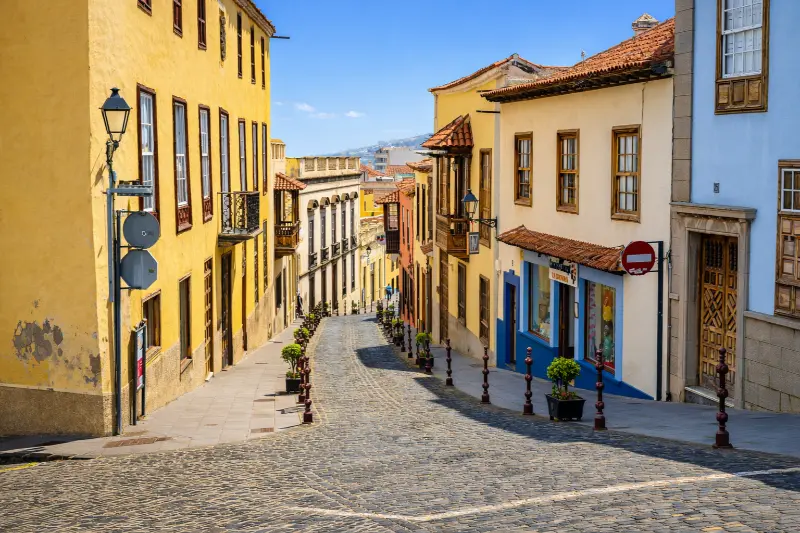
La Orotava can become architecture-heavy: carved balconies, churches, manor houses and steep stone streets. Hijuela changes the pace. I enter a green space, slow down and look at plants collected from very different parts of the world.
My La Orotava guide gives the broader walking route. Hijuela is a good 20- to 40-minute component rather than the reason I cross the island on its own.
A short history
The garden is linked to the same historical interest in acclimatizing exotic plants that shaped the larger botanical garden in Puerto de la Cruz. Its creation in the late eighteenth century reflects Tenerife’s role in Atlantic scientific and botanical exchange.
I find that context more interesting than simply counting species. The garden is evidence of how the island’s climate attracted botanists and plant collectors long before modern tourism.
What I look for
The official page highlights species such as horse chestnut, flame tree, sapote, Australian conifers and a notable dragon tree. Collections can evolve, so I treat those as examples rather than a guaranteed checklist for every visit.
I look at tree form, bark, shade and how the garden is laid out within the historic town. Because it is compact, I can pay more attention to individual specimens than in a huge park.
Best time of day
Morning fits the official opening hours and works naturally with a La Orotava walking itinerary. I would visit before lunch, then continue to Casa de los Balcones, churches or viewpoints.
Cloudy north-Tenerife weather is not a problem here. Soft light can actually make plants and stonework easier to photograph than hard midday sun.
Photography
The garden rewards detail: leaves, old trunks, framed views and the contrast between vegetation and town architecture. I avoid blocking narrow paths with a tripod and respect any areas closed for maintenance.
If plant photography is a major interest, I combine the stop with my Puerto de la Cruz Botanical Garden guide. The two sites are linked historically but very different in scale.
Accessibility and pace
A compact garden can still include uneven surfaces or steps, so travellers with limited mobility should confirm the current accessible route. I do not assume heritage gardens meet the same standards as modern parks.
For most visitors, the small scale is an advantage: it is easy to enjoy without exhausting legs already dealing with La Orotava’s slopes.
Combining with food and culture
After the garden I like a slow lunch or coffee in the historic centre. This is also a good day to connect architecture with local crafts at Casa de los Balcones or the MAIT crafts museum.
I avoid adding Puerto de la Cruz, Teide and several museums unless I am comfortable with a rushed day. La Orotava deserves time on foot.
Official information
I use Turismo de Tenerife’s Hijuela del Botánico page for current reference. It currently lists free admission and opening from 09:00 to 14:00 all year.
Frequently asked questions
Is Hijuela del Botánico the same as the Botanical Garden in Puerto de la Cruz?
No. It is a separate, much smaller historic garden in La Orotava, although the two are historically linked.

How long do I need?
For most travellers 20 to 40 minutes is enough. Plant enthusiasts may stay longer.
Is it worth visiting if I already saw the Puerto de la Cruz garden?
Yes if you are already in La Orotava. The value is the historic setting and compact character, not a larger collection.
Final thoughts
Hijuela del Botánico is exactly the kind of small place that makes a travel day feel less mechanical. I would not oversell it as a major attraction, but I would absolutely include it in a thoughtful La Orotava walk.

How I fit this stop into a full day
I give the attraction a clear role: morning culture stop, midday break or late-afternoon visit. I avoid booking another timed activity immediately afterward because parking, queues and the temptation to stay longer can make the schedule brittle.
I save the address, current hours and official page offline. If the place is unexpectedly closed, I already know the nearest alternative rather than spending half an hour searching from the pavement.
Photography and visitor etiquette
I check whether indoor photography is allowed and keep flash off around delicate objects, plants or exhibitions unless explicitly permitted. I also avoid turning narrow paths into a photo studio. Other visitors should be able to move through the space normally.
Accessibility questions I ask before going
Historic buildings and gardens can contain steps, cobbles, slopes and narrow doors. “Accessible” may apply to only part of a site. If mobility is important, I confirm the actual route, toilet access and parking rather than relying on a generic accessibility icon.
Why small attractions matter in a long Tenerife trip
A major park or famous viewpoint can be spectacular, but smaller cultural and garden stops prevent the itinerary from becoming repetitive. They are where I learn details that make later food, architecture and landscape easier to interpret.
A final planning rule I use on Tenerife
I leave at least one hour of unscheduled margin around rural, mountain or cultural stops. That buffer absorbs parking problems, weather changes, a longer lunch or a road that is slower than expected. It also gives me permission to stay when a place turns out to be more interesting than the itinerary suggested.
Before driving away, I check the next fuel, food and return option. This small habit matters most in the parts of Tenerife where tourism infrastructure is deliberately light. Good planning should make the day feel freer, not more rigid.
Why this article belongs in a complete Tenerife plan
The island becomes much more interesting when I connect major sights with smaller landscapes and cultural stops. This experience adds context rather than another box to tick, which is exactly what I want from a second or third day away from the main resort areas.
Small details that improve the visit
I check opening hours or access information on the same day whenever the experience depends on a museum, visitor centre, tasting, campsite or protected route. Tenerife is easy to travel around, but it is still frustrating to cross the island for a facility that has changed its schedule. A two-minute check before departure is one of the most useful habits in my planning.
I also keep cash and a bank card, water, a light layer and a charged phone with me. None of those items is dramatic, but together they solve many of the small problems that can turn a relaxed day into unnecessary stress.
What I would not try to combine on the same day
I avoid attaching a long Teide hike, a late-night drive or several fixed-time attractions to a day that already involves rural roads, tasting, museums or protected landscapes. The island looks compact on a map, but the most rewarding places often deserve more time than their distance suggests.
When I have extra time, I use it for a cafe, a short walk or a viewpoint rather than adding another far-away destination. That usually creates a better travel day and makes the article useful as a realistic plan rather than an impossible checklist.
Before I leave
I take one last look at the return journey before starting the visit. In Tenerife, a place that feels close on the map can sit on the opposite side of a ridge or at a very different altitude. Knowing whether I am returning by motorway, town roads or a mountain route helps me decide when to leave and prevents the final hour of the day from becoming rushed.
I also keep the plan flexible enough to stop if the weather, light or atmosphere is better than expected. That flexibility is especially valuable in the north and in the mountains, where conditions can change quickly and a short unplanned stop can become the most memorable part of the day.
Who I think will enjoy it most
This experience works best for travellers who want more than the headline attractions and enjoy understanding how local culture, landscape and everyday life fit together. It is less suitable for anyone trying to maximize the number of famous sights in a single day, and that is exactly why I consider it valuable in a longer Tenerife itinerary.