
Casa Lercaro is where I would go in La Laguna when beautiful UNESCO streets are not enough and I want the island’s social, economic and institutional history explained inside a house that is itself part of that history.
What Casa Lercaro is
Casa Lercaro is one of the venues of the Museo de Historia y Antropología de Tenerife (MHA). The building stands in La Laguna’s historic centre and dates from the late 16th century, when the Lercaro family, Genoese merchants who came to Tenerife after the conquest, began its construction. The museum opened here in 1993 and presents Tenerife’s historical development from the 15th to the 20th centuries.
Why I would visit after walking La Laguna
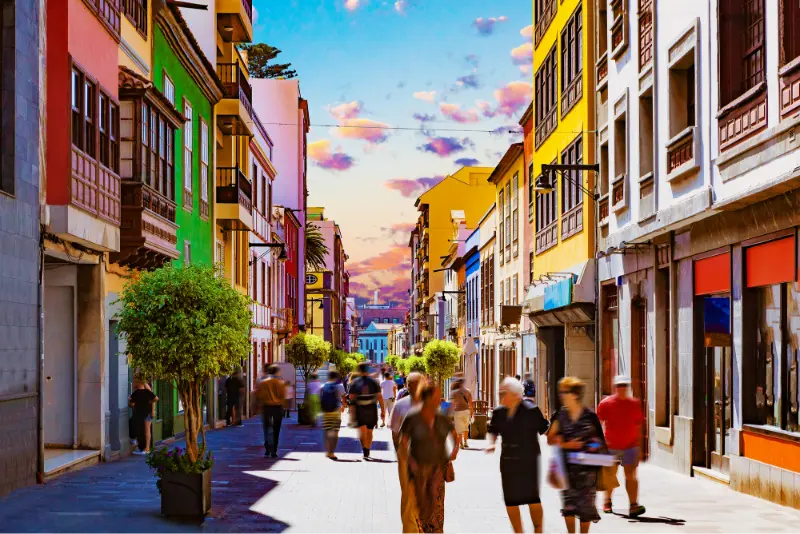
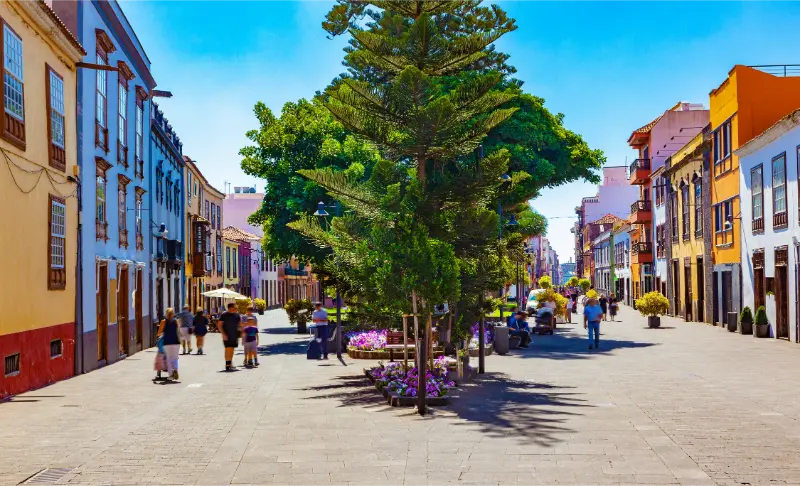
La Laguna’s urban plan and architecture are easy to admire visually, but the museum helps explain who held power, how trade developed, how institutions changed and how everyday life evolved. That makes the streets outside more legible. I like visiting after an initial walk, because I already have images in my head that the exhibits can connect to.
2026 opening hours
The museum currently lists Casa Lercaro open Monday to Saturday from 09:00 to 19:00 and Sundays and public holidays from 10:00 to 17:00. It closes on 24, 25 and 31 December; 1 and 6 January; and Carnival Tuesday. Last access is 30 minutes before closing. I still check the official page before travelling.
Current ticket prices and free-entry periods
As of September 2026, general permanent-exhibition admission is €5 for non-resident adults and €3 for Canary Island residents. Reduced categories are listed at €3.50 and €2 respectively, while children under eight and several other eligible groups enter free. The museum currently offers free entry on Friday and Saturday from 16:00 until closing, with a different starting time when those days are public holidays.
Location inside the UNESCO city
The museum lists Calle San Agustín 22 and says it is about a five-minute walk from both the cathedral and the tourist information point at Plaza del Adelantado. This is exactly why I would not drive from one La Laguna sight to another. Once I am in the historic centre, walking is the natural way to connect them.

Parking and public transport
The museum points to public parking at Plaza de la Milagrosa and Plaza del Cristo and notes that street spaces nearby can be difficult to find. La Laguna is also connected to Santa Cruz by tram, which often makes more sense than driving if I am staying in the metropolitan area.
Official information I use
I verify hours, tariffs and closures on the official Casa Lercaro visitor page. It is the source for the current 2026 practical information in this guide.
What I focus on inside the museum
I do not try to memorise every date. I follow a few themes: conquest and settlement, institutions, trade, social hierarchy, domestic life and the relationship between Tenerife and the wider Atlantic. Those themes help me connect museum objects to La Laguna, Santa Cruz, agriculture and migration across the island.
Casa Lercaro with children or teenagers
For younger visitors I shorten the visit and turn the historic house itself into part of the experience. Teenagers interested in colonial history, trade or identity may find it more useful if I connect exhibits to places they have already seen. A 60-minute focused visit is better than forcing everyone through every label.
How I fit Casa Lercaro into a Tenerife itinerary
I would not plan Casa Lercaro in isolation. I first look at the geography of the day and decide what belongs naturally before or after it. I would walk the UNESCO centre first, visit Casa Lercaro, then continue to the cathedral, Plaza del Adelantado or a café. Anaga can be a separate half day rather than an automatic add-on. That approach keeps driving or bus time under control and leaves enough margin for weather, queues, a longer lunch or simply staying somewhere because it is better than expected. For wider planning I use my La Laguna guide and then build the day around one main experience rather than a collection of unrelated pins.
When I would go
I like mid-morning on a weekday, when the historic centre is active but I still have plenty of daylight after the museum. The free-entry periods can be useful, but I expect them to be more popular. Tenerife is a year-round destination, but the best hour for a specific place can matter more than the best month. I think about light, heat, wind, crowds and whether the surrounding streets are lively or congested. I also check the exact local forecast instead of relying on a forecast for the island as a whole; altitude and exposure create very different conditions over short distances.
How long I would allow
I allow 60–90 minutes for the permanent museum and at least half a day for La Laguna itself. I prefer a realistic visit that includes arrival, orientation and a few pauses. The number printed on a map rarely includes parking, walking from a bus stop, buying a ticket, using changing facilities or finding lunch. Building those small transitions into the plan is one of the easiest ways to make a Tenerife day feel relaxed rather than rushed.
Getting there without wasting half the day
If I am staying in Santa Cruz, the tram is one of the easiest ways to reach La Laguna. By car, I use a public car park and walk through the centre. If I use public transport, I check both the outward and return timetable before leaving, not when I am ready to go home. If I drive, I save a legal parking option and a second choice on the map. Tenerife distances can look short, but urban traffic, steep roads and limited parking can change the real journey time. My getting around Tenerife guide explains the wider trade-offs between car, bus and taxi.
What I would bring
A light layer is useful because La Laguna can feel cooler than the south. Otherwise I travel light and keep time for walking after the museum. I keep the day bag light: water, sun protection, a charged phone, and a thin layer if the visit may continue into evening or a higher area. For swimming places I add footwear suitable for hot paving or rough surfaces and never assume lockers or shaded space will be available. For museums or religious buildings I prefer simple, respectful clothing and a small bag that is easy to carry.
Accessibility and travelling at a slower pace
I check the museum’s current accessibility information if I need step-free circulation through the historic building, because heritage architecture can create constraints even when adaptations exist. Accessibility is not only about a wheelchair symbol: slopes, cobbles, stairs, distance from parking, toilets and shaded seating all matter. When step-free access is essential I confirm the current arrangements directly before travelling. My accessible Tenerife guide is a useful starting point for broader planning.
Where I would eat nearby
La Laguna is one of my favourite places for a long lunch or café stop because there is no need to return to a resort immediately after the museum. I usually separate the attraction from lunch unless there is a genuinely good reason to eat on site. That gives me more choice and prevents a queue at the café from dictating the day. I look for a local restaurant, bakery or simple bar within the same area and keep one backup saved. For context on island dishes and restaurant habits, see my what to eat in Tenerife guide and eating out in Tenerife guide.
Where to stay if this place is a priority
For a culture-focused trip, La Laguna or Santa Cruz can be excellent bases; for a beach holiday I would visit as a day trip. I choose accommodation by map position rather than marketing description. A property that looks close can still be awkward on foot if there is a steep road, motorway barrier or long detour. I compare live options with accommodation in La Laguna and then cross-check the neighbourhood in my where to stay in Tenerife guide.
Common mistakes I would avoid
- Seeing La Laguna only as pretty façades and skipping historical context.
- Driving between sights inside the pedestrian-friendly historic centre.
- Arriving during the final 30 minutes and expecting a full visit.
- Assuming free-entry hours will always be quiet.
The common thread is simple: I try not to turn Casa Lercaro into a box-ticking stop. Tenerife rewards a little spare time, especially in places where the surrounding promenade, historic streets, gardens or coastline are part of the experience.
What I check on the day
Before leaving I verify the official opening or access information, local weather, any temporary closure and the route back. I confirm the current opening schedule, any temporary exhibition and whether a free-entry period changes expected crowd levels. I save the official page and any ticket or reservation offline. This takes only a few minutes and is much more reliable than assuming that an old screenshot, blog post or map listing is still correct.
My final take
Casa Lercaro is one of the best complements to a La Laguna walking day because it gives the UNESCO streets a deeper story. I would recommend it especially to travellers who want to understand Tenerife rather than only photograph it.
Frequently asked questions
Do I need to book in advance?
It depends on the venue and ticket type. I check the official page close to the visit; where timed tickets or guided experiences are offered, advance booking can be useful even if basic admission is available at the door.
Is it worth visiting if I only have a few days in Tenerife?
I would include it when the subject genuinely matches my interests and it fits geographically with the rest of the day. On a short first trip, I avoid adding an attraction simply because it appears on a long checklist.
Can I visit with children?
Usually yes, but I adjust the duration and expectations. A shorter, focused visit with food or outdoor time afterwards works better than making children absorb every exhibit or historical detail.